
Fence-sitting isn’t going to work if we want better owners corporations
Posted on 21 Oct 2026
The wider not-for-profit sector doesn't pay much attention to owners corporations, but maybe it…
Posted on 07 Feb 2024
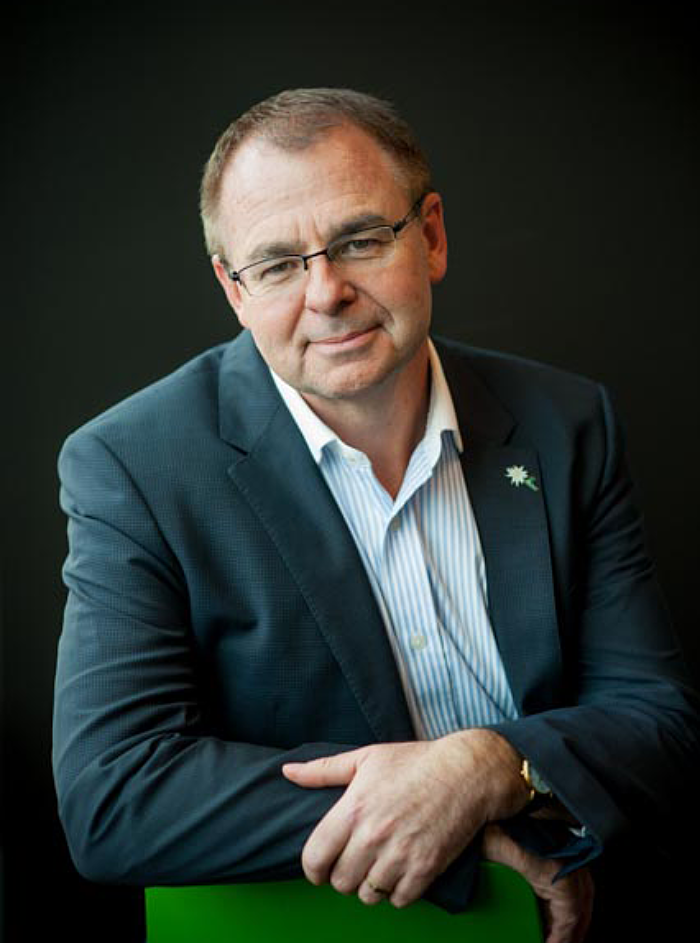
By David Crosbie

From helping alleviate the fallout from the cost-of-living crisis to defending donor details from cyber-attack, 2024 is shaping as a challenging year for the not-for-profit and charity sector, predicts Community Council for Australia CEO David Crosbie.
Floods, heatwaves, bushfires and cyclone are telling us in harsh, stark and impossible-to-ignore terms that climate change and a new normal is here, and we need to support resilience within our communities and within our sector.
However, I am not seeing a trend towards genuinely valuing and investing in the capacity of charities and community groups that are working at the heart of our communities, there in good times and bad, building the social connection that is at the core of resilient communities.
The cost of living is a big issue for Australians and for our sector.
This year is likely to continue to see many charities face increased costs, pressure and uncertainty in income streams and reduced access to volunteers.
Many delivering community services face demand that exceeds their capacity to meet.
At the same time, communities, funders and governments will continue to expect charities to keep data safe, evaluate and report on the impact of their services, turn programs on and off as if they are on tap, to collaborate… while at the same time asking them to compete in competitive funding processes, often for short term funding.
In another year when all charities and community organisations will yet again be asked to do more for less, we are overdue for real reform on key issues like pay what it takes.
In an ideal world, the work of charities and community organisations would be genuinely valued.
Time to move past the gentle pats on the head, being told we are good little boys and girls, thanked for our work, and then ignored in policymaking or handed inadequate funding while being expected to deliver unrealistic outcomes.
The trend I want is one where words are translated into action. Where consultation is a forerunner to investment and partnership in meaningful change, not another report that sits on a dusty shelf with more recommendations to add to the 160 from major inquiries over the last 30 years – of which only 21 have actually been implemented.
I want our current government – which carried a positive policy agenda for our sector into government – to make real investments in the sector and deliver the promised reforms. This is the last full year before the next federal election, so it will be interesting to monitor the gap between rhetoric and meaningful action.
If we are not prepared to support advocacy for our sector now, when will be the right time? And if we are not investing in our own sector, why would we expect others to?
The trend I want to see broken is the one where charities go quietly. All too often charities and community organisations gratefully accept breadcrumbs, don’t rock the boat, and fail to assert their value.
I want to see more charities bring their leadership to a determined collective – like the leaders and leading charities I am fortunate enough to work with at CCA – to stand up for our sector’s value and the need to genuinely invest in its future and capacity.
If we are not prepared to support advocacy for our sector now, when will be the right time? And if we are not investing in our own sector, why would we expect others to?
I think it is going to be an amazing year, full of challenges, but hopefully finally delivering some long overdue reforms and meaningful investment in our sector.
David Crosbie has been CEO of the Community Council for Australia for the past decade and has spent more than a quarter of a century leading significant not-for-profit organisations, including the Mental Health Council of Australia, the Alcohol and Other Drugs Council of Australia, and Odyssey House Victoria.
For more guidance on the top trends affecting not-for-profits in 2024, be sure to read our special report in tomorrow's Community Directors Intelligence.
Posted on 21 Oct 2026
The wider not-for-profit sector doesn't pay much attention to owners corporations, but maybe it…
Posted on 14 Oct 2026
In the ongoing political debates about migration levels, Asylum Seeker Resource Centre founder Kon…

Posted on 14 Oct 2026
Over the weekend, federal Liberal leader Angus Taylor told the Conservative Political Action…
Posted on 07 Oct 2026
Our Community's founder and leader, Denis Moriarty, writes that when he watched an over-the-top…

Posted on 30 Sep 2026
There's been a lot of talk about AI this week, and some of it has been frightening. So, is AI good…

Posted on 30 Sep 2026
After the biggest AFL game of the year, one player proudly wore the flag of his birth country and…

Posted on 23 Sep 2026
In his new book Our Place, policy expert Matt Lloyd-Cope argues that housing must be at the heart…

Posted on 23 Sep 2026
There are solutions to counter the rise of One Nation but they might not be residing in the mess…

Posted on 03 Sep 2026
Denis Moriarty has an issue with insurance companies varying premiums because of what they perceive…
Posted on 02 Sep 2026
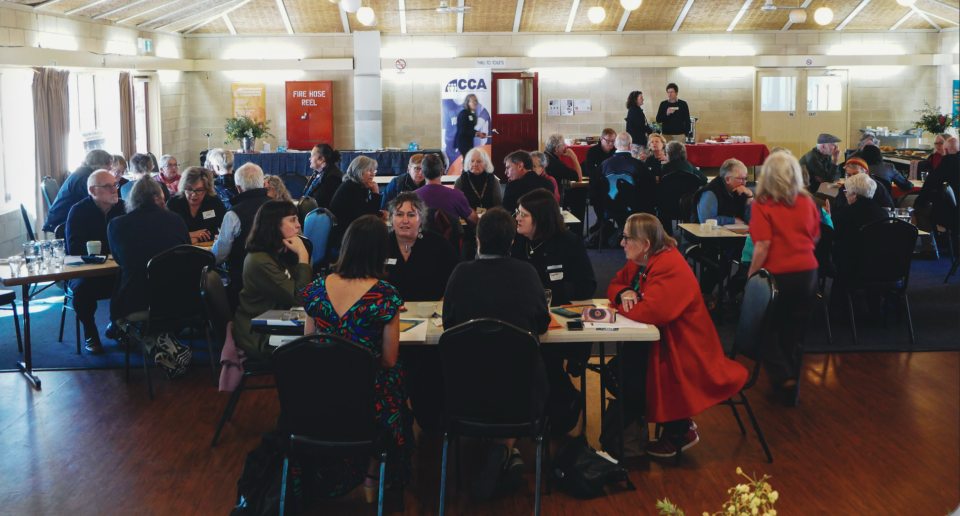
Yesterday, at a meeting just outside Castlemaine in Victoria, 70 people came together to hear…

Posted on 26 Aug 2026
Our Community's founder and leader, Denis Moriarty, says he commissioned a new piece of street art…

Posted on 19 Aug 2026
Government funding is at the centre of Australia's charity and not-for-profit sector – our number…