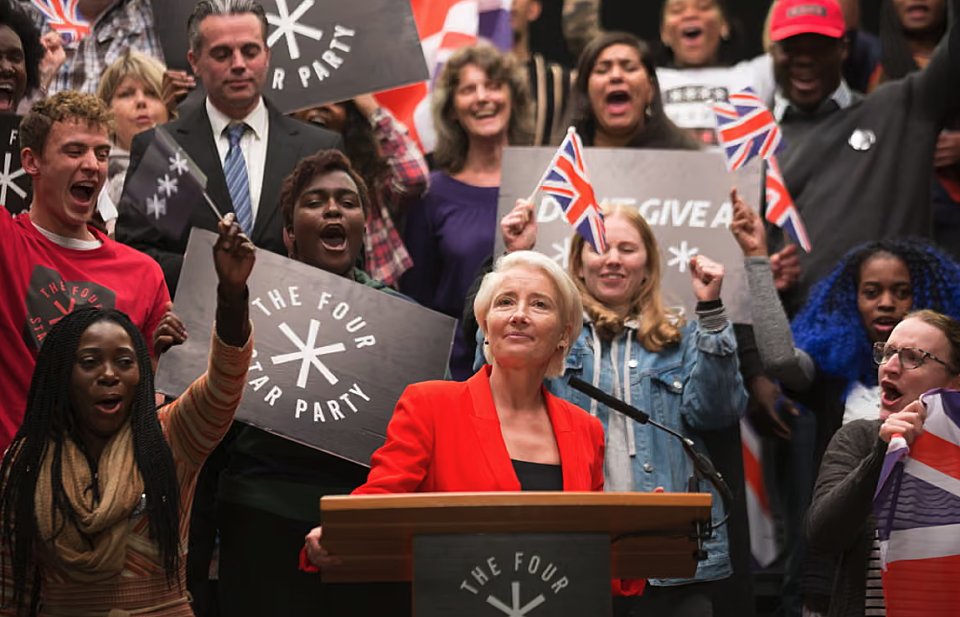
Pauline Hanson and the frightening lesson of ‘Years and Years’
Posted on 07 Oct 2026
Our Community's founder and leader, Denis Moriarty, writes that when he watched an over-the-top…
Posted on 16 Jul 2024
By Greg Thom, journalist, Institute of Community Directors Australia

In a world increasingly distrustful of traditional news media and filled with disinformation, public interest journalism has never been more important.
More than three quarters of Australians are concerned about misinformation, according to the University of Canberra’s Digital News Report 2024.
Perhaps just as shocking as that statistic is the fact that distrust of news is at its highest point since 2016, up by eight points to 33%.
For some, it has become difficult to separate fact from fiction in a post-truth world, with beliefs ranging from denial that the October 7 cross-border murder of Israeli citizens by Hamas fighters ever happened to a conviction that the moon landings were faked and that covid is not real, for some.
In the latest example, just hours after an assassins bullet narrowly missed US presidential candidate Donald Trump, social media was awash with scores of bizarre conspiracy theories that the shooting was faked.
For the CEO of the Public Interest Journalism Initiative (PIJI), Anna Draffin, it’s a concerning situation.
In a recent appearance at Parliament House in Canberra before the Joint select Committee on Social Media and Australian Society, Ms Draffin left no doubt that journalism carried out in the public interest is in crisis in Australia and around the world.
“Without public interest news, we put democracy and social cohesion at risk, hamper the ability of Australia’s population to engage in informed civil discourse, and amplify and abet the rise of mis and disinformation,” she said.
“Collectively, we need to futureproof public interest journalism now."
Source: Digital News Report Australia 2024
Established in 2018, the PIJI is a not-for-profit organisation that takes a research-based approach to advocating for a sustainable and diverse public interest journalism landscape in Australia.
The organisation tracks the health of and trends in the Australian news market and investigates policy solutions for news diversity and sustainability.
In her appearance at the committee, Ms Draffin, a Community Council for Australia board member and former Philanthropy Australia deputy CEO, said public interest journalism is a powerful antidote to misinformation but faced an escalating crisis in Australia.

“This is not a communications problem. It impacts our economy, social cohesion, and security,” said Ms Draffin.
“We need to address the issues facing the sector, quickly and decisively. This crisis is time critical.”
Monthly longitudinal data collected by the PIJI revealed prolonged news market stress and instability, with 161 news outlets closing their doors over the past five years, including as many as two thirds of those in regional communities.
Ms Draffin said a two-speed approach was required from government to turn the situation around:
“This will require robust evidence, thought leadership, experimentation and investment,” she said.
Ms Draffin said sector transformation could not be achieved by government alone.
It was particularly important the media be insulated from political pressures and focused on the protection, long-term sustainability and diversity of public interest journalism at all levels, she said.
“In an age where generative AI can both threaten and enhance the power of public interest journalism, there is a magnitude of demands and complexities,” said Ms Draffin.
She said there were important lessons to be learned from two decades of digital disruption across Australia’s economy and society.
“Collectively, we need to futureproof public interest journalism now: to strengthen the unique qualities that set it apart from other types of information, to ensure its viability, diversity and accessibility as an antidote to mis and disinformation, and to build trust and resilience in the Australian community and democracy.”
Posted on 07 Oct 2026
Our Community's founder and leader, Denis Moriarty, writes that when he watched an over-the-top…

Posted on 07 Oct 2026
A major public campaign launched this morning is calling on the federal government to restore…
Posted on 07 Oct 2026
The Australian Literacy & Numeracy Foundation (ALNF) has announced a partnership with mining…
Posted on 07 Oct 2026
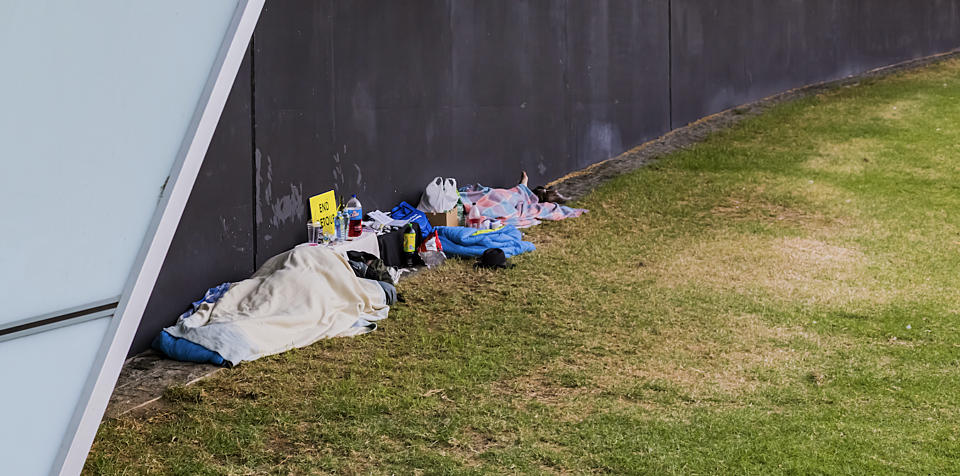
A conference in Darwin will this morning hear detailed, strategic plans for how Australia could…

Posted on 07 Oct 2026
Joseph Friedman is co-founder and publisher of About Time, Australia’s only newspaper for…

Posted on 30 Sep 2026
There's been a lot of talk about AI this week, and some of it has been frightening. So, is AI good…

Posted on 30 Sep 2026
After the biggest AFL game of the year, one player proudly wore the flag of his birth country and…

Posted on 30 Sep 2026
At 21 years old, Tate Donohoe is the founder of Ecodia, an AI-assisted software development company…

Posted on 30 Sep 2026
Not-for-profit leaders have been warned to be wary of approaches from potential “funding partners”…
Posted on 30 Sep 2026
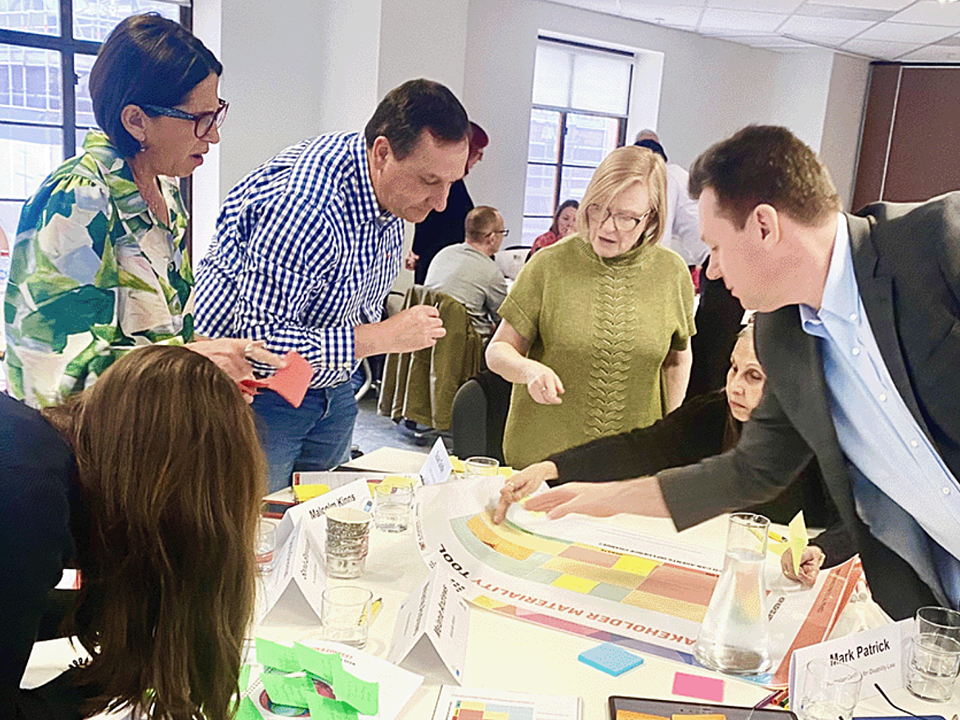
More than 200 fully funded Centre for Social Impact (CSI) scholarships will help equip for-purpose…

Posted on 30 Sep 2026
Personal stories are among the most powerful tools a charity can have to raise funds and awareness,…

Posted on 23 Sep 2026
In his new book Our Place, policy expert Matt Lloyd-Cope argues that housing must be at the heart…