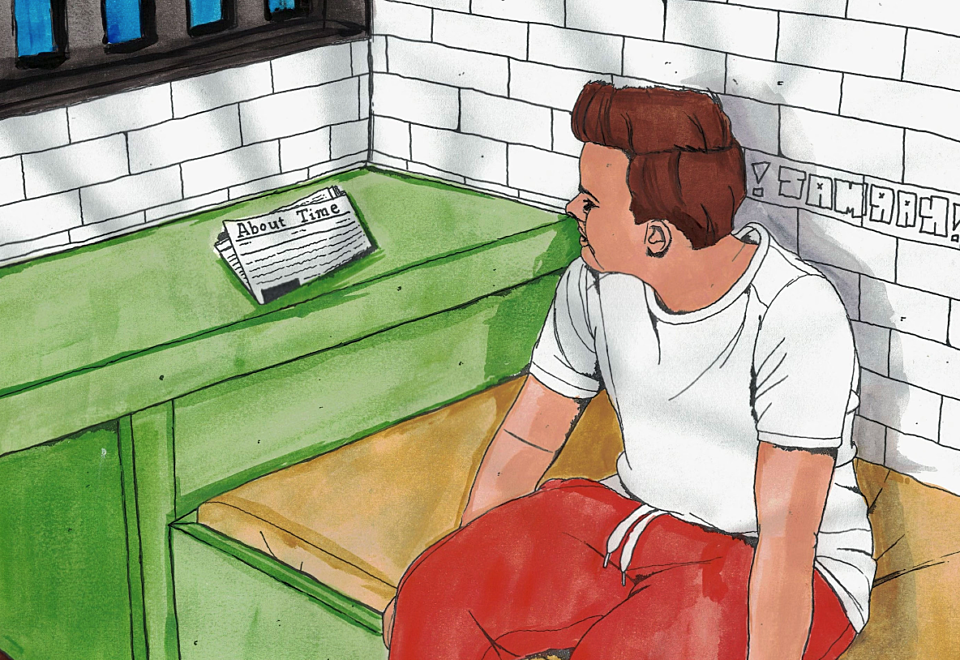
From passion project to a national prison newspaper, speaking to and for those doing time
Posted on 07 Oct 2026
Joseph Friedman is co-founder and publisher of About Time, Australia’s only newspaper for…
Posted on 10 Oct 2024
By Matthew Schulz, journalist, Institute of Community Directors Australia
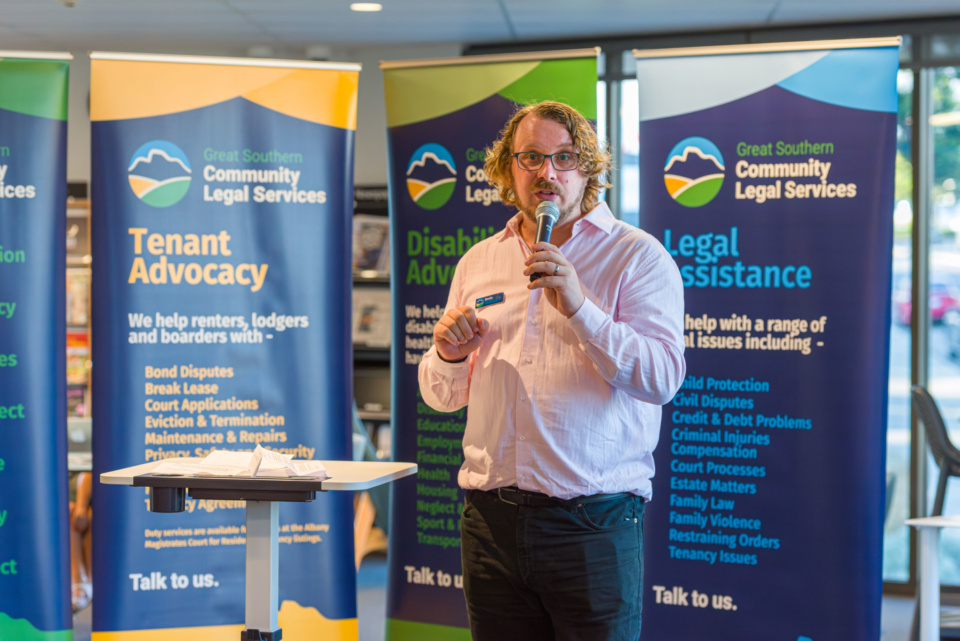
Brodie Lewis is the business manager at Great Southern Community Legal Services in Albany, Western Australia, and is among the many ICDA students and graduates making a positive difference to thousands of lives.
GSCLS is one of 26 community legal services in Western Australia; 160-odd nationally. We work to improve access to justice for vulnerable people across our broad region through education, improving bad laws, and one-to-one advocacy and legal help. Last year we helped around 4000 people across a region of around 100,000 sq km.
After graduating, my wife and I chose to move to Albany, the largest town in our region, and one of the most beautiful parts of the country. I started volunteering at GSCLS (then Albany Community Legal Centre) following work placements in community legal centres (CLCs) in Perth while I was studying.
Through 2016–17 I led GSCLS’s political advocacy, responding to funding cuts – around 40% of our funding was to be cut. My background in student politics held me in good stead here. Following this, with funding restored, the board asked me to join as business manager.
Undoubtedly. I cut my teeth in leadership in that sector, and it taught me some important lessons around the value of collaboration that I carry to this day. There are very few people, no matter how diverse their politics or worldviews, who don’t genuinely want to make the world a better place, and there’s almost always a way to bring people together.
We keep roofs over people’s heads when they come to us facing eviction. We keep families safe when they are faced with family violence. We help people with disabilities navigate and access services like Centrelink and NDIS, when they struggle to do so themselves. We keep older people safe from harm when they are targeted by scams or the insidious scourge of elder abuse. We empower people and communities to understand the legal system and how it works to improve the safety, security and wellbeing of diverse communities throughout our region.
At a higher level, we provide education and a range of supports for people that are vulnerable or disadvantaged because of a range of circumstances (finance, family and domestic violence, disability, housing insecurity) to ensure that our communities across the Great Southern region are resilient, confident and empowered to access their rights.
We talk to many clients about the change in their lives when we finish up helping them. Their stories are vital and provide the energy needed to keep going. I won’t quote all of them – there are plenty in our annual reports.
One that comes to mind is our assistance of a single parent with young kids, following the death of their partner. We helped the parent to understand the process and access superannuation, and supported them to pay off their house. This helped keep the kids well-housed, in school, and safe, allowing the family to work through their grief without the additional risk of homelessness.
CLCs exist to address inequity of access to justice, and people with disabilities unfortunately experience increased inequity in this area.
We’ve done this for over 20 years in partnership with People With Disabilities WA, a peak disability-led organisation.
This model is proving successful, with three other regional CLCs adopting a similar approach in the last three years. We’re working hard to have face-to-face disability advocacy available across regional WA, but we need more government support.
"We talk to many clients about the change in their lives when we finish up helping them. Their stories are vital and provide the energy needed to keep going."
Albany is the biggest town in our region, with around 40,000 residents – however, our region is home to 100,000 people. Our service has been conducting services throughout the region, outside of Albany, since 1999. Our name change helps us catch up with the reality of services on the ground – and better reflect the 60% of our residents who don’t live here in Albany.
The biggest and ongoing challenge in our sector is insecure and wildly insufficient federal and state funding.
In Western Australia, the main issue facing CLCs right now is resourcing – both money and people, and this is echoed around the country.
CLCs – like many not-for-profits – do a huge amount of work for very low cost. We leverage resources including committed staff, fantastic volunteers, and university and TAFE students, as well as dedicated board members, to deliver incredible value to our communities.
Yet our centre, and all CLCs in Western Australia, have had most of our funding delivered in short-term funding agreements (typically one year) since 2011. Alongside this, despite estimated savings for the court system of around $5 for every $1 invested, our services are turning away two in every three people that seek our help. Nationally, that’s around 1000 people a day.
This is all due to insufficient funding from governments for the work we do. Nationally our services deliver legal and related help to over 180,000 people a year, but turn away more than we help. This puts strain on Australia’s court system, because court users without legal help cost significantly more in court resources, and they don’t receive just outcomes (court users without representation, on average, fare worse through the process).
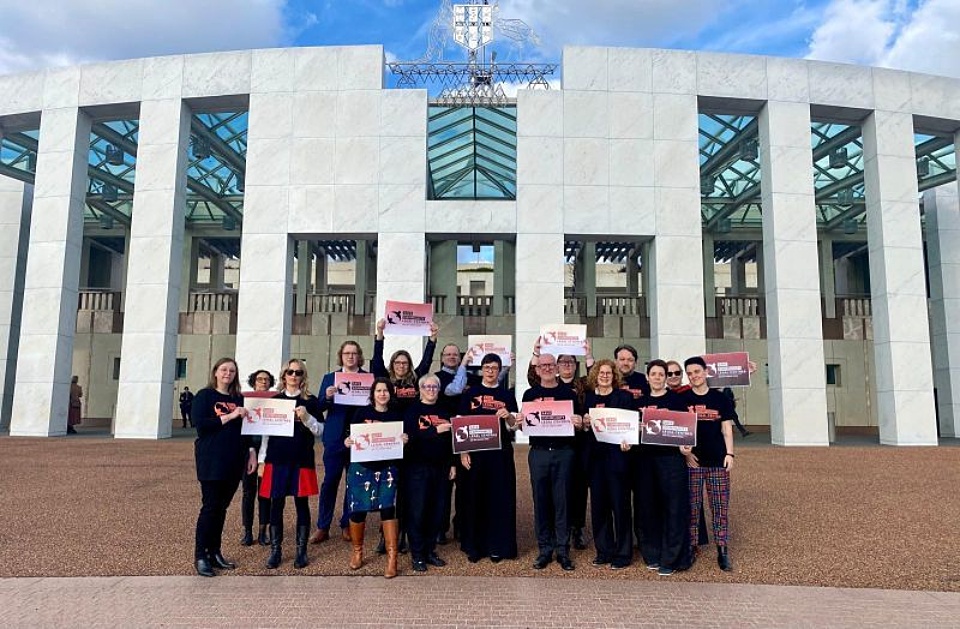
I was recently in Canberra talking to our nation’s parliamentarians about this very issue. We were there on the same day as Domestic, Family and Sexual Violence Commissioner Micaela Cronin gave the latest update to the National Press Club on stopping family violence within a decade, and I was heartened to see the Commissioner note the key role that our sector plays in addressing family violence. In talking with MPs, we were in no doubt of the support for our services from Canberra.
We are waiting to see the specifics of recent announcements by the federal government on funding. Should the ~$500 million that has been announced be divided among our national legal assistance system (which includes legal aid commissions, Aboriginal legal services and Aboriginal family violence prevention legal services) similarly to previous investments, only a fraction will flow to CLCs.
Despite the positive support from Canberra, we fear that this will mean the investment will fall vastly short of estimates of what is needed to stem the tide of demand. This will mean more people are denied justice because of the lack of legal help.
Community organisations across Australia are a key part of the social fabric of the country – working to enhance all aspects of our lives. A vibrant community sector is good for all Australians, and good governance is key to this.
GSCLS has been a member of ICDA for a few years now, and the opportunities it’s brought to our leadership and our board have been vital in sustaining and growing our impact in the community.
Not-for-profit leadership is hard, and the course arrived in my in-box right as I was thinking through some new initiatives we’re looking to pursue here. Slowing down to take stock and get perspective was something I felt was valuable.
The biggest one is to regularly take stock of how much time is spent ‘working in’ the business vs time ‘working on’ the business. The other one is working through a range of tools and perspectives around leadership styles and how to develop and grow these.
The hardest part of working for people and communities is saying ‘no’ to important, valuable and deserving needs, and we continue to work with philanthropic funders and government partners to reduce the potency of that word.
Put simply, we don’t get everything done. We do the best we can with what we have, make funds stretch well beyond their limit, and find new and innovative ways to make positive change for our communities.
More about Great Southern Community Legal Services
Posted on 07 Oct 2026
Joseph Friedman is co-founder and publisher of About Time, Australia’s only newspaper for…
Posted on 30 Sep 2026
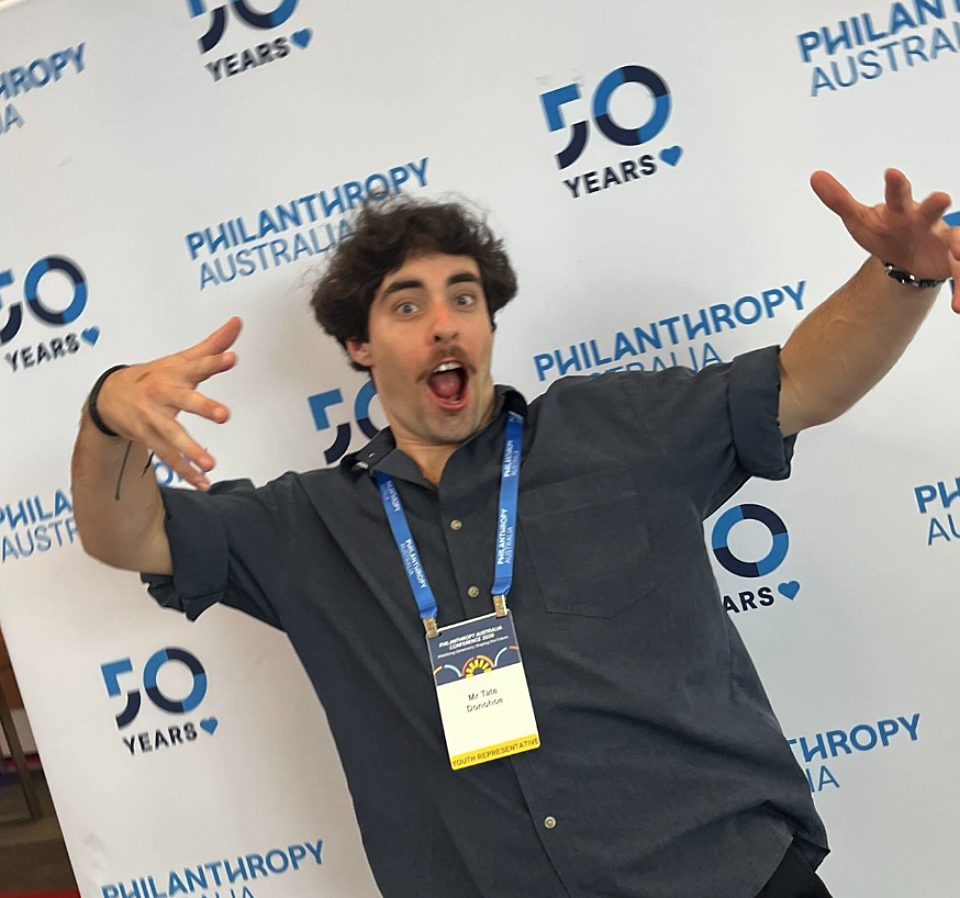
At 21 years old, Tate Donohoe is the founder of Ecodia, an AI-assisted software development company…
Posted on 02 Sep 2026
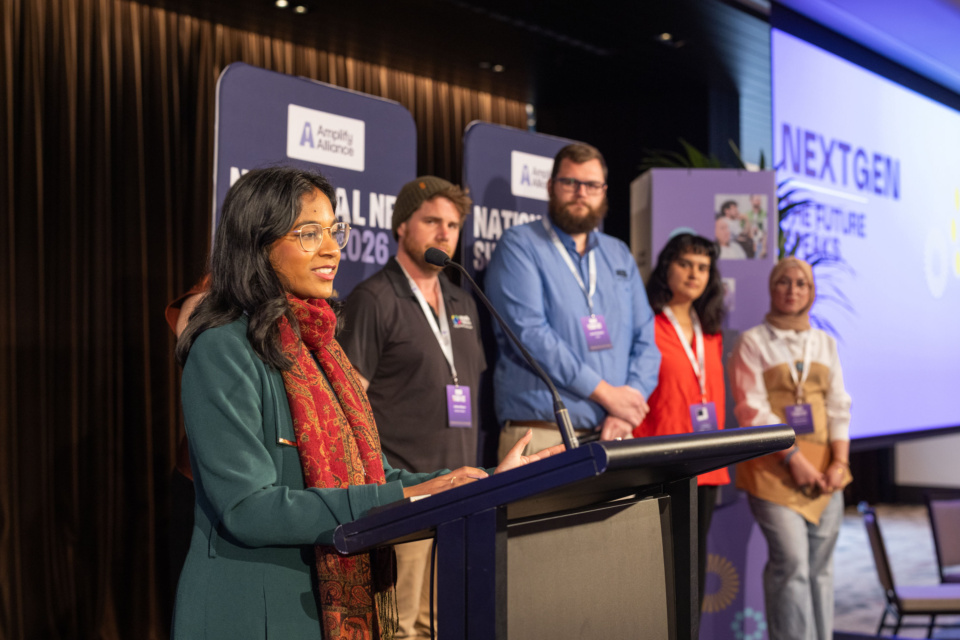
At last week’s Amplify Alliance National NFP Summit, Satara Uthayakumaran, 23, brought the voices…
Posted on 26 Aug 2026
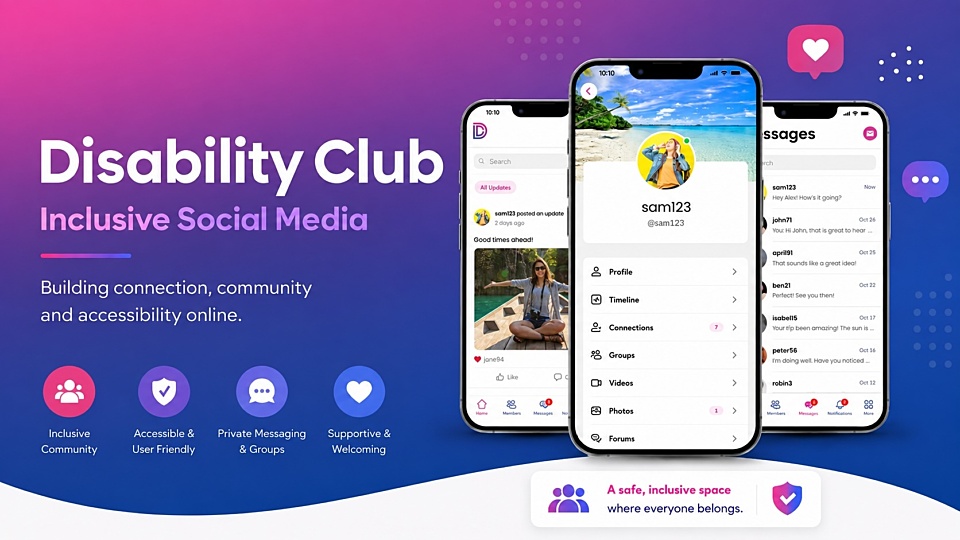
Nathan Johnston lives in Bega, NSW, and lives with cerebral palsy. He’s the creator of Disability…
Posted on 19 Aug 2026
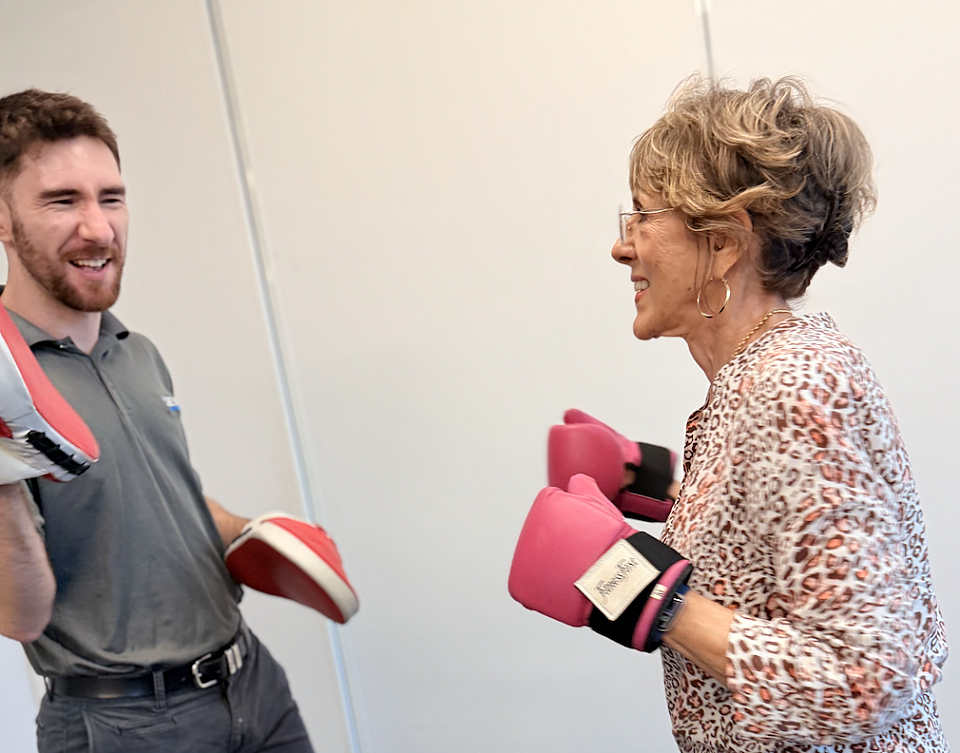
Coralie Wales is the founder of Strong Australia, an ACNC-registered health promotion charity that…
Posted on 08 Jul 2026
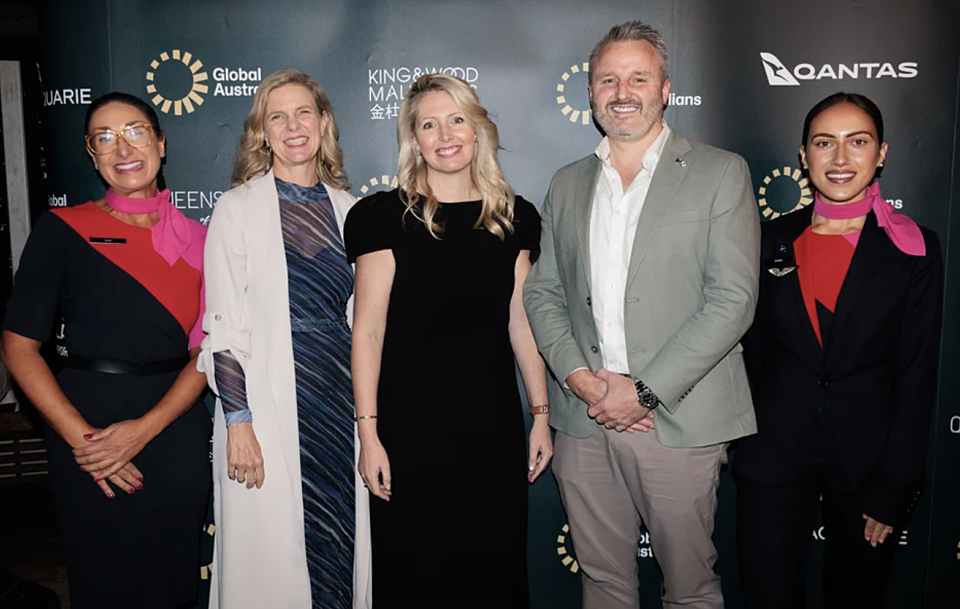
Kate McQuestin is CEO of Global Australians, a not-for-profit aimed at connecting Australians…
Posted on 30 Jun 2026
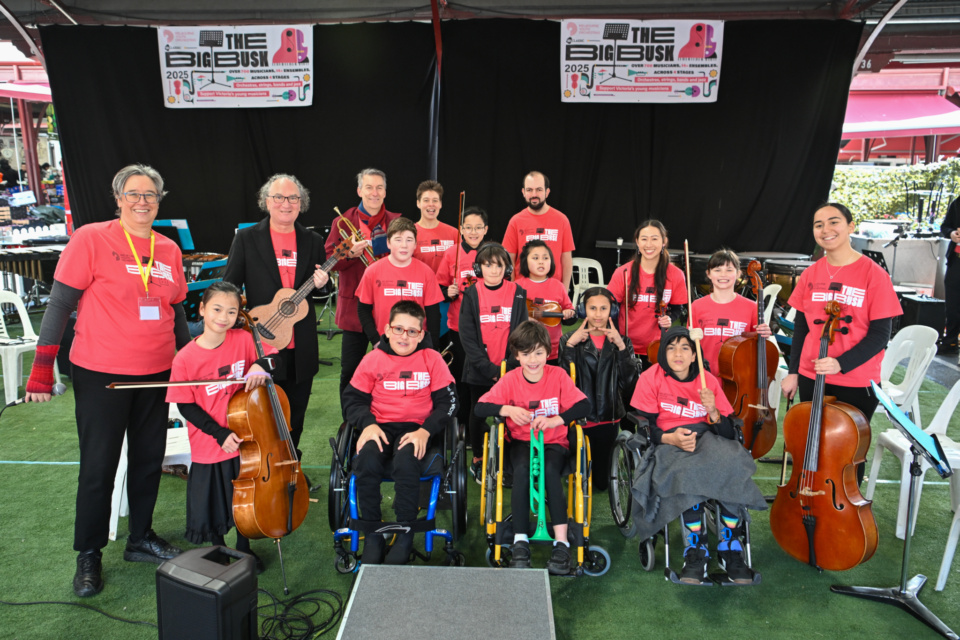
Anthea Skinner is a musicologist, a senior lecturer in disability creative performance at the…

Posted on 24 Jun 2026
Lizzie Mettam manages corporate partnerships for DV Safe Phone, an organisation that provides…
Posted on 17 Jun 2026
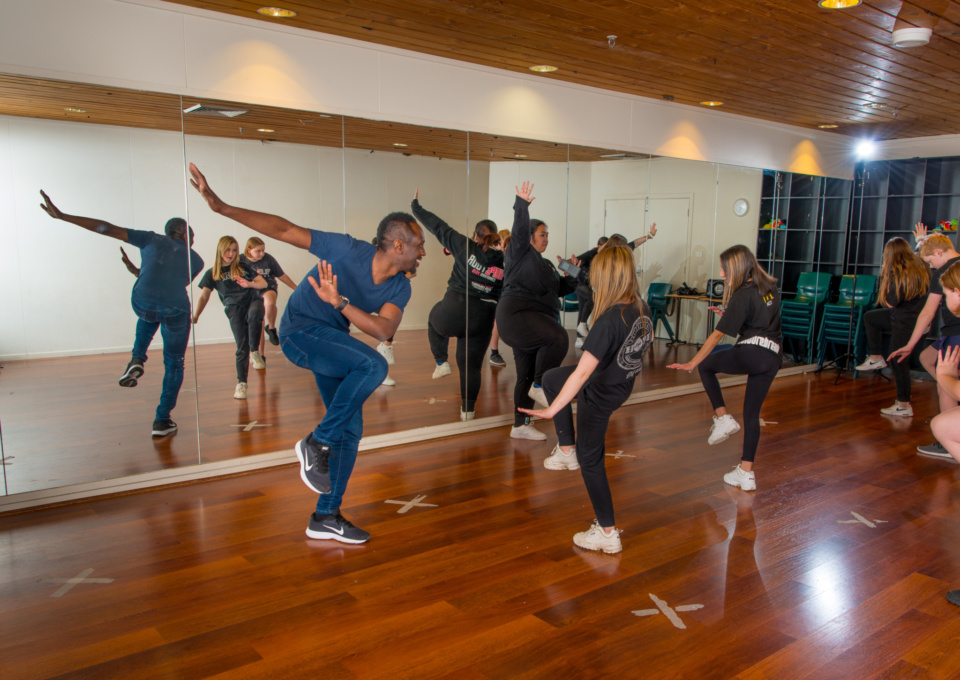
Francis Owusu is the founder of Kulture Break, a charity that helps young people build confidence,…
Posted on 10 Jun 2026
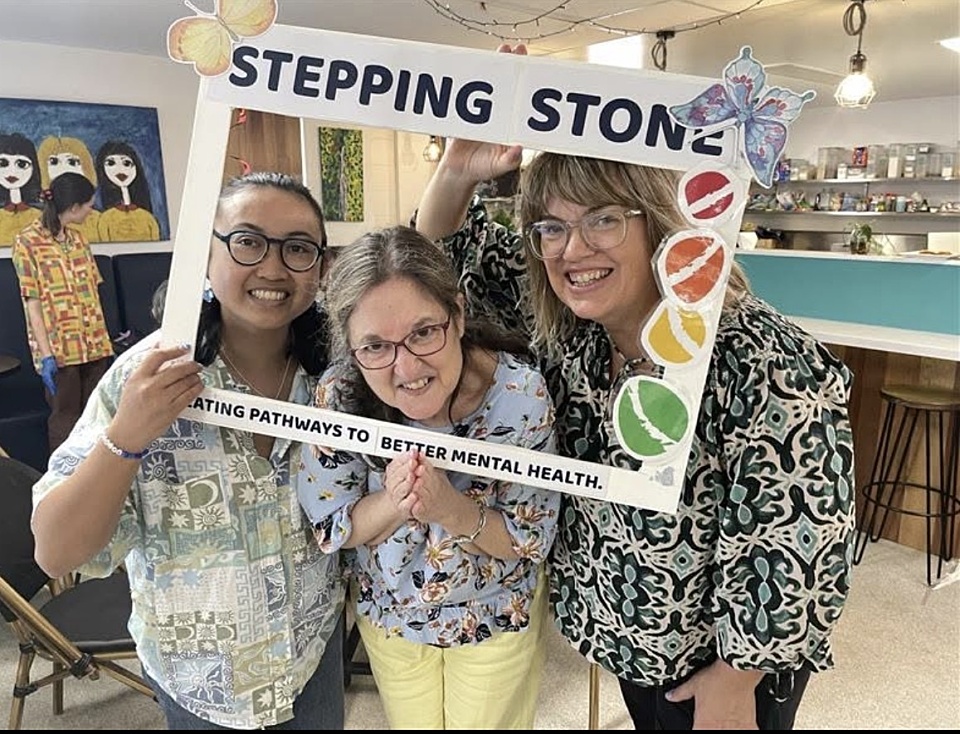
Melanie Sennett is the chief executive officer of Stepping Stone Clubhouse, a Brisbane charity that…
Posted on 03 Jun 2026
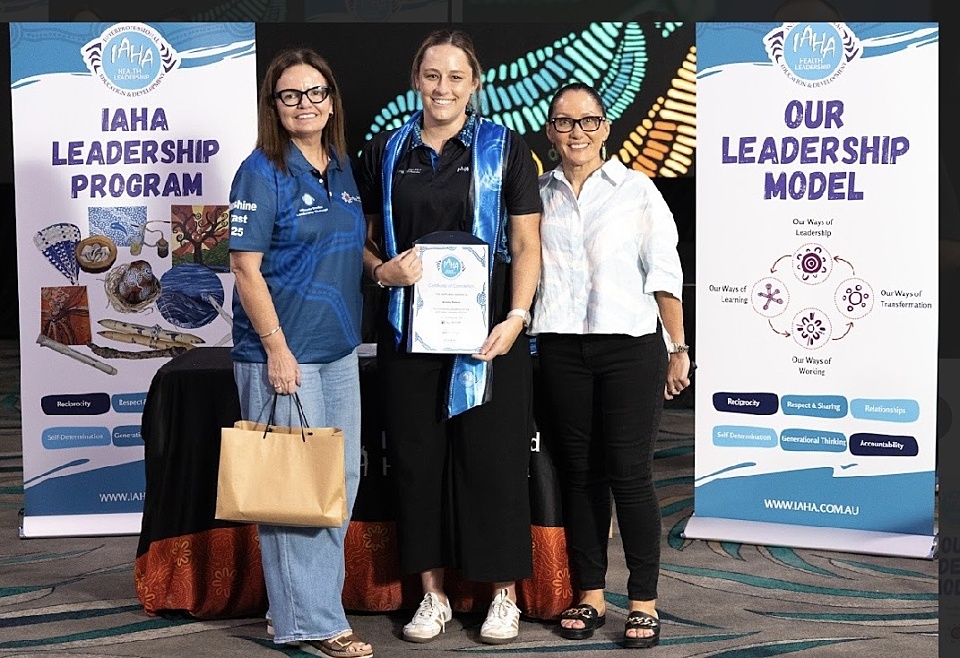
Kristy Petrie is a paediatric physiotherapist and proud Gooreng Gooreng woman who sits on the…

Posted on 27 May 2026
Maria Owen is the CEO of ImpactLab, a New Zealand social enterprise that analyses data for…