
Pauline Hanson and the frightening lesson of ‘Years and Years’
Posted on 07 Oct 2026
Our Community's founder and leader, Denis Moriarty, writes that when he watched an over-the-top…
Posted on 10 Feb 2025
By Greg Thom, journalist, Institute of Community Directors Australia

The targeting of a Geelong food relief charity by brazen thieves who cleaned out the organisation's freezer shocked the community but should come as no surprise.
The incident, which left volunteers at Feed Me Geelong devastated, is just the latest in a series of acts preying on for purpose organisations struggling to meet increasing demand amid the cost-of-living crisis across the nation.
They range from petty theft at op shops and scammers impersonating charities to cases of multimillion dollar fraud and embezzlement by senior leaders at charitable organisations.
Over the past few months alone, heartless crooks have:
The courts have also seen a procession of high-profile cases in which NFPs, and charities have been targeted from within, including the case of the manager of a Vinnies store in Mount Gambier who stole $15,000 from the charity to spend on drugs.
“They’re (criminals) not thinking about whether it’s a charity. They are just thinking about how easy it is to get what they need.”
A central question asked repeatedly following such acts is how anyone could justify targeting organisations such as charities and not-for-profits that are trying to help people in the community.
Lana Purcell, the founder and CEO of Feed Me Geelong has a simple answer: they don’t care.
“Personally, I am not surprised because I think the mindset when robbing a charity is probably ‘We [charity] didn’t pay for it’ so there’s no value in it for us.'”
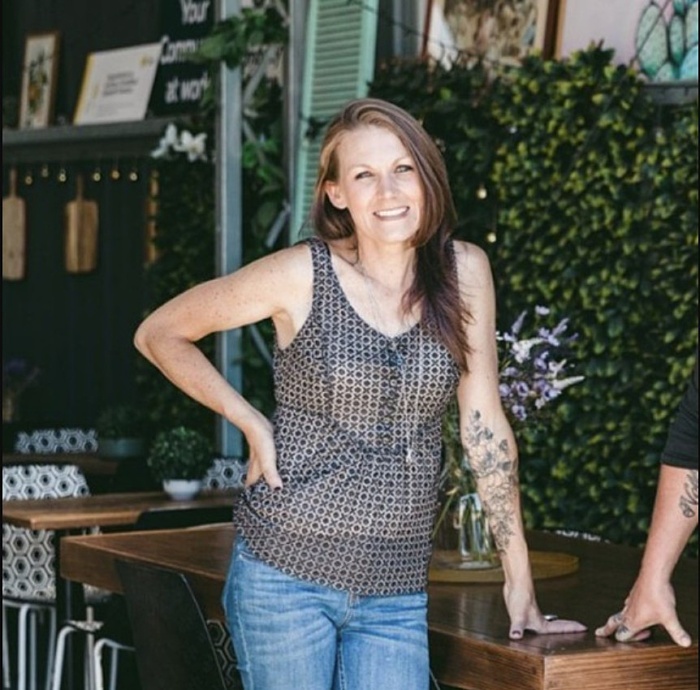
Purcell is speaking from experience. The food relief charity has been robbed three times in four years.
Rather than being driven by desperation because of cost-of-living pressures, Purcell said drug and alcohol addiction and youth crime were most likely the reasons behind charity crime.
“I don’t think that we are being hit by people out of desperation because our whole organisation exists for people that don’t have money,” she said.
“People who are desperately needing food to feed their family, use us as we are meant to be used.
“I know the mindset of the drug and alcohol addicted and the recurring crime from juveniles in the community. They don’t care who it is.
“They’re not thinking about whether it’s a charity. They are just thinking about how easy it is to get what they need.”
Purcell said criminals believed charities were easy targets because of their perceived lack of security such as an absence of CCTV cameras and locks.
“They could also be coming from the mindset of ‘We can do this [commit charity crime], but the community will help them afterwards, so they’re not going to miss it too much.'”
When it came to her own organisation, Purcell said the crooks had been proven right.
She said the local community had rallied to support Feed Me, donating food to replace what was stolen.
Local businesses have also come to the charity’s aid, carrying out fundraising drives and contributing $2000 to upgrade security.
“The support from the community has been amazing. We’ve come out of this better than we were before.”
Posted on 07 Oct 2026
Our Community's founder and leader, Denis Moriarty, writes that when he watched an over-the-top…

Posted on 07 Oct 2026
A major public campaign launched this morning is calling on the federal government to restore…

Posted on 07 Oct 2026
The Australian Literacy & Numeracy Foundation (ALNF) has announced a partnership with mining…

Posted on 07 Oct 2026
A conference in Darwin will this morning hear detailed, strategic plans for how Australia could…

Posted on 07 Oct 2026
Joseph Friedman is co-founder and publisher of About Time, Australia’s only newspaper for…

Posted on 30 Sep 2026
There's been a lot of talk about AI this week, and some of it has been frightening. So, is AI good…

Posted on 30 Sep 2026
After the biggest AFL game of the year, one player proudly wore the flag of his birth country and…
Posted on 30 Sep 2026
At 21 years old, Tate Donohoe is the founder of Ecodia, an AI-assisted software development company…

Posted on 30 Sep 2026
Not-for-profit leaders have been warned to be wary of approaches from potential “funding partners”…
Posted on 30 Sep 2026
More than 200 fully funded Centre for Social Impact (CSI) scholarships will help equip for-purpose…

Posted on 30 Sep 2026
Personal stories are among the most powerful tools a charity can have to raise funds and awareness,…

Posted on 23 Sep 2026
In his new book Our Place, policy expert Matt Lloyd-Cope argues that housing must be at the heart…