
The data is in: to rebuild Australian social cohesion, we need to repair political and community connections
Posted on 05 Nov 2026
Mapping Social Cohesion 2026, published today, has found that 48 per cent of Australian adults are…
Posted on 09 Apr 2024
By Greg Thom, journalist, Institute of Community Directors Australia
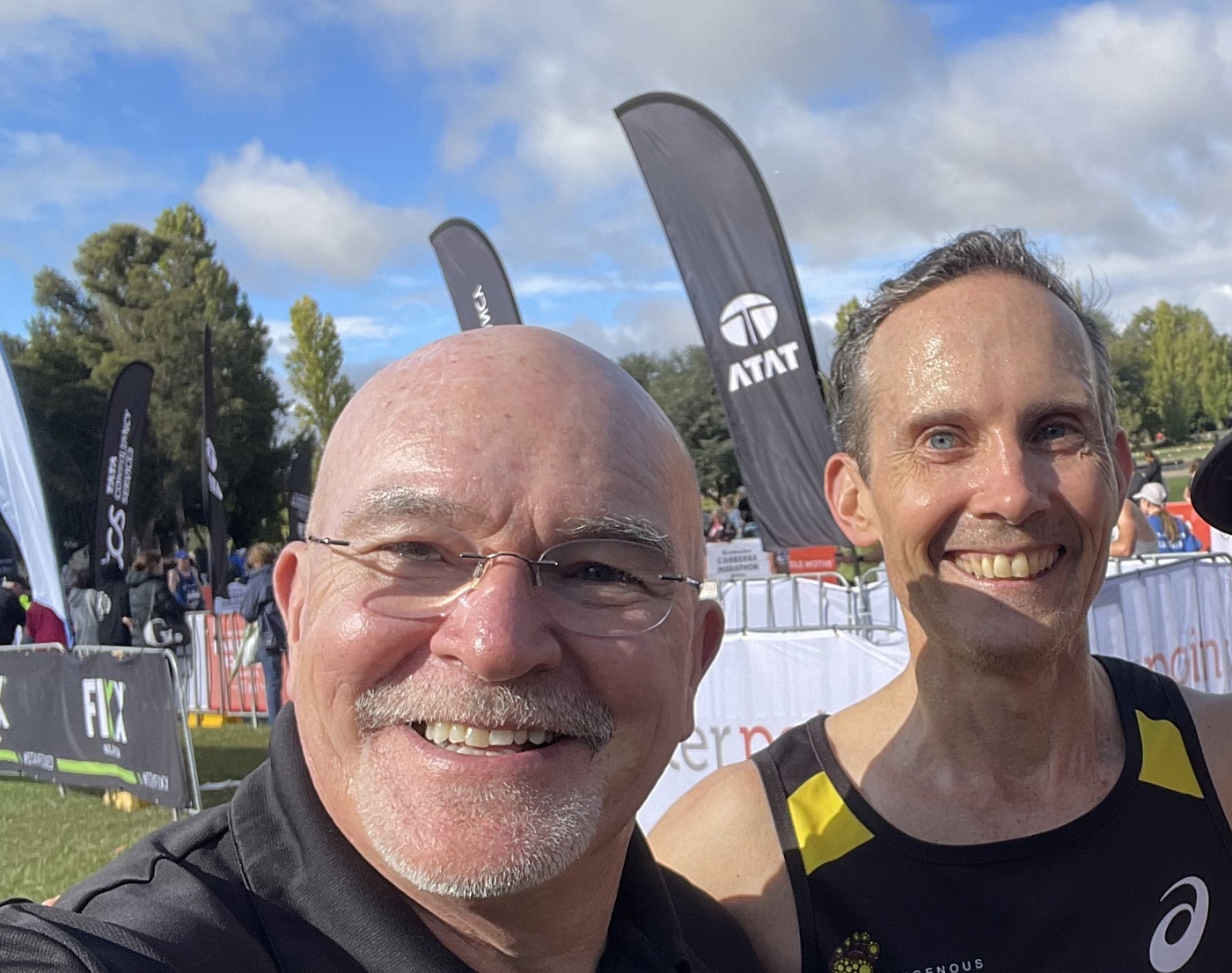
Australians are increasingly pulling on their running shoes and running to raise money for a cause.
There are many reasons that motivate people across the world to run marathons.
They range from keeping fit to a sense of personal achievement and for regular runners, a determination to shave even a few seconds off their fastest time.
Pounding the pavement and punishing your body in this notoriously challenging 42.5km test of endurance is also becoming a popular way to raise money for charity.
From weekend warriors pulling on the shorts for the annual Run for the Kids event in Melbourne which raises money for the Royal Children’s Hospital, to feats of endurance that involve circumnavigating the continent for a worthy cause, Australians are embracing the concept of running with purpose.
Recent charity running events to make headlines include:
Englishman Russ "The Hardest Geezer" Cook this week became the first man to run the entire length of Africa, completing the equivalent of 386 marathons over 352 days in a 16,295km feat of endurance that raised more than $1 million for charity.
Closer to home, the fundraising website My Cause has a page dedicated to opportunities to raise funds by running in events such as the Melbourne Marathon, City2Surf and Bridge to Brisbane.
“I’ve certainly found that when you’ve got the discipline of a fundraiser, that encourages you to do your best in the race.”
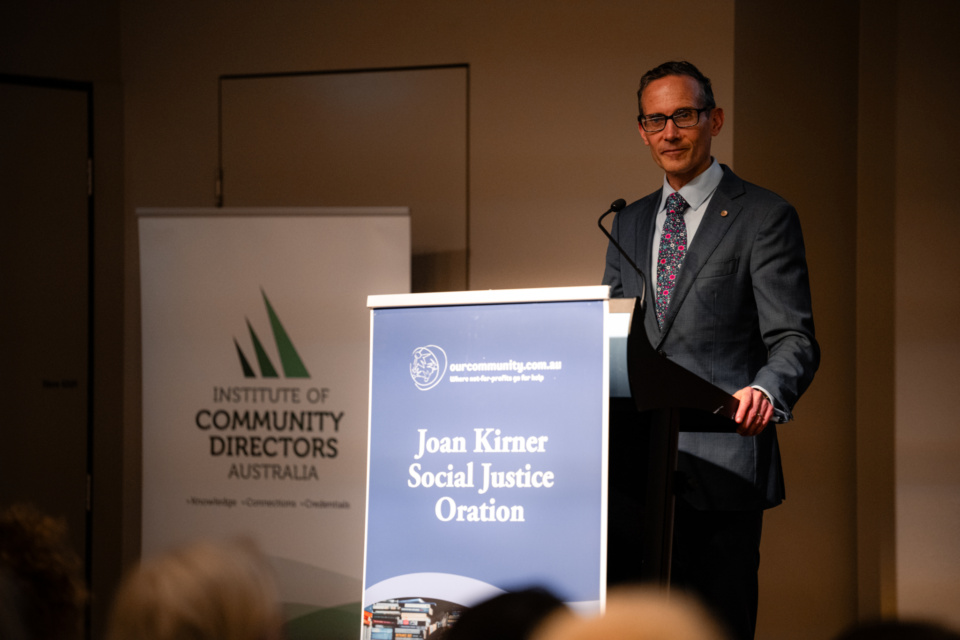
The federal Assistant Minister for Charities, Andrew Leigh, walks the talk when it comes to running for a good cause.
The man who recently claimed the title of Canberra’s fittest parliamentarian is a long-time marathon runner who has participated in events across the globe.
He said the popularity of running was a fabulous trend because it not only increased people’s fitness but raised money for organisations in need.
“I’ve certainly found that when you’ve got the discipline of a fundraiser, that encourages you to do your best in the race,” he said.
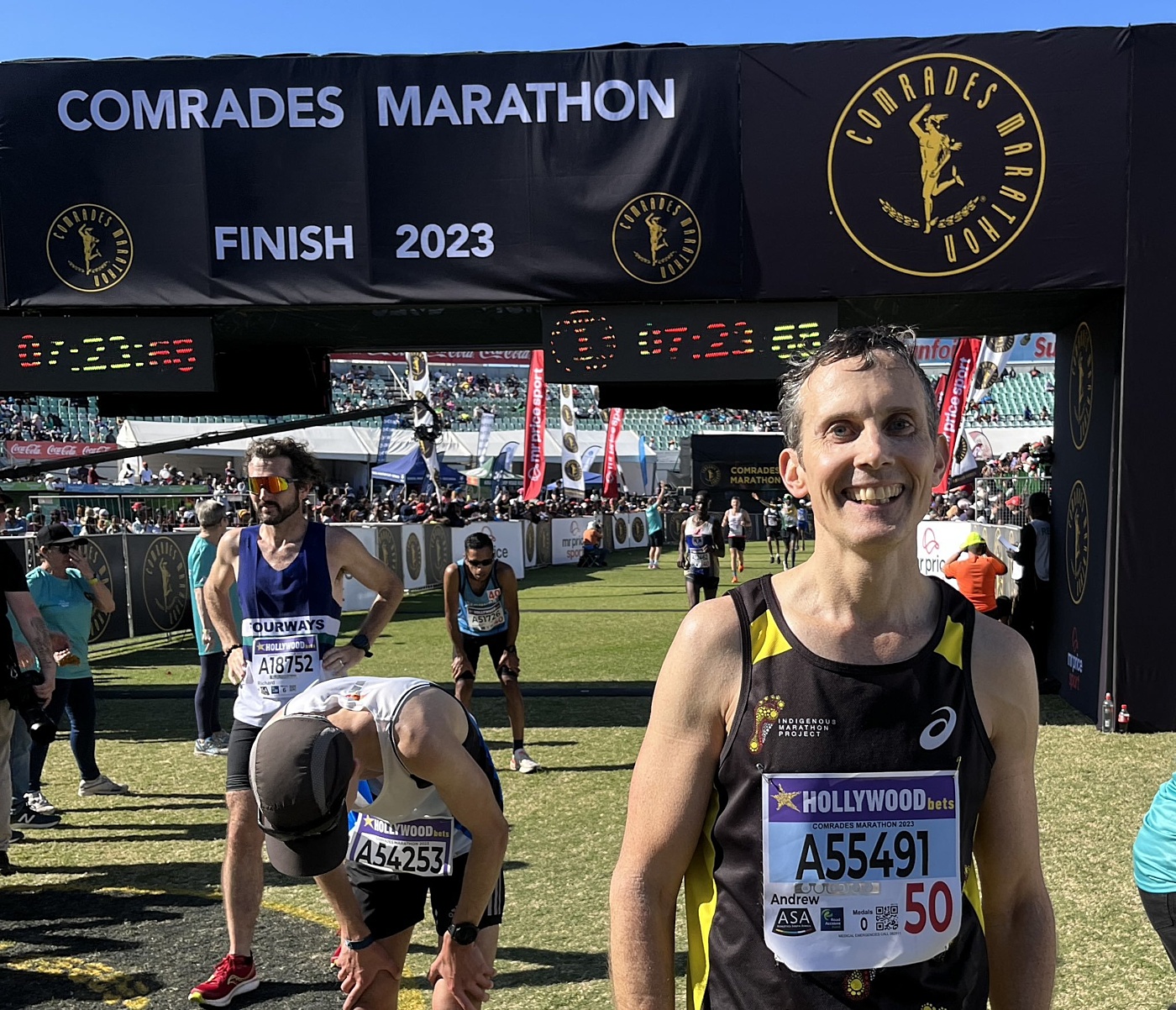
Mr Leigh travelled to South Africa last year to run the Comrades Marathon, considered one of the premier distance running events in the world.
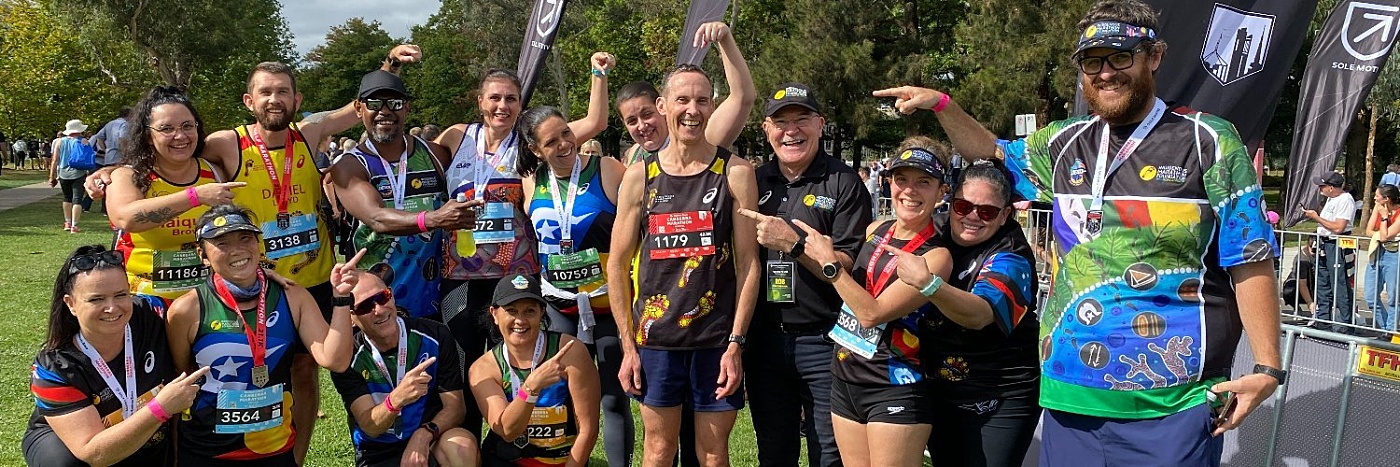
“There was a real feeling on the start line that I was doing it not just for myself but also for the Indigenous Marathon Foundation who I’ve raised money for previously,” said Mr Leigh.
Started by legendary Australian marathon runner Robert de Castella in 2009, the foundation aims to foster opportunities through running for reconciliation and education for Aboriginal and Torres Islander people.
In 2010, four Indigenous Australians made history by becoming the first to run the biggest marathon in the world – the New York City Marathon.
Mr Leigh said running for a good cause or to raise charity money in memory of a former loved one can be a highly emotional and motivating experience.
“I’ve run the six World Marathon Majors [London, Boston, New York, Chicago, Berlin and Tokyo] wearing the supporter singlet for Rob de Castella’s Indigenous Marathon Foundation,” said Mr Leigh.
“It’s the main charity that I fundraise for and being a part of the Indigenous Marathon Foundation family is one of the most meaningful things about my own running journey.”
Mr Leigh said he enjoyed the opportunity to meet members of the Indigenous Marathon Foundation squad, no matter where the event was being held.
“I also love feeling that I’m helping the next group of runners and seeing the benefits of being a part of the Indigenous Marathon Foundation journey.”
Mr Leigh agreed that seeing people pull on their running shoes for charity encouraged others to do the same.
“Absolutely. It’s about encouraging philanthropy but also about encouraging activity.
“And we know that Australia needs more philanthropy and needs more activity, so all of that is building a better country.”
Posted on 05 Nov 2026
Mapping Social Cohesion 2026, published today, has found that 48 per cent of Australian adults are…

Posted on 04 Nov 2026
I watched an angry man on the TV news. “Australia is stuffed, going backwards,” he said. “No one is…

Posted on 04 Nov 2026
Working for a cause you believe in can be deeply rewarding, but it can also lead to burnout. Jackie…

Posted on 04 Nov 2026
Leading lawyer and anti-racism advocate Mariam Veiszadeh has told a Human Rights Commission…

Posted on 04 Nov 2026
A leading advocate and service provider for new arrivals in Australia has urged the nation’s…

Posted on 04 Nov 2026
As the Scanlon Foundation Research Institute prepared to release its annual social cohesion report…
Posted on 28 Oct 2026
Altering Australia’s path from anger and potential violence needs more than asking one another to…

Posted on 28 Oct 2026
Are compliance processes crowding out the boardroom conversations that really matter? The…
Posted on 28 Oct 2026
Almost 25 years after taking a receptionist's job to get her foot in the door of the not-for-profit…

Posted on 28 Oct 2026
Violet Roumeliotis, the chief executive of Australia’s biggest migrant support organisation, will…
Posted on 21 Oct 2026
The wider not-for-profit sector doesn't pay much attention to owners corporations, but maybe it…
Posted on 21 Oct 2026
Backed by tangible successes and government support, community foundations are gaining momentum as…