
Pauline Hanson and the frightening lesson of ‘Years and Years’
Posted on 07 Oct 2026
Our Community's founder and leader, Denis Moriarty, writes that when he watched an over-the-top…
Posted on 10 Mar 2025
By Cathy Truong

In the ever-evolving landscape of fundraising, community organisations are finding it increasingly challenging to raise money through events, writes the executive director of GiveNow, Cathy Truong.
Rising costs, inflation and supporter fatigue all contribute to the difficulty of running successful fundraisers.
One key factor that can significantly affect the success of an event is the choice of ticketing system. While ticket sales can generate crucial revenue, high ticketing fees can erode profits.
Here’s how community organisations can navigate these challenges and put on successful fundraising events while keeping costs low.
Ticketing platforms are essential for managing registrations and payments, but many come with hidden or structured fees that disproportionately affect community organisations because of their lower-than-average ticket prices.
It is important to carefully assess pricing models before committing to a system.
Many ticketing platforms charge fixed fees per ticket sold. This disproportionately affects organisations that rely on affordable ticket prices.
For instance, platforms like Humanitix and TryBooking charge approximately $0.50 per ticket confirmed. While this might not seem like much at first glance, for a fundraiser selling 1,000 tickets, this equates to $500 in fees – money that could otherwise support the cause.
For organisations that sell low-cost tickets, such fees can be particularly burdensome.
If an organisation sells $5 tickets and incurs a $0.50 fee per ticket, that’s a 10 per cent loss per ticket. Then there’s the 2.5 per cent commission, which brings fees to a total of 12.5 per cent.
For a $20 ticket, the total fee percentage is 5 per cent, which is still very high. This disparity can make it harder for community groups to keep events affordable while ensuring they still raise a meaningful amount of money.
GiveNow offers a more community-friendly model, as it does not use fixed fee-per-ticket pricing, which helps organisations retain a larger share of their revenue.
"When choosing a ticketing system, transparency is key."
Some ticketing providers advertise their platforms as “free” for organisations, but they shift the cost onto ticket buyers. They do this by adding mandatory processing fees that supporters must pay at checkout.
While this might reduce upfront costs for organisations, it still is a cost to be paid. Further, it can create friction for ticket buyers, who are faced with unexpected fees when completing their purchase.

When choosing a ticketing system, transparency is key. Look for platforms that clearly outline all costs for the sake of your organisation and your supporters.
Beyond ticketing fees, community organisations also face increasing costs for venues, catering, insurance, and event materials. To make fundraising events financially viable, here are some creative ways to cut costs:
Fundraising events remain a valuable way for community organisations to raise money, engage their supporters, and spread awareness of their cause.
However, costs can quickly add up, particularly when ticketing fees are not carefully considered.
Choosing a ticketing system with a fair and transparent pricing model, such as GiveNow’s, can help organisations maximise their revenue while keeping ticket prices affordable.
By combining strategic cost-saving measures with smart ticketing choices, community organisations can run successful and financially sustainable events that support their vital work.
Cathy Truong is executive director of online giving platform GiveNow.
Posted on 07 Oct 2026
Our Community's founder and leader, Denis Moriarty, writes that when he watched an over-the-top…

Posted on 07 Oct 2026
A major public campaign launched this morning is calling on the federal government to restore…
Posted on 07 Oct 2026
The Australian Literacy & Numeracy Foundation (ALNF) has announced a partnership with mining…

Posted on 07 Oct 2026
A conference in Darwin will this morning hear detailed, strategic plans for how Australia could…

Posted on 07 Oct 2026
Joseph Friedman is co-founder and publisher of About Time, Australia’s only newspaper for…

Posted on 30 Sep 2026
There's been a lot of talk about AI this week, and some of it has been frightening. So, is AI good…

Posted on 30 Sep 2026
After the biggest AFL game of the year, one player proudly wore the flag of his birth country and…

Posted on 30 Sep 2026
At 21 years old, Tate Donohoe is the founder of Ecodia, an AI-assisted software development company…

Posted on 30 Sep 2026
Not-for-profit leaders have been warned to be wary of approaches from potential “funding partners”…
Posted on 30 Sep 2026
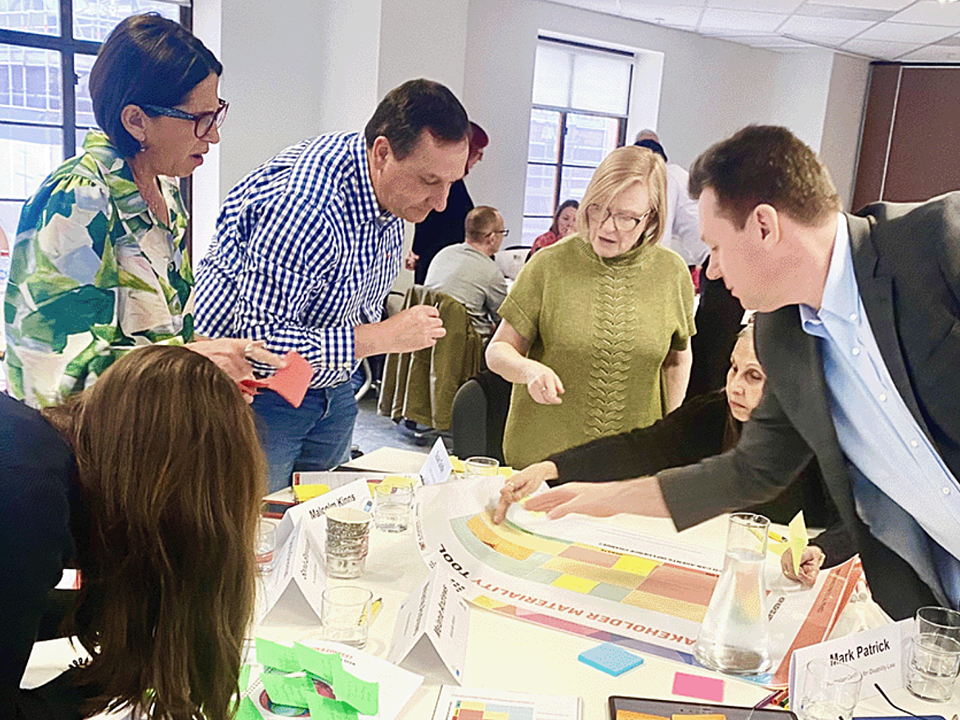
More than 200 fully funded Centre for Social Impact (CSI) scholarships will help equip for-purpose…

Posted on 30 Sep 2026
Personal stories are among the most powerful tools a charity can have to raise funds and awareness,…

Posted on 23 Sep 2026
In his new book Our Place, policy expert Matt Lloyd-Cope argues that housing must be at the heart…