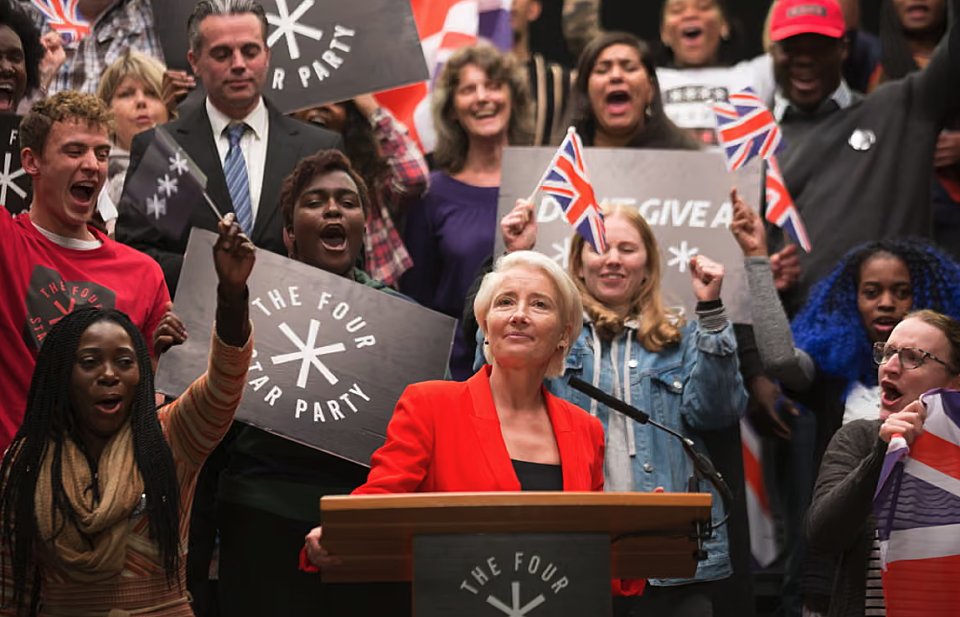
Pauline Hanson and the frightening lesson of ‘Years and Years’
Posted on 07 Oct 2026
Our Community's founder and leader, Denis Moriarty, writes that when he watched an over-the-top…
Posted on 16 Apr 2024
By Greg Thom, journalist, Institute of Community Directors Australia

Not-for-profits and charities are likely to see new measures in the upcoming federal budget designed to help disadvantaged Australians buckling under the weight of the cost-of-living crisis, according to one of the sector’s most experienced leaders and Canberra watchers.
Community Council for Australia CEO David Crosbie also predicted the Albanese government would allocate more funds to help the sector guard against cybercrime and to help First Nations peoples.
However, Mr Crosbie said he was pessimistic the sector would see any of the major reforms on its wish list included in the 2024–25 budget, which will be handed down by federal Treasurer Jim Chalmers on May 11.
“I don’t think this is going to be a groundbreaking budget,” said Mr Crosbie.
“There’ll be a lot of talk about cost of living and I’m sure there’ll be some programs in there [related to that] but the degree to which this is going to significantly shift the economic basis on which our sector operates I think is fairly limited.”
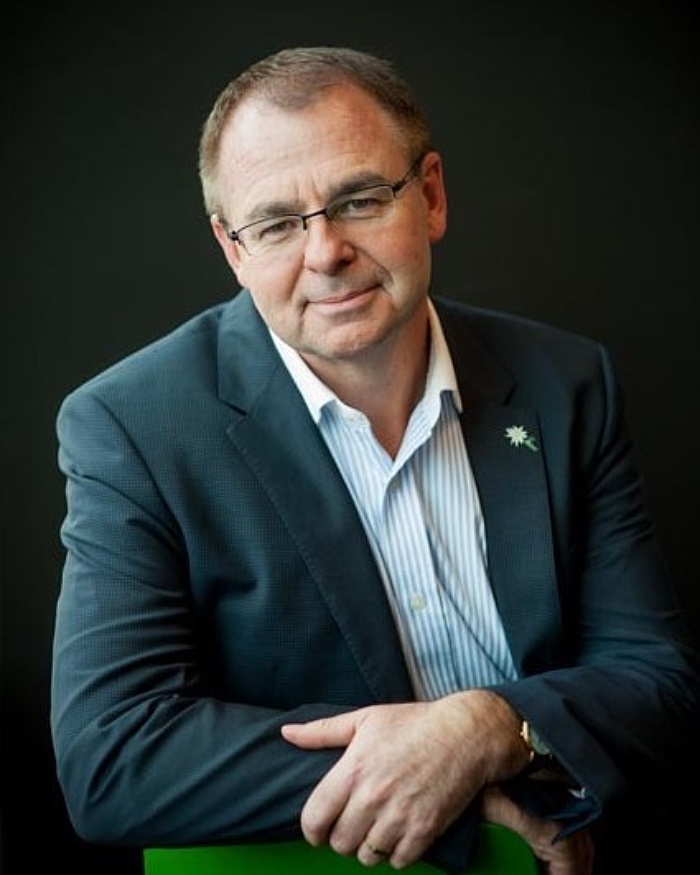
A keen student of the federal budget process, Mr Crosbie has been involved in more than a dozen budget lockups in more than 25 years on the not-for-profit front line, leading organisations such as the Mental Health Council of Australia and the Alcohol and Other Drugs Council of Australia.
Mr Crosbie said given where the nation sits in the electoral cycle with the next poll about a year away, the government will be keen to deliver a “steady as she goes” budget with no clear winners and losers.
“It will be more about promising a better future and talking up investment in Australia’s capacity to generate income and make the [green] energy transition, I think.”
Mr Crosbie said one of the reasons he was confident the budget would address the issue of cyber security in the sector was the large amount of work conducted behind the scenes to ensure NFPs and charities were better prepared to meet the burgeoning cyber threat.
“I think the most likely thing to get funded because of the work that’s been done is around boosting technology for the sector and cybersecurity,” he said.
“I know there has a been a lot of good work done by a range of groups and CCA has been a bit involved in getting budget submissions beyond just being submitted and left on a shelf somewhere.
“These budget submissions have been actively discussed in ministers’ offices, so I think there’s a chance some of those will get up.”
“I don’t think this is going to be a groundbreaking budget.”
Mr Crosbie said he also believed the government would allocate more cash toward programs that support at-risk communities.
“I think there will be some marginal increases, particularly [programs that support] Indigenous communities and some of the more disadvantaged communities, because that's part of the [government’s] rhetoric around addressing costs of living and economic strength.”
Mr Crosbie said there was no shortage of issues he would like to see addressed in this year’s federal budget.
They ranged from better training and pay for sector workers and the introduction of initiatives such as living legacy trusts that allow people to donate give part of their estate before they die, to better support for workplace giving programs.
“Those kinds of initiatives would be great, but I’m not sure how many of them will actually get up.”
Mr Crosbie described the budget as the most important policy document a government releases, because it outlines what the government will – or won’t – support with cold hard cash.
He said governments will typically give charities and NFPs a hearing when they come knocking, listening to their concerns, acknowledging the merit of their ideas, offering their support and promising to investigate further.
“But whether they actually do anything about it, we find out in the budget papers, because that’s where we find out if they are actually putting money into those programs and how they’re doing that,” said Mr Cosbie.
“It’s really the implementation of all those words and all those promises and all those commitments.”
Hear David Crosbie share more of his views on what the federal budget may have in store for the sector – and his answers to questions from listeners – by tuning into the Not-for-profit Agenda news webinar at 12.30pm on April 23.
Posted on 07 Oct 2026
Our Community's founder and leader, Denis Moriarty, writes that when he watched an over-the-top…
Posted on 07 Oct 2026
A major public campaign launched this morning is calling on the federal government to restore…
Posted on 07 Oct 2026
The Australian Literacy & Numeracy Foundation (ALNF) has announced a partnership with mining…
Posted on 07 Oct 2026
A conference in Darwin will this morning hear detailed, strategic plans for how Australia could…

Posted on 07 Oct 2026
Joseph Friedman is co-founder and publisher of About Time, Australia’s only newspaper for…

Posted on 30 Sep 2026
There's been a lot of talk about AI this week, and some of it has been frightening. So, is AI good…

Posted on 30 Sep 2026
After the biggest AFL game of the year, one player proudly wore the flag of his birth country and…

Posted on 30 Sep 2026
At 21 years old, Tate Donohoe is the founder of Ecodia, an AI-assisted software development company…
Posted on 30 Sep 2026
Not-for-profit leaders have been warned to be wary of approaches from potential “funding partners”…
Posted on 30 Sep 2026
More than 200 fully funded Centre for Social Impact (CSI) scholarships will help equip for-purpose…

Posted on 30 Sep 2026
Personal stories are among the most powerful tools a charity can have to raise funds and awareness,…

Posted on 23 Sep 2026
In his new book Our Place, policy expert Matt Lloyd-Cope argues that housing must be at the heart…