The Australia we fear isn’t the Australia we live in
Posted on 16 Sep 2026
I met a man named John this week. I was at his house to pick up a guitar he was repairing.
Posted on 16 Sep 2026
By David Crosbie, CEO, Community Council for Australia
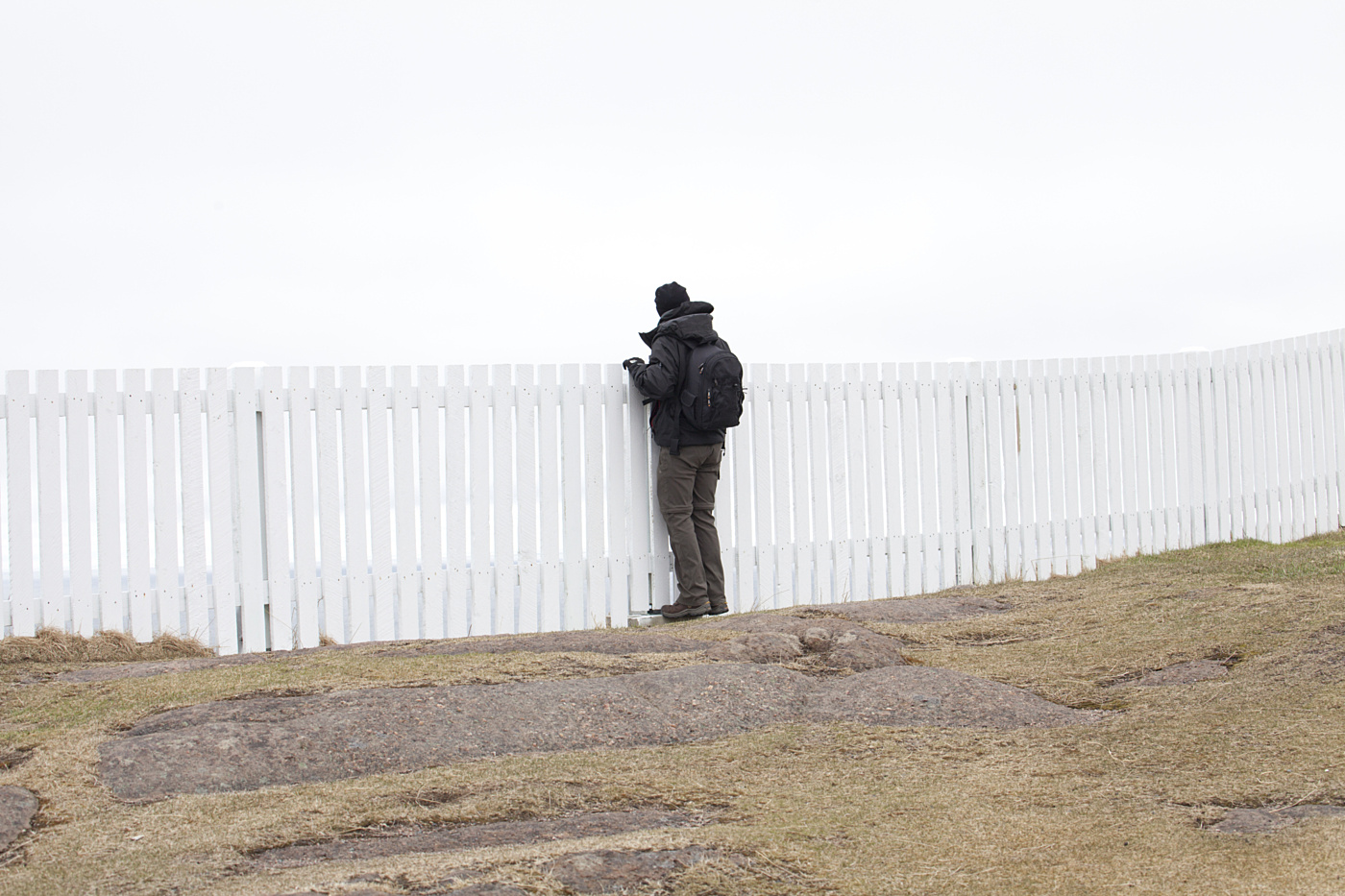
I met a man named John this week. I was at his house to pick up a guitar he was repairing.
Australia, he told me, is heading up shit creek. He blamed Anthony Albanese and the politicians who’d let in too many migrants – the wrong kind, he said, people who don’t respect this country. Then came the list: crime, housing, the cost of food, the price of petrol, and the fact that sometimes he doesn’t feel safe in some places anymore.
I didn’t need to ask which political party he supports.
So instead, I asked about his street.
What’s the neighbourhood like? Good, he said. Nice people, quiet. Much crime around here? Not really. Schools, healthcare, sports grounds? All fine. So it’s a good place to live? “Yeah – I’m not going anywhere, mate.”
That night I looked up the ABS census data for his suburb. More than a quarter of his neighbours, statistically speaking, were born overseas. Women in the area were nearly twice as likely as men to hold a university degree – although most adults, about three in four, had no university qualification at all. John’s suburb, in other words, is an ordinary Australian suburb: mixed, unremarkable, and by his own account, a good place to live.
I guess if I’d asked him directly about the migrants down his street, he’d have said they were all right too. It’s the migrants he doesn’t know – the ones in the news, the ones in the argument, the ones who exist for him only as a category – who worry him.
That’s the gap that interests me: the space between what we believe about our country and what we actually experience of it. John’s despair was sweeping – crime, housing, safety, a nation “stuffed.”. But his account of the life he actually lives told a very different story. Both were sincere. Neither was a lie. So how does one person hold both at once?
Part of the answer is where each account comes from. Experience is built from direct contact – the neighbour who waves, the small talk about the weather, the quiet street. Perception is largely inherited. We absorb it from news bulletins with a well-documented bias toward threat and conflict, from political messaging engineered to make the abstract “other” feel dangerous, and from social media that rewards outrage over accuracy. None of it requires meeting a single person we’re supposedly worried about. That’s the point of it.
The migrant “problem” John described isn’t made of people he’s met. It’s made of a category, filled in by headlines, talkback radio and the occasional viral clip. His actual neighbours don’t fit the category, so they get quietly exempted from it, one street at a time, without him ever noticing the contradiction.
“That’s the gap that interests me: the space between what we believe about our country and what we actually experience of it.”
Research shows that contact with a group reduces hostility toward it – but the effect is stubbornly local. Knowing your Vietnamese neighbour doesn’t automatically soften your feelings about “migrants” as an abstraction, because the brain doesn’t file people that way. It keeps two ledgers: individuals in one, categories in the other. Unchallenged, they rarely reconcile.
Then there’s the negativity bias baked into how we learn about the world beyond our own street. A functioning school, a safe walk home, an unremarkable Wednesday – none of that is news. A crime, a scandal, a political failure is. Over time, the country we’re shown becomes systematically worse than the country most of us actually live in, because the machinery producing that picture is built to show alarm.
Public anxiety about migration, crime or social decline is being manufactured substantially at the level of narrative, not experience. The loudest voices in the current debate are arguing about a country that largely exists only in the telling of it. That doesn’t mean the underlying problems aren’t real – housing, the cost of living, safety, all deserve to be taken seriously. But fear-based, blame-driven politics is not a solution.
Getting people into the same room is important, but John already lives beside the people he fears in the abstract, and it hasn’t informed his perceptions or his politics.
The challenge is that doing good work in our communities is not enough on its own. If we want to close the gap between the Australia people fear and the one they actually live in, we need to get a lot better at telling the stories of our work, where we live, and the Australia we all want to live in.
David Crosbie has been CEO of the Community Council for Australia for the past decade and has spent more than a quarter of a century leading significant not-for-profit organisations, including the Mental Health Council of Australia, the Alcohol and Other Drugs Council of Australia, and Odyssey House Victoria.
Posted on 16 Sep 2026
I met a man named John this week. I was at his house to pick up a guitar he was repairing.
Posted on 03 Sep 2026
Denis Moriarty has an issue with insurance companies varying premiums because of what they perceive…
Posted on 02 Sep 2026
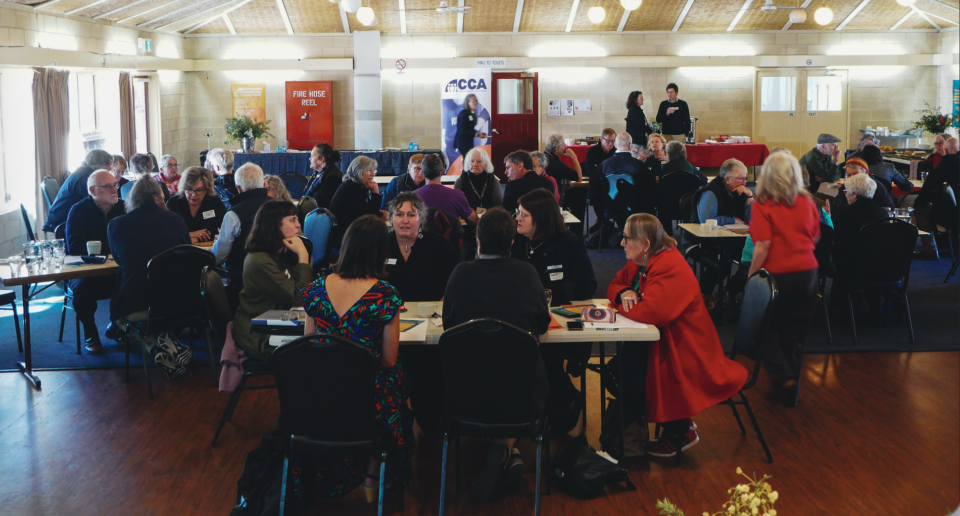
Yesterday, at a meeting just outside Castlemaine in Victoria, 70 people came together to hear…
Posted on 26 Aug 2026
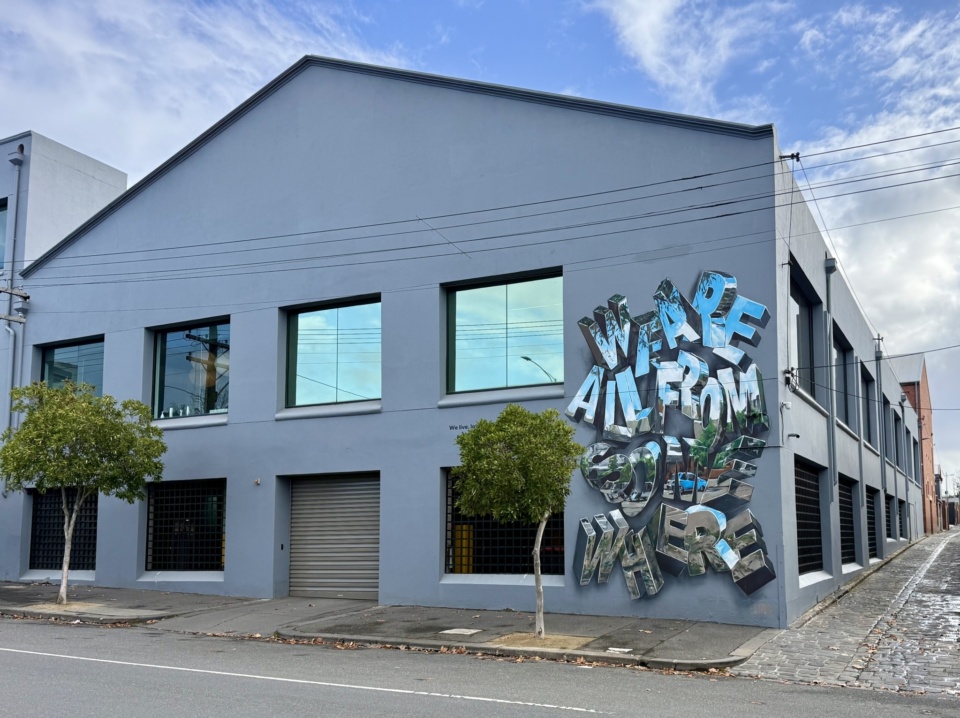
Our Community's founder and leader, Denis Moriarty, says he commissioned a new piece of street art…

Posted on 19 Aug 2026
Government funding is at the centre of Australia's charity and not-for-profit sector – our number…

Posted on 12 Aug 2026
Our Community's founder and leader, Denis Moriarty, says fostering a child was his worst nightmare,…
Posted on 05 Aug 2026
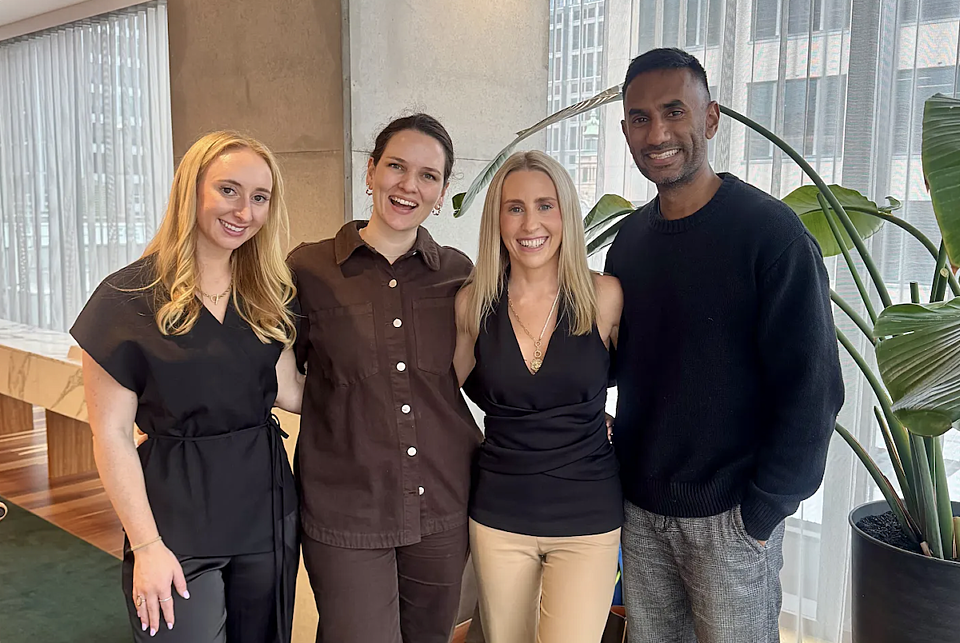
As the Global Impact Summit kicks off in Sydney today, Equitable Philanthropy’s Catherine Brooks…

Posted on 05 Aug 2026
The charity and not-for-profit sector is vital to our economy and the wellbeing of communities…
Posted on 15 Jul 2026
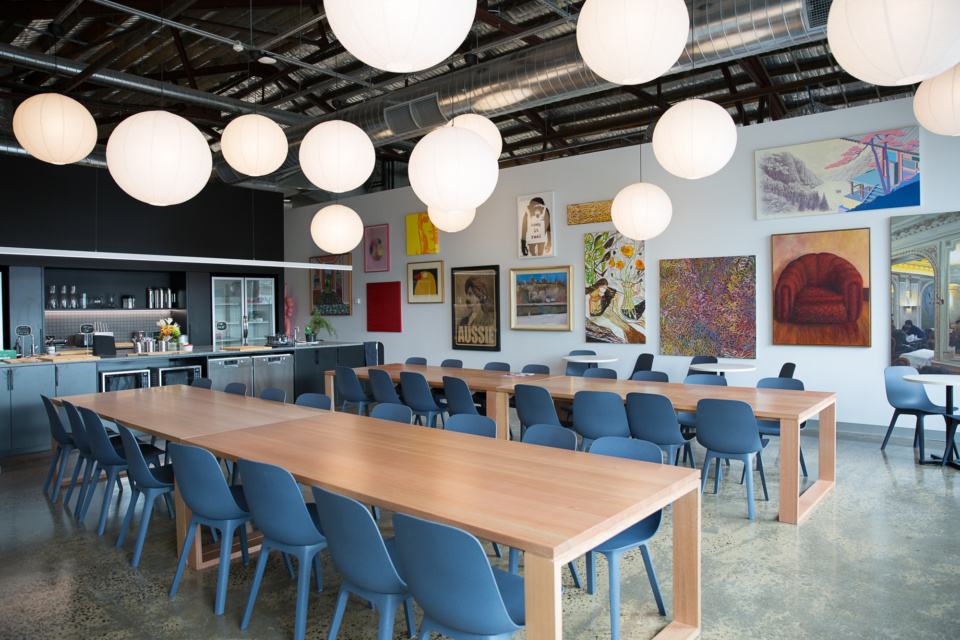
Our Community's founder and leader, Denis Moriarty, on what's special about the shared workplace…

Posted on 15 Jul 2026
The government is now consulting on changes to the way trusts are taxed. Charities and NFPs need to…

Posted on 15 Jul 2026
A new podcast from The Smith Family gives a voice to people who’ve experienced poverty and breaks…

Posted on 08 Jul 2026
The Royal Australasian College of Physicians has found itself facing serious scrutiny from the…