
Philanthropists ask: Can we forge a better future?
Posted on 17 Sep 2026
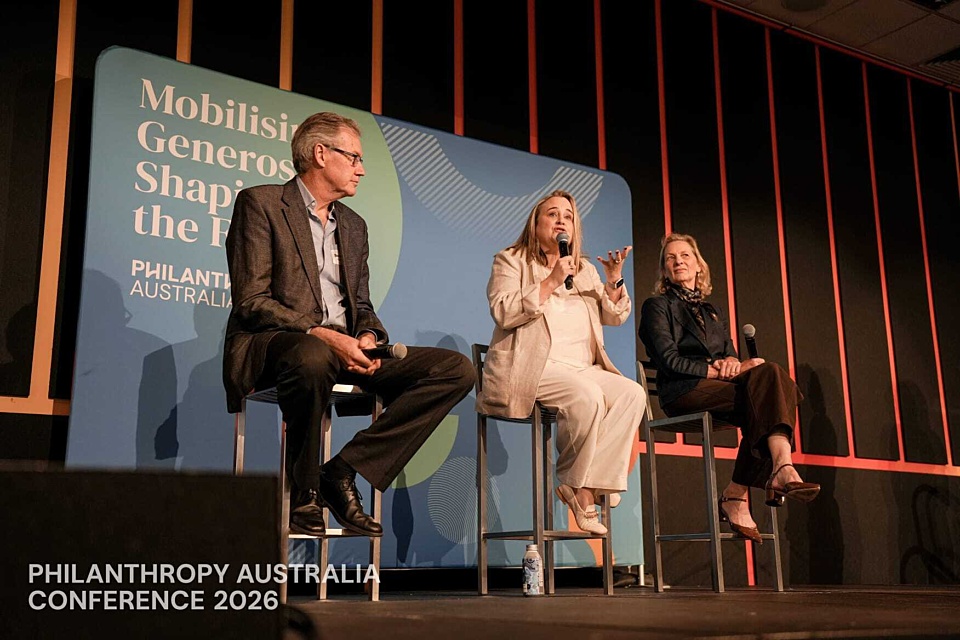
Australia’s biggest gathering of philanthropists, which drew more than 1200 delegates to Brisbane…
Posted on 16 Aug 2023
By Greg Thom, journalist, Institute of Community Directors Australia
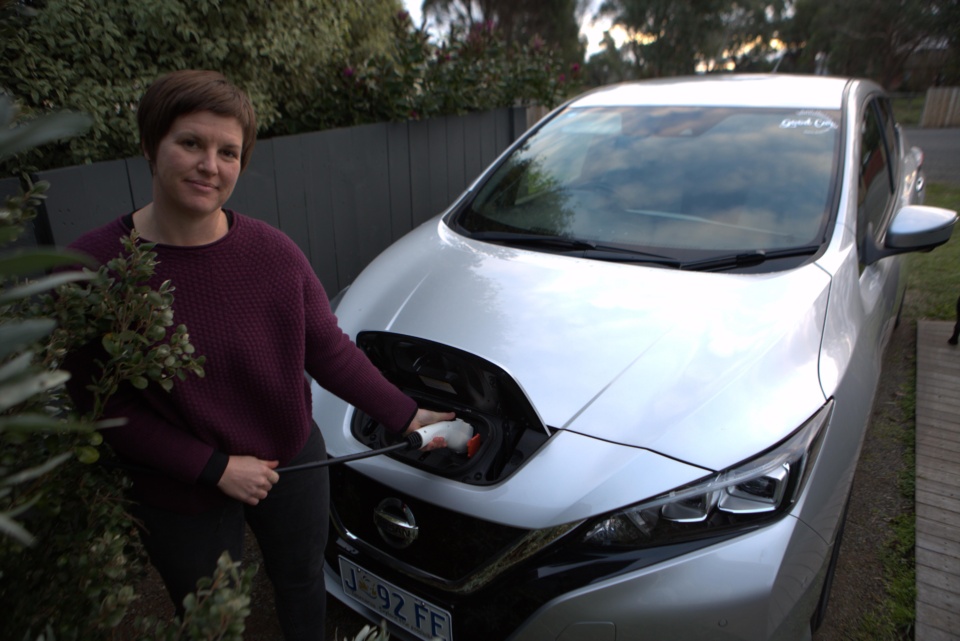
We all know electric cars are a powerful weapon in the battle to reduce greenhouse gas emissions.
Surprisingly though, the green benefits extends beyond the environmentally friendly technology under the hood according to Anthony Broese van Groenou, co-founder of social enterprise The Good Car Company.
“Electric vehicles play a massive part in reducing our emissions,” he said.
“They do so not for this reason alone, but because they are also a technology that has great emotional appeal.
“This means the rate of transition [to more environmentally friendly alternatives] will likely be faster than any other climate technology we have at our disposal.”
Founded by three environmental scientists with community support, The Good Car Company’s goal is to accelerate the uptake of electric vehicles in Australia, saving thousands of tonnes of carbon emissions along the way.
As a social enterprise, its commitment includes donating 50% of profits to community organisations and to education programs supporting a transition to clean transport and energy.
“We need more action on all fronts if we are to meet our climate obligations,” Anthony said.
“We need to address equity issues associated with the transition to make sure everyone can make the move to clean transport and have access to more reliable public transport.
“Our dependence on cars powered by fossil fuels harms our health, our hip-pocket and the environment and puts us as global laggards in the transition to a clean future.”
The biggest potential electric vehicles have is the fact they are also big batteries on wheels.
“This battery storage can soak up excess renewables, so we can use this clean power at a time when we need it.”
The introduction of bi-directional chargers means electric cars can be used to power homes and support the electricity grid.
While good for the environment, electric vehicles also make the world we live in a more pleasant place.
“They contribute to quieter, cleaner and safer streets, less emissions and better safety features (than petrol vehicles),” said Anthony.
His comments are supported by the findings in a Climate Council study which advocates adding at least one electric vehicle to suburban garages across the nation in a bid to reduce climate pollution.
The Shifting Gear: The Path to cleaner transport report found the average Australian household currently has two petrol engine cars.
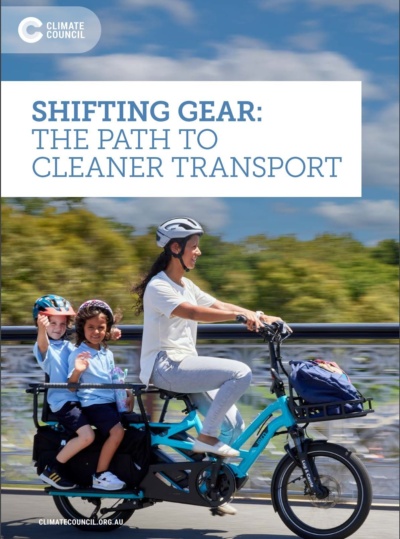
The Climate Council is calling for motorists to replace at least one of these cars with an environmentally friendly electric vehicle.
They’d prefer we also ditch the second petrol guzzler as well and instead opt for alternative options such as public transport, push bike, electric scooters, or walking.
The report found Australia can reduce personal transport emissions by 75% this decade by enabling a major shift away from fossil-fuelled private vehicles in favour of electrified public transport.
The report’s authors said the rewards for doing so are potentially huge.
Prioritising people over cars would more than double the amount of human capacity on our streets to 30,100 people per hour along with deliver less traffic congestion and healthier, safer, and more liveable cities.
Australia is in the slow lane however when it comes to electric vehicle adoption, with just 8% of new cars sold down under electric powered compared to 89% in Norway.
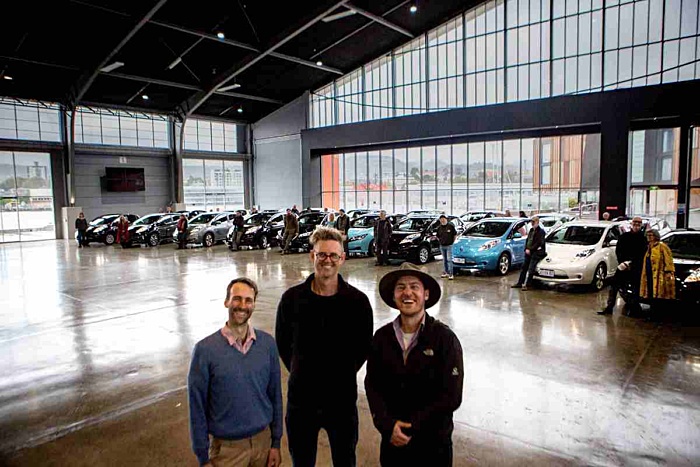
While The Good Car Company is an enthusiastic advocate for change, Anthony admits electric vehicles are not a silver bullet.
“We need a combination of clean transport options,” he said.
“Driving should be the last option. If we must drive it should be electric powered by renewables but even driving electric on a coal fired grid is cleaner than driving with fossil fuels.”
With transport the biggest source of Australia’s harmful climate pollution after energy, the Climate Council is urging government to prioritise moving people, not cars.
A vital part of any strategy to achieve this should be legislating strong fuel efficiency standards.
This would enable more people to drive cheaper and cleaner running low emission vehicles.
Personal transport is now one of the fastest growing sources of greenhouse gas emissions.
The Climate Council says its Shifting Gear report “maps out the route Australia can take to toward a cleaner, healthier and more accessible transport future.”
The authors of the comprehensive study make five key recommendations designed to help achieve this:
“The not-for-profit sector has the potential to make a significant contribution to reducing Australia's carbon emissions through the adoption of electric and low-emission vehicles.”
The Institute of Community Directors Australia (ICDA), an initiative of Our Community, supports the push for greener transport.
In a submission to the federal government earlier this year, Our Community group managing director Denis Moriarty expressed strong support for the implementation of an environmentally friendly fuel efficiency standard.
“As the best-practice governance network for Australian not-for-profit and government boards and committees, ICDA recognises the significant impact of climate change on the not-for-profit sector and believes that transitioning to carbon-free technologies is both an economic opportunity and a crucial step towards a safe and prosperous,” Denis said.
An ICDA survey of 570 not-for-profit organisations identified a “real and significant opportunity” for the sector to contribute to Australia's carbon emissions reduction efforts through the transition to electric vehicles powered by carbon-free sources.
“The not-for-profit sector has the potential to make a significant contribution to reducing Australia's carbon emissions through the adoption of electric and low-emission vehicles,” said Denis.
“Additionally, assisting the sector to shift to such technologies will create cost savings that can be put towards extending their crucial work in building stronger communities.”
Anthony said operating electric vehicles should prove particularly attractive for not-for-profits.
“There are so many benefits, and not only for the environment,” he said.
These include reduced running and maintenance costs compared to an internal combustion vehicle.
“A Tesla compared to a Toyota Corolla has a 4–5-year break even. An imported second-hand vehicle is already at cost parity,” said Anthony.
“Novated leasing with Fringe Benefits Tax (FBT) exemption also greatly reduces the cost of new electric vehicles.
“Just by getting these new electric vehicles into the market, means that they will come out the other end of the lease and hopefully provide more affordable EVs in the second-hand market to those who would most benefit from affordable clean transport.”
Posted on 17 Sep 2026
Australia’s biggest gathering of philanthropists, which drew more than 1200 delegates to Brisbane…

Posted on 17 Sep 2026
Experts in Australian philanthropy say there are stark differences between philanthropic money and…

Posted on 17 Sep 2026
One of Australia’s foremost fundraising observers says Australian not-for-profits must get the…
Posted on 17 Sep 2026
As direct giving dries up, charities face growing dependence on big donors and negotiating the…

Posted on 17 Sep 2026
Charities reported $14.8 billion in donations and bequests last financial year, the second-highest…

Posted on 17 Sep 2026
My father often googles my name, and as a result, years ago, I received a surprising gift in the…

Posted on 17 Sep 2026
Where Evelyn Mugisha grew up in rural Uganda, the subjects and careers considered suitable for…
Posted on 09 Sep 2026
A global gathering of philanthropists in Brisbane this week is aiming to tackle society’s biggest…

Posted on 09 Sep 2026
Media attention about women's philanthropy has more than doubled in three years, according to new…
Posted on 26 Aug 2026
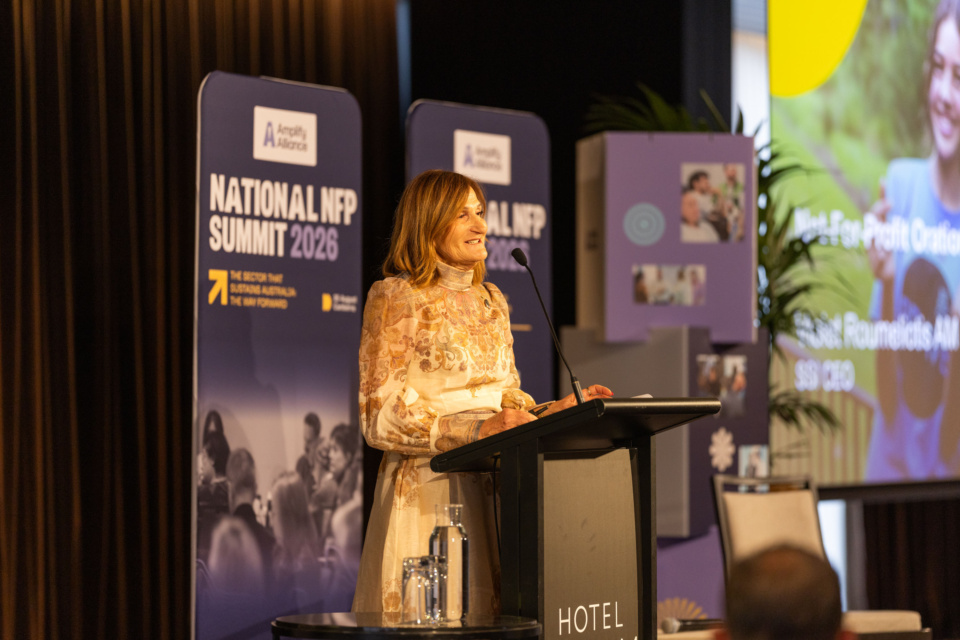
Sector leader Violet Roumeliotis has called on funders to stop treating not-for-profit…

Posted on 13 Aug 2026
As a teenager, I attended summer camp for seven years, first spending two weeks at a time camping…

Posted on 13 Aug 2026
Not-for-profits are full of people with great ideas, but that doesn’t mean they are set up for…