
Pauline Hanson and the frightening lesson of ‘Years and Years’
Posted on 07 Oct 2026
Our Community's founder and leader, Denis Moriarty, writes that when he watched an over-the-top…
Posted on 21 Nov 2023
By Greg Thom, journalist, Institute of Community Directors Australia
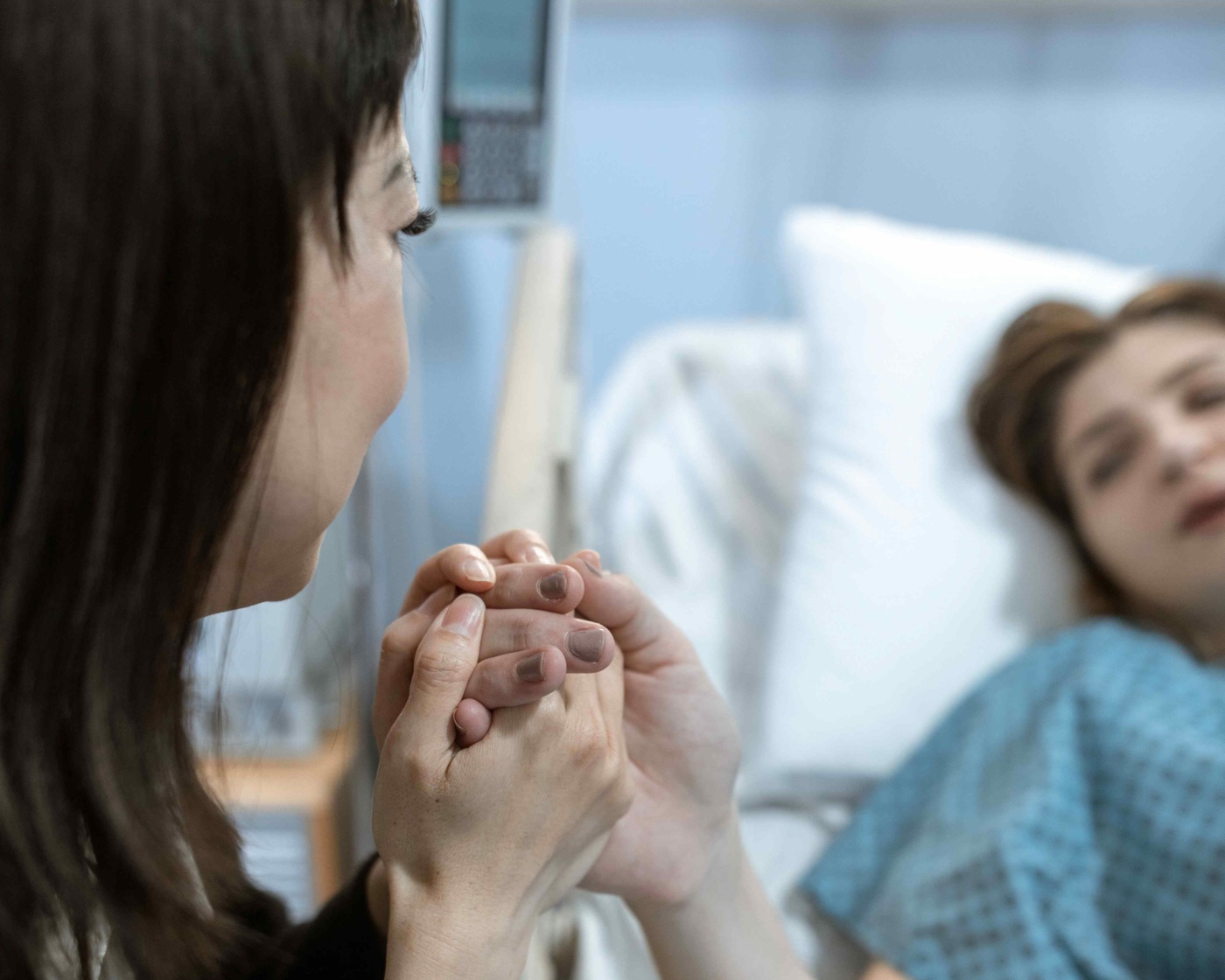
Victorian government budget cuts threaten to deny Victorians dying in hospital access to spiritual comfort in their final hours.
The Spiritual Health Association (SHA) said the decision to withdraw $1.35 million in funding after almost 70 years of support from June 30 next year will have a major impact on the healthcare system.
The SHA is the peak body for spiritual care in the health sector and oversees 11 faith-based communities who provide emotional and spiritual support to hospitalised people in need and their families.
The SHA has written an open letter to Victorian Premier Jacinta Allan outlining its concerns and has urged the government to rethink its decision.
The letter is signed by the leaders of 11 faith-based communities including CatholicCare Victoria, the Islamic Council of Victoria, the Jewish Community Council of Victoria and the Sikh Interfaith Council of Victoria.
The letter said state government funding had been a cornerstone of the provision of emotional and spiritual support to Victorians in need for decades.
“The decision to discontinue this funding undermines the efforts made by countless volunteers and professionals dedicated to the well-being of patients and their families,” the open letter states.
“We are particularly concerned about the impact this will have on Victoria’s healthcare system, which prides itself on offering a holistic approach to patient care.”
The letter acknowledged that the decision to cut funding was based on financial considerations, but pointed out that the value of spiritual care extends far beyond monetary metrics.
“The emotional and spiritual support provided through this funding significantly contributes to the quality of life for thousands of Victorians, aligning with the principles of compassion, dignity and holistic health.”
In the past year, the funding has helped deliver spiritual care for more than 16,500 patients in 40 hospitals, often helping them navigate complicated end-of-life existential questions with care and compassion.
“This is about preserving a service that many of us might not realise we need until the moment comes."
SHA said Victoria was internationally recognised for its innovative approach to spiritual care, which was in line with principles recognised by the World Health Organization.
“In the context of a healthcare system that aims to be inclusive and person-centred, the cessation of this long-standing financial support would be a step backward, affecting not just the spiritual care sector but the very fabric of our diverse society,” the letter states.
The SHA said it is yet to be given a specific reason for the funding cut.
SHA CEO Cheryl Holmes said the loss of funding support was not just a blow to SHA and faith communities, but a loss for anyone who might otherwise one day find solace in spiritual care during a health crisis.
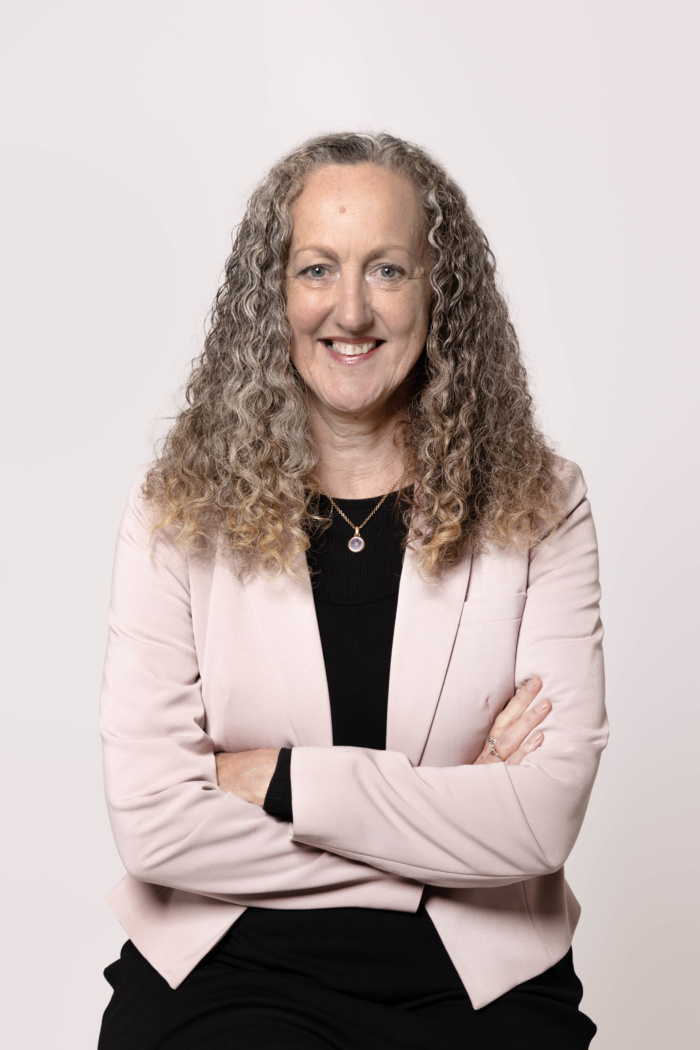
“If we let this aspect of care fade away, we all lose a crucial part of our healthcare system,” Ms Holmes said.
“This is about preserving a service that many of us might not realise we need until the moment comes."
Ms Holmes said spiritual care was about supporting people in times of vulnerability, offering comfort and a listening ear that aligns with their beliefs.
“It's a service that touches the lives of many, often when it’s needed most."
"Our mission at SHA is to ensure every Victorian, regardless of their faith or world view, receives this kind of compassionate care.
“It's about respecting our diverse community and nurturing the spirit along with the body."
The SHA said if it was unsuccessful in securing an alternative source of funding, access to vital resources, education and research would be lost.
The organisation has been advocating for the adoption of a National Model for Spiritual Care currently being trialled in 11 healthcare services.
The framework is designed to standardise and integrate spiritual care throughout the Australian healthcare sector in line with the principles of the World Health Organization.
The SHA said the goal was to establish a standard of care that is inclusive of all beliefs and world views, ensuring every Australian has access to high quality and safe spiritual care.
The Victorian government was approached for comment but had not responded before deadline.
Posted on 07 Oct 2026
Our Community's founder and leader, Denis Moriarty, writes that when he watched an over-the-top…

Posted on 07 Oct 2026
A major public campaign launched this morning is calling on the federal government to restore…
Posted on 07 Oct 2026
The Australian Literacy & Numeracy Foundation (ALNF) has announced a partnership with mining…
Posted on 07 Oct 2026
A conference in Darwin will this morning hear detailed, strategic plans for how Australia could…
Posted on 07 Oct 2026
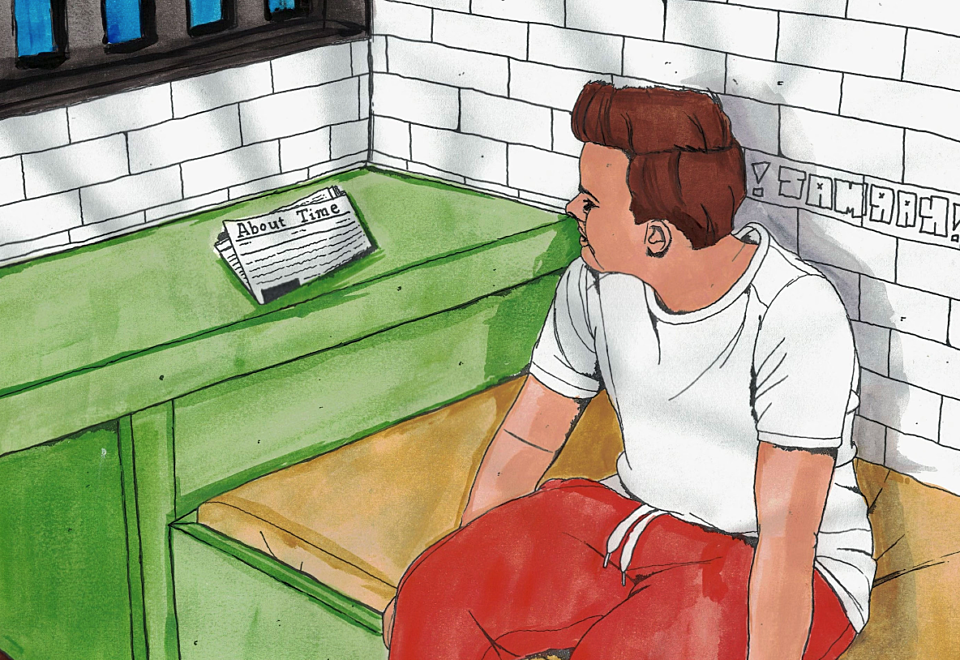
Joseph Friedman is co-founder and publisher of About Time, Australia’s only newspaper for…

Posted on 30 Sep 2026
There's been a lot of talk about AI this week, and some of it has been frightening. So, is AI good…
Posted on 30 Sep 2026
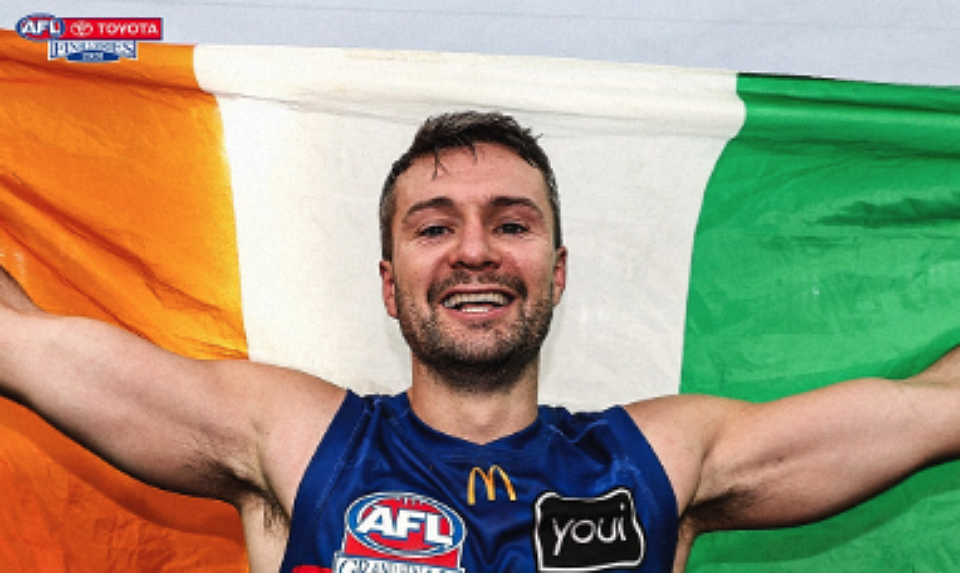
After the biggest AFL game of the year, one player proudly wore the flag of his birth country and…

Posted on 30 Sep 2026
At 21 years old, Tate Donohoe is the founder of Ecodia, an AI-assisted software development company…
Posted on 30 Sep 2026
Not-for-profit leaders have been warned to be wary of approaches from potential “funding partners”…
Posted on 30 Sep 2026
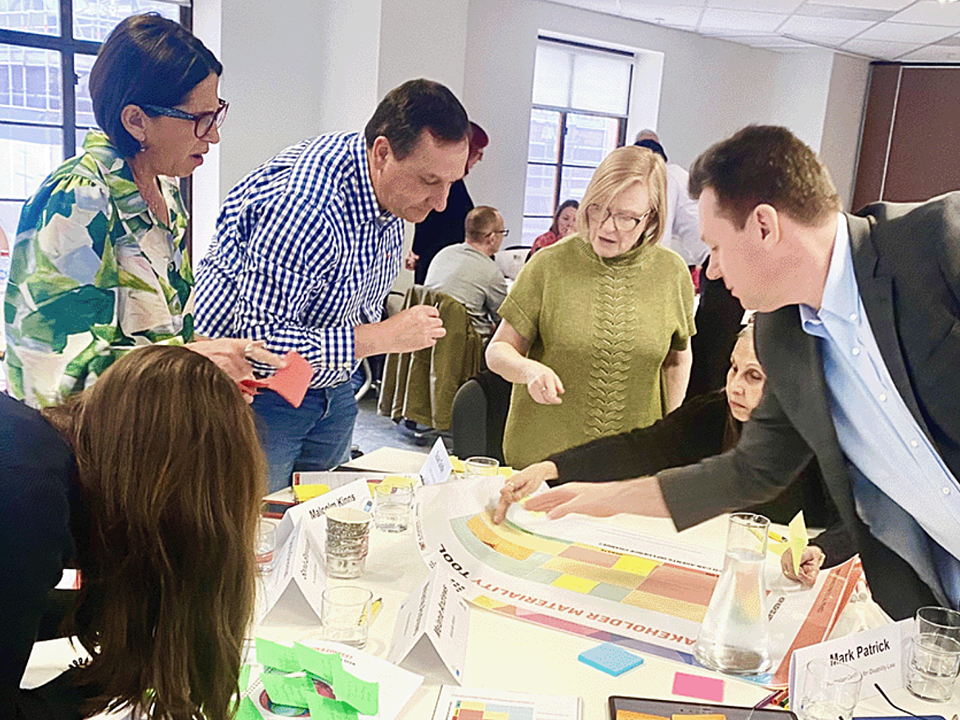
More than 200 fully funded Centre for Social Impact (CSI) scholarships will help equip for-purpose…

Posted on 30 Sep 2026
Personal stories are among the most powerful tools a charity can have to raise funds and awareness,…

Posted on 23 Sep 2026
In his new book Our Place, policy expert Matt Lloyd-Cope argues that housing must be at the heart…