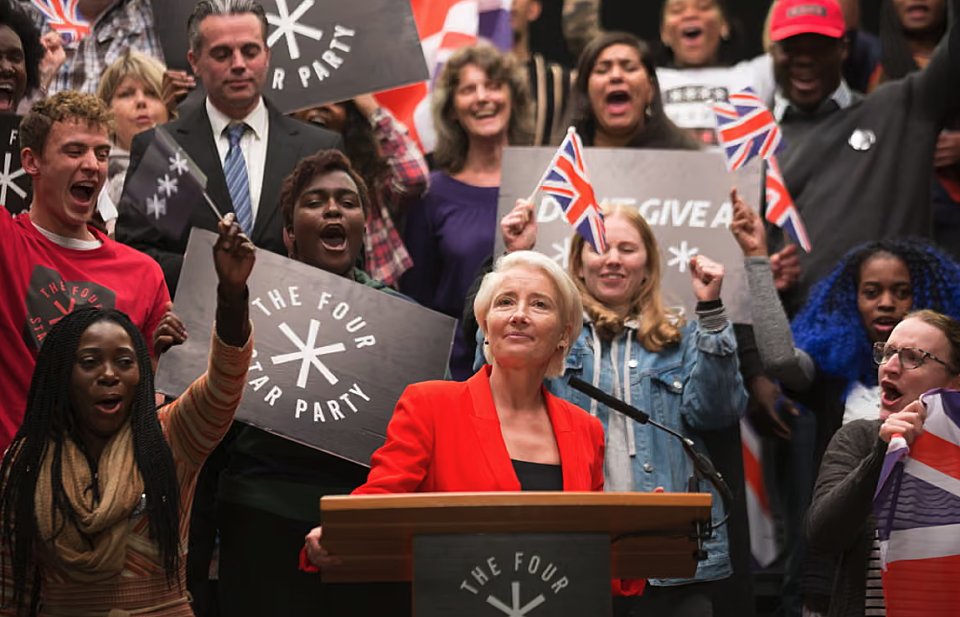
Pauline Hanson and the frightening lesson of ‘Years and Years’
Posted on 07 Oct 2026
Our Community's founder and leader, Denis Moriarty, writes that when he watched an over-the-top…
Posted on 16 Oct 2023
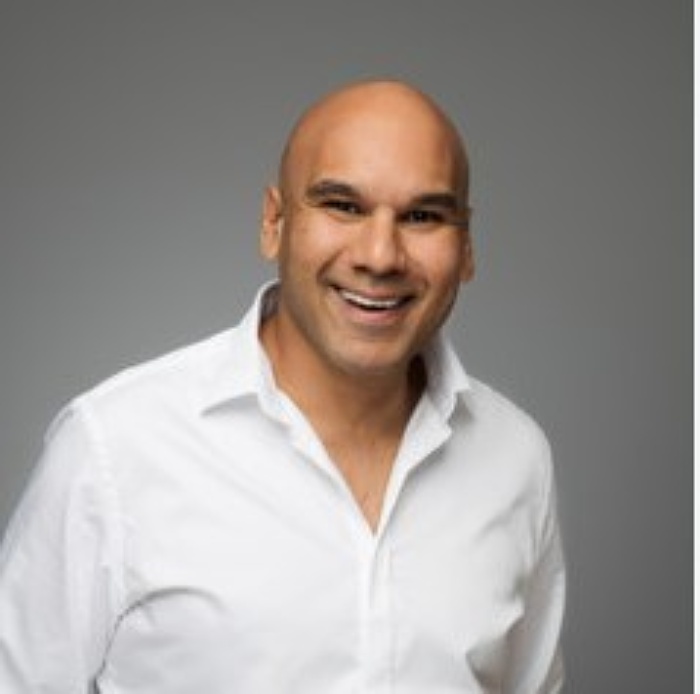
By Bhiamie Williamson
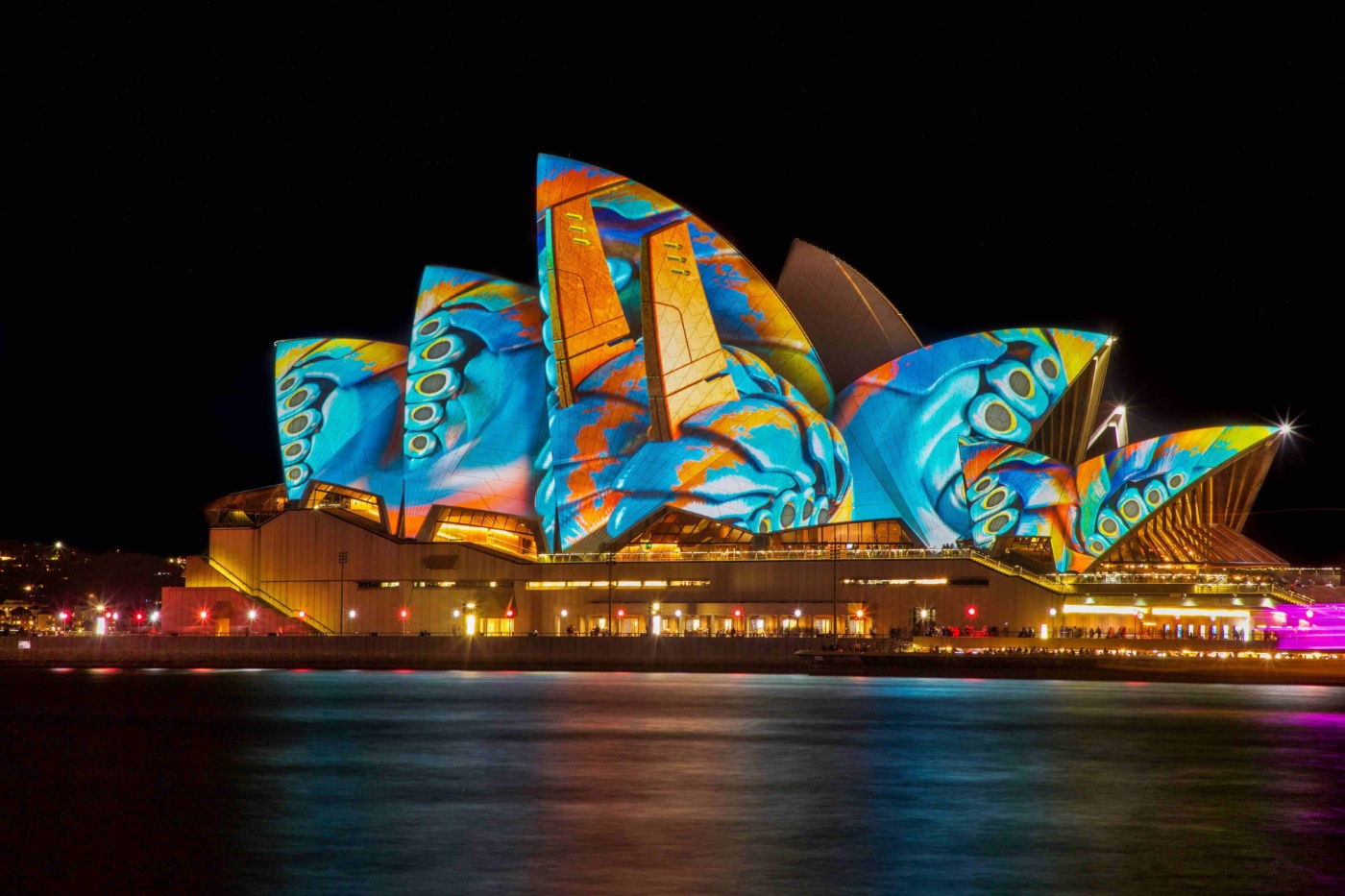
The failed referendum is a political disaster, but opportunity exists for those brave and willing to embrace it.
October 14, 2023 will be remembered by many as the day reconciliation died.
The defeat of the referendum may not have surprised many of us, Aboriginal and Torres Strait Islander people.
After all, we have become accustomed to disappointment. Nonetheless, it is a devastating and demoralising blow.
We must take stock of this political disaster and consider where it leaves us as a nation and a society of people and in what direction we walk from here.
I have published extensively on the impacts of disasters on Indigenous peoples, such as fires and floods.
When a disaster strikes, people’s experiences are varied and complicated. Some people escape relatively unscathed, perhaps even better off, while others are heavily and negatively impacted. It is common for those negatively impacted to experience shock and trauma.
There is much to be learned by viewing the referendum defeat as a political disaster.
The first thing to acknowledge is the impact the result will have on many of our peoples and allies. We must validate these feelings of hurt, distress and anger.
Yet the opportunities after a disaster lay in the rebuild, in learning and adapting, and in recognising systemic features of our society that produce vulnerabilities.
Many Indigenous people have maintained Australia is a racist country.
This is not to say every person who voted No on October 14 is a racist.
Motivations driving individual voting preferences are complicated, contested, perhaps even contradictory. We must be careful to not equate an individual No vote as a marker of individual racism.
But ignoring patterns of racism and the relentless racist dialogue from some in the No campaign is to be wilfully, and knowingly, indifferent.
Racism is a drug, and Australia has an addiction.
Our insistence on this has elicited strong rejections from mainstream Australians who have preferred to see racist events – the Northern Territory Intervention, the 2005 Cronulla riots, the booing of AFL player Adam Goodes – as isolated instances.
For us, these instances are never isolated. They join together in a chain of prejudice which began with the arrival of the First Fleet.
We could say Australia has always been casually, or informally, racist. The resounding No written by the majority of Australians across a majority of states, then, formalises the informal.
Finally recognising this fundamental truth about our society will allow us to take generational steps to address it.
October 14 will be remembered by many of us as a spectacular own-goal, rivalling perhaps the Whitlam dismissal.
It was a day when rather than step towards a more kind and equitable future, Australia chose to retreat to a deeply problematic past.
"Within the disappointment of defeat there remain opportunities for those brave enough and willing to embrace it."
Within the disappointment of defeat there remain opportunities for those brave enough and willing to embrace it.
We have been denied a place within the Constitution, but it is within our collective power to reconstitute ourselves and create a self-determined Voice. We don’t even need to look far to see how this might work.
Established in 2009, The National Congress of Australia’s First Peoples was perhaps the most complete expression of what an organised and unified Voice might be.
The decline of Congress was not because it wasn’t an effective model of representation. Rather, it was disbanded in 2019 because of the withdrawal of funding by a Coalition government.
If funding is holding back a self-determined Voice such as a Congress, the Yes campaign has shown Indigenous peoples are far from friendless or penniless.
Other opportunities may exist in plain sight. I have previously written about the sleeping electoral power of Indigenous peoples. Could Indigenous votes be mobilised beyond the Northern Territory for targeted political impact?
For those wanting more direct and tangible opportunities, perhaps now is a time to become a donor to charities working with our communities.
The Australian Indigenous Governance Institute, Aurora Foundation, and Country Needs People are three that immediately come to mind.
The largest learning from the referendum is that we require new political strategies for Indigenous advancement.
The politics of asking must cease.
Many activists will want to hit the streets once again, but this is not the 1970s.
The Sorry Day rally in 2000 and the Students for Climate Action rally in 2021, each of which brought many thousands of people to the street, failed to move government. And the treatment of asylum seekers demonstrates Australia cares little for its international reputation.
What we require is a different kind of political action. This action will require support, membership, funding, and clear communication, but never asking for permission.
We need innovation and imagination for this, and our allies must be brave and willing to step into these more radical spaces with us.
Perhaps most importantly, this renewed political action requires new leadership.
The generations of Indigenous leaders who have steered our communities, and the campaign for Constitutional recognition, deserve our deepest gratitude.
It takes a certain type of person to take the hits and keep standing up and moving forward.
To our leaders who have offered us strength and shone light on a righteous path, we will forever look up to you.
October 14 will not be your legacy.
A new generation of leaders has followed in your footsteps and grown up in your shadow.
Now is the time to pass the baton of leadership.
That new generation is already here – and we are hungry for the opportunity.
Hand us not the baton of defeat, but strength in the struggle.
May each Yes vote cast at the referendum be a drop of rain that nourishes the land as it seeks to heal itself.
With concerted effort, and sympathetic yet radical activism, October 14 may be remembered as the firestorm that tore through our nation, but from which green shoots of opportunity sprung.
Bhiamie Williamson is a Euahlayi man from north-west NSW. He holds a Bachelor of Arts (Hons) from the Australian National University, a Masters of Arts in Indigenous Governance from the University of Victoria in British Columbia and Graduate Certificate's from the University of Arizona and the University of Wollongong. He is a Research Fellow at Monash University and a director of Country Needs People.
This article first appeared in the Conversation.
Posted on 07 Oct 2026
Our Community's founder and leader, Denis Moriarty, writes that when he watched an over-the-top…
Posted on 30 Sep 2026
There's been a lot of talk about AI this week, and some of it has been frightening. So, is AI good…

Posted on 30 Sep 2026
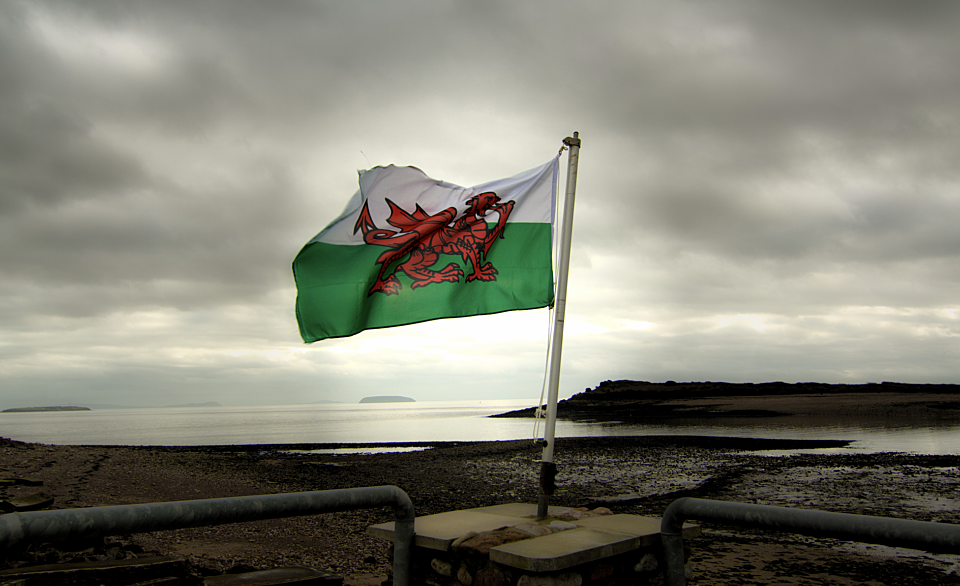
After the biggest AFL game of the year, one player proudly wore the flag of his birth country and…

Posted on 23 Sep 2026
In his new book Our Place, policy expert Matt Lloyd-Cope argues that housing must be at the heart…

Posted on 23 Sep 2026
There are solutions to counter the rise of One Nation but they might not be residing in the mess…
Posted on 03 Sep 2026
Denis Moriarty has an issue with insurance companies varying premiums because of what they perceive…
Posted on 02 Sep 2026
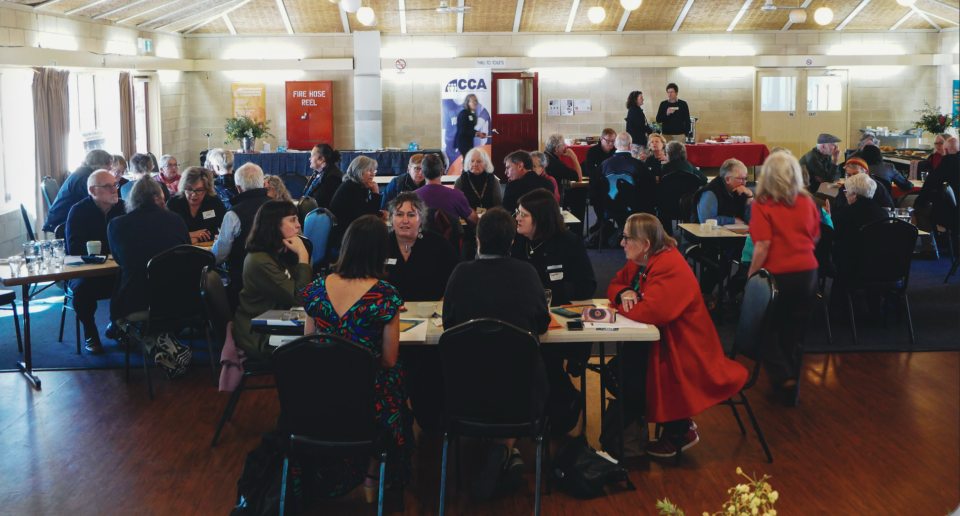
Yesterday, at a meeting just outside Castlemaine in Victoria, 70 people came together to hear…
Posted on 26 Aug 2026
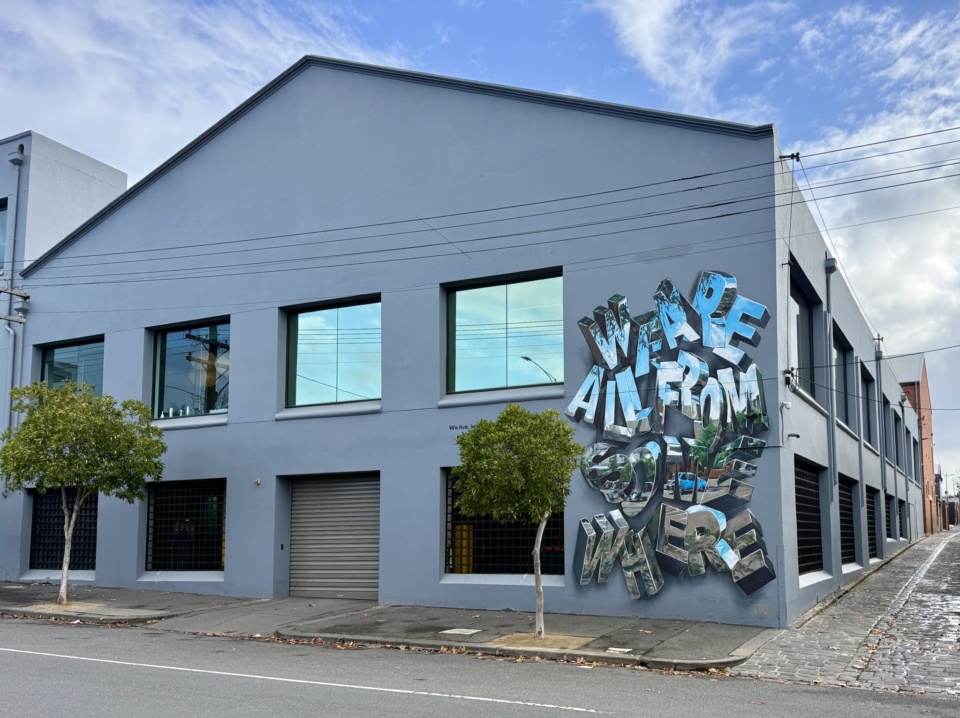
Our Community's founder and leader, Denis Moriarty, says he commissioned a new piece of street art…

Posted on 19 Aug 2026
Government funding is at the centre of Australia's charity and not-for-profit sector – our number…

Posted on 12 Aug 2026
Our Community's founder and leader, Denis Moriarty, says fostering a child was his worst nightmare,…

Posted on 05 Aug 2026
The charity and not-for-profit sector is vital to our economy and the wellbeing of communities…
Posted on 05 Aug 2026
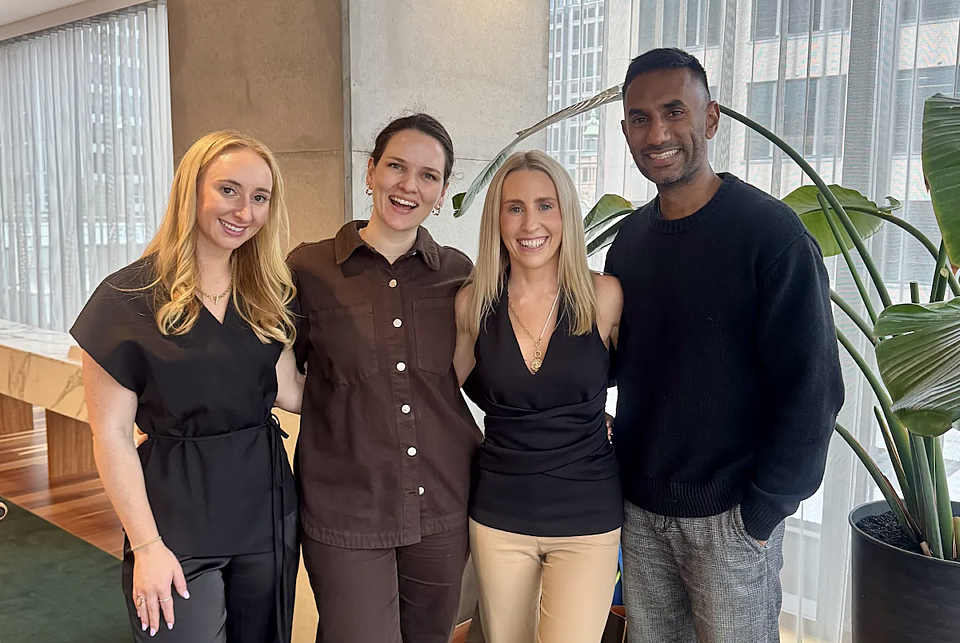
As the Global Impact Summit kicks off in Sydney today, Equitable Philanthropy’s Catherine Brooks…