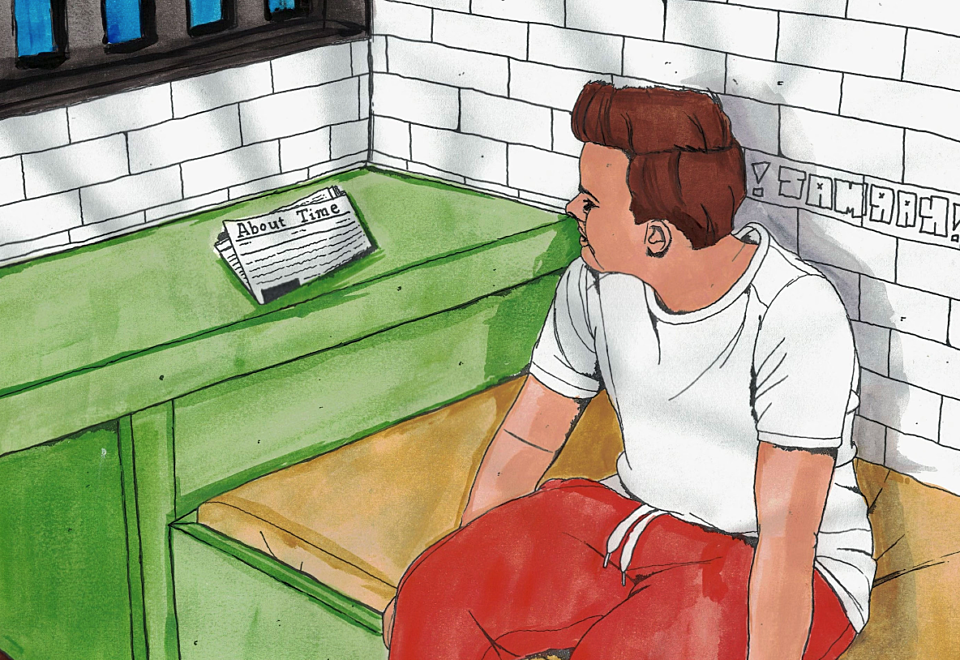
From passion project to a national prison newspaper, speaking to and for those doing time
Posted on 07 Oct 2026
Joseph Friedman is co-founder and publisher of About Time, Australia’s only newspaper for…
Posted on 19 Nov 2024
By Institute of Community Directors Australia
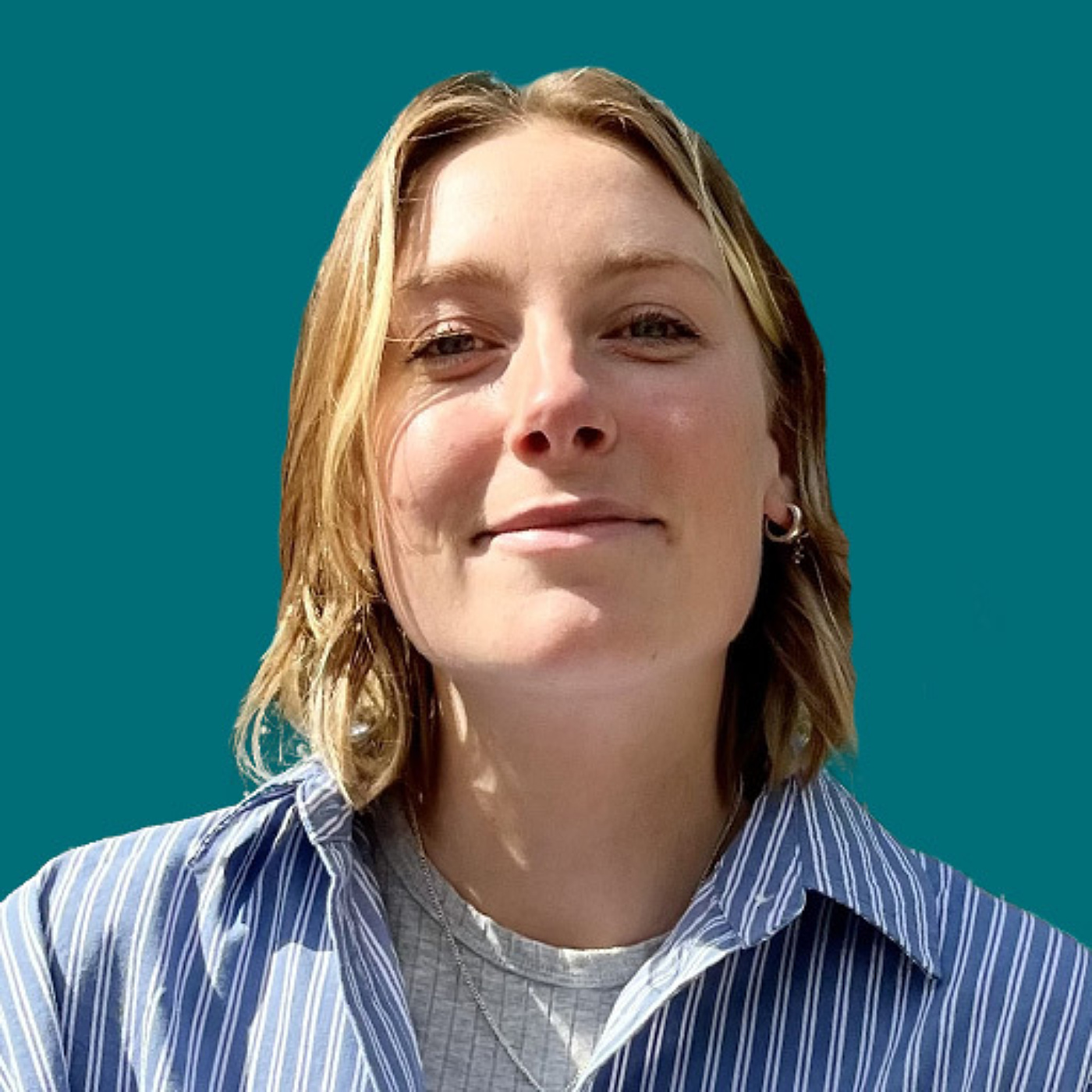
When it comes to making a difference through giving, it’s good to be well-informed, but it’s even better to be engaged, says GiveOUT founder and philanthropy veteran Georgia Mathews.
I was born in Naarm [Melbourne] into a family that was active in the union and women’s movements and had a strong sense of social justice. Both my parents were nurses, so we didn’t have much capacity for giving financially, but there was a lot of focus on being a good citizen.
My tertiary study opened my eyes to the sociopolitical dynamics around race, class and gender and the theory behind that. This gave me an interest in the drivers of wealth inequality and the complexities and responsibilities around redistribution, and I’ve made a career out of helping people to try and do this well as a philanthropic advisor.
Alongside that, I think it's important to embody the values that I'm encouraging others to display through my work. I've always volunteered and given a portion of my disposable income when I’ve had the capacity and opportunity.
My values, but also an interest in collective responsibility and interdependence and how those things help societies function well. I think it's important for everyone to figure out what their role is in contributing to a healthy society and planet and actually play it.
In Western society, we often describe being a good citizen as looking after your family, paying taxes, or helping someone in the street when you see they're in trouble.
Although these things are essential, I think real change happens when we manage to look beyond these basic obligations. When we look beyond, we see things like active allyship, showing up and volunteering, but so often ‘giving’ is left off the list.
I'm a queer woman and I know that very little money goes to the LGBTIQ+ community, so I give there. I'm also a human being on this planet, and I see the climate crisis slipping out of our grasp, so I give in relation to that. And I'm a white person who's benefited from colonisation and I understand that addressing First Nations injustice is something that is urgently needed, so I also give there.
However, I'm 33 years old. Life is expensive and I'm not going to inherit a big trust, so I'm giving in the thousands, not the tens of thousands or the hundreds of thousands. This is why I'm obsessed with collective giving. It’s such an incredible mechanism for people that are giving at my scale to make sure the dollars are as effective as possible.
The impact of a collective contribution is greater than the sum of its parts and there are so many benefits to giving as a member of a giving circle – they’re engaging, they’re enjoyable because you are giving with other people, and you also learn.
This is because they are often run by people who are better informed, or have lived experience, of the issue being funded. I give through intermediaries like GiveOUT, First Nations-led granting organisations and Groundswell. They act as aggregates for donations, strategically redistributing money and ensuring the decisions are made by people who are best placed to make them.
This kind of giving allows me to really see the impact, more so than if I was giving solo to individual charities. It's about jumping on board the momentum that already exists and making it a little bit less about your individual gift and more about the movement. It’s also a mechanism for encouraging and enabling others to take on their own collective responsibility alongside you.
"The giving that I've learnt the most from is the giving where I'm actively involved beyond my financial contribution. It’s good to be well-informed, but it’s even better to be engaged."
I guess it’s given me a lot of time and space to consider where I’m uniquely placed to contribute the most value with my time, as well as my money.
I have my work. I have my family and my immediate community. But I have this other ongoing role—giving my time and money—that I'm playing to contribute to and participate in society. And that's been a really enriching part of my life. It has resulted in a much deeper engagement with the issues and communities I care about.
I’ve also had a lot of time to make mistakes and learn from them. I’d say I probably put time and money into some misguided things at the beginning, whereas I know I’m contributing in more useful ways now. No regrets, though!
I’ve also learnt that we need to fund community power building and grassroots movements through community-led philanthropic infrastructure. I would love to see more impacted communities given endowments and resources to redistribute themselves rather than well-intentioned wealthy people holding the funds, and therefore deciding on the solutions.
Being up close to these conversations is the reason I give through community-led intermediaries. It’s a way of decentralising myself from the decisions around what communities need because I’m not best equipped to make them.
The giving that I've learnt the most from is the giving where I'm actively involved beyond my financial contribution. It’s good to be well-informed, but it’s even better to be engaged.
I know more about climate justice, First Nations justice and inequality, because of my giving and engagement, and I’m better at playing my role in positive change as a result of that. It’s a virtuous cycle.
The other thing I’ve learned is that the fear of giving away your money is often unfounded. When I first had enough disposable income to start giving, I was worried that I was going to regret having donated if an unexpected expense came up.
I see this in my clients all the time too, though it often comes from their fear of making a mistake or giving to the ‘wrong thing.’ I’ve never ever regretted donating to anything. For all my talk of collective responsibility, there’s also the undeniable fact that giving is affirming, and it feels good.
From a broader perspective, I’ve learned about the importance of a healthy and well-resourced sector that can meet the challenges of the day. And that's about how the sector is regulated, how it's resourced, and how it's entrusted to do its work and advocate on issues.
Personally, I want to do more pro-bono work and to concurrently grow my business so that I have greater giving capacity. I would also love for my wife and I to set up a sub-fund at a community foundation when the time is right. Partially because giving using a structure like this can help you be more effective, but mostly because I love community foundations and what they’re all about.
Georgia Mathews has held management and executive positions at a range of philanthropic institutions, most recently as director of philanthropy at Australian Communities Foundation. She founded GiveOUT, an LGBTIQ+ funding organisation, and now serves as chair of its board. This profile was first published on the She Gives website.
Posted on 07 Oct 2026
Joseph Friedman is co-founder and publisher of About Time, Australia’s only newspaper for…
Posted on 30 Sep 2026
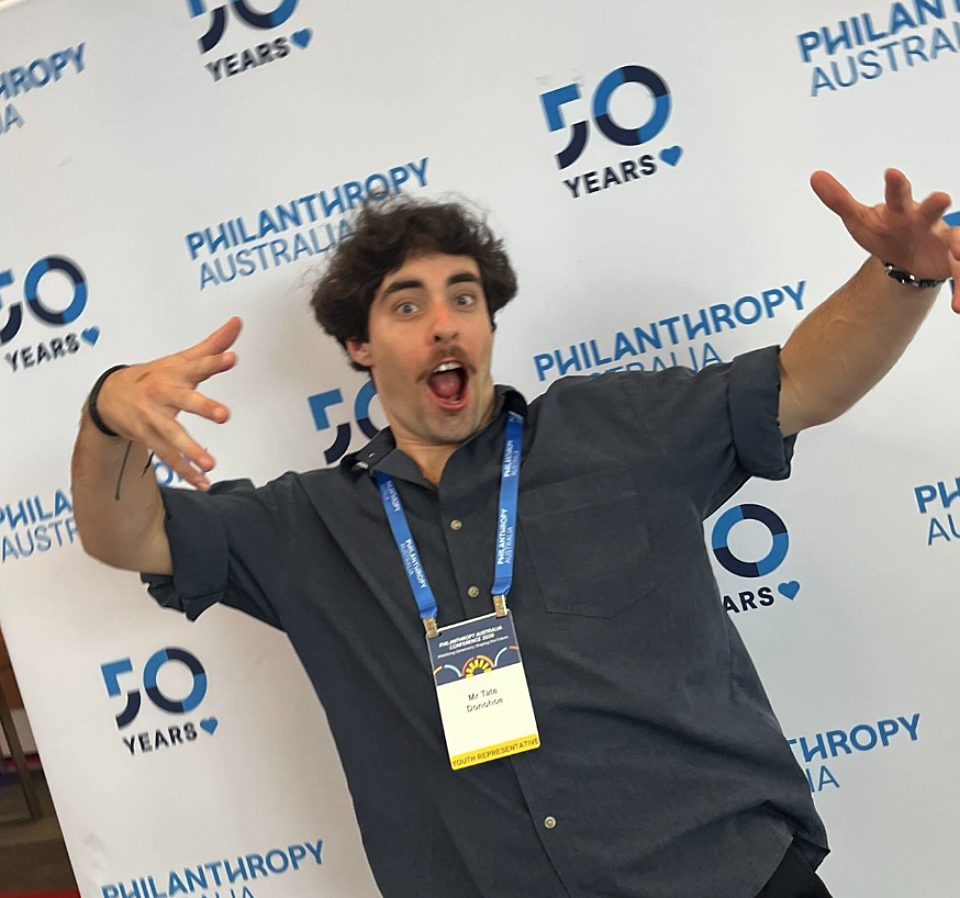
At 21 years old, Tate Donohoe is the founder of Ecodia, an AI-assisted software development company…
Posted on 02 Sep 2026
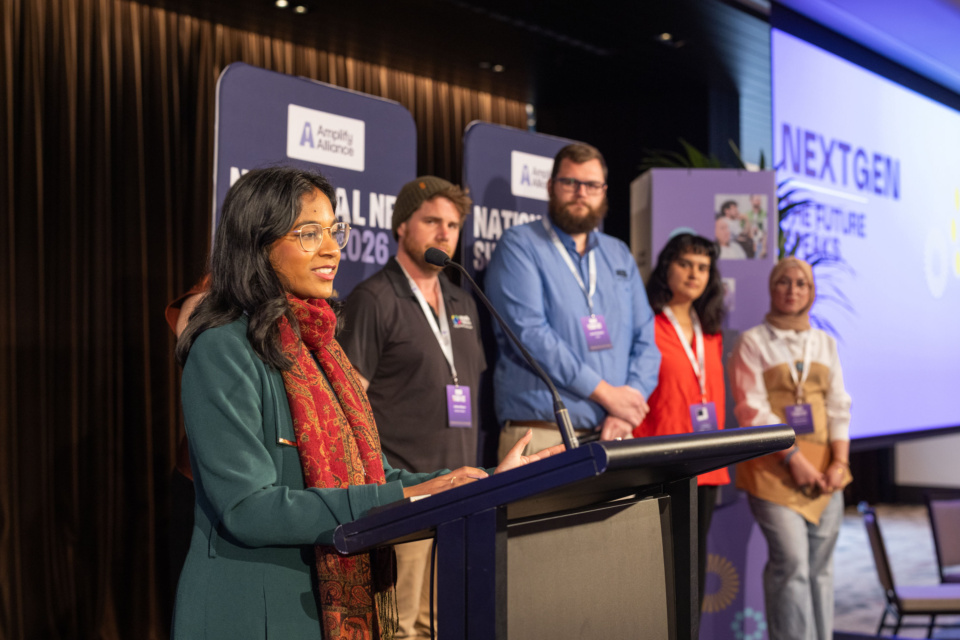
At last week’s Amplify Alliance National NFP Summit, Satara Uthayakumaran, 23, brought the voices…
Posted on 26 Aug 2026
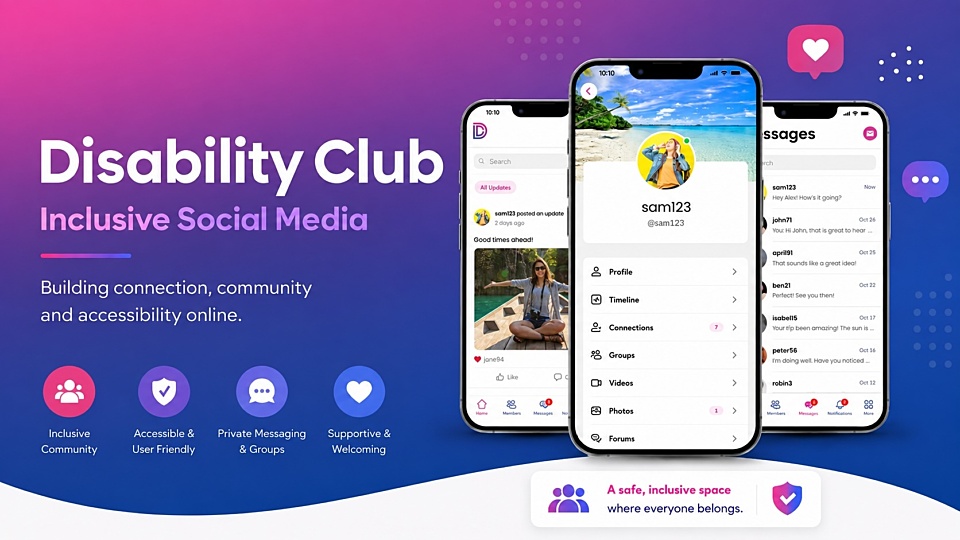
Nathan Johnston lives in Bega, NSW, and lives with cerebral palsy. He’s the creator of Disability…
Posted on 19 Aug 2026
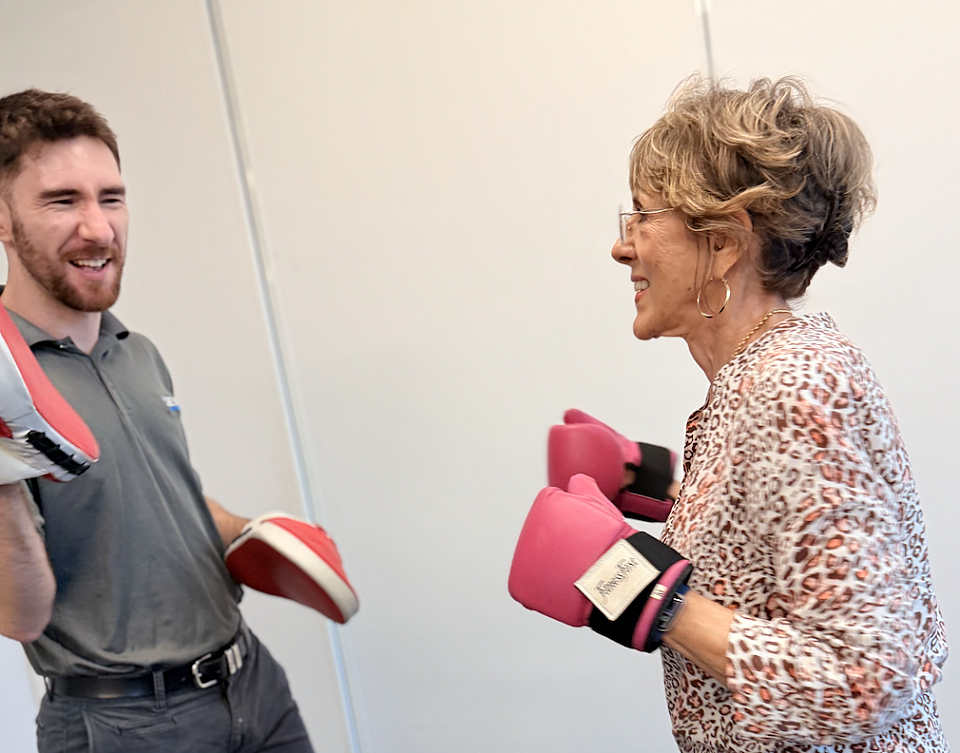
Coralie Wales is the founder of Strong Australia, an ACNC-registered health promotion charity that…
Posted on 08 Jul 2026
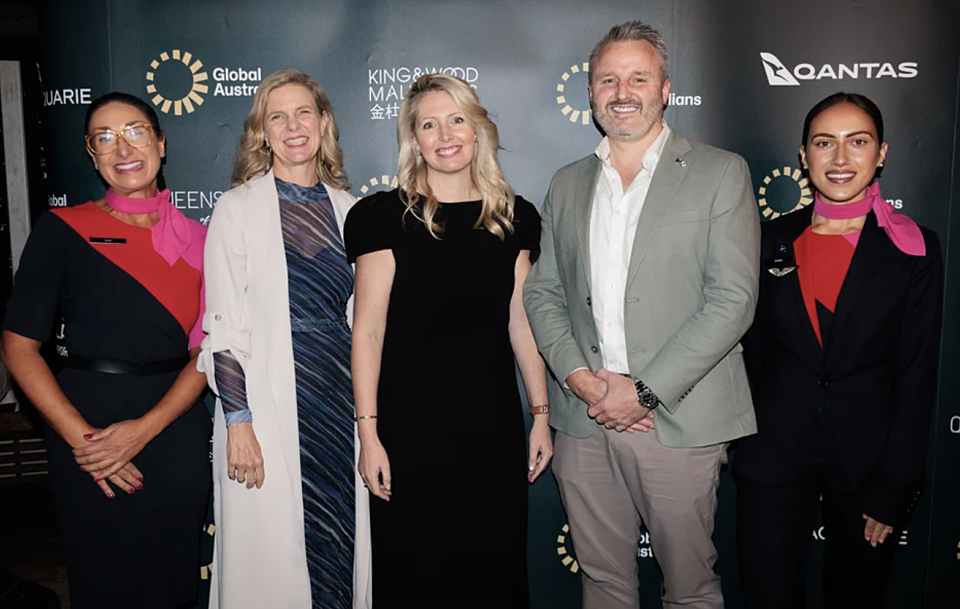
Kate McQuestin is CEO of Global Australians, a not-for-profit aimed at connecting Australians…
Posted on 30 Jun 2026
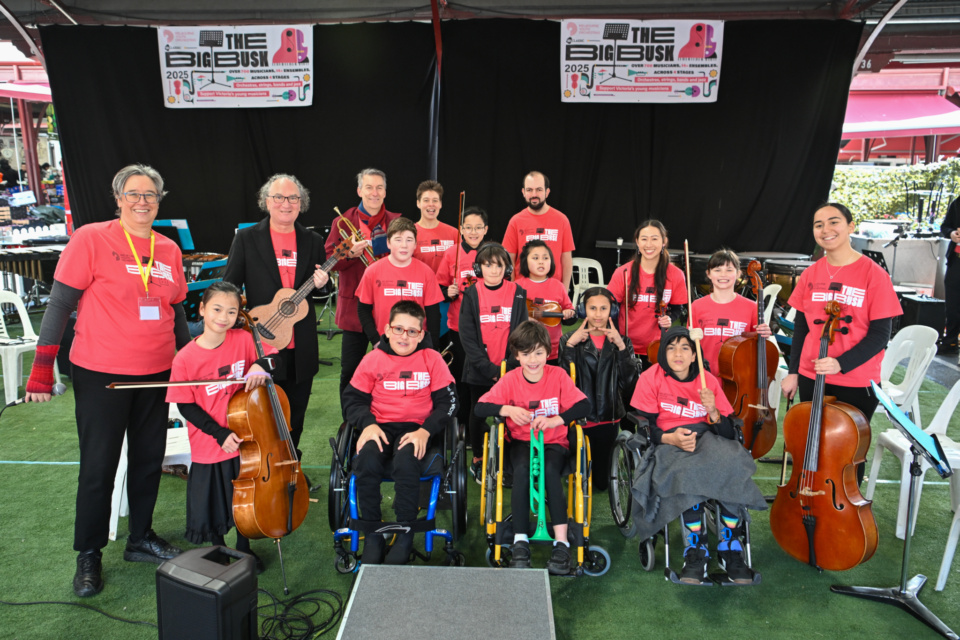
Anthea Skinner is a musicologist, a senior lecturer in disability creative performance at the…

Posted on 24 Jun 2026
Lizzie Mettam manages corporate partnerships for DV Safe Phone, an organisation that provides…
Posted on 17 Jun 2026
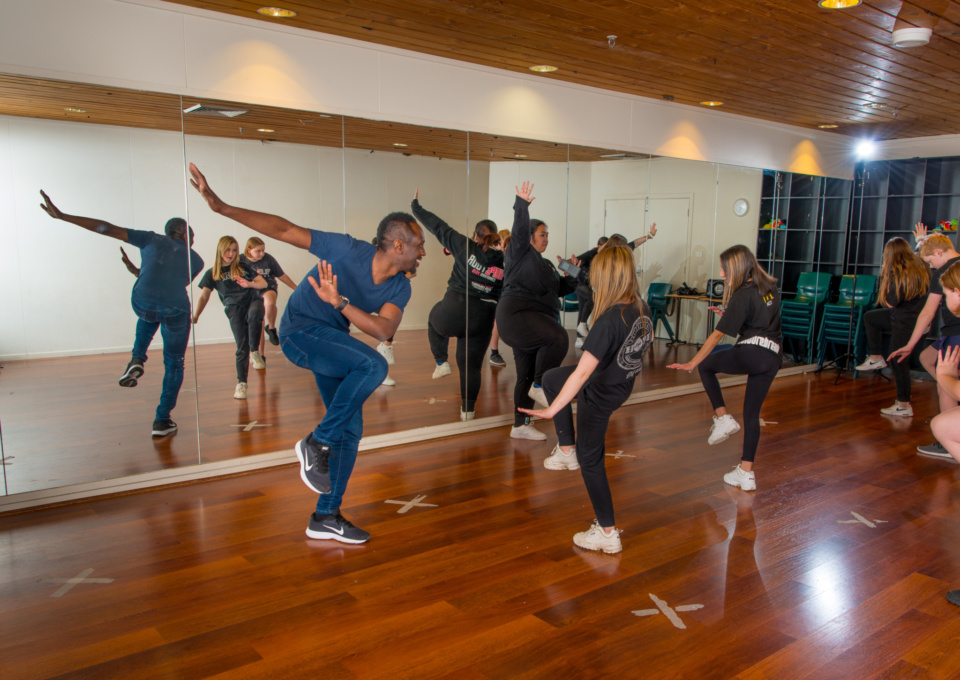
Francis Owusu is the founder of Kulture Break, a charity that helps young people build confidence,…
Posted on 10 Jun 2026
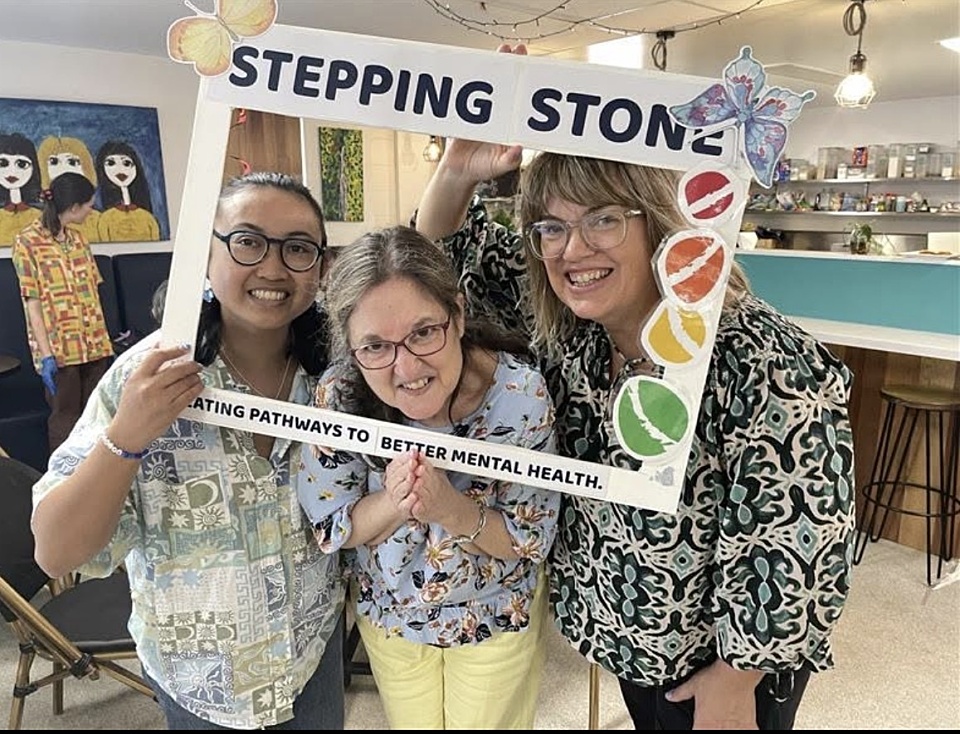
Melanie Sennett is the chief executive officer of Stepping Stone Clubhouse, a Brisbane charity that…
Posted on 03 Jun 2026
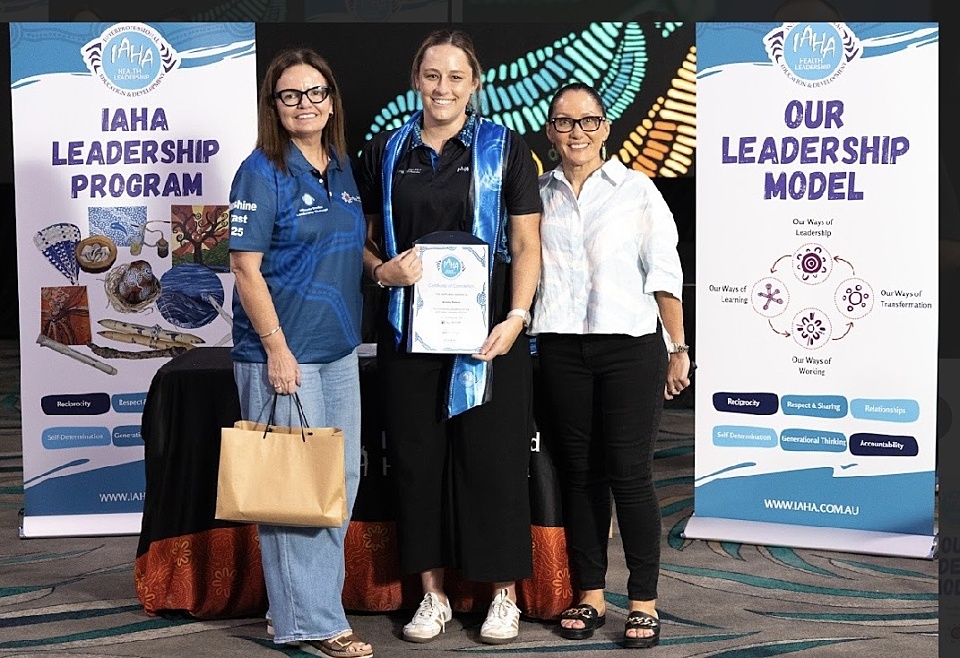
Kristy Petrie is a paediatric physiotherapist and proud Gooreng Gooreng woman who sits on the…

Posted on 27 May 2026
Maria Owen is the CEO of ImpactLab, a New Zealand social enterprise that analyses data for…