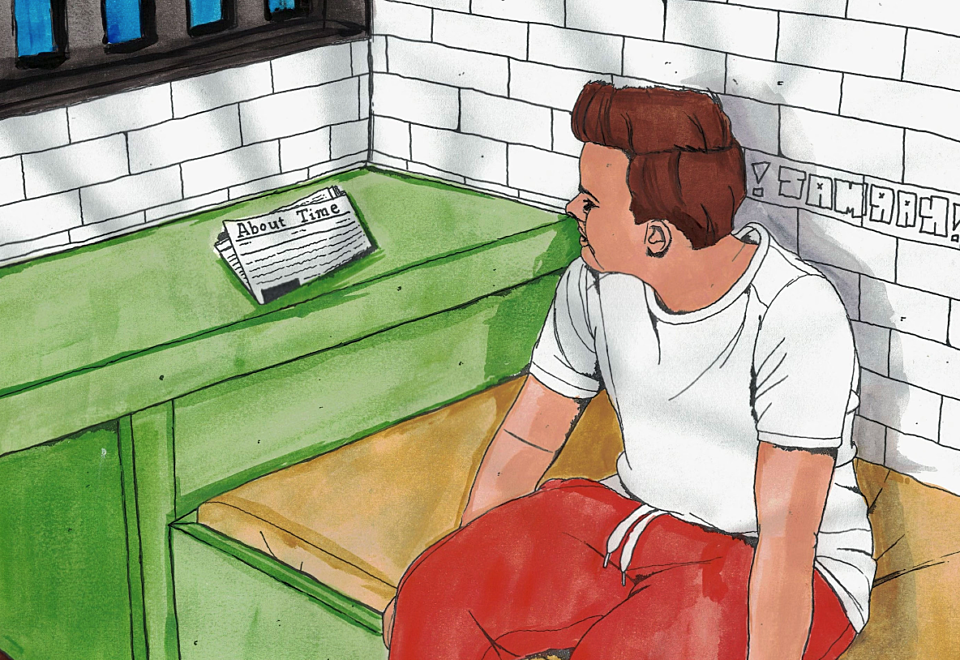
From passion project to a national prison newspaper, speaking to and for those doing time
Posted on 07 Oct 2026
Joseph Friedman is co-founder and publisher of About Time, Australia’s only newspaper for…
Posted on 04 Nov 2024
By Greg Thom, journalist, Institute of Community Directors
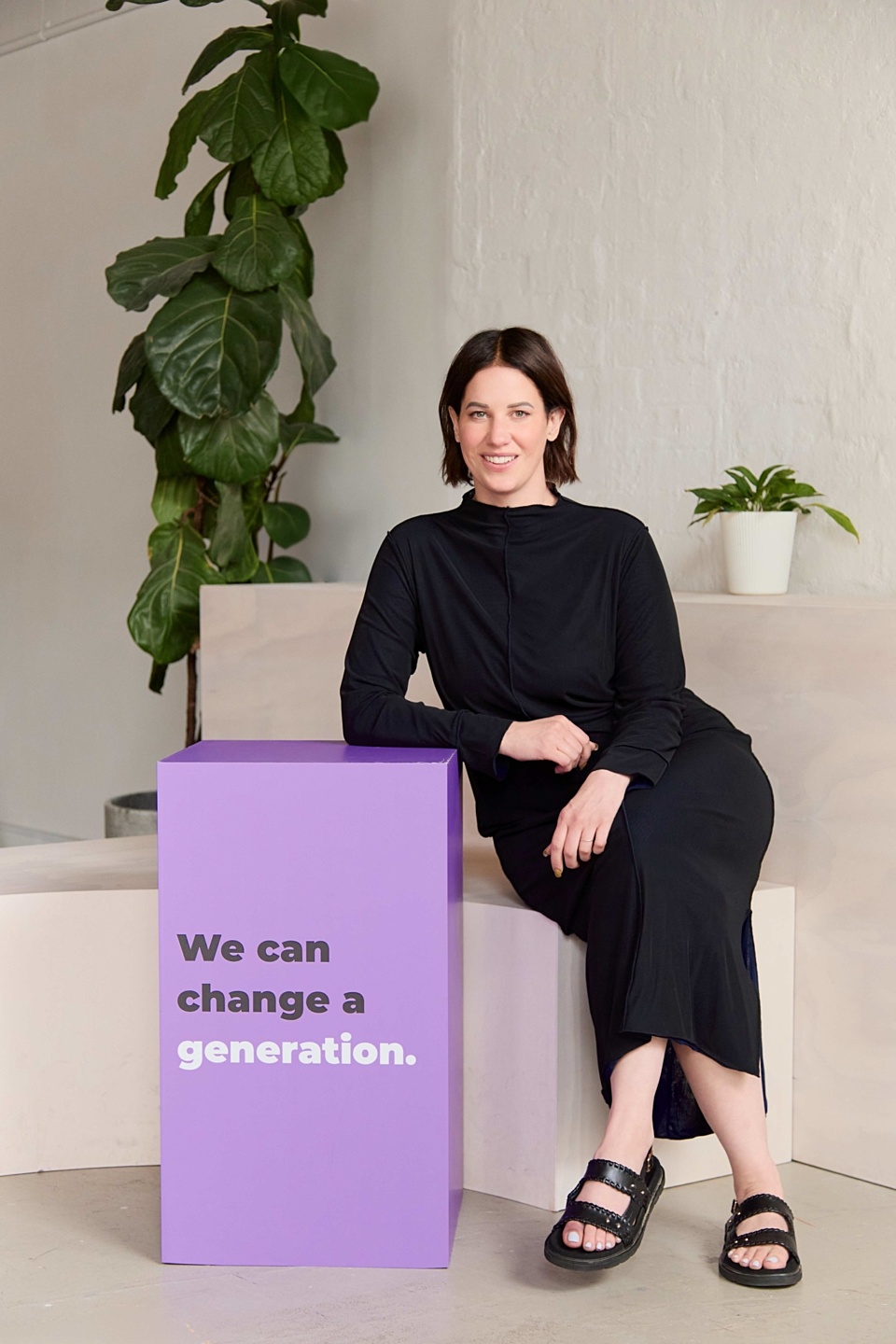
Being positive in how we think, feel, talk about, and support mental health will make a lasting generational impact, says Sarah La Roche, CEO of mental health organisation Smiling Mind.
I’ve had the privilege of building a well-rounded career as a C-suite executive over the past 20 years in high-growth sectors such as consultancy, consumer goods, healthcare, tech and media.
Before stepping into the CEO role at Smiling Mind, I served as chief operating officer for three years. Now, at this critical time for mental health in Australia, I’m excited to be leading Smiling Mind to help bring the evolved mission of lifelong mental fitness to life.
I'm deeply passionate about helping children develop the mental fitness skills they need for lifelong wellbeing, supporting the generational change that can redefine mental health for the future.
Smiling Mind is an Australian-based mental health not-for-profit that has been at the forefront of mental wellbeing innovation for over 12 years, helping minds thrive with evidence-based tools and resources.
We’re proud to have impacted the lives of millions of people globally. We aim to create generational change in mental health. So far, we’ve reached more than 12.8 million young people through our app and school-based programs – but this is just the beginning!
"By leading a positive transformation in how we think, feel, talk about, and support mental health, we can make a lasting generational impact."
The relationship between people and their mental health shifts with each generation, and now more than ever, we need to transform our approach.
Mental health is at a crisis point, and despite much progress, stigma remains a serious issue. Today’s young people are navigating a challenging world without the tools they need to cope, leading to an unprecedented rise in childhood mental illness.
This shouldn’t be their reality – and it doesn’t have to be. We can take proactive steps to prevent this crisis from worsening, and to turn it around for future generations.
By leading a positive transformation in how we think, feel, talk about, and support mental health, we can make a lasting generational impact.
Our mission is to help make mental fitness resources accessible so that everyone can establish lifelong habits for thriving.
The Smiling Mind app is a free evidence-based digital toolkit designed to empower people of all ages to learn, practise and build mental fitness through essential skills proven to enhance wellbeing – anytime, anywhere.
We also offer a primary school program that equips educators to teach social and emotional learning (SEL) from an early age.
The program provides ready-to-implement lessons and resources aligned with the Australian curriculum, supporting students and educators to develop foundational mental fitness skills. It also includes tailored training for teachers, school leaders and wellbeing coordinators, fostering a positive shift in school culture while enhancing overall mental health and wellbeing.
First, remind them they're not alone – many people are navigating mental health challenges, and support is available.
Showing you’re there for them, even if it’s just through listening without judgement, can make a big difference. Encourage them to reach out to a mental health professional, a trusted friend, or a support service.
Our website offers a list of services for individuals, parents and young people who might need extra help.
Posted on 07 Oct 2026
Joseph Friedman is co-founder and publisher of About Time, Australia’s only newspaper for…
Posted on 30 Sep 2026
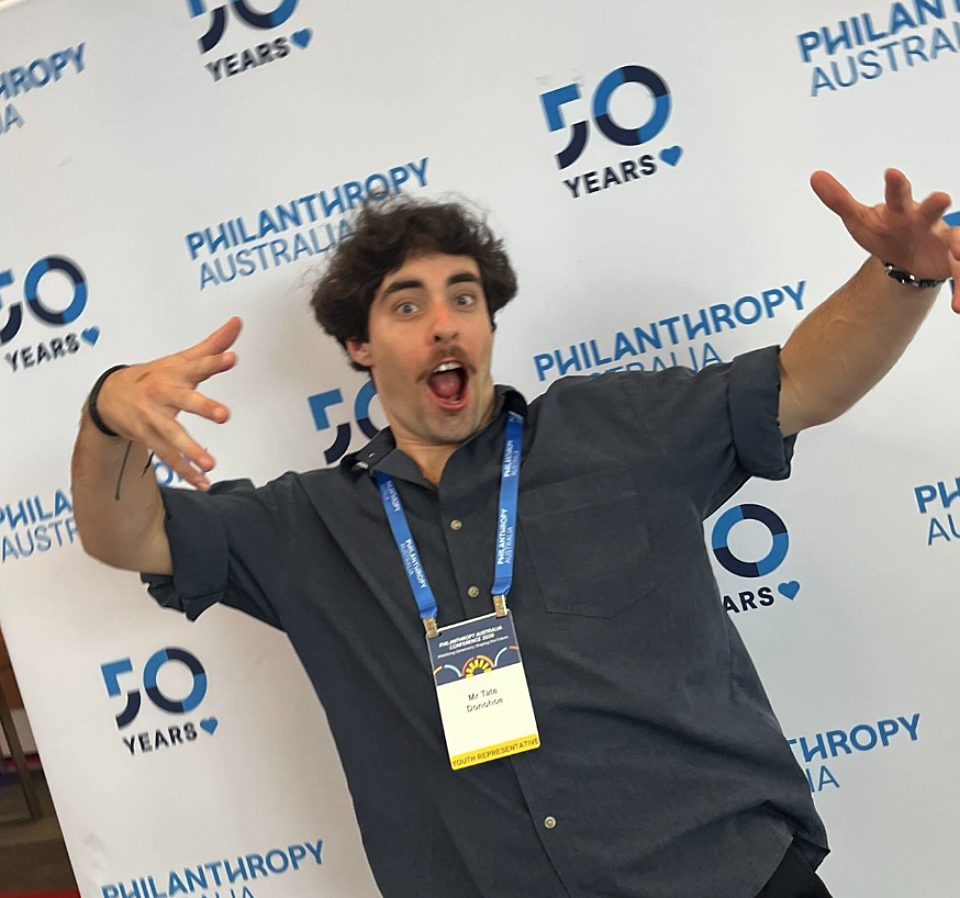
At 21 years old, Tate Donohoe is the founder of Ecodia, an AI-assisted software development company…
Posted on 02 Sep 2026
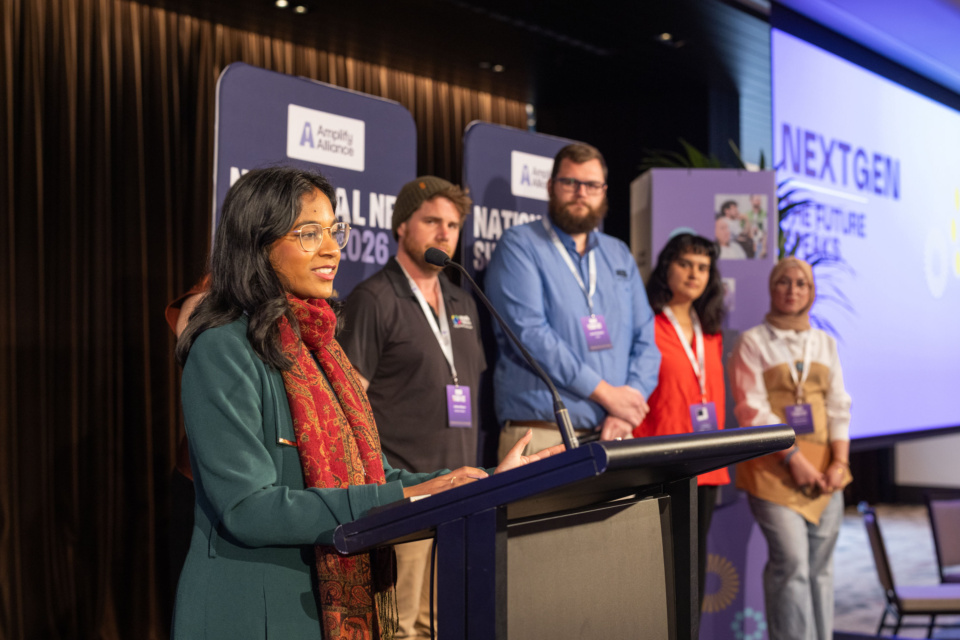
At last week’s Amplify Alliance National NFP Summit, Satara Uthayakumaran, 23, brought the voices…
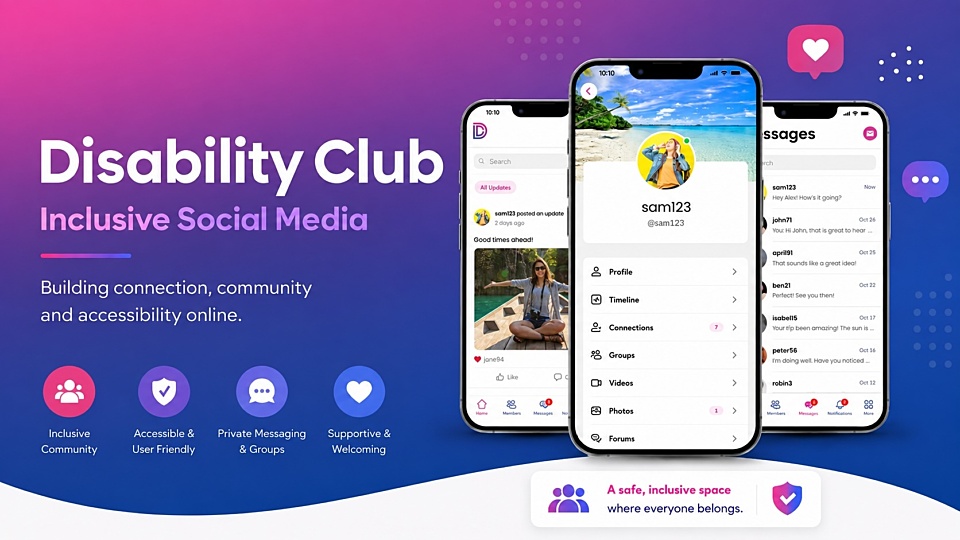
Posted on 26 Aug 2026
Nathan Johnston lives in Bega, NSW, and lives with cerebral palsy. He’s the creator of Disability…
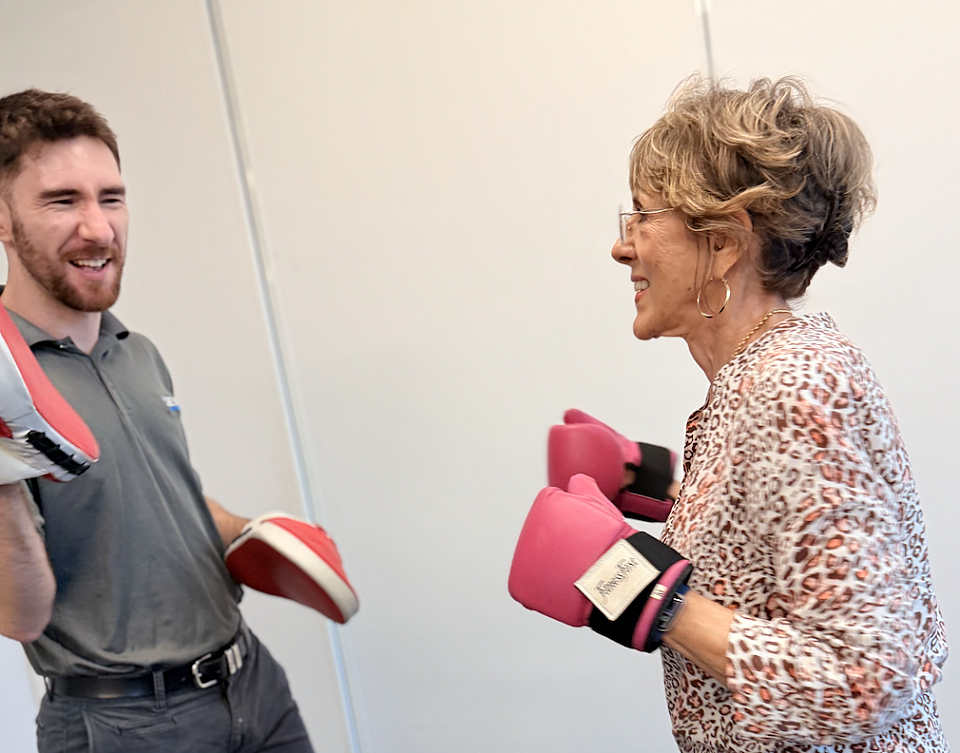
Posted on 19 Aug 2026
Coralie Wales is the founder of Strong Australia, an ACNC-registered health promotion charity that…
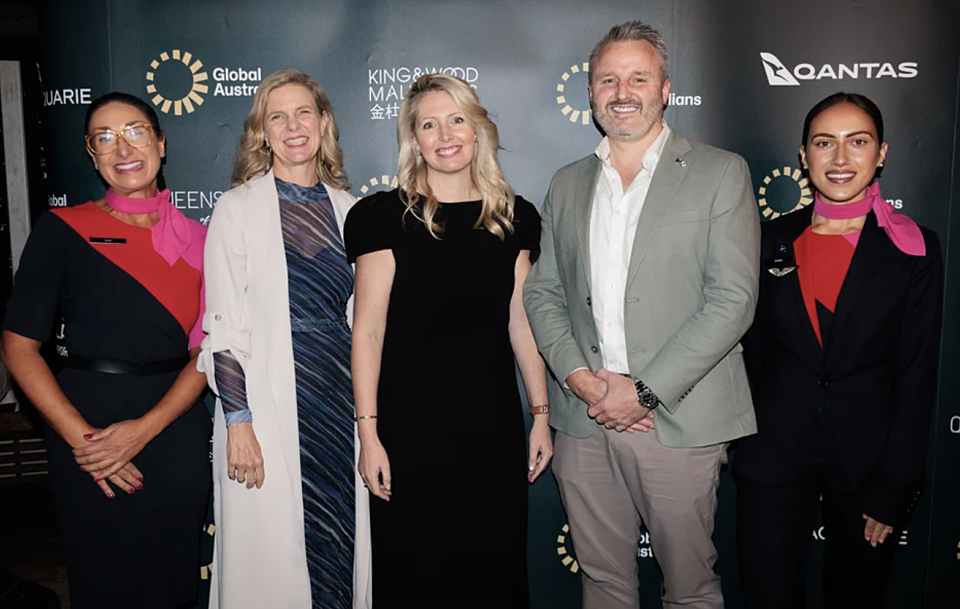
Posted on 08 Jul 2026
Kate McQuestin is CEO of Global Australians, a not-for-profit aimed at connecting Australians…
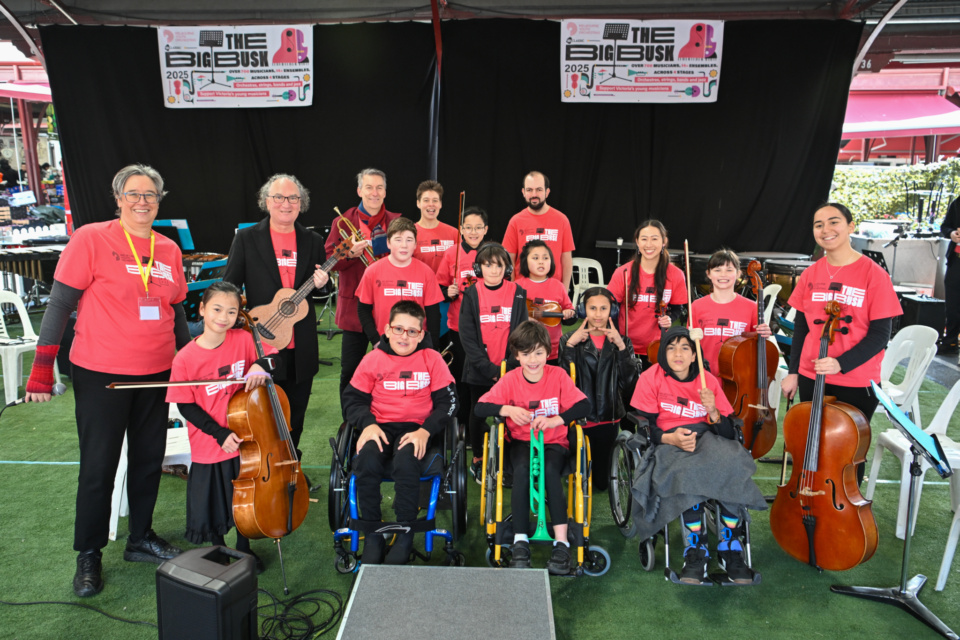
Posted on 30 Jun 2026
Anthea Skinner is a musicologist, a senior lecturer in disability creative performance at the…

Posted on 24 Jun 2026
Lizzie Mettam manages corporate partnerships for DV Safe Phone, an organisation that provides…
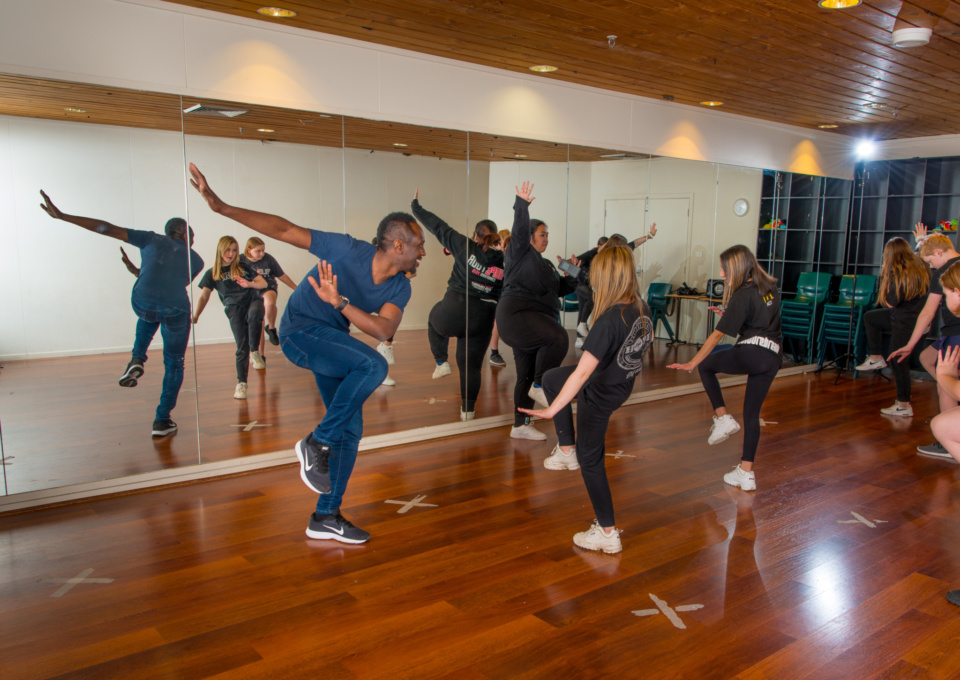
Posted on 17 Jun 2026
Francis Owusu is the founder of Kulture Break, a charity that helps young people build confidence,…
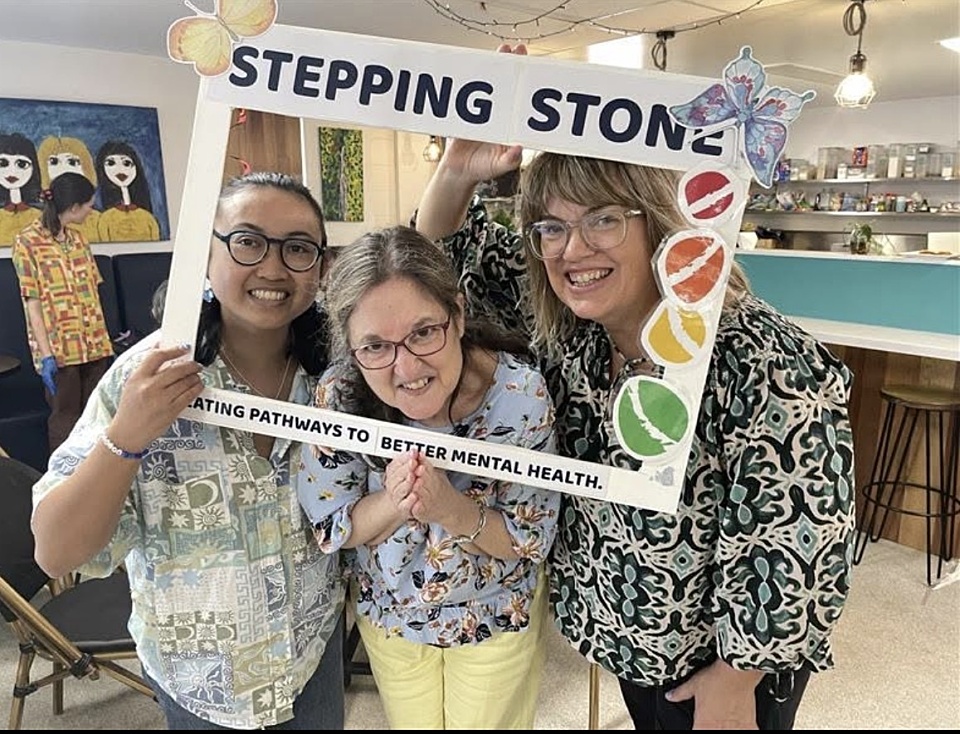
Posted on 10 Jun 2026
Melanie Sennett is the chief executive officer of Stepping Stone Clubhouse, a Brisbane charity that…
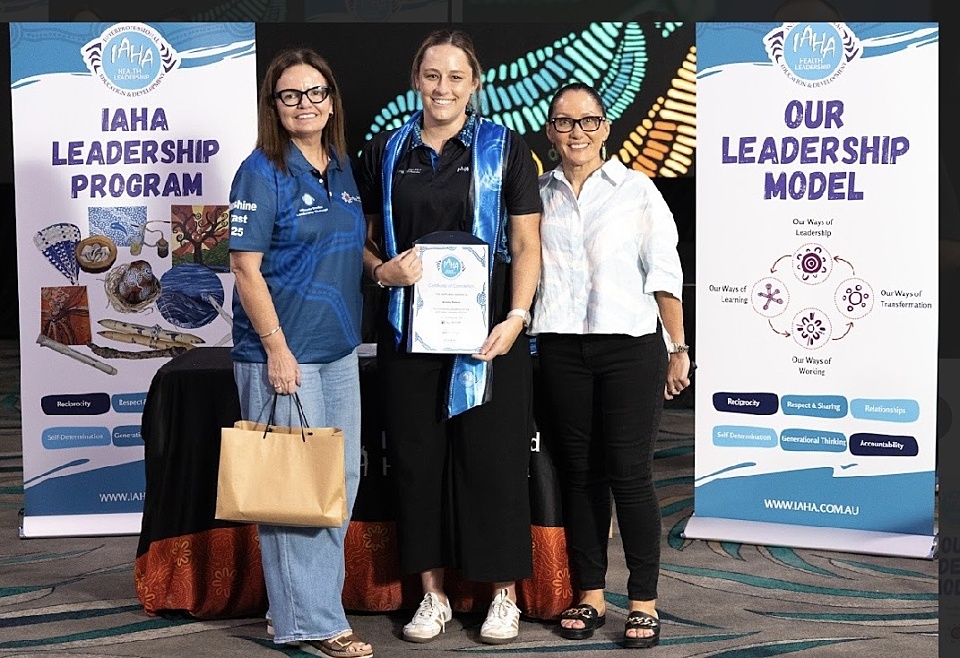
Posted on 03 Jun 2026
Kristy Petrie is a paediatric physiotherapist and proud Gooreng Gooreng woman who sits on the…

Posted on 27 May 2026
Maria Owen is the CEO of ImpactLab, a New Zealand social enterprise that analyses data for…