From passion project to a national prison newspaper, speaking to and for those doing time
Posted on 07 Oct 2026
Joseph Friedman is co-founder and publisher of About Time, Australia’s only newspaper for…
Posted on 01 Jul 2024
By Greg Thom, journalist, Institute of Community Directors Australia
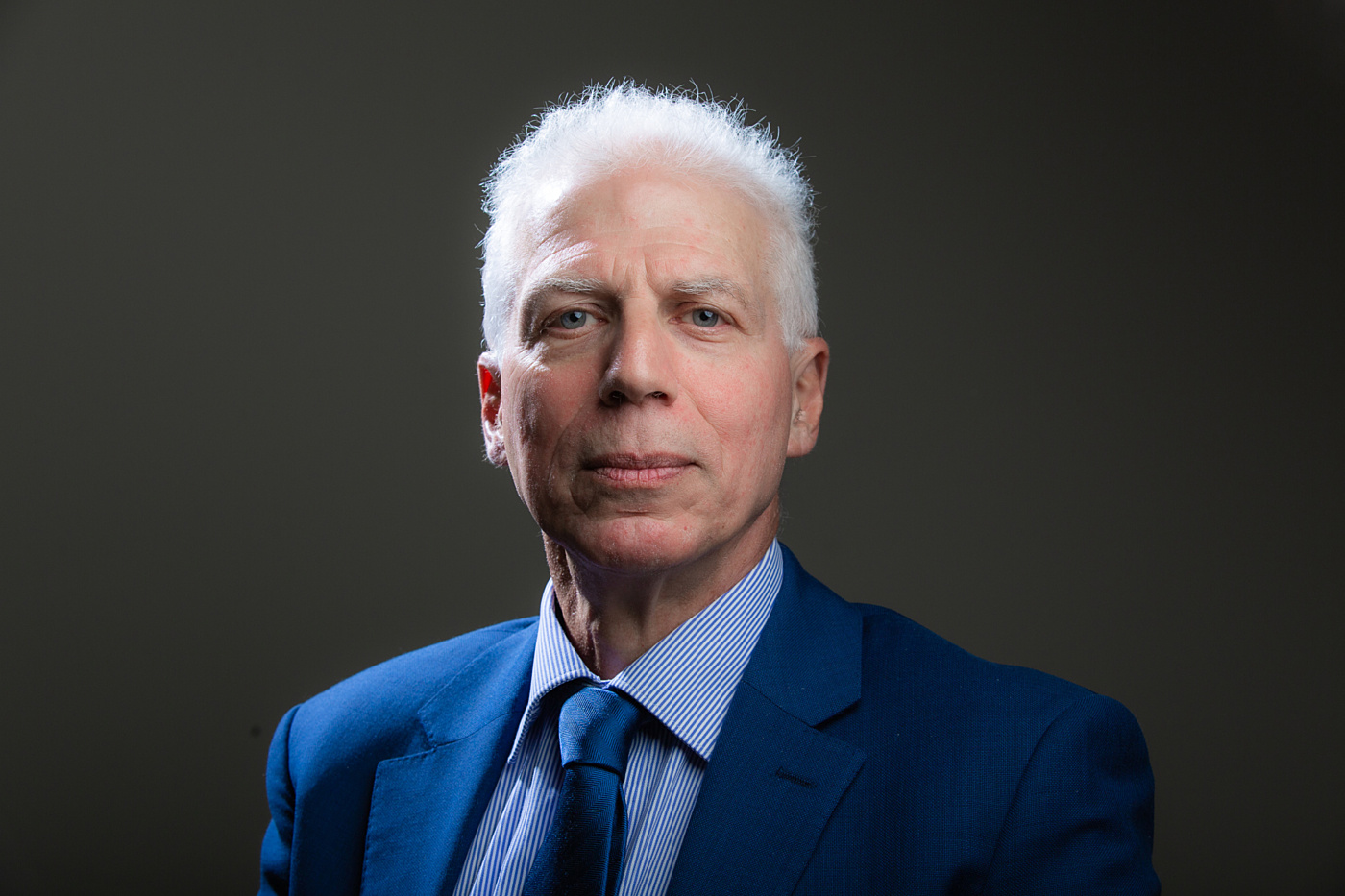
Identifying his purpose in life has been the driving force behind not-for-profit veteran Don Perlgut’s long and distinguished career in the sector.
My first not-for-profit experience came when I started my professional career.
Fresh from my undergraduate degree in political science, I became a volunteer with VISTA (Volunteers in Service to America), also known as the domestic Peace Corp, working for an NFP advocacy group in Boston called Citizens Housing and Planning Association (CHAPA), which still exists and is celebrating its 57th anniversary.
This set me on the way to develop my career-long commitment to working for vulnerable and disadvantaged people and communities.
I was also exposed to the rigours of Boston local politics – in retrospect, an experience that helped prepare me for later work in Sydney as CEO of Western Sydney Regional Organisation of Councils (WSROC).
It’s important to have successful early professional experiences, as they set the tone for your professional career and give you the confidence to go further and extend yourself. CHAPA also stimulated my interest to study urban planning at University of California at Berkeley, where I focused on public housing and social program evaluation.
CHAPA did not come by accident: I had an early mentor at age 19, a very young (at the time) lecturer in politics named Paul Wellstone, who thrilled me with his enthusiasm to make the USA a more equal place, especially in relation to the challenges faced by African Americans and other minority groups.
I got an A+ in his course; his final comment on my final term paper was “Your paper was very moving to me. May I keep it?” (These were pre-digital days.)
Wellstone went on to have an extraordinary career, serving 12 years as a Democratic Senator for the state of Minnesota, with notable achievements in campaign finance reform and environmental protection, until his untimely and tragic death in a plane crash.
My NFP list is long. After CHAPA, I worked as a research assistant with the National Housing Law Project in Berkeley, California, which advances housing justice for poor people and communities – and still runs successfully after more than 50 years. My work there focused on crime prevention in San Francisco public housing.
After migrating to Australia, I became the assistant director and subsequently executive director of WSROC. This was the beginning of a life-long interest in – and commitment to – the people of Western Sydney.
I know that if Western Sydney thrives, so does the rest of Australia. And the inverse is also true. Decades after leaving WSROC, I returned to Western Sydney with a NSW Government grant to manage a Community Colleges Australia (CCA) project on economic development in Western Sydney.
Other than CCA, I spent 10 years as the CEO of the Rural Health Education Foundation, supervising production and distribution of health and medical education programs, where we reached more than 50,000 health professionals each year. We won several awards for mental health and Indigenous child development programs.
I have also been a client relationship manager with the Australian Institute of Management (AIM), a large NFP national training organisation, and I had two rounds of university and medical research fundraising.
Although not NFP, I spent two years as the deputy team leader of the community outreach program of ASIC (Australian Securities and Investments Commission), focused on financial literacy for young people and consumer credit legislation. Our primary stakeholders were financial counsellors, community lawyers and consumer advocates.
"Philanthropy has a foundational role to play in sustaining Western democracies; developing institutional resilience has become a high priority for many Western countries – including Australia."
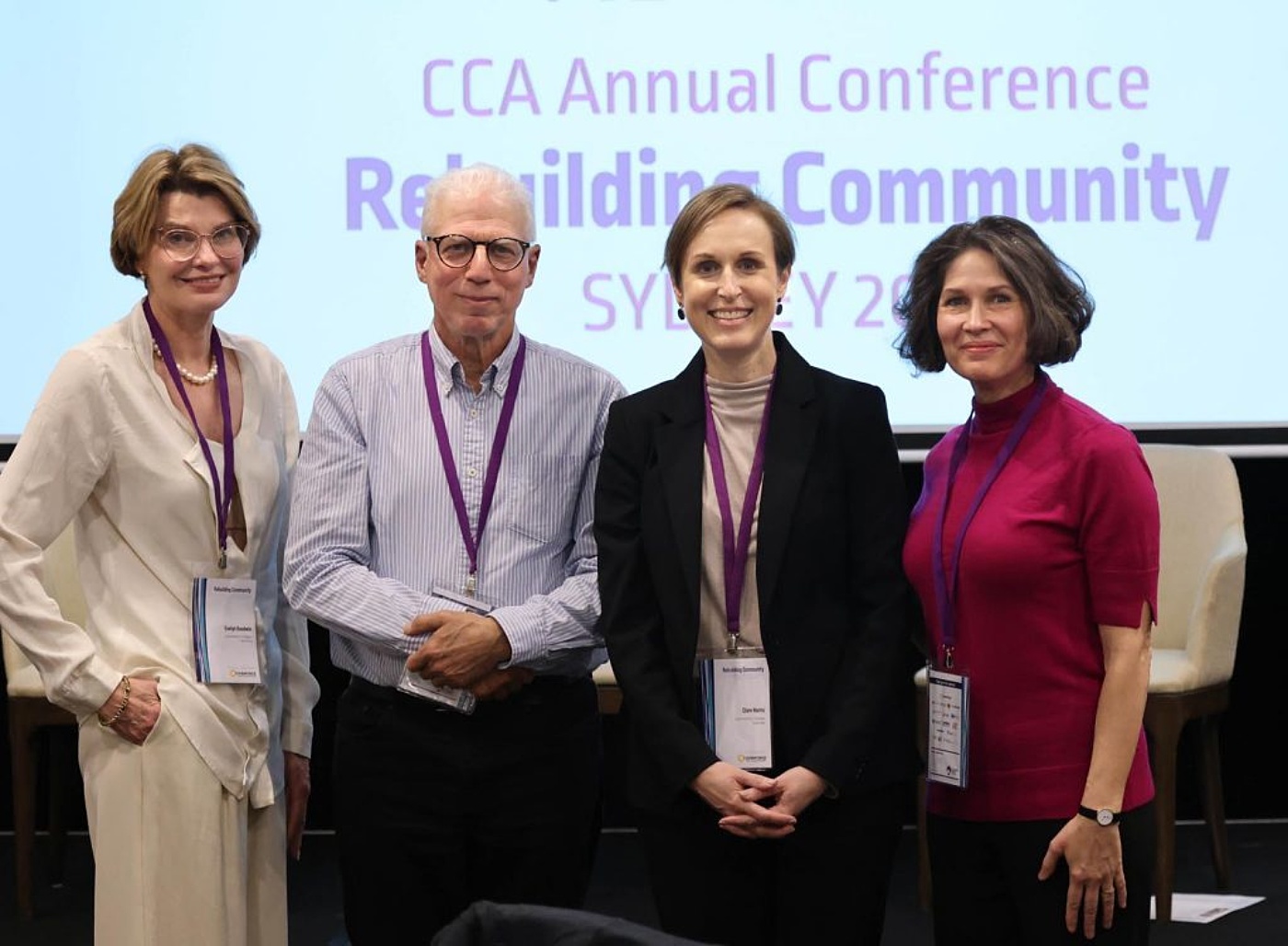
We were a small team at Community Colleges Australia, which represents Australia’s community-based adult education providers.
My biggest achievements:
Next25 is an independent think-and-do tank with a mission to ensure Australia has what it takes to make the future its people want. We uncover and address levers to shift deep factors contributing to Australia’s biggest issues – funded by private philanthropy and fee-for-services.
My arrival as philanthropy manager at Next25 feels like a summation of my NFP work to date. It gives me the opportunity to work on an issue increasingly important to me for five years now – making Australian democracy and civic life sustainable and resilient as we face increasing challenges. Doing so means working with numerous sources of non-government philanthropic donors.
Philanthropy has a foundational role to play in sustaining Western democracies; developing institutional resilience has become a high priority for many Western countries – including Australia.
The profound splits and tensions that have arisen in the USA in the lead-up to the November 2024 presidential election are having spillover impacts on other counties; there have been widely documented attempts to interfere in elections and undermine confidence in Western democratic processes.
In more than 12 years, Next25 – previously called the Australian Futures Project – has developed and implemented ground-breaking parliamentary leadership programs, including Improving Democracy: Transforming Parliament for Women. With philanthropic support, Next25’s programs show how values-based leadership augments a stronger democracy, and how cross-party political collaboration can seed, grow and flourish for the common good.
The Next25 model has been created to bring about real and lasting systems change. Our underpinning methodology, which includes surveys, social research and models for constructive engagement across sectors and silos, is effective in shifting the focus to positive long-term outcomes.
The best recent example is our paper Contested Spaces: Australia, the Referendum, and Constructive Discussion, which addressed the question “Why did Australia struggle to have constructive discussions on the Voice to Parliament, and what does this mean for the future?” The report offers insights into the key barriers and enabling factors that have affected people’s participation in discussions about the referendum.
For me, Next25 feels like I am in the right place at the right time. There are many possible good causes to work on in life, and I cannot do everything I am drawn to. But sustaining our democratic institutions provides me a new challenge that I am thrilled to undertake.
My biggest takeaway: It is important to have a personal mission, one that is based on your own values.
When your personal mission aligns with your NFP work, you can withstand the setbacks that will arise – and surely they will. This means evolving a medium- and long-term view of your presence on this planet.
Why are you here? The Japanese call it ikigai, which, roughly translated, means “life purpose” or “the happiness of always being busy”.
A Western view is what David Brooks writes in The Road to Character: “What is the world calling you to do?” Not “What do you want to do?” but a 180-degree different view – what does the world tell you to do?
Figuring that out means you will have long-term success in the NFP world.
Posted on 07 Oct 2026
Joseph Friedman is co-founder and publisher of About Time, Australia’s only newspaper for…
Posted on 30 Sep 2026
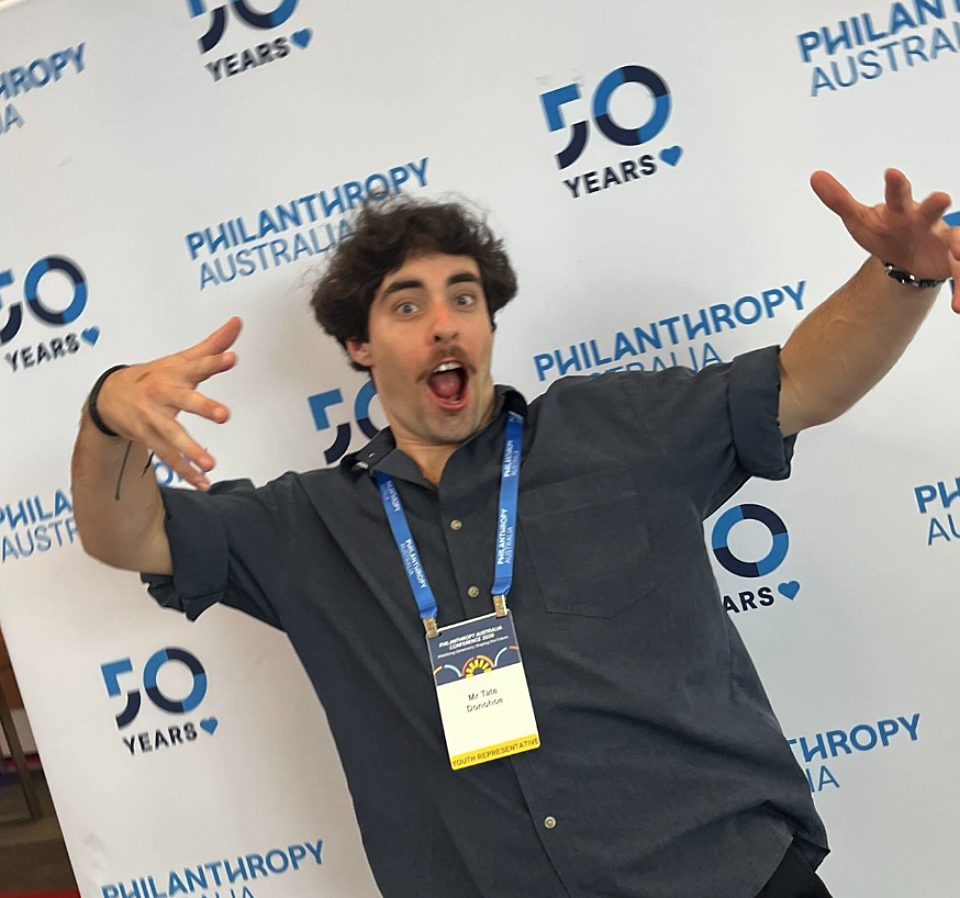
At 21 years old, Tate Donohoe is the founder of Ecodia, an AI-assisted software development company…
Posted on 02 Sep 2026
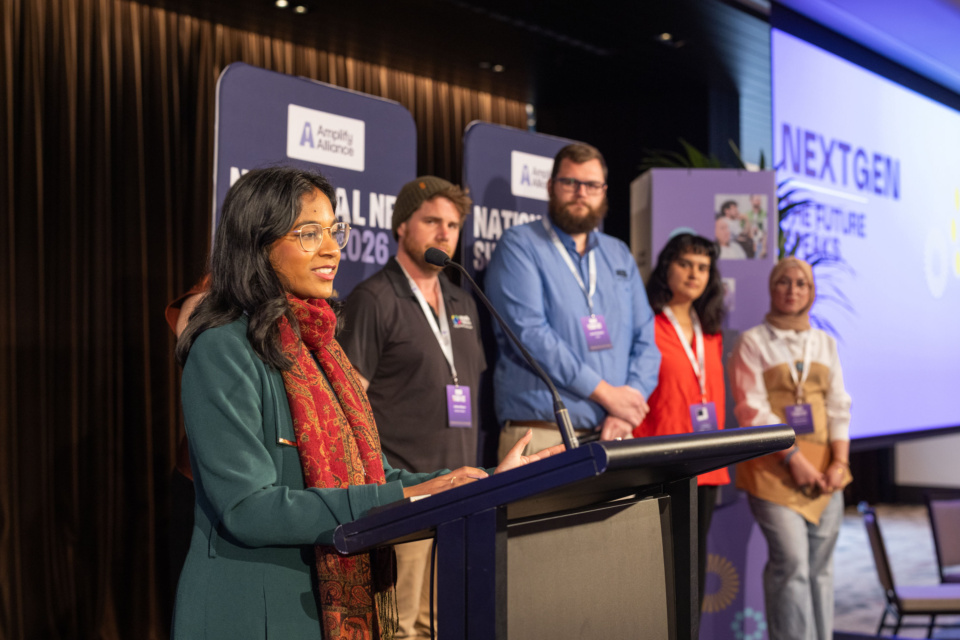
At last week’s Amplify Alliance National NFP Summit, Satara Uthayakumaran, 23, brought the voices…
Posted on 26 Aug 2026
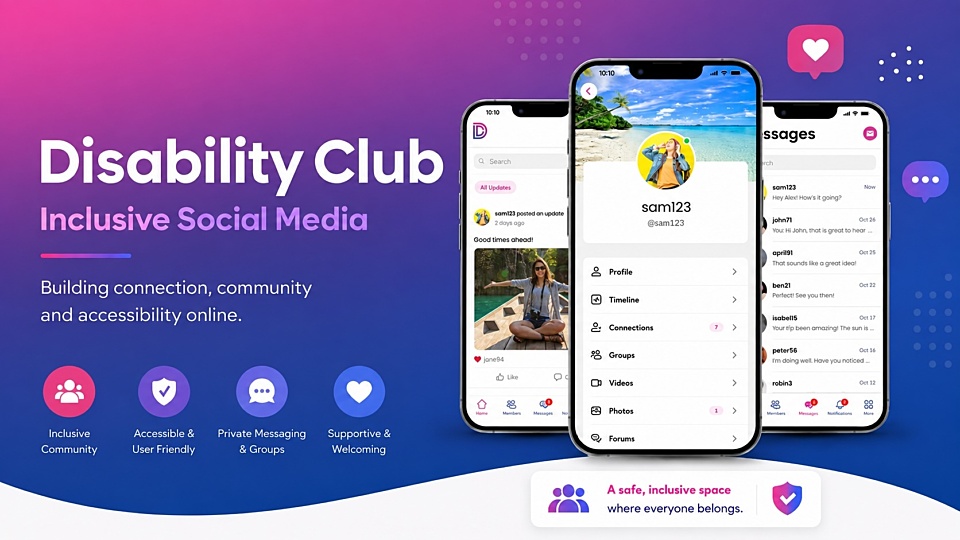
Nathan Johnston lives in Bega, NSW, and lives with cerebral palsy. He’s the creator of Disability…
Posted on 19 Aug 2026
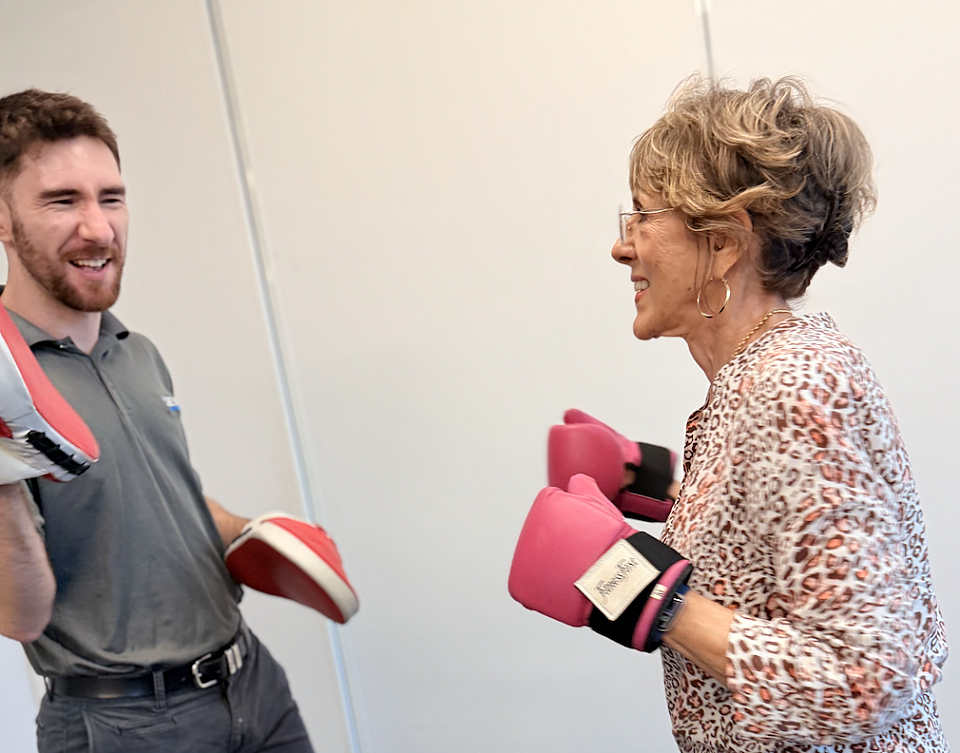
Coralie Wales is the founder of Strong Australia, an ACNC-registered health promotion charity that…
Posted on 08 Jul 2026
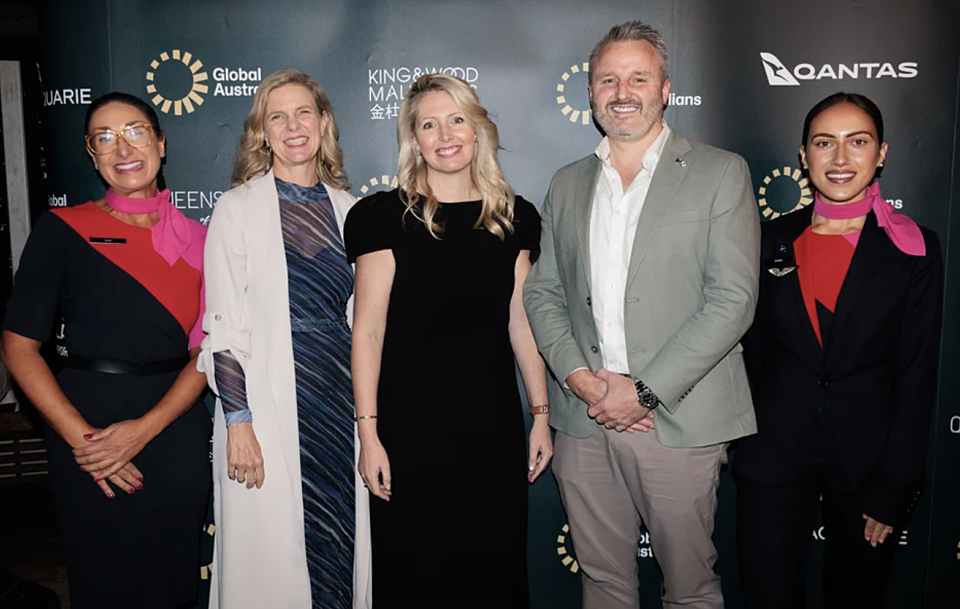
Kate McQuestin is CEO of Global Australians, a not-for-profit aimed at connecting Australians…
Posted on 30 Jun 2026
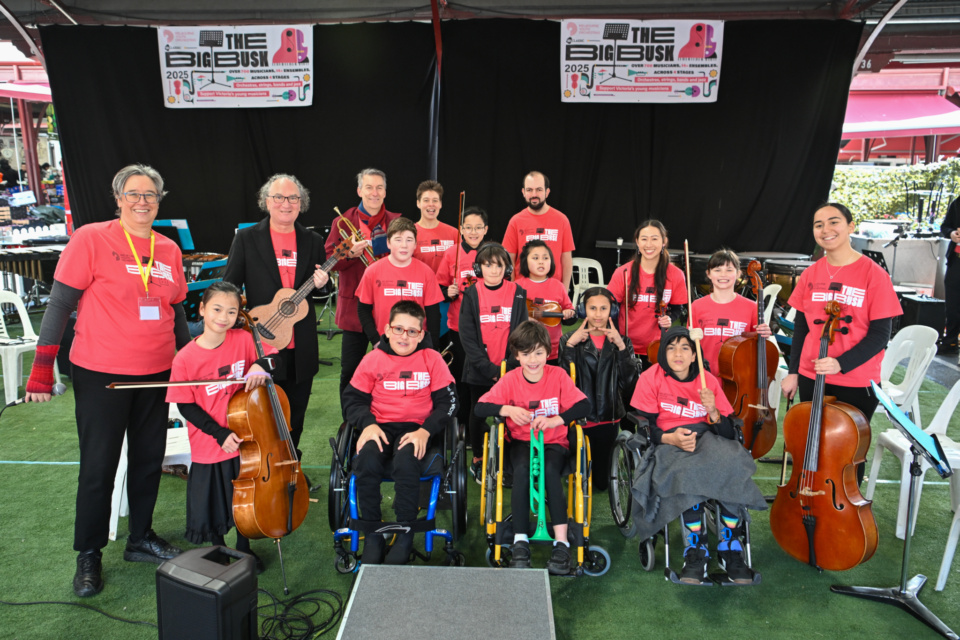
Anthea Skinner is a musicologist, a senior lecturer in disability creative performance at the…

Posted on 24 Jun 2026
Lizzie Mettam manages corporate partnerships for DV Safe Phone, an organisation that provides…
Posted on 17 Jun 2026
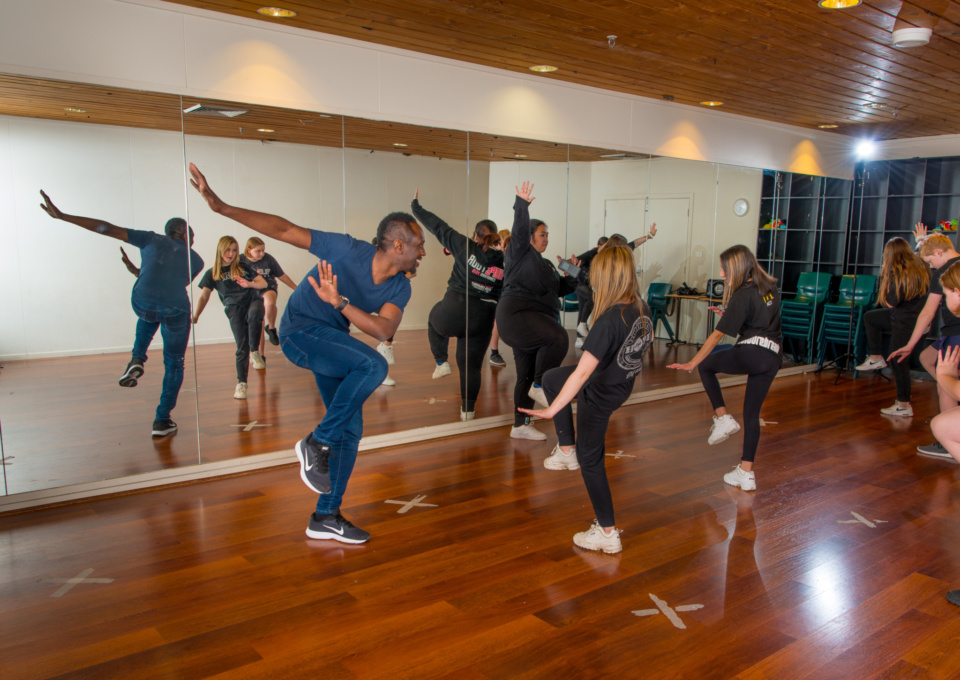
Francis Owusu is the founder of Kulture Break, a charity that helps young people build confidence,…
Posted on 10 Jun 2026
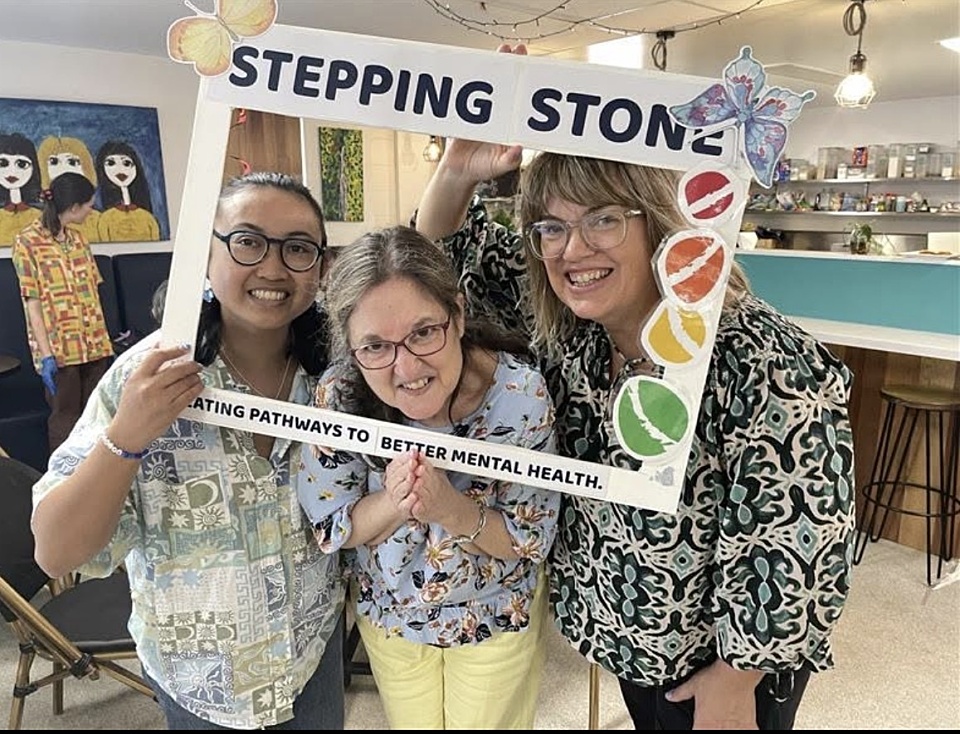
Melanie Sennett is the chief executive officer of Stepping Stone Clubhouse, a Brisbane charity that…
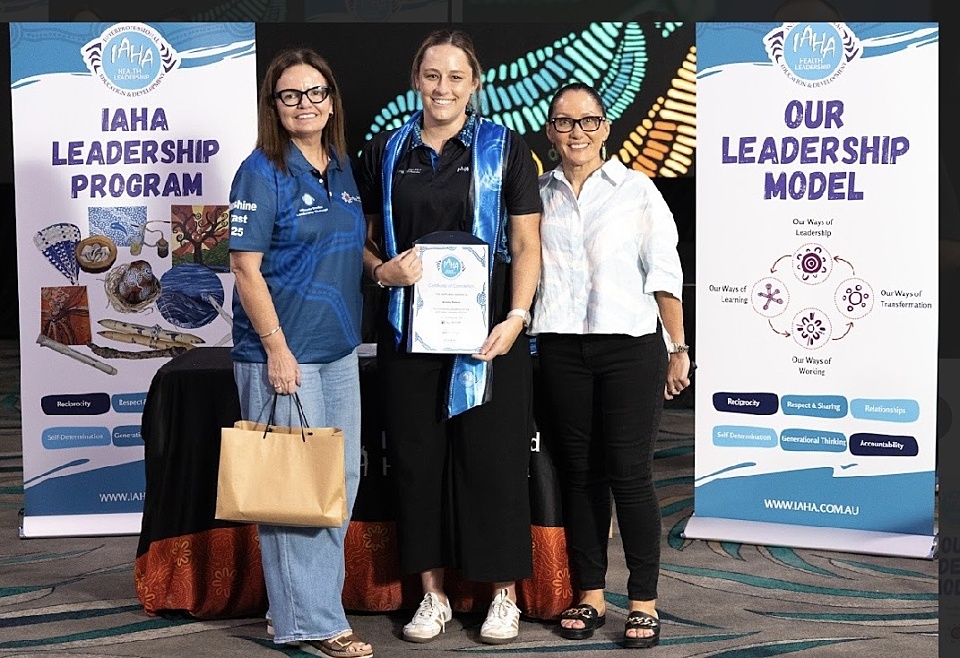
Posted on 03 Jun 2026
Kristy Petrie is a paediatric physiotherapist and proud Gooreng Gooreng woman who sits on the…

Posted on 27 May 2026
Maria Owen is the CEO of ImpactLab, a New Zealand social enterprise that analyses data for…