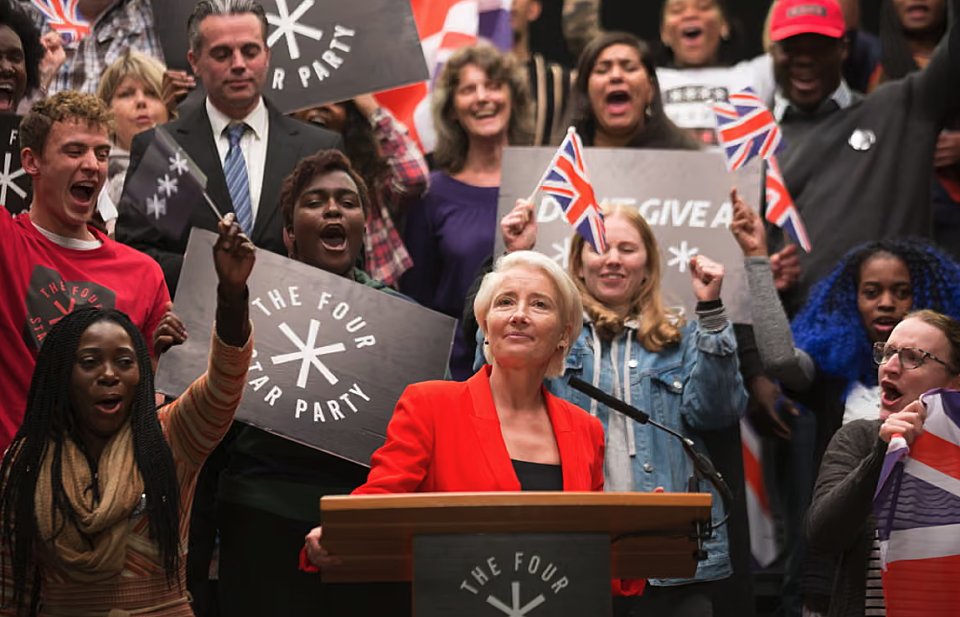
Pauline Hanson and the frightening lesson of ‘Years and Years’
Posted on 07 Oct 2026
Our Community's founder and leader, Denis Moriarty, writes that when he watched an over-the-top…
Posted on 15 Nov 2024
By Greg Thom, journalist, Institute of Community Directors Australia

Effective collaboration between international charity regulators has become increasingly important to address complex global issues ranging from terrorist financing to natural disaster and war according to Australia’s top charity cop.
Australian Charities and Not-for-profits Commission (ACNC) Commissioner Sue Woodward said her recent meeting with international regulatory counterparts in London reinforced that working together was much better than working alone to address common challenges.
The two-day summit, hosted by the Charity Commission for England and Wales (CCEW) was the first face-to-face international gathering of charity chiefs since 2018.
“I think overall there was a really strong commitment to working collaboratively on any international multijurisdictional compliance issues that we see,” said Woodward.
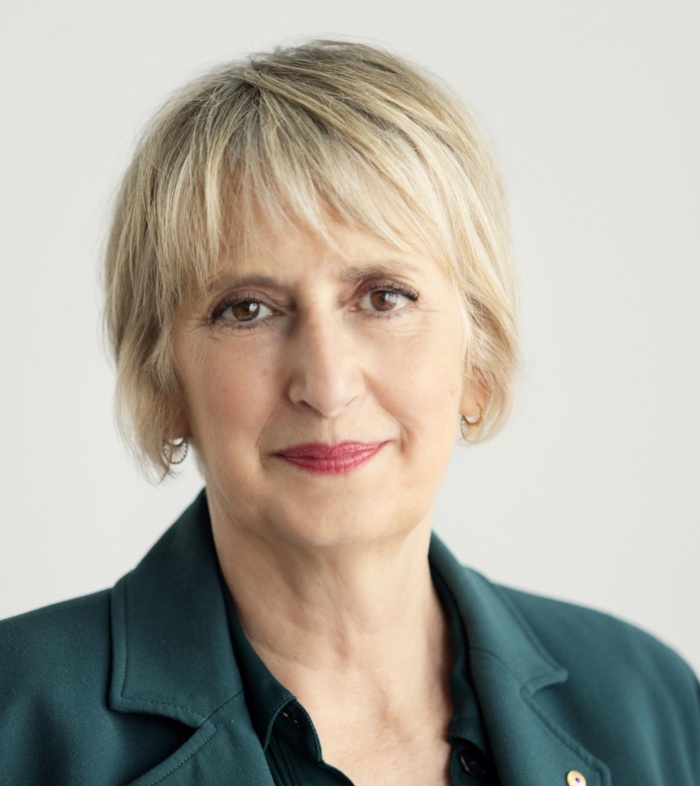
Speaking on the latest episode of the Community Advocate podcast, Woodward said it was important to recognise that many charities operate across international borders in an increasingly uncertain world.
Last week it was revealed during a Senate hearing that the number of concerns related to terrorism and terrorist financing received by the ACNC have soared since the start of the conflict in Gaza more than a year ago.
“We do recognise that there are a lot of organisations that operate multinationally and there are at the pointy end, some very serious issues that we need to make sure we are on top of, so that the vast majority of organisations are doing the right thing are not going to be tarnished by serious non-compliance by a few,” said Woodward.
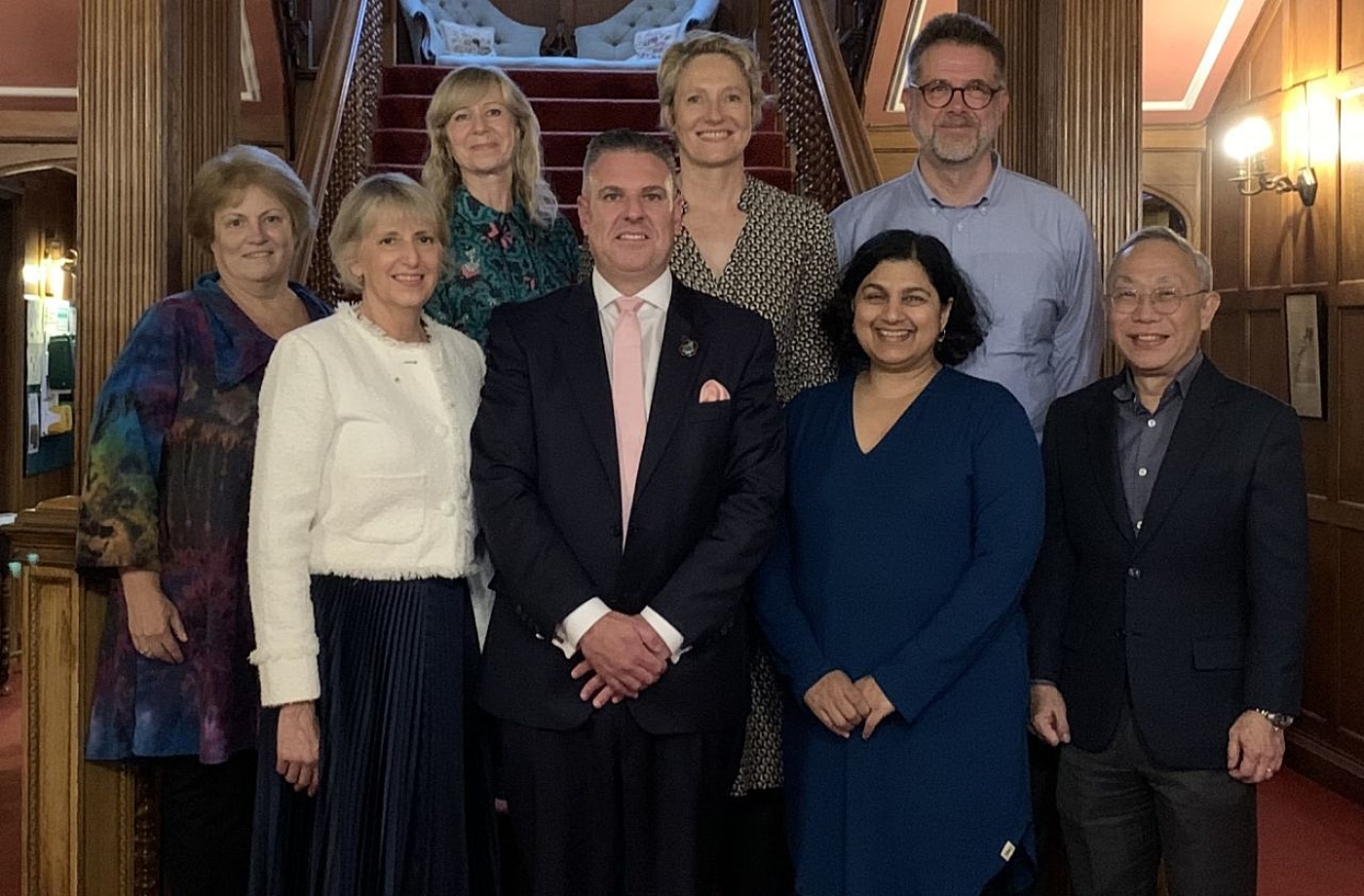
This made connections forged at gatherings such as the regulators meeting in London, so crucial in helping form an effective global response to common challenges.
“I think when you are linked up so well at a commissioner level, and you’ve got a real understanding of how that might work, it does support the broader frameworks that we’re all signed up to - like the Financial Action Task Force standards - that are global initiatives to prevent money laundering and terrorist financing for example,” said Woodward.
“Knowing the people that you might need to collaborate with to support those principles in that way does make it much more likely that you are going to have a good outcome.”
Listen to our podcast below.
Posted on 07 Oct 2026
Our Community's founder and leader, Denis Moriarty, writes that when he watched an over-the-top…

Posted on 07 Oct 2026
A major public campaign launched this morning is calling on the federal government to restore…

Posted on 07 Oct 2026
The Australian Literacy & Numeracy Foundation (ALNF) has announced a partnership with mining…

Posted on 07 Oct 2026
A conference in Darwin will this morning hear detailed, strategic plans for how Australia could…

Posted on 07 Oct 2026
Joseph Friedman is co-founder and publisher of About Time, Australia’s only newspaper for…

Posted on 30 Sep 2026
There's been a lot of talk about AI this week, and some of it has been frightening. So, is AI good…

Posted on 30 Sep 2026
After the biggest AFL game of the year, one player proudly wore the flag of his birth country and…
Posted on 30 Sep 2026
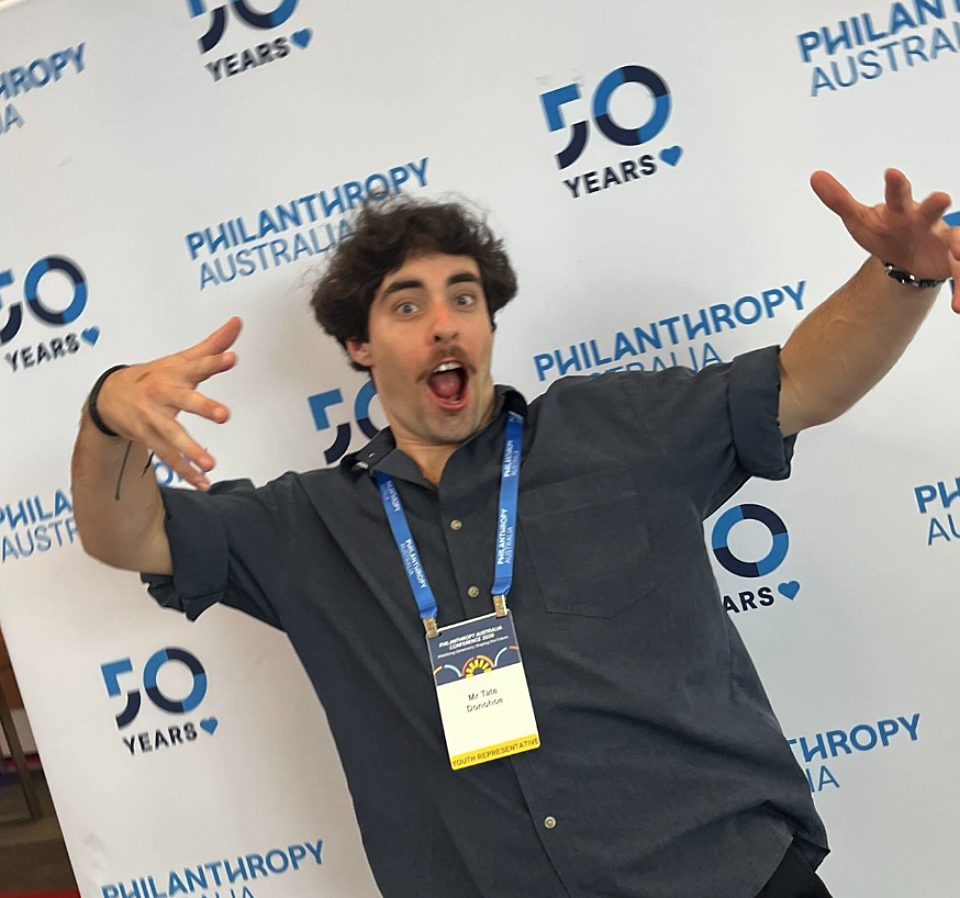
At 21 years old, Tate Donohoe is the founder of Ecodia, an AI-assisted software development company…

Posted on 30 Sep 2026
Not-for-profit leaders have been warned to be wary of approaches from potential “funding partners”…
Posted on 30 Sep 2026
More than 200 fully funded Centre for Social Impact (CSI) scholarships will help equip for-purpose…

Posted on 30 Sep 2026
Personal stories are among the most powerful tools a charity can have to raise funds and awareness,…

Posted on 23 Sep 2026
In his new book Our Place, policy expert Matt Lloyd-Cope argues that housing must be at the heart…