
Pauline Hanson and the frightening lesson of ‘Years and Years’
Posted on 07 Oct 2026
Our Community's founder and leader, Denis Moriarty, writes that when he watched an over-the-top…
Posted on 17 Jan 2024
By Greg Thom, journalist, Institute of Community Directors Australia
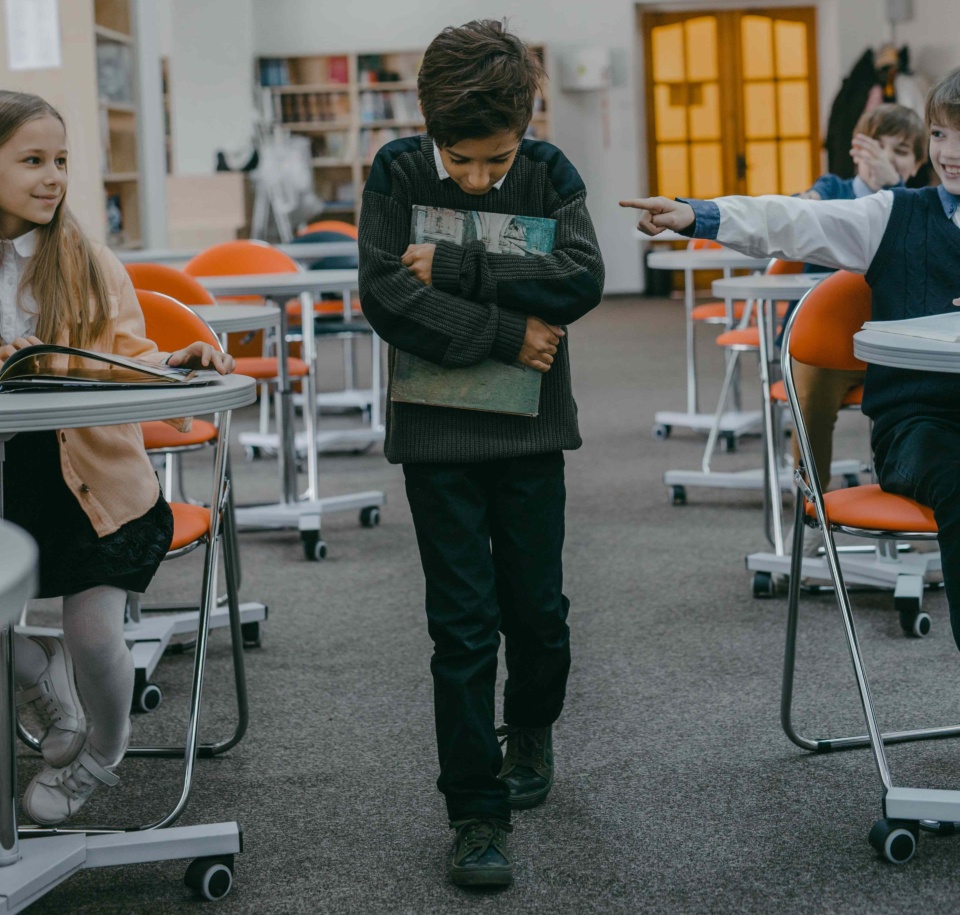
As the nation’s students prepare for the start of another school year, a new survey has revealed nine out ten families are worried they won’t be able to afford the essential items their kids need to learn.
The study by The Smith Family revealed cost of living pressures meant thousands of students risk missing out on everything from digital devices and internet access to shoes and clothing.
The survey of more than 2,200 families who use the national charity's services also revealed:
Four out of ten parents said their children will probably miss out on educational activities outside of school, while almost a third said cost pressures would rule out school excursions.
The Smith Family CEO Doug Taylor said it is the second year in a row that school affordability has emerged as a major issue in the survey and this reflects the ongoing cost-of-living crisis gripping the nation.
“The families we support make impossible decisions every day about how to prioritise the limited resources they have,” said Mr Smith.
“Housing, food, and power are top of the list, but the cost of these essentials has all risen rapidly, meaning educational essentials like uniforms, books, a laptop and the internet are increasingly hard to afford.”
“Things like a new school uniform and laptop can make children feel like they are a part of a school.”
Charities and not-for-profits have been on the front line of the cost-of-living crisis as steadily increasing demand has stretched their resources, particularly in the run-up to Christmas.
In June 2023 Anglicare Australia executive director Kasy Chambers used damning statistics contained in her organisation's Living Costs Index to call for a plan to stop Australia’s lowest paid workers being pushed into poverty.
The annual index revealed a family of four with two full-time minimum wage workers was left with just $73 per week after paying for rent, transport and food.
It also confirmed housing as the biggest living cost facing households, with average rents rising by more than 30% over the past three years.
“Australians doing it tough need real action and real leadership,” she said at the time.
“That means making the minimum wage a living wage, limiting unfair rent increases and investing in housing for people in need.”
Mr Smith said helping a child make the most of their school years could have an impact beyond meeting financial need alone.
“Things like a new school uniform and laptop can make children feel like they are a part of a school,” he said.
“So does the ability to take part in school excursions, sporting teams, or take music lessons – all of which increases a child’s confidence and self-belief.”
Mr Taylor said one of the most concerning findings in the survey was that half the respondents said their children are likely to miss out on digital devices.
“Laptops and the internet are as essential as pens and paper in the 21st century classroom,” he said.
“Without them, students will struggle to do their schoolwork and keep up with their peers. Every Australian would agree that all children should have the same opportunities as their peers at school, so they can achieve their potential.”
To help meet the growing need, The Smith Family has called on Australians to support it’s Back to School Appeal by sponsoring a child to help them thrive at school.
The charity hopes to find 6,700 new sponsors for its Learning for Life education support program, which provides financial, emotional and practical support for students experiencing disadvantage.
“We are aiming to grow the reach of our sponsorship program from 62,000 to 100,000 by 2027, so even more of the one in six young Australians living below the poverty line today can receive this support and be empowered to engage in their education,” said Mr Smith.
“However, we can only do this with help from the Australian community.”
Posted on 07 Oct 2026
Our Community's founder and leader, Denis Moriarty, writes that when he watched an over-the-top…
Posted on 07 Oct 2026
A major public campaign launched this morning is calling on the federal government to restore…
Posted on 07 Oct 2026
The Australian Literacy & Numeracy Foundation (ALNF) has announced a partnership with mining…
Posted on 07 Oct 2026
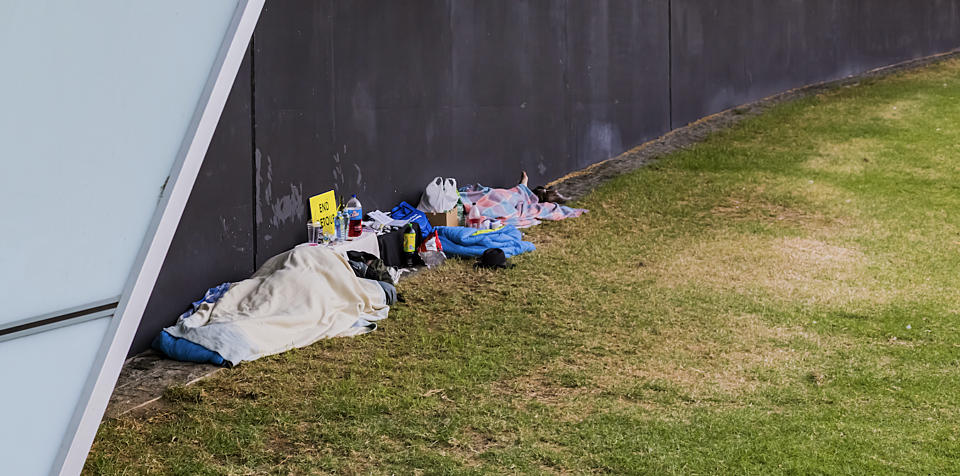
A conference in Darwin will this morning hear detailed, strategic plans for how Australia could…
Posted on 07 Oct 2026
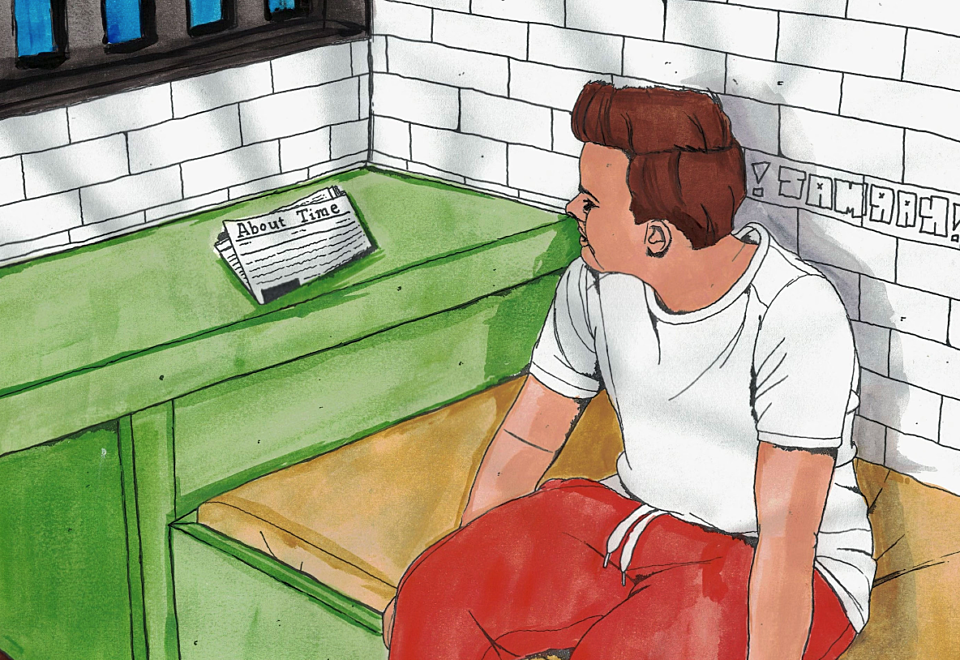
Joseph Friedman is co-founder and publisher of About Time, Australia’s only newspaper for…

Posted on 30 Sep 2026
There's been a lot of talk about AI this week, and some of it has been frightening. So, is AI good…

Posted on 30 Sep 2026
After the biggest AFL game of the year, one player proudly wore the flag of his birth country and…

Posted on 30 Sep 2026
At 21 years old, Tate Donohoe is the founder of Ecodia, an AI-assisted software development company…

Posted on 30 Sep 2026
Not-for-profit leaders have been warned to be wary of approaches from potential “funding partners”…
Posted on 30 Sep 2026
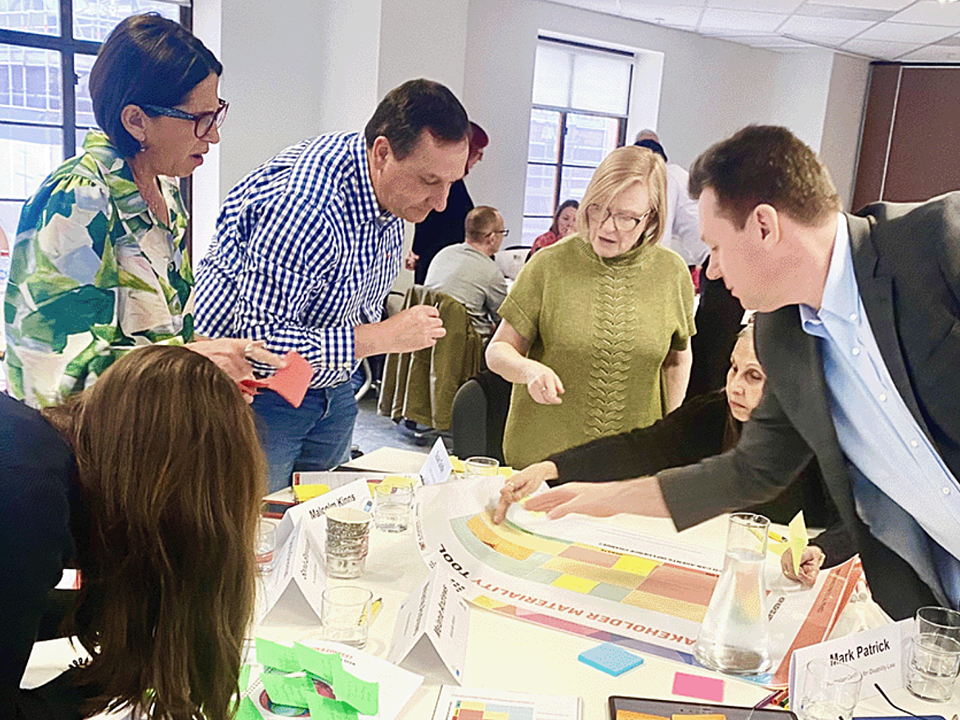
More than 200 fully funded Centre for Social Impact (CSI) scholarships will help equip for-purpose…

Posted on 30 Sep 2026
Personal stories are among the most powerful tools a charity can have to raise funds and awareness,…

Posted on 23 Sep 2026
In his new book Our Place, policy expert Matt Lloyd-Cope argues that housing must be at the heart…