Pauline Hanson and the frightening lesson of ‘Years and Years’
Posted on 07 Oct 2026
Our Community's founder and leader, Denis Moriarty, writes that when he watched an over-the-top…
Posted on 04 Sep 2024
By Greg Thom, journalist, Institute of Community Directors Australia
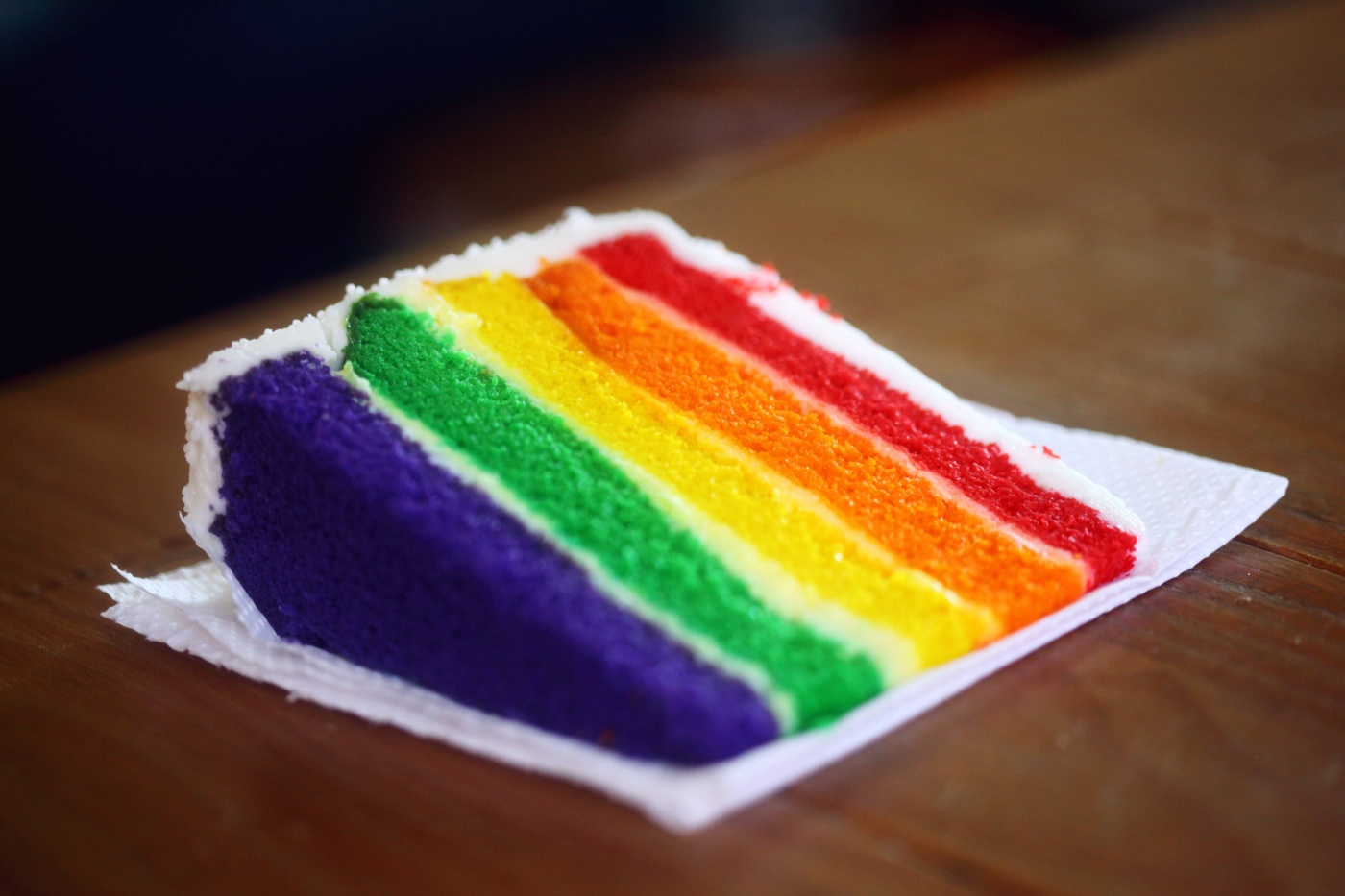
Pressure from the LGBTQI+ community and not-for-profit sector helped force the federal government into a second backflip on the 2026 census this week.
Treasurer Jim Chalmers confirmed the census would now include a new "sexual orientation and gender topic", bowing to concerns the LBGTQI+ community was being excluded from the national survey.
However, the government still has no plans to include questions that count intersex Australians, who have innate sex characteristics that don’t fit medical and social norms for female or male bodies.
The latest reversal by Canberra follows a hastily organised campaign by a diverse group of more than 100 community and not-for-profit organisations committed to forcing the government to fully include Australia’s LGBTQI+ community in the 2026 census.
This followed the initial backflip by Prime Minister Anthony Albanese on his “captain’s call” decision to ditch plans by the Australian Bureau of Statistics to include a range of questions on gender identity and sexuality in the upcoming census.
After a week of political turmoil, Mr Albanese relented and gave the green light to a potential single question on sexual orientation.
LGBTQI+ advocates said the initial reversal didn't go far enough, however, and risked leaving trans and intersex Australians behind.
A coalition of peak bodies, health experts and community organisations including Diversity Council Australia, Mental Health Australia, the Human Rights Council of Australia and Equality Australia have united to urge the government to include a wider range of questions covering trans and gender-diverse people.
The signatories to a joint statement on the issue argue the inclusion of questions covering gender, variations of sex characteristics and sexual orientation in the upcoming census – as originally planned before Canberra’s about-face – is important and must go ahead.
“The absence of relevant census data for LGBTQI+ populations means that health policy, programs and services cannot be accurately targeted, leading to increased healthcare costs and inefficient use of public resources,” the statement said.
“Meaningful inclusion of these topics in the census is essential as there are no alternative data sources or solutions available to politicians, bureaucrats, researchers, and health practitioners that meet the need for health and social planning.
“Census data is best placed to provide detailed socio-economic analysis, information on small geographic/regional areas and long-term trends.”
“While the prime minister indicated the census will include a new question about sexual orientation, it is important that gender-diverse and intersex people also have the same opportunity to be counted in the census.”
The decision to scrap the census questions proposed by the ABS, widely understood to be based on fears they could spark a culture war when the government is trying to focus on cost-of-living issues, caused division within the government’s own ranks.
The furore also ensnared Charities Minister Andrew Leigh, who has responsibility for the census.
The brawl has even led some LGBTQI+ advocates to call on their community to boycott the 2026 Census.
The political fallout from the census imbroglio shows no sign of going away quickly, with the Australian Greens threatening to force a vote on the issue in Parliament if the government does not include census questions covering the entire LGBTQI+ community.
Australian Greens LGBTIQ+ spokesman Stephan Bates said the community has been asking for the proposed census changes for years and the government must implement it.
“If we don’t keep the pressure up, Albanese will keep on feeding us scraps and half measures. They need to count us in, all of us – gay, lesbian, bisexual, trans, intersex, and everything in between.”
In comments made before the latest backflip on the issue by Canberra, Headspace CEO Jason Trethowan said he was disappointed the 2026 census won’t contain questions that seek to understand the diversity of gender identities and variations of sex characteristics within the Australian community.
“While the prime minister indicated the census will include a new question about sexual orientation, it is important that gender-diverse and intersex people also have the same opportunity to be counted in the census,” he said.
“Social exclusion and discrimination are significant risk factors for mental health. Failing to capture their information in the census only deepens the sense of isolation many LGBTQI+ young people already experience every day.
“It is our hope the Australian government will reconsider its decision and introduce new questions that reflect the modern and diverse country we call home.”
Diversity Council Australia said in a statement that it was deeply disappointed by Canberra’s decision to exclude questions on LGBTQI+ people.
“As Australia’s peak body on workplace diversity and inclusion, we have been actively working with the Australian Bureau of Statistics and the government to advocate for improved data collection on a number of diverse populations.
“The available evidence, including our own research, makes it clear that to effectively address workplace exclusion, harassment and discrimination, we need better data on these diverse groups.”
DCA said the potential benefits of gathering data on the LGBTQI+ population in Australia were significant, while the negative consequences of quietly dumping LGBTQI+ people back into the statistical closet were extremely concerning.
It described the rationale provided by the government for the change in approach as inadequate.
“Blaming the LGBTQI+ community for causing divisive debate equates to victim blaming.
“The divisiveness is not caused by the community rendered invisible by the government’s decision to exclude them from data collection.
“The census is not just a data collection exercise in its own right – the data is used to provide rationale for funding significant health and wellbeing policy and programs, including workplace inclusion.”
Posted on 07 Oct 2026
Our Community's founder and leader, Denis Moriarty, writes that when he watched an over-the-top…

Posted on 07 Oct 2026
A major public campaign launched this morning is calling on the federal government to restore…
Posted on 07 Oct 2026
The Australian Literacy & Numeracy Foundation (ALNF) has announced a partnership with mining…
Posted on 07 Oct 2026
A conference in Darwin will this morning hear detailed, strategic plans for how Australia could…
Posted on 07 Oct 2026
Joseph Friedman is co-founder and publisher of About Time, Australia’s only newspaper for…
Posted on 30 Sep 2026
There's been a lot of talk about AI this week, and some of it has been frightening. So, is AI good…

Posted on 30 Sep 2026
After the biggest AFL game of the year, one player proudly wore the flag of his birth country and…

Posted on 30 Sep 2026
At 21 years old, Tate Donohoe is the founder of Ecodia, an AI-assisted software development company…

Posted on 30 Sep 2026
Not-for-profit leaders have been warned to be wary of approaches from potential “funding partners”…
Posted on 30 Sep 2026
More than 200 fully funded Centre for Social Impact (CSI) scholarships will help equip for-purpose…

Posted on 30 Sep 2026
Personal stories are among the most powerful tools a charity can have to raise funds and awareness,…

Posted on 23 Sep 2026
In his new book Our Place, policy expert Matt Lloyd-Cope argues that housing must be at the heart…