
Pauline Hanson and the frightening lesson of ‘Years and Years’
Posted on 07 Oct 2026
Our Community's founder and leader, Denis Moriarty, writes that when he watched an over-the-top…
Posted on 27 Aug 2024
By Helen Dickinson, UNSW Sydney
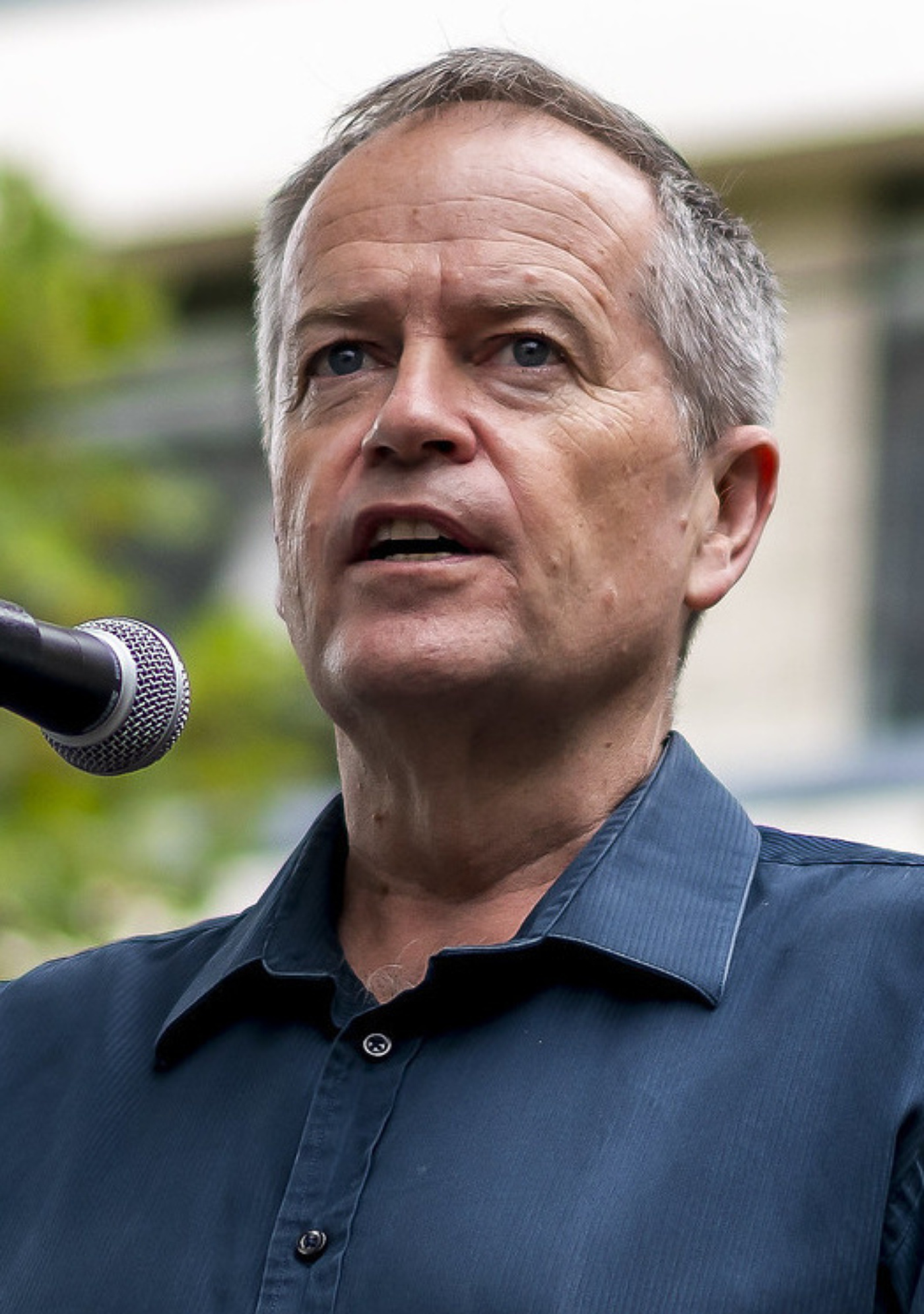
The government has passed a bill that will pave the way for sweeping reforms to the National Disability Insurance Scheme (NDIS).
In late March many in the disability community were surprised when the government introduced a new piece of legislation to get the NDIS “back on track”. The route of the bill through parliament has not been easy and many in the disability community have been highly critical of it, even calling for the current reforms to be scrapped altogether.
On Wednesday, August 21, NDIS Minister Bill Shorten said agreement had been reached with states and territories about how they will work together regarding the scheme. The provision of “foundational” disability support and services outside the NDIS has been a sticking point.
Why has this bill been so controversial? And now amended reforms have passed, what will happen next?
When the legislation to reform the NDIS Act was tabled there had been no exposure draft released beforehand. This meant there had not been public discussion and although some Disability Representative Organisations had been given details, they had been asked to sign non-disclosure agreements to prevent them talking about it. This was at odds with NDIS review recommendations that rules and changes should be co-designed with people with disability and adhere to the principle of “nothing about us, without us”.
When the bill was introduced to parliament there were also two major processes – the NDIS review and the disability royal commission – that had delivered recommendations about disability services and supports and had not yet been responded to by the government.
Since then, there has been a response to the disability royal commission widely panned as “lacklustre and disappointing”. But we still haven’t seen a government response to the NDIS review recommendations released at the end of last year. This means the government is legislating before outlining what changes it will make in response to the review.
The bill was referred to a senate committee for further investigation. In what would become an ongoing theme, submission deadlines were tight with hearings held in late May and a final report due mid June. Yet hundreds of submissions were received from the disability community.
A staggering number of amendments to the legislation followed including how NDIS supports are defined and how human rights are considered.
The bill passed the House of Representatives in early June but the government did not have enough support to pass it in the Senate and it was referred for a second committee hearing.
Again, hundreds of submissions were received with people and groups pointing out the limitations of the bill and urging it should not be passed. The committee recommended the bill should pass promptly, despite renewed push back from the Greens.
Now it has happened.
Given the government’s goal of containing the scheme’s costs and growth, the disability community is worried this will result in cuts to services and supports.
Some in the community has accused the government of whipping up public outrage about the scheme with talk about significant fraud and money being spent on things like sex services, which only a small number of people are approved to receive under the scheme.
One solution to reducing the costs of the scheme suggested by the NDIS review was that a foundational supports strategy should be developed that would take some of the pressure off. In December of last year National Cabinet agreed to share the costs of these supports equally between the Commonwealth and states and territories and in January the Commonwealth committed $11.6 million over two years to support the development and implementation of the foundational supports strategy.
Meanwhile, the states and territories have spoken out against the bill from the start. This is likely due to concerns changes to the scheme would shift aspects of services and supports from the NDIS to states and territories.
The disability community also shares concerns around foundational supports. Given these are not in place and have five years to transition in, NDIS changes could leave service and support gaps and disabled people going without.
Minister Shorten has dismissed fears and said he was ready to force states to take on extra responsibilities. This process has caused a significant rift with important partners in this and other policies and programs.
This week the government admitted participants might have to pay for required NDIS needs assessment. This would amount to significant costs for participants and might mean some go without access to the NDIS, creating a significant equity issue.
Up until the very last minute groups such as Every Australian Counts and People with Disability Australia called on the government to pause or reject the bill for fear of causing harm to NDIS participants.
The government has lost a lot of political currency with the disability community. It is likely any future legislation or changes to scheme rules will encounter significant opposition.
And now the legislation has passed there will need to be significant action to work out what these reforms look like in practice. The government has said it will co-design these with the community, but many remain doubtful given the journey so far.
These fears have been realised with the current consultation on how eligible supports should be defined in the NDIS. While these details have significant implications for how the scheme operates, the consultation period was initially set for a mere fortnight. It has since been extended by a week. This brief window for consultation on such an important issue could lead to changes that significantly limit the innovation and independence of participants.
Unless the government really starts listening to people with disability we will see the NDIS go backwards and some of the gains made for the disability community in recent years will be significantly eroded.

Helen Dickinson, Professor, Public Service Research, UNSW Sydney
This article is republished from The Conversation under a Creative Commons license. Read the original article.
Posted on 07 Oct 2026
Our Community's founder and leader, Denis Moriarty, writes that when he watched an over-the-top…

Posted on 07 Oct 2026
A major public campaign launched this morning is calling on the federal government to restore…

Posted on 07 Oct 2026
The Australian Literacy & Numeracy Foundation (ALNF) has announced a partnership with mining…

Posted on 07 Oct 2026
A conference in Darwin will this morning hear detailed, strategic plans for how Australia could…
Posted on 07 Oct 2026
Joseph Friedman is co-founder and publisher of About Time, Australia’s only newspaper for…

Posted on 30 Sep 2026
There's been a lot of talk about AI this week, and some of it has been frightening. So, is AI good…

Posted on 30 Sep 2026
After the biggest AFL game of the year, one player proudly wore the flag of his birth country and…

Posted on 30 Sep 2026
At 21 years old, Tate Donohoe is the founder of Ecodia, an AI-assisted software development company…

Posted on 30 Sep 2026
Not-for-profit leaders have been warned to be wary of approaches from potential “funding partners”…
Posted on 30 Sep 2026
More than 200 fully funded Centre for Social Impact (CSI) scholarships will help equip for-purpose…

Posted on 30 Sep 2026
Personal stories are among the most powerful tools a charity can have to raise funds and awareness,…

Posted on 23 Sep 2026
In his new book Our Place, policy expert Matt Lloyd-Cope argues that housing must be at the heart…