
Pauline Hanson and the frightening lesson of ‘Years and Years’
Posted on 07 Oct 2026
Our Community's founder and leader, Denis Moriarty, writes that when he watched an over-the-top…
Posted on 09 Apr 2024
By Greg Thom, journalist, Institute of Community Directors Australia

The Albanese government has announced an $11.6 million funding boost to support and strengthen social enterprises.
Canberra said it established the social enterprise development initiative (SEDI) to strengthen the social enterprise sector’s important role in supporting communities to tackle entrenched disadvantage.
The new funding includes:
The government estimates there are more than 12,000 social enterprises in Australia employing more than 206,000 people.
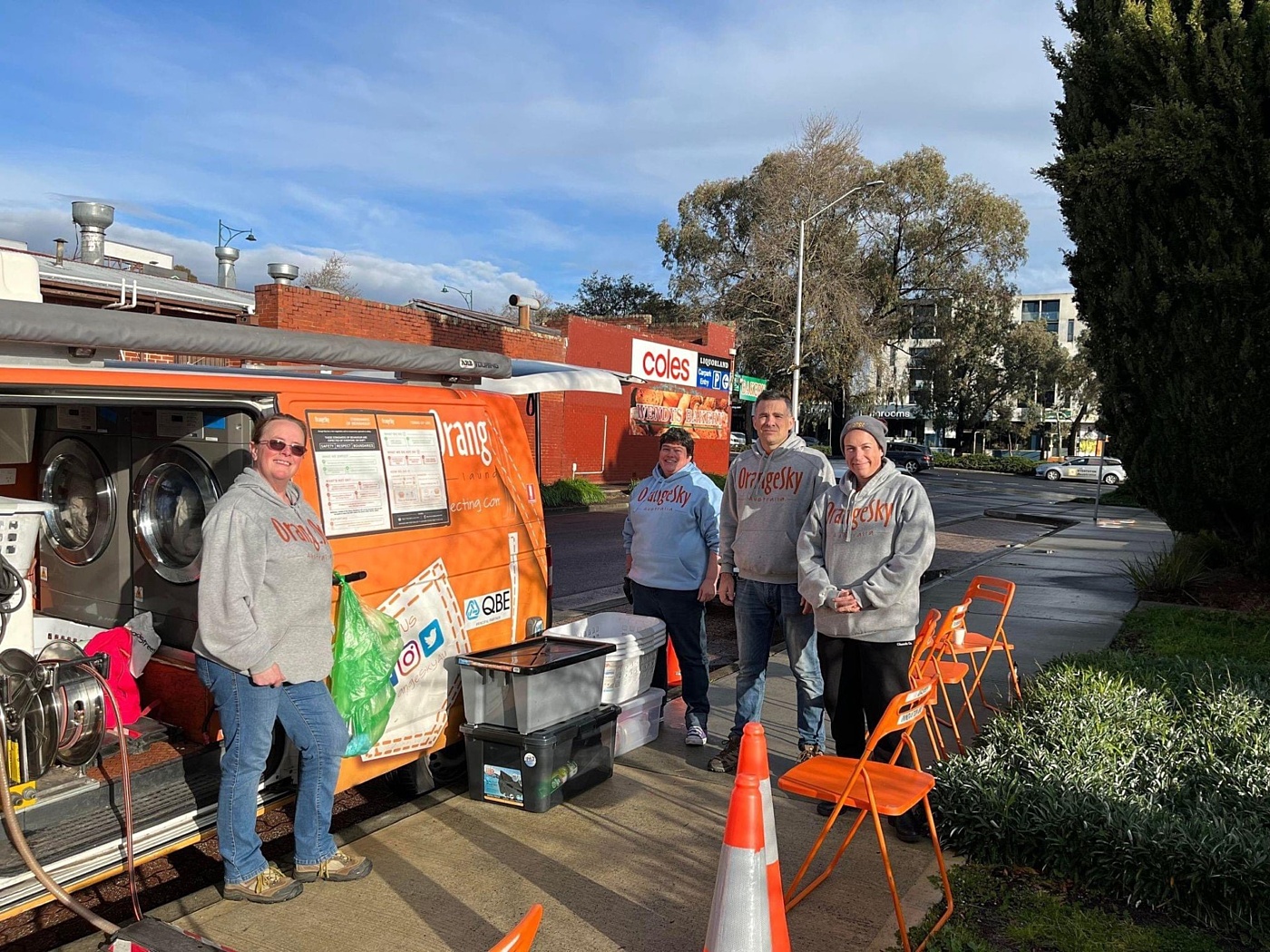
Ranging from mobile laundry services for the homeless such as Orange Sky to cafés that provide training for disadvantaged youth, social enterprises contribute more than $21.3 billion to the Australian economy.
Announced in the 2023–24 federal budget, SEDI is part of a government package targeting entrenched disadvantaged.
Social Enterprise Australia (SEA) has been appointed as the SEDI program education and mentoring co-ordinator and will manage the online industry hub, while Impact Investing Australia (IIA) will administer the grants program.
Social enterprises will be able to apply for capability building grants (of up to $120,000) via the IIA website from June 2024.
Social Enterprise Australia CEO Jess Moore welcomed the new funding, which she said would help build opportunities across the whole sector.
“We’re thrilled about this launch,” said Ms Moore, who paid tribute to the federal government for engaging social enterprises to help design the SEDI program.
“We’re excited to be a delivery partner on what comes next; to connect social enterprises, capability builders, social impact investors and others, and to provide pathways to capability-building opportunities.”
Impact Investing Australia CEO David Hetherington described SEDI as an excellent initiative that built on the federal governments social impact investing trials.
He said it would allow social enterprises to further scale their efforts to support Australians facing disadvantage
“Social enterprises play a critical role in the broader impact investing market and we’re so excited about this opportunity to help them grow.”
“We want all Australians and communities – no matter the postcode – to have the best opportunity to thrive, and social enterprises offer innovative and tailored solutions to help tackle entrenched and intergenerational disadvantage.”
The State of Social Impact Report released late last year by the Impact Institute found the pursuit of a more equitable and socially responsible society has never been more critical.
“Australians are increasingly aware of rising inequalities, social disadvantage and ineffective systems that harm people and communities – and they want change,” the report said.
It said there was a collective expectation in the community that organisations of all descriptions would address shared social challenges and the community wanted more radical and meaningful action from government.
“Within this context, social impact is emerging as a concept to understand and frame all initiatives designed to address social inequalities, foster human rights and improve the lives of all Australians.”
The federal Minister for Social Services Amanda Rishworth said the government funding would help social enterprises work more effectively with vulnerable individuals and communities across the nation.
“We want all Australians and communities – no matter the postcode – to have the best opportunity to thrive, and social enterprises offer innovative and tailored solutions to help tackle entrenched and intergenerational disadvantage.”
Ms Rishworth said the investment of taxpayers’ dollars would help social enterprises to grow and attract more capital to help them prosper.
“By investing in these organisations to build on their capability, we can ensure that more Australians in need can access support to build better lives for themselves and their communities.”
More information
New report identifies the scale of the social impact challenge
Bridging the gap between insight and impact
Community Directors Intelligence: the social enterprise edition
Our Community: a social enterprise before the term was coined
Posted on 07 Oct 2026
Our Community's founder and leader, Denis Moriarty, writes that when he watched an over-the-top…

Posted on 07 Oct 2026
A major public campaign launched this morning is calling on the federal government to restore…

Posted on 07 Oct 2026
The Australian Literacy & Numeracy Foundation (ALNF) has announced a partnership with mining…

Posted on 07 Oct 2026
A conference in Darwin will this morning hear detailed, strategic plans for how Australia could…

Posted on 07 Oct 2026
Joseph Friedman is co-founder and publisher of About Time, Australia’s only newspaper for…

Posted on 30 Sep 2026
There's been a lot of talk about AI this week, and some of it has been frightening. So, is AI good…

Posted on 30 Sep 2026
After the biggest AFL game of the year, one player proudly wore the flag of his birth country and…

Posted on 30 Sep 2026
At 21 years old, Tate Donohoe is the founder of Ecodia, an AI-assisted software development company…

Posted on 30 Sep 2026
Not-for-profit leaders have been warned to be wary of approaches from potential “funding partners”…
Posted on 30 Sep 2026
More than 200 fully funded Centre for Social Impact (CSI) scholarships will help equip for-purpose…

Posted on 30 Sep 2026
Personal stories are among the most powerful tools a charity can have to raise funds and awareness,…

Posted on 23 Sep 2026
In his new book Our Place, policy expert Matt Lloyd-Cope argues that housing must be at the heart…