
From passion project to a national prison newspaper, speaking to and for those doing time
Posted on 07 Oct 2026
Joseph Friedman is co-founder and publisher of About Time, Australia’s only newspaper for…
Posted on 29 Jul 2025
By Nick Place, journalist, Institute of Community Directors Australia

Karen Hutchinson is the chief executive officer of Watertrust Australia, an organisation established to guide diverse and often opposed stakeholders towards better water policy. It is entirely funded by philanthropy, allowing it to be truly independent and impartial during debates.
It actually started with people. Back in my undergrad days studying cognitive social psychology, I discovered a passion for understanding how groups cooperate, how people influence change, and what makes collective decision-making effective. That led me into policy, working in public health within the Commonwealth Government, where I saw firsthand the challenges of creating and implementing good policy, especially when it was controversial, like during the National Drug Strategy, where competing interests are real and the stakes are high.
Then I moved into water. I spent 25 years living and working in the Murrumbidgee Irrigation Area, in a community where water is everything. Living through the Millennium Drought and the development of the Murray-Darling Basin Plan, I saw the power of water to galvanise communities – and to tear them apart. I kept thinking, there must be a better way to bring people together around these critical decisions. In 2011, I was fortunate to receive the Rural Industries Research and Development Corporation Rural Women’s Award for NSW, to focus on community voice in water policy, which in many ways became the starting point of this path to Watertrust.
We often say at Watertrust that good policy is better when people are genuinely involved in shaping it. Policy decisions about water are often decisions about fairness, about who gets what, who pays, and who decides, and these decisions are better when they reflect a community’s lived experience, needs and aspirations, rather than being handed down in a top-down process. What excites me about our work is that when people are engaged meaningfully, they often bring forward insights and solutions no one else has even thought of yet. We’ve seen this in work with First Nations groups, where cultural perspectives have opened new pathways for water management. We’ve seen it in regional communities, where local knowledge has shaped practical and fair policy options. Water policy is hard, but when a deliberative process is respected, it creates solutions that are not only fairer but stick.
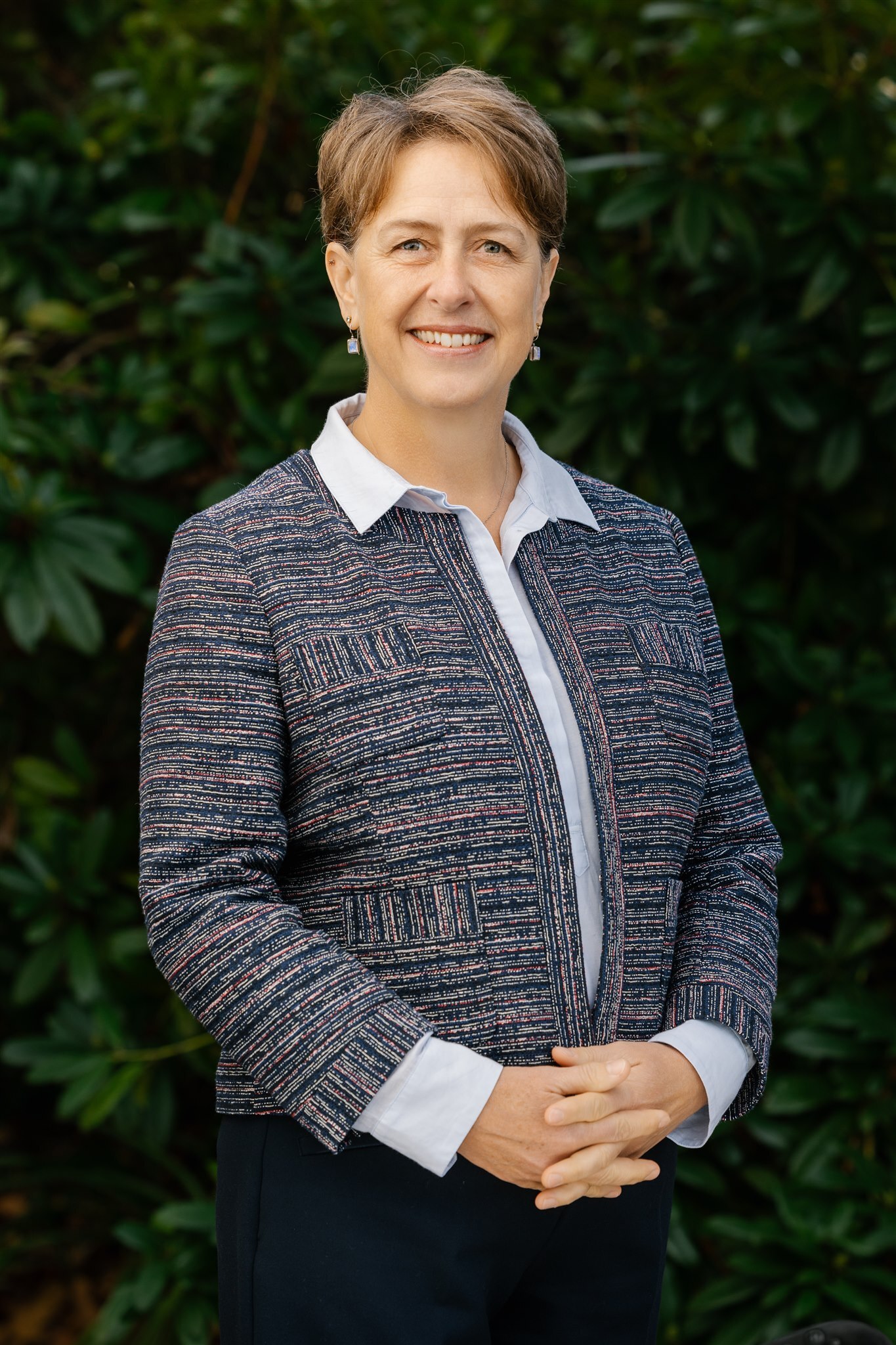
Real change takes time and persistence. It can be easy to lose sight of the big picture and the value of small, cumulative wins along the way, especially in a space as complex as water policy. Watertrust’s mission is to support lasting change, which requires building trust, demonstrating a different process, and then galvanising people around that change so it can be embedded for the future. Another challenge is convincing people that we don’t have a “dog in the fight.” We’re not selling anything, and we’re not advocating for a specific outcome, we are here to support a better process that enables fair, supported, and practical policy. It’s one of Watertrust’s superpowers: the combination of our people, who bring deep knowledge of water and community, and the gift of philanthropy, which means we have ten years of support, untied to government or any advocacy group, to focus on what matters.
The Upper Murrumbidgee Region (UMR) project, without a doubt. It’s a complex problem that spans cultural, social, and economic stakeholders and involves multiple governments across Commonwealth, state, energy, and water sectors. Watertrust took a patient, persistent approach, building confidence and trust with government and stakeholders over time. As a result, the Commonwealth Government has now embarked on a deliberative, long-term engagement process in the region. This is exactly the kind of change we set out to support – where communities and decision-makers work together to find fair and durable solutions to complex water challenges. We’re already seeing the benefits of this approach, and it’s exciting to see what is possible when people commit to doing policy differently.
“Water policy is only getting harder with a changing climate, competing demands, and the urgent need to support healthy, productive communities and catchments.”
In five years, I hope Watertrust will be a well-tested, trusted organisation with a clear future trajectory, and a name synonymous with getting fair, supported, and practical policy outcomes in water. We want to be known as the place governments, communities and industries turn to when they want to do policy better. We also hope to see our methods and learnings embedded more widely in water policy practice across the country, so that even when we’re not in the room, the way policy is made is more inclusive, transparent, and effective.
The importance of the work Watertrust does. Water policy is only getting harder with a changing climate, competing demands, and the urgent need to support healthy, productive communities and catchments. Good policy is what helps navigate these trade-offs, opens up deadlocks, and enables decisions that are fair and sustainable. Every day, I get up knowing that what we do at Watertrust – supporting better conversations and fairer processes – can help deliver real outcomes for people, communities, and the environment. That’s a privilege, and it’s what keeps me going.
Posted on 07 Oct 2026
Joseph Friedman is co-founder and publisher of About Time, Australia’s only newspaper for…

Posted on 30 Sep 2026
At 21 years old, Tate Donohoe is the founder of Ecodia, an AI-assisted software development company…
Posted on 02 Sep 2026
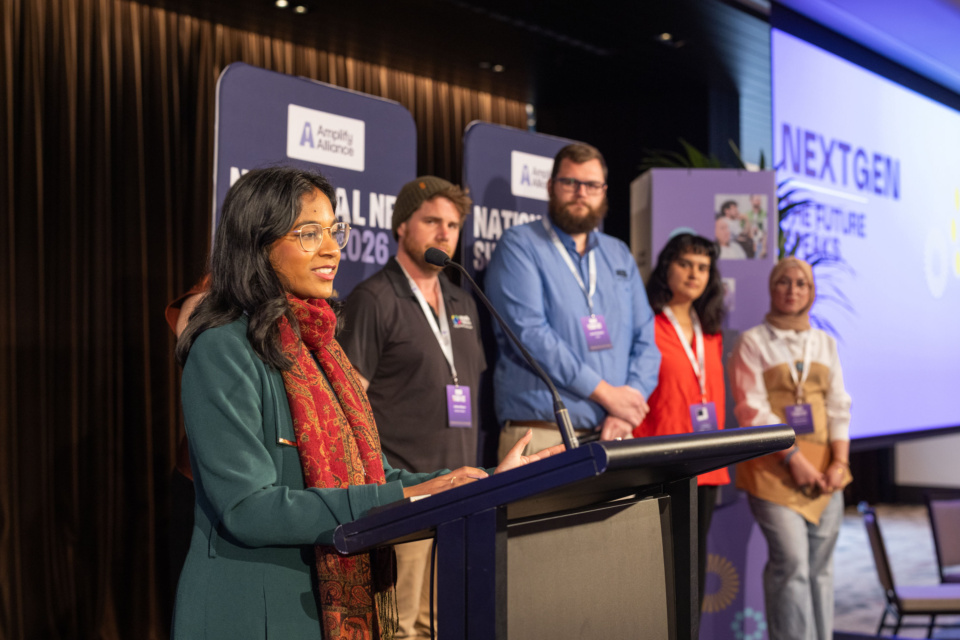
At last week’s Amplify Alliance National NFP Summit, Satara Uthayakumaran, 23, brought the voices…
Posted on 26 Aug 2026
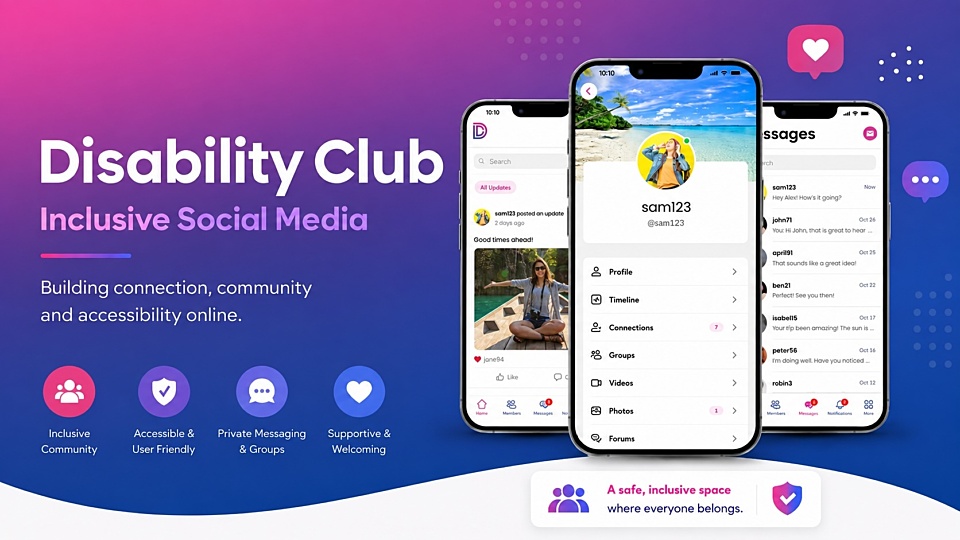
Nathan Johnston lives in Bega, NSW, and lives with cerebral palsy. He’s the creator of Disability…
Posted on 19 Aug 2026
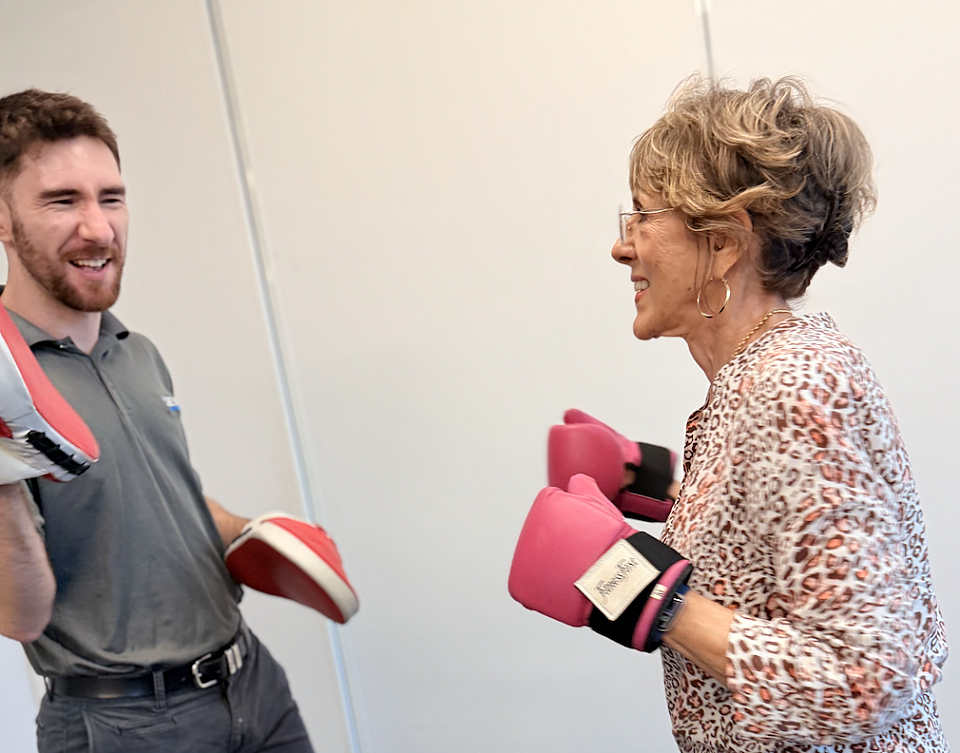
Coralie Wales is the founder of Strong Australia, an ACNC-registered health promotion charity that…
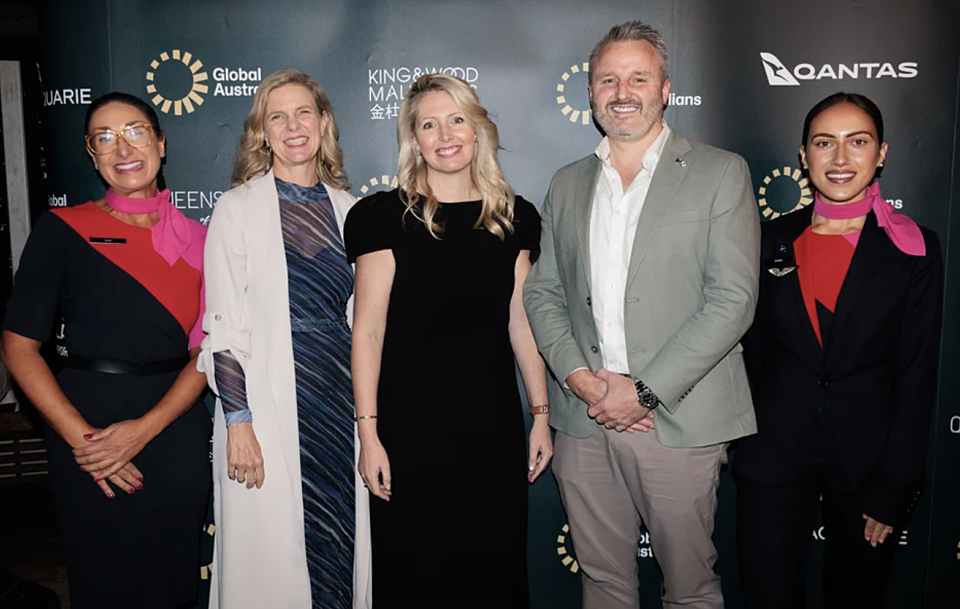
Posted on 08 Jul 2026
Kate McQuestin is CEO of Global Australians, a not-for-profit aimed at connecting Australians…

Posted on 30 Jun 2026
Anthea Skinner is a musicologist, a senior lecturer in disability creative performance at the…

Posted on 24 Jun 2026
Lizzie Mettam manages corporate partnerships for DV Safe Phone, an organisation that provides…

Posted on 17 Jun 2026
Francis Owusu is the founder of Kulture Break, a charity that helps young people build confidence,…
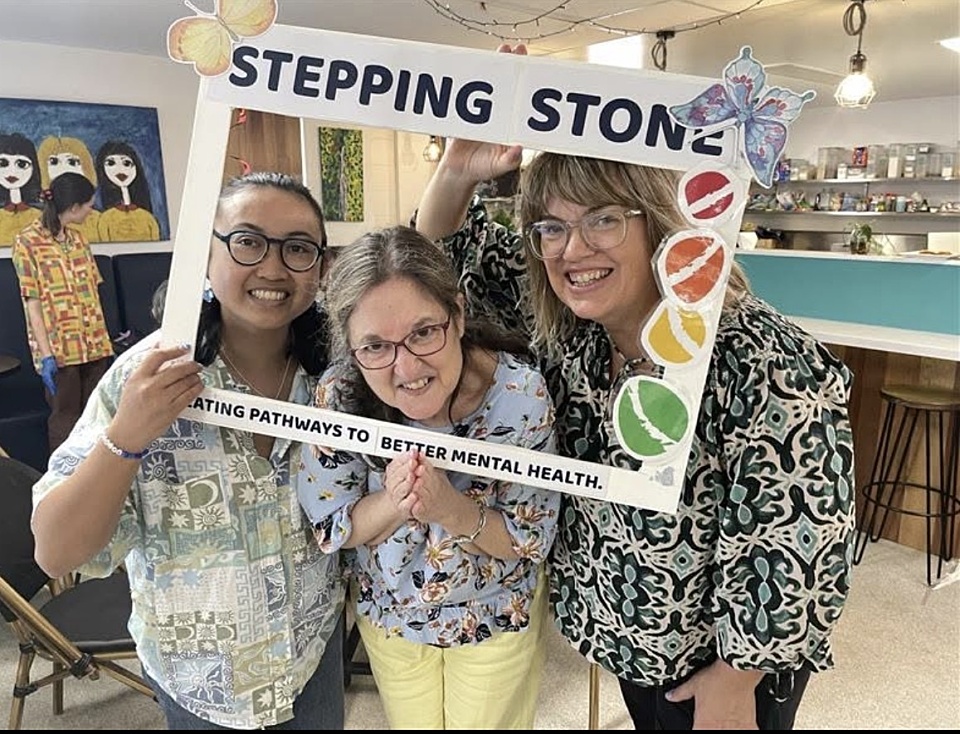
Posted on 10 Jun 2026
Melanie Sennett is the chief executive officer of Stepping Stone Clubhouse, a Brisbane charity that…
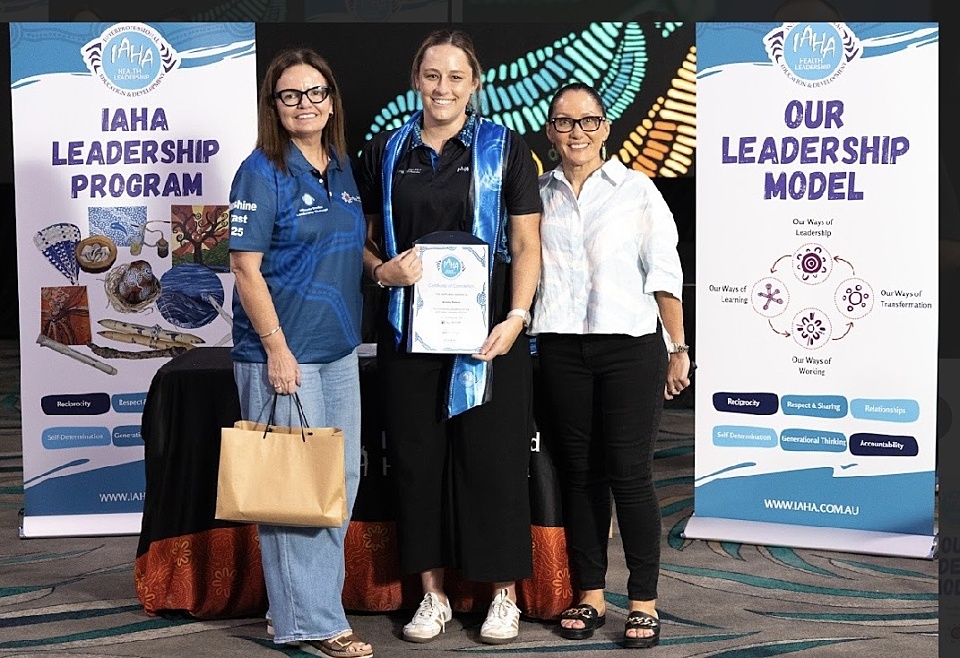
Posted on 03 Jun 2026
Kristy Petrie is a paediatric physiotherapist and proud Gooreng Gooreng woman who sits on the…

Posted on 27 May 2026
Maria Owen is the CEO of ImpactLab, a New Zealand social enterprise that analyses data for…