From passion project to a national prison newspaper, speaking to and for those doing time
Posted on 07 Oct 2026
Joseph Friedman is co-founder and publisher of About Time, Australia’s only newspaper for…
Posted on 03 Dec 2025
By Nick Place, journalist, Community Directors
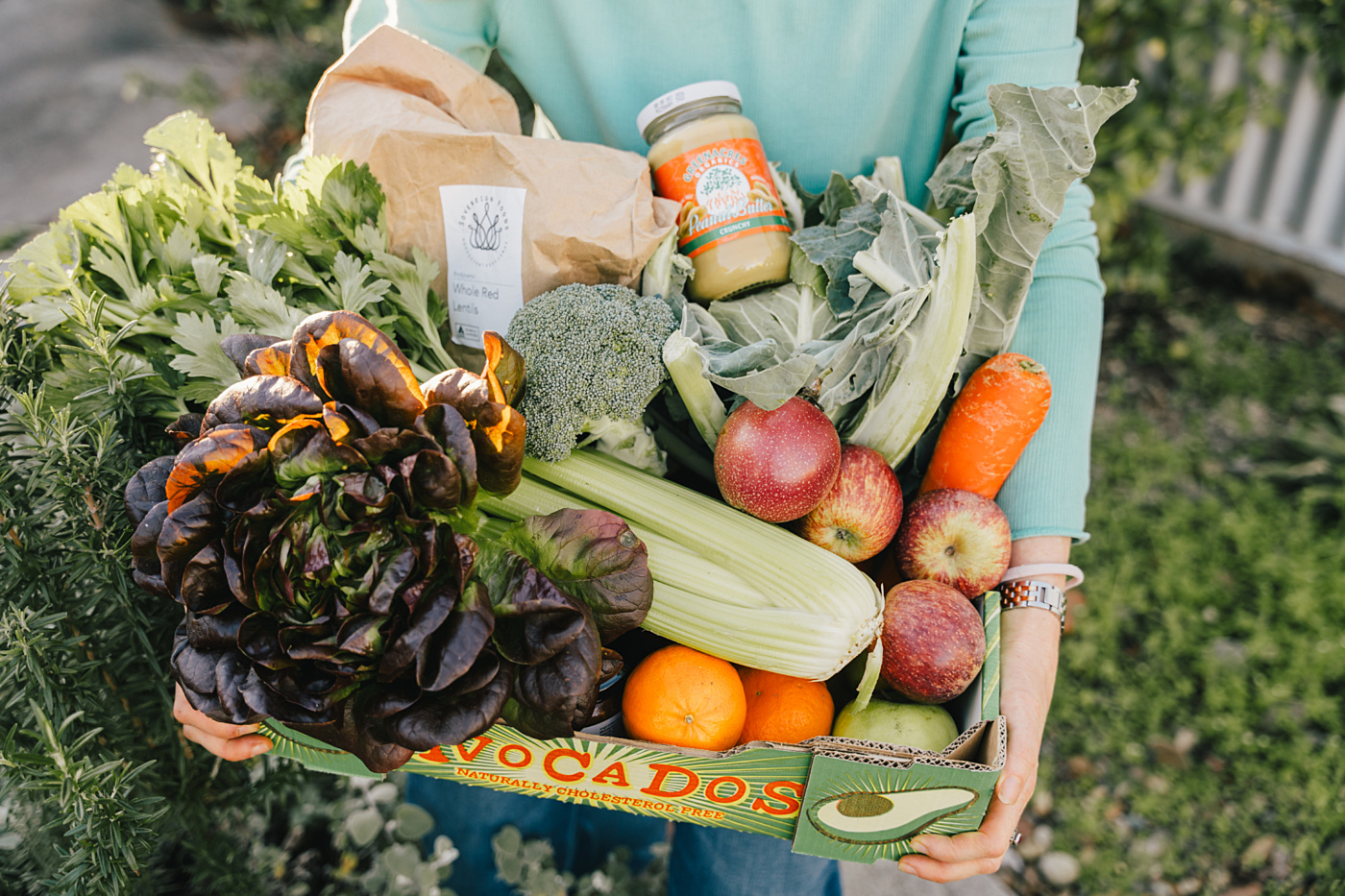
Emma-Kate Rose is the co-CEO of Food Connect Foundation, working with communities to support the creation of regenerative and regionalised food systems across Australia. She believes there is a better, community-led way for us to have access to healthier food. We caught up with her as she released a major report arguing the foundation’s case.
I've been working in community development, social enterprise and food justice for over 30 years. After a career in applied criminology research, I switched gears to respond to the climate crisis and started Brisbane’s first carsharing service, as well as organising climate-related events. I started with Food Connect back in 2009 as general manager, at a time when the social enterprise was really pioneering alternative food distribution models in Australia. What drew me in was the practical, hands-on approach to systems change – not just talking about what should happen, but actually building the infrastructure and relationships to make it work.
I co-founded Food Connect Foundation alongside Robert Pekin to grow this work beyond Brisbane. Then in 2018, we led an equity crowdfunding campaign that raised over $2 million from 500-plus community members to purchase the warehouse we'd been renting – creating Australia's first community-owned food hub, the Food Connect Shed. That experience of mobilising community ownership really crystallised what's possible when people invest in their own food future.
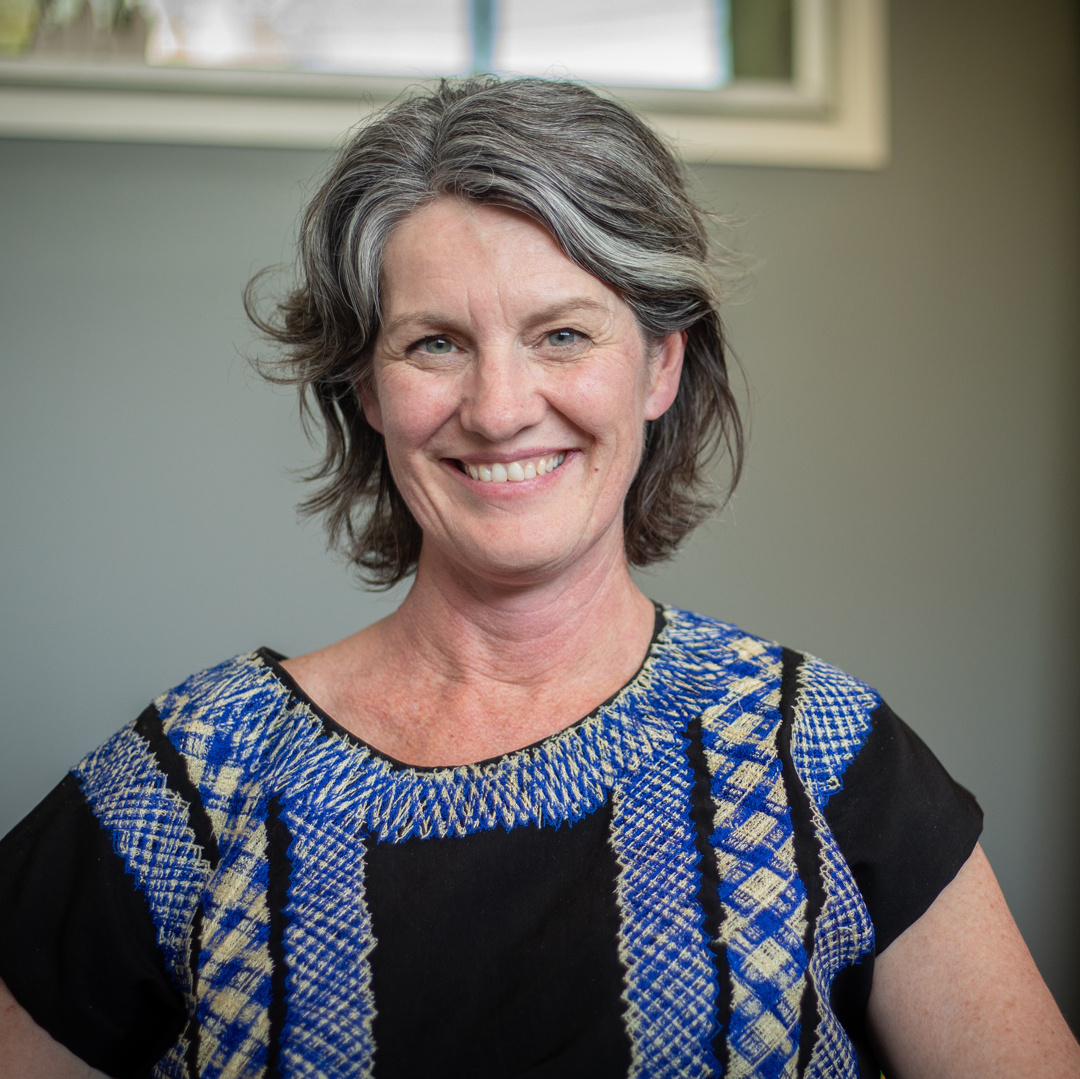
I hold a Bachelor of Justice Studies and I'm a Fellow of the Yunus Centre for Social Business at Griffith University. I was also president of the Queensland Social Enterprise Council for three years. But honestly, what's shaped me most is two decades of working directly with farmers, food entrepreneurs, and communities to build alternatives to the supermarket duopoly.
We support the infrastructure – both physical and connective – that makes regenerative regional food systems possible at scale.
On the physical side, that means cold storage facilities, processing equipment, distribution networks, commercial kitchens – the backbone that small-scale regenerative farmers simply can't afford on their own but desperately need to compete.
On the connective side, we build networks between farmers and food entrepreneurs, share knowledge about what actually works, develop local leadership, and coordinate regional food systems innovators who might otherwise be working in isolation.
We help three main groups: farmers trying to make regenerative agriculture economically viable, food entrepreneurs building values-based businesses, and communities looking to create more resilient local food systems. We work through three programs: our Purposeful Procurement Program with institutions and large food buyers, our Regional Infrastructure Program developing food hubs, and our National Community of Practice connecting food systems leaders.
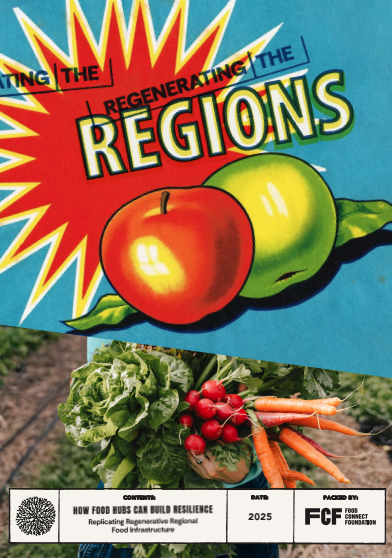
Regenerating the Regions: How Food Hubs Can Build Resilience is essentially a practical roadmap showing how Australia can build 50–100 community-owned food hubs nationally, representing a $300–500 million investment opportunity.
Robert [Pekin] and I drew on our 20-plus years of experience, including the hard-won lessons from creating Food Connect Shed, to provide an evidence-based investment framework. The report was funded by WWF Australia's Innovate to Regenerate program, and it demonstrates how these hubs can address what we call the “missing middle” – the gap between farm production and mainstream markets that leaves small and medium-sized regenerative farmers stranded.
The core message is that community-owned food infrastructure isn't just nice to have – it’s essential for systems change. Food Connect Shed has generated an estimated social return on investment of $4.80 for every dollar invested while remaining profitable. It has supported hundreds of farmers and small businesses and provided infrastructure they simply couldn't access otherwise.
We’re showing that this model is replication-ready. Regional communities, councils and businesses are looking for alternatives to industrial agriculture, but they need support to build them. The timing is critical – federal policy is shifting, consumer demand is building, and climate pressures are making the fragility of our current system undeniable.
Food Connect Shed is the living proof that the model works. It's our prototype, our living laboratory, our demonstration project all rolled into one.
When we raised $2 million from 500-plus "Careholders" in 2018 to buy the warehouse, we created Australia's first community-owned food hub. Since then, it's achieved profitability, generated remarkable social returns, and provided cold storage, commercial kitchens, and processing facilities to hundreds of farmers and makers who had nowhere else to go.
The report essentially says: this isn't a one-off experiment anymore. We've proven the economics. We've worked out the governance models. We've demonstrated the social and environmental returns. Now here's how you replicate it across Australia.
“To feed every Australian well – not just fill stomachs, but provide access to healthy, ecologically grown food – we need to recreate regional infrastructure at community scale.”
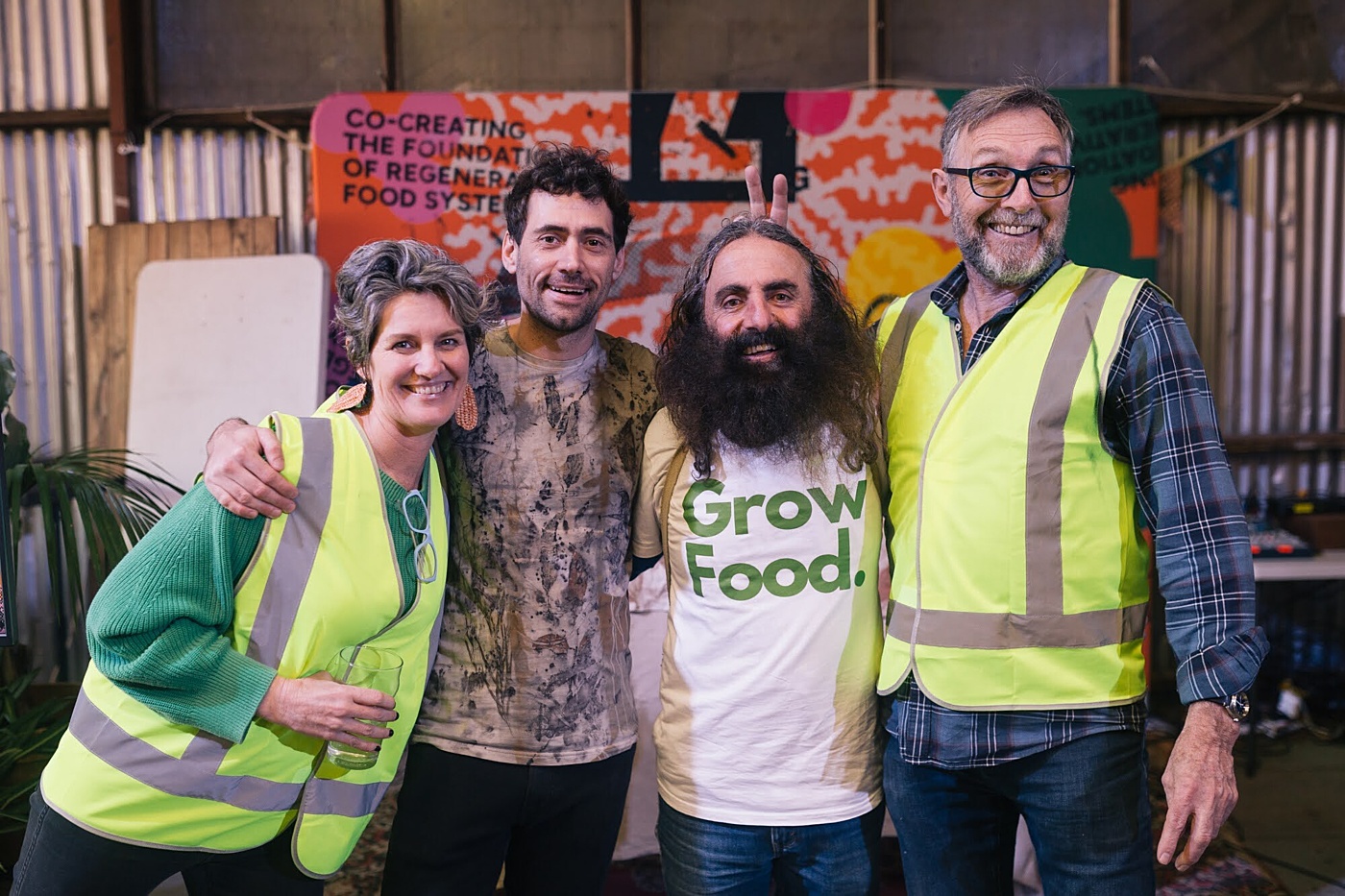
Every challenge we've navigated at Food Connect Shed – from community ownership structures to financial sustainability to coordinating values-based supply chains – informs the replication framework in the report. We're not asking communities to reinvent the wheel; we're offering them a tested model they can adapt to their local context.
Honestly, we need to rebuild the infrastructure we've lost. Australia once had vibrant regional food systems with local processing facilities, distribution networks, and market coordination. Over decades, those were dismantled or consolidated as industrial agriculture and the supermarket duopoly took over.
To feed every Australian well – not just fill stomachs, but provide access to healthy, ecologically grown food – we need to recreate that regional infrastructure at community scale. That means 50–100 food hubs providing the physical backbone, plus the networks and knowledge systems to coordinate production and distribution.
We also need procurement policy changes so that schools, hospitals, aged care facilities and government agencies can prioritise regenerative, regional food. Right now, procurement systems are often set up in ways that favor large industrial suppliers, even when communities want to buy local.
And we need investment, both public and philanthropic, that recognises food infrastructure as essential public good, like roads or telecommunications. When communities own their food infrastructure, they build wealth locally, create climate resilience, and ensure fair returns for farmers.
The capacity is there. Australia has incredible farmers ready to grow food regeneratively. Regional communities are eager for alternatives. What's missing is the coordinated investment in shared infrastructure.
I am, actually. I’ve watched the conversation shift dramatically even in the past five years.
Food Connect Shed has given us something powerful – undeniable proof. When you can point to a facility that's financially sustainable, delivering three to four times social return on investment, and creating real livelihoods for farmers while making nutritious food accessible, it's hard to dismiss it as utopian thinking.
We're also seeing genuine hunger for alternatives at every level. Regional councils are looking for ways to strengthen their economies. Institutional buyers want to decarbonise their supply chains. Farmers are desperate for market pathways that don't squeeze them on price. And communities, especially after covid exposed how fragile our centralised food system is, want more resilience and local control.
What gives me real optimism is that we're not asking people to choose between values and viability. Community-owned food hubs work economically while delivering environmental and social benefits. That's the sweet spot for systems change.
The challenge isn’t convincing people the model works, it’s scaling fast enough to meet the moment. Climate change, soil degradation and supply chain vulnerabilities aren't waiting. But yes, I believe we'll see food hubs recognised as essential infrastructure within the next decade, the same way we now understand community health centres or distributed renewable energy networks.
I prioritise family time, enjoy swimming and try to immerse myself in a bushwalk when I can. Those things aren't luxuries – they are how I stay grounded doing work that can feel overwhelming in its urgency and scope.
It’s intense. We’re a small team trying to catalyse national systems change, and I’m co-CEO of an organisation at a critical moment. There are weeks where it feels like we're juggling a dozen high-stakes initiatives simultaneously – major reports, policy submissions, partnership negotiations, community consultations.
But I’ve learned that burnout doesn't serve anyone. I’ve learned the hard way to ensure that I’m operating on a full battery before overcommitting to things.
I also find meaning in the work itself energising. When you're building something real, not just talking about change but actually creating infrastructure, supporting farmers, mobilising communities, that sustains you through the intense periods. And honestly, working alongside Robert and our passionate team, seeing the community response to what we're building, that keeps me going.
The farming families we work with inspire me constantly. People who wake up every day and do the incredibly hard work of regenerating degraded land, who choose ecological practices even when the economics are stacked against them, who persist despite a food system designed for industrial scale – their resilience and commitment is extraordinary.
I'm also inspired by the people who invested in Food Connect Shed (85 per cent women!). Over 500 people putting their money into collective infrastructure because they believe in a different future – that faith in what we can build together drives everything we do.
What fuels my passion is seeing the interconnections. This work sits at the intersection of climate action, economic justice, community resilience, public health, and cultural connection to land and food. When you build regional food infrastructure, you're not solving one problem, you're creating conditions for multiple transformations simultaneously.
And honestly, having spent 30 years in this space, I've seen what's possible when communities invest in themselves. I've watched farmers go from struggling to thriving. I've seen regional economies strengthen. I've witnessed people reconnect with where their food comes from. That evidence – that it works – makes me unwilling to accept the current system as inevitable. We can build better, and I've dedicated my life to proving it.
Food Connect Foundation website.
Regenerating the regions report.
Posted on 07 Oct 2026
Joseph Friedman is co-founder and publisher of About Time, Australia’s only newspaper for…

Posted on 30 Sep 2026
At 21 years old, Tate Donohoe is the founder of Ecodia, an AI-assisted software development company…
Posted on 02 Sep 2026
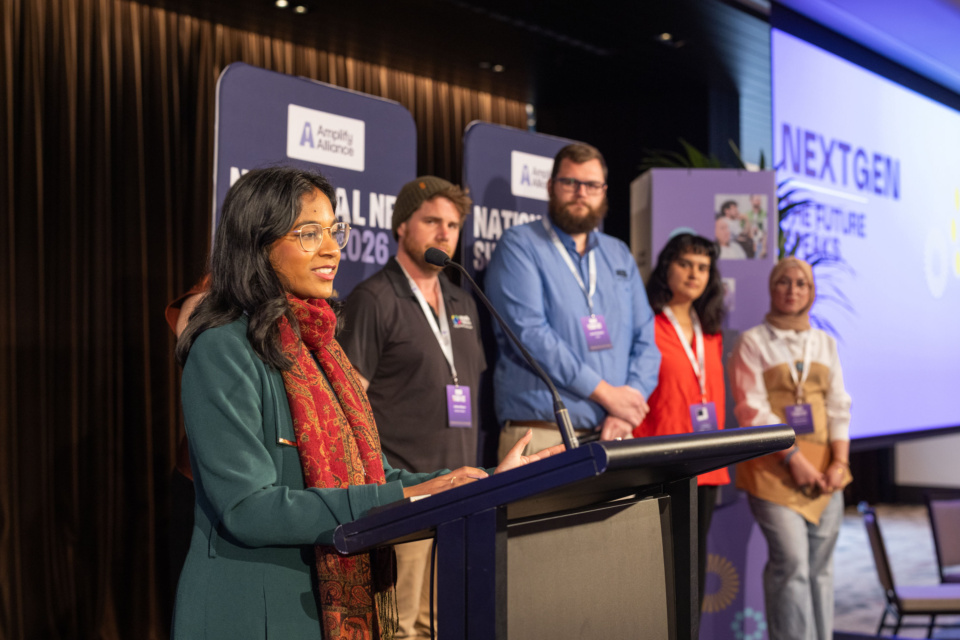
At last week’s Amplify Alliance National NFP Summit, Satara Uthayakumaran, 23, brought the voices…

Posted on 26 Aug 2026
Nathan Johnston lives in Bega, NSW, and lives with cerebral palsy. He’s the creator of Disability…
Posted on 19 Aug 2026
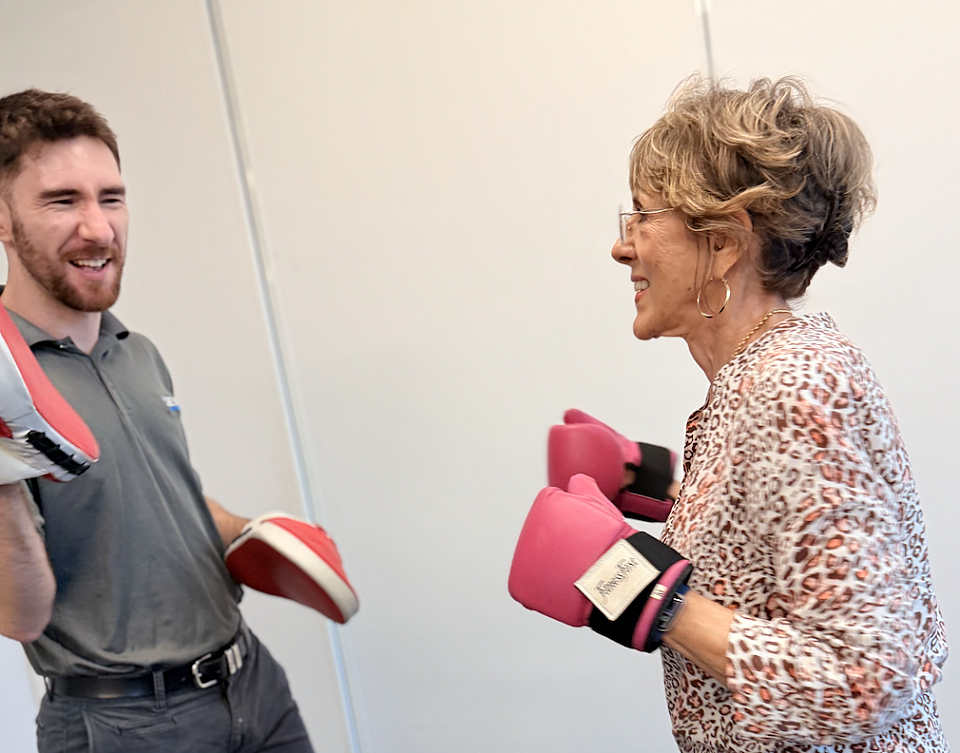
Coralie Wales is the founder of Strong Australia, an ACNC-registered health promotion charity that…
Posted on 08 Jul 2026
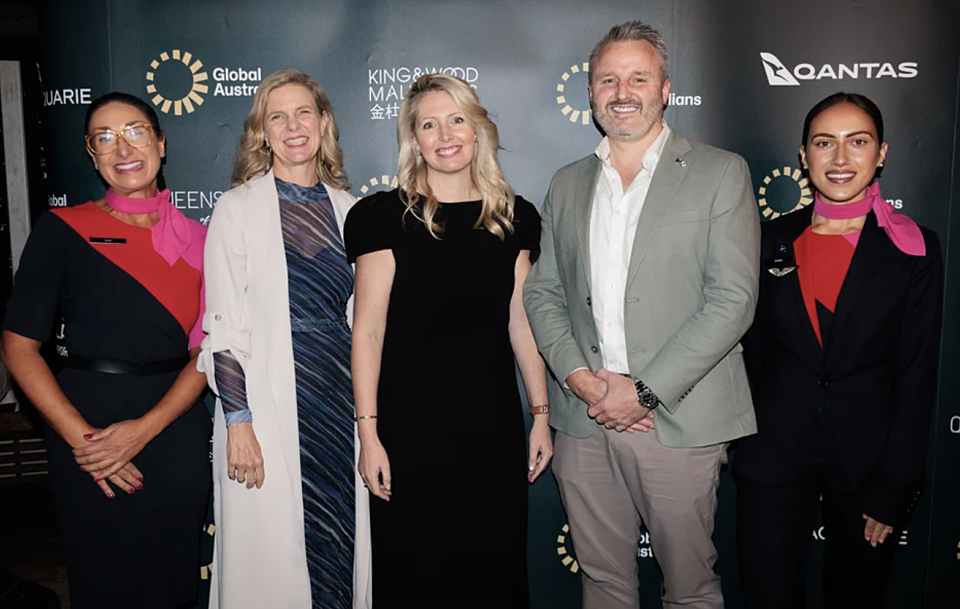
Kate McQuestin is CEO of Global Australians, a not-for-profit aimed at connecting Australians…
Posted on 30 Jun 2026
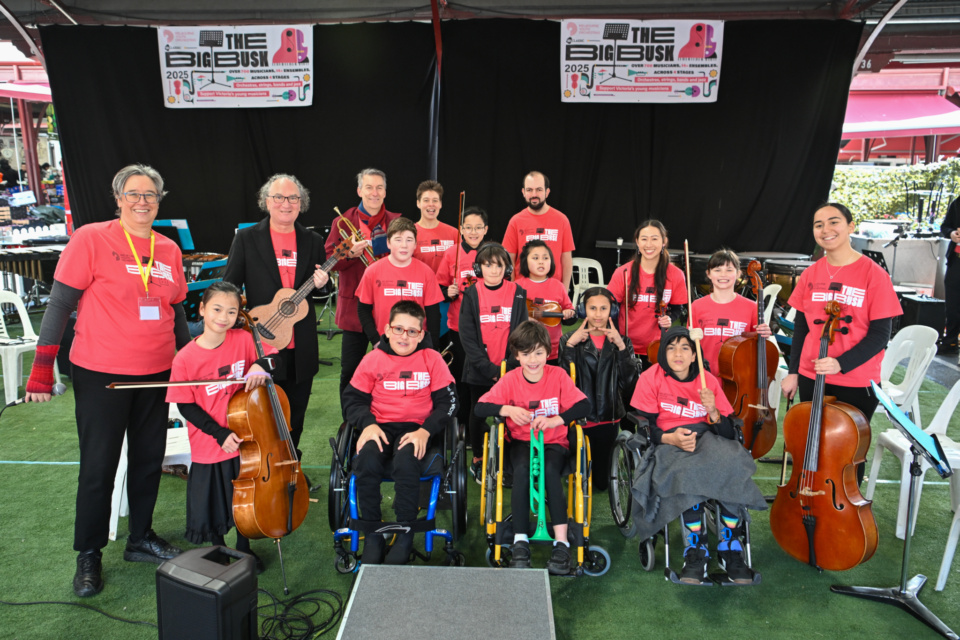
Anthea Skinner is a musicologist, a senior lecturer in disability creative performance at the…

Posted on 24 Jun 2026
Lizzie Mettam manages corporate partnerships for DV Safe Phone, an organisation that provides…
Posted on 17 Jun 2026
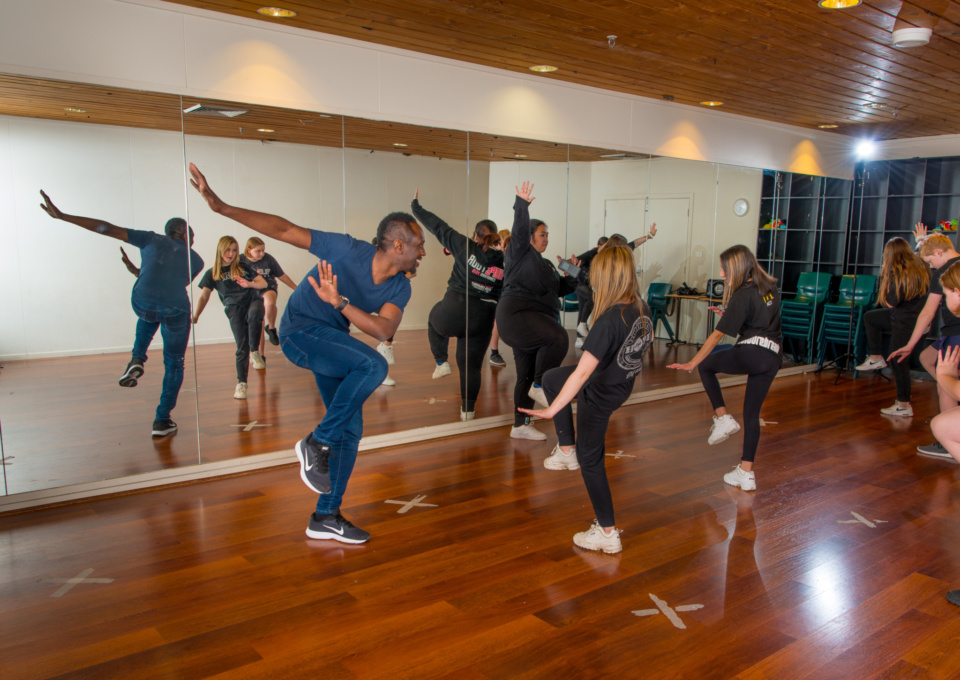
Francis Owusu is the founder of Kulture Break, a charity that helps young people build confidence,…
Posted on 10 Jun 2026
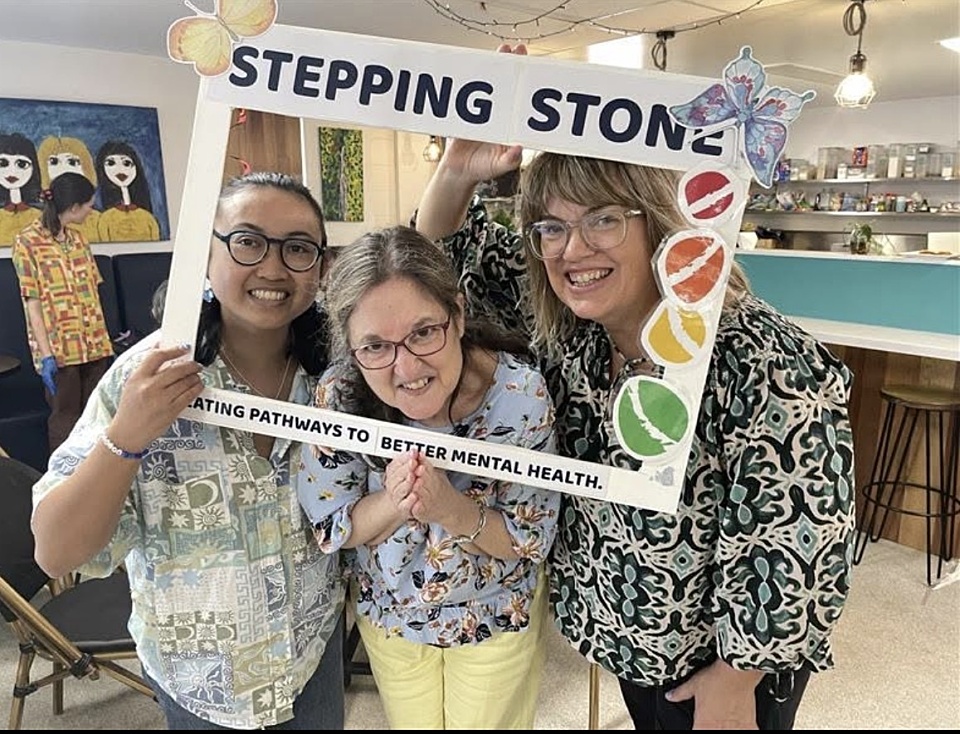
Melanie Sennett is the chief executive officer of Stepping Stone Clubhouse, a Brisbane charity that…
Posted on 03 Jun 2026
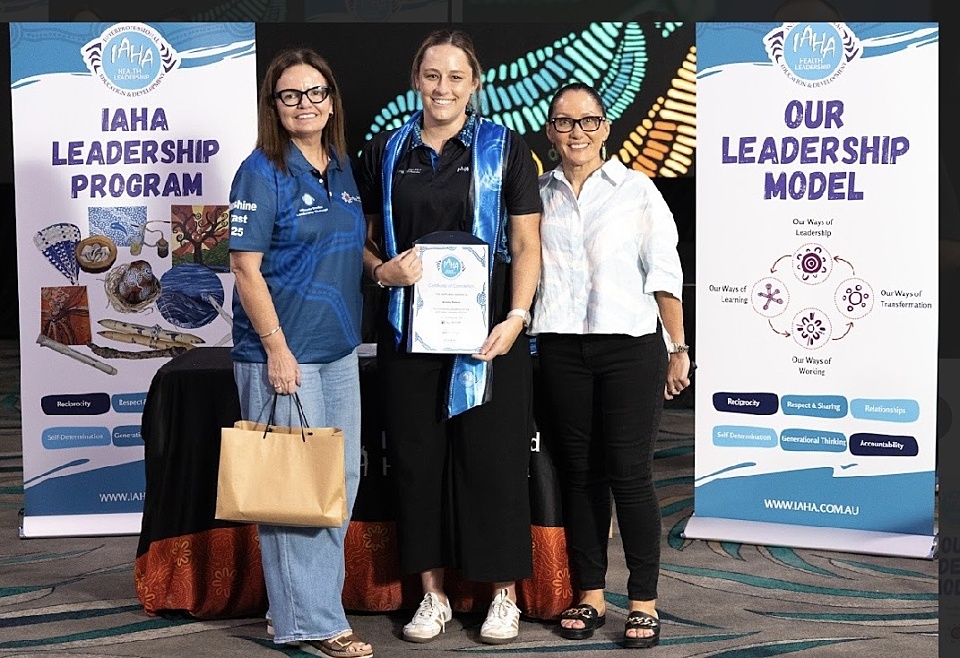
Kristy Petrie is a paediatric physiotherapist and proud Gooreng Gooreng woman who sits on the…

Posted on 27 May 2026
Maria Owen is the CEO of ImpactLab, a New Zealand social enterprise that analyses data for…