
From passion project to a national prison newspaper, speaking to and for those doing time
Posted on 07 Oct 2026
Joseph Friedman is co-founder and publisher of About Time, Australia’s only newspaper for…
Posted on 11 Nov 2025
By Nick Place, journalist, Community Directors
Project Manta, a long-running scientific study that includes a citizen scientist component, is about to be incorporated into a brand-new not-for-profit organisation, the Manta Foundation. The project’s founder, Associate Professor Kathy Townsend, a Canadian-born marine scientist, explains why she still gets excited every time she swims with giant mantas.
Being in the water with the manta rays. Well, just being in the water, full stop. I mean, I’m equally as excited and curious about manta rays as I am the plankton and tiny little fish and everything else. It’s just being in the water and exploring this amazing, really foreign environment where most animal creatures live. When I was young, space was a really big thing, right? Everybody wanted to go to space, but I very quickly realised that if you go to space, you’re just going to see rocks. But if you go under the water, you’re going to see the most outstanding aliens you could possibly imagine in all shapes and forms that you wouldn’t see in space. So to me, it’s even better than being in outer space. I love it.
I always consider manta rays to be like the ocean’s canaries in the coalmine. They’re a big-bodied animal that we can quite easily study, but they feed on the smallest things in the ocean: plankton. We know that plankton is very readily impacted by climate change, by changes in water temperature, changes in the strength of currents; all those things very quickly and readily impact the plankton. So if the mantas are changing their behaviour, changing where they’re going, when they’re going, that can give us some of these early warning signs of things that might be happening to plankton and the wider health of the ocean. Also, if the mantas themselves start to show poor health, that’s another indicator that something will be happening, and studying things like seasonality, how their migrations north to south might be impacted by water temperatures at the time, if we start to see that the animals are arriving sooner or leaving later or vice versa.
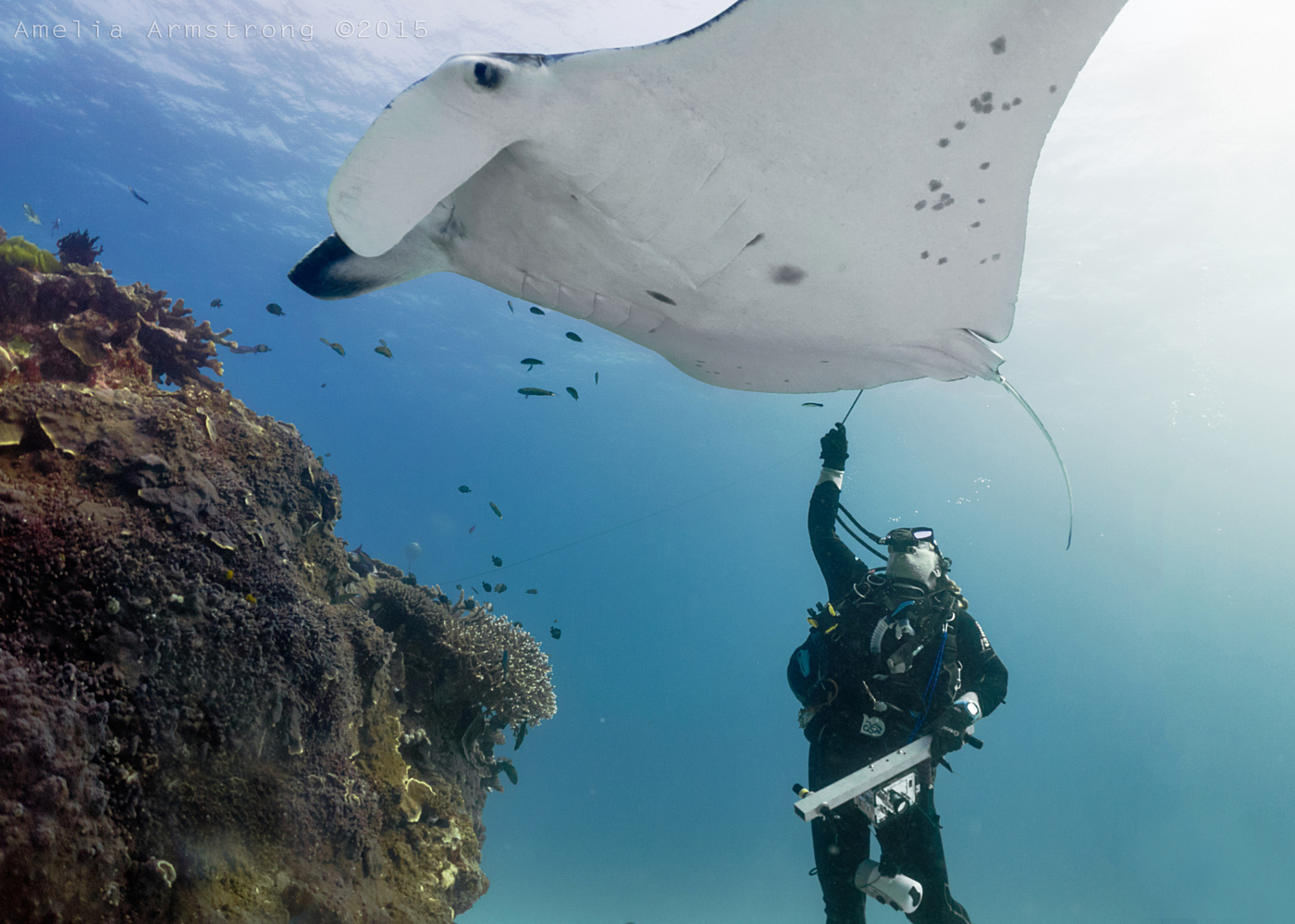
That’s from the ecosystem perspective, but another reason to be studying manta rays is that they’re a large charismatic animal that people can have really meaningful interactions with. Mantas come and check you out, and there are not very many particularly big wild species that will do that. It’s a big opportunity, almost like a gateway drug, of getting people to care about the environment, because when they have a personal experience with the mantas, they start to ask more questions and be concerned about the animals being able to live into the future. It’s a little bit like the panda from the WWF. You think of the panda, cute and cuddly, but WWF is not just about saving the panda; it’s about saving the habitat of the panda. If their mascot was bamboo, I don't know if they’d get quite the amount of buy-in.
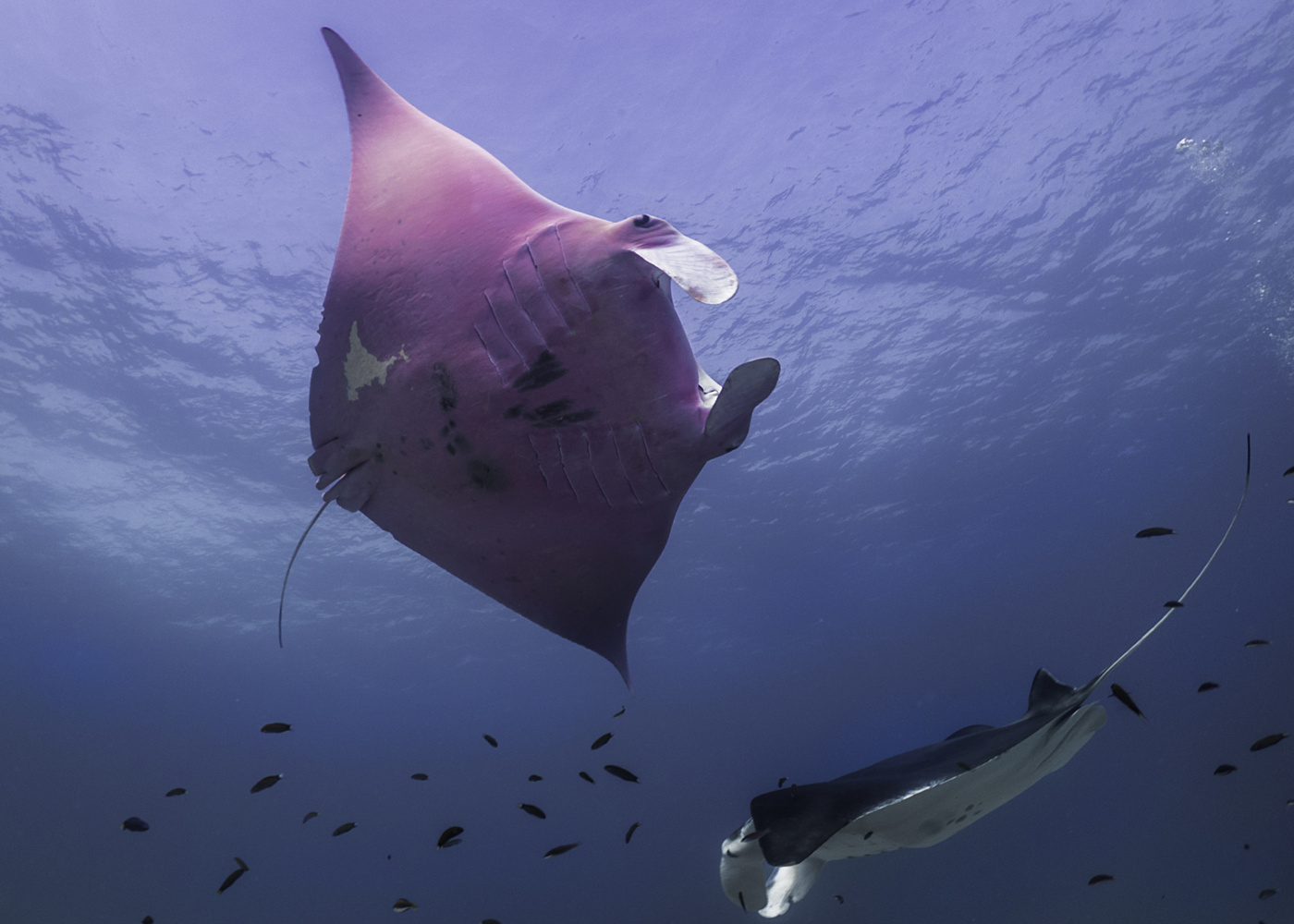
If you look around Australia, it’s more than 3500. On the east coast, I think we’re up to 1800. And we’ve got these fantastic stories ... we’ve got the world’s only pink manta, “Inspector Clouseau”, and we’ve got the oldest known manta, “Taurus”, who is over 55 years old – he’s possibly coming up to 60 years old – and he’s still hanging around Lady Elliot Island, still flirting with the girls, so he’s still doing his thing. We’ve got two immature males that had been seen down at South Solitary Islands, New South Wales, and then they were both seen at the SS Yongala, off of Townsville. That’s well over 1,000 kilometres in a straight line, and prior to that, the longest distance that this particular species of manta had ever been known to go was about 350 ks. So we’re now the world record holders for the distance for that species.
At the moment, we’re working with a Japanese aquarium, who are coming back next year for a second visit to perform ultrasounds with a wand passed across the back of the animals, on wild, free-swimming mantas, to see if females are pregnant or at what stage the males are at, as far as their testicles are concerned.
But we don’t know everything. We still don’t know where the manta babies are, we don’t know where the pupping grounds are, where the female mantas give birth.
“I very quickly realised that if you go to space, you’re just going to see rocks. But if you go under the water, you’re going to see the most outstanding aliens you could possibly imagine in all shapes and forms.”
It’s about being able to maintain the work into the future. I always joke, although it’s not a joke, that I have a folder that lives on my desktop called ‘Save Project Manta’, and I need to open it every three years, at every funding round. Next year is Project Manta’s 20th anniversary, so I don’t know how I’ve been successful in keeping this thing going for 20 years, often on the sniff of an oily rag.
It’s really come about because of Josh Heller, who’s from Sydney and has been the driving force, after being introduced to us by Dr Guy Stevens from the Manta Trust, which is UK based. It’s something I have wanted to do for a long time, but just one of those things I didn’t have the space, the capacity or the expertise. Josh was able to connect us with lawyers who do social justice work every year and took it on. They organised all the paperwork, everything that needed to be done to turn us into an NGO, and it’s a massive relief. We’re at the very early stages, still haven’t officially launched, but it’s happening.
Initially, it’s for us to get traction and get word out there about what we’re going to be doing, which is, to start with, concentrating on funding research that’s being done in Australia. At the moment, that’s mostly Project Manta, but we do have ambitions, as it hopefully gets bigger and expands, that we end up being able to help in our Pacific region as well. We’ve already got connections to Indonesia, Papua New Guinea and Fiji, for example, so some of those places in our region that could potentially do with a hand for mantas as well, that’s what we’re hoping to do. That's not going to be in the first year or so.
A big part of Project Manta has always been the citizen science component, and the community outreach. [Project Manta asks the public to submit photos of the underbelly of manta rays they see while snorkelling or diving, as every manta’s belly has a different pattern, like a fingerprint, allowing identification.] If you haven’t got someone there to monitor when people send images, and give them feedback, as in who this animal is, it drops off quickly. We promise we’ll tell people sending photos who the animal is, and where it was last seen, or if it’s a new manta, they get to name it. But you need the people to [manage the process].
The charity is about us thinking long and hard about how do we sustainably maintain Project Manta going forward into the future? How do we continue this long-term monitoring and long-term citizen science project into the future? In particular, paying for the personnel that we require to be able to do that? Doing the science, if we’ve got a specific research project, around reproduction or something, we can apply for a short-term grant to be able to do it. But most of these grants will not give us money for people, and for most of us who work in science, that’s the problem, in that there's very rarely money for people.
No, I didn’t, but I was involved, being interviewed for the script. I got to see the final script, and it was, like “Attenborough, Townsend, Attenborough, Townsend”, and I’m, like, oh my God! Peter Gash, who runs Lady Elliot Island Eco Resort, went to the official opening in London and spoke to Sir David, who said the manta section was his favourite part of the entire documentary.
The Manta Foundation website is under construction.
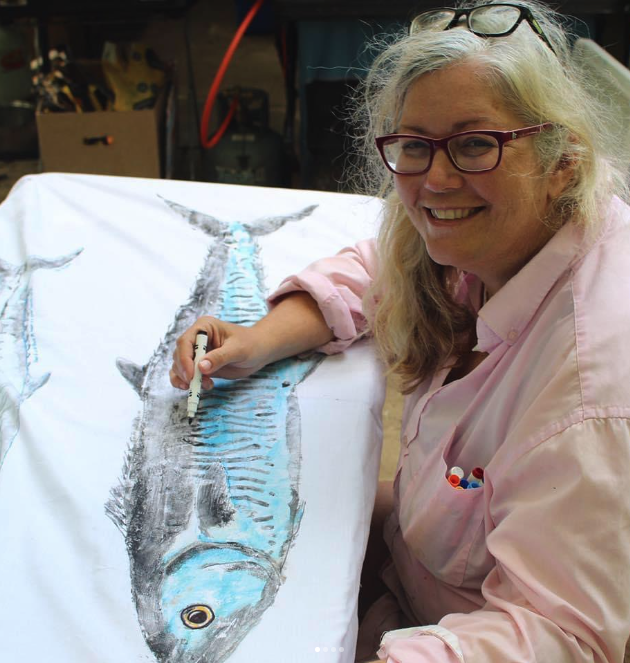
Kathy's art: Instagram: @science_loves_art
Posted on 07 Oct 2026
Joseph Friedman is co-founder and publisher of About Time, Australia’s only newspaper for…
Posted on 30 Sep 2026
At 21 years old, Tate Donohoe is the founder of Ecodia, an AI-assisted software development company…
Posted on 02 Sep 2026
At last week’s Amplify Alliance National NFP Summit, Satara Uthayakumaran, 23, brought the voices…
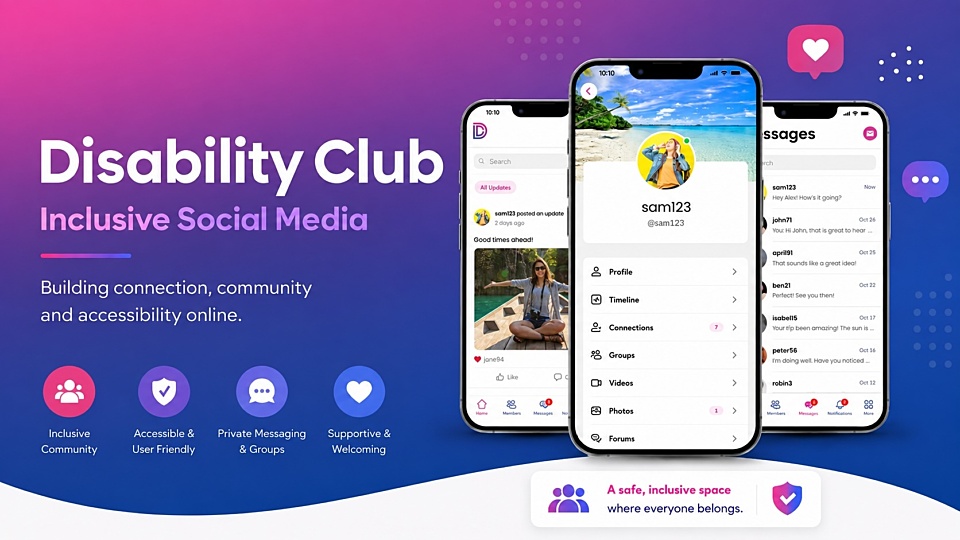
Posted on 26 Aug 2026
Nathan Johnston lives in Bega, NSW, and lives with cerebral palsy. He’s the creator of Disability…
Posted on 19 Aug 2026
Coralie Wales is the founder of Strong Australia, an ACNC-registered health promotion charity that…
Posted on 08 Jul 2026
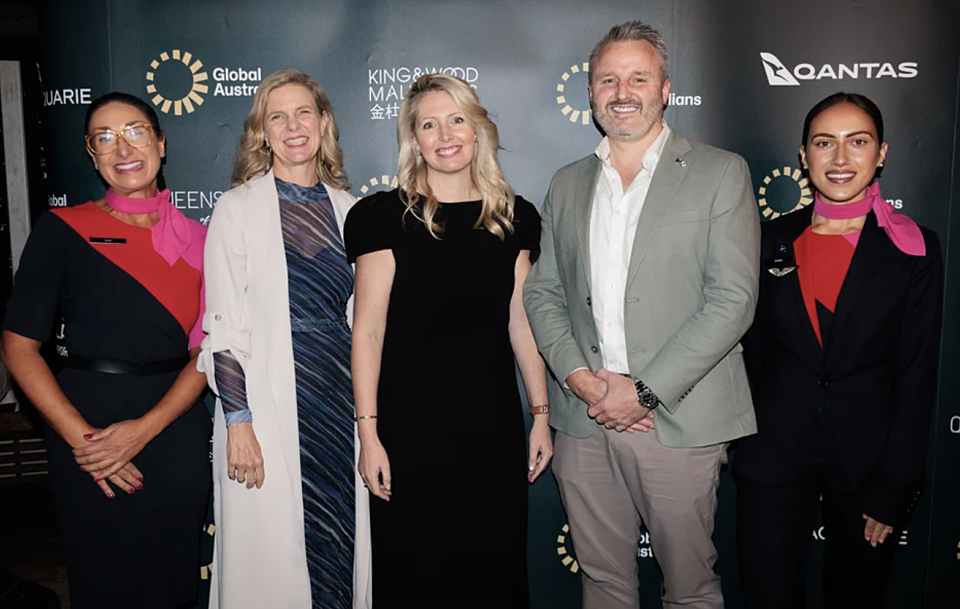
Kate McQuestin is CEO of Global Australians, a not-for-profit aimed at connecting Australians…
Posted on 30 Jun 2026
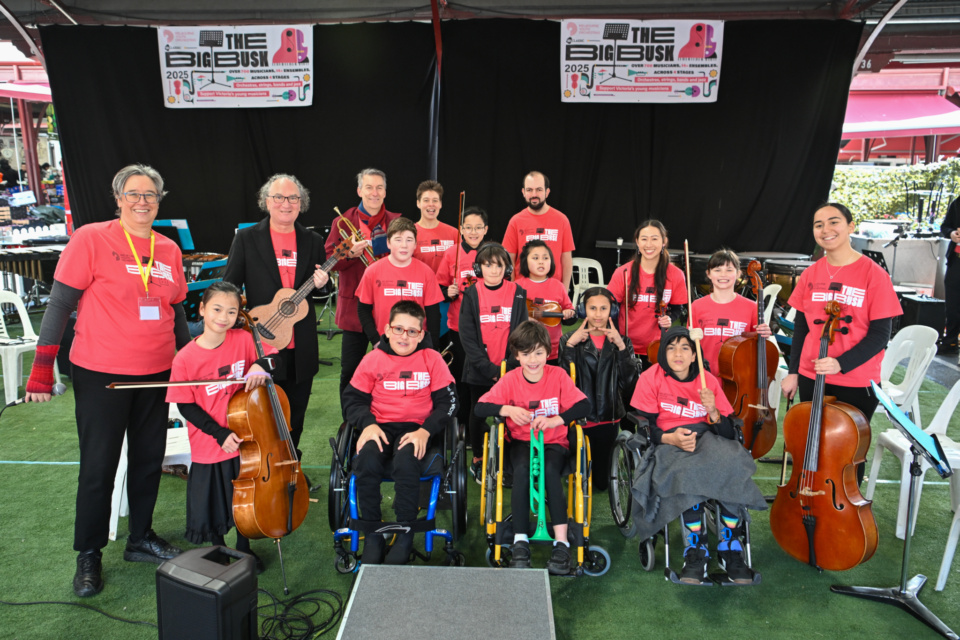
Anthea Skinner is a musicologist, a senior lecturer in disability creative performance at the…

Posted on 24 Jun 2026
Lizzie Mettam manages corporate partnerships for DV Safe Phone, an organisation that provides…
Posted on 17 Jun 2026
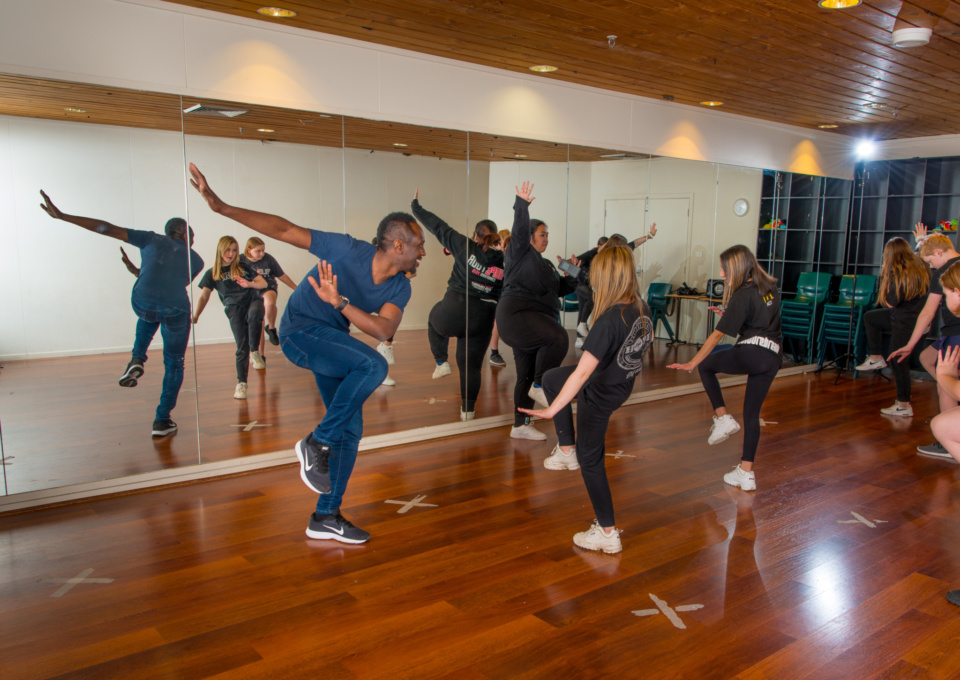
Francis Owusu is the founder of Kulture Break, a charity that helps young people build confidence,…
Posted on 10 Jun 2026
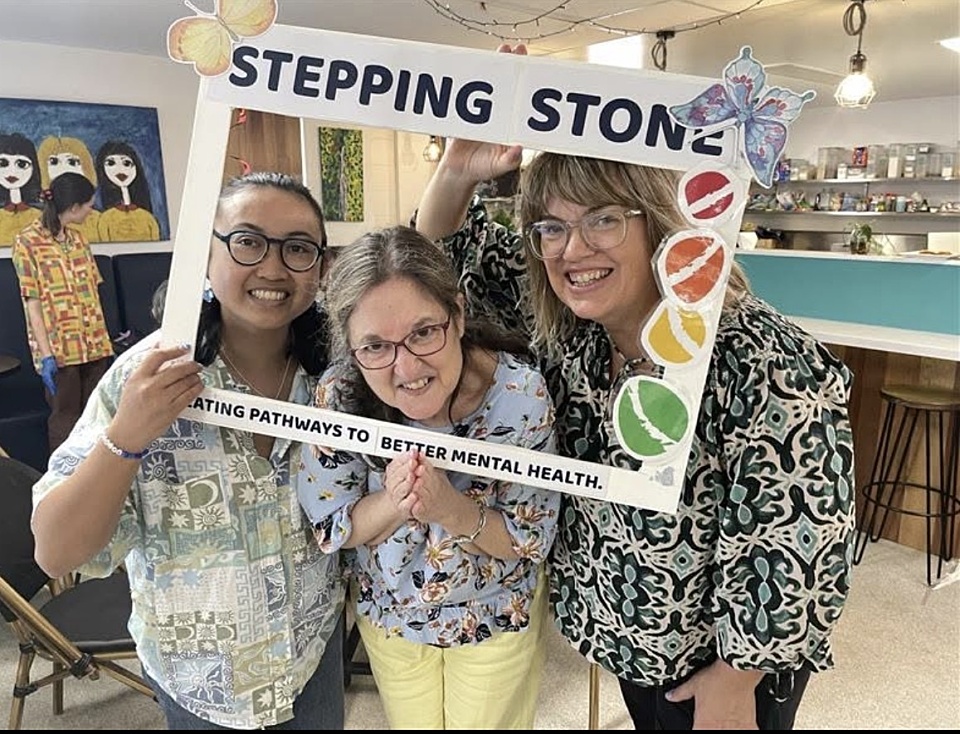
Melanie Sennett is the chief executive officer of Stepping Stone Clubhouse, a Brisbane charity that…
Posted on 03 Jun 2026
Kristy Petrie is a paediatric physiotherapist and proud Gooreng Gooreng woman who sits on the…

Posted on 27 May 2026
Maria Owen is the CEO of ImpactLab, a New Zealand social enterprise that analyses data for…