From passion project to a national prison newspaper, speaking to and for those doing time
Posted on 07 Oct 2026
Joseph Friedman is co-founder and publisher of About Time, Australia’s only newspaper for…
Posted on 04 Mar 2026
By Nick Place, journalist, Community Directors
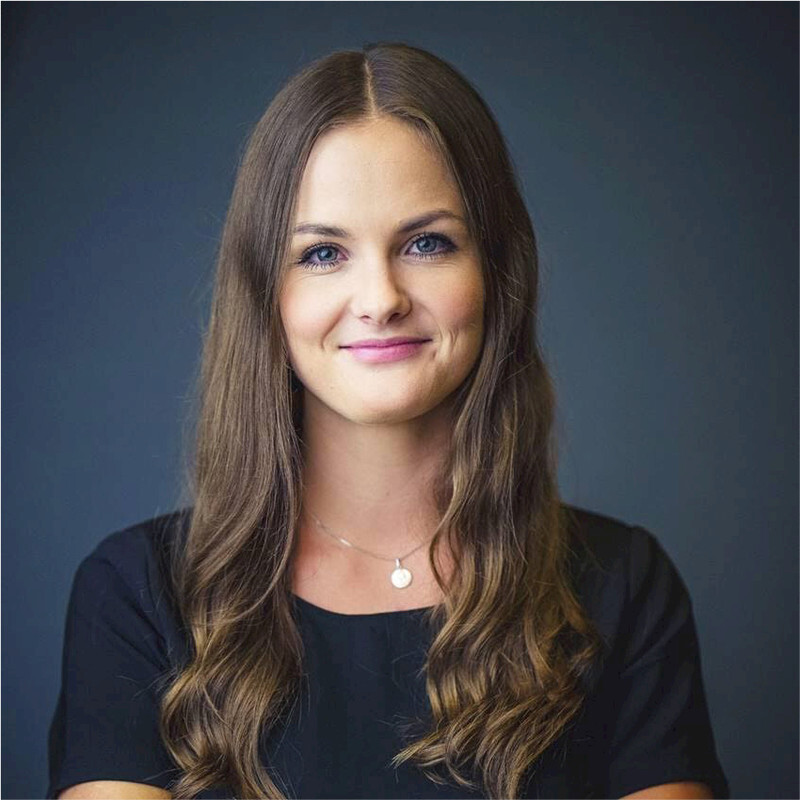
Hannah Nichols is the environmental, social and governance (ESG) lead at Australian Red Cross and a big advocate for the organisation’s work in encouraging the circular economy, repairing and recycling. We spoke to her about her family’s tradition of helping others, and woollen jumpers with holes.
Growing up, my family was always doing things – not in a big symbolic way, but just always community stuff. Like, my grandparents used to take my mum delivering Meals on Wheels every Christmas Day, and obviously, as a kid, you don’t love that. But then, when you become an adult and a parent, you kind of appreciate the value set that that brings.
When I was younger, and we went overseas, my dad filled his suitcase with those $2 reading glasses, the two-plus and three-plus ones that you used to be able to get back in the day; they’re probably $12 now. We were heading over to South Africa, which is where he’s from, and he said: these things can make a really big difference to someone’s life, and they cost us two dollars. I’ve got some pretty cool memories from that trip and from some of those experiences.
As you move into life, you kind of learn that everyone’s just doing the best they can with what they have, and for me, like in our family, you give what you can. It doesn’t matter if it’s a skill or your time or something small that can make life easier for someone else, but that idea of community and supporting each other in practical ways really shaped how I moved through the world, so community work and volunteering was something I always gravitated towards.
I probably didn’t have the language for it when I was younger, but I guess “human connection” is what we’d call it now. It’s just that idea that you can always have an impact beyond the task in front of you, whether that’s in a work context or not. I started out studying biomedical science but then moved to Australia from New Zealand and joined the workforce straight away. I found myself in banking operations, which was a bit dry but moved me into leadership when I was quite young. I worked in a marketing event role and customer engagement design, but the turning point for me was when I discovered corporates worked with community organisations. I didn’t even know that was a career path. It took a lot of time and random sidesteps, but I eventually ended up finding my way into a role in the ESG space, and it felt like all the different parts of my background and different pieces of things that I really value – like being creative and thinking about things differently, and working with people – all clicked together.
Working at Australian Red Cross, is, I guess for me personally, kind of a dream – well, that sounds too cheesy, I hate using the word “dream”. But it is. I’ve been able to use skills that I’ve gained through my heavily corporate background and in startup spaces, and actually use them in a humanitarian context. Young me would be very proud.
As ESG lead, I consider how the Australian Red Cross impacts people from a social context, including our people – that’s our members, our volunteers, our employees, as well as the people in communities and partners that we work with. I look at how we impact the natural environment and the way that we make decisions both through our humanitarian work and how we operate behind the scenes.
“You don’t have to be anything special to do special things, because anybody can do it, anybody can have an impact.”
“Environmental, social, and governance” originally came from an investor screening background and it’s taken on a life of its own. Especially over the last 15 years, it’s really developed into something different. It wasn’t built for our sector in our context, but there’s still a lot of value that we can get from it. I really see my job is about how do we translate something that wasn’t designed for our space into something that’s actually useful? I guess part of my role is setting the direction. I help to shape our ESG roadmap and make sure that we’re considering people, environment and ESG governance in a way that makes sense for our context. We’re adopting it creatively and focusing on the areas that are genuinely going to add value to our organisation and the communities we serve, not just looking at ESG in a traditional context of how maybe a corporate organization might adopt that.
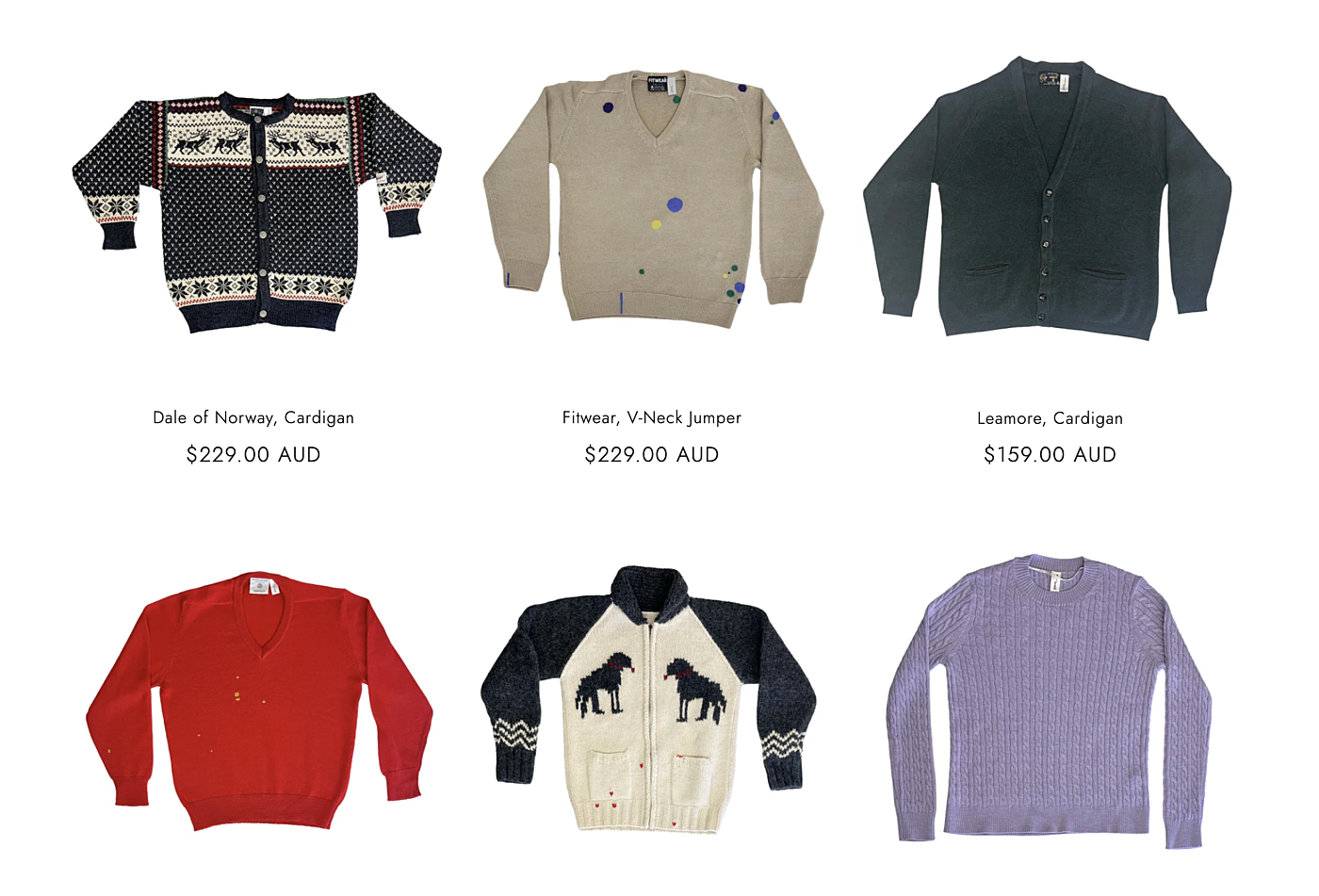
It was with Hatch + Make, a studio in Lilydale, Victoria, and the connection was our retail division of Australian Red Cross shops (aka op shops). We’ve got 174 stores across the country in every state and territory, and we take donations from the public of clothing and accessories. We’ve got a pretty big footprint, and that circular economy piece has been identified as an area where we already know we play a role, through the nature of the role the charity sector plays when it comes to textile waste at the top of the waste hierarchy in the “reuse” side of things. Our ultimate goal is to give every garment that comes through our doors the very best chance at having a second, third, fourth, as many lives as we can give it. It’s pretty well known that that’s the most economical and sustainable use of our Earth’s resources. The more that we can use something and get the most out of it, the better for everyone, essentially.
We were celebrating Repaired by Brood, a collaboration between our Australian Red Cross shops and Brood, which is a label by Hatch + Make. They’ve been rescuing really beautiful high quality wool garments that have been donated to us, but have come to us damaged – and I’m talking moth holes, seams ripped; I don’t know if you’ve ever had a hole in a wool garment before, but they can unravel! If you don’t know how to mend that, which I wouldn’t expect the average human to know what to do – I certainly don’t – the item’s done. Instead of seeing those items potentially end up in landfill, they’ve been setting them aside, and the Hatch + Make team have been carefully repairing them, and in some cases having to completely reimagine each piece so that we can give them a second life.
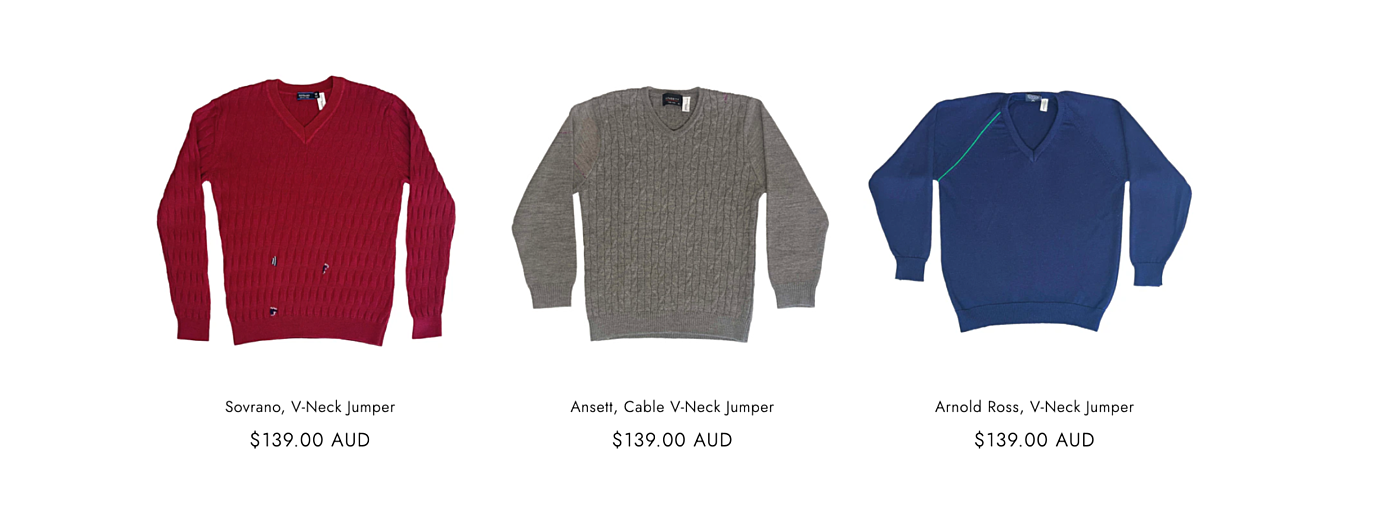
For our team, this is really exciting because it offers a different way of looking at a product that we wouldn’t have the skills and capability to repair on our own. That collaboration piece is really important because we know our skillset, we know what we can do really well, and that’s taking on a lot of textiles in one go and sorting and grading and obviously selling those pieces through our stores. However, Hatch + Make have those awesome skills to be able to come in and repair items like that. It was a really, really exciting opportunity for us to showcase that under the banner of the Melbourne Fashion Festival.
I wish I was wearing one of their jumpers!
I am, and so are the crew at Brood. It’s so good to see them in their zone, and doing what they do, out of passion. All the proceeds come back to us.
It comes back to lessons my parents taught me: you don’t have to be anything special to do special things, because anybody can do it, anybody can have an impact. People get caught up with trying to find a giant silver-bullet solution, but I think sometimes the issues you’re trying to solve as a society are so complicated that people get lost in it and sometimes people check out because they think they can’t really have an impact. There is a lot out there that’s disengaging people and disempowering them, and I think it’s the wrong message. Actually, it can be little actions, with your community and the people that you interact with, that can make a difference.
Posted on 07 Oct 2026
Joseph Friedman is co-founder and publisher of About Time, Australia’s only newspaper for…
Posted on 30 Sep 2026
At 21 years old, Tate Donohoe is the founder of Ecodia, an AI-assisted software development company…
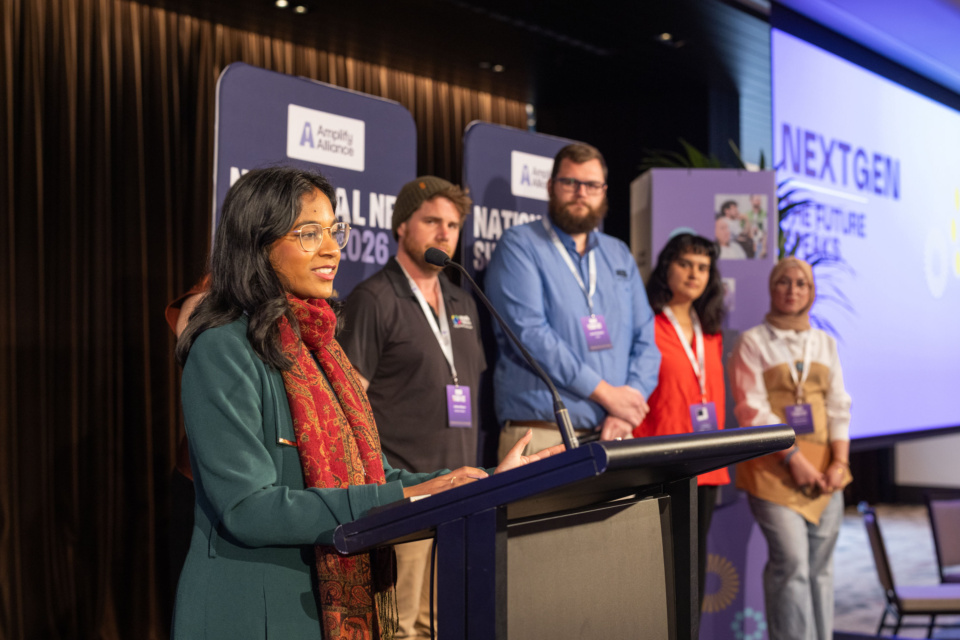
Posted on 02 Sep 2026
At last week’s Amplify Alliance National NFP Summit, Satara Uthayakumaran, 23, brought the voices…
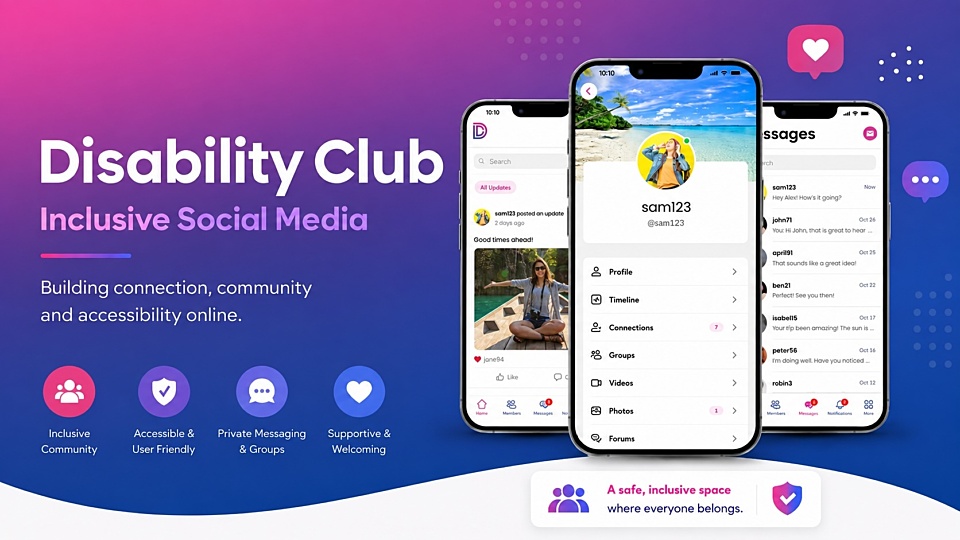
Posted on 26 Aug 2026
Nathan Johnston lives in Bega, NSW, and lives with cerebral palsy. He’s the creator of Disability…
Posted on 19 Aug 2026
Coralie Wales is the founder of Strong Australia, an ACNC-registered health promotion charity that…
Posted on 08 Jul 2026
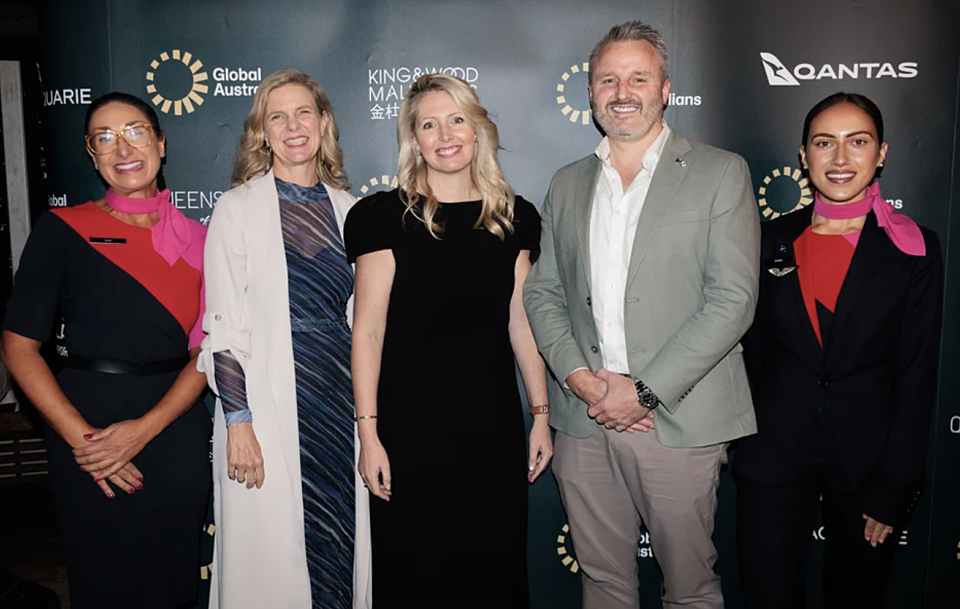
Kate McQuestin is CEO of Global Australians, a not-for-profit aimed at connecting Australians…
Posted on 30 Jun 2026
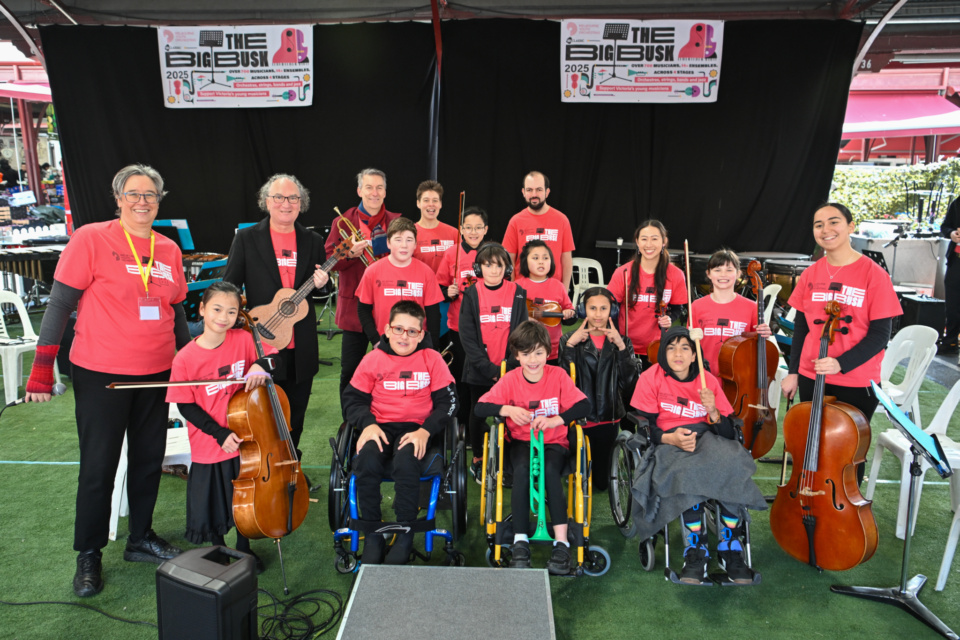
Anthea Skinner is a musicologist, a senior lecturer in disability creative performance at the…

Posted on 24 Jun 2026
Lizzie Mettam manages corporate partnerships for DV Safe Phone, an organisation that provides…
Posted on 17 Jun 2026
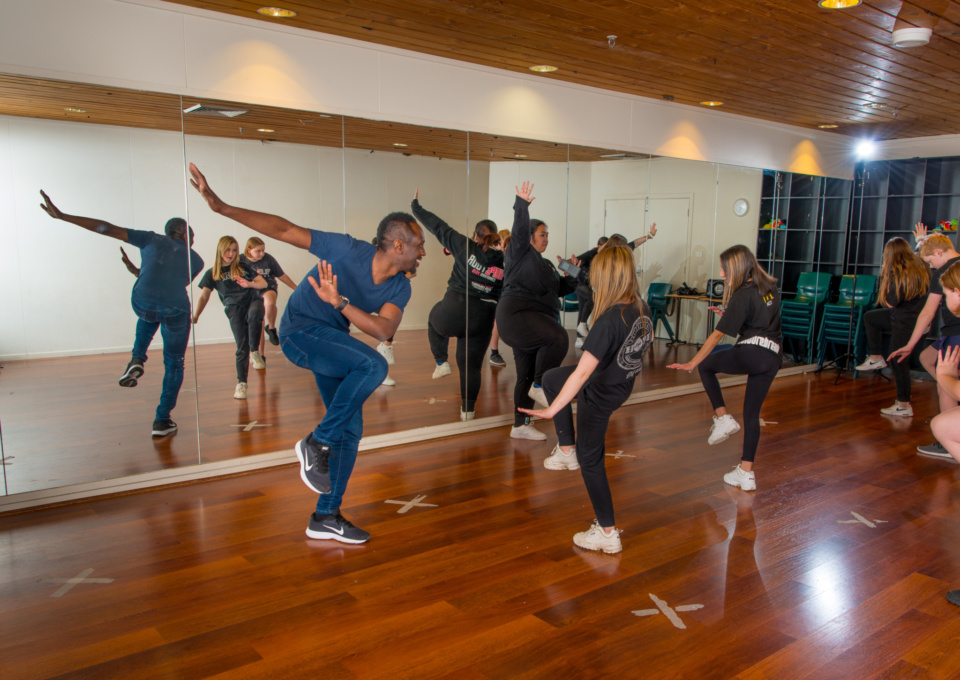
Francis Owusu is the founder of Kulture Break, a charity that helps young people build confidence,…
Posted on 10 Jun 2026
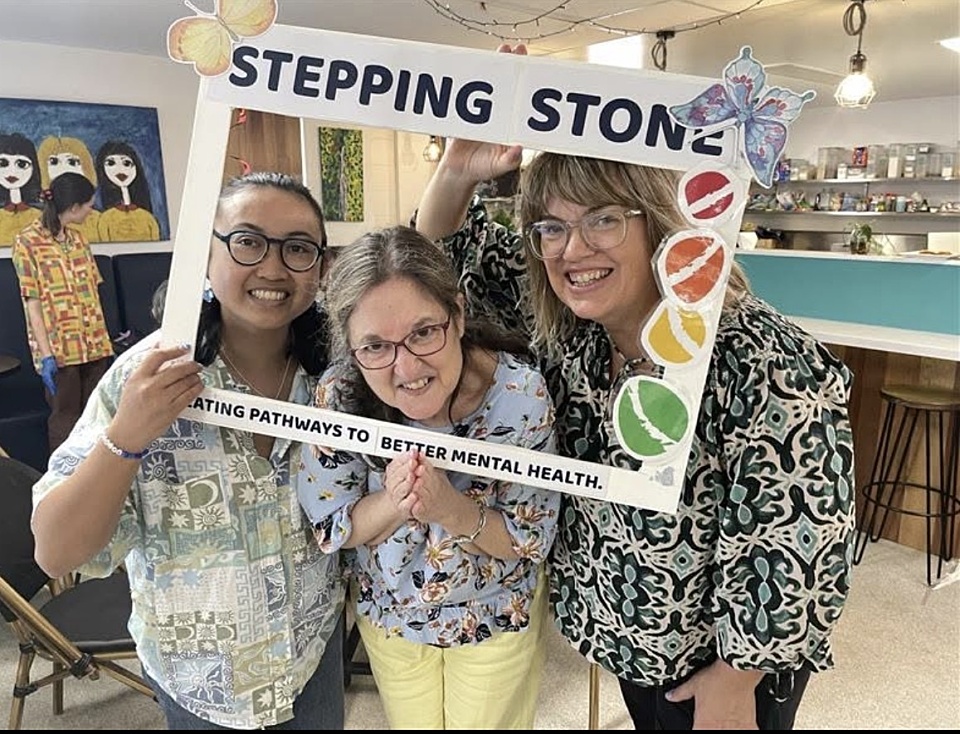
Melanie Sennett is the chief executive officer of Stepping Stone Clubhouse, a Brisbane charity that…
Posted on 03 Jun 2026
Kristy Petrie is a paediatric physiotherapist and proud Gooreng Gooreng woman who sits on the…
Posted on 27 May 2026
Maria Owen is the CEO of ImpactLab, a New Zealand social enterprise that analyses data for…