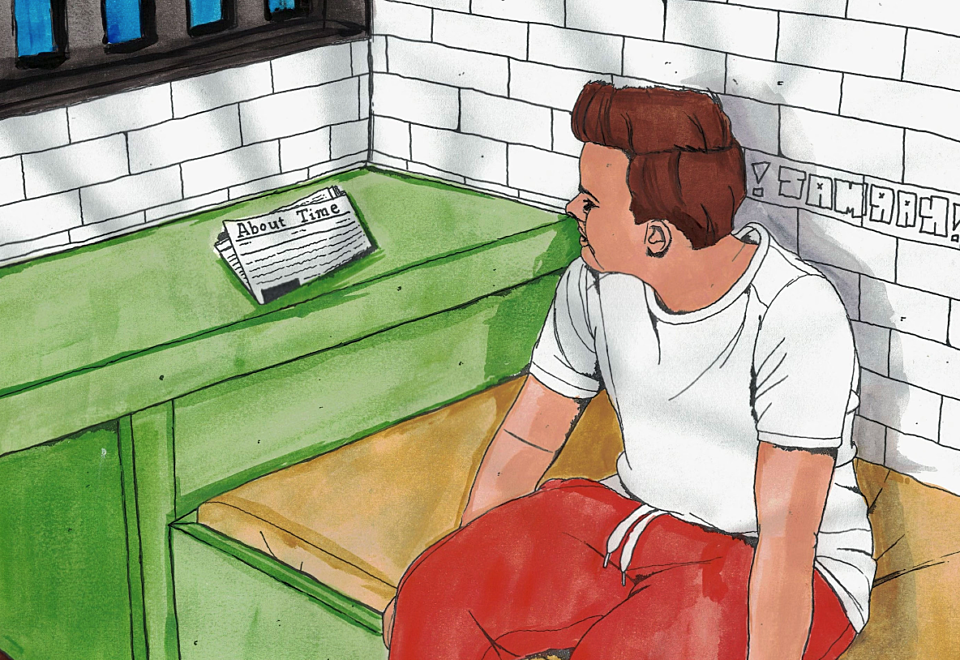
From passion project to a national prison newspaper, speaking to and for those doing time
Posted on 07 Oct 2026
Joseph Friedman is co-founder and publisher of About Time, Australia’s only newspaper for…
Posted on 08 Apr 2026
By Nick Place, journalist, Community Directors
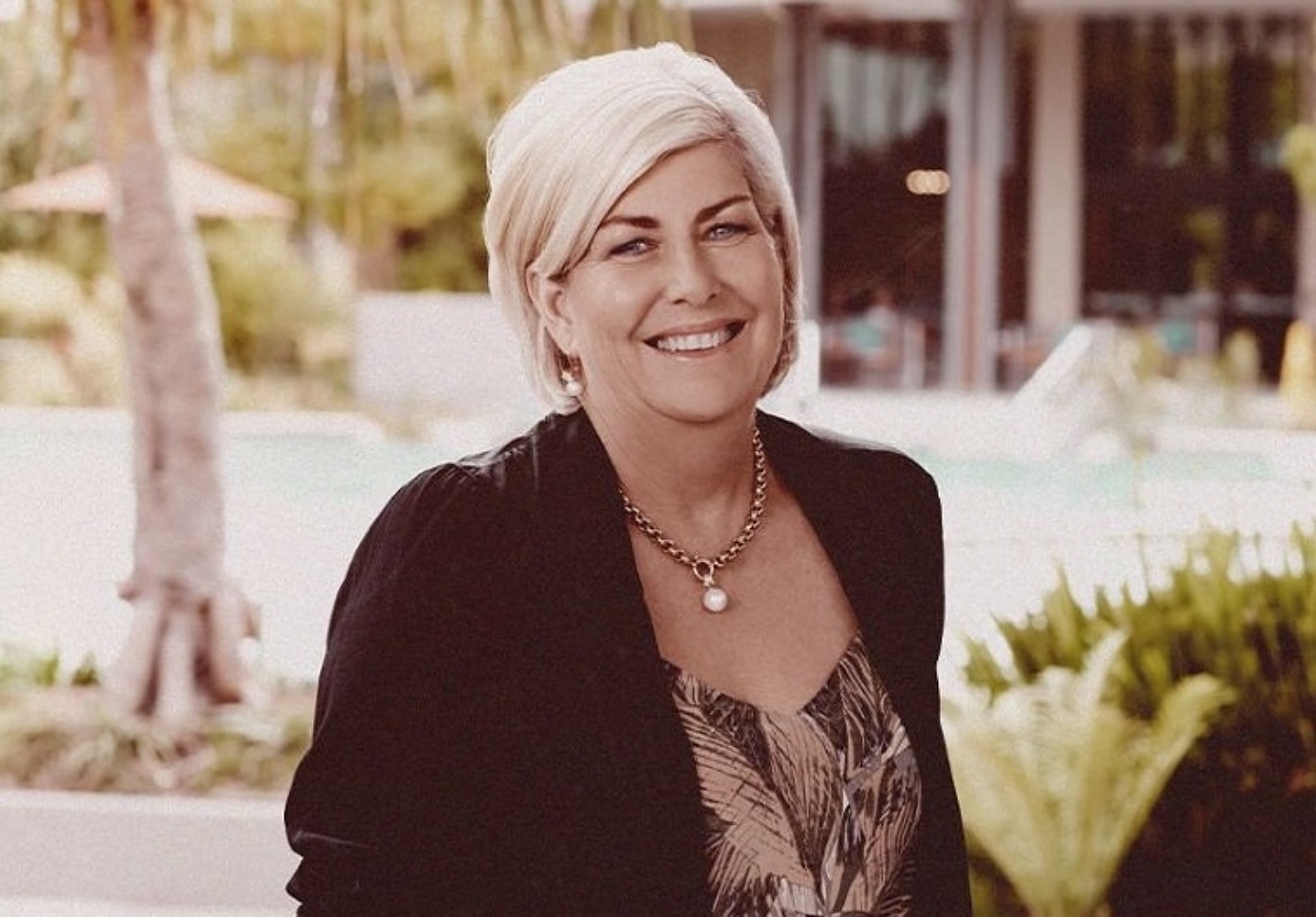
The She Gives philanthropic campaign aims to encourage women to give, to give more, and to give for greater impact. It spoke to women from all over Australia to hear their stories of giving – including Peggy Flannery, who emerged from difficult and humble beginnings in Queensland to become a powerful protector of vulnerable Australians. This interview is republished with permission from She Gives.
My first memory of giving came from receiving, and it meant so much to me. I grew up in a poor family in a small country town called Cunnamulla in Queensland. When I was young, the Apex Foundation offered to send me to the Tallebudgera camp, and it was the most amazing experience because I had never seen the ocean before. The furthest I’d travelled was to the nearby towns of Charleville or Bourke. This experience always stayed with me, and it showed me how you can do this for people and make a difference in their lives. When Brian [husband Brian Flannery] and I got together, we used to lie in bed and say that if we ever won the lotto, the first thing we'd do is give back to community, because we've been so blessed. And that's exactly what we started doing.
To make a difference in people's lives and to ease their burden a little. I’ve always wanted to support homelessness, women and children, domestic violence. Some of our money has gone to medical research, but I tend to prefer the smaller charities that aren't top heavy with corporate fees. It means I know the money's going to reach the people who really need it.
We only give to about 30 charities. I always felt if we just concentrate on supporting a smaller number but doing it well, we can make a real difference in one person or two people's lives. And that's what it's all about.
I give financially and we tend to gift to those whom we perceive are the needy. We have people in Australia who are doing it tough and my personal belief is that when you are trying to make a difference, we should concentrate on changing their lives. If we can just get the poverty monkey off someone’s back, then we've helped.
The urgency around issues like homelessness is huge right now. And I think it's far more urgent than supporting other not so urgent groups. I'm not saying the others aren't necessary or in need, but wherever people are sleeping rough and going hungry, we need to move quickly. That urgency to make change is very real and it’s needed from the ground up: for the homeless, the mentally ill, domestic violence sufferers, women and children.
The government operates as the largest entity in Australia, concentrating on broader issues. This is why philanthropy plays a crucial role. It might sound a bit blunt, but if you have the means to be a philanthropist, there's only so much you can acquire for yourself. Why not extend your efforts to benefit society instead?
“I feel like contacting every philanthropist in Australia and saying, ‘Come on, let’s up the ante here.”
My key learning is that I wish I could give more. I feel like contacting every philanthropist in Australia and saying, “Come on, let's up the ante here. Let’s raise the bar and make a bigger impact together.”
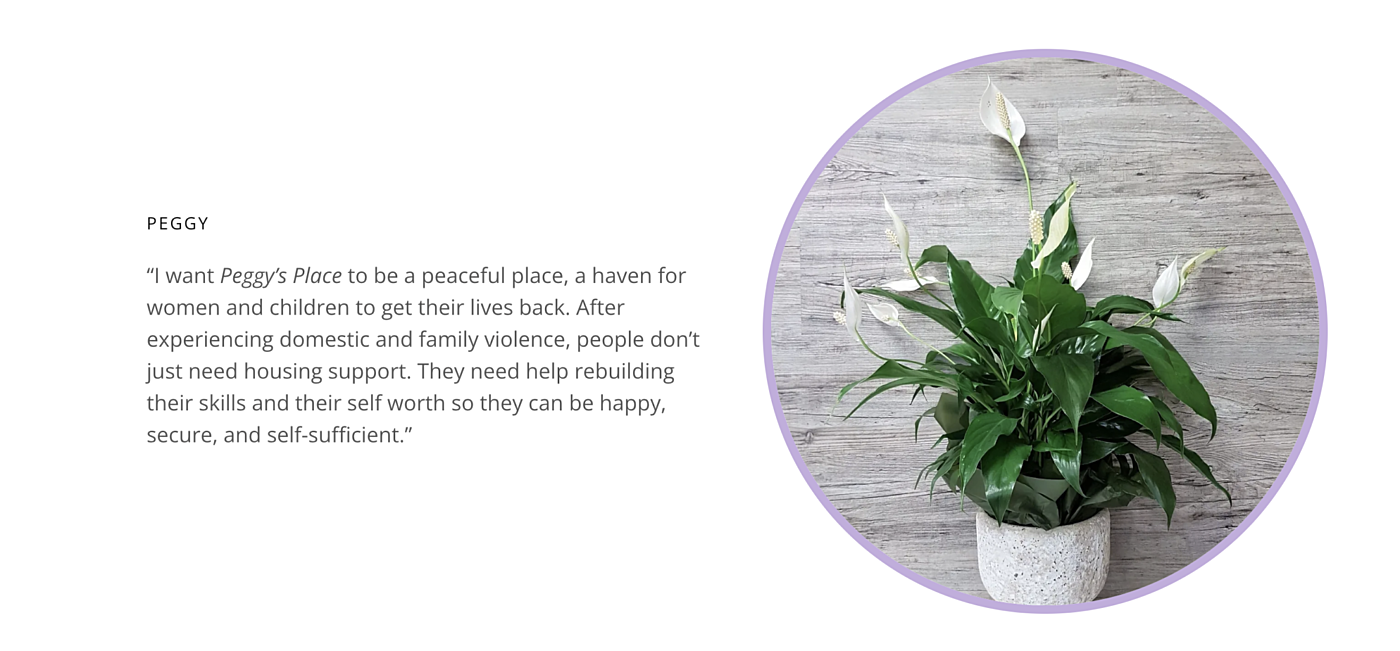
But the biggest learning curve I’ve had in giving was starting Peggy's Place, a holistic domestic violence shelter. It started as a little wish and now that I've found the right venue, it’s become much bigger than I anticipated.
We can take up to 34 women and 40 to 45 children at any one time, and they can stay for up to 12 months. We have qualified staff, including counsellors, and there’s a kids club with qualified carers so the mums can have a break and go to their onsite counselling sessions. I'm setting up a boutique on site and we've been gifted a hair salon so the women can have quality time while they heal. Our aim is to help them become re-powered and redirected through education so they can go back out into a violence-free society with the ability to provide for themselves and their children.
Starting Peggy’s Place has been my greatest learning experience in giving. It’s shown me how something can grow from a small dream into something substantial. I hope it will have a significant impact on the lives of many women and children.
It's been a long journey. I first had the idea when I was 10 years old and aware of some families subjected to family violence. One day I asked a woman, “Why don't you just leave?” She told me that she had young children, no money and nowhere to go. That conversation stayed with me and over the years I started thinking more about it.
Since we launched the foundation, I’ve been actively searching for the perfect location. Two years ago, we found it, renovated the space, and opened our doors in October of last year. We recently had our first successful family move out, and they’ve joined our outreach program. We continue to stay in touch and ensure everything is going well for them during the first six months.
I made sure that my children will continue the foundation after I’m no longer around because I believe that you can't simply come and go with charitable work. When you make a commitment, you need to be there consistently, as these organisations depend on your continued support.
I'd like to set up more shelters like Peggy’s Place around Australia. It's a holistic model that hasn't really been done in Australia before because when everything is on site, the women don't have to leave to get help. And I think it's helped turned it into a home. I’d like to take this model forward and bridge the gap between emergency shelters and transitioning into society again.
In terms of Australia, I don't follow what other philanthropists give, but I would love to see more philanthropists giving. The percentage seems to be quite small from statistics and I would like that to increase. And I'm not talking millions every year. You can be wealthy without having a big bank account. I'm talking about somebody who is comfortable enough that they could start gifting a hundred dollars a year. It's all there. We just need to tap into it.
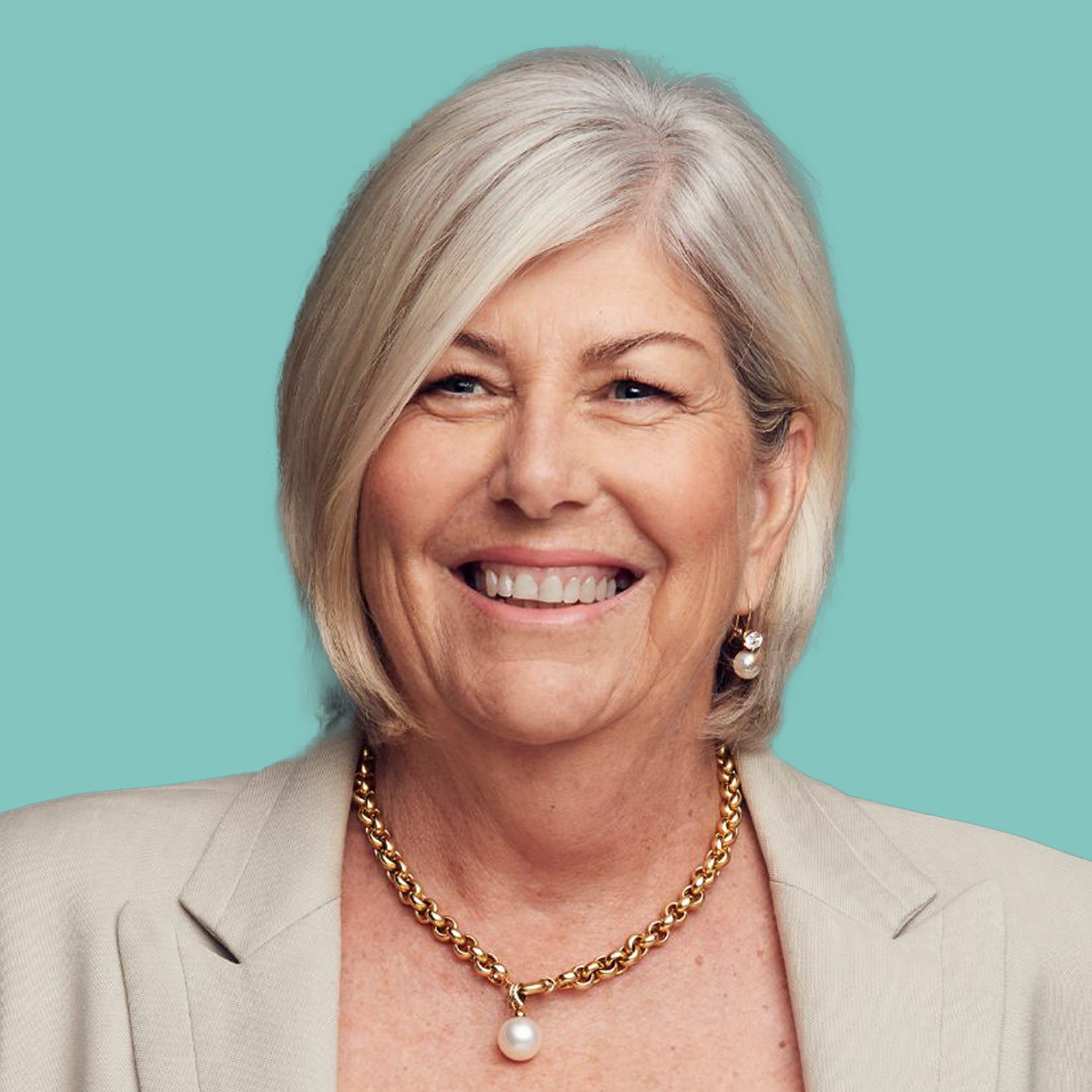
Peggy Flannery is a principal of the Flannery Foundation, dedicated to helping Australia’s most vulnerable people, including those who are experiencing homelessness, and women and children who have experienced abuse. She is the founder of Peggy’s Place, a safe place that helps families who have experienced domestic and family violence and transitioned through the refuge system to rebuild their lives.
She is also managing director of the property company KTQ Group, and she has served as a director and part-owner of aged care and childcare centres across Australia.
This piece was first published by She Gives. The original is here.
Posted on 07 Oct 2026
Joseph Friedman is co-founder and publisher of About Time, Australia’s only newspaper for…
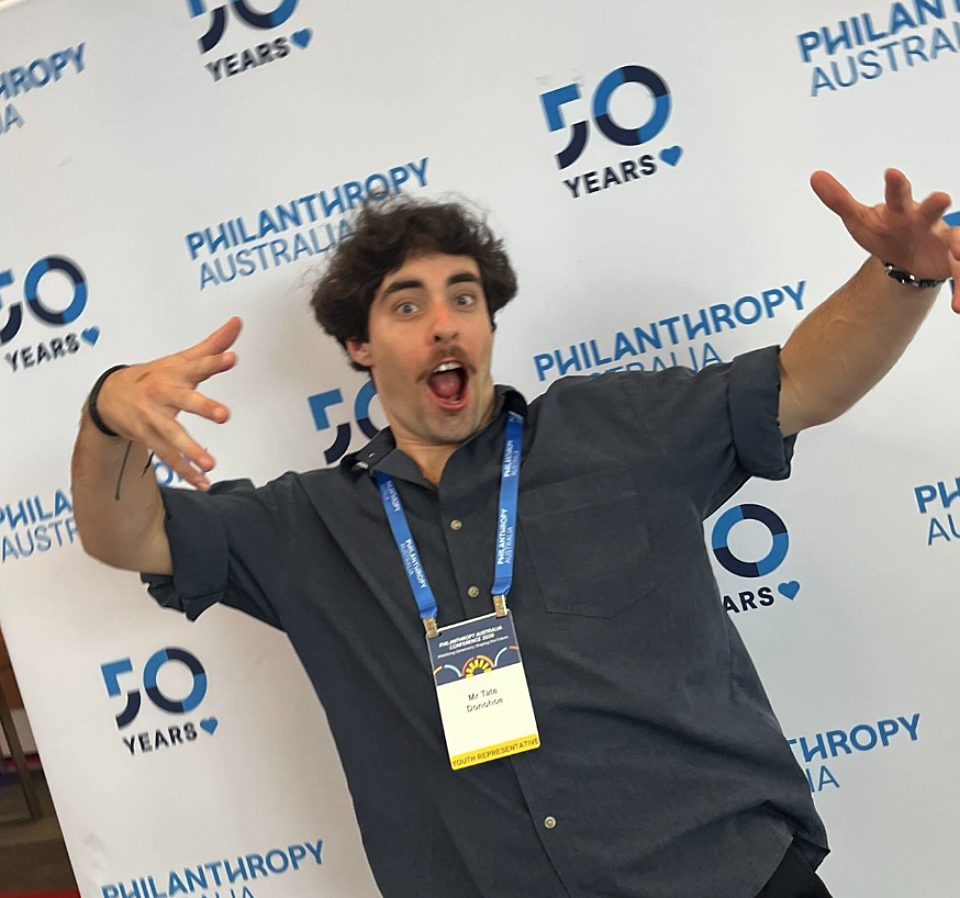
Posted on 30 Sep 2026
At 21 years old, Tate Donohoe is the founder of Ecodia, an AI-assisted software development company…
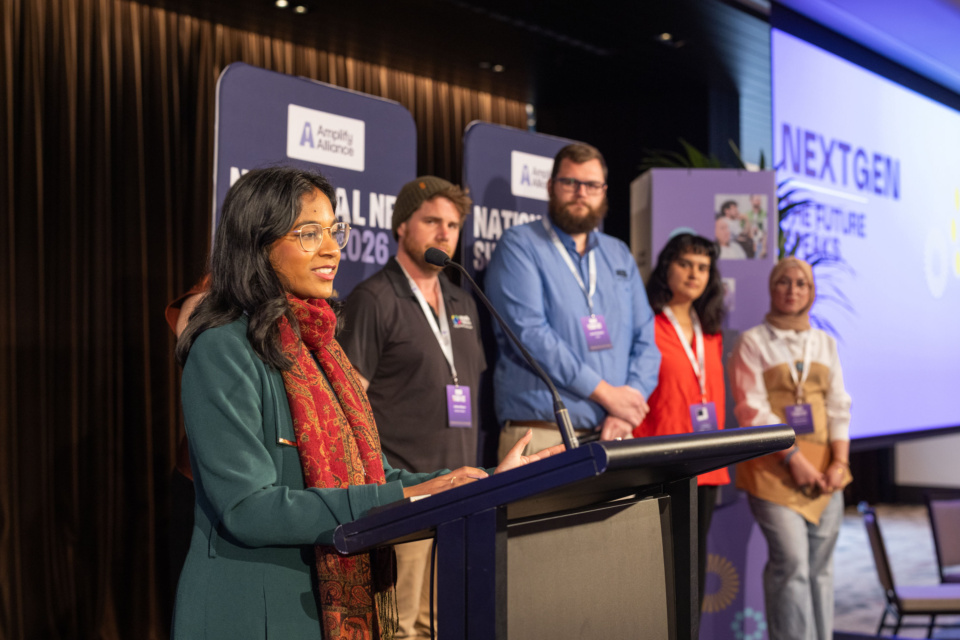
Posted on 02 Sep 2026
At last week’s Amplify Alliance National NFP Summit, Satara Uthayakumaran, 23, brought the voices…
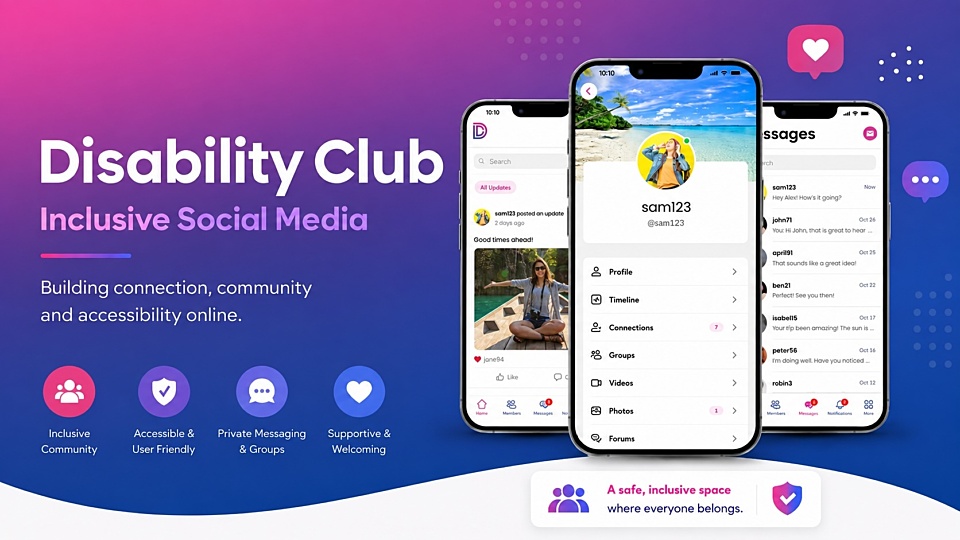
Posted on 26 Aug 2026
Nathan Johnston lives in Bega, NSW, and lives with cerebral palsy. He’s the creator of Disability…
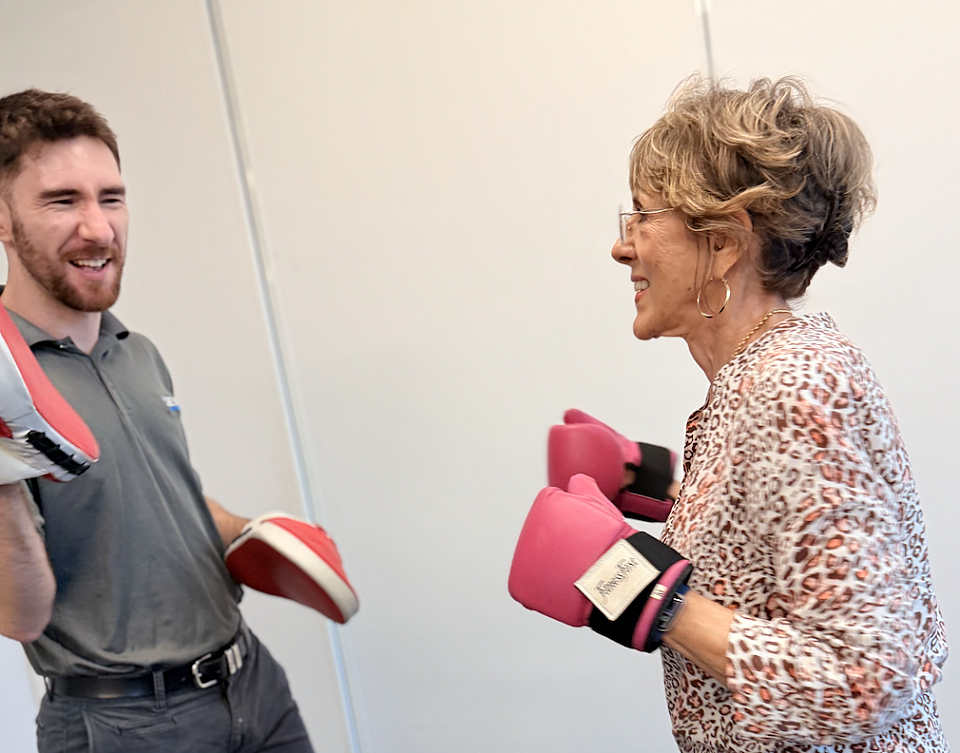
Posted on 19 Aug 2026
Coralie Wales is the founder of Strong Australia, an ACNC-registered health promotion charity that…
Posted on 08 Jul 2026
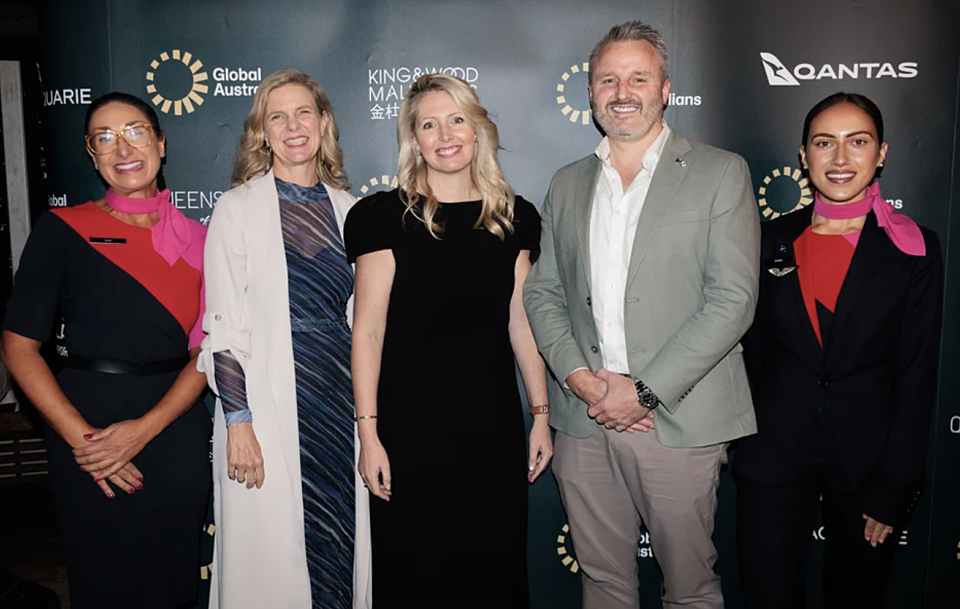
Kate McQuestin is CEO of Global Australians, a not-for-profit aimed at connecting Australians…
Posted on 30 Jun 2026
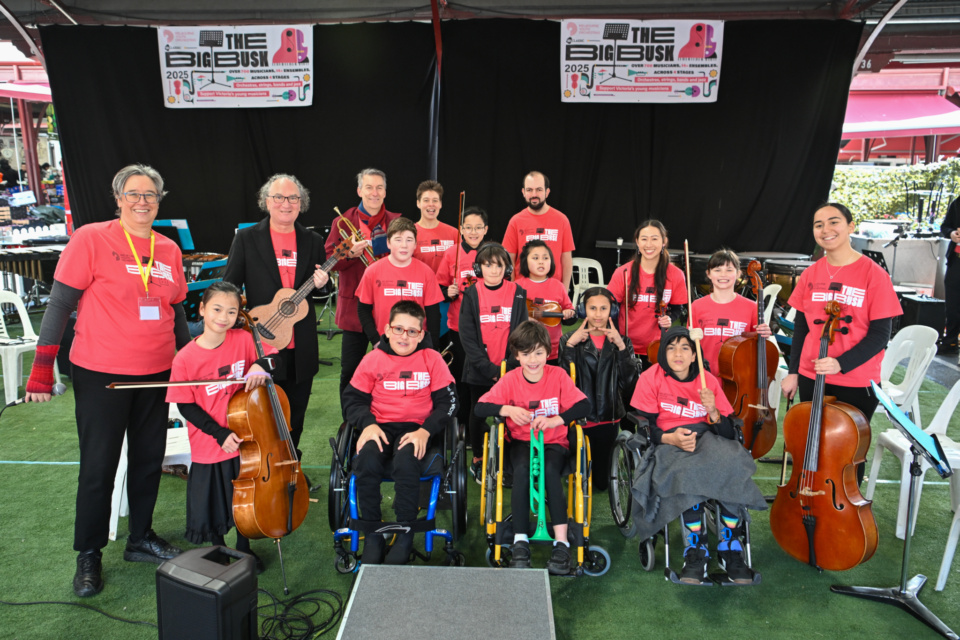
Anthea Skinner is a musicologist, a senior lecturer in disability creative performance at the…

Posted on 24 Jun 2026
Lizzie Mettam manages corporate partnerships for DV Safe Phone, an organisation that provides…
Posted on 17 Jun 2026
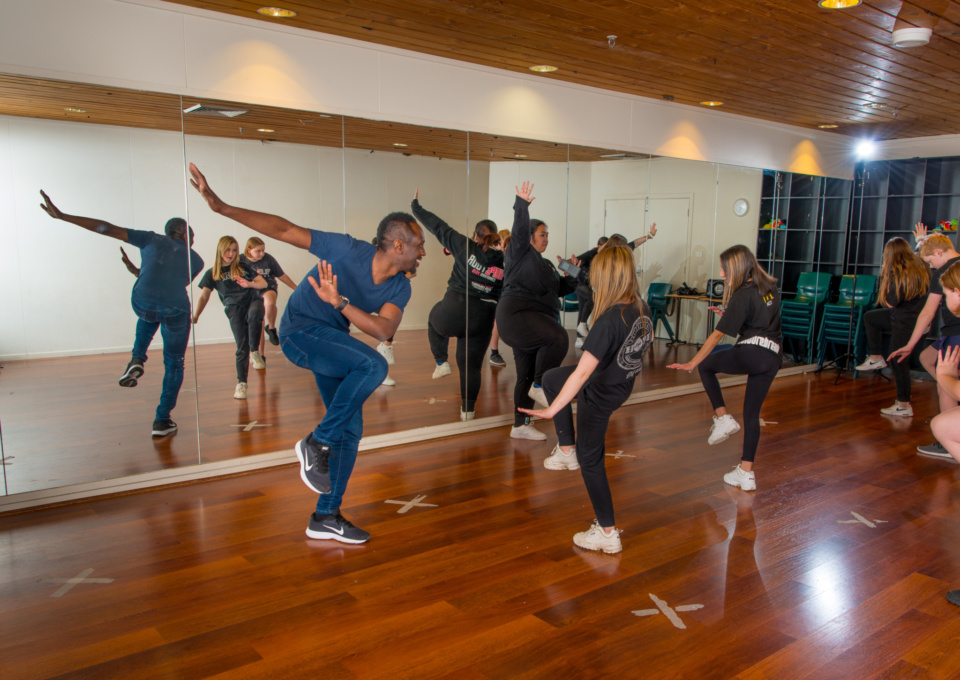
Francis Owusu is the founder of Kulture Break, a charity that helps young people build confidence,…
Posted on 10 Jun 2026
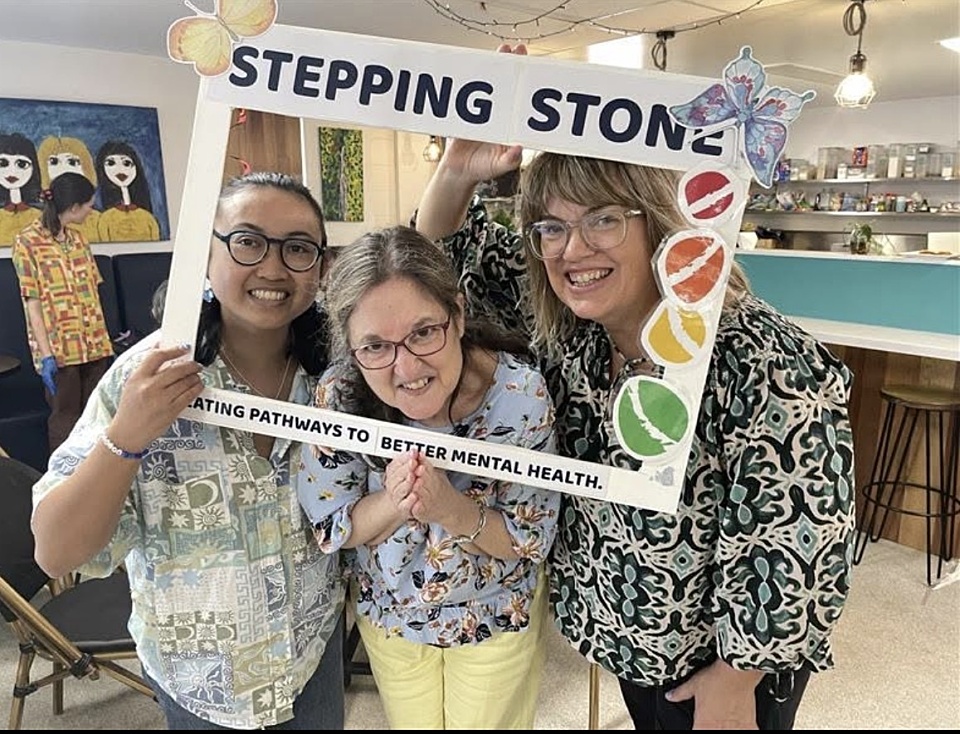
Melanie Sennett is the chief executive officer of Stepping Stone Clubhouse, a Brisbane charity that…
Posted on 03 Jun 2026
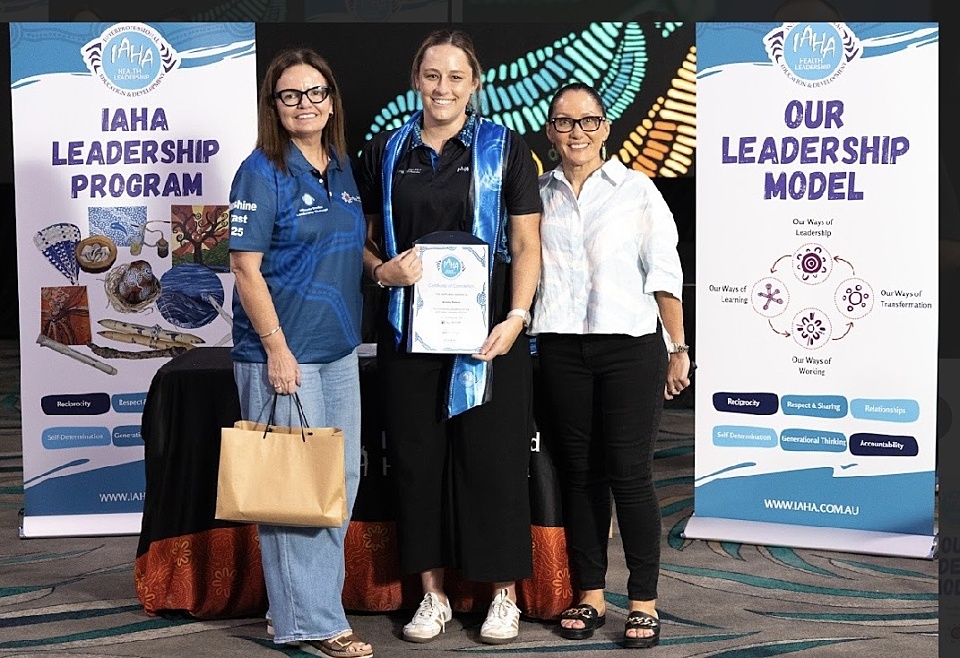
Kristy Petrie is a paediatric physiotherapist and proud Gooreng Gooreng woman who sits on the…
Posted on 27 May 2026
Maria Owen is the CEO of ImpactLab, a New Zealand social enterprise that analyses data for…