
From passion project to a national prison newspaper, speaking to and for those doing time
Posted on 07 Oct 2026
Joseph Friedman is co-founder and publisher of About Time, Australia’s only newspaper for…
Posted on 15 Apr 2026
By Nick Place, journalist, Community Directors
When Dr Virginia Saxton teaches young radiology registrars, they don’t have to pay for the course. But they do need to donate to a designated charity. It’s what Dr Saxton calls ‘philanthropic enrolment’, and it is her way of getting young medicos to think outside the box that is the hospital.
When doctors are training it is normal that they pay for any teaching course they go on. The money may cover some costs but mostly it goes to the doctor or team running the event. Philanthropic enrolment is a simple shift from that. Instead of charging a course fee that participants pay to me, I ask them to make a direct donation to a specific charity (of my choosing) as their enrolment. They then send me the receipt, and that’s what secures their place on the course. As I do the teaching online my costs are minimal.
It means the money doesn’t pass through me at all - it goes straight to the charity doing the work, and it subtly reframes the whole experience. It is a reminder that our work as doctors, helping others, can go much further than simply the hospital we are working in.
At first, there’s usually a bit of surprise. It’s not what people expect.
But very quickly that turns into enthusiasm. These are highly motivated registrars, they’re not resistant to helping others in need. In fact, many of them say it’s the best they have ever felt when signing up for a medical conference. Others will sometimes give more than I ask as they like the charity and have a generous heart. Once the exam is done and passed, it is certainly one of the things that lingers in their memory.
And occasionally, it leads to something deeper. One registrar came up to me after a session and said she’d started sponsoring two children after being introduced to the work of that charity through signing up for the course. Those moments stay with you.
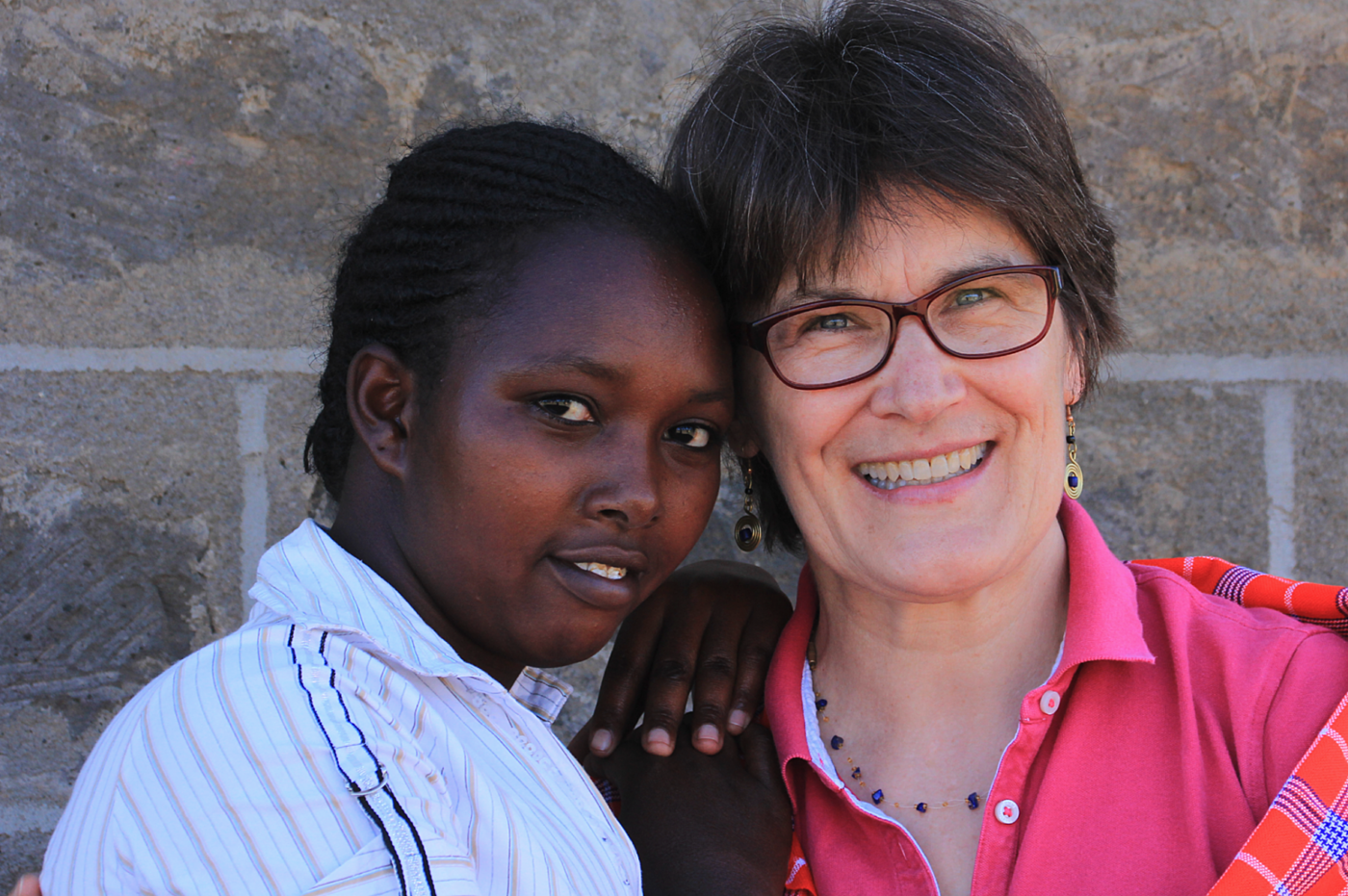
I was particularly thrilled when one Kenyan international medical graduate came on the course and was very challenged by the fact I was helping pay for the medical school fees for a medical student in Kenya, her own country. So, she contacted her father in Kenya and found a teenage girl who couldn’t afford to go to secondary school, and she is now paying for them to go to school. That gave me great joy.
There are three main reasons. Firstly, this way the charity gets more money. If I took the money, paid tax and then gave it to the charity they would only get about half of what they get this way.
Secondly, it’s about transparency. This way the trainees know exactly where their money has gone, whereas if I said I was giving it to the charity after the course was over, they would have no means of knowing if I had kept my word.
Thirdly, by donating directly to the charity they get to read about what the charity is doing and the needs that are present in the world. Many live in something of a high-pressure bubble and this takes them outside that and helps them engage with something well beyond the hospital walls.
“I give away my time and expertise because I want the next generation of doctors to do more than just pass exams. I want them to be people who carry a sense of ‘outward focus’.”
They email me the receipt from the charity, and that’s what confirms their enrolment.
It’s a simple system, but it also ensures transparency. The funds go directly where they’re intended, and everyone understands how the process works from the outset.
I occasionally let a very late registrant in without seeing the receipt (usually somebody who emails me an hour before the course starts) and I trust they will donate afterwards. And a couple of times I have let a trainee attend for free or for a reduced donation when I know of their own financial difficulties.
As a senior clinician I am trying to role model generosity for them. Many comment on the fact I have given up my time to teach them (let alone all the preparation it involves) as well as not take the money for myself.
My hope is that it helps them see that the skills and privileges we gain in medicine aren’t just for ourselves, they can be used to benefit others. It’s very easy in medicine to become completely focused on exams, careers and performance. Those things matter, but they’re not the whole picture. I give away my time and expertise because I want the next generation of doctors to do more than just pass exams. I want them to be people who carry a sense of “outward focus” and generosity into their work and life.
After all some things in life are best caught, not taught. Over the years a number have told me they would love to do the same if they are ever in a position to do so. I hope they can and do!
I support three charities this way.
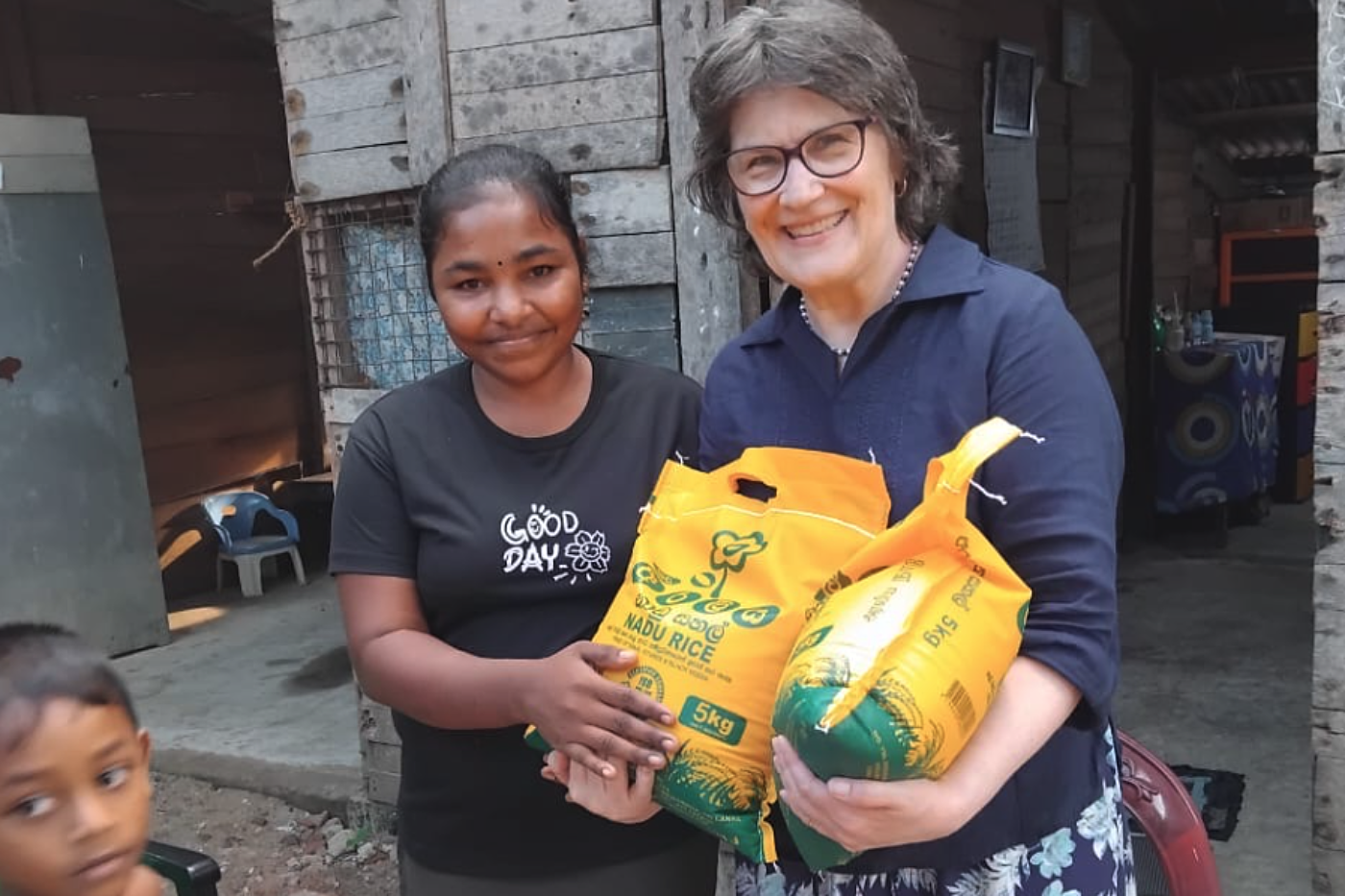
Compassion Australia’s Mums and Babies Program felt like a natural fit given my work in a maternity hospital.
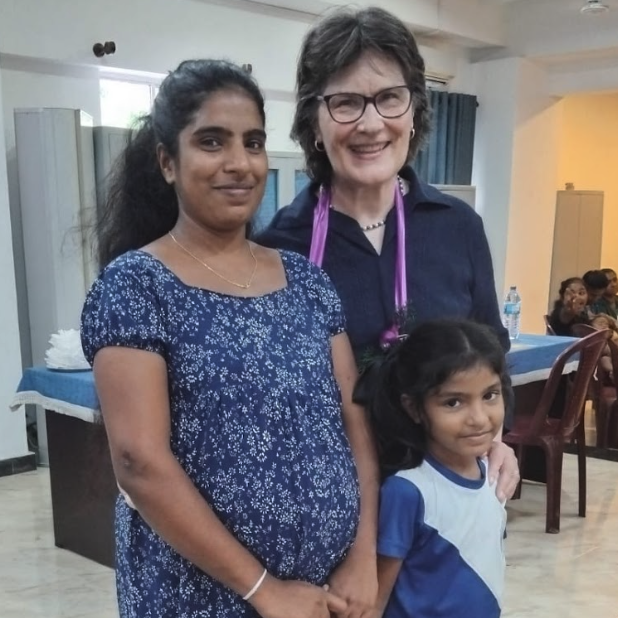
It’s essentially the global front line of what we do at The Mercy Hospital with our obstetrics and neonatal care. I’ve visited the program centre I support in Chilaw, Sri Lanka, and saw firsthand the realities that impoverished young mothers face there.
It’s a very different context to a modern Australian hospital. Many of the women are managing pregnancy and early motherhood with very limited resources, fetching water by hand, living in homes vulnerable to flooding, and with little access to consistent healthcare.
The program provides practical support, education and care for some of the most vulnerable mothers and babies, delivered through the local church but with strong oversight and structure. Seeing it in person gave me a deep confidence in the work, their financial integrity and that’s something I can pass on to the registrars as well.
The Kivulini Maternity Hospital in Arusha, Tanzania does similar work supporting the poorest of the poor with good antenatal care and a safe delivery. They also do amazing work repairing fistulae in women who have had previous long, difficult deliveries. I have visited the hospital and am thrilled I can support them this way as well.
The third charity is Mully Children’s Family in Kenya. This orphanage also provides schooling for the 1000-plus children in their care and sometimes one or two do well enough to get in for medicine. So, I use my teaching course to pay for their medical school fees which is an expense that is super hard for the orphanage to fund. This has the added benefit of reminding the trainees just how blessed they are to have had an education and what a privilege it is to be sitting the radiology exams. It widens their perspective which is very helpful.
Yes, very much so, but I’d describe it as an indirect form of education.
Many registrars have had little exposure to global poverty or to the realities faced by communities outside Australia. By connecting their training to these organisations, it offers a glimpse into that wider context. And as I said it also reminds them of their own professional privilege.
What I’ve found is that this aspect of the course is often what stays with them. The technical learning is important, but the charitable component has a different kind of resonance. A friend of mine was on holiday in Bali and met a radiologist there. She mentioned she knew me and although I didn’t personally know him, his comment was that he had come on one of my courses and it was “amazing that she gives all that money away”. I was so encouraged to hear that.
Some of the doctors go on to give in their own way. Others simply carry a broader perspective into their careers. Either way, it helps anchor their work in something beyond the immediate pressures of the job.
Posted on 07 Oct 2026
Joseph Friedman is co-founder and publisher of About Time, Australia’s only newspaper for…
Posted on 02 Sep 2026
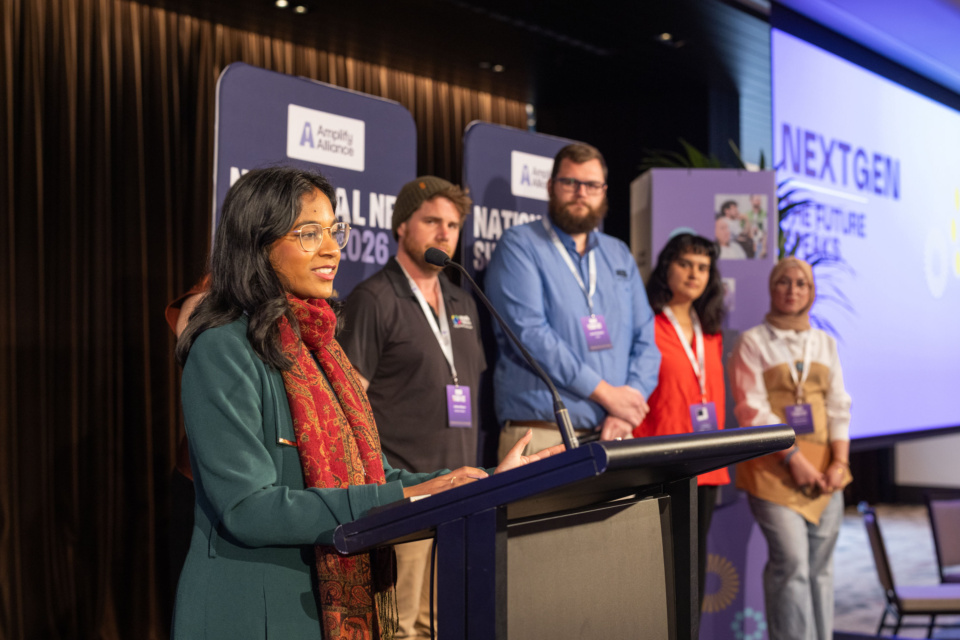
At last week’s Amplify Alliance National NFP Summit, Satara Uthayakumaran, 23, brought the voices…
Posted on 26 Aug 2026
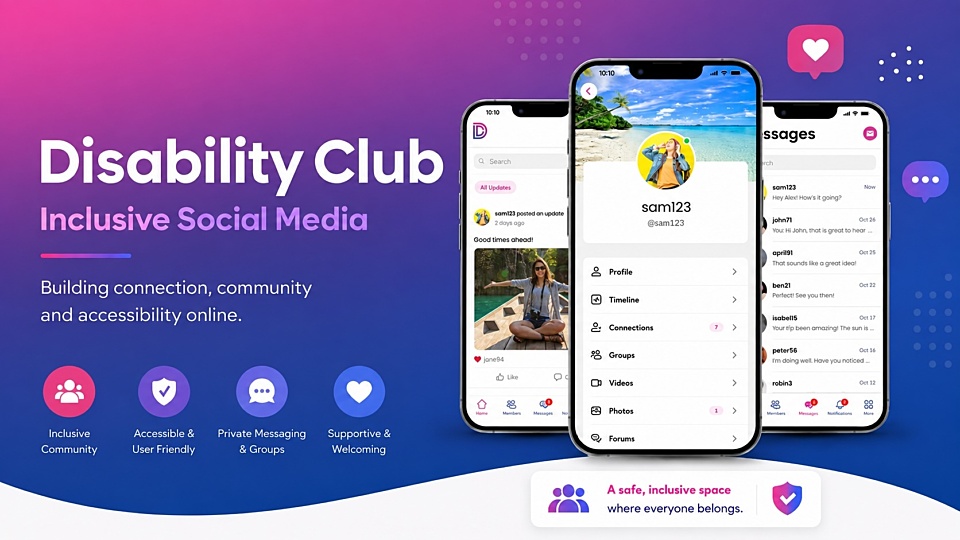
Nathan Johnston lives in Bega, NSW, and lives with cerebral palsy. He’s the creator of Disability…
Posted on 19 Aug 2026
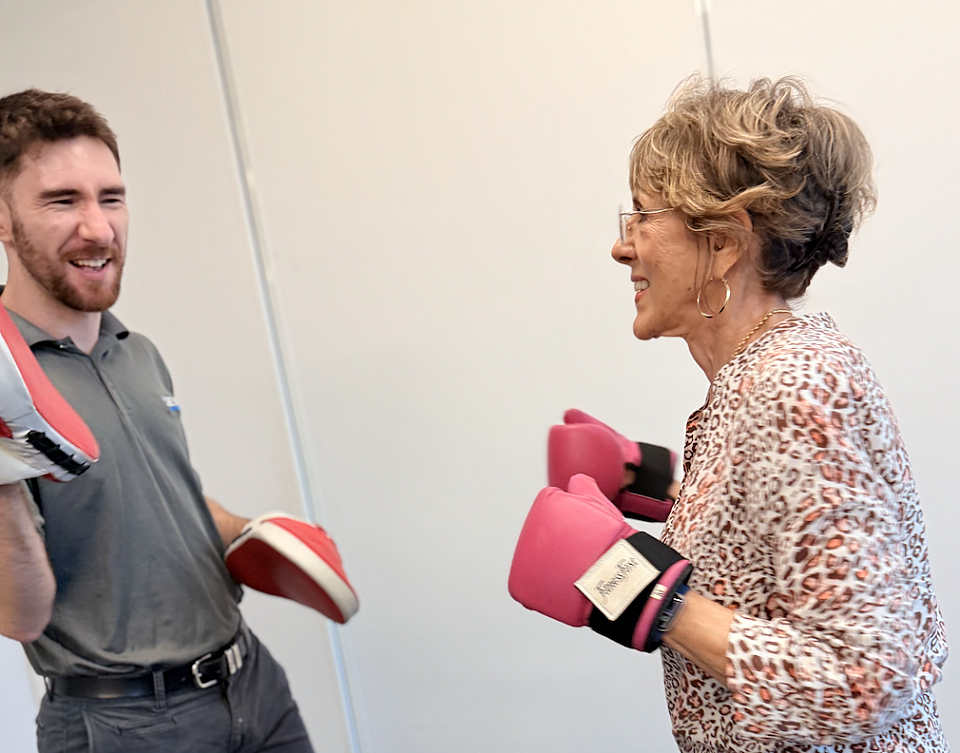
Coralie Wales is the founder of Strong Australia, an ACNC-registered health promotion charity that…
Posted on 08 Jul 2026
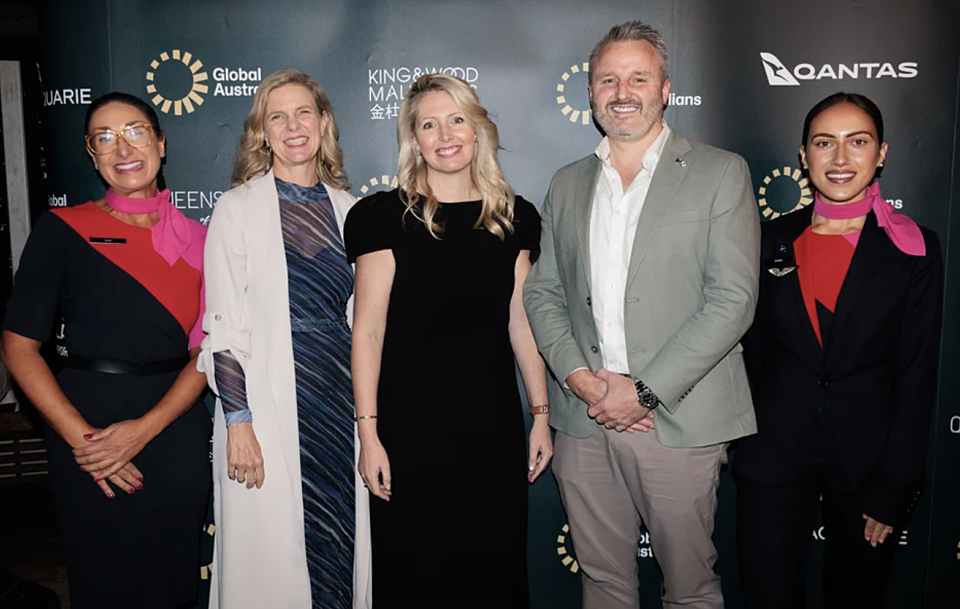
Kate McQuestin is CEO of Global Australians, a not-for-profit aimed at connecting Australians…
Posted on 30 Jun 2026
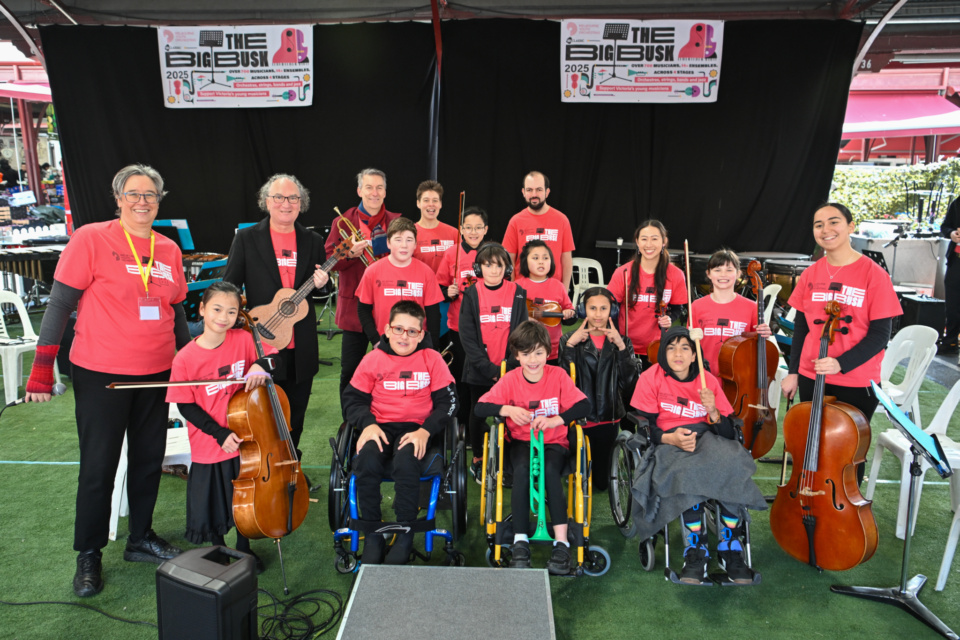
Anthea Skinner is a musicologist, a senior lecturer in disability creative performance at the…

Posted on 24 Jun 2026
Lizzie Mettam manages corporate partnerships for DV Safe Phone, an organisation that provides…
Posted on 17 Jun 2026
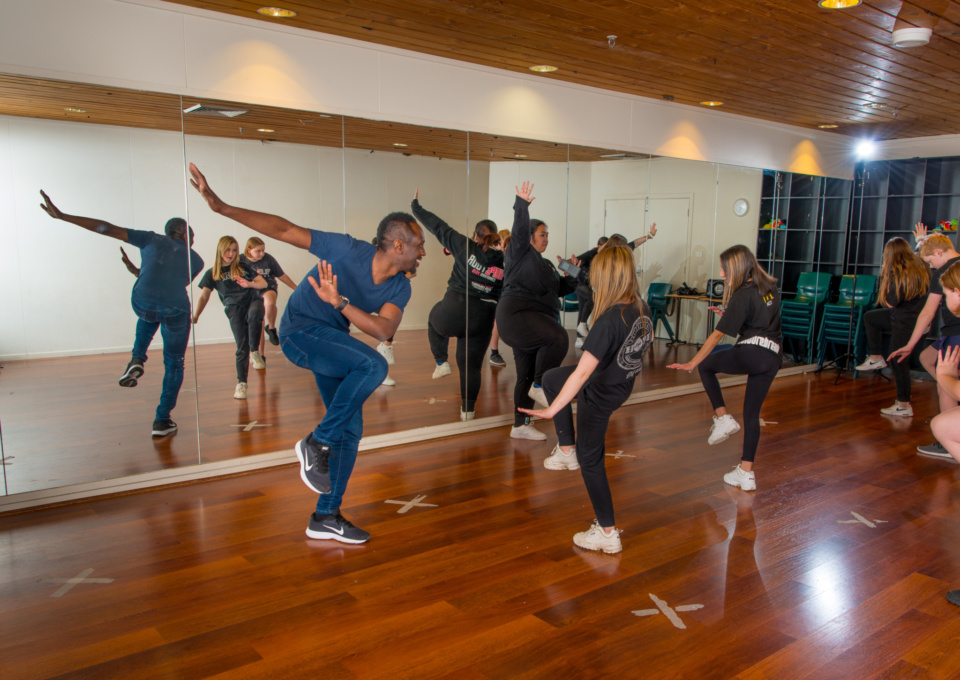
Francis Owusu is the founder of Kulture Break, a charity that helps young people build confidence,…
Posted on 10 Jun 2026
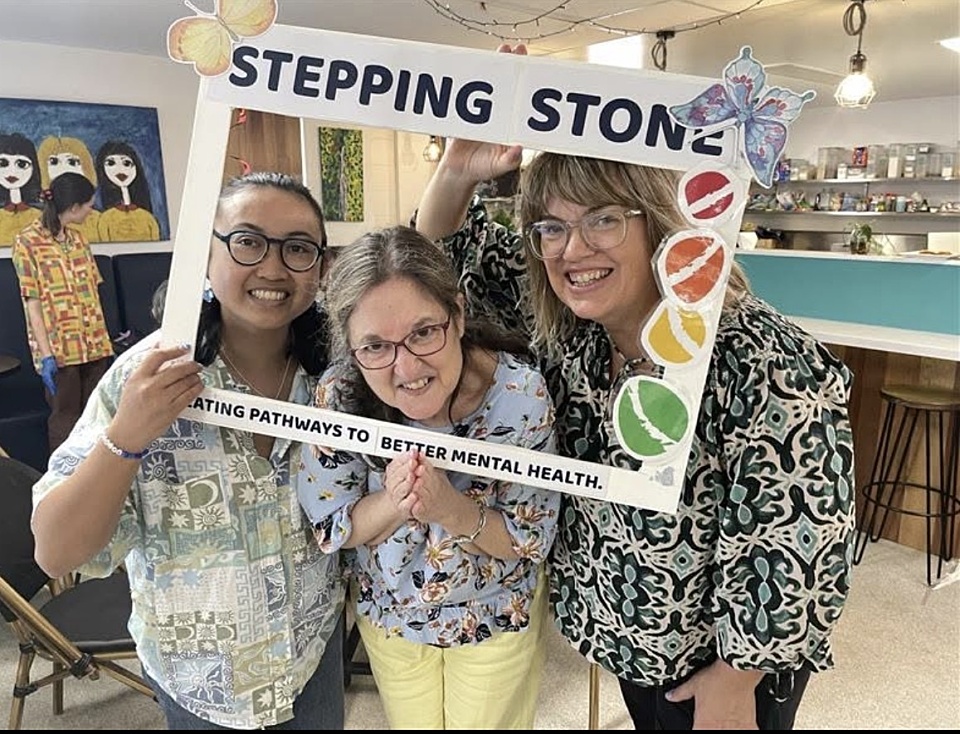
Melanie Sennett is the chief executive officer of Stepping Stone Clubhouse, a Brisbane charity that…
Posted on 03 Jun 2026
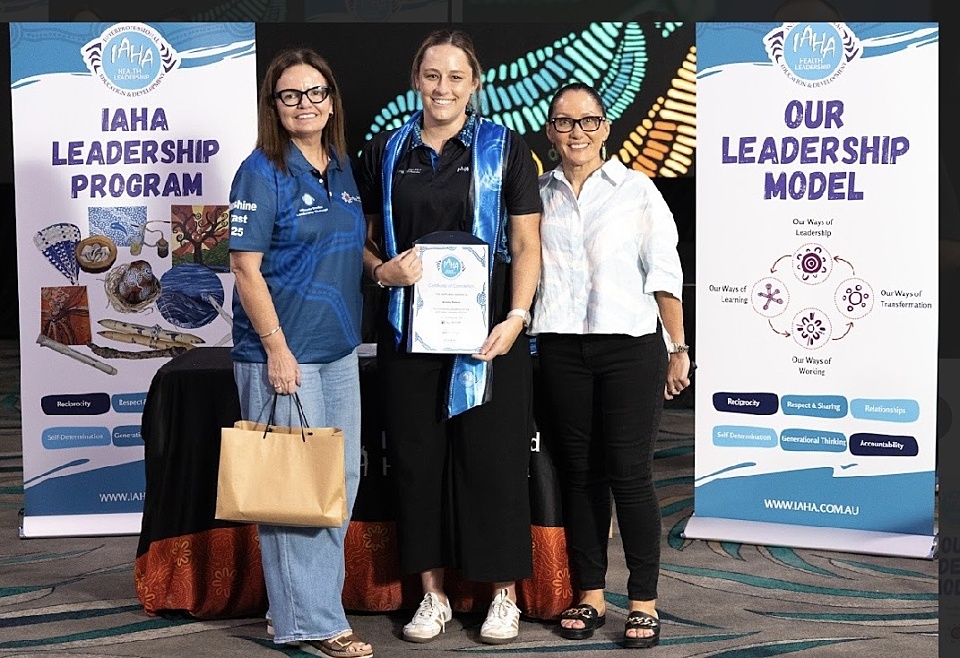
Kristy Petrie is a paediatric physiotherapist and proud Gooreng Gooreng woman who sits on the…

Posted on 27 May 2026
Maria Owen is the CEO of ImpactLab, a New Zealand social enterprise that analyses data for…

Posted on 20 May 2026
After a long corporate fashion career, Karina Bruce is the CEO of Dress for Success, the Victorian…