Why Carol Webb took a while to even realise she was a carer
Posted on 14 Oct 2026
Carers Victoria is holding an event this afternoon (October 14) during National Carers Week to…
Posted on 06 May 2026
By Nick Place, journalist, Community Directors
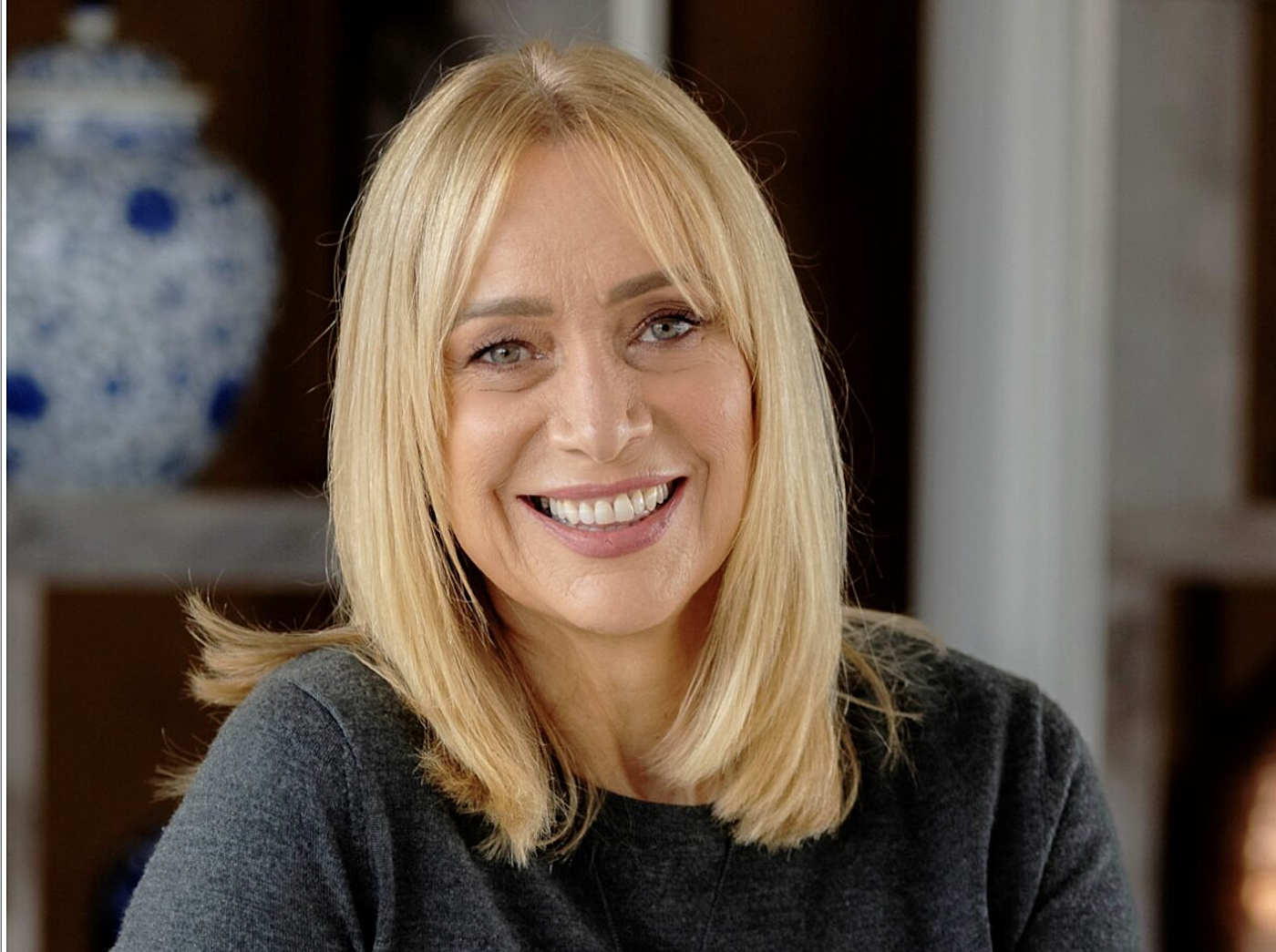
New Zealand media identity Alison Mau has been a leading voice in the country’s Me Too movement, and her memoir No Words for This told of her own experience of sexual abuse by her father. Now, as co-founder of Tika, she’s helping survivors of sexual violence, harassment and abuse to report abuse. We spoke to her in Melbourne at the Women Deliver conference.
I was working on radio in 2017 when the Harvey Weinstein revelations came out, and I was interviewing Tracey Spicer who I used to work with at Channel Nine in Australia a gazillion years before. She had created a journalism project to investigate workplace harassment, going after big names, mainly in the media, film and music industries. She said to me after the interview that I should do this in New Zealand. I faffed about for a while until February 2018 when the first big Me Too story broke, about some awful behaviour in the biggest law firm in New Zealand. That was the breaking point for me. I went to the owner of Stuff, the oddly named but largest news organisation in New Zealand, and asked whether she would support me in setting up an investigative journalism project. We called it MeTooNZ and I went at it for five years and broke some big stories. Some people lost their jobs, in academia, universities, private schools, corporates, and we also conducted a big investigation into the music industry in NZ.
I’m really proud that through that project I changed the way sexual violence is reported in New Zealand because there were no guard rails, including in caring for survivors.
Some individual journalists were good but there was no general understanding of trauma-informed reporting. Now there is.
My co-founder in the Tika project, Zoë Lawton, is a brilliant lawyer. While I was doing my journalism, she’d been working to surface survivor stories in the legal industry after the first story in the law firm. We had a cup of coffee and realised all our work had not moved the needle. Only seven or eight per cent of people who had been assaulted, harassed or abused ever reported it to any official channel, police or authority.
We looked at the barriers, which surprisingly started with a lot of people not realising that what had happened to them was actually a criminal act. Plus, they were stopped by shame or self-blame, unwarranted of course. Also, the huge fear of not being believed, and a reluctancy to step into a legal space unsupported. We started talking about how to remove all those barriers, so people felt safe and supported.
At its heart, Tika is a tech start-up. We’re offering a totally secure, private online space for survivors of sexual harassment or sexual violence to register and then tell us their experience, and the name of the perpetrator. From the moment they register, they are under client-lawyer privilege. Once they lodge their story, our large language model goes looking to see if anybody else has named the same perpetrator.
It’s crucial that Tika is independent and known to be so. Many groups, including Indigenous communities, LBGTIQA+ people, migrant communities, don’t necessarily trust the police or the government. It’s also designed for survivor-care in reporting. Currently, in New Zealand, you need to phone the police or walk into a police station. We have created what’s called an alternative reporting option.
Once three or more survivors nominate a perpetrator – which the experts tell us is the moment a case has more chance of being prosecuted and potentially succeeding – the system surfaces the case to a human lawyer who provides independent legal advice to each individual – not together, because we don’t want accusations of collaboration. What happens from here is led by survivors. Some might want to press for charges, some might want to lodge a civil case, seeking an admission of guilt and damages. We can help them go to the Teaching Council or the Medical Council, or other professional disciplinary groups.
Some might just want an apology or an acknowledgement of what happened, and restorative justice is an emerging option. If the perpetrator is a family member, not everybody wants to necessarily see them in jail. You might prefer to receive an apology and discuss what accountability looks like within that group.
Alternative pathways are really important, and I think some groups will decide not to do anything; just to meet and support each other with facilitated counselling sessions.
The important thing is that it must be the survivor’s choice because when a survivor goes into the justice system, what happens immediately is their agency is immediately taken away. The police are now in charge and they decide what happens next, they decide what charges are taken forward. You just become a witness.
“We’re looking for disruption and systems change. Not a lot of grassroots NGOs get an opportunity to do that, but I think we have that opportunity.”
We haven’t launched yet, so I can only talk about what we’re hoping to achieve. We have been able to build Tika thanks to $2 million we received as seed funding from the Clare Foundation. That funding is generous and very fortunate because less than one per cent of contestable funding in New Zealand is targeted to domestic and sexual violence.
In terms of potential outcomes, on a personal level, I know the one thing so many of the survivors I’ve spoken to have said is: I don’t want what happened to me to happen to others. So, the first thing Tika offers is an opportunity to do something meaningful by reporting the abuse into our system. Even if you stop there and don’t take a single other step with us, you know you’ve done something to keep the community a little bit safer. I think that will be an emotional burden off a lot of survivors.
There’s also the sense of community that comes when you get told that you’re not alone, you’re not the only one. That was huge for me in my personal situation. I hadn’t breathed a word of it for 40 years to anybody, not even my partners. Then when my sister phoned me to tell me her story, I suddenly had community. My life changed. What we’re grasping for here is not just to make a difference in individuals’ lives, although that’s important, but we’re also looking for disruption and systems change. Not a lot of grassroots NGOs get an opportunity to do that, but I think we have that opportunity.
The key part is the police telling us that three or more people reporting the same person is an optimal number for taking a case forward. You get more and better evidence, and it’s no longer one person’s word against another. We hope to see more early guilty pleas, which will save survivors the re-traumatisation of a trial and should free up court time. The conviction rate is currently tiny, but we should get more convictions.
And plus, we will be providing data – because we’re a data project essentially. Our data can inform better funding and better policy decisions.

Not everybody will be into this, and people will be on different points in their healing journey – although I hate that word – and may not feel the need for accountability. But others will. We already have 800 people who have indicated they’re waiting for us to launch. Currently, in New Zealand, there are about 7500 people who report to police every year. A million New Zealanders, out of the five million population, are estimated to have experienced sexual abuse in their lifetime, so we don’t know how many between those two numbers – 7500 and one million – will take this up. Part of my role is making sure the 190 or so counselling services in New Zealand know about us. I think we’ll see some large groups of 10 or 20 survivors come together relatively quickly.

It was weird because I absolutely didn't think about my own situation when I started the Me Too project, because at the time I was suppressing the memories. So, it was a coincidence, but it was it was good because it added a layer to it. I wish I’d known earlier that saying it, bringing it out into the air, for me, in my situation, would be so healing – although it's not the same for everybody. I think sitting down and writing the book, the process of writing that book, was my therapy. I know what the lived experience feels like and I know what survivors are going through, and that’s important. In a project like this, as in any business, you've always got to have your end user in the front of your mind in every decision that you make – and in this space it’s particularly important because we cannot make any decision that doesn’t serve the survivor. They’ve all had a tough enough time, thank you very much. We don’t want to make things worse for them.
Tika is an important kupu or word in Te Reo Māori, the Māori language, and in New Zealand we understand that the Māori language is a taonga, a treasure. You can’t just grab a word in Māori and rip it off to use it for your new clothing company or your newcola-based drink, so we felt we had to seek permission to use it. We went to the Te Taura Whiri i te Reo Māori, which is the Māori Language Commission, and we asked for permission. They said that yes, in this context it means “justice”, or “putting things right”, and that they strongly supported us using it as our name. So that's what “Tika” means: justice. It’s a perfect word.
The first thing we planned to call this project was the Me Too Collective, but there are a lot of negative associations and a backlash to Me Too these days, which pisses me off, but it is what it is.
We believe what we’ve built is scalable. The Australian government is currently scoping for an alternative reporting option as a result of a big report that was released by the Australian Law Commission, which made several recommendations, but the things that I particularly focus on are that survivors need another way to report, and that independent legal advice is one of the main things that survivors say would make them willing to report, if they had that legal support to understand the process and understand what their options are. The Australian federal government is currently looking for that, and the South Australian and Victorian governments have also stated they are also looking for alternative reporting options. I would say once we’re launched and we’ve got a little bit of momentum, a move into Australia would be sensible.
No Words for This: A Memoir, by Ali Mau, here
Posted on 14 Oct 2026
Carers Victoria is holding an event this afternoon (October 14) during National Carers Week to…
Posted on 07 Oct 2026
Joseph Friedman is co-founder and publisher of About Time, Australia’s only newspaper for…

Posted on 30 Sep 2026
At 21 years old, Tate Donohoe is the founder of Ecodia, an AI-assisted software development company…
Posted on 02 Sep 2026
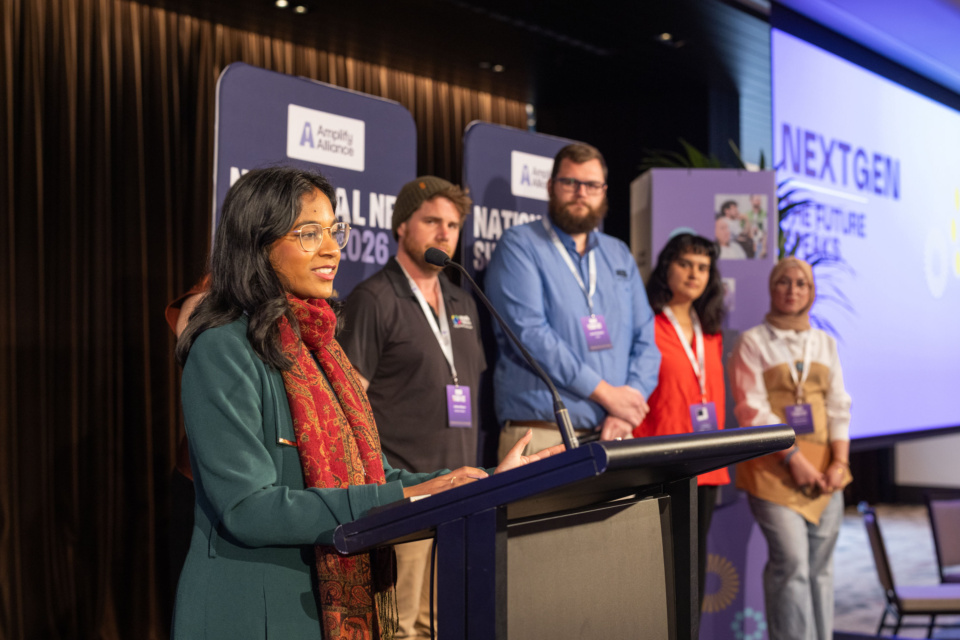
At last week’s Amplify Alliance National NFP Summit, Satara Uthayakumaran, 23, brought the voices…
Posted on 26 Aug 2026
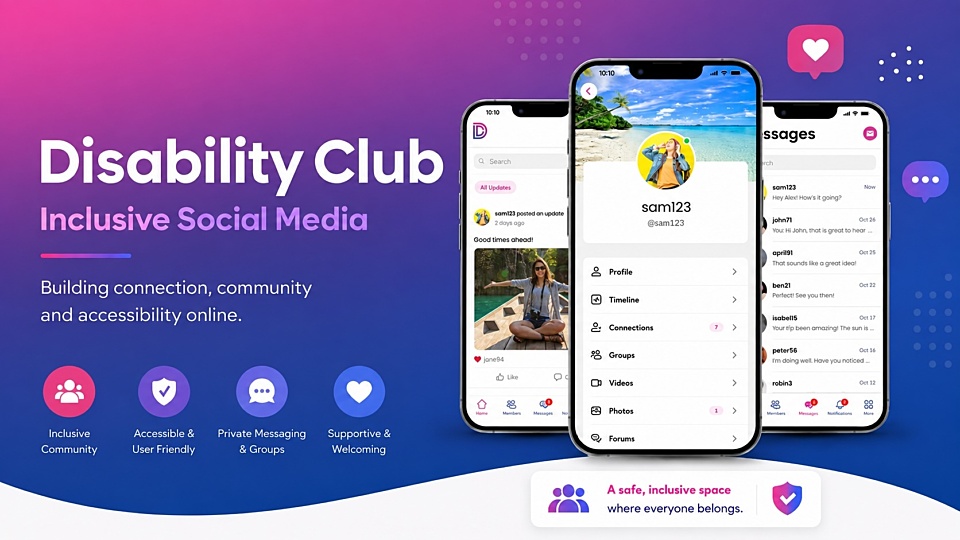
Nathan Johnston lives in Bega, NSW, and lives with cerebral palsy. He’s the creator of Disability…
Posted on 19 Aug 2026
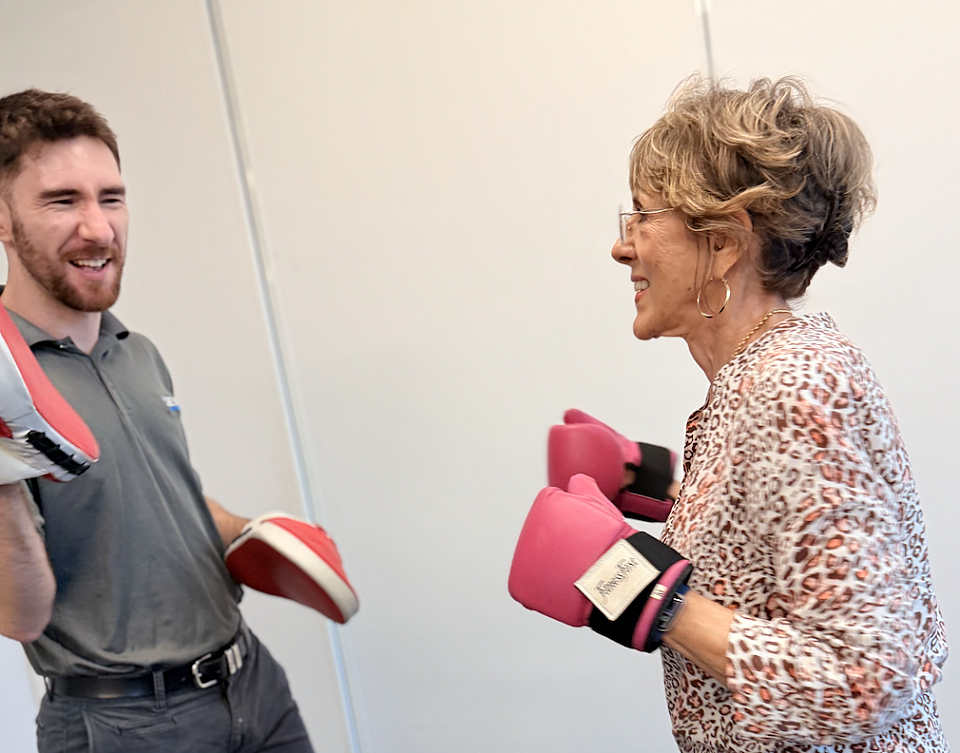
Coralie Wales is the founder of Strong Australia, an ACNC-registered health promotion charity that…
Posted on 08 Jul 2026
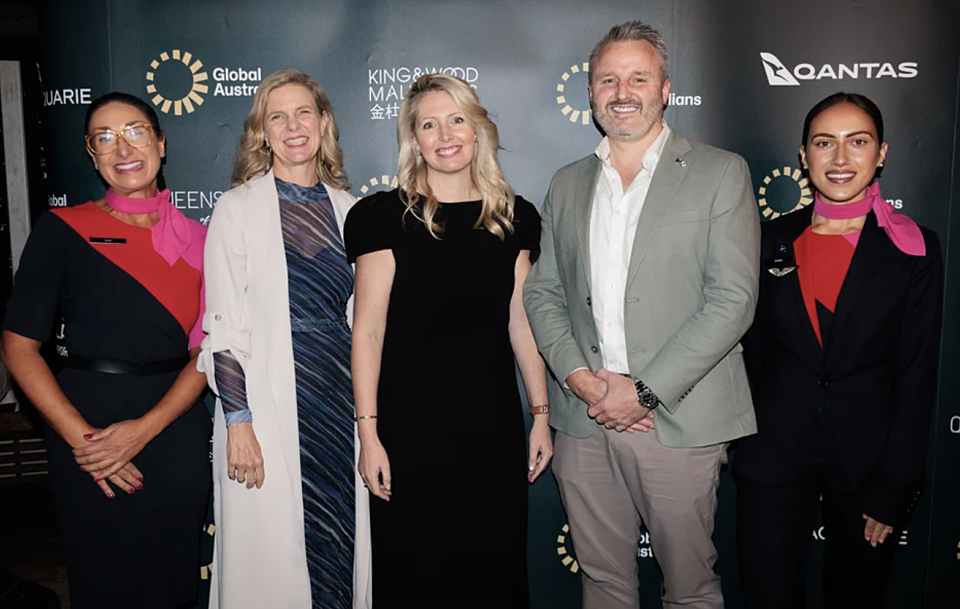
Kate McQuestin is CEO of Global Australians, a not-for-profit aimed at connecting Australians…
Posted on 30 Jun 2026
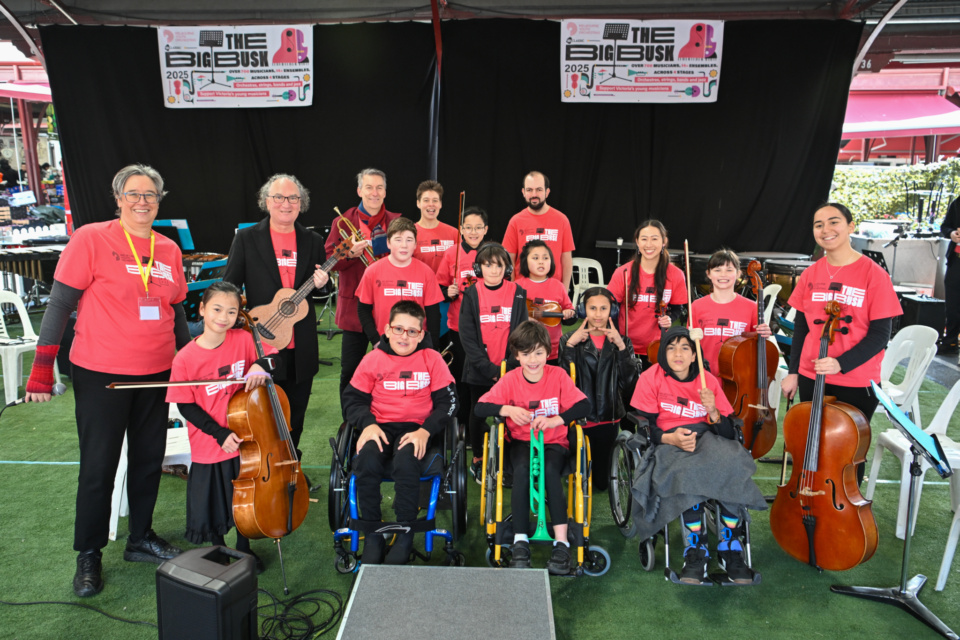
Anthea Skinner is a musicologist, a senior lecturer in disability creative performance at the…

Posted on 24 Jun 2026
Lizzie Mettam manages corporate partnerships for DV Safe Phone, an organisation that provides…
Posted on 17 Jun 2026
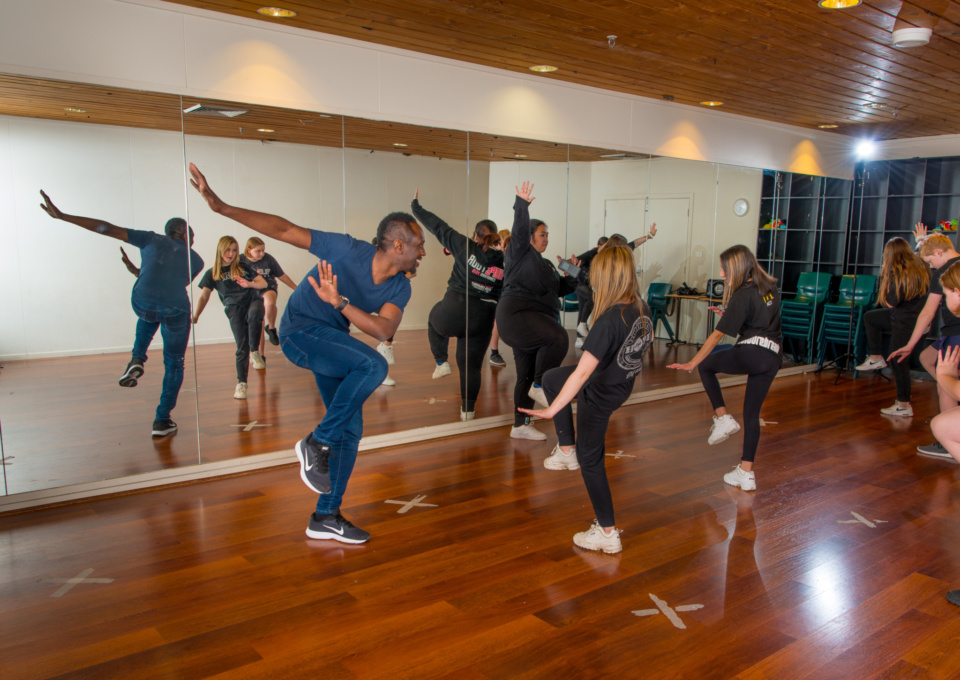
Francis Owusu is the founder of Kulture Break, a charity that helps young people build confidence,…
Posted on 10 Jun 2026
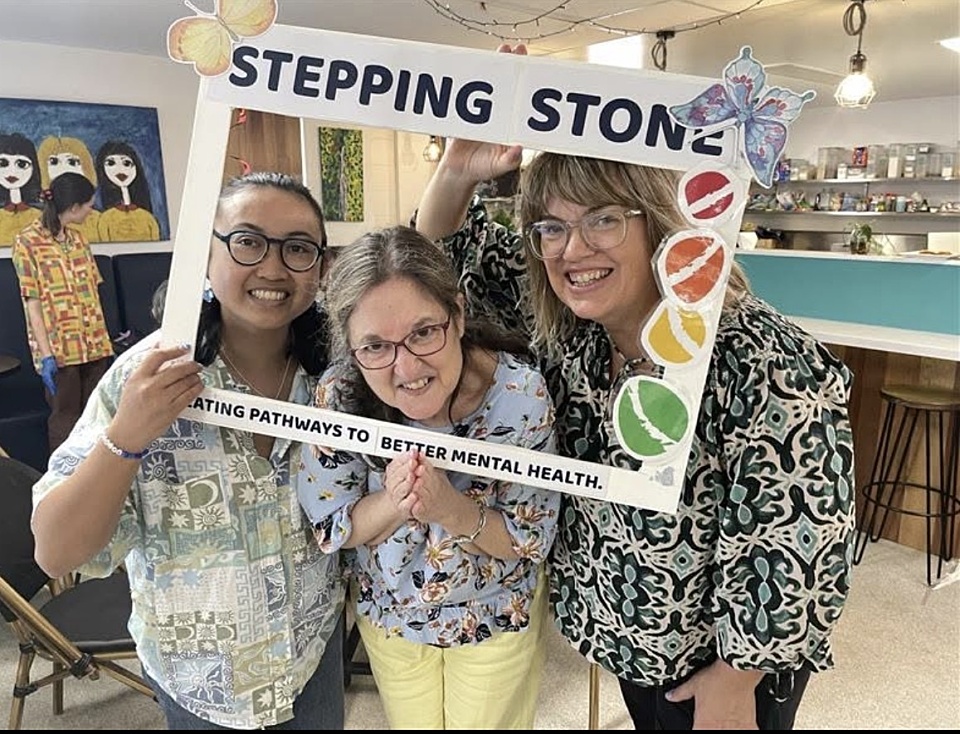
Melanie Sennett is the chief executive officer of Stepping Stone Clubhouse, a Brisbane charity that…
Posted on 03 Jun 2026
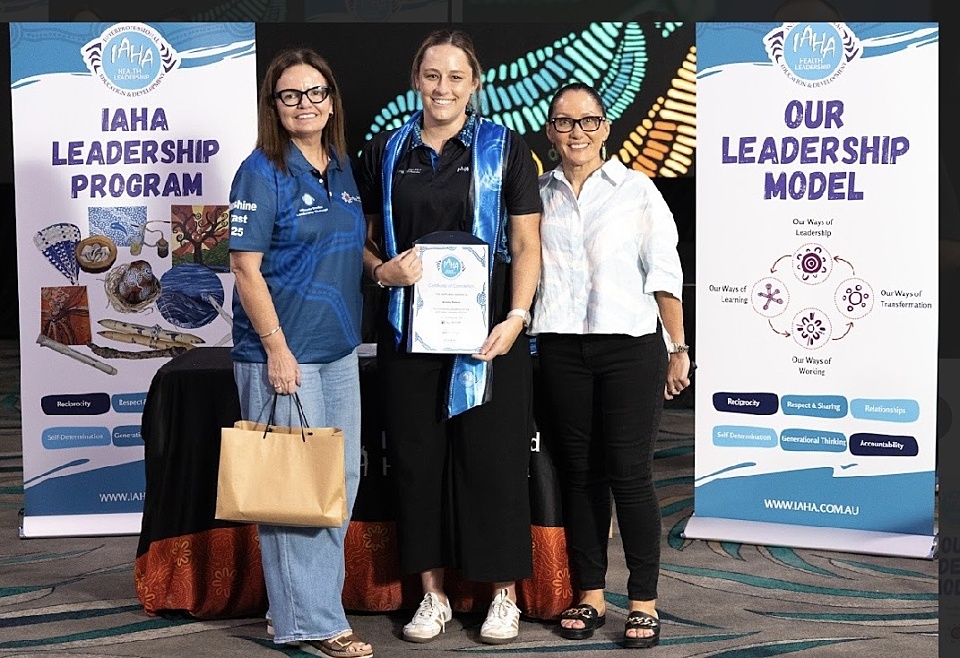
Kristy Petrie is a paediatric physiotherapist and proud Gooreng Gooreng woman who sits on the…