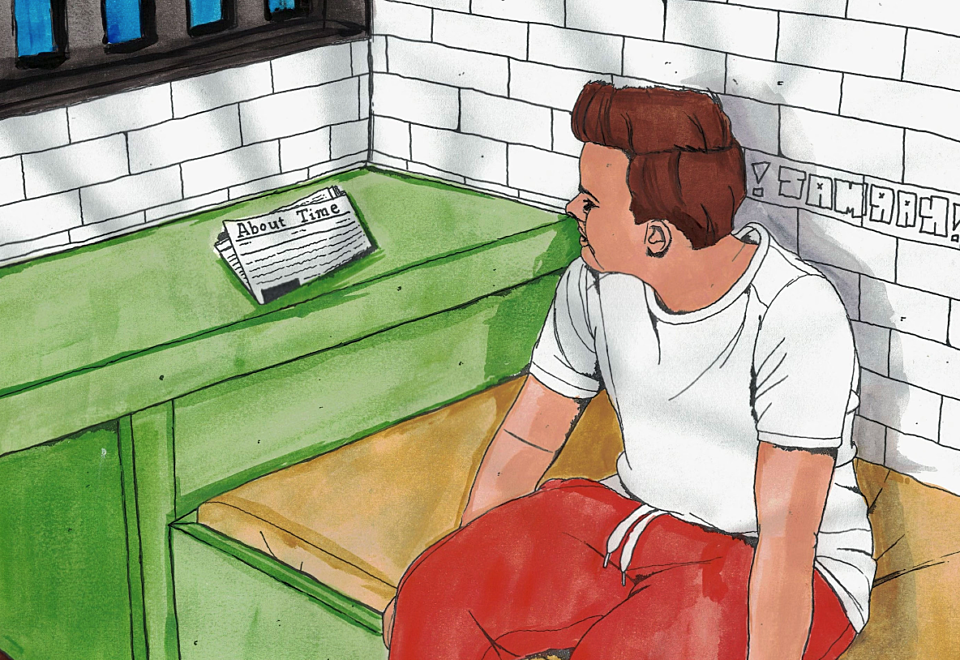
From passion project to a national prison newspaper, speaking to and for those doing time
Posted on 07 Oct 2026
Joseph Friedman is co-founder and publisher of About Time, Australia’s only newspaper for…
Posted on 29 Apr 2026
By Nick Place, journalist, Community Directors
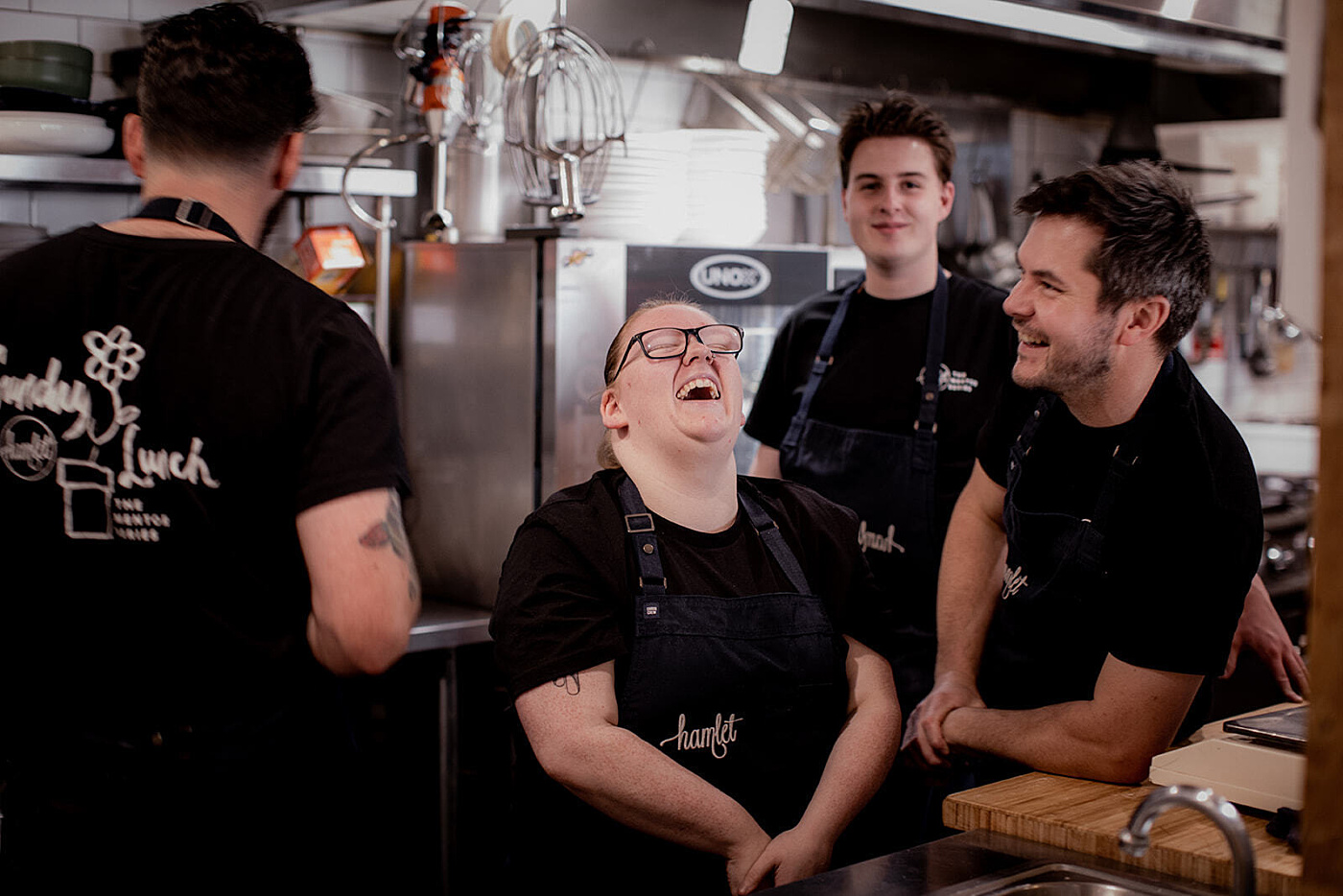
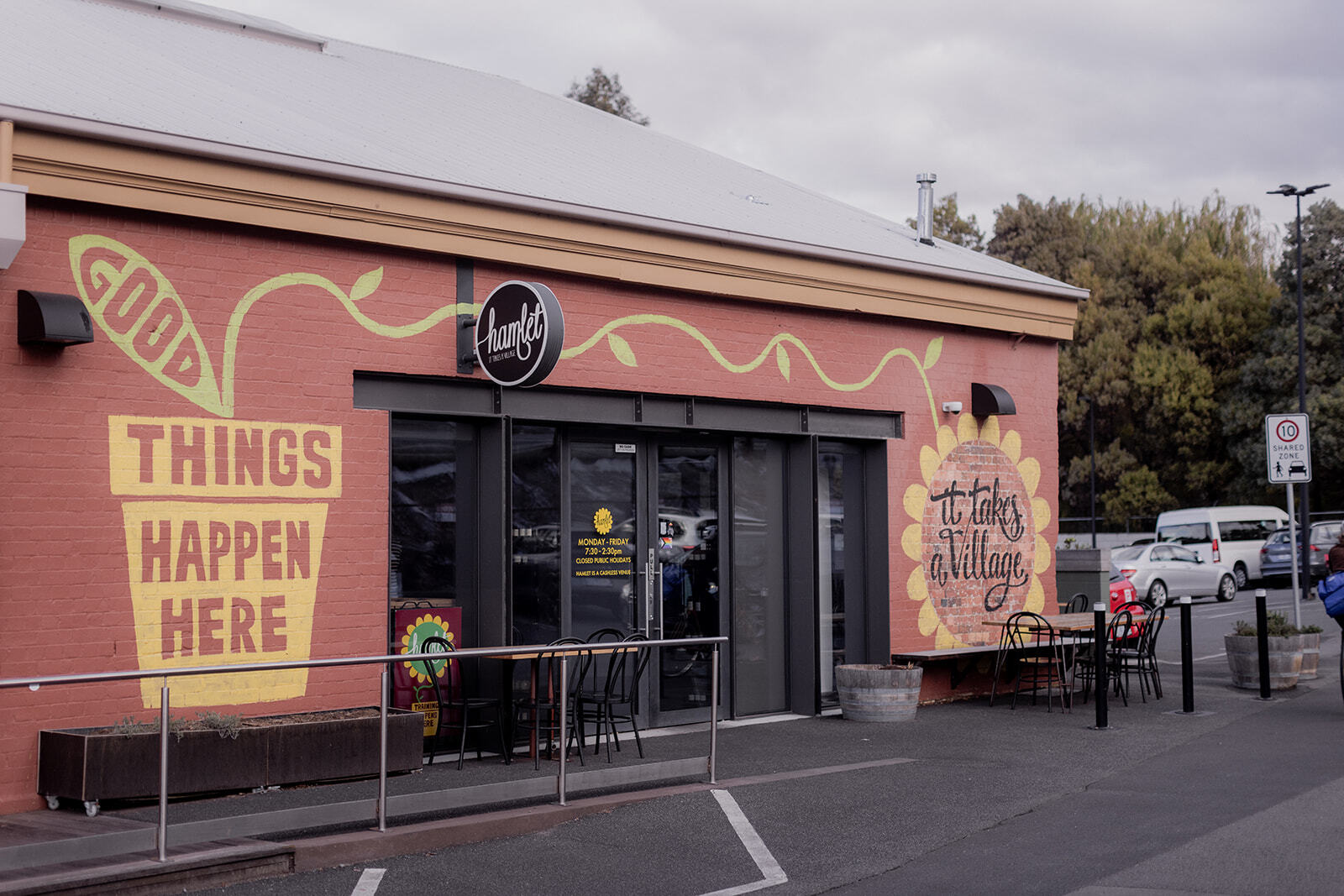
Emily Briffa’s Hamlet cafe in Hobart recently celebrated its 10th anniversary. As well as serving Hobart coffee-lovers, the cafe is a social enterprise, providing inclusive employment and community connection. We spoke to Emily about her decade of impact.
I’m originally from Melbourne, where my brother had a social enterprise, Kinfolk cafe. I worked there for about five years, in the kitchen, finished my apprenticeship and was running the kitchen when I got offered a job in Hobart. I had only been to Tassie once before, to go to MONA, but I was young and naïve and decided to move down. I was working in a fine dining restaurant and loving it, but I quickly became exposed to the issue of unemployment in Tasmania, and the increased level of disadvantage in Tassie. Working in the tourism and hospitality industry, I was also hearing of the skills shortages there. With my experience in social enterprise, I felt there was an opportunity to marry those two things, providing training and support to people who were experiencing barriers to entering the workforce, while also providing the skilled workforce that tourism and hospo needed.
I decided to open a social enterprise, which was a bit of a bold move, especially in a place where I’d only been for about a year. When we first opened, we were very much working with people who were long-term unemployed and people who had low levels of English language fluency. We were sort of working directly with two organisations, the Migrant Resource Centre and also Workskills, which was a Jobactive provider.
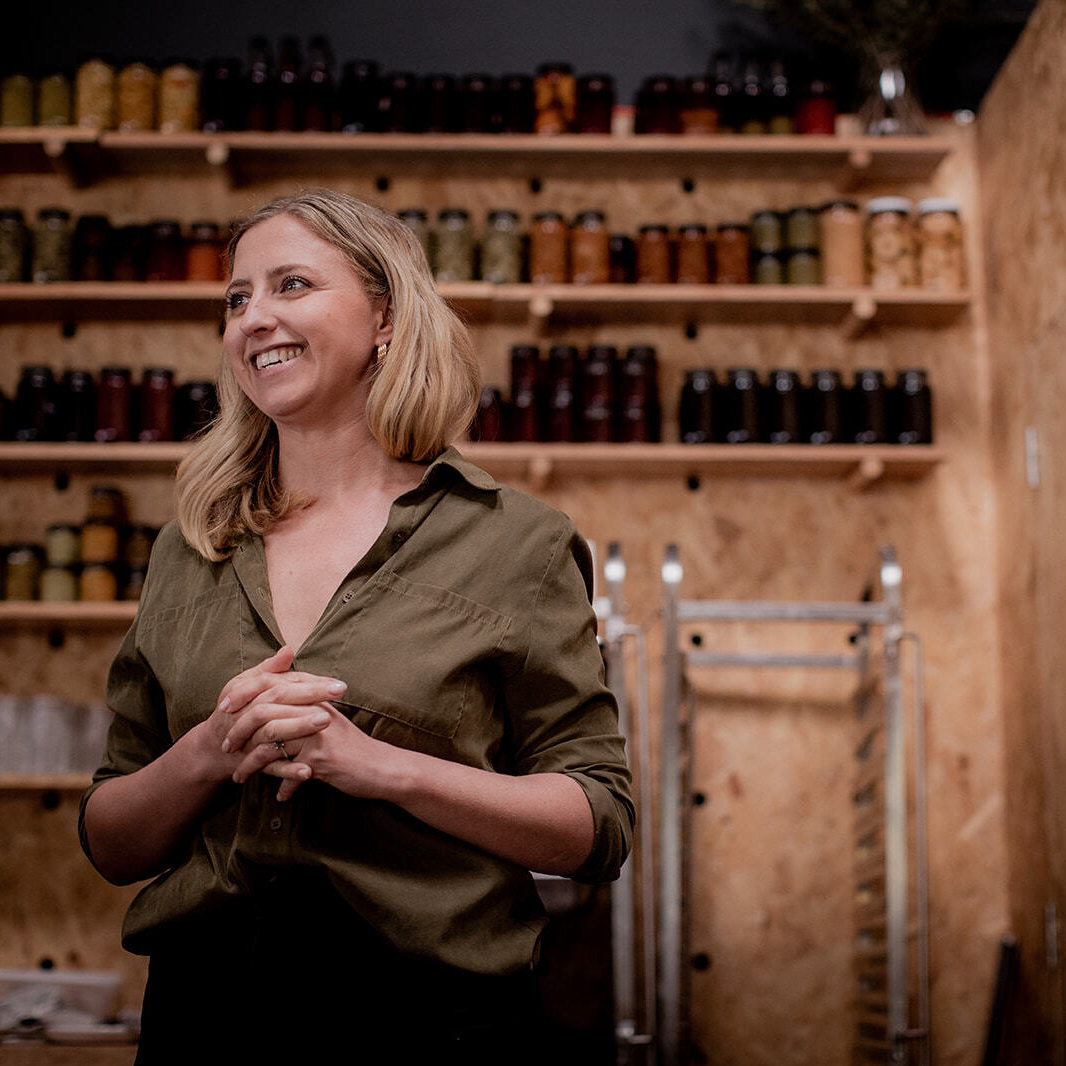
We got a lot of attention, because there wasn’t a lot happening in the social enterprise space in Tassie at that time. It was a new concept down here. After we’d been operating for about four months, a lady approached us about her daughter, who lived with Down syndrome. She wanted her daughter to have access to training opportunities where she wasn’t only with other people with disabilities.
The outcomes that we saw with that individual … well, you couldn’t ignore them! You know, it was a really beautiful experience, not just for her and her family, but also for us as a team, and I guess it started a lot of conversations in the community about employment and the barriers that people with disability were facing. We started working in that space.
People apply for the very structured training program that we deliver. Then once they complete the training program, we assist them to find employment. We have quite a bit of success with that: I think last year it was 65 per cent of the people who completed our training program, we were able to secure employment for.
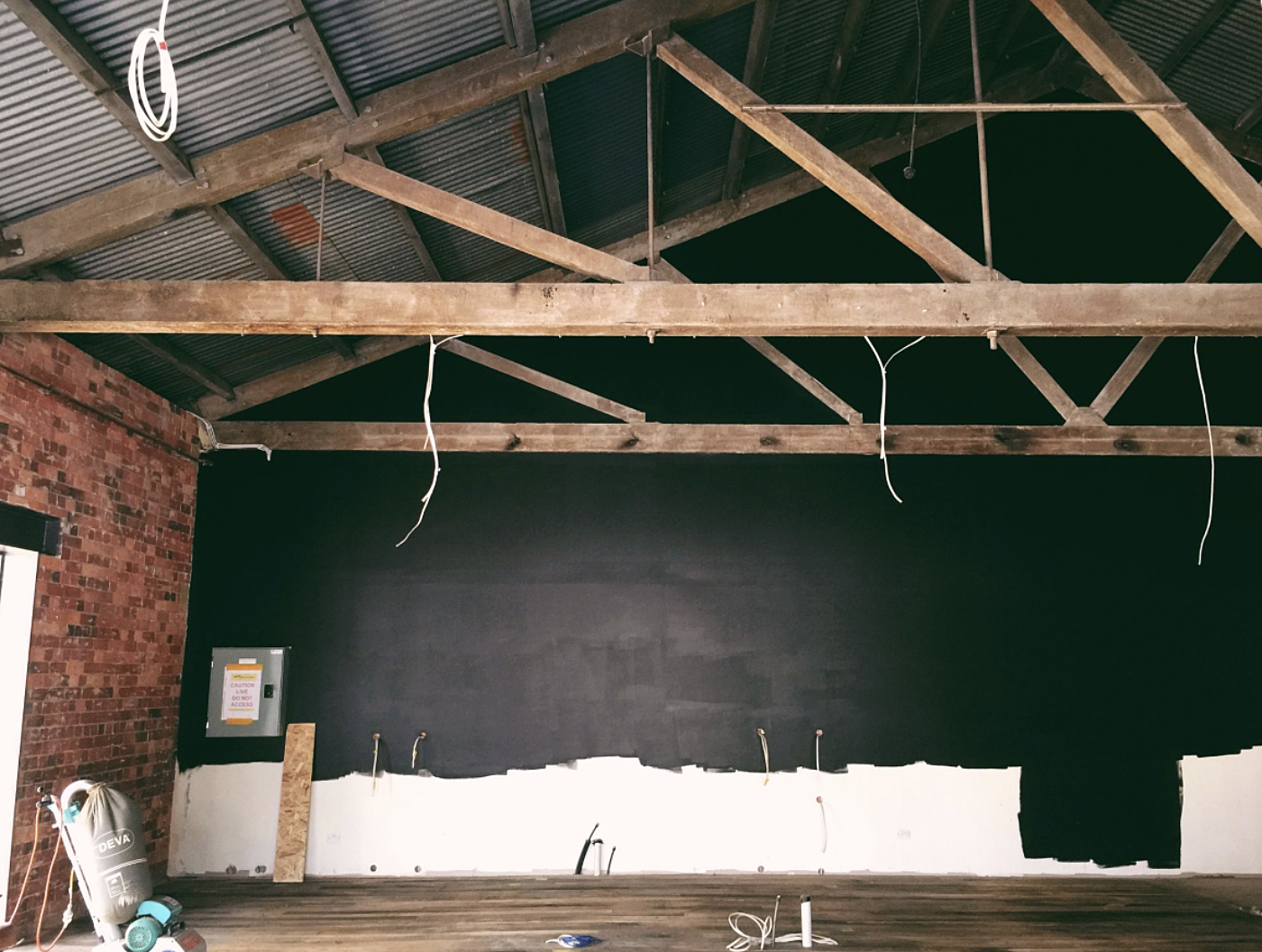
Yes, although the fact that we’ve been doing it for 10 years now feels wild. When we opened, I guess I hoped that it would be successful, but probably didn’t, in my wildest dream, think that we would still be doing this 10 years down the road, which is nice. It’s lovely that we’ve had so much community around what we’re doing and it has been able to be so successful.
It was pretty weird. I mean, obviously it’s very humbling, but that whole experience of going to Canberra and meeting all the other nominees and getting that recognition was amazing.
Yeah, we get some support from the state government down here, which is excellent. Some of our funding comes through them. I mean, the majority of our funding is through the commercial operations of our social enterprises: we’ve got the cafe and then we also have a catering business and a corporately themed condiments line. That’s where we generate the majority of our revenue, but then we do rely on some government and philanthropic investment.
The number of people who are coming through our training program is increasing and the level of need that they have has also increased. As well as the on-the-job training that we deliver in the cafe and in the kitchen, we also deliver a huge amount of individualised wraparound support for everyone who engages in the training program. That can be things like literacy and numeracy support, digital inclusion and access, support accessing mental health services, housing, food security, all sorts of things.
We really do take a person-centred approach. Every single person who applies for the training program, we sit down with them and ask questions about what sort of support they need so they will be able to have a really positive experience with the training at Hamlet but also improve their chances of finding employment and just improve their day-to-day life. We’ve had applicants who said they have to walk to training because their level of literacy is so low, they can’t read a bus timetable. So, we say: okay, let’s get you literacy support because some basic literacy and numeracy training is needed if you’re going to be able to fully engage in the training program. If you think about having literacy that low, that has a lot of implications for your day-to-day life.
“The beautiful thing about Hamlet is that we have created a community where we’re able to have conversations about what is going on with the members of that community and how can we, as a community, try to solve this problem.”
I think it’s a really hard industry to move out of. I think having the exposure I did to my brother’s social enterprise, it changes the way you think about doing business. For me, especially when I was working in the food industry, I would get home at night and think, what have I achieved today? Okay, we delivered a lot of food and it was delicious and amazing, but I think when you work for a social enterprise, you leave work every day thinking, wow, I did something important and really powerful today, and something that has meaning for the community that I’m part of. I think the beautiful thing about Hamlet is that we have created a community where we’re able to have conversations about what is going on with the members of that community and how can we, as a community, try to solve this problem.
The 10-year milestone has kind of forced me to pause and reflect quite a bit on what has happened over that time period and what we as an organisation have been able to achieve. There is no denying the fact that this work is really hard. Running a business, especially in the hospitality industry, is hard work, and when you combine that with the social enterprise sector, it’s just a whole other thing. But for me, I can’t imagine doing anything else. I genuinely love my job.
I think the thing that we have found here is that yes, there are solutions that get thrown around at a national level for issues like disability employment and, you know, inclusion in general. What we find here is that it’s actually about working with the employment partners that we’ve developed relationships with, and asking the question: what do you need and what can we assist you with, so that you can become more inclusive in your hiring practices? I don’t think it’s ever a one-size-fit-all approach. I think it really does have to be the communities that you’re working in that develop the solutions to the problems impacting the communities that we’re in.
I think our biggest thing is working with what we’ve got. At the moment, we’re doing a lot of work in terms of a project called Next Shift, which we’re launching in the next couple of weeks; it’s about building employment pathway models. It is less to do with working directly with the graduates from our training program and more about working with employers – giving employers the skills and the training that they need to become more inclusive in their hiring practices.
We want to provide employers with ongoing support so that they can employ graduates from our training program and also so that those employment outcomes can be long-term sustainable. Obviously, we provide a lot of ongoing support for graduates in our training program, but we know that their enjoying long-term success isn’t just about them, it’s about their needs creating an actual shift in our industry. Well, I think in industries at large, but especially in the hospitality industry, we want to see things change.
Posted on 07 Oct 2026
Joseph Friedman is co-founder and publisher of About Time, Australia’s only newspaper for…
Posted on 30 Sep 2026
At 21 years old, Tate Donohoe is the founder of Ecodia, an AI-assisted software development company…
Posted on 02 Sep 2026
At last week’s Amplify Alliance National NFP Summit, Satara Uthayakumaran, 23, brought the voices…
Posted on 26 Aug 2026
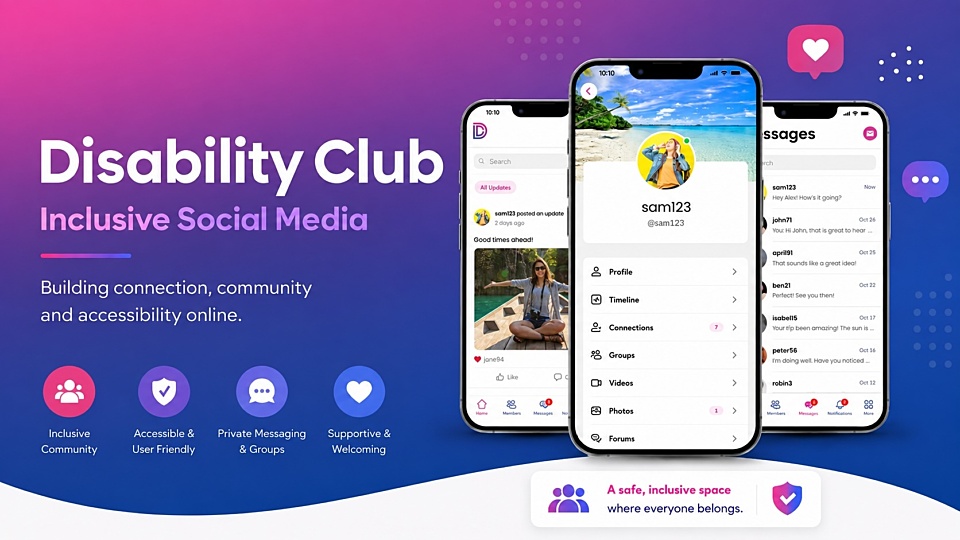
Nathan Johnston lives in Bega, NSW, and lives with cerebral palsy. He’s the creator of Disability…
Posted on 19 Aug 2026
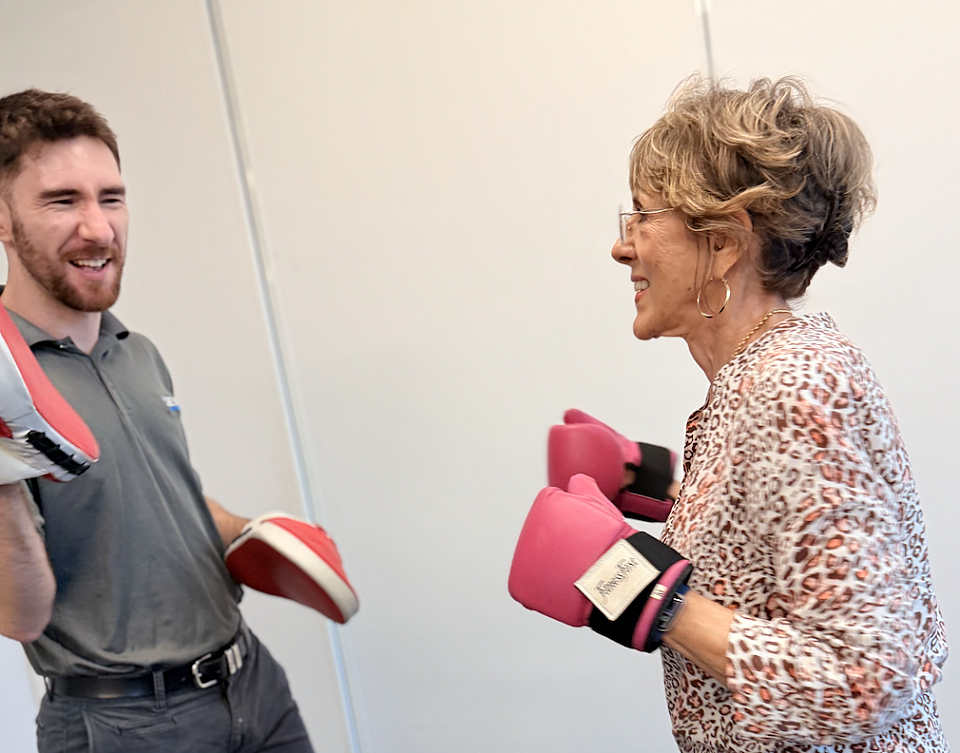
Coralie Wales is the founder of Strong Australia, an ACNC-registered health promotion charity that…
Posted on 08 Jul 2026
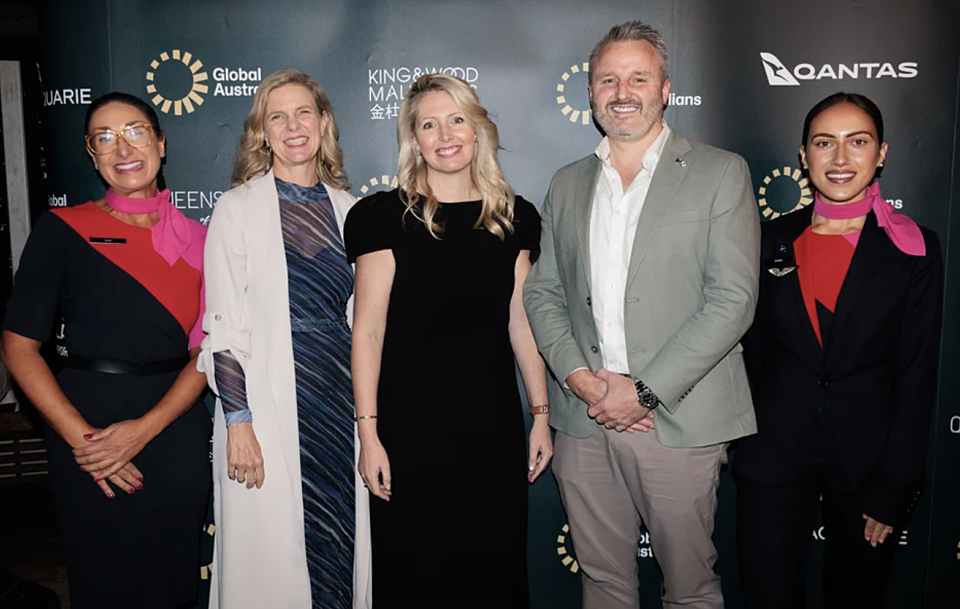
Kate McQuestin is CEO of Global Australians, a not-for-profit aimed at connecting Australians…
Posted on 30 Jun 2026
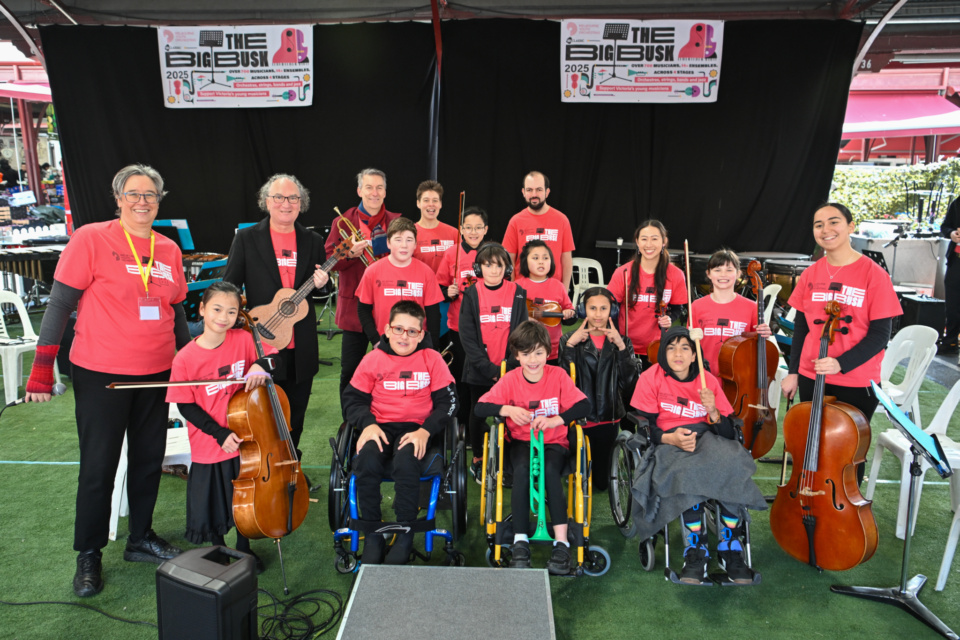
Anthea Skinner is a musicologist, a senior lecturer in disability creative performance at the…

Posted on 24 Jun 2026
Lizzie Mettam manages corporate partnerships for DV Safe Phone, an organisation that provides…
Posted on 17 Jun 2026
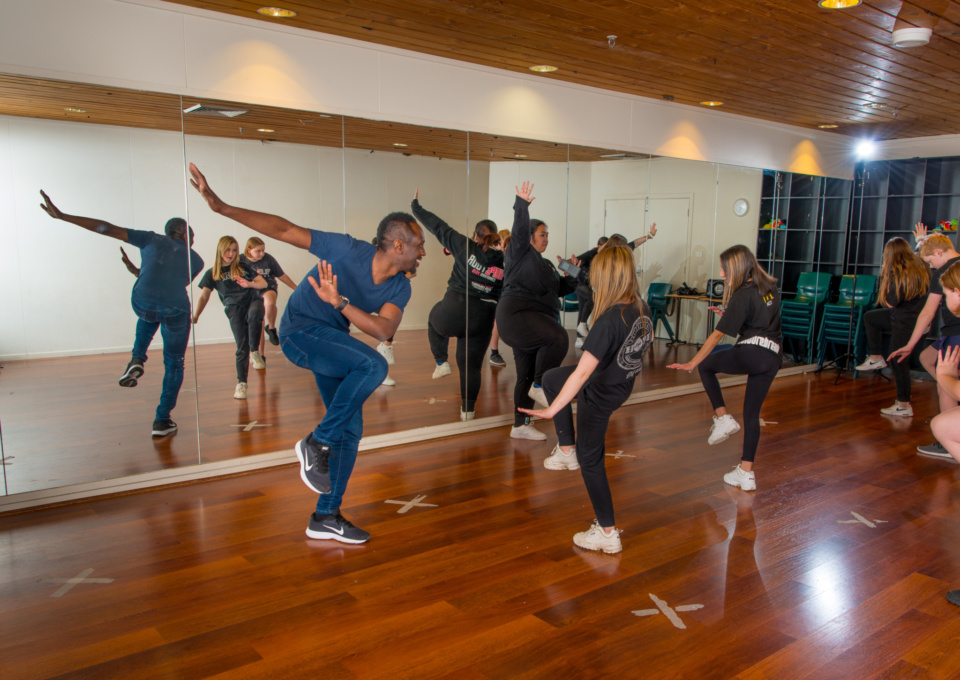
Francis Owusu is the founder of Kulture Break, a charity that helps young people build confidence,…
Posted on 10 Jun 2026
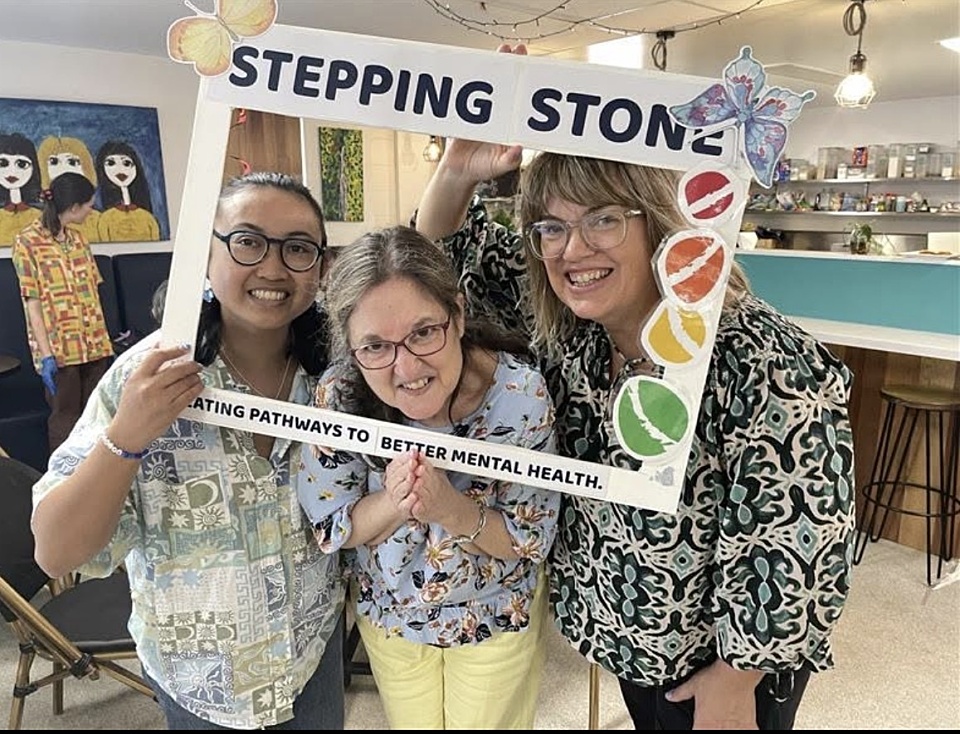
Melanie Sennett is the chief executive officer of Stepping Stone Clubhouse, a Brisbane charity that…
Posted on 03 Jun 2026
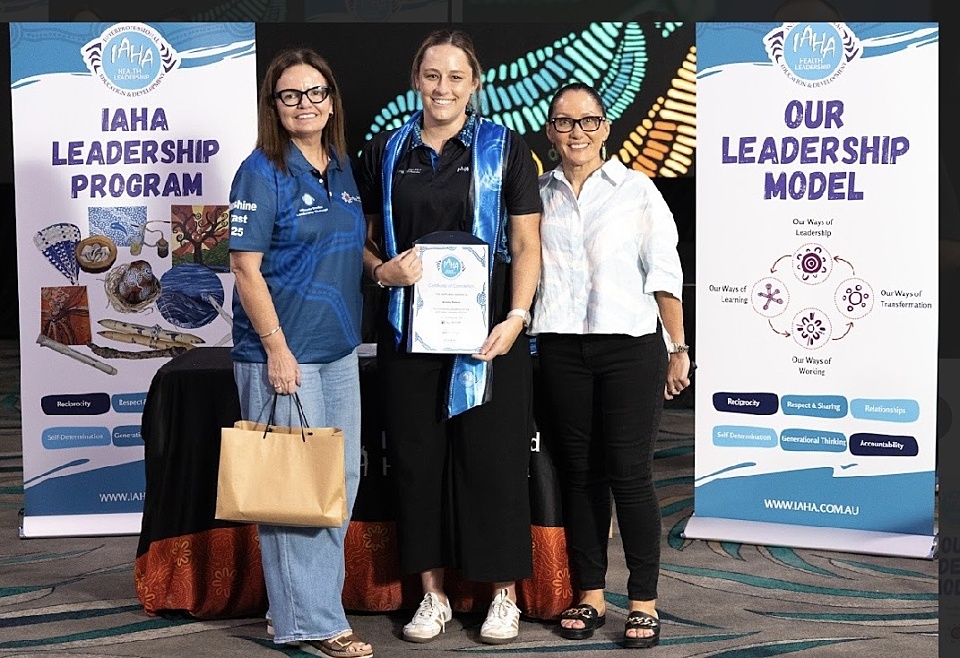
Kristy Petrie is a paediatric physiotherapist and proud Gooreng Gooreng woman who sits on the…

Posted on 27 May 2026
Maria Owen is the CEO of ImpactLab, a New Zealand social enterprise that analyses data for…