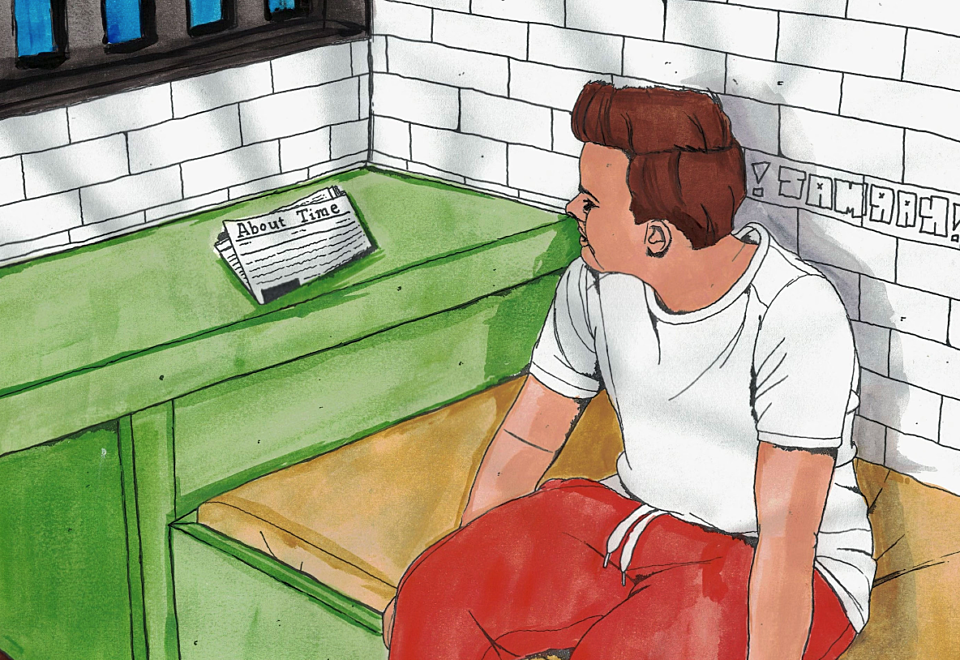
From passion project to a national prison newspaper, speaking to and for those doing time
Posted on 07 Oct 2026
Joseph Friedman is co-founder and publisher of About Time, Australia’s only newspaper for…
Posted on 10 Mar 2026
By Nick Place, journalist, Community Directors
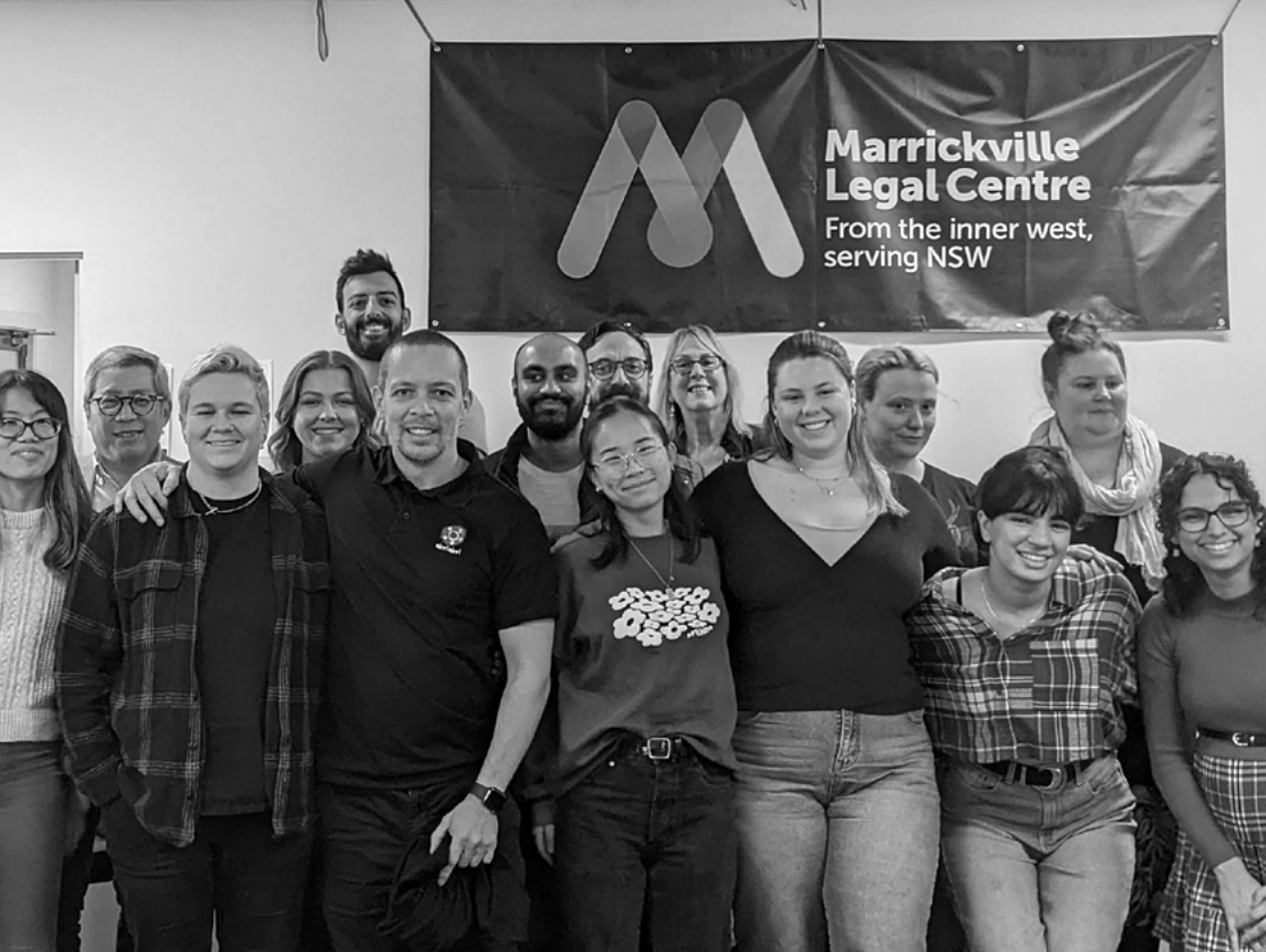
Despite having a high-powered day job as a partner with Gilbert + Tobin, lawyer Catherine Kelso still finds the time to help drive the Marrickville Legal Centre, in inner Sydney. Having started there as a young volunteer legal adviser, she’s now been appointed chair of the board.
In my day job, I’m a litigator, and I’ve always been a litigator. I’ve done a stint in law reform as well, but mainly I’ve been a litigator. I’m currently a partner at Gilbert and Tobin, an independent Australian law firm, which is quite large. We’ve got over 100 partners ,and I partner in the disputes and investigations practice. So, my day job is commercial litigation and regulatory investigations, enforcement proceedings and things like that. But in my former life, I was a government lawyer at the Australian Government Solicitor, and I spent over a decade there doing litigation for the Commonwealth across a range of different portfolios and subject matters. I’ve done a lot of public inquiries and royal commission type work, and I’ve been a solicitor assisting royal commissions, including the Banking Royal Commission, working for the commissioner, Kenneth Hayne.

I think I’ve always been driven by a sense of purpose in what I do, and that’s why I pursued a career in the government sector for a large part of my career. I felt like there was a public purpose of a national interest in a lot of the work that I did, such as defending Australia against claims by big tobacco in relation to plain packaging legislation, and obviously my work at the Banking Royal Commission. There was a huge public interest in that. I’ve always been motivated by having some purpose beyond my own advancement. I think all lawyers care about the rule of law, but I felt like I wanted to manifest that in my career choices. I've been lucky and sometimes it's serendipity that you get to work on interesting matters that are kind of national significance. I still do some work for government, even though I’m at a private firm, so I do get a mix of both private and public sector clients.
My association with Marrickville Legal Centre is quite longstanding and it’s something that’s evolved. I think I started volunteering there in 2008. I was a young lawyer in the early years of my career and wanting to give back, because I was so fortunate to have had an excellent education and the opportunity to study at university and gain a professional qualification as a lawyer. It was very important to my values that I carved out time for pro bono work.
I wanted something that also had a connection to my community, and I was living in the Marrickville area at the time. Naturally, I felt like the best place to go looking was a community legal centre in my community, and I learned about their evening advice roster and signed myself up for it. That really involved solicitors spending a couple of hours in the evenings in the centre, face to face, meeting with clients, advising clients on a range of different matters. If we couldn’t resolve their issue with advice on the spot, we could refer them to the day staff to see if they would take them on as a case. I really got to see firsthand what the impact of community legal centres is, and the fact that, without them, there would be a huge unmet need.
The legal problems in the context of an individual’s life might to a trained lawyer seem quite simple, but it is actually of huge significance to the individual if they have a debt that they can’t pay and they’re being chased by someone or they’ve been in an accident and they are at fault and they can no longer drive the truck that they need to drive to perform their job. Things that could be seen as very small matters in the scheme of things are not small at all in the context of an individual’s life. Often what I saw was that when an individual didn’t have resources at their disposal to make problems go away easily, people would try and bury their heads in the sand when a legal problem crops up and not deal with it. That just escalates into more and more issues for them, and can become a very large and life-impacting problem.
The role of the community legal sector is hugely important in trying to help people face those issues and find a way out, finding a solution that might not be a perfect solution but is something that addresses their issues and puts in place, you know, a plan or something to deal with it so they can actually get their lives back on track and move on.
“It was very important to my values that I carved out time for pro bono work.”
I don’t think being a lawyer is always as glamorous and rarefied as it sounds, but you are definitely privileged in the fact that you have a level of knowledge, education, and an understanding of rights and obligations that you can forget the common person in the street doesn’t have. That’s a huge and powerful thing, and that’s what we are obliged to make sure we put to good use and give back to the community, utilising that power that we have to help people.
It’s a huge opportunity to recalibrate our priorities, bedding down innovations we’ve been working on, and I see opportunities to enhance the services that we’re able to provide and also meet a definitely unmet need. We have a really diverse and talented board and we have a huge impact in what we do, but there’s still a huge demand for our services, and that demand just continues to rise, particularly because clients in our catchment in much larger proportions are experiencing financial hardship and disadvantage. Our catchment has a very diverse demographic from people from culturally and linguistically diverse backgrounds, there’s a lot of housing insecurity, there are a lot of people who have issues with employees and need to try and recover wages and things like that.
We are assisting thousands and thousands of clients in delivering a lot of services, across a range of different areas. We do civil, some minor crime, family, domestic violence support, employment, debt crisis, tenancy, strata. We’ve got a youth service that actually spans like a lot more than our catchment, but there is still this huge need and the need is increasing. My priorities will be doing whatever we can to improve access to free legal services or low-cost legal services, services for that unmet need and using the innovations that we’ve implemented in recent years to really free up our lawyers as much as possible to provide more legal services as opposed to administrative burden. There is a lot of administrative burden and workload due to the nature of the funding arrangements and the way that we need to report and so on, so we’re really trying to focus on tools that will help do more with less.
The other focus area for me is collaboration with the wider profession, because my colleagues in the private practice sector have a huge amount of goodwill and desire to help pro bono work. My firm has a strong commitment to pro bono work and so do others, so I’m trying to increase the collaboration and partnerships that we have with those firms, as well as the bar. We have some barristers that help support our work, but I’m really keen to expand that and deepen that collaboration with a broader range of chambers in Sydney.
In 2024 to 2025, across all of our services, we assisted about 6,800 clients and we delivered over 10,000 services to those clients, so some of them would have received multiple services. We recovered about $1.3 million for clients as part of our low-cost legal service.
Yes, we are. In terms of our catchment, we certainly are, yes, but that's not always reflected in funding. I guess that’s another area of priority for me and focus.
Absolutely. I didn't step into the chair role because I wanted some accolade for myself, but I felt, and my fellow directors felt, that I could add some value as chair. I had been an active board member for several years, and prior to that had been volunteering for over a decade at the centre, so I’m excited. We’re a very collaborative board and I couldn't do what we’re going to do without having that diverse range of skills.
Posted on 07 Oct 2026
Joseph Friedman is co-founder and publisher of About Time, Australia’s only newspaper for…
Posted on 30 Sep 2026
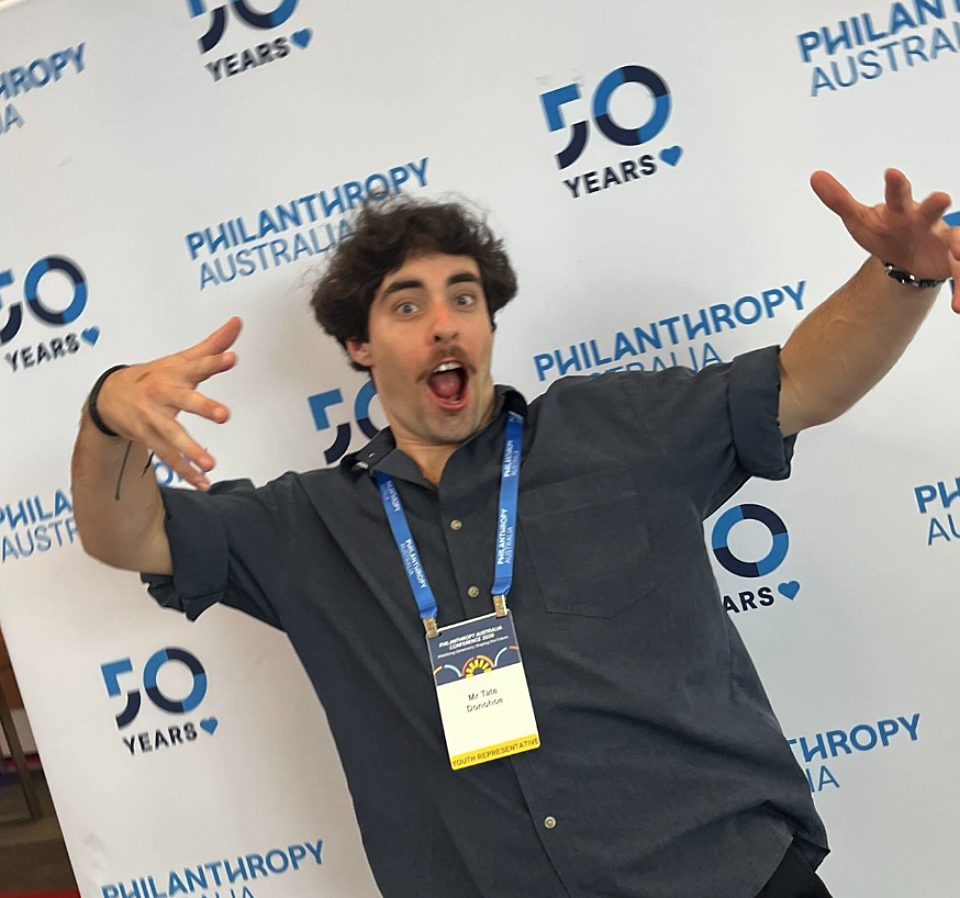
At 21 years old, Tate Donohoe is the founder of Ecodia, an AI-assisted software development company…
Posted on 02 Sep 2026
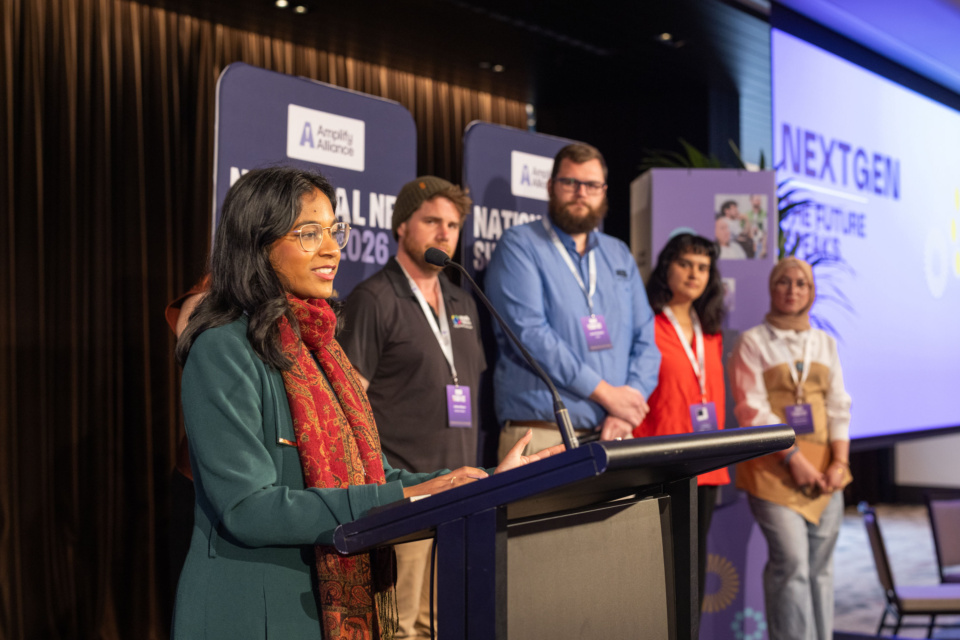
At last week’s Amplify Alliance National NFP Summit, Satara Uthayakumaran, 23, brought the voices…
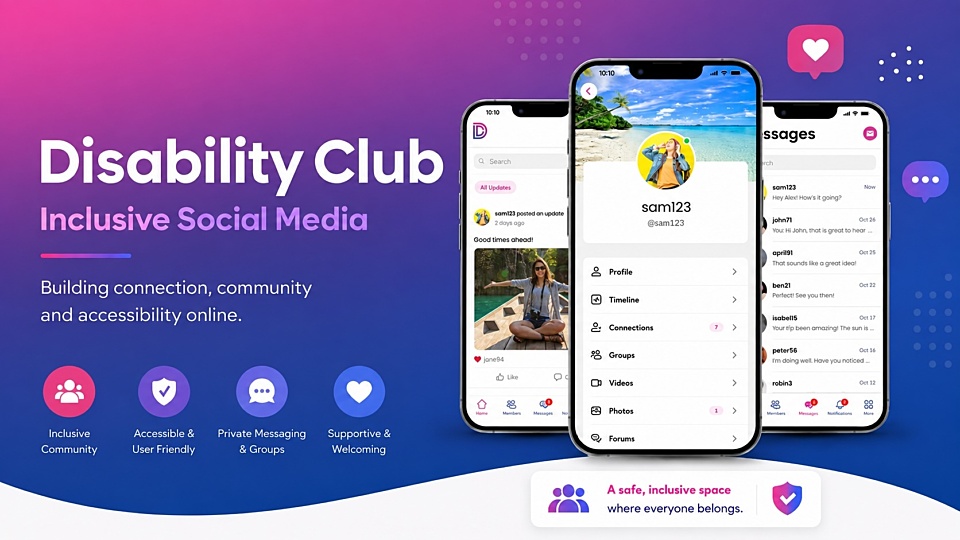
Posted on 26 Aug 2026
Nathan Johnston lives in Bega, NSW, and lives with cerebral palsy. He’s the creator of Disability…
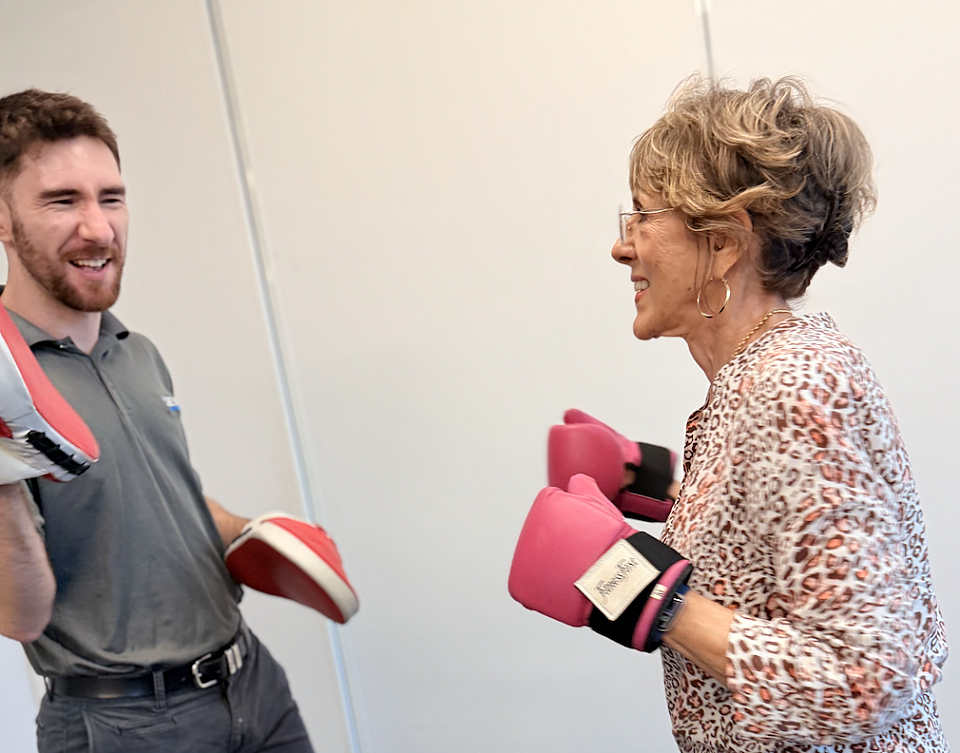
Posted on 19 Aug 2026
Coralie Wales is the founder of Strong Australia, an ACNC-registered health promotion charity that…
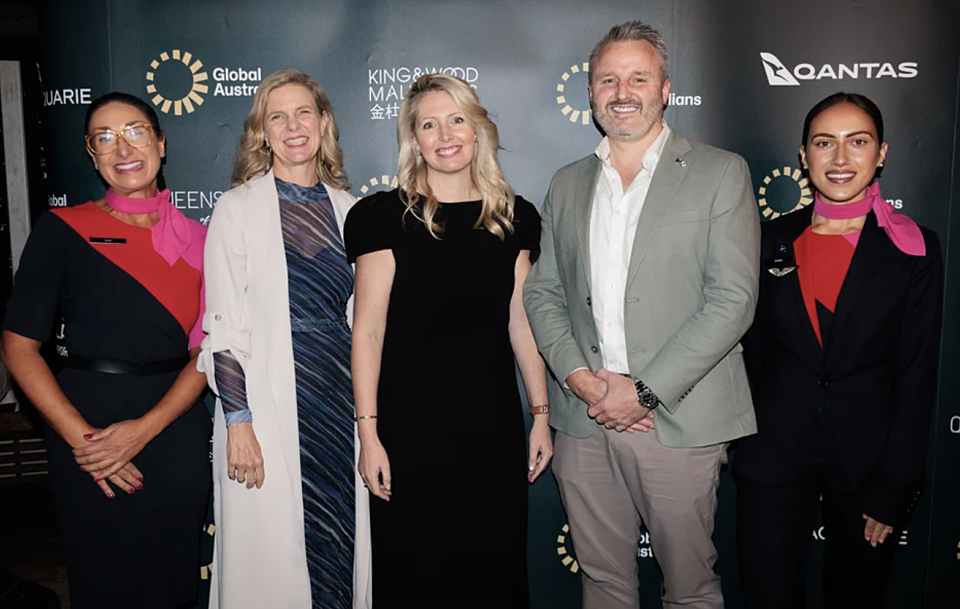
Posted on 08 Jul 2026
Kate McQuestin is CEO of Global Australians, a not-for-profit aimed at connecting Australians…
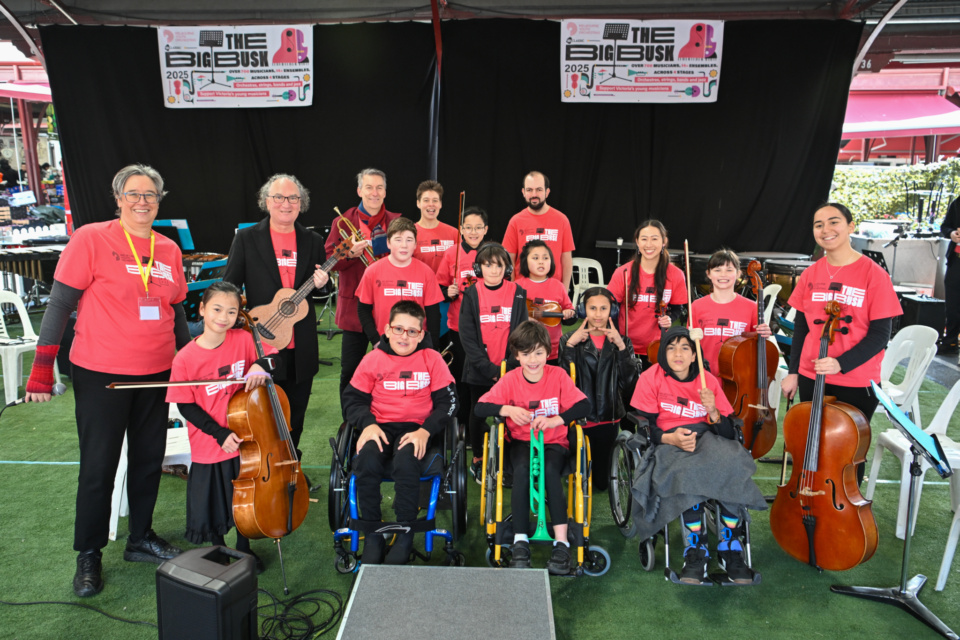
Posted on 30 Jun 2026
Anthea Skinner is a musicologist, a senior lecturer in disability creative performance at the…

Posted on 24 Jun 2026
Lizzie Mettam manages corporate partnerships for DV Safe Phone, an organisation that provides…
Posted on 17 Jun 2026
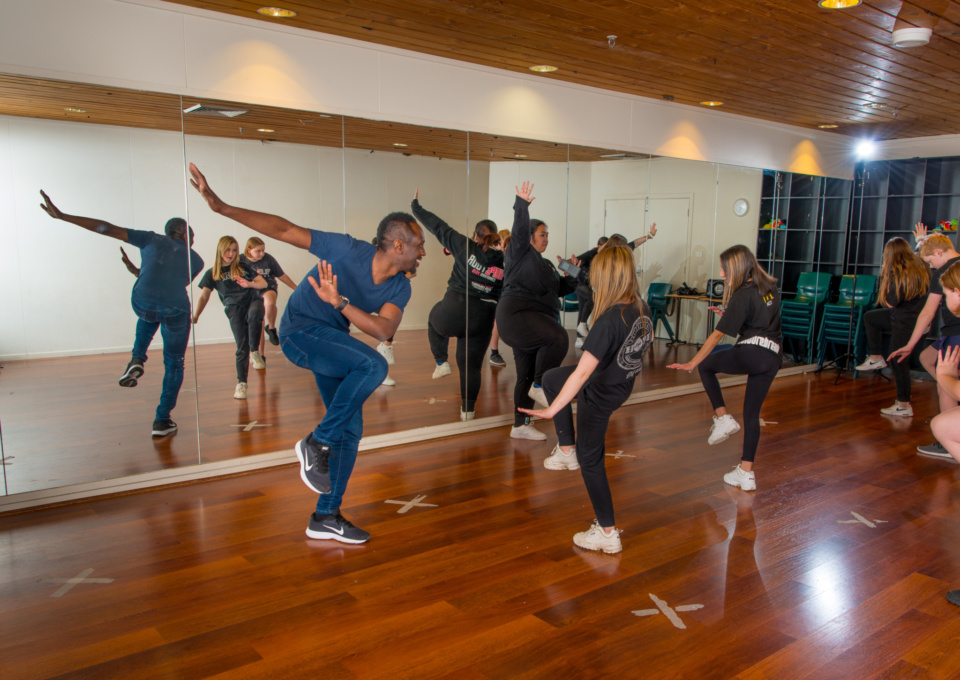
Francis Owusu is the founder of Kulture Break, a charity that helps young people build confidence,…
Posted on 10 Jun 2026
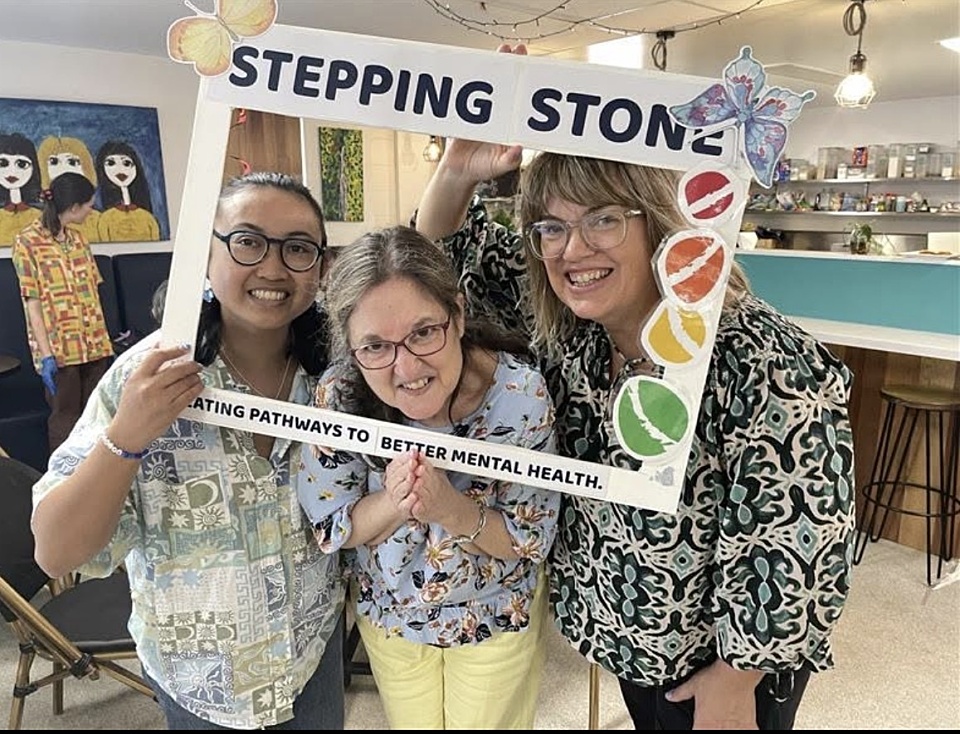
Melanie Sennett is the chief executive officer of Stepping Stone Clubhouse, a Brisbane charity that…
Posted on 03 Jun 2026
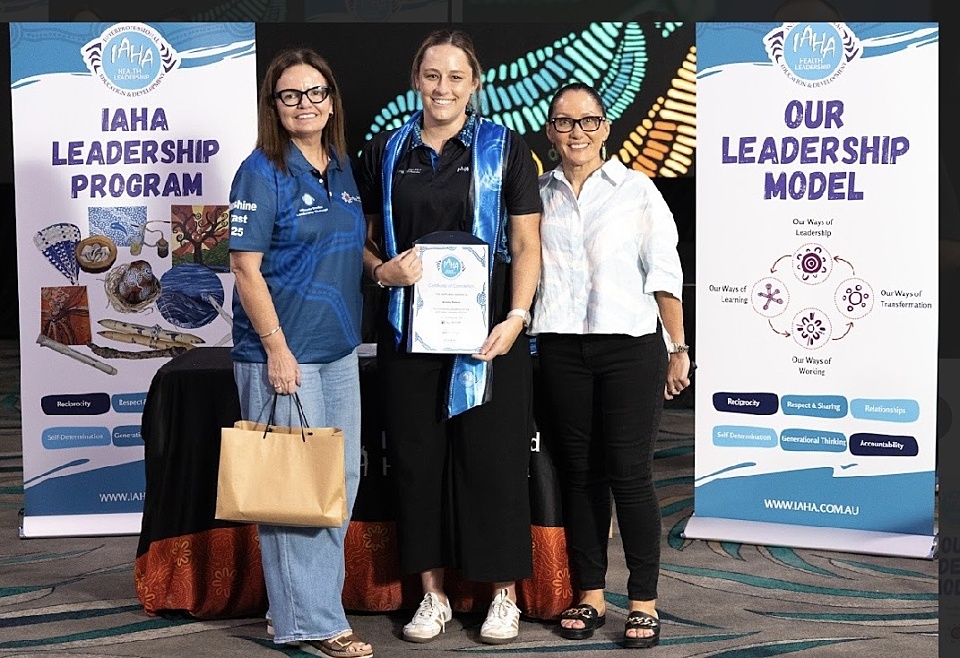
Kristy Petrie is a paediatric physiotherapist and proud Gooreng Gooreng woman who sits on the…

Posted on 27 May 2026
Maria Owen is the CEO of ImpactLab, a New Zealand social enterprise that analyses data for…