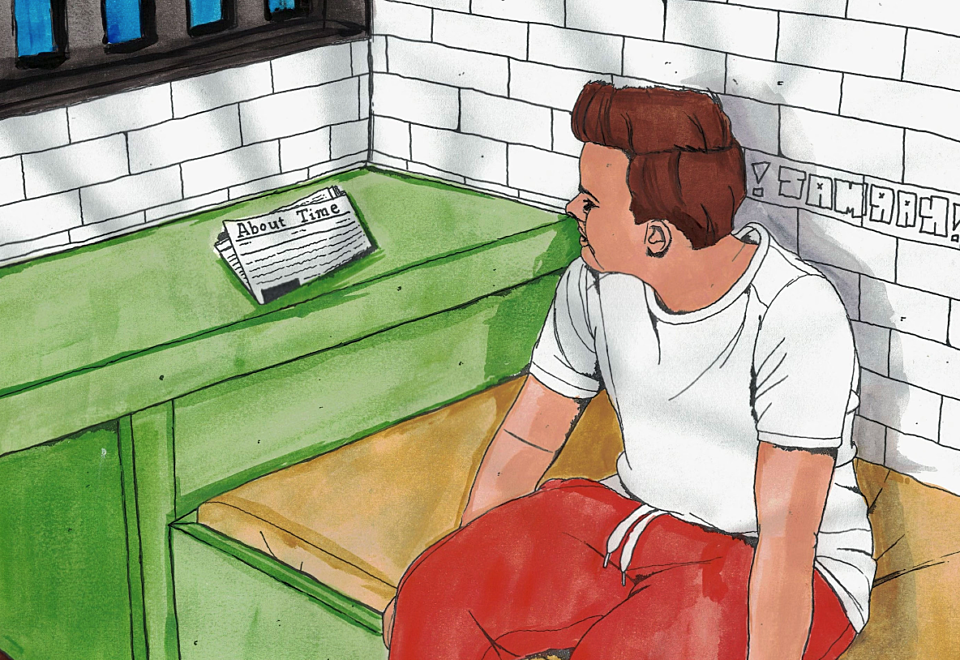
From passion project to a national prison newspaper, speaking to and for those doing time
Posted on 07 Oct 2026
Joseph Friedman is co-founder and publisher of About Time, Australia’s only newspaper for…
Posted on 31 Mar 2026
By Nick Place, journalist, Community Directors
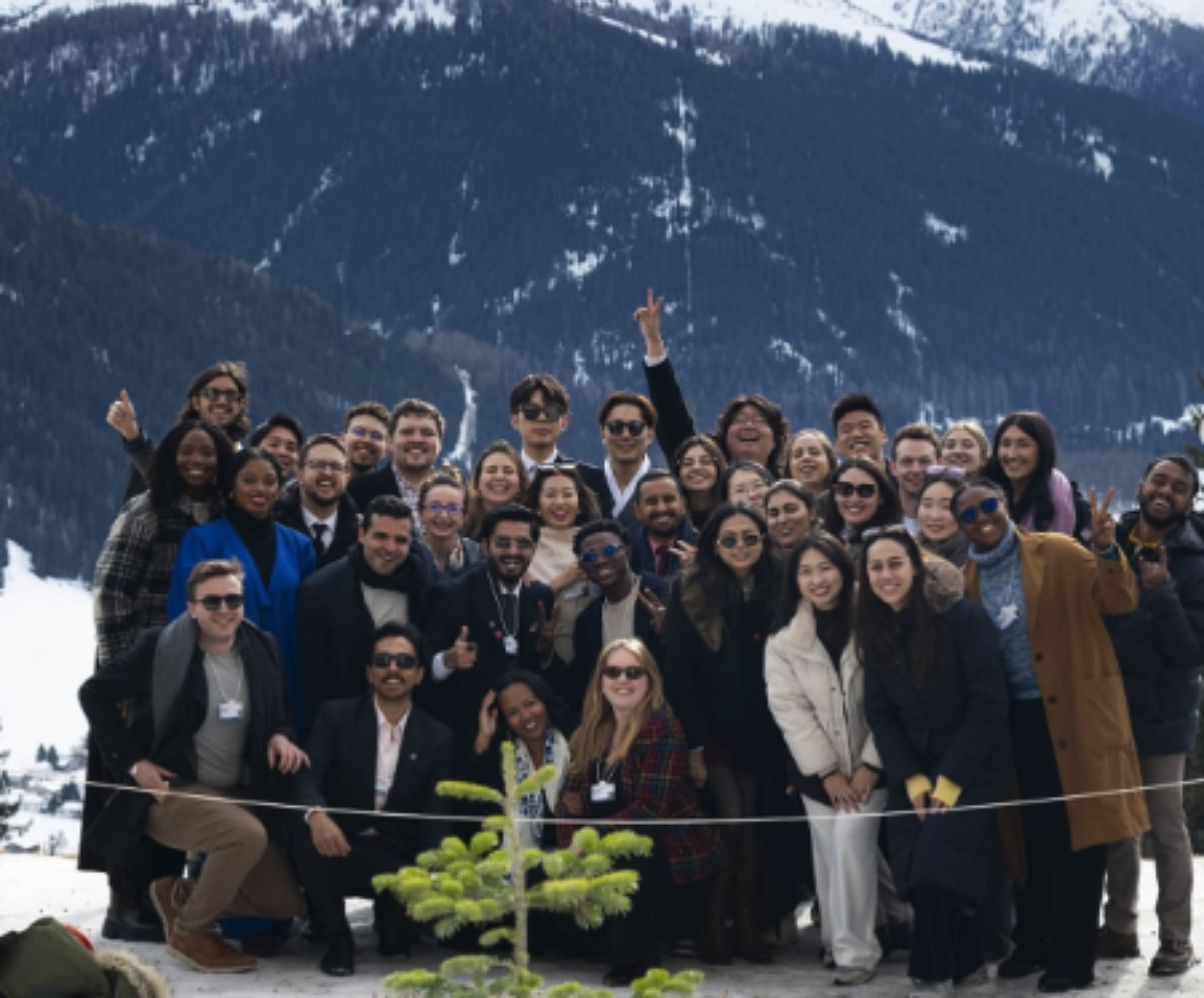
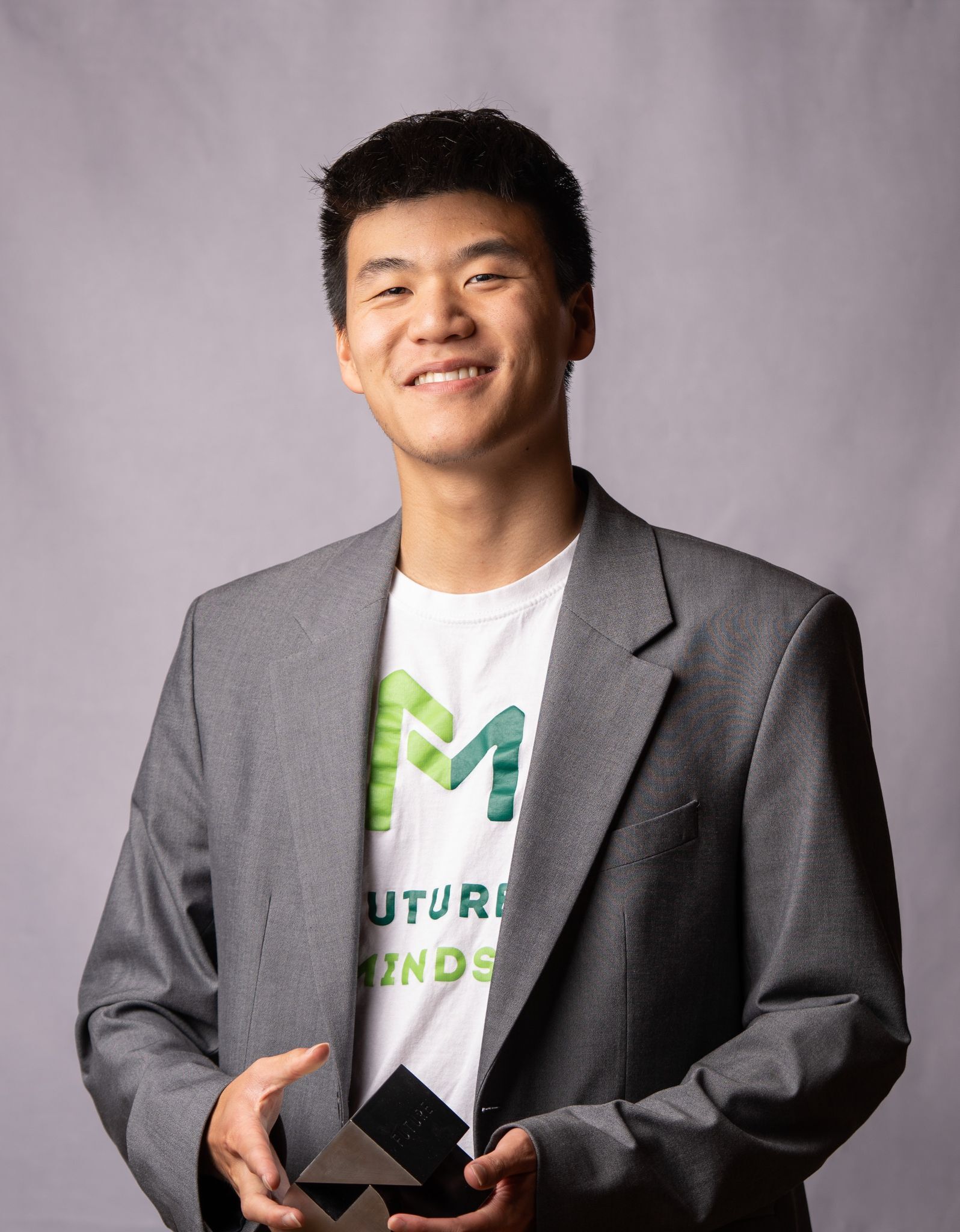
Nathaniel Diong, the founder of Future Minds Network, was named in Forbes magazine’s 30 under 30 (Social Impact) List 2022. We spoke to him about why he does what he does.
Future Minds Network equips youth with the skills, confidence, and experience to thrive in the future of work. Since 2018, we’ve empowered 13,000 youth in low income and regional communities across Australia to start their own businesses and jobs.
By participating, students have generated revenue, launched real businesses, and showcased their work at international events like the Social Enterprise World Forum. Our vision is a generation of young people who are confident, capable, and ready to shape the world around them.
Too many young people are locked out of traditional education and employment pathways due to isolation, digital exclusion, and systemic disadvantage. We close that gap by equipping them with technology and entrepreneurship skills, connecting them to powerful networks, and giving them real opportunities to build and launch their own businesses.
At 16, I nearly completely disengaged from school. It was exposure to entrepreneurship education – learning by building, solving problems, working on real ideas – that re-engaged me and reshaped my trajectory.
Growing up, I watched my parents juggle multiple jobs just to make ends meet. Education was drilled into me as the way out, the way up. And for a while, it worked – I was a good student. Then at 16, I moved to a new school, struggled to find my footing, failed a subject, and something broke. It didn’t feel like an academic setback. It felt like the whole story I’d been told about how life worked had stopped making sense. I disengaged completely.
Then an excursion came up that meant getting out of class. I took it without thinking much about where it was going. It put me in a room with doctors, lawyers and engineers trying to solve the healthcare crisis, all within 48 hours. A hackathon. People building, prototyping, failing, trying again. Learning that felt urgent and alive. That was the moment everything shifted.
I went back determined to recreate that feeling and organised an entrepreneurship program across five schools. Not because someone asked me to, but because I needed other kids to feel what I had felt in that room. That was our first program at Future Minds Network.
Now, we’ve worked with 13,000 young Australians in over 100 schools. We’ve seen the ripple effect in communities, as young people build business, families gather, communities mobilise. I’ve flown to over 22 countries in two years to learn from other entrepreneurship models and share our own work.
Honestly, the word gets thrown around so much it’s lost its edge. For me, entrepreneurship isn’t just about starting a business, it’s a muscle. It’s waking up and genuinely believing that you can just build things. That the gap you see in the world isn’t someone else’s problem to fix – it’s yours to solve.
It’s about having this relentless drive to solve a real problem, to build something that matters. It’s that itch you can’t ignore until you create something new. You spot something broken, something missing, and you feel this pull to just make something.
That’s exactly why we started Future Minds, because students weren’t getting the chance to develop that muscle early enough. When you teach kids to think like entrepreneurs, you’re not just preparing them for business. You’re giving them a lens for life. It teaches them how to look at challenges differently, to be resourceful, and to not be afraid of failure. That’s a superpower for any career, really. Whether they launch a startup at 22 or lead a team inside a company at 40, that muscle is everything.
Completely from personal experience, yes. I didn’t come up through the traditional academic route – I learned by doing, and honestly, by getting it wrong first.
Before this, I poured time and energy into building a medical device I was genuinely excited about, but it didn’t work, because I hadn’t done the real work of understanding whether anyone genuinely needed it. It was a nice-to-have, and there’s a world of difference between a nice-to-have and something that solves a real, burning problem for people. That’s when it clicked for me, that the most important thing you can do before you build anything is deeply understand your market and the people in it. No amount of theory teaches you that lesson the way failure does.
Now, I’m not against theory, but it only really works once you already have the conviction to try things. Think about it like learning football. Take two people, where Person A sits on the bench for a week, watches, studies the game, reads about formations and tactics, while Person B gets out there straight away, starts slow, does the drills, makes mistakes, looks a bit lost at first.
At the end of the week, who’s ready to play? Person B, every time, because their body has started to learn. They’ve felt what it's like to mis-control a ball, to be out of position, to not know where to run. Now when you show them the theory – the formations, the tactics – it lands. They have something real to attach it to. Person A has all the knowledge and none of the instincts. They’ve never felt the game. Watching and waiting only works when you already know what you’re looking for.
That experience is baked into everything we do at Future Minds. We don’t just teach students about entrepreneurship – we put them in situations where they have to figure out what’s real and what isn’t. Where they feel the difference between an idea that sounds good and one that actually matters. Because that distinction? That’s the whole game."
“There are so many young people out there who are failing not because they're not smart or capable. They're failing because nobody has given them the right conditions to learn.”
I'm not going to pretend it isn't complicated. And let's be honest about the scale of it – the career as we knew it is dead. Young people entering the workforce today are expected to hold 14, maybe 15 jobs across their lifetime. Yet most education is still preparing them for a linear path that no longer exists. One employer, one skill set, one lane. That mismatch is real, and AI is only accelerating the gap.
But here’s what I also believe: the things that make us irreplaceable aren’t going anywhere. Curiosity. Empathy. Creativity. Resilience. The judgement to know what matters and what doesn’t. AI can process information faster than any of us ever will. It cannot figure out what it actually cares about. It cannot navigate the messy, human side of building something that matters. That’s still yours.
I believe the entrepreneurial mindset – that bias toward action we talked about – is maybe the best antidote to the anxiety of this moment. Because the worst thing a young person can do right now is sit on the bench, waiting for the world to settle down before they start. It won’t. The game is already being played.
Get on the pitch. Start slowly if you have to. Make mistakes. Figure out what you’re actually good at, and what you actually care about. You can only do that by trying things, not by watching from the sidelines.
Your biggest superpower right now is simply to do things and figure out what you want. That clarity – knowing yourself, knowing what problems you want to solve – is something no algorithm can hand you. You have to earn it.
Look, Elon Musk is building things at an extraordinary scale. I actually met him recently at the World Economic Forum. But innovation doesn’t have to mean rockets and EVs. It can mean rethinking how we treat disease, how we grow food, how we build communities, how we teach the next generation to think. Every one of those is a frontier worth pursuing.
Fame and wealth have become the default definition of success, and I think that's too narrow. Rockets and billions are one version of big. Changing the way a generation of young people think and learn, that’s mine.
What gets me out of bed is knowing that the way we teach kids to think can genuinely change the trajectory of their lives. There are so many young people out there who are failing not because they're not smart or capable. They're failing because nobody has given them the right conditions to learn. And you see it up close sometimes in ways that stay with you.
It's an interesting process – you have no idea if you've made it until the day it's published. A friend texted me out of nowhere saying they'd seen my name on the list. It was just an ordinary Tuesday until that message came through.
But the recognition meant a lot. This work happens quietly – in school halls, in workshops, with young people who the system has largely written off as too young to do anything meaningful. There's no scoreboard. The outcomes take years to show up. So, when something like 30 under 30 shines a light on it, it validates the work and the young people at the centre of it. It says this matters. They matter. And that's worth more than any award.
I find it hard to switch off, honestly. When you care about what you're building, work and life blur together. I've made peace with that to some extent, but it does mean I've had to be deliberate about how I recharge.
Nature helps me most. Mountains, long walks by the ocean. There's something about being outside that resets everything. You're reminded how small you are in the grand scheme, that life is so much bigger than any pitch deck or setback. For me, that's not a deflating thought – it's a liberating one. The stress doesn't disappear, but it shrinks back to its actual size.
Community matters too. Friends, family – the people who knew you before any of this and couldn't care less about it. That's a different kind of grounding. They remind you who you are when you're not being a founder.
I often work alone, so recently I moved to a new co-working space at the Hub, which offers a Flexi-Impact Program, to support organisations like ours doing social impact. What surprised me most was the community side of it. You're heads-down on something, and then you end up in a hallway conversation with someone building something completely different but driven by the same kind of purpose. Those moments are hard to manufacture, and I didn't realise how much I'd missed them.
The Flexi-Impact Program gave us breathing room to stay focused on the mission rather than getting pulled into finding a home for our organisation. For us, at this stage, that’s been really valuable."
Posted on 07 Oct 2026
Joseph Friedman is co-founder and publisher of About Time, Australia’s only newspaper for…
Posted on 30 Sep 2026
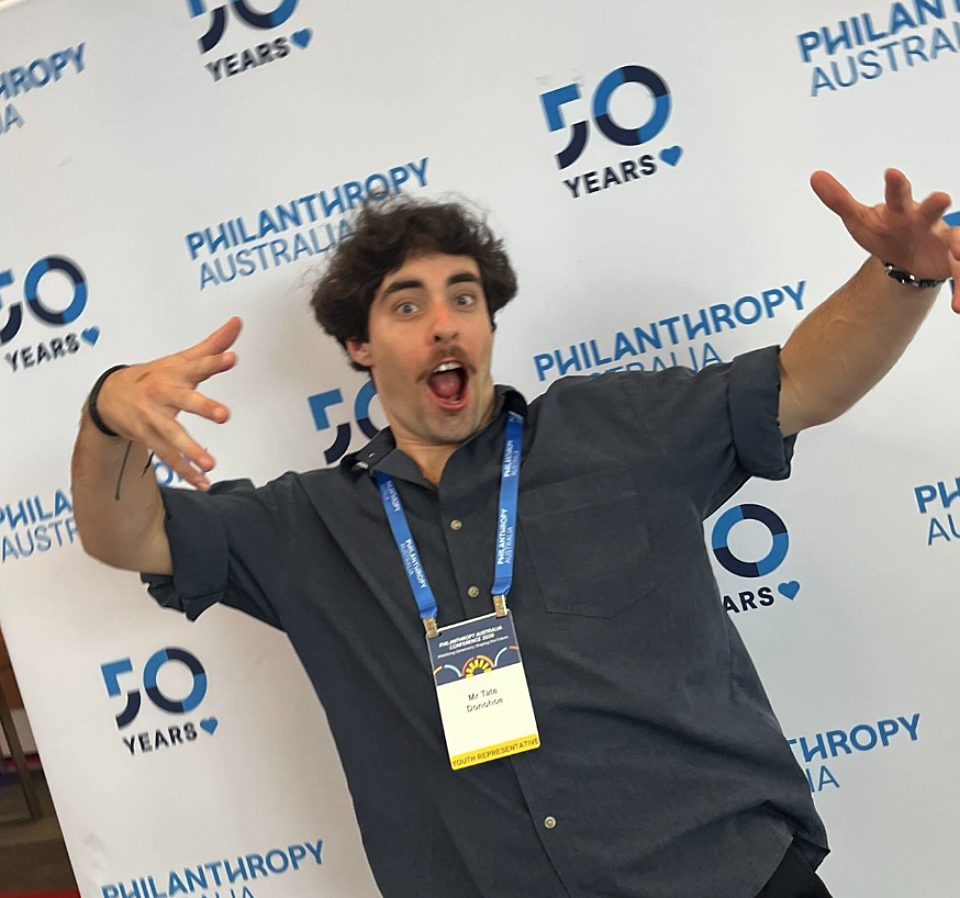
At 21 years old, Tate Donohoe is the founder of Ecodia, an AI-assisted software development company…
Posted on 02 Sep 2026
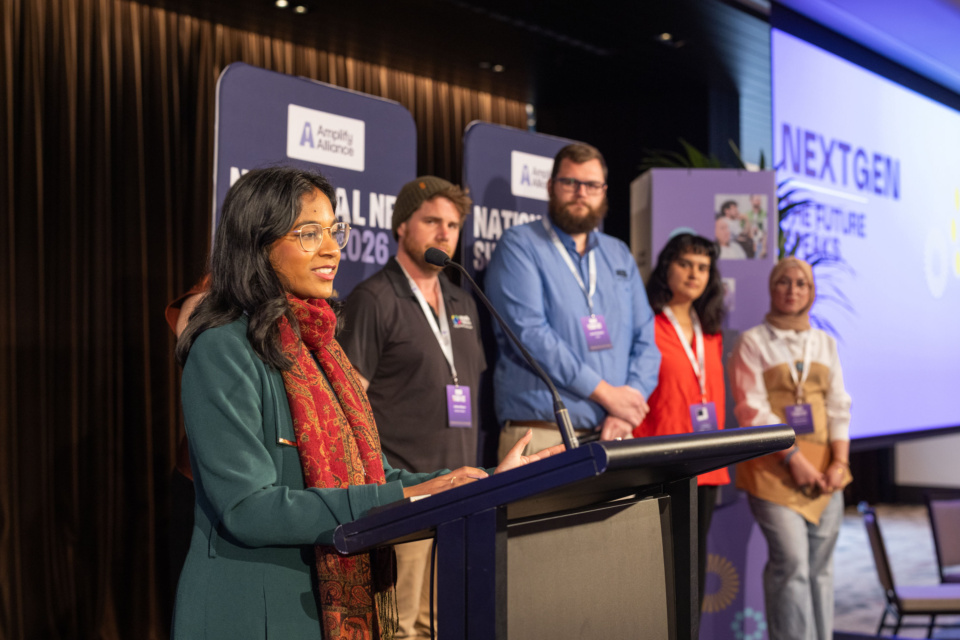
At last week’s Amplify Alliance National NFP Summit, Satara Uthayakumaran, 23, brought the voices…
Posted on 26 Aug 2026
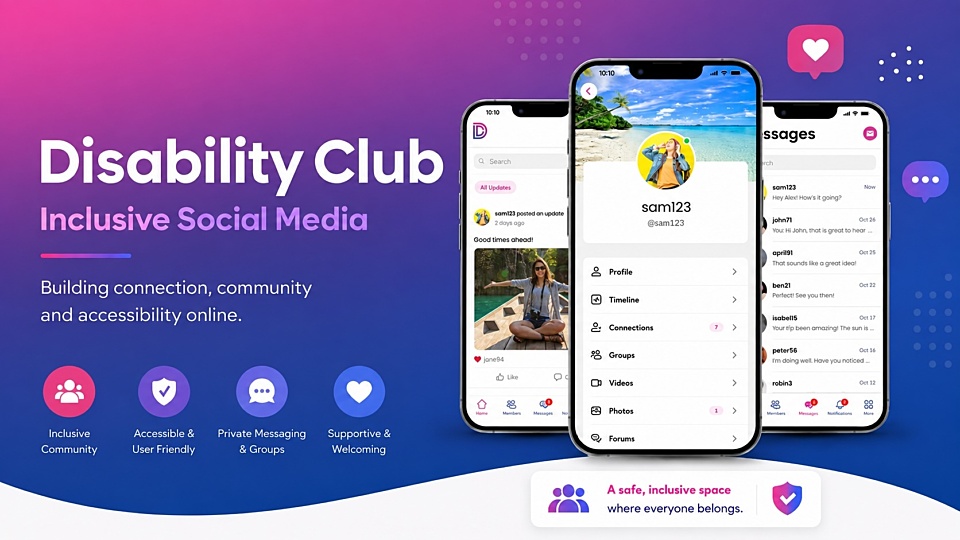
Nathan Johnston lives in Bega, NSW, and lives with cerebral palsy. He’s the creator of Disability…
Posted on 19 Aug 2026
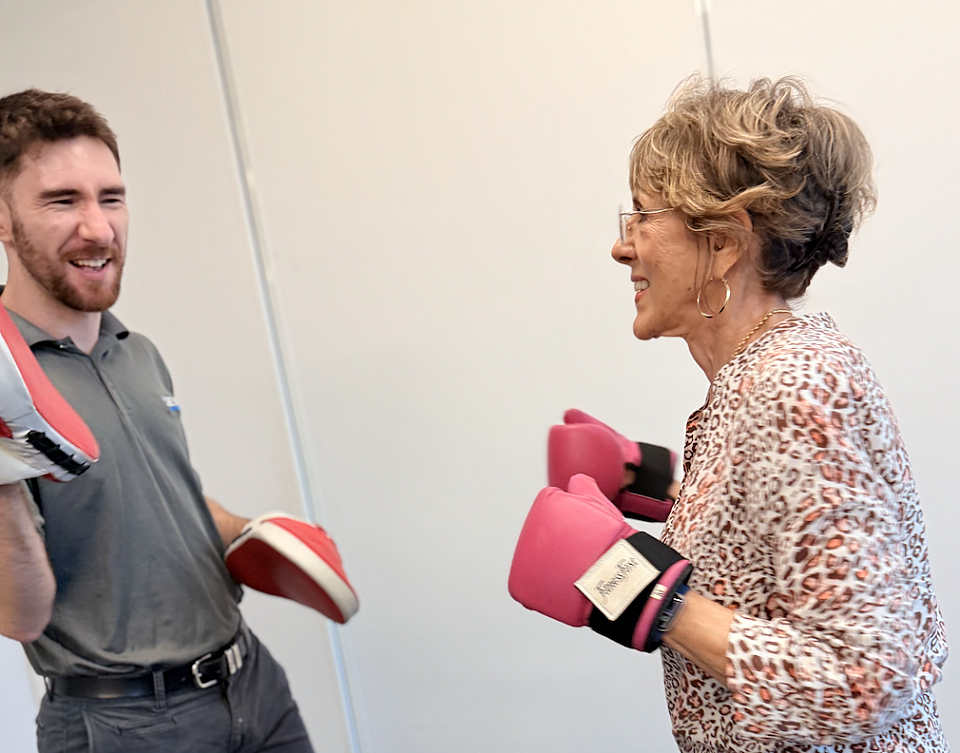
Coralie Wales is the founder of Strong Australia, an ACNC-registered health promotion charity that…
Posted on 08 Jul 2026
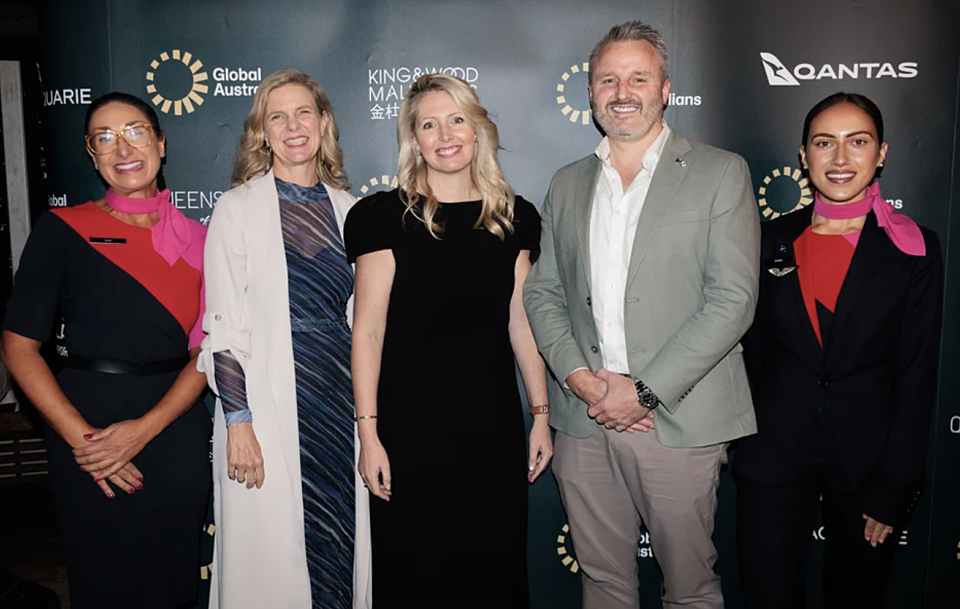
Kate McQuestin is CEO of Global Australians, a not-for-profit aimed at connecting Australians…
Posted on 30 Jun 2026
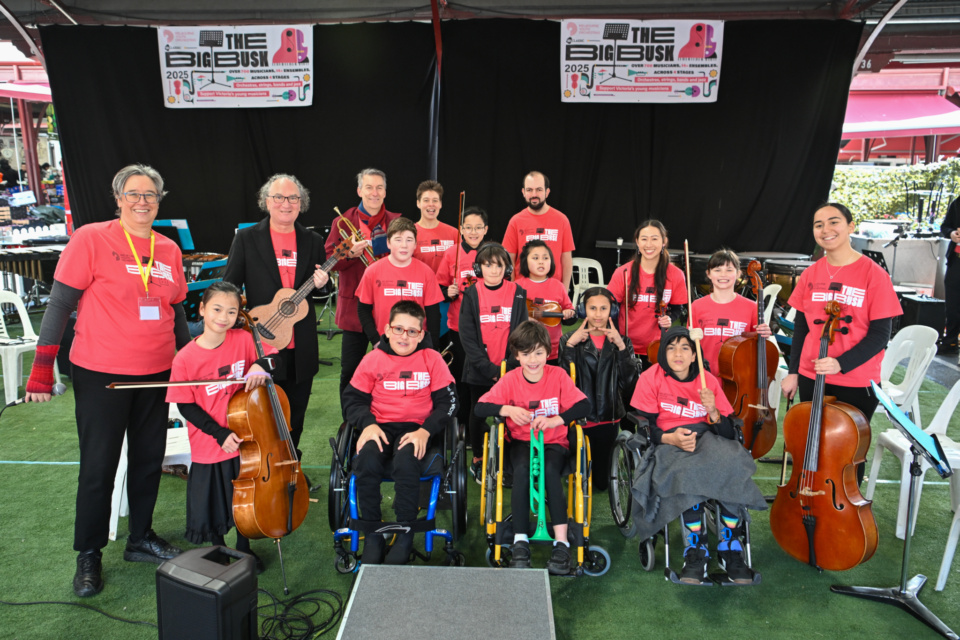
Anthea Skinner is a musicologist, a senior lecturer in disability creative performance at the…

Posted on 24 Jun 2026
Lizzie Mettam manages corporate partnerships for DV Safe Phone, an organisation that provides…
Posted on 17 Jun 2026
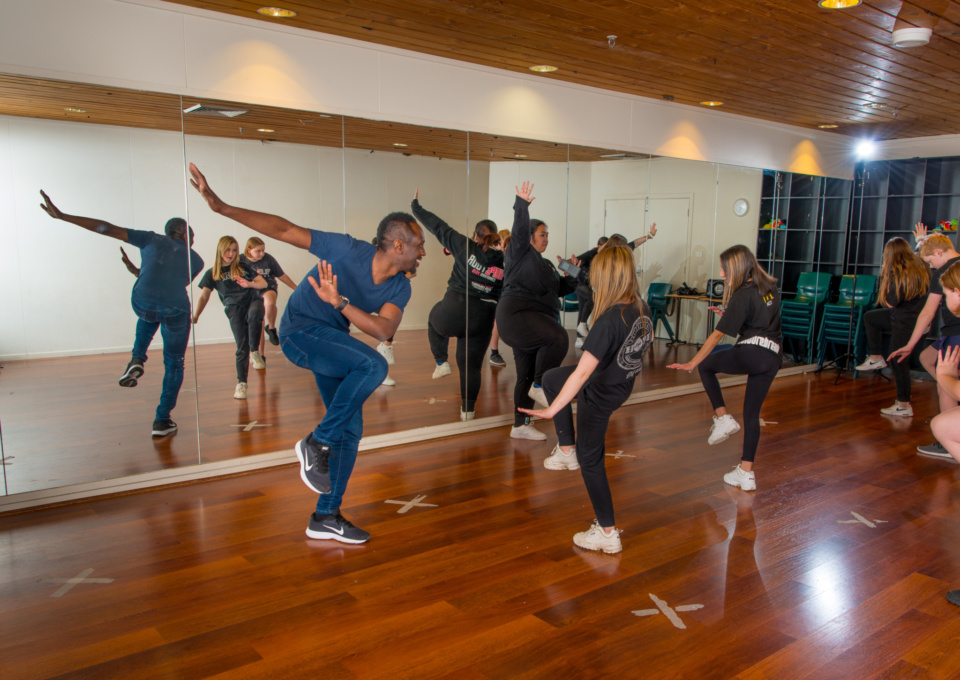
Francis Owusu is the founder of Kulture Break, a charity that helps young people build confidence,…
Posted on 10 Jun 2026
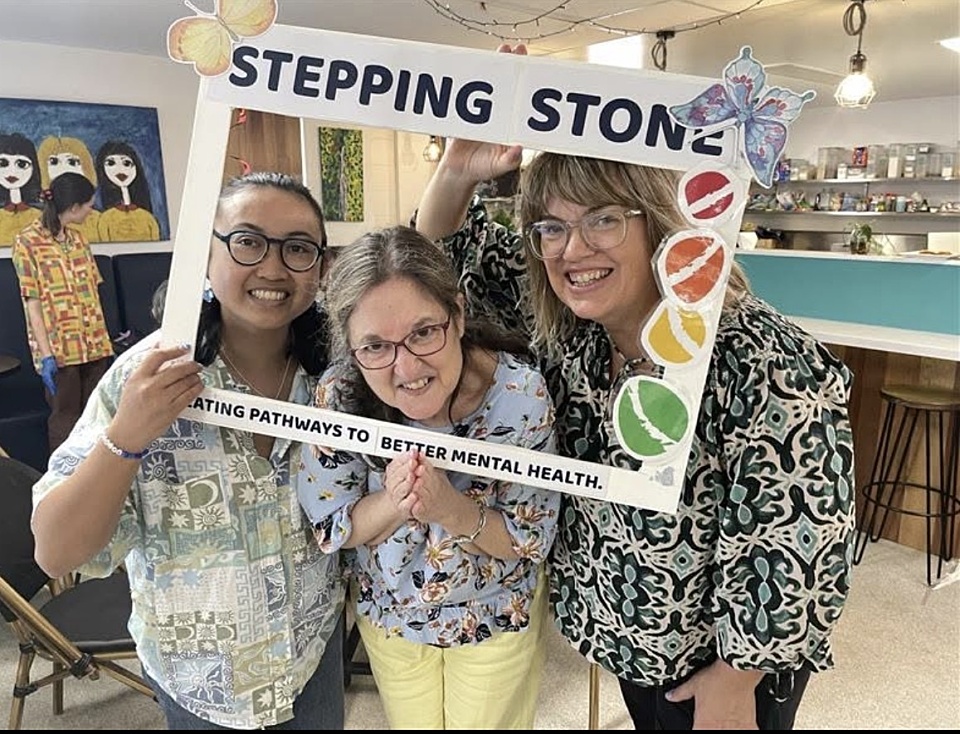
Melanie Sennett is the chief executive officer of Stepping Stone Clubhouse, a Brisbane charity that…
Posted on 03 Jun 2026
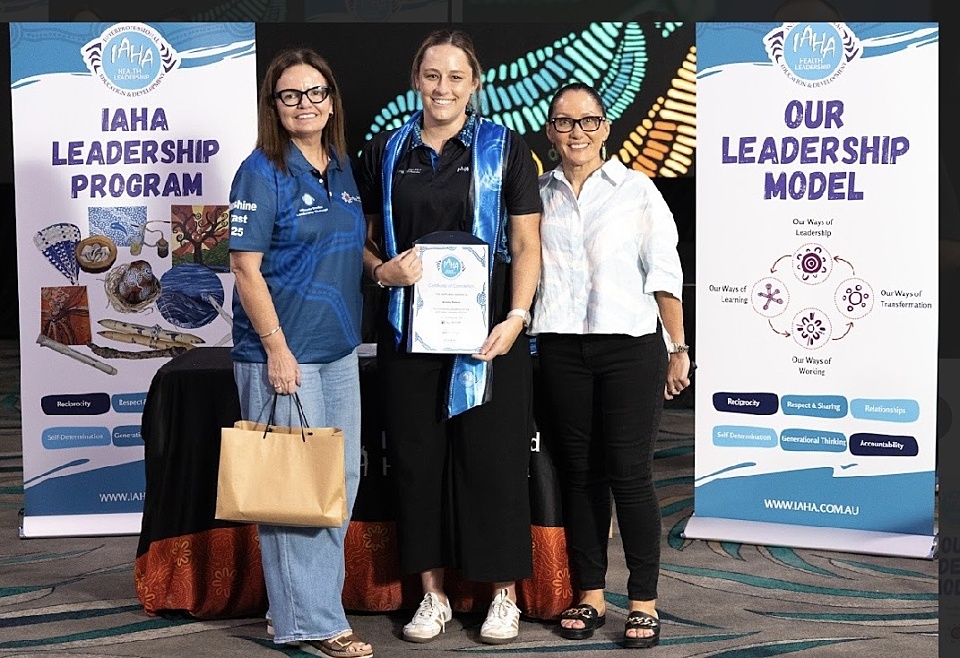
Kristy Petrie is a paediatric physiotherapist and proud Gooreng Gooreng woman who sits on the…
Posted on 27 May 2026
Maria Owen is the CEO of ImpactLab, a New Zealand social enterprise that analyses data for…