From passion project to a national prison newspaper, speaking to and for those doing time
Posted on 07 Oct 2026
Joseph Friedman is co-founder and publisher of About Time, Australia’s only newspaper for…
Posted on 03 Jun 2026
By Nick Place, journalist, Community Directors
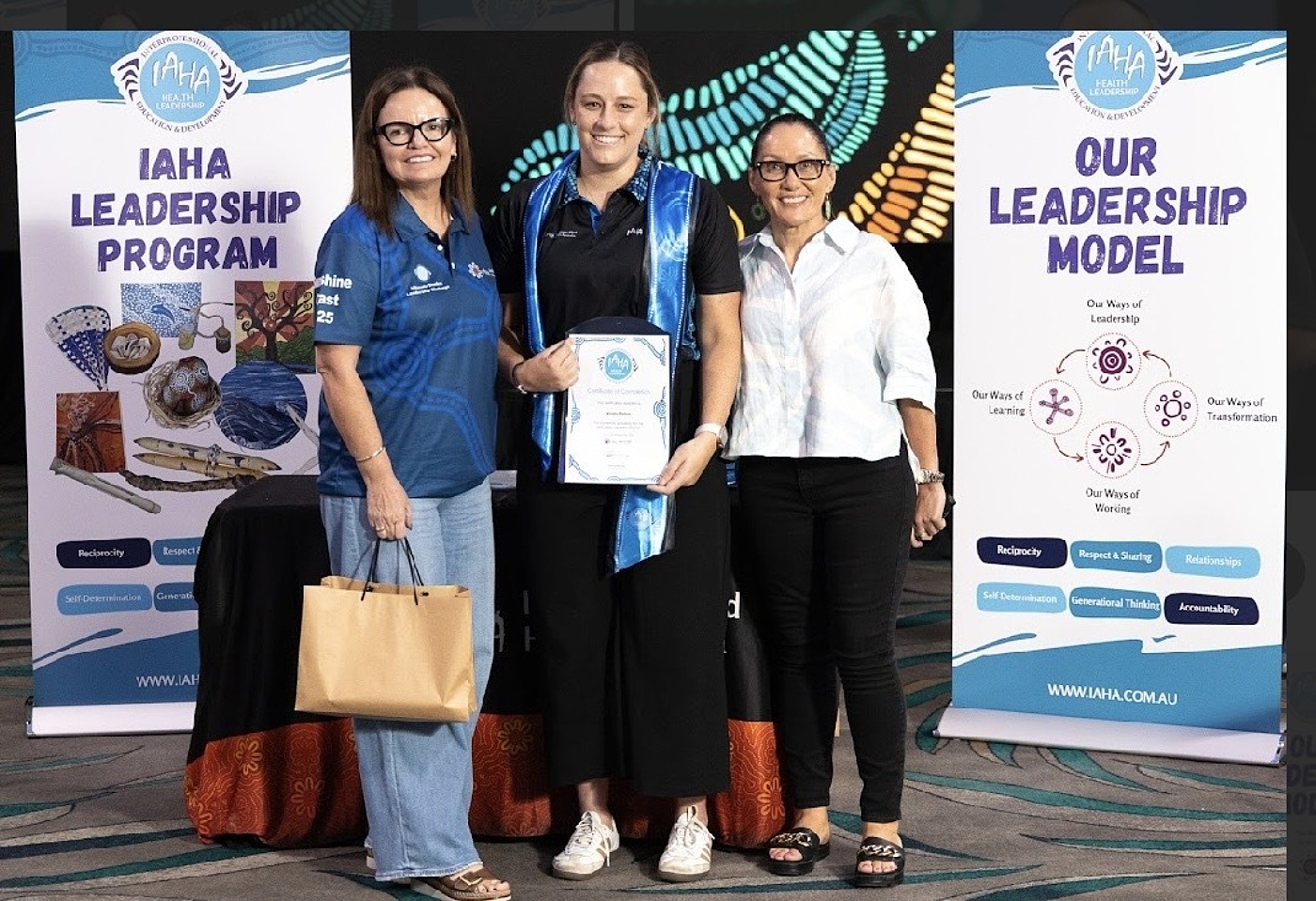
Kristy Petrie is a paediatric physiotherapist and proud Gooreng Gooreng woman who sits on the Australian Physiotherapy Association's Aboriginal and Torres Strait Islander Committee. Based in Brisbane, she is devoted to helping First Nations families receive the support they need from the NDIS, to help bridge the developmental gap between Indigenous and non-Indigenous children. As Australia celebrates National Reconciliation Week, we chatted to Kristy about her work.
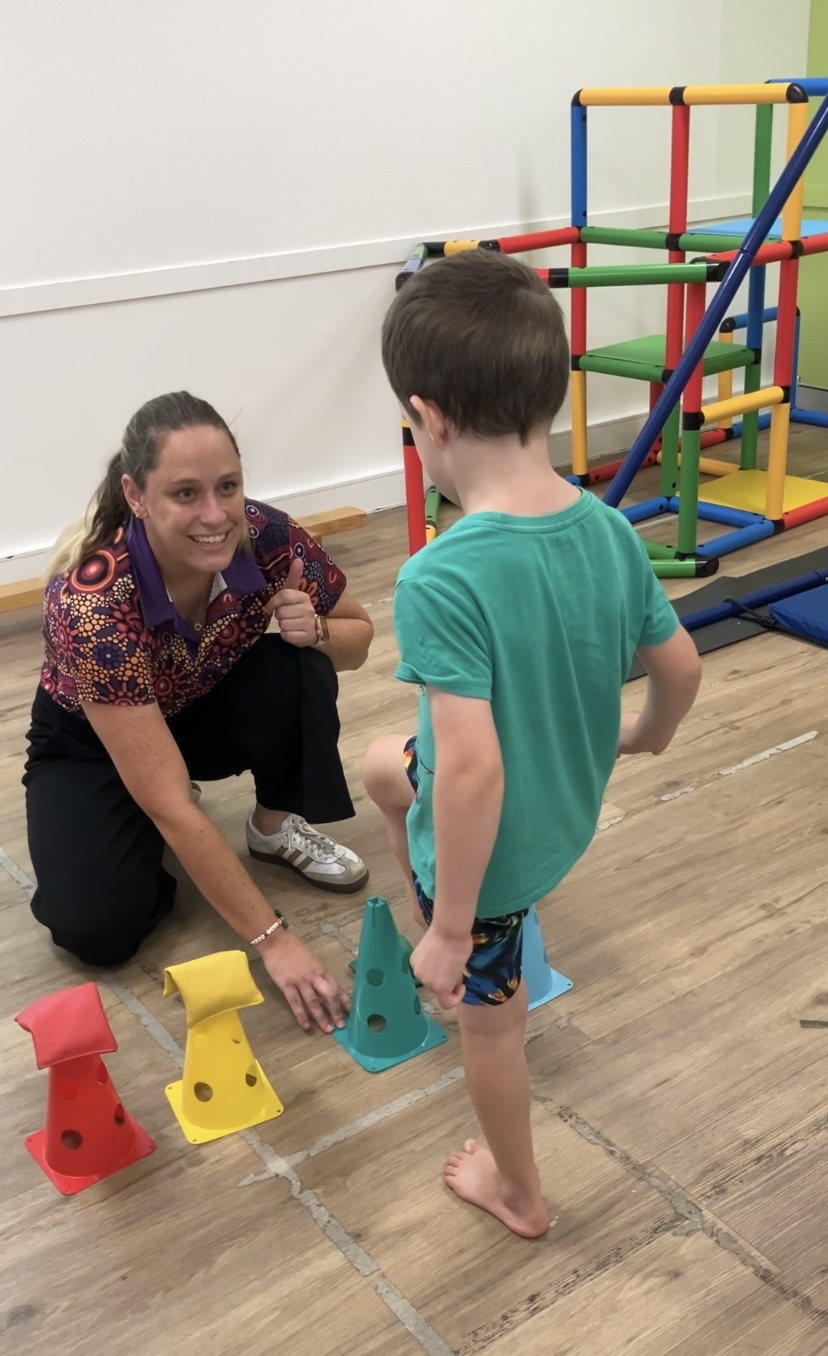
I really enjoy helping people achieve their goals. When you typically think of physio, you think of sports trainers and people keeping on after they’ve torn their ACL and their goal is getting back to the football field. But getting to work in peds [paediatrics], my goal is to help kids live the life they want. So, being able to be play on the playground with their friends or able to ride a bike and seeing that, it just really warms your heart.
It was sort of organic. I wasn’t specifically in a mob-only space. But as you know, community talks to the community and then word started to spread, and I got more and more referrals. I was working with these families in a complex system that wasn’t designed for them. You have to be quite vulnerable to be able to connect, and I was able to provide them a safe place to be vulnerable to express their fears and then be able to get the best for their children. It’s something that I really felt strongly about because every child and every family deserves the right to be able to play and engage with what they want, but, unfortunately, historical differences have made that quite challenging for some families.
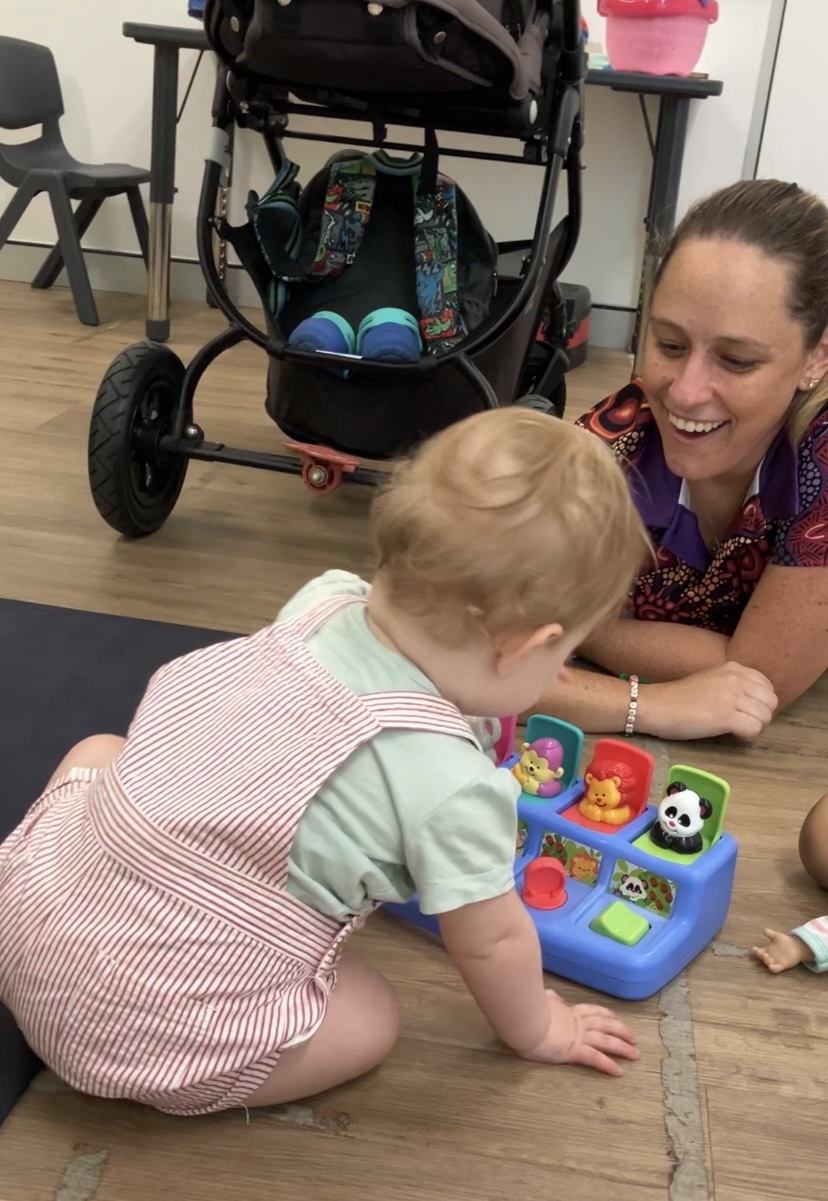
To get [NDIS] support, parents need to go to someone, like the GP or another health specialist, and explain their concerns for the child. Historically, for Indigenous families, that has come with a lot of fear due to Stolen Generations and the skew towards child protection and child out-of-home care. People will worry about judgments on themselves and then what will happen to the children if they do disclose that. something is going wrong. Making a safe space to say “Hey, it’s okay that some things are hard for your child” doesn't mean I’m judging you as a parent. It means I love that you’re doing what you can and doing what’s best for your child, advocating for them. It’s about being aware of that history and making the space that they don’t feel that they’re going to be judged and instantly reported or potentially lose their child in that situation.
It’s a myriad of challenges. If you look at the Closing the Gap report, only 34.3 per cent of Indigenous children are assessed as developmentally on track, compared to 56.2 per cent of all Australian children. So, the gaps can be the ability to access healthcare, as sometimes there are just not any resources in certain locations. Sometimes it’s being judged against standards that are not made for them – for example, in speech and language, Indigenous children can be marked as “delayed”, but it’s because they’re doing assessments in English, and English is not their first language. Traditional language is their first language and that can cause delays.
It can be about access to different facilities as well, like access to stairs. If you don’t have stairs in your community, you’re not going to learn how to climb stair and then suddenly you go somewhere else, like a school, and there are stairs. So, it can be access to support, access to locations. It can be about the health literacy, like throughout that intergenerational trauma of being Stolen Generation, not getting the education and not realising that there’s a delay and then getting delayed access to health services. That can all cause a gap as well.
There are also some conditions that are more likely to occur in Indigenous children, such as inner ear infections, which don’t only affect speech and language, obviously because of hearing, but your inner ear also affects your balance and ability to walk and move. I had one child who was developing normally and then suddenly lost the ability to sit because of a really bad inner ear infection. By the time that got sorted, they were delayed and we had to help support them through that.
“Making a safe space to say, ‘Hey, it’s okay that some things are hard for your child,’ doesn’t mean I’m judging you as a parent. It means I love that you’re going what you can and doing what’s best for your child.”
It’s all about my intention.
Often when people do an initial assessment, they go, “Okay, who’s this person? What’s the problem? How can I help?” The important thing for me is to stop before we even say, “Why are they coming here?” It’s like, “Who is this person?” Full stop. We need to get to know who they are, who’s in their community, who’s around them, and who’s around the nucleus of this child and this family. You need to understand what their story is first, before you go any further. What do they want to achieve? Because if people come in with preconceived ideas and notions of being like, “Oh, they should be able to do X, Y, Z,” that’s not always what the family’s goal is, and that can look very different.
The other question is what makes up the nucleus of a family, which can be a big difference, if a health specialist says, “Okay, we only need mum and dad to bring them and discuss the problems.” But when you look at kinship connections, that goes a lot broader in Indigenous communities and needs to be understood as well.
This is all why I take a step back and zero in on building that relationship. We thrive on relationships that aren’t transactional, that are relational, that are connecting in that moment, and then building that trust to build up to get to the next step of what you want to achieve, which is why some mob struggle with getting engaged with healthcare services where people just drop in and out. A continued relationship is the strongest way and the way to be culturally safe as well. It’s taking the time to build the trust and understand what other barriers might be there in supporting this child and this family. You say child, but you can't say it without their family or extended community because it’s all interlinked. There is an intrinsic depth that comes with working with mob in that space.
We don’t have enough information how it’s going to roll out yet to know, so that will be the tricky thing. We’re hoping that it will be great, but we just don’t have enough information yet.
Posted on 07 Oct 2026
Joseph Friedman is co-founder and publisher of About Time, Australia’s only newspaper for…
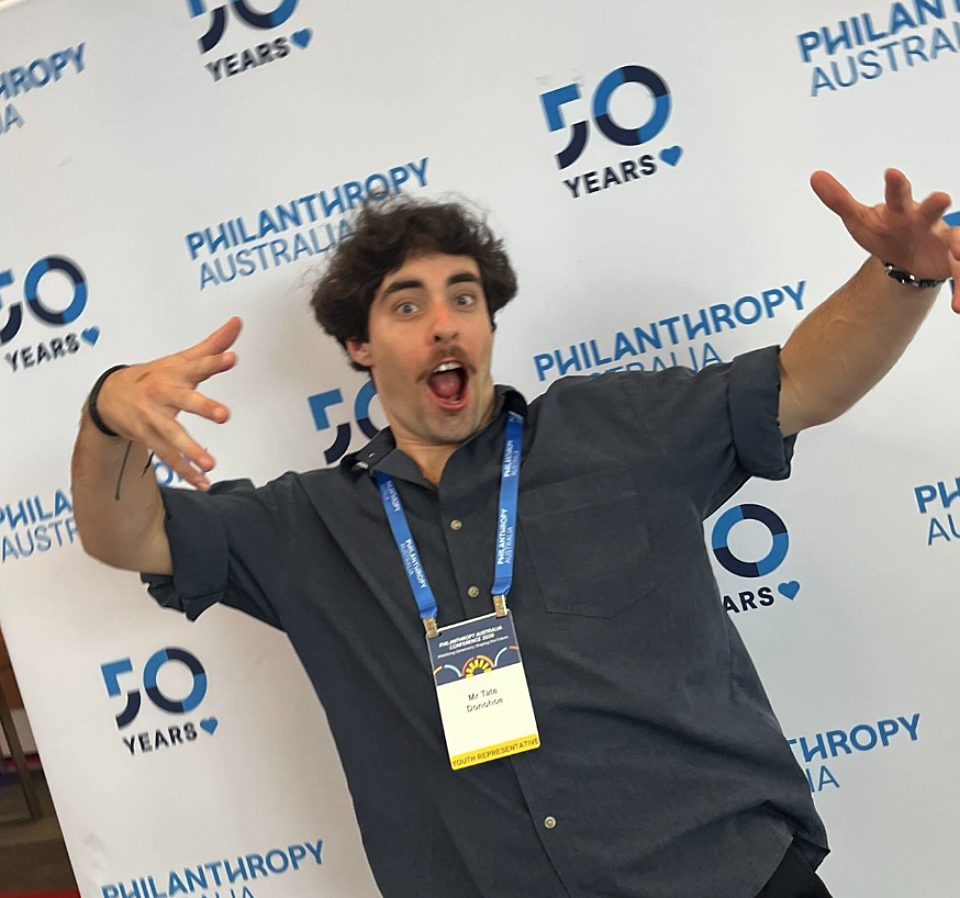
Posted on 30 Sep 2026
At 21 years old, Tate Donohoe is the founder of Ecodia, an AI-assisted software development company…
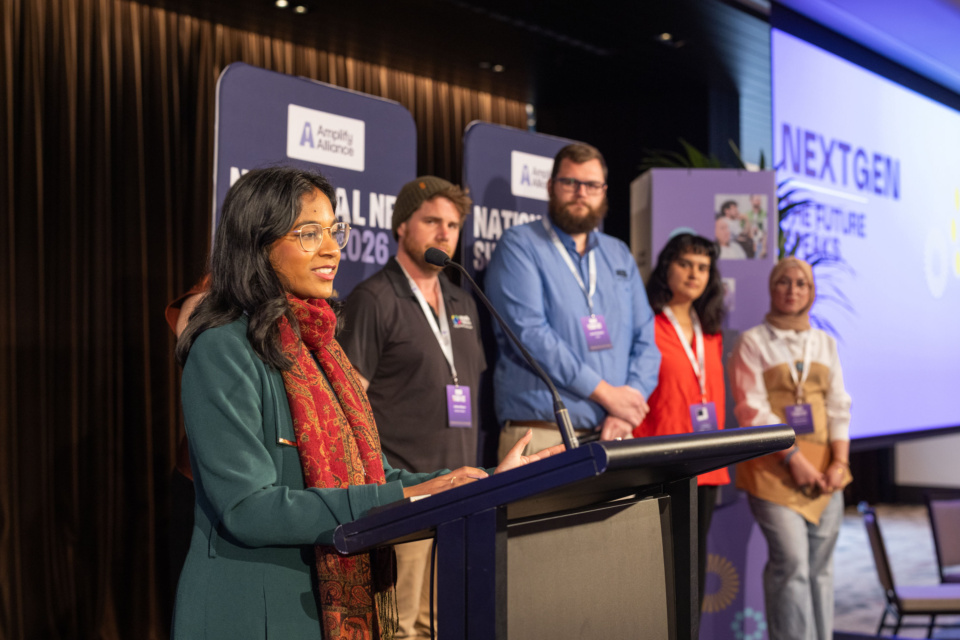
Posted on 02 Sep 2026
At last week’s Amplify Alliance National NFP Summit, Satara Uthayakumaran, 23, brought the voices…
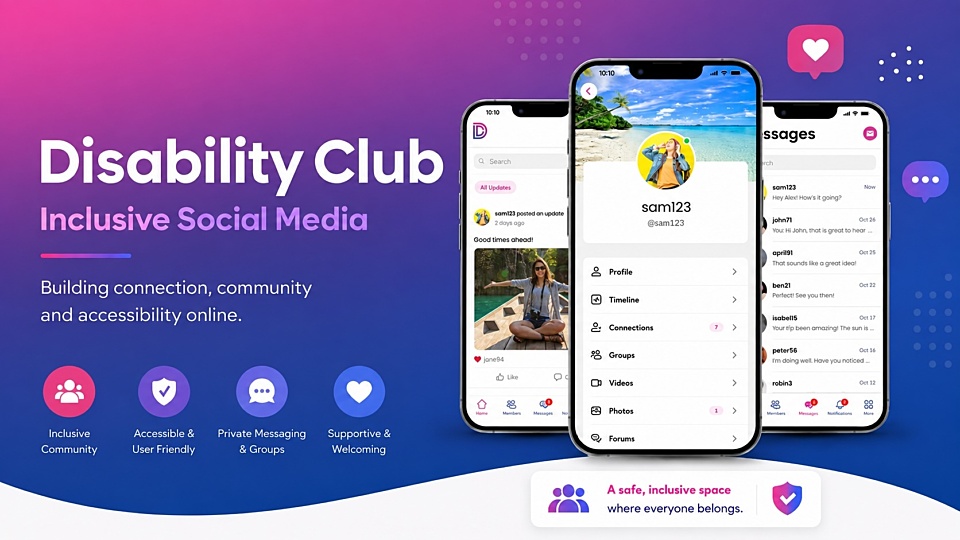
Posted on 26 Aug 2026
Nathan Johnston lives in Bega, NSW, and lives with cerebral palsy. He’s the creator of Disability…
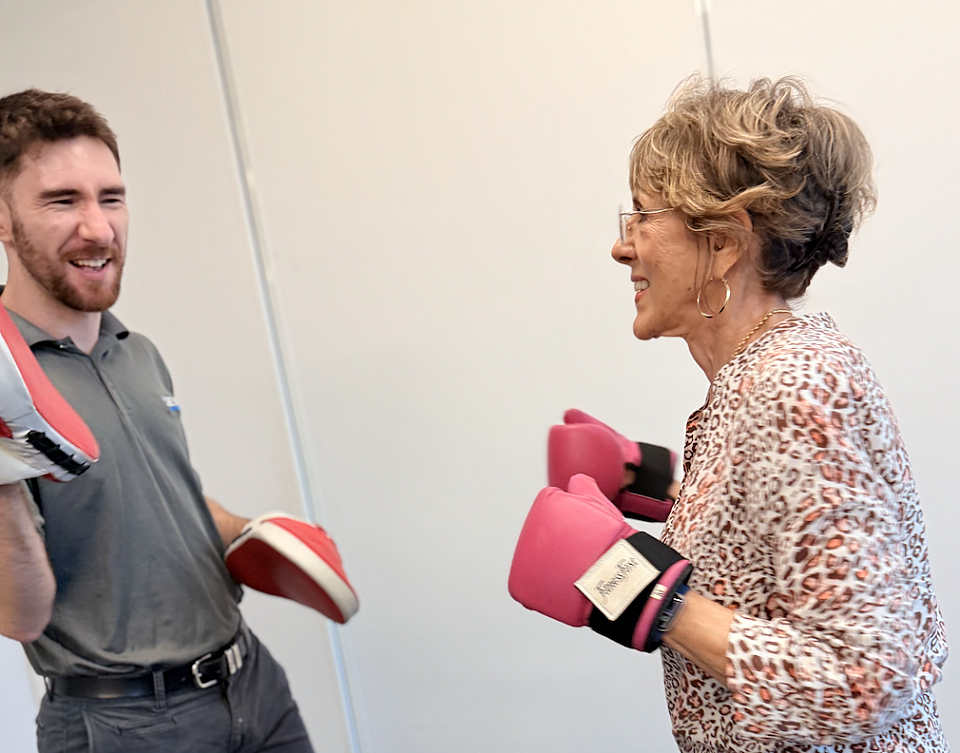
Posted on 19 Aug 2026
Coralie Wales is the founder of Strong Australia, an ACNC-registered health promotion charity that…
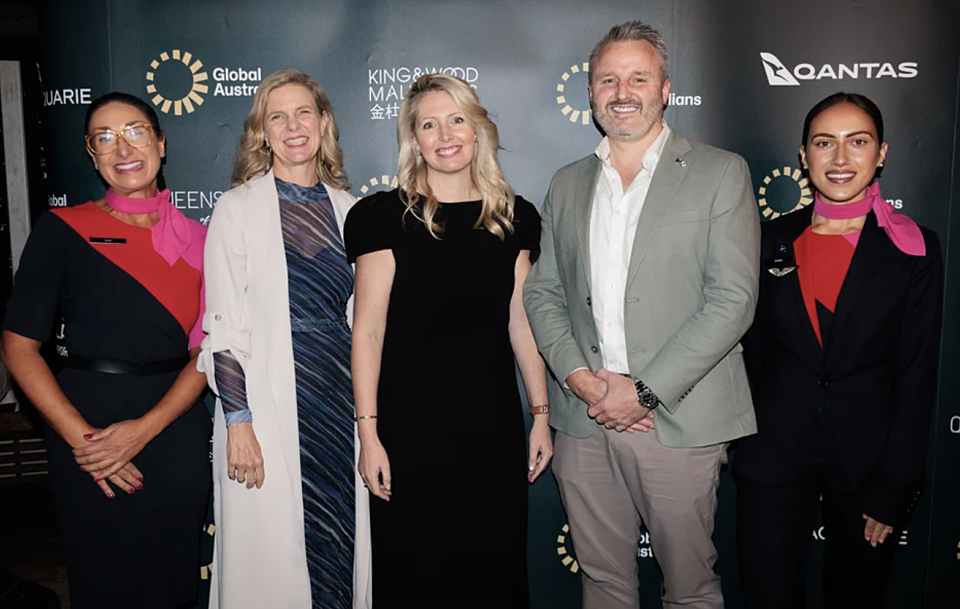
Posted on 08 Jul 2026
Kate McQuestin is CEO of Global Australians, a not-for-profit aimed at connecting Australians…
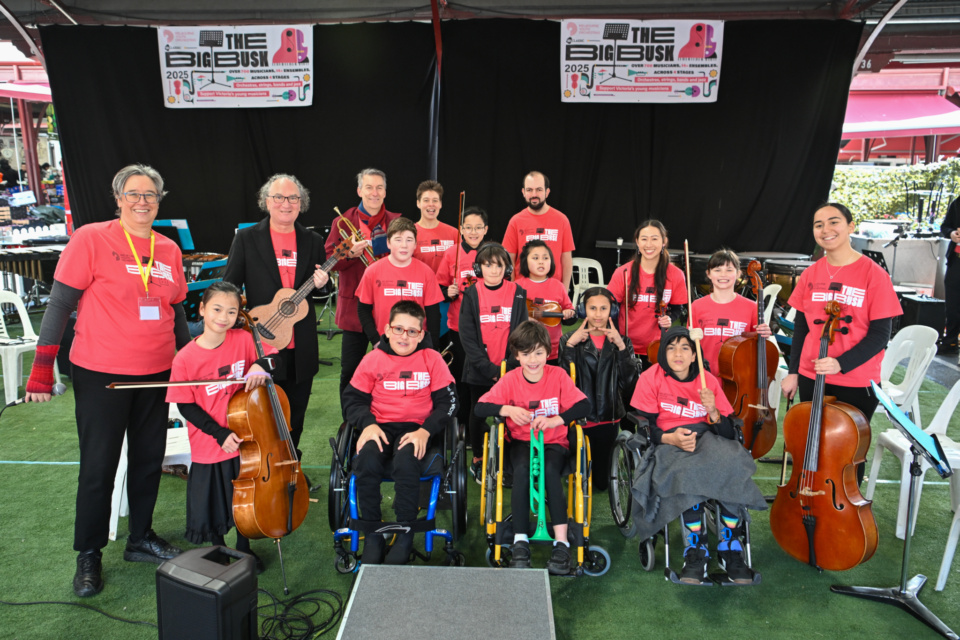
Posted on 30 Jun 2026
Anthea Skinner is a musicologist, a senior lecturer in disability creative performance at the…
Posted on 24 Jun 2026
Lizzie Mettam manages corporate partnerships for DV Safe Phone, an organisation that provides…
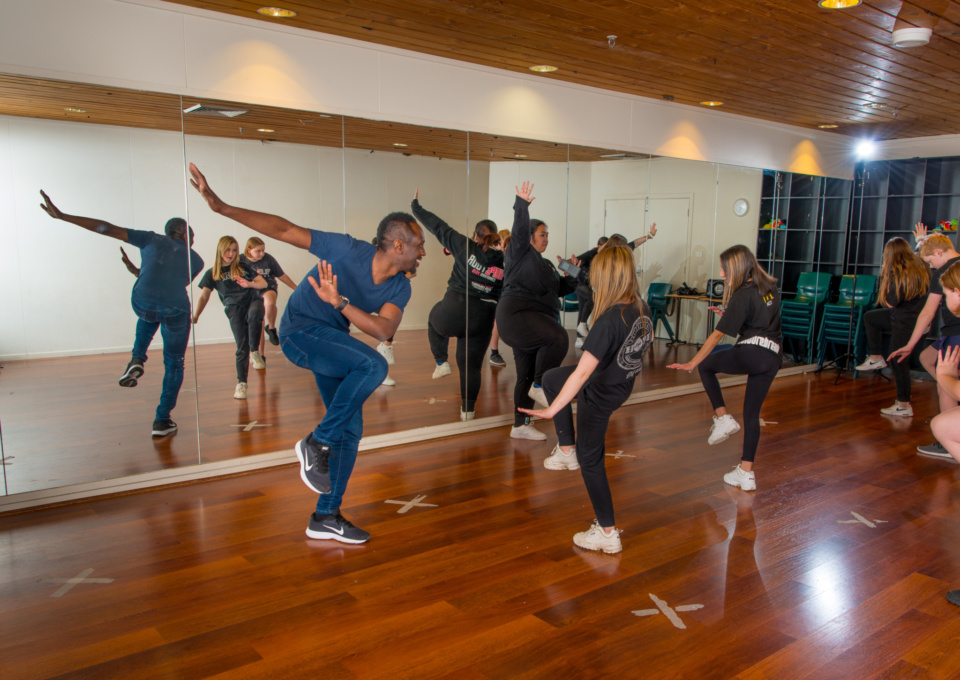
Posted on 17 Jun 2026
Francis Owusu is the founder of Kulture Break, a charity that helps young people build confidence,…
Posted on 10 Jun 2026
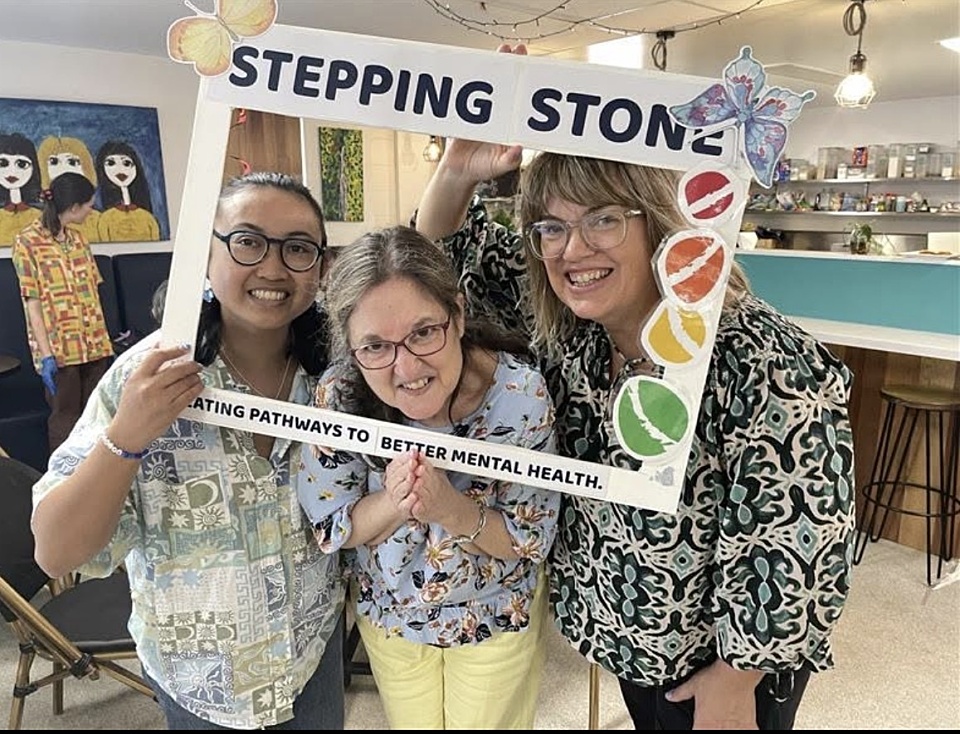
Melanie Sennett is the chief executive officer of Stepping Stone Clubhouse, a Brisbane charity that…
Posted on 27 May 2026
Maria Owen is the CEO of ImpactLab, a New Zealand social enterprise that analyses data for…

Posted on 20 May 2026
After a long corporate fashion career, Karina Bruce is the CEO of Dress for Success, the Victorian…