Why Carol Webb took a while to even realise she was a carer
Posted on 14 Oct 2026
Carers Victoria is holding an event this afternoon (October 14) during National Carers Week to…
Posted on 30 Jun 2026
By Nick Place, journalist, Community Directors
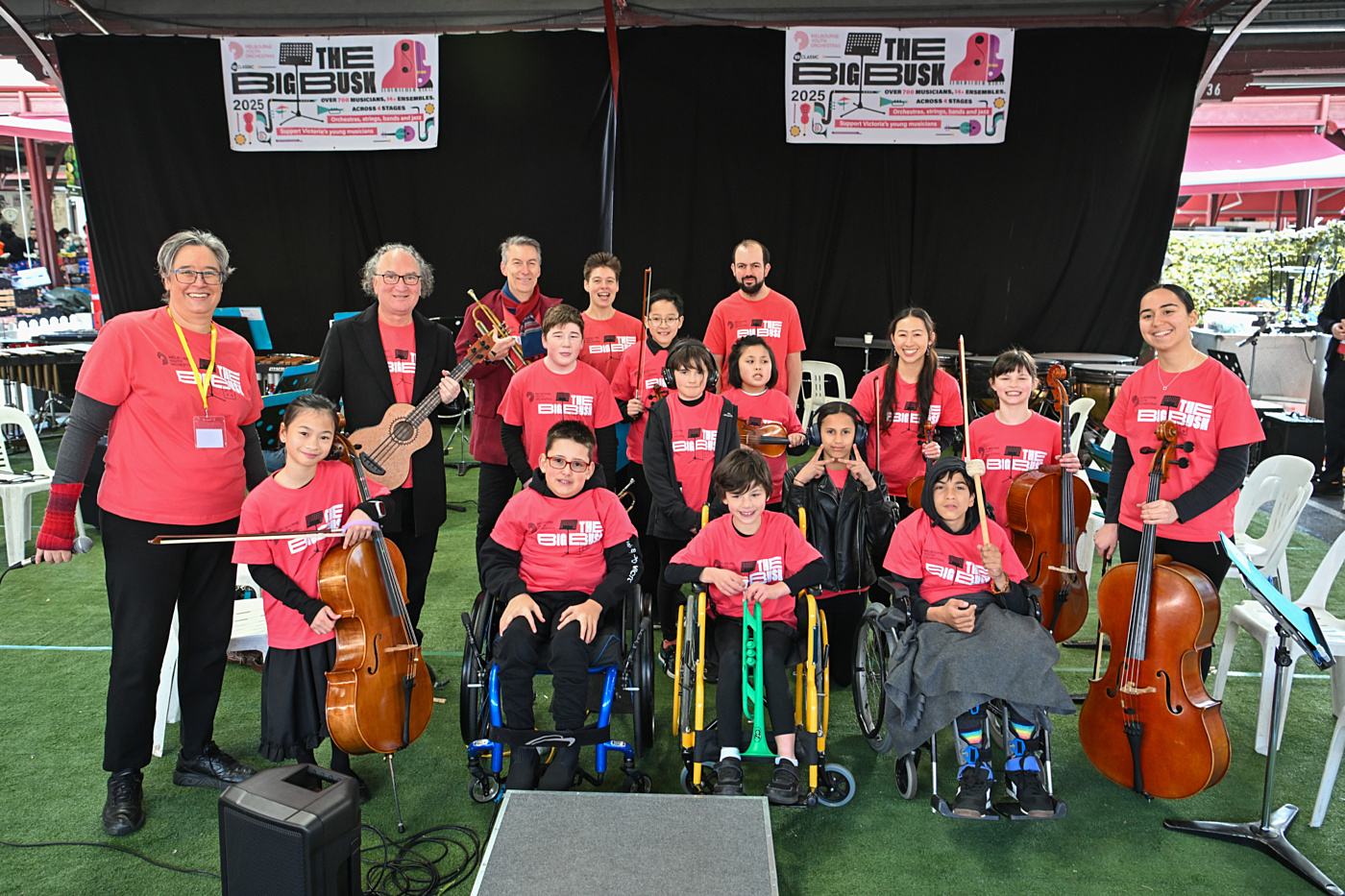
Anthea Skinner is a musicologist, a senior lecturer in disability creative performance at the University of Melbourne, and a co-founder of IncLab, an organisation that enables people living with disability to play music. We talked to her about her work.
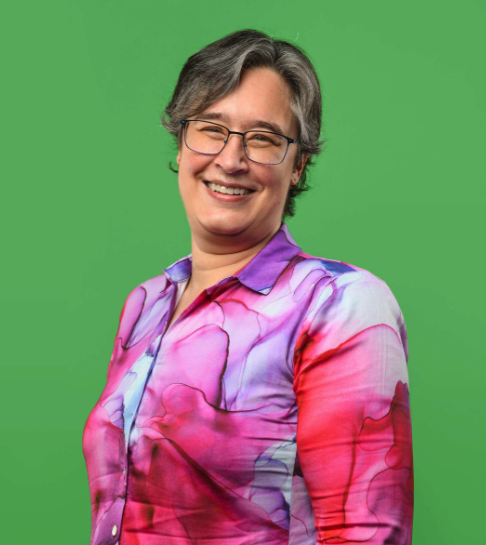
I’m still figuring it out myself, I won’t lie. I currently have an Australian Research Council fellowship to work with Melbourne Youth Orchestras as my partner to create educational opportunities for young musicians with disability. Every Saturday morning, I’m here with about 30 kids with noise-making equipment, which is an exciting thing on a Saturday morning.
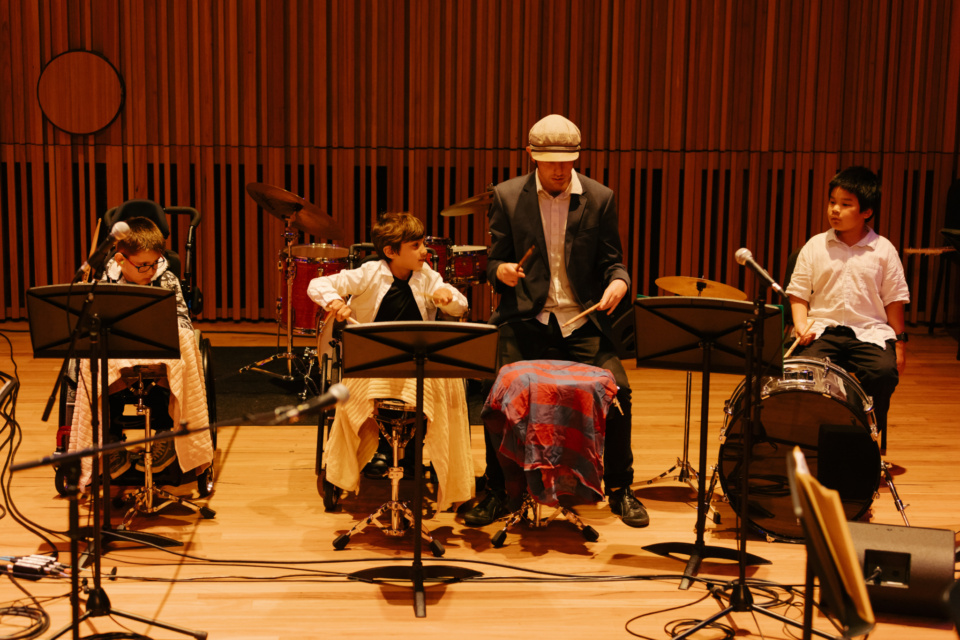
We run two ensembles for disabled kids aged 8–14 on a Saturday morning, which are part of Melbourne Youth Orchestra’s mainstream suite of ensembles. One operates like a junior band and has about 20 kids in it. The other is sometimes broken into two ensembles because it’s for really high-support-needs kids, so we might only have three or four together, because each child might need one or two adults in the room with them.
I went through MYO in the nineties, when they helped me come back to playing after I developed my disability. I’ve come back to now do that for others. My colleague Leon de Bruin, the conductor of the band, and I did a bunch of research before we started our project. It showed that kids with disability were missing out on musical lessons at school. We had done the study to investigate why we had so few disabled students at the conservatorium, but what we found was that the pinch point was not at university level, it was getting their first lesson and getting their first instrument.
We talked to Melbourne Youth Orchestras about this and now we sit underneath their ensembles and we feed the kids up as they graduate from our program. We give them their first experience.
We have three ways of helping them. Firstly, we teach teachers and develop the pedagogy so that we know how to teach music to neurodivergent or disabled students as we run the ensemble.
Secondly, if necessary, we design the instruments they need, and occasionally that’s the whole instrument. At the moment, we’re designing a drum kit for a kid who can only use her feet to play. But often it’s lower hanging fruit, such as things like bow grips or bow guides, or a trumpet stand for a kid who might not be able to balance their trumpet by themselves.
Thirdly, I work on people and policy, which is two-way advocacy. I teach the students that being a disabled musician is an achievable goal, and that they are not the first to aim to achieve it. I’m not the only disabled person on the teaching team. In fact, most of our teachers are either disabled or neurodivergent. We also bring in guest composers, dancers, musicians who are disabled, to work with the students. The kids are seeing adults who look like them working in the field. Some of our kids have literally never met an adult that looks like them.
“I came into this project thinking that traditional instruments were the main barrier, but actually the main barrier is attitudinal.”
I have a neurological condition that I’ve had since I was 12. I loved music but I had to go back to playing a recorder because it was the only thing I was strong enough to lift back then. I had been a double bass player, so there’s a big difference in weight between those two things!
I stopped playing for a while, and honestly, as my illness goes up and down, there have been periods of my life where I’ve sort of stopped playing entirely for five or six years before coming back. I eventually realised that no, this is something that I do, and it’s good for me, and I need to keep doing it.
As I did my PhD, I started drumming in an all-disabled band, the Bearbrass Asylum Orchestra, playing very inappropriate songs for a quadriplegic to sing, like, “I touch myself”. It was fun.
I originally thought it was just clichéd to be the disabled researcher working in disability. My PhD was in military music, and I was interviewing World War II veterans about their band experience. I was writing biographies of 19th-century armless violists and the like, and I thought, if they were doing that then, this is something we need to do now, with all the advances in technology, 3D printing and the like.
Honestly, this project is wish fulfilment of what I wanted and needed when I was a kid.
Here, we do two-way advocacy in that we teach students that this is something they can do, but we’re also advocating outwards. For example, when our students graduate up into MYO, we make sure that the conductors there know their needs and understand.
Likewise, if they want to join their school band, or have music lessons at school, we talk to their teachers. We’ve also advocated to the Australian Music Examinations Board to explain the reason a student was playing a violin in a strange way wasn’t that she was bad at playing violin, but she was just playing it differently, and there were reasons for that.
They are starting to get it, yeah. Music is very conservative – there is still a master–apprentice relationship in the way we tend to teach it. Most instrumental teachers in Australia don’t have an actual teaching qualification. They’re just teaching as their teacher taught them. They usually want to help but don’t know how to.
I came into this project thinking that we were going to be using all adaptive instruments, that traditional instruments were the main barrier, but actually the main barrier is attitudinal, you know? Teachers’ attitudes, orchestras’ attitudes, even parents’ attitudes, assuming that this is not something for their child, because they’ve never seen music done accessibly before.
I compare it to the Paralympics. Every phys ed teacher and coach in Australia knows that disabled kids can participate in sport because they’ve seen the Paralympics and they know who to call if they need help. We don't have that in music and that’s the position that we want to fill.
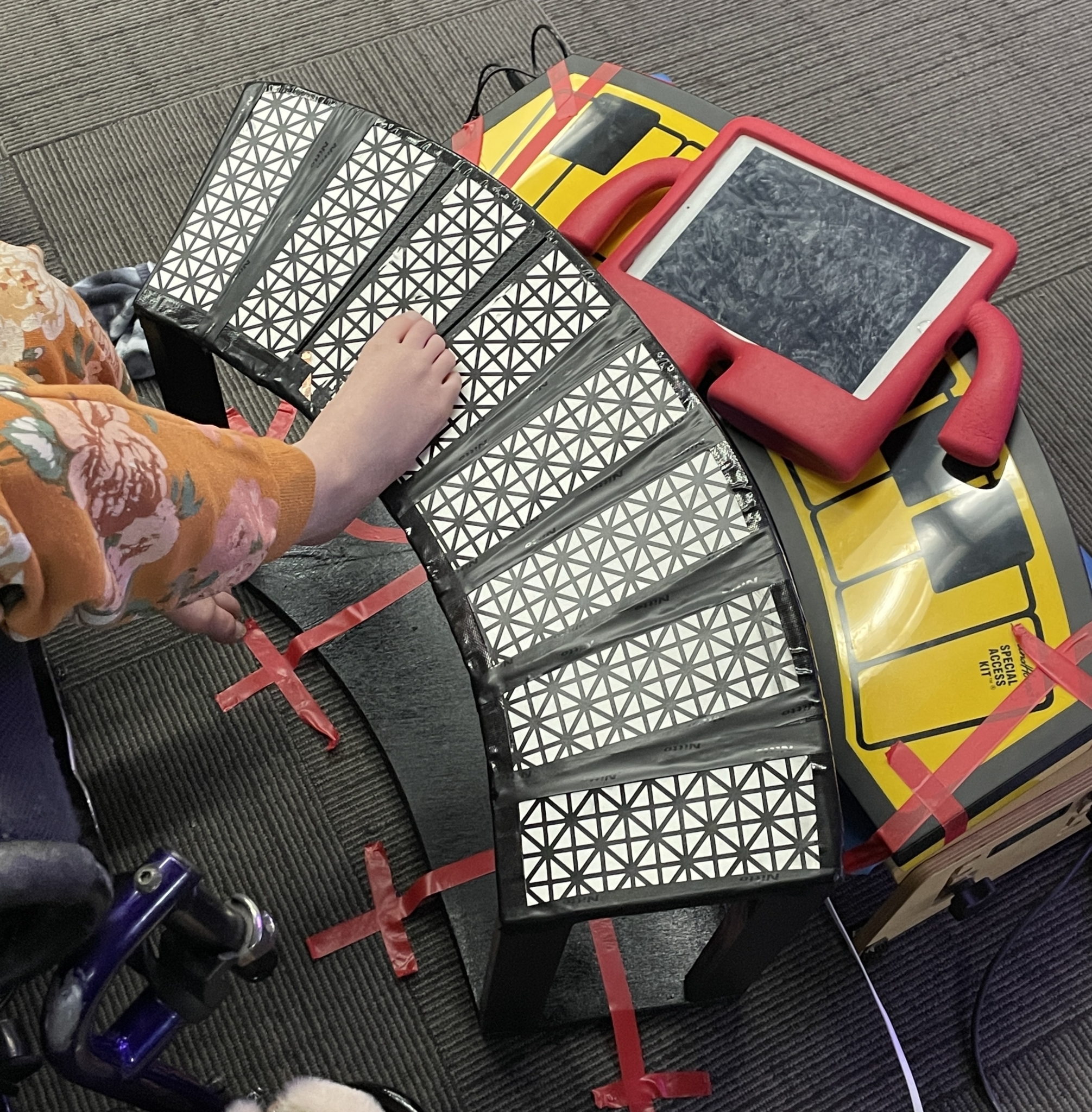
I get cold calls all the time from teachers saying, “I’ve heard you’ve got this program.”
This week, I’ve got a quadriplegic student who really wants to play violin.
I haven’t spoken to the child yet, but this was the OT and the physio who came to me. What I said to them was, “Look, I can guarantee you we can get her playing an instrument, and we can try for that instrument to be violin.” We run a come-and-try day, where can come in and try the instrument they want. We also have a bunch of adaptive instruments they can try.
We have another student, a guitarist, who can only strum, so we created a little app that connects the pick-ups to her computer and when she wants to change chords, she presses a button with her foot.
I want us to play at the Paralympics in Brisbane in 2032.
As a starting point to that, we are looking to build the Melbourne Youth Paraorchestra, and our vision is that it will be a performing ensemble for 14–25 year olds, welcoming any instrument, whether it is standard or adaptive.
Melbourne Youth Orchestras ensemble program is here.
IncLab's website is here.
Winter School enrolments are here.
Posted on 14 Oct 2026
Carers Victoria is holding an event this afternoon (October 14) during National Carers Week to…
Posted on 07 Oct 2026
Joseph Friedman is co-founder and publisher of About Time, Australia’s only newspaper for…
Posted on 30 Sep 2026
At 21 years old, Tate Donohoe is the founder of Ecodia, an AI-assisted software development company…
Posted on 02 Sep 2026
At last week’s Amplify Alliance National NFP Summit, Satara Uthayakumaran, 23, brought the voices…
Posted on 26 Aug 2026
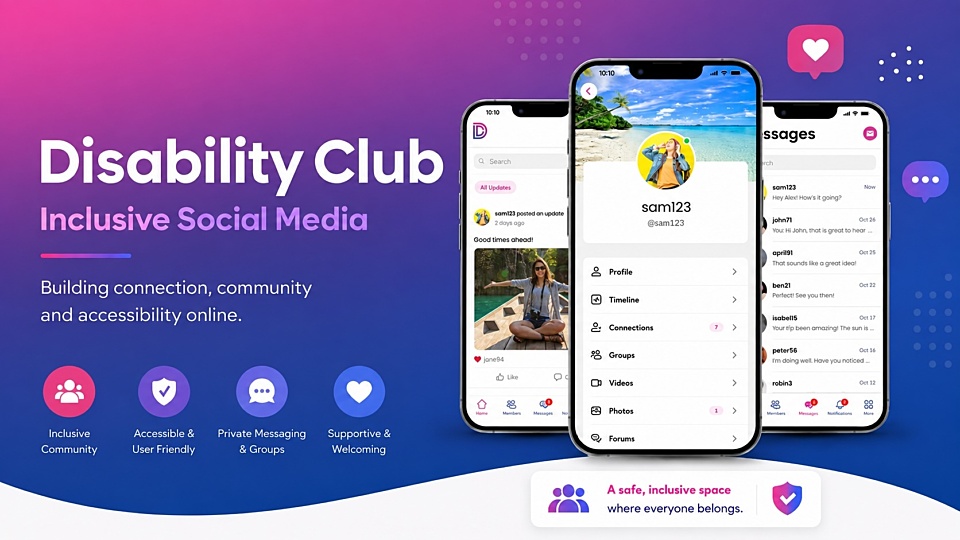
Nathan Johnston lives in Bega, NSW, and lives with cerebral palsy. He’s the creator of Disability…
Posted on 19 Aug 2026
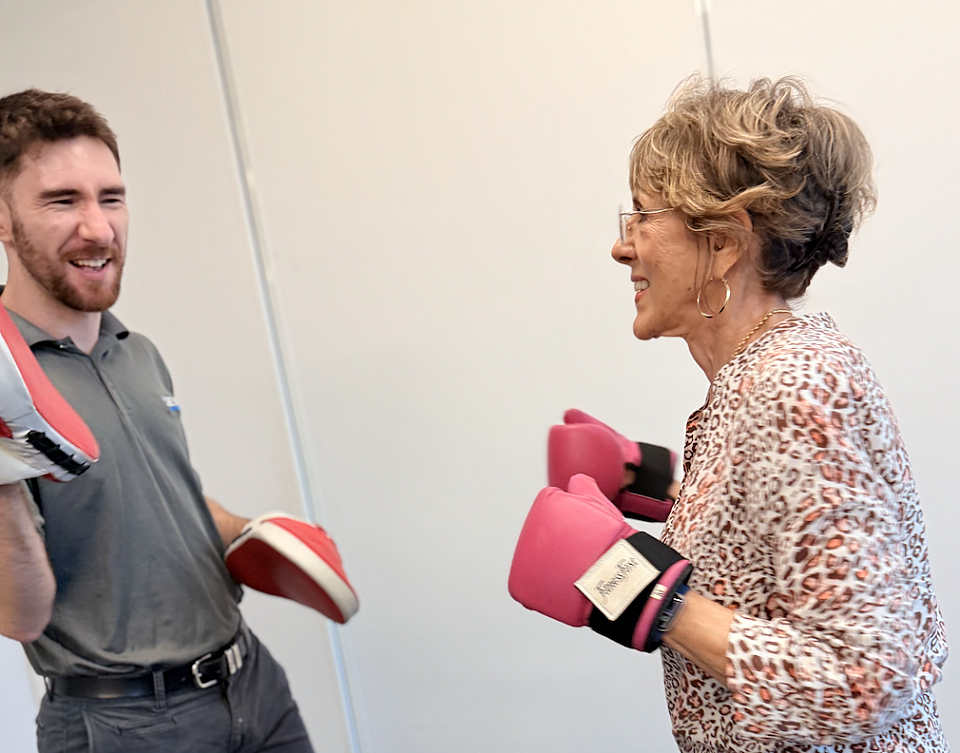
Coralie Wales is the founder of Strong Australia, an ACNC-registered health promotion charity that…
Posted on 08 Jul 2026
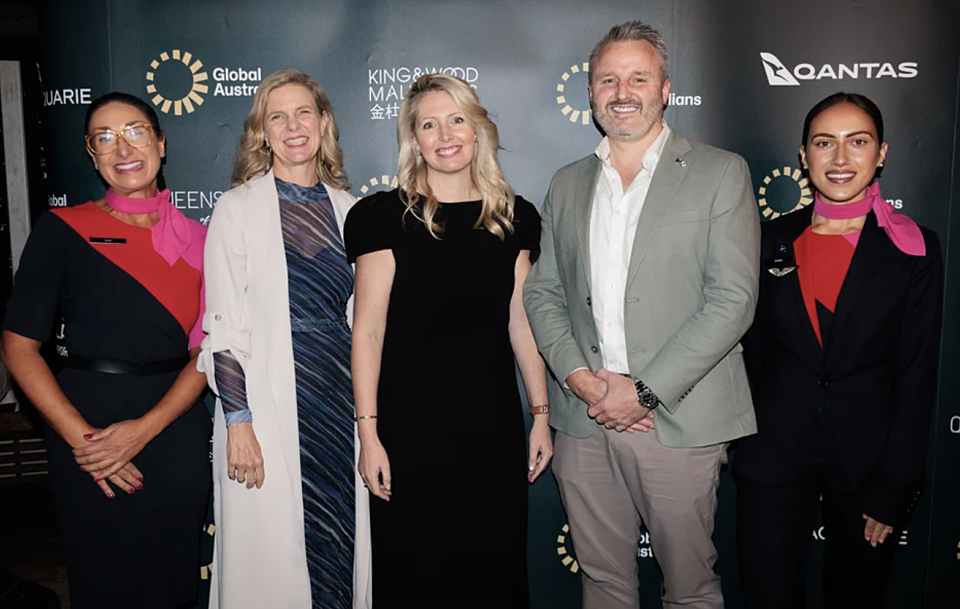
Kate McQuestin is CEO of Global Australians, a not-for-profit aimed at connecting Australians…

Posted on 24 Jun 2026
Lizzie Mettam manages corporate partnerships for DV Safe Phone, an organisation that provides…
Posted on 17 Jun 2026
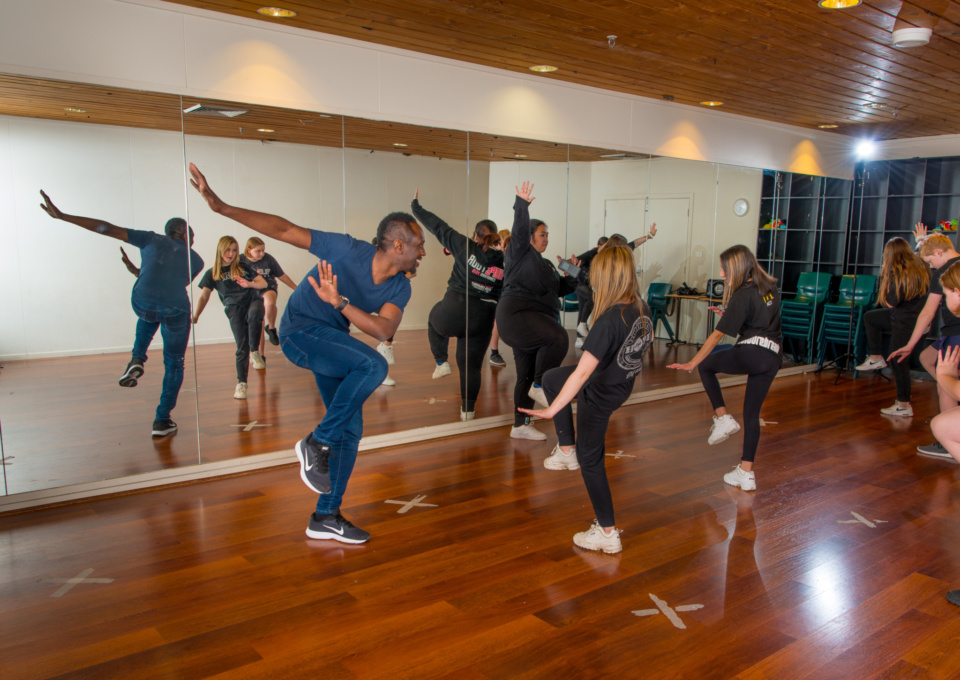
Francis Owusu is the founder of Kulture Break, a charity that helps young people build confidence,…
Posted on 10 Jun 2026
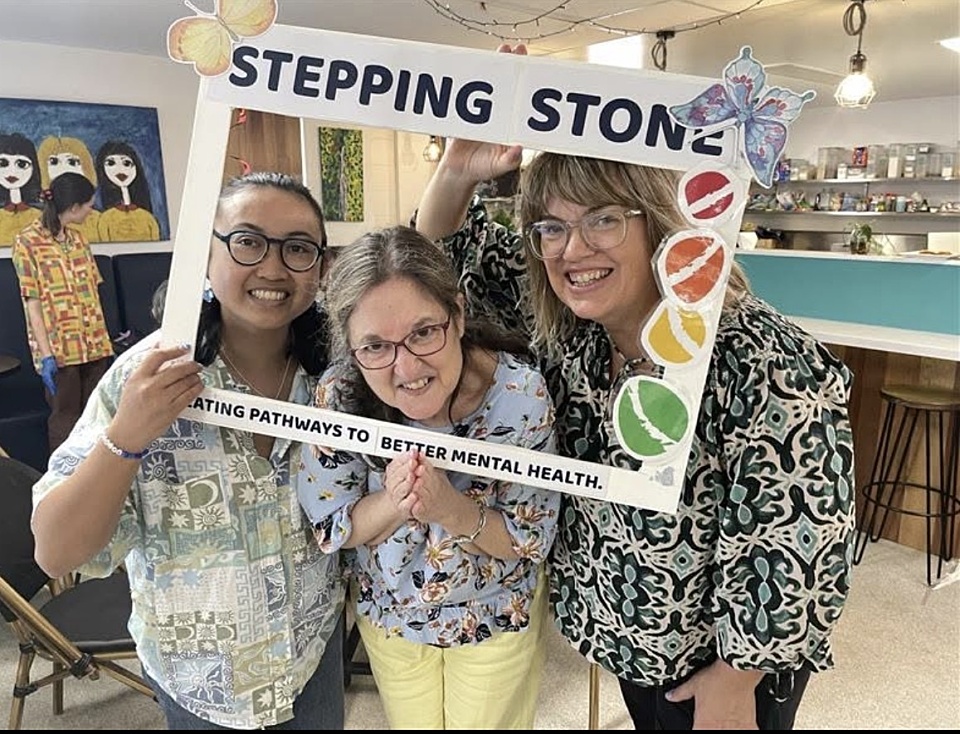
Melanie Sennett is the chief executive officer of Stepping Stone Clubhouse, a Brisbane charity that…
Posted on 03 Jun 2026
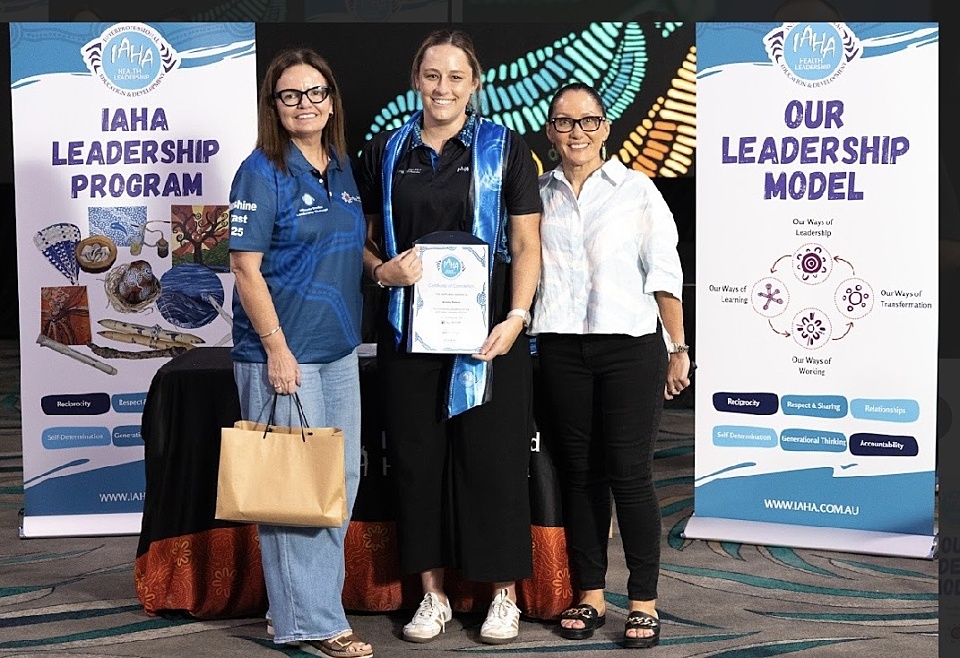
Kristy Petrie is a paediatric physiotherapist and proud Gooreng Gooreng woman who sits on the…
Posted on 27 May 2026
Maria Owen is the CEO of ImpactLab, a New Zealand social enterprise that analyses data for…