Why Carol Webb took a while to even realise she was a carer
Posted on 14 Oct 2026
Carers Victoria is holding an event this afternoon (October 14) during National Carers Week to…
Posted on 17 Jun 2026
By Nick Place, journalist, Community Directors
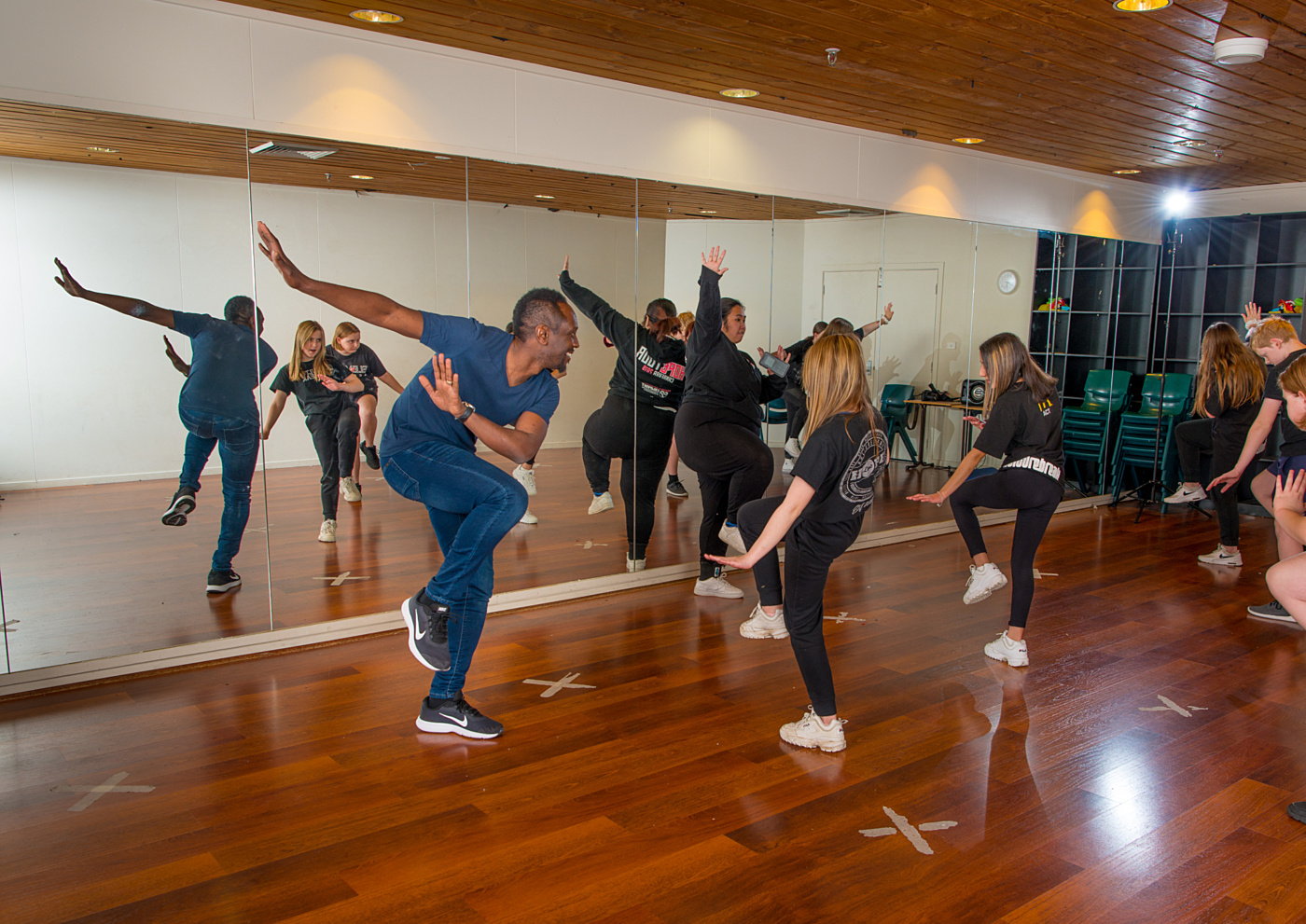
Francis Owusu is the founder of Kulture Break, a charity that helps young people build confidence, friendships and fitness through dance and other movement. He is also the force behind the Unstoppable 24 schools movement challenge, which aims to get kids moving. We spoke to Francis about the campaign and his wider work.
It's a movement challenge through September that asks schools to have students move for 24 minutes per day, Monday to Friday, for one week. But young people are dealing with challenges on a daily basis, 24/7, from a wellbeing and resilience level, so the idea is we want to encourage young people to have access to tools that can help them become unstoppable, 24/7.
Many young people are stuck these days in a sort of a cycle of inactivity, social disconnection and declining mental health. What we’re doing with Unstoppable 24 is giving them some way to boost their mood, connection, focus and learning readiness in just 24 minutes. The studies show that getting kids to move just eight minutes a day can have a positive effect of reducing their rates of depression by 12 per cent. So, we’re doing three times that at 24 minutes. We feel it is easy enough and long enough and doable enough for anyone to do 24 minutes.
The federal government’s guidelines for daily physical activity encourage moderate exercise of up to two hours a week, and if you do our challenge, 24 minutes a day times five, it equals two hours, the minimum requirement.
As part of the campaign, kids are asked to raise $24, with those funds going directly into resilience programs at their school. We are really clear on the direct connection between what is raised and what goes back into the school, to keep that ecosystem going of school empowerment.
We’re based in Canberra and wanted to get the message out on a national level, so we went to our ambassadors to put the word out, asking: who believes that young people’s mental health and physical wellbeing is key? Michelle put her hand up straight away and her record speaks for itself. She’s been a celebrity fitness trainer and a very big advocate of movement, mental health and wellbeing. Andrew is obviously into sports as well, with the Socceroos, but he’s also a qualified school teacher and very passionate about young people.
I was talking to Andrew the other day and he said that he has generations of educators in his family. You know, cousins, parents, siblings, private university lecturers.
Haha. Yes. He was telling me that during the Qatar World Cup, he got his teaching degree.
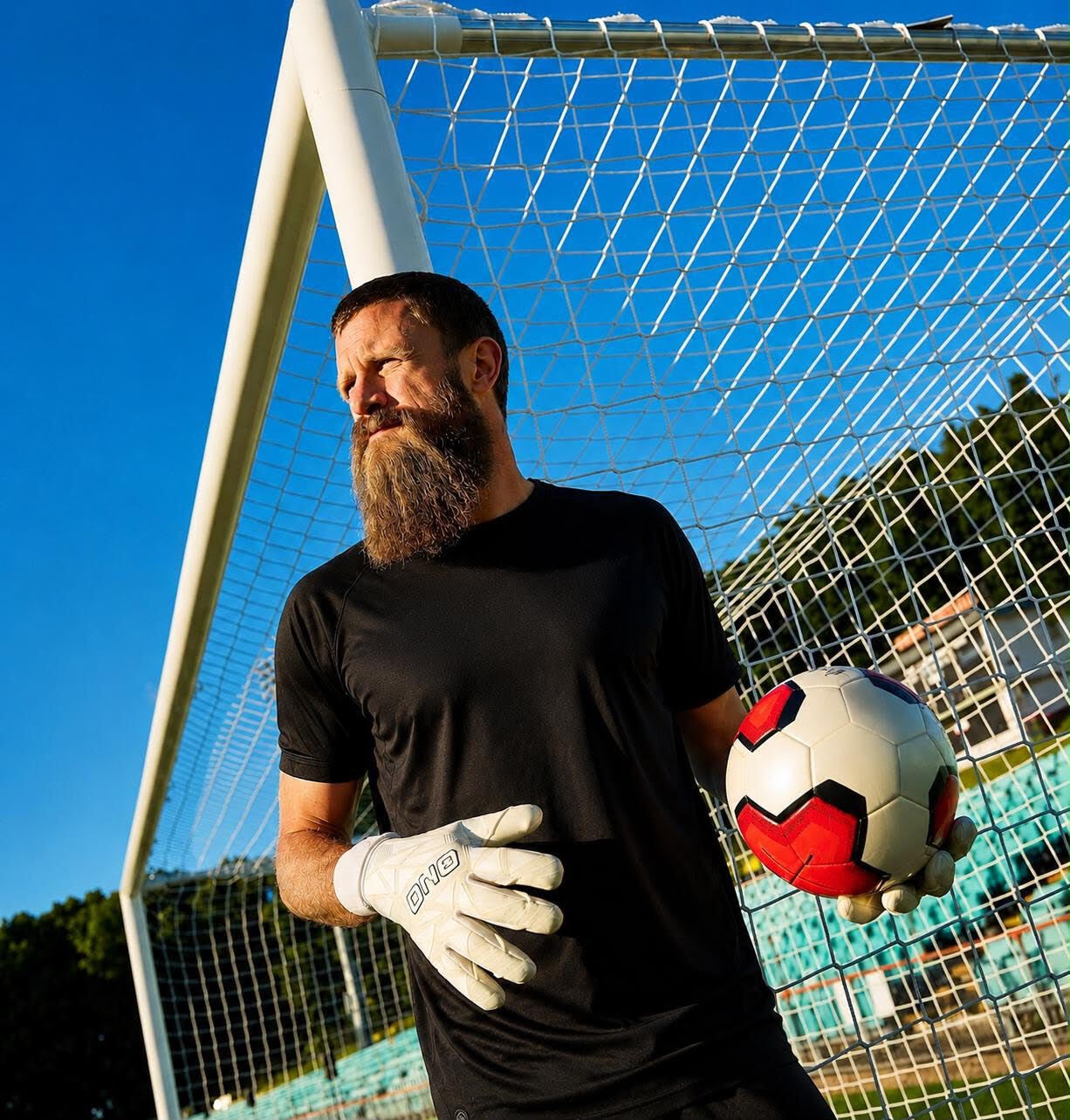
Yes. For schools that register before June 30th, they’ll go into a draw. One lucky school will get a visit from Andrew and he’ll do a soccer skills session, an inspirational talk and a Q&A for students.
Yeah, it’s pretty scary, and unfortunately, post-covid lockdowns, we’re seeing that number not coming down, but in fact it’s scary to say that it could increase. What now is happening is a lot of young people spend more time on screens than we used to, I remember, as a kid. We’d be on our bikes, and then we’d get out in the morning, we wouldn’t come back until night, we’d find a place to eat at someone’s house for lunchtime, and we’d move all day. Now what’s happening is a lot more young people are finding themselves behind a screen for a lot longer and isolating themselves. Connected online, but in physically social isolation, and moving less. So, it’s really important that we continue to hit this multiple ways, and Unstoppable 24 is our way to disrupt that statistic and just to try and break that cycle.
It’s birthed out of my story. As a young man, I really struggled with self-esteem. My parents were migrants – were actually diplomats from Ghana. They migrated to Australia and naturalised after the posting. At school as a young man, I really struggled to fit in and express myself. I often found myself being looked down upon not because of what I said, but because of what I looked like, and so I developed this sort of inferiority that maybe I wasn’t good enough and I was less than others. What changed for me is when I moved back from Geelong to Canberra, where I was born.
I got involved in what I now know – but back then didn’t know – was the rock eisteddfod. Now, I was at an all boys’ school, and it was known for sports – academics and sports. Dance wasn't something a boy would do publicly in that kind of school, but I got involved in a small group of boys that decided to dance. That year we came third in the ACT and that changed me. I remember being on stage and rather than people looking down at me, people looked up to me and applauded, and I could do something, I could contribute. Art became my expression of who I was.
“We disconnect that idea of having to do something in order to be someone. We say you already are someone – now go and do something.”
We formed a boy band in the late nineties, early 2000s. It was originally called 925, because we considered ourselves hard workers. You know, the Dolly Parton song? Then we changed it to D’Verse, as in writing the verse of a song, but also because we came from different cultures. There was a Japanese guy, a Zimbabwean guy, an Irish guy and me. We performed for over a decade, on TV, morning shows, carols by candlelight, all that stuff.
The funny and interesting thing was halfway through all that, I began to see the power of the arts and impact on myself, and I said: I want this not just to be about me. I started going to schools and sharing through dance and movement, an opportunity for young people to express themselves. I had no idea when I started in the first school that it would transpire to 24 years and half a million young people impacted by the message, which is: “You don’t become somebody, you are somebody.”
I was always trying to be someone, trying to fit in, and I just realised through movement that I am somebody and it’s not what I do, it’s actually who I am. At Kulture Break, we say that the world judges you and you tend to accept it, and then you have your identity. But we flip it by saying your identity is who you are, and you’re accepted, so now perform. We disconnect that idea of having to do something in order to be someone. We say you already are someone – now go and do something.
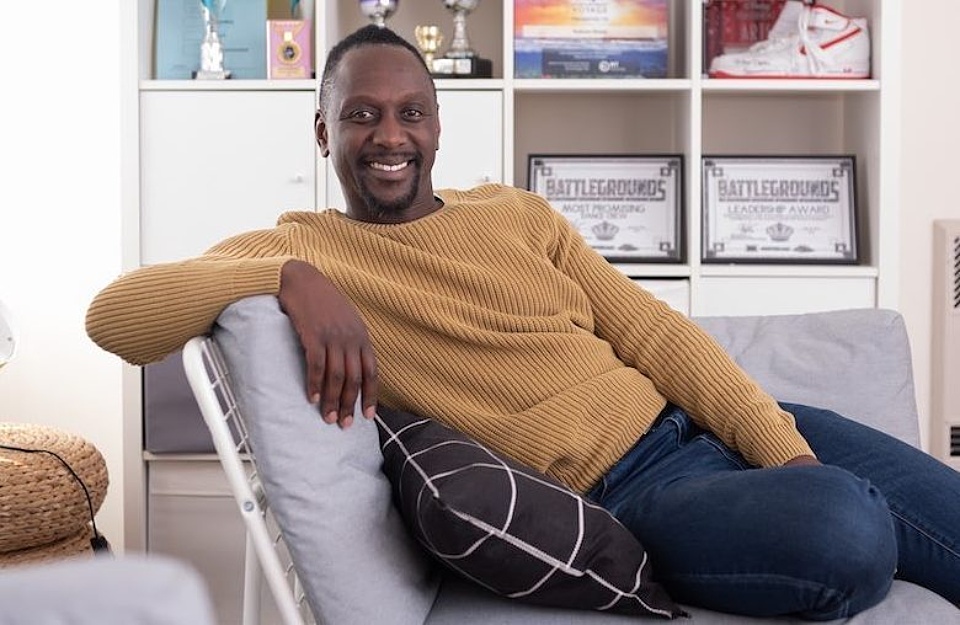
It goes deeper than that. The University of Western Sydney did some research around cultural wellbeing for us, and produced a study, Dance for Life. It discovered what we call the four C’s of resilience through movement. The first is connection; when you move with other people, you connect. We’ve seen that through the history of human cultures. The second is confidence, which you build as you move. By learning movement, steps, dancing, you build your confidence in what you can do. The third is continuous learning. If you’ve never danced before, you’ll make mistakes, but when you mess it up, you learn, you grow and you improve. And the fourth C is contribution. When you get onto the stage or get in front of people and you share your gift, you’re making a contribution, and people get inspired by watching you and also may want to be inspired enough to join you, and we call that giving back.
Not only are the four C’s positive things, but they fundamentally build our baseline of resilience, and they can translate to other areas of our lives. That's what it did for me, and what we are looking to build are Kulture Breakers – raise a generation of Kulture Breakers to go back into communities and bring change because of the empowerment they got themselves.
I’m old enough now, I’ve been around long enough now, that I have the cycle of kids that I taught now bringing their kids. They say, yeah, it did this for me, so they’ll bring their young children to our programs and share their sort of generational change that we see.
I was in an Apple store once, in my tracksuit pants, looking to have my phone fixed, and the guy behind the counter, when I gave my Kulture Break email, said: “Kulture Break? You don’t know me, but when I was in high school, I was suicidal because my parents broke up, and your program came to my high school. Through what you guys said, sharing that you don’t become somebody, you are somebody, and giving a space to move, completely changed my life. Since then, I have not had a suicidal thought.”
That was very humbling: a guy I’d never met before, sharing the impact that the program had had on him.
Hahaha. Yeah, a grandpa band. There is talk, to celebrate Kulture Break’s 25th anniversary. We might do a reunion next year.
Find out more about Kulture Break here.
Find out more about the Unstoppable24 schools movement challenge here.
Posted on 14 Oct 2026
Carers Victoria is holding an event this afternoon (October 14) during National Carers Week to…
Posted on 07 Oct 2026
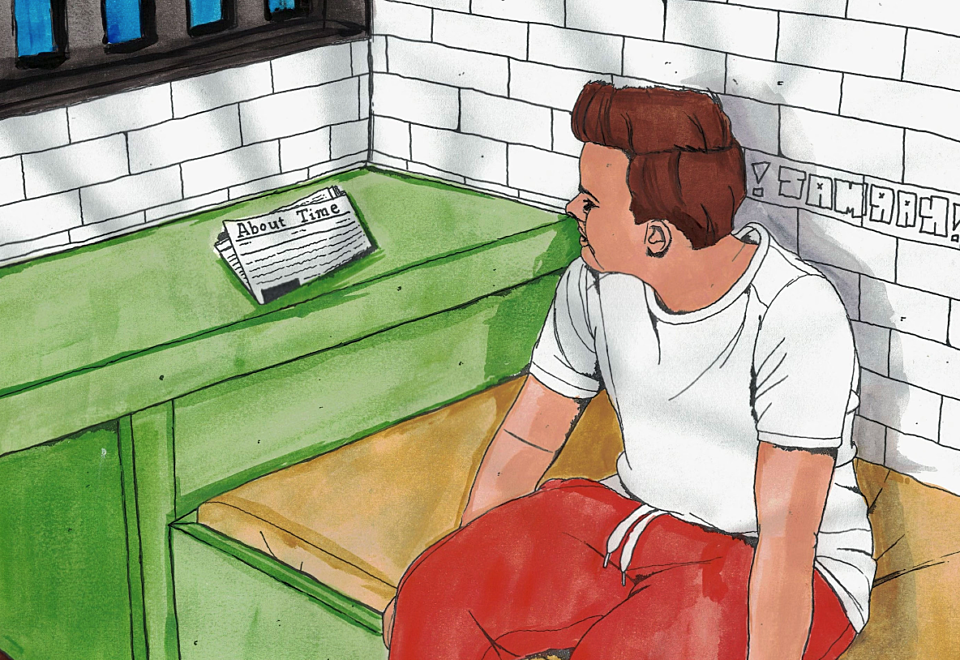
Joseph Friedman is co-founder and publisher of About Time, Australia’s only newspaper for…
Posted on 30 Sep 2026
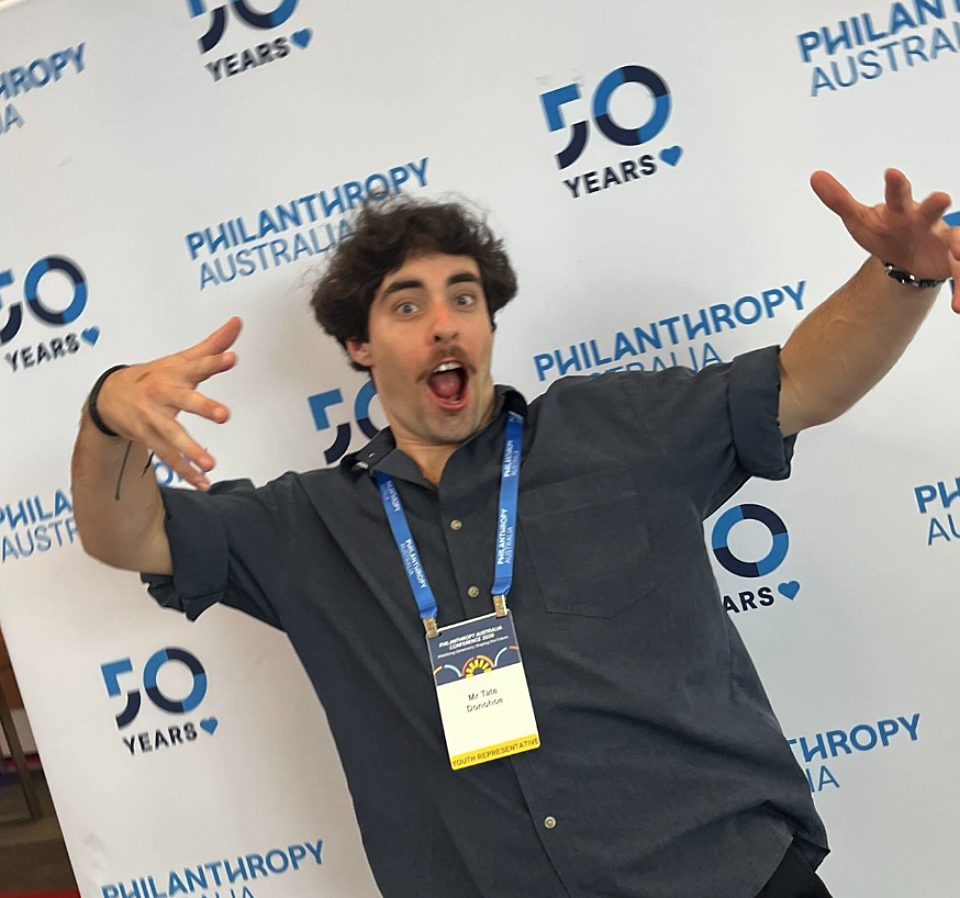
At 21 years old, Tate Donohoe is the founder of Ecodia, an AI-assisted software development company…
Posted on 02 Sep 2026
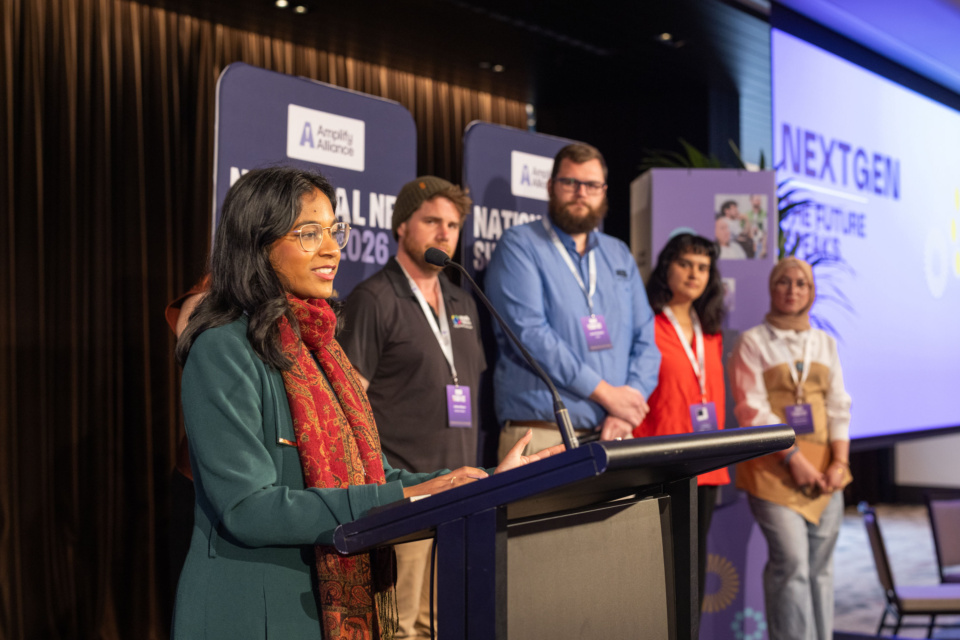
At last week’s Amplify Alliance National NFP Summit, Satara Uthayakumaran, 23, brought the voices…
Posted on 26 Aug 2026
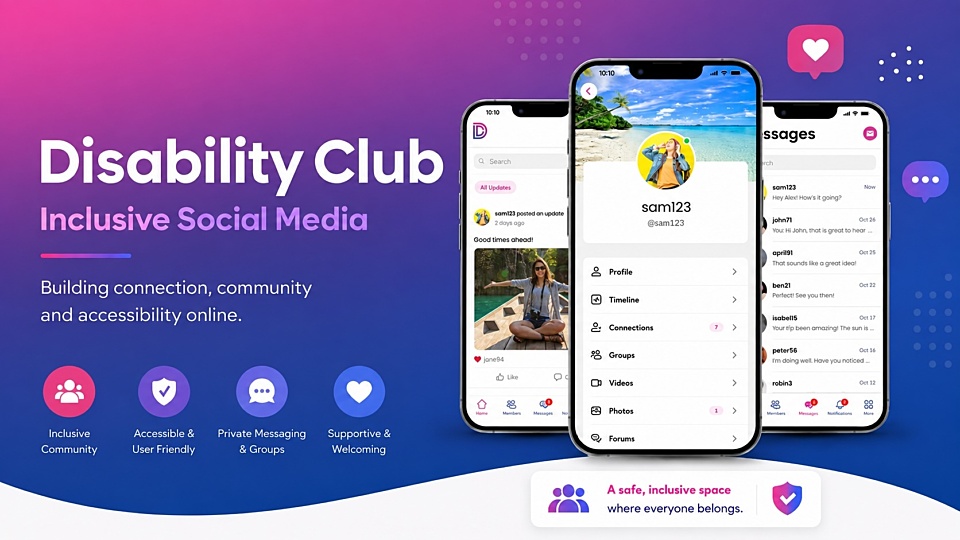
Nathan Johnston lives in Bega, NSW, and lives with cerebral palsy. He’s the creator of Disability…
Posted on 19 Aug 2026
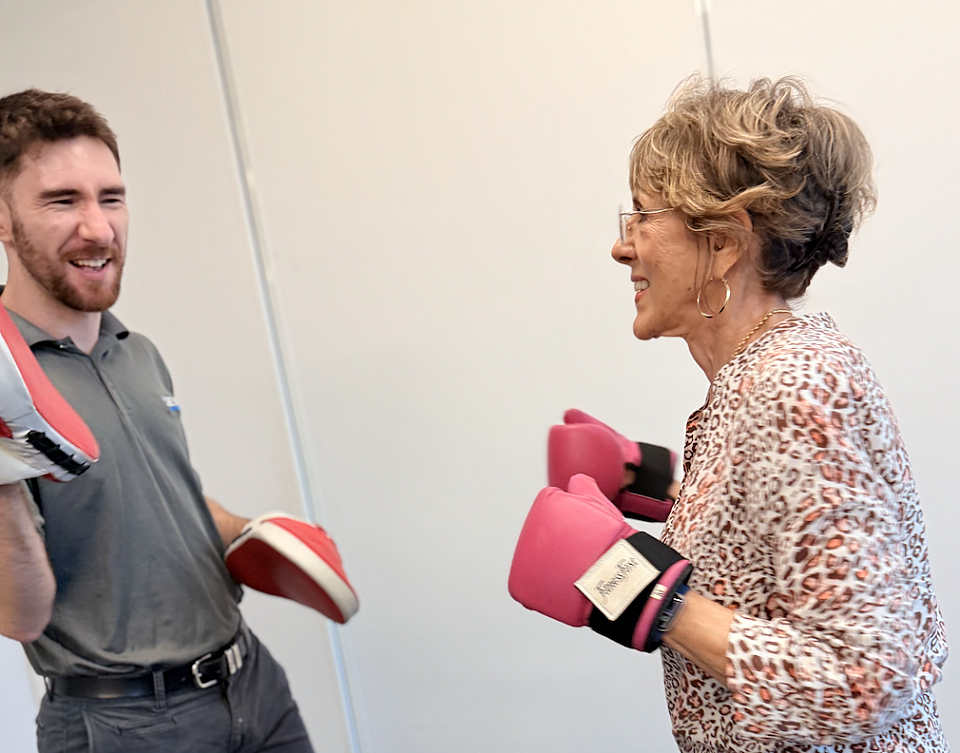
Coralie Wales is the founder of Strong Australia, an ACNC-registered health promotion charity that…
Posted on 08 Jul 2026
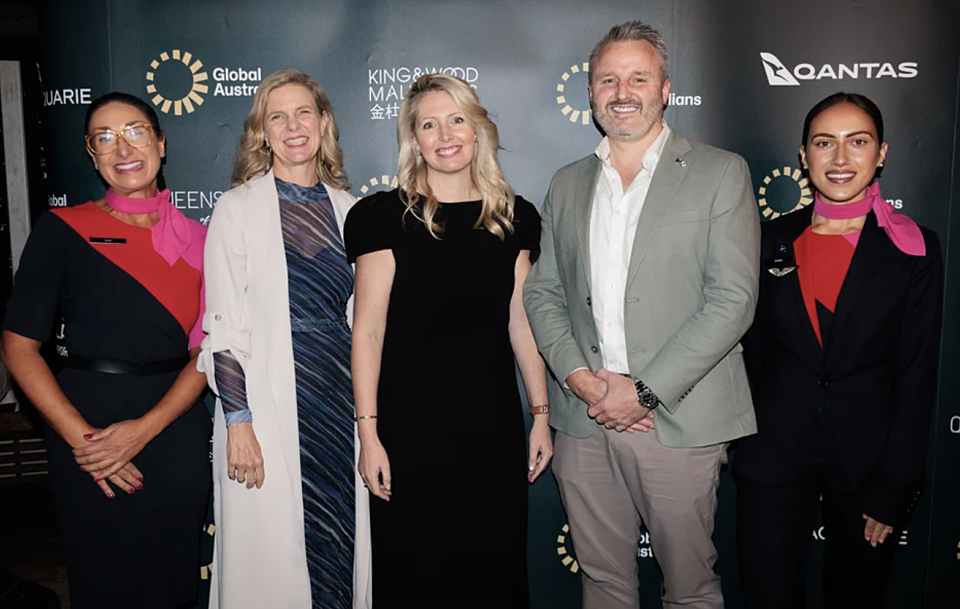
Kate McQuestin is CEO of Global Australians, a not-for-profit aimed at connecting Australians…
Posted on 30 Jun 2026
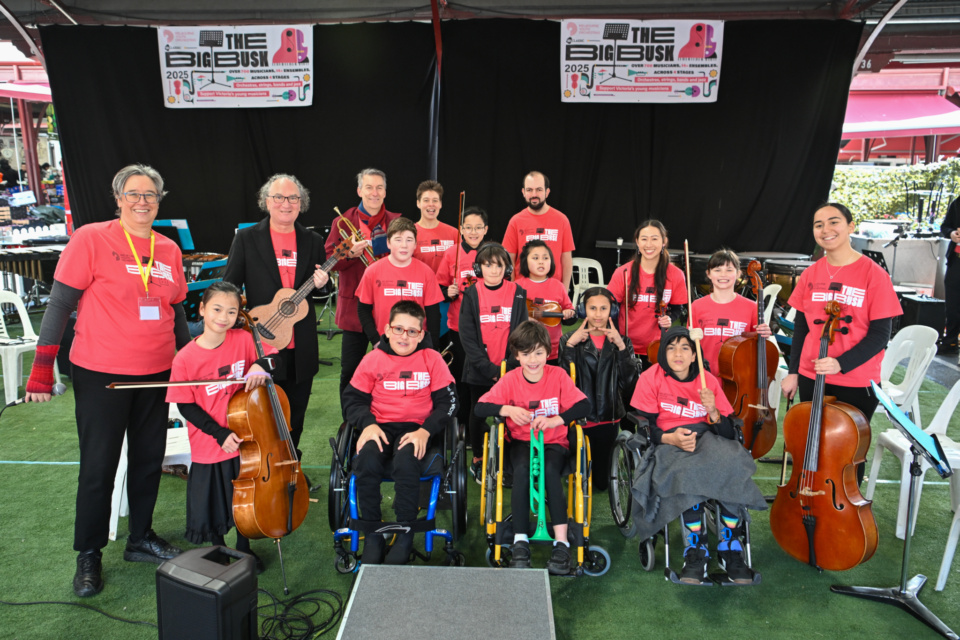
Anthea Skinner is a musicologist, a senior lecturer in disability creative performance at the…

Posted on 24 Jun 2026
Lizzie Mettam manages corporate partnerships for DV Safe Phone, an organisation that provides…
Posted on 10 Jun 2026
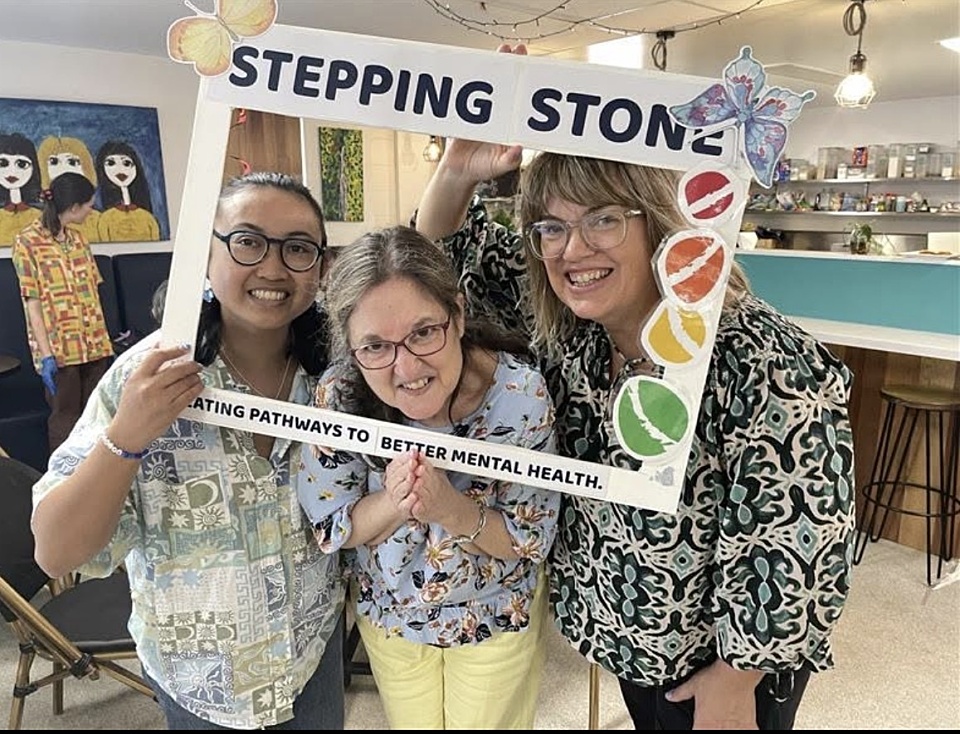
Melanie Sennett is the chief executive officer of Stepping Stone Clubhouse, a Brisbane charity that…
Posted on 03 Jun 2026
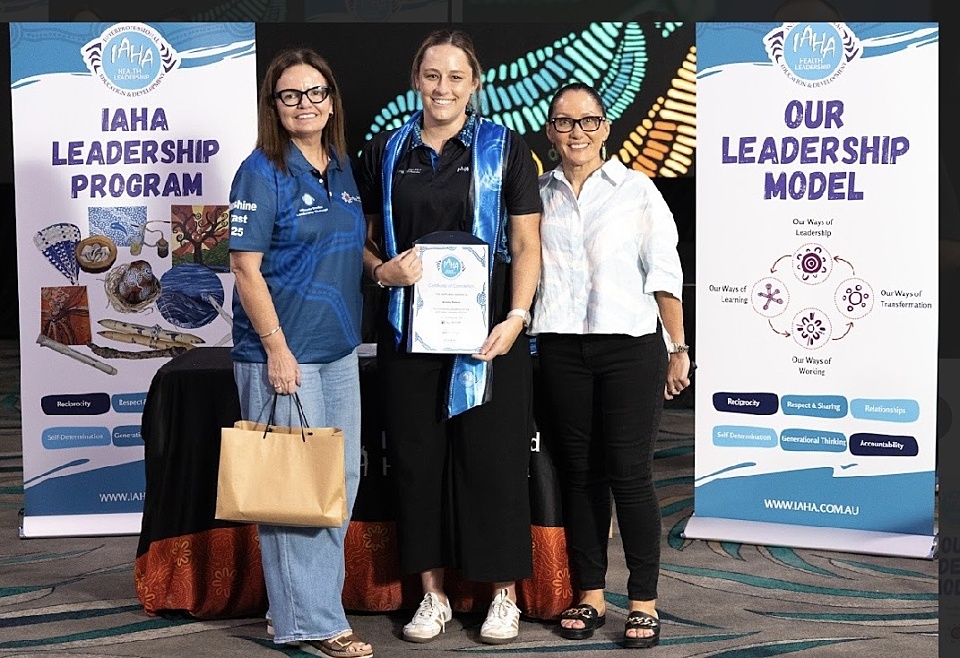
Kristy Petrie is a paediatric physiotherapist and proud Gooreng Gooreng woman who sits on the…

Posted on 27 May 2026
Maria Owen is the CEO of ImpactLab, a New Zealand social enterprise that analyses data for…