Why Carol Webb took a while to even realise she was a carer
Posted on 14 Oct 2026
Carers Victoria is holding an event this afternoon (October 14) during National Carers Week to…
Posted on 24 Jun 2026
By Nick Place, journalist, Community Directors
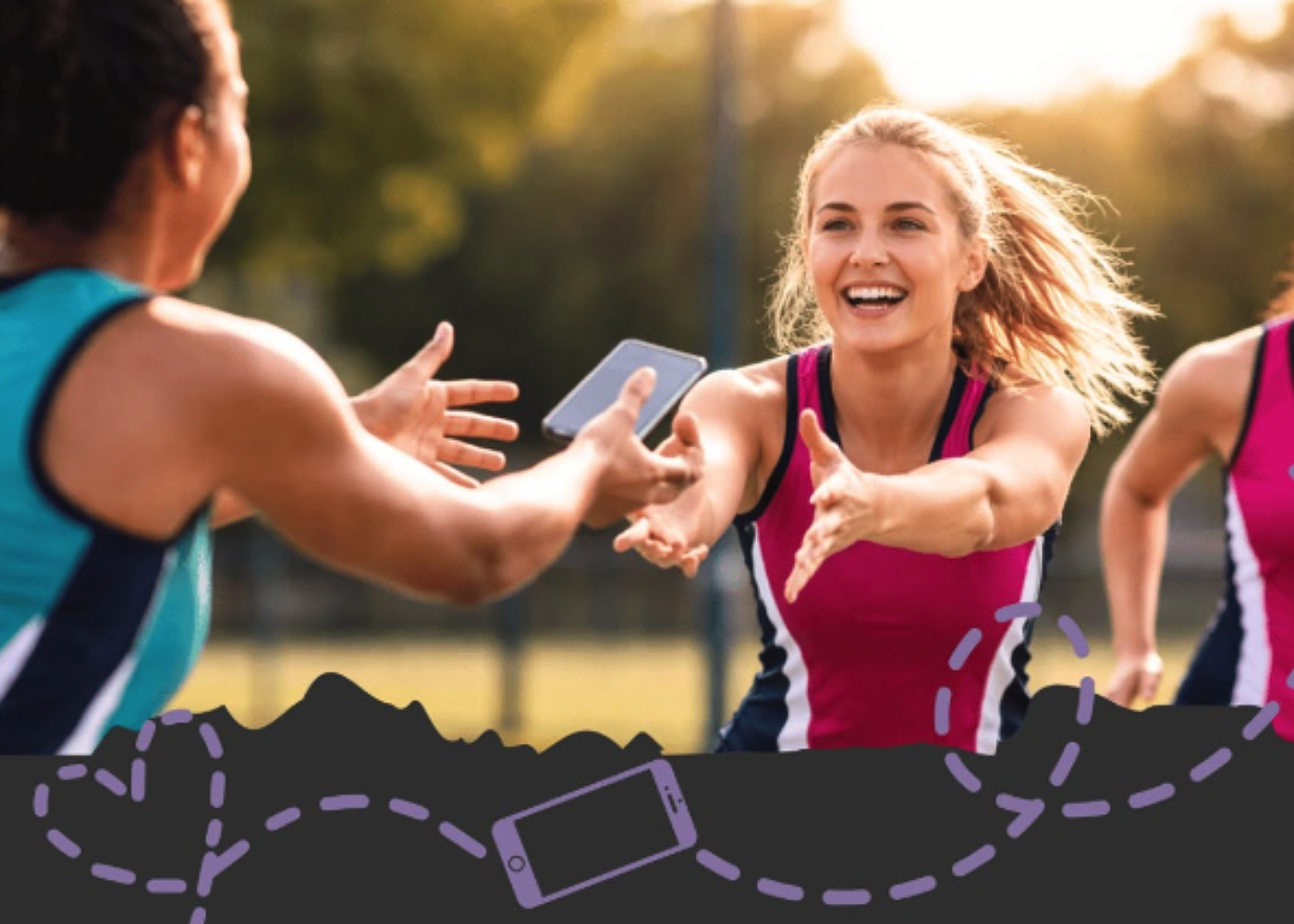
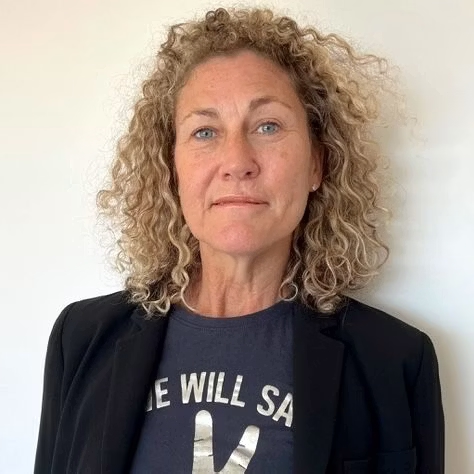
Lizzie Mettam manages corporate partnerships for DV Safe Phone, an organisation that provides refurbished mobile phones free of surveillance software to survivors of domestic violence. We chatted to Lizzie about this vital work.
DV Safe Phone is a national charity that provides safe, recycled mobile phones to people impacted by domestic and family violence.
We collect unwanted phones from businesses, government departments and the community, securely erase all data, refurbish them where needed, and distribute them through a network of more than 600 frontline agencies across Australia.
Each phone becomes part of a DV Safe Phone kit, which includes a new charging cable, SIM card and credit. It sounds simple, but access to a safe phone can be life changing.
For someone escaping violence, a phone isn’t just a phone. It’s a lifeline to police, a support worker, a lawyer, a school, an employer, a family member or a crisis service. It’s safety, independence and the ability to make choices. It’s a phone the perpetrator doesn’t know about. It’s a way out.
I’ve spent a large chunk of my career working in the social impact space, both in Australia and abroad. As a former therapist in London, I loved working with people trying to make sense of their world and making a difference. I’ve also really enjoyed working across fundraising, partnerships and community engagement in Australia for many years now.
What drew me to DV Safe Phone was how practical the solution is. Sometimes social issues can feel overwhelming because the problems are so complex. Domestic and family violence is certainly one of those.
But DV Safe Phone does something very tangible. Someone donates a phone. We refurbish it. A frontline worker gives it to somebody who needs it. The impact is immediate and real. Donating a phone to support a victim-survivor lifts the spirit. It’s a thing. I love it.
There’s also a personal connection for me. Like many people, I’ve experienced aspects of coercive control and financial abuse within a relationship. Nothing prepares you for the way control can slowly erode your confidence, your independence and your sense of self.
So, when I talk about the importance of connection, autonomy and safety, it’s not just theoretical. I really do understand why those things matter.
Absolutely.
One of the things that surprises people is that surveillance doesn’t always look like something from a spy movie. Often, it’s much more ordinary and therefore much harder to recognise.
We’ve seen situations where location sharing has been enabled without someone’s knowledge, where accounts are linked across devices, where phone bills are scrutinised, where passwords are controlled, where vehicles are tracked, and where smart home technology is used to intimidate or monitor somebody.
What makes me shake my head isn’t necessarily the technology and how easy it is for perpetrators to weaponise. It’s the energy that goes into maintaining control.
Technology should help people feel safer and more connected. In the wrong hands, it can become another tool of coercion and a very scary power imbalance.
“It sounds simple, but access to a safe phone can be life changing.”
We’ve now provided over 20,000 DV Safe Phone kits to people experiencing domestic and family violence through our frontline agency network. That’s since we began in 2020. We ship about 300 phones on average per week and are continuing to scale rather fast nationally to address the growing demand for such an essential tool in crisis situations in our community.
The demand continues to grow because access to communication is such a fundamental need. Every single phone represents a person who is trying to rebuild safety and regain control over their life.
One of the things I love most about DV Safe Phone is that nobody needs us to explain the impact.
The frontline workers tell us.
We hear stories of women sleeping in cars with children, calling support services for the first time. We hear about people being able to attend court hearings, [obtain] secure housing, reconnect with family or apply for jobs.
One support worker described a safe phone as “the first thing that truly belonged to her”.
That has stayed with me.
For many people experiencing coercive control, even basic communication has been monitored or restricted. Receiving a safe phone can represent something much bigger than technology. It represents freedom.
The biggest thing is to trust your instincts. If something feels off, it’s worth paying attention.
Surveillance can happen through shared accounts, cloud backups, location services, email access, social media, smart devices, family sharing settings, vehicle tracking systems and even through people within a shared social circle.
Often coercive control isn’t one big obvious action. It’s a pattern of behaviours that gradually removes privacy, independence and autonomy.
The most important thing is not to panic and not to confront the person if doing so could place you at greater risk.
Speak with a specialist domestic violence service, a trusted support worker or police if appropriate. They can help assess what’s happening and develop a safety plan.
Technology-facilitated abuse can be incredibly complex, and professional support can make a huge difference. Nobody should feel they have to navigate it alone.
Without question, hearing the stories from frontline workers.
Domestic and family violence can feel like an enormous social problem, and it is. But then you’ll hear about one woman who got a safe phone and was able to contact her children. Or someone who used that phone to secure housing. Or somebody who finally felt safe enough to ask for help. Those stories remind you that change happens one person at a time.
It’s an all-of-community approach, and it’s important to let the community know that despite the statistics, thousands of Australians are helping. Businesses are donating phones. School kids and sports clubs are running phone drives. Police stations and hospitals are gifting devices to people during moments of crisis and chaos. Volunteers are testing and packing phones. Frontline workers are distributing them and sharing heartfelt stories of hope and joy.
There’s beauty in the ugly. It’s my silver lining.
I spend a lot of time in my garden.
There’s something wonderfully grounding about being outside, growing things and getting your hands dirty. Particularly in Melbourne where we get four seasons in one day. I love it.
I also cook, walk, spend time with family and friends, and I love my dog, Cha Cha. I try to stay connected to the things that make life joyful.
I’m also a bit of a podcast addict. All types.
The work matters enormously, but I don’t think any of us can sustain ourselves in this sector if we lose sight of beauty, humour and hope.
This is the big question. Services like ours are important, but we are responding to the consequences of a much larger issue.
If we genuinely want to reduce domestic and family violence, we need a whole-of-community approach that focuses not only on crisis response but also prevention.
That means greater collaboration across sectors, stronger support for victim-survivors, earlier intervention, and more investment in behaviour change programs.
It means working with schools, sporting clubs, workplaces, community organisations and correctional settings. It means talking about healthy relationships, respect, accountability and power long before violence occurs.
Domestic and family violence is not a problem that any one organisation can solve in isolation. It sits at the intersection of housing, health, justice, education, mental health, financial security and community wellbeing.
The people doing this work are incredibly committed, but we need stronger bridges between services and systems.
Ultimately, changing outcomes requires cultural change. It requires all of us to challenge the attitudes and behaviours that enable coercive control to thrive.
That’s not the work of a single charity. It’s the work of a society.
Absolutely. It’s EOFY time so donations to support our operation are critical. If you can, head to our website at dvsafephone.org and donate. Even a few dollars are so gratefully received.
As demand grows, we need to scale, including the need for a bigger operational hub, more staff, and more resources in general. This all needs funding support.
Of course, the easiest thing people can do is to donate their old mobile phones rather than leaving them in a drawer.
Businesses can host phone collection drives and add us to their workplace giving program, schools can get involved in a variety of ways, workplaces can run awareness and fundraising activities, and community groups can help spread the word.
Every phone donated has the potential to help somebody reconnect with safety, support and independence. It can save a life too.
And that’s a pretty remarkable legacy for a device that might otherwise be forgotten.
Find out how to donate a phone here.
Posted on 14 Oct 2026
Carers Victoria is holding an event this afternoon (October 14) during National Carers Week to…
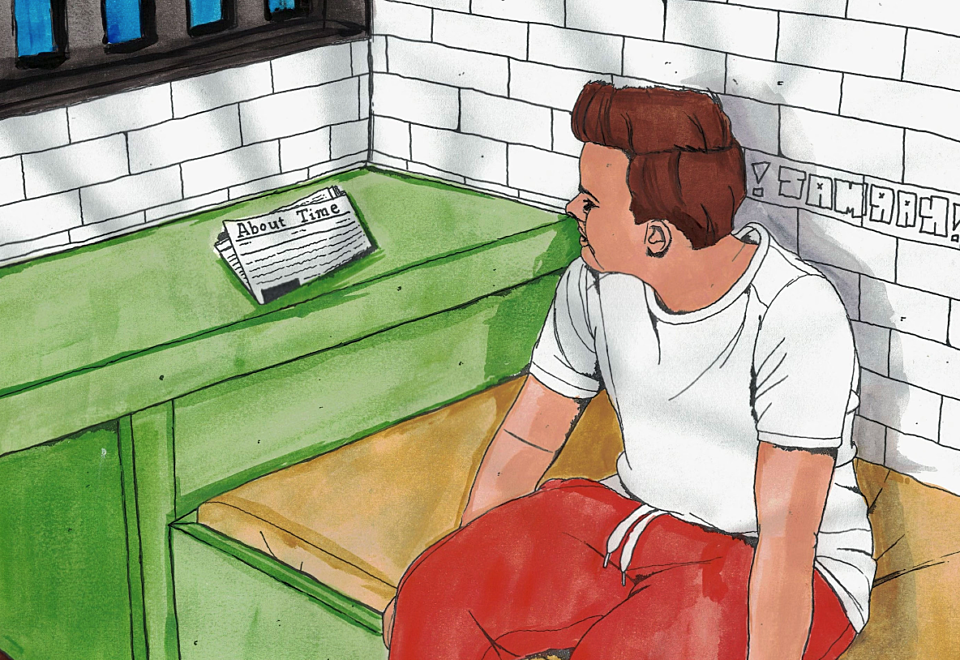
Posted on 07 Oct 2026
Joseph Friedman is co-founder and publisher of About Time, Australia’s only newspaper for…

Posted on 30 Sep 2026
At 21 years old, Tate Donohoe is the founder of Ecodia, an AI-assisted software development company…
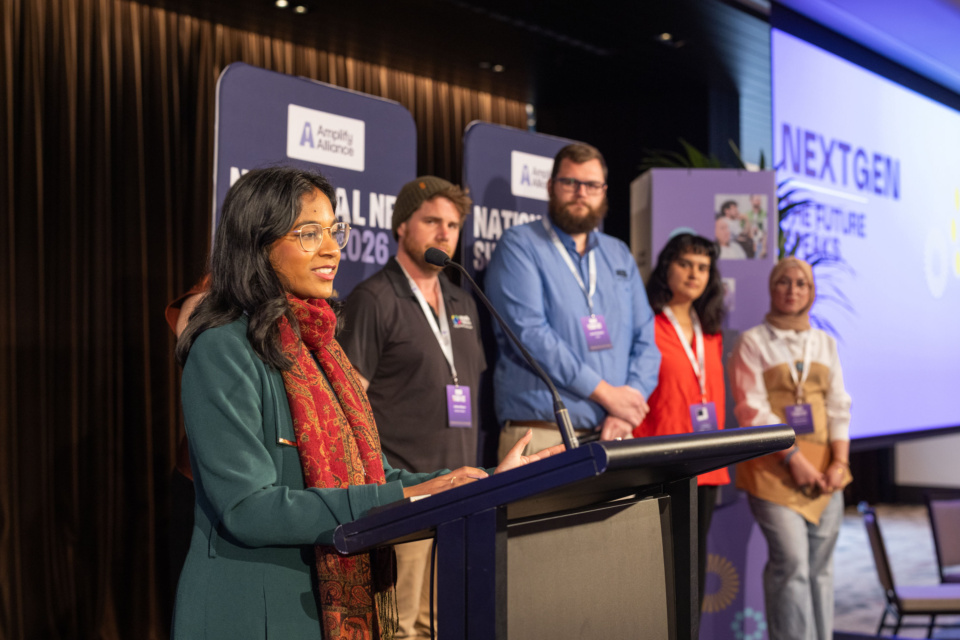
Posted on 02 Sep 2026
At last week’s Amplify Alliance National NFP Summit, Satara Uthayakumaran, 23, brought the voices…
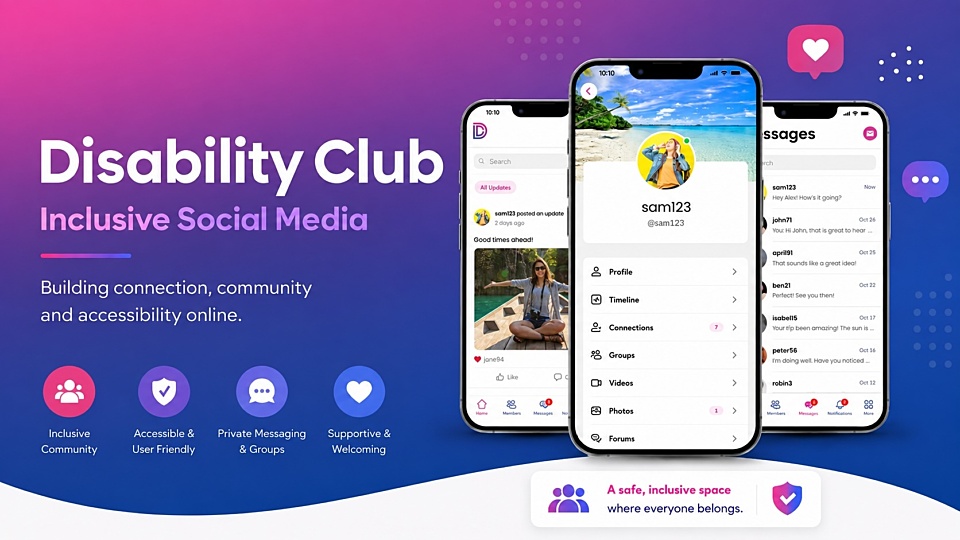
Posted on 26 Aug 2026
Nathan Johnston lives in Bega, NSW, and lives with cerebral palsy. He’s the creator of Disability…
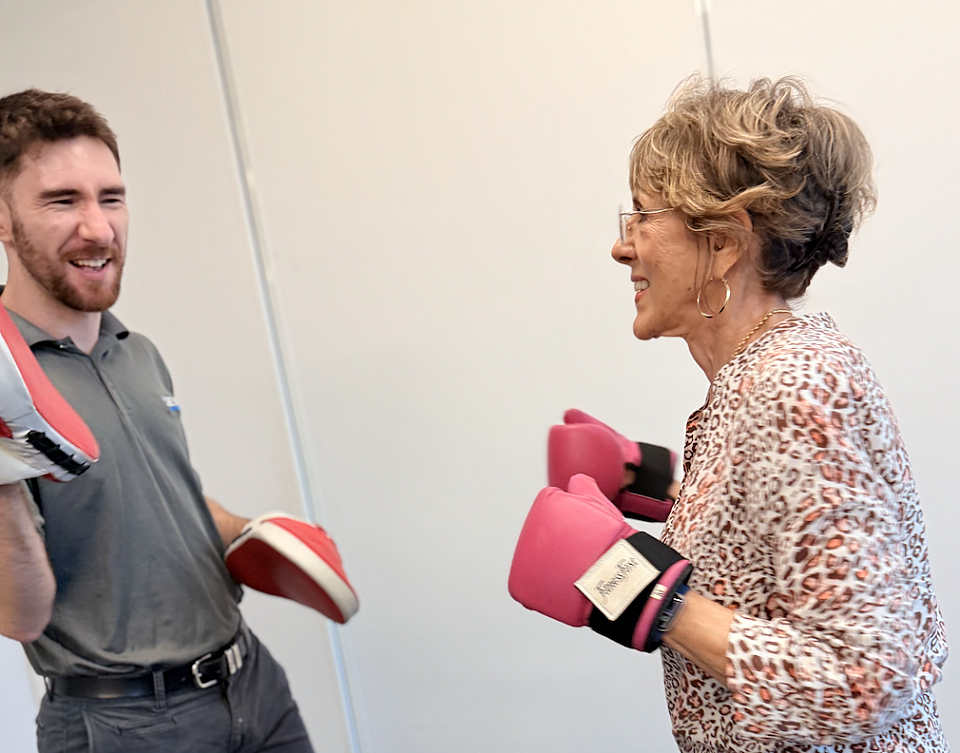
Posted on 19 Aug 2026
Coralie Wales is the founder of Strong Australia, an ACNC-registered health promotion charity that…
Posted on 08 Jul 2026
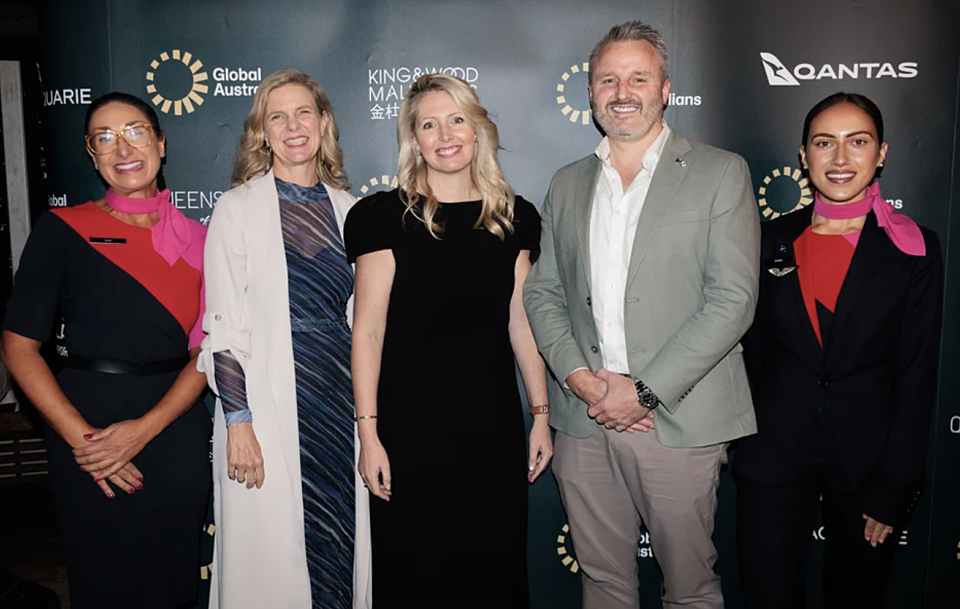
Kate McQuestin is CEO of Global Australians, a not-for-profit aimed at connecting Australians…
Posted on 30 Jun 2026
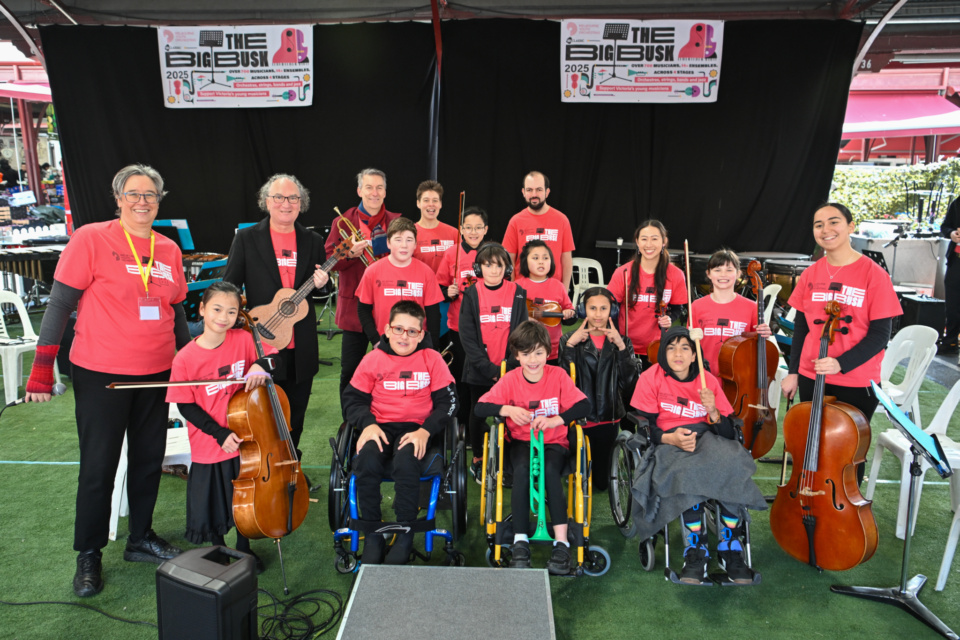
Anthea Skinner is a musicologist, a senior lecturer in disability creative performance at the…
Posted on 17 Jun 2026
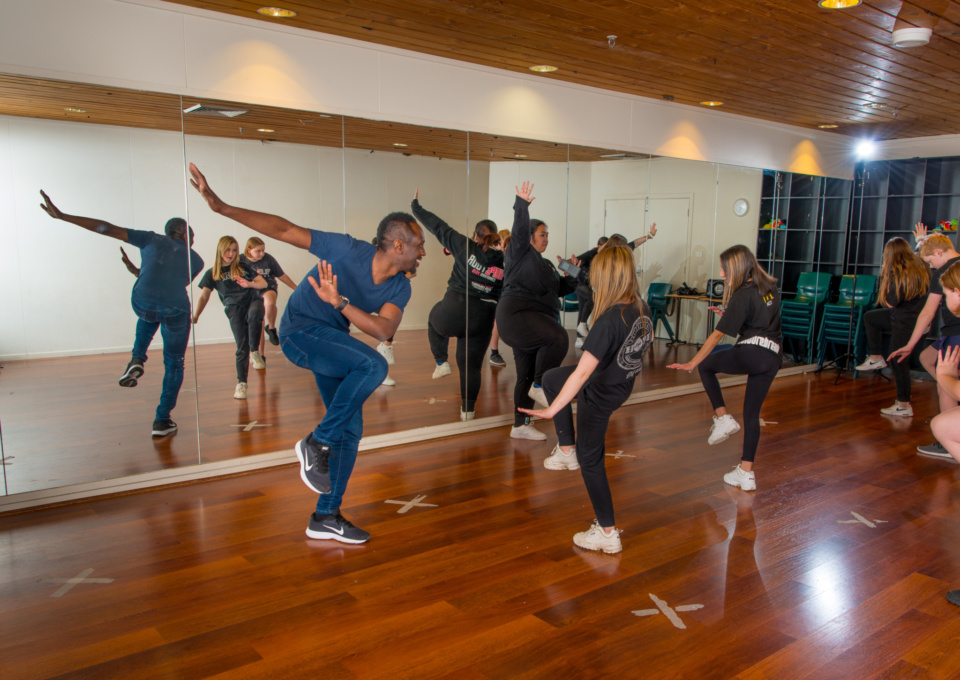
Francis Owusu is the founder of Kulture Break, a charity that helps young people build confidence,…
Posted on 10 Jun 2026
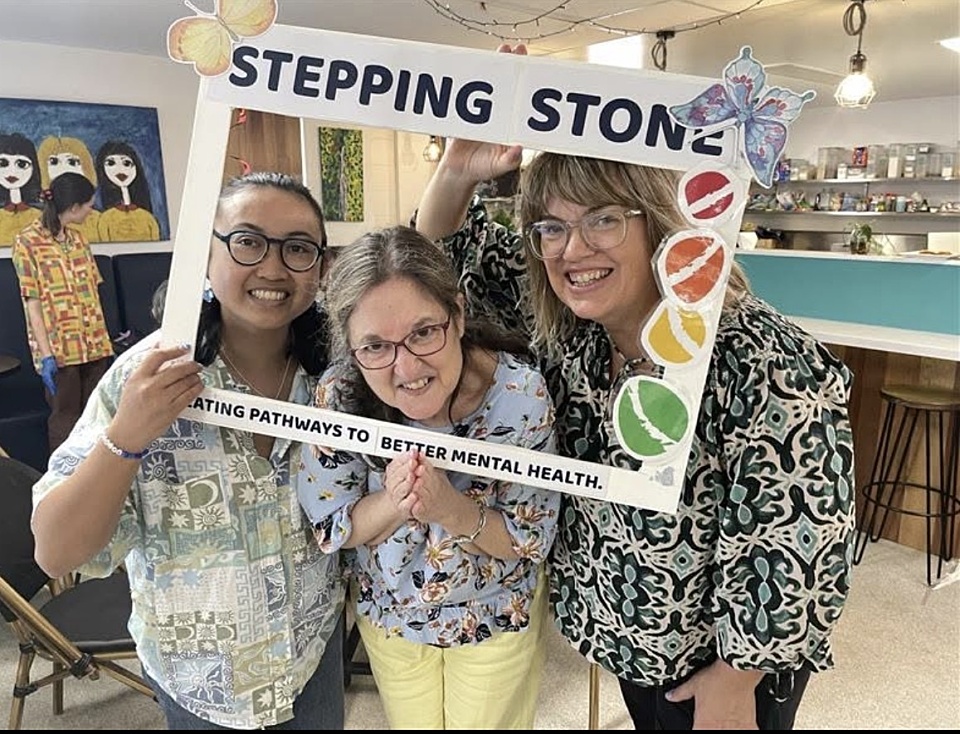
Melanie Sennett is the chief executive officer of Stepping Stone Clubhouse, a Brisbane charity that…
Posted on 03 Jun 2026
Kristy Petrie is a paediatric physiotherapist and proud Gooreng Gooreng woman who sits on the…
Posted on 27 May 2026
Maria Owen is the CEO of ImpactLab, a New Zealand social enterprise that analyses data for…