Why Carol Webb took a while to even realise she was a carer
Posted on 14 Oct 2026
Carers Victoria is holding an event this afternoon (October 14) during National Carers Week to…
Posted on 10 Jun 2026
By Nick Place, journalist, Community Directors
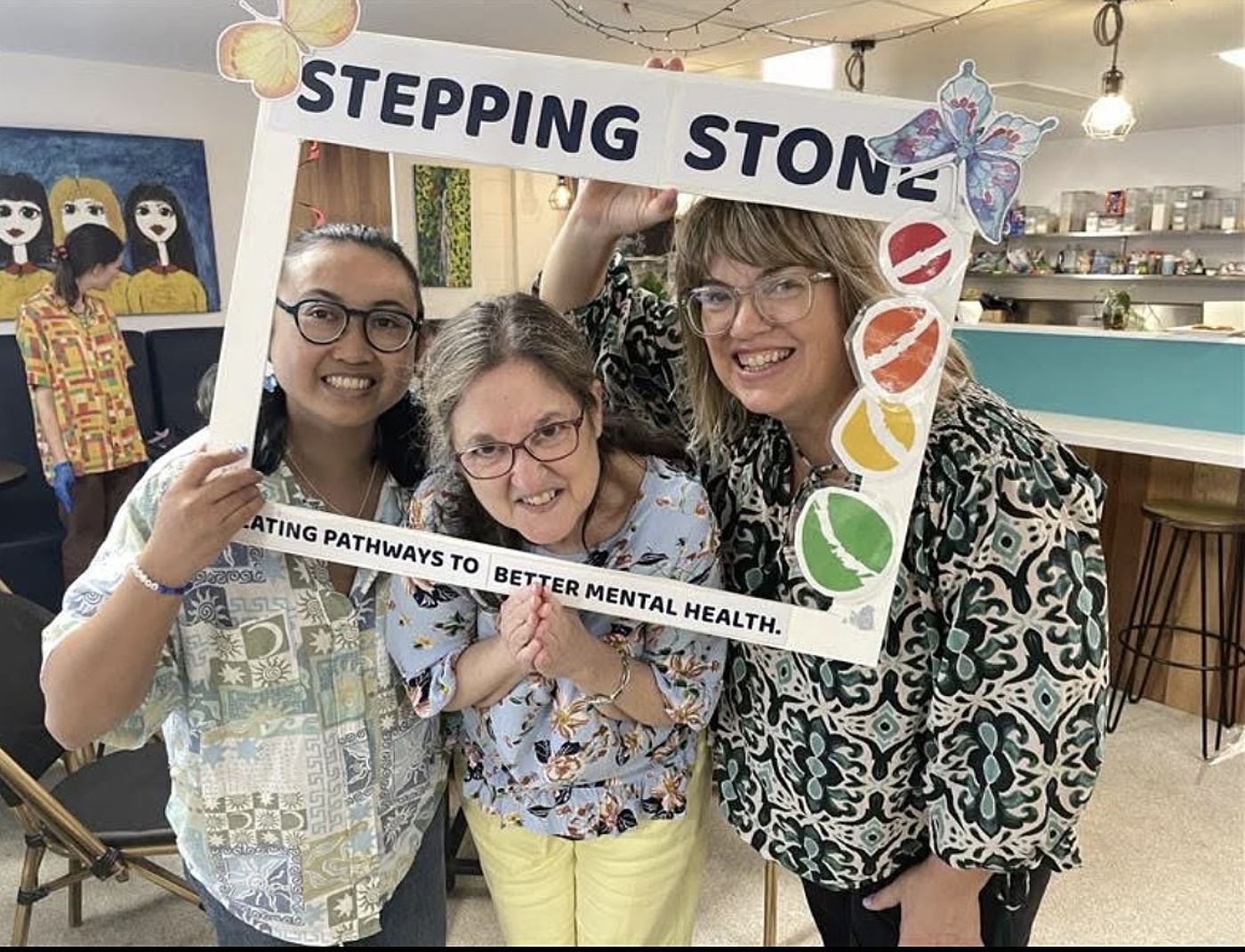
Melanie Sennett is the chief executive officer of Stepping Stone Clubhouse, a Brisbane charity that describes itself as “a membership-based community of people with a mental illness who are dedicated to rebuilding their lives.” We spoke to Melanie about her work.
It’s the people, always. Every day I get to see individuals rediscover their confidence, reconnect with their community, and start to believe in themselves again – and that never gets old. There’s something incredibly powerful about being part of a place that doesn’t define people by their illness, but by their strengths and potential. That’s what’s kept me here all these years.
The results of [a] 2023 evaluation were also incredibly rewarding and really renewed my sense of purpose. Knowing we can reduce hospitalisation for adults living with mental health challenges by around 50 per cent is such a powerful reminder that this work isn’t just meaningful, it genuinely changes lives at scale.
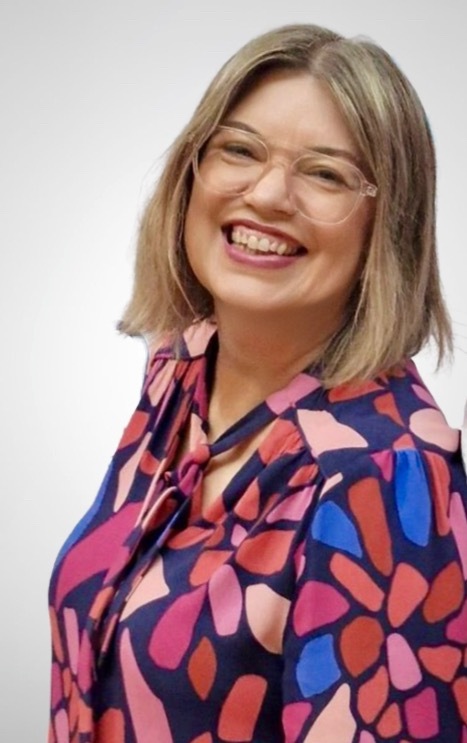
As CEO since 2017, my role is a mix of leadership, advocacy, and making sure the heart of what we do stays true. I work closely with our clubhouses to shape the direction of the organisation, help build purposeful partnerships to sustain our impact, and ensure we’re creating opportunities for people to thrive – whether that’s through employment, education, or through social connection.
The clubhouse model is really about something quite simple but often overlooked – belonging. It provides services, supports and training but what it creates are spaces where people living with mental ill-health can come together, contribute in meaningful ways, build skills, and reconnect with a sense of purpose, all in a supportive, side-by-side environment.
What makes it so powerful is that it’s not clinical – it’s human. People aren’t seen as patients; they’re members, colleagues, and valued contributors. They’re relied on, and that changes everything.
We see every day how this approach builds confidence, capability and genuine social connection in a way traditional services often struggle to achieve. And it’s not just anecdotal – our independent evaluation backs this up, showing huge reductions in hospitalisation rates, and significant improvements in wellbeing and social inclusion, along with real progress toward employment, including people moving into and sustaining jobs.
We’re also an accredited member of Clubhouse International, meaning we’re connected to a global network of Clubhouses all working toward the same goal – supporting recovery, dignity and opportunity for people living with mental health challenges.
“‘Recovery’ means hope. It’s about moving forward, not just managing symptoms. For us, recovery is building a better life.”
What makes us different is that we don’t focus on what’s “wrong” with someone – we focus on what’s possible. Members are involved in running the clubhouse, making decisions, and supporting one another. That peer-to-peer support and shared ownership creates a real sense of purpose and community that’s hard to replicate elsewhere. Our members’ lived experience drives the design, operation and evaluation of our clubhouses.
“Recovery” means hope. It’s about moving forward, not just managing symptoms. For us, recovery is building a better life – reconnecting with others, finding purpose, and feeling like you belong again. It’s a deeply personal journey, but one that becomes so much more achievable when you’re not doing it alone.
There are so many, but it’s often the quiet moments that stay with me. Seeing someone who once struggled to leave the house now leading a project, helping others, or talking about future goals – those moments are incredibly special, and really remind me why this work matters. One moment that stands out for me was during a visit to a clubhouse in China. This clubhouse had participated in training at Stepping Stone and went on to establish the first clubhouse in mainland China. During my visit, one of their members thanked me for contributing to the development of the clubhouse and shared how unhappy they had been before becoming part of that community. Being able to make a meaningful difference – not only for our members locally, but also internationally – is incredibly rewarding.
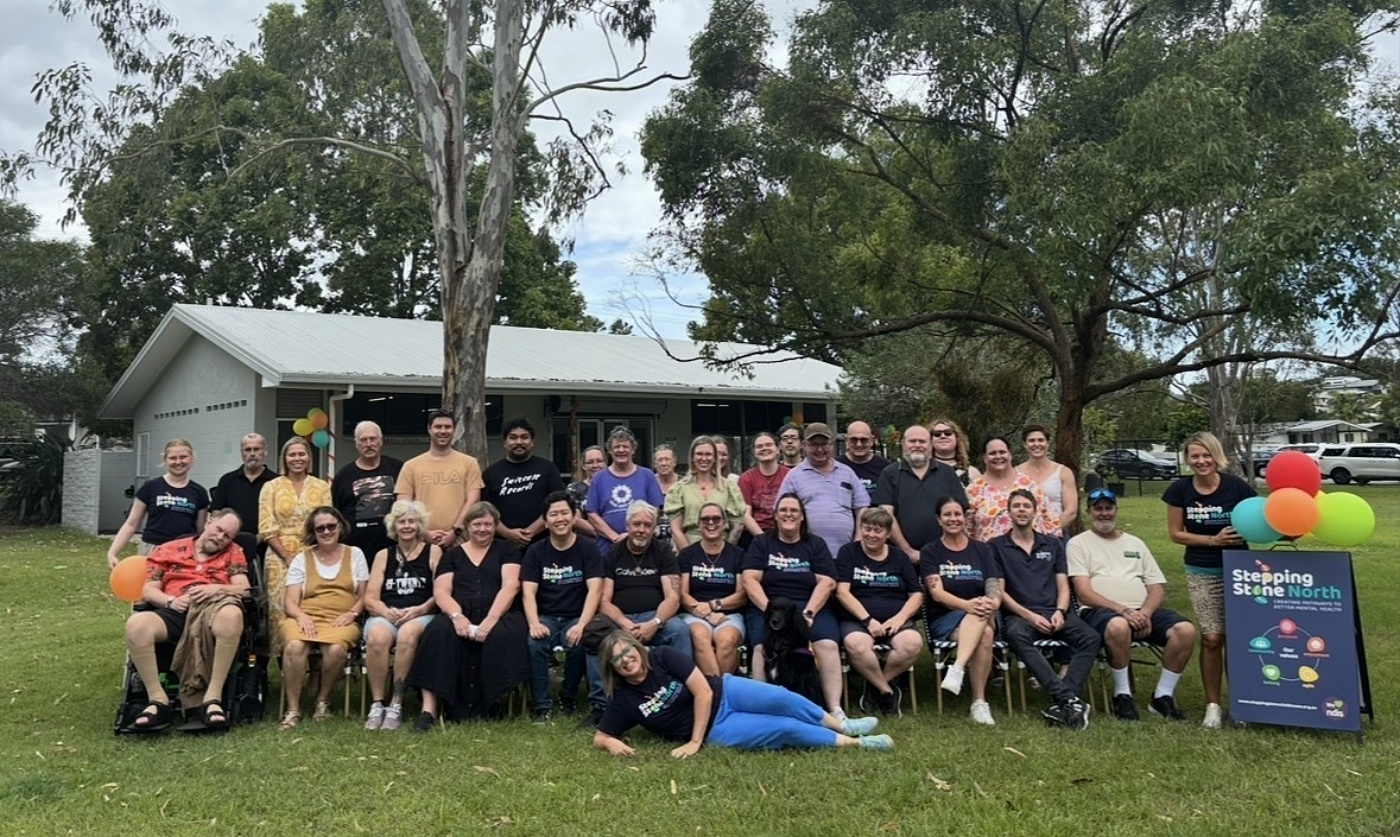
There are definitely challenging days – the need is growing, and the system doesn’t always keep up. But then you look around the clubhouse and see the resilience, humour and support that exists here, and it gives you energy again. We’re not trying to solve everything – we’re creating a place where people can move forward, together.
Stepping Stone Clubhouse has great healthy active lifestyle programs. When I’m feeling a bit stressed, I’ll join the lunch time walk, pickle ball or swim. This is a great way to connect with members and also do some exercise.
The demand has always been there, but awareness is growing – people are recognising that community-based, recovery-focused support really works. And it’s an economically sensible decision to support mental wellness. Our clubhouses halve hospitalisation rates and generate improvements across employment outcomes, quality of life and even financial status; the economic case is an easy one to make and I think government understands that. Our expansion is fiscally responsible and about responding to that need and making sure more people have access to this kind of support.
Ipswich is a community with significant need and few options for psychosocial support. We see an opportunity to bring something genuinely different – a welcoming, inclusive space where people can reconnect and rebuild. It felt like the right place at the right time – and thanks to Queensland Health’s funding, the new clubhouse has been made possible.
We believe every town, city and region needs a clubhouse. We’re always thinking about how we can reach more people, but in a way that stays true to our model. Growth for us isn’t just about opening more clubhouses – it’s about deepening impact, strengthening partnerships, and ensuring every clubhouse feels like a genuine community.
We know the demand right now far outweighs access to clubhouses, but we can also feel a shift happening. There’s a growing recognition that psychosocial recovery works – and it should be available to more Australians.
Globally, this model is well established. In the UK and the US, what we do is often described as social prescribing, and it’s a significant part of the mental health landscape. Clubhouse International has more than 370 clubhouses worldwide in 32 countries – and yet here in Australia, we have just two accredited clubhouses.
So yes, we’re not where we want to be – but that also means there’s an incredible opportunity ahead of us. We’re really hopeful that over the coming years, we’ll see that gap narrow and more communities benefit from what we know works so well.
I’d love to see this model continue to grow and be recognised for what it is: a powerful, evidence-based approach to mental health recovery. Personally, it’s about continuing to support our clubhouses, and making sure we keep that sense of purpose and connection at the centre of everything we do. I’m also passionate about strengthening our impact at a broader level – contributing to mental health policy and reform, and ensuring that lived experience and community-based models like ours are recognised and embedded within the wider system of care.
Posted on 14 Oct 2026
Carers Victoria is holding an event this afternoon (October 14) during National Carers Week to…
Posted on 07 Oct 2026
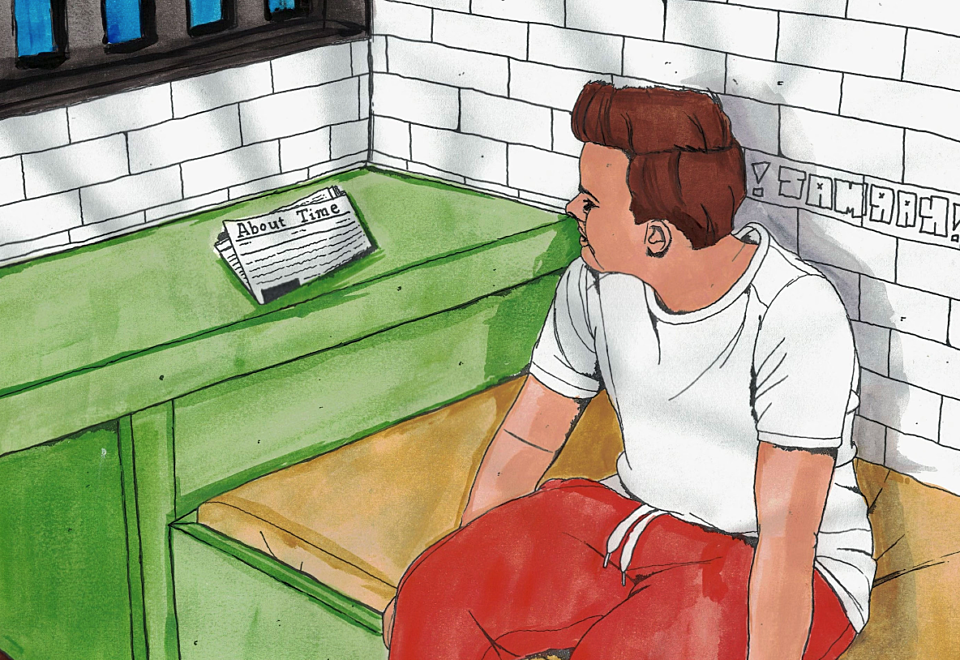
Joseph Friedman is co-founder and publisher of About Time, Australia’s only newspaper for…
Posted on 30 Sep 2026
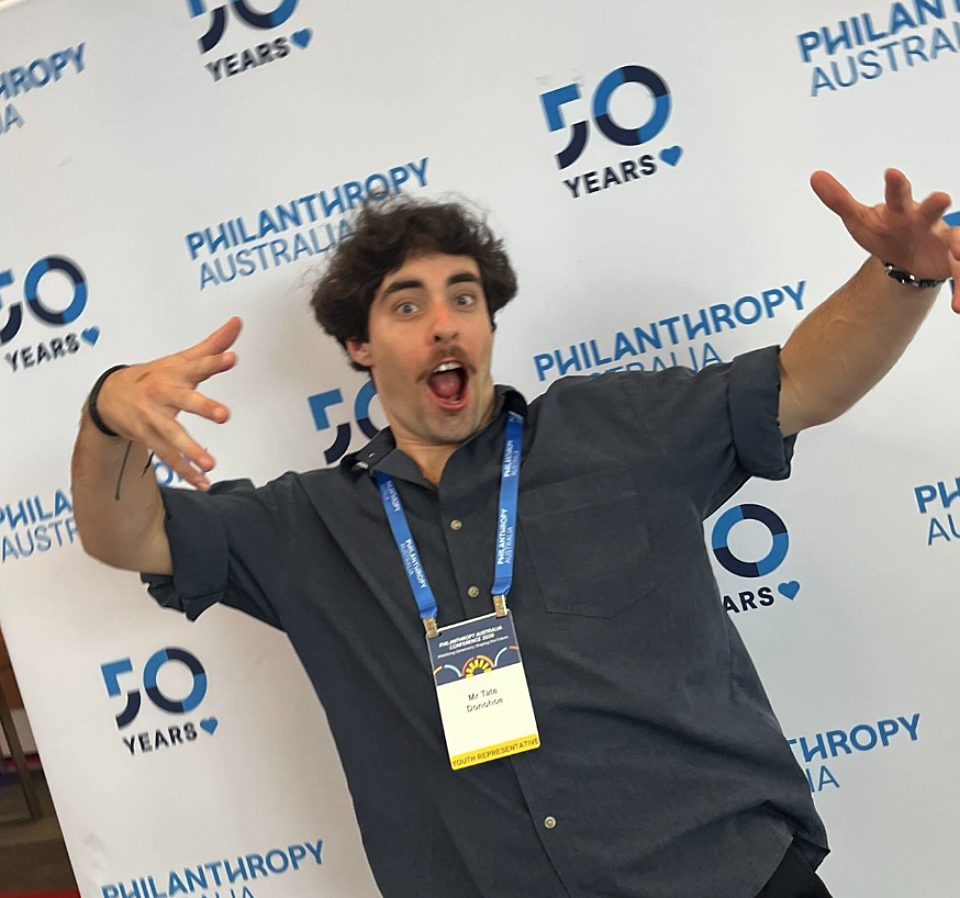
At 21 years old, Tate Donohoe is the founder of Ecodia, an AI-assisted software development company…
Posted on 02 Sep 2026
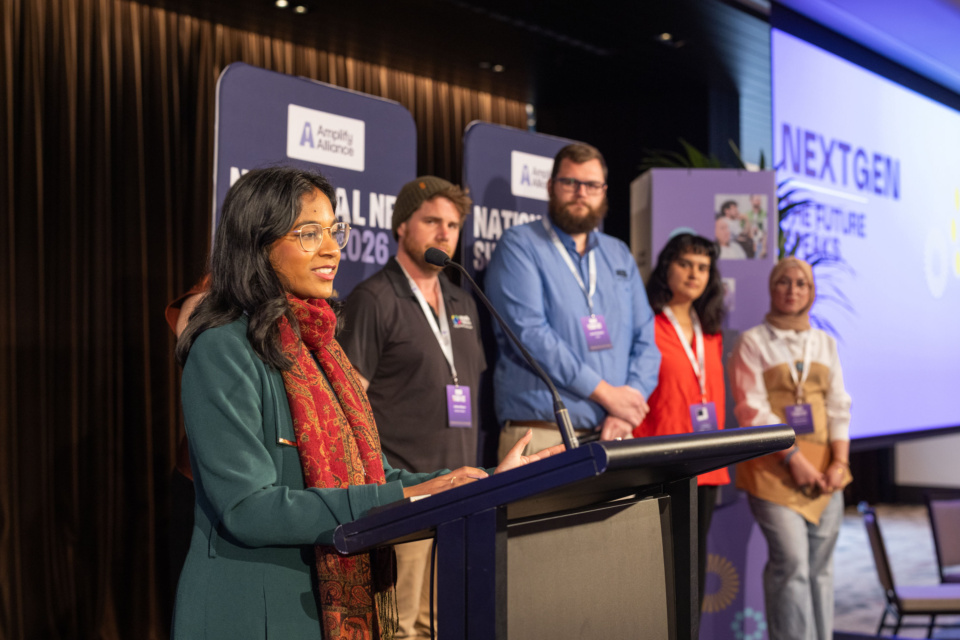
At last week’s Amplify Alliance National NFP Summit, Satara Uthayakumaran, 23, brought the voices…
Posted on 26 Aug 2026
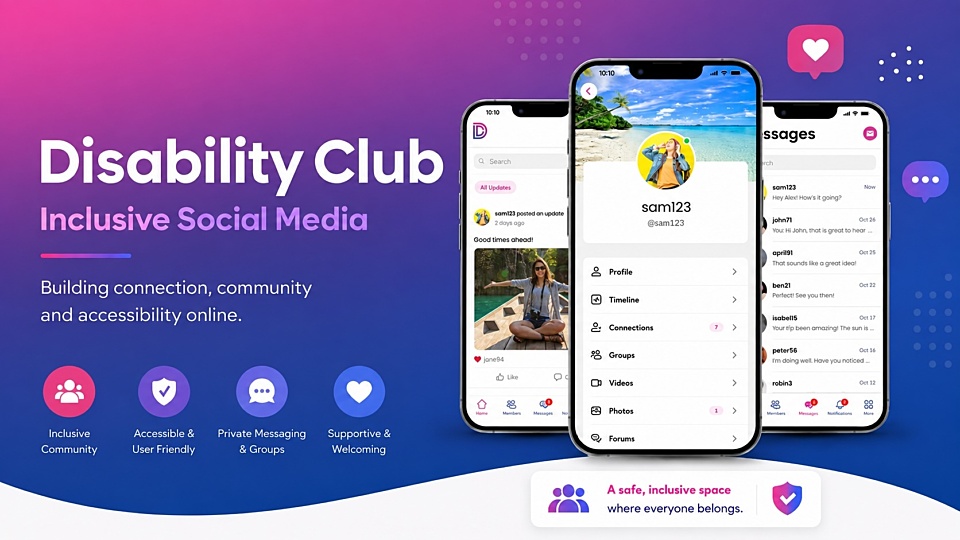
Nathan Johnston lives in Bega, NSW, and lives with cerebral palsy. He’s the creator of Disability…
Posted on 19 Aug 2026
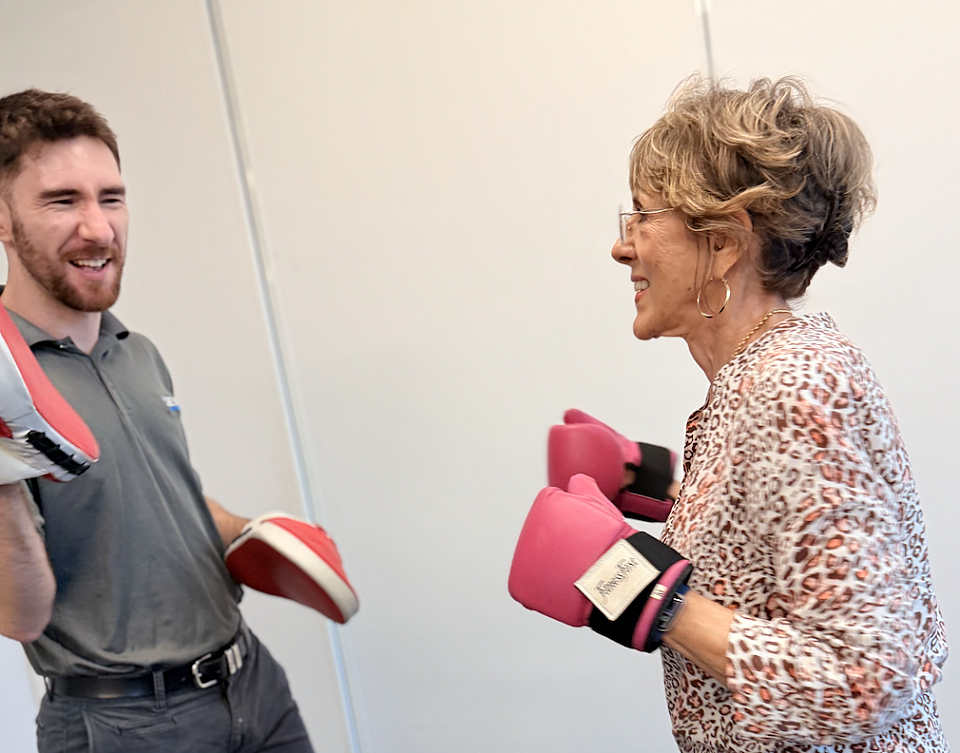
Coralie Wales is the founder of Strong Australia, an ACNC-registered health promotion charity that…
Posted on 08 Jul 2026
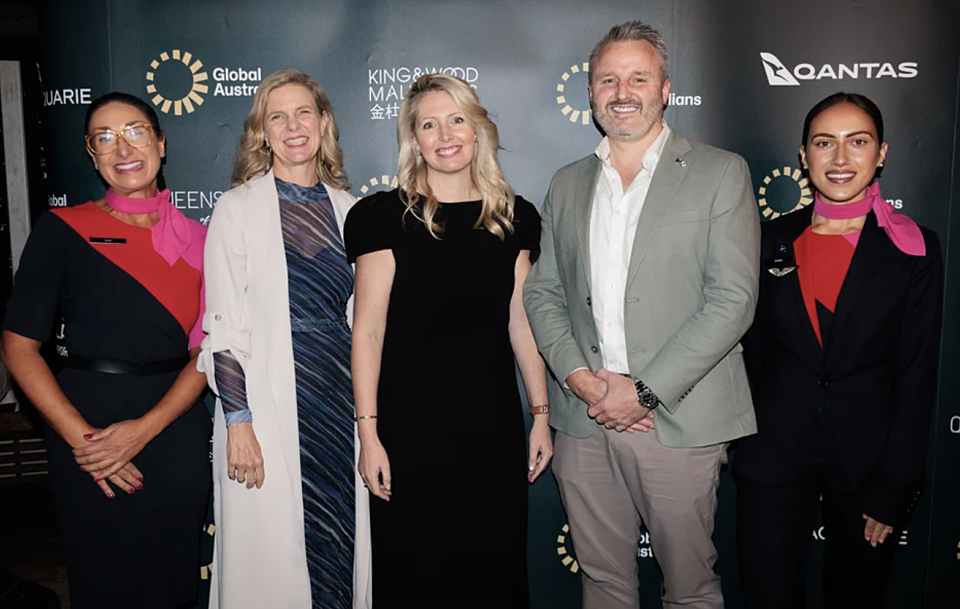
Kate McQuestin is CEO of Global Australians, a not-for-profit aimed at connecting Australians…
Posted on 30 Jun 2026
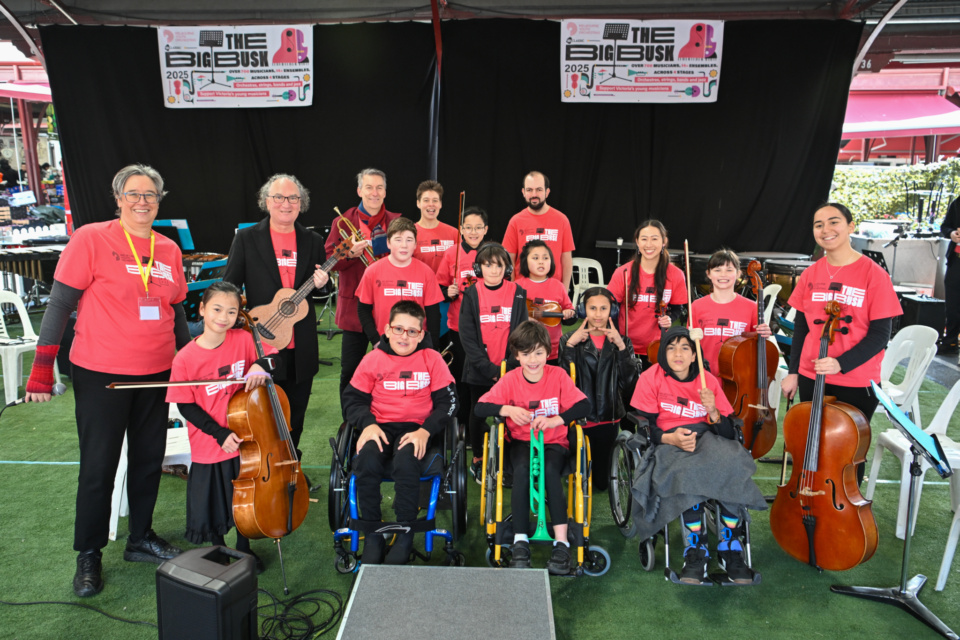
Anthea Skinner is a musicologist, a senior lecturer in disability creative performance at the…

Posted on 24 Jun 2026
Lizzie Mettam manages corporate partnerships for DV Safe Phone, an organisation that provides…
Posted on 17 Jun 2026
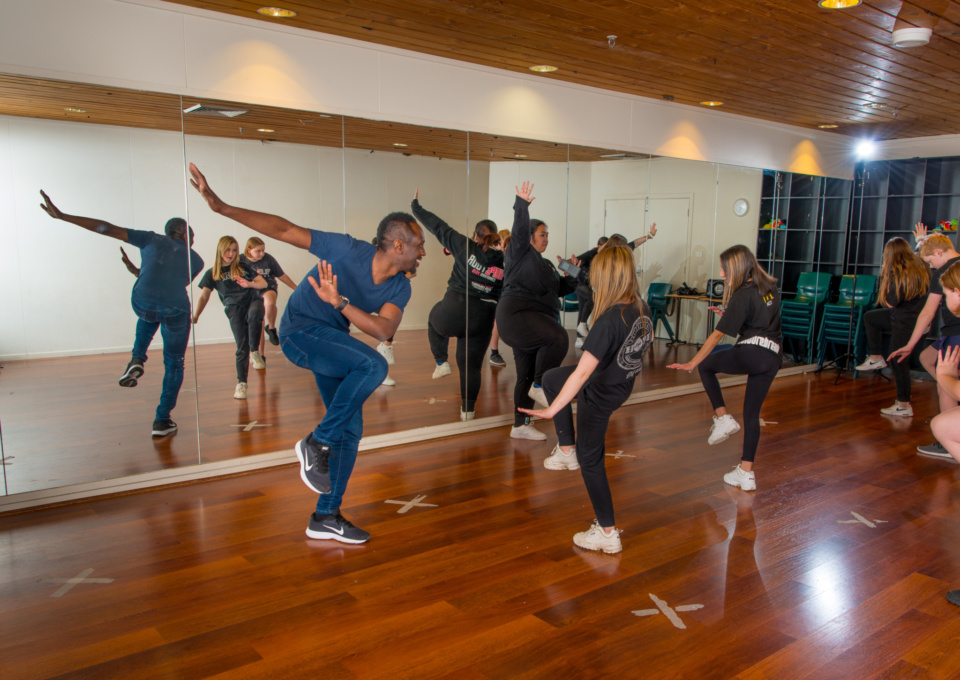
Francis Owusu is the founder of Kulture Break, a charity that helps young people build confidence,…
Posted on 03 Jun 2026
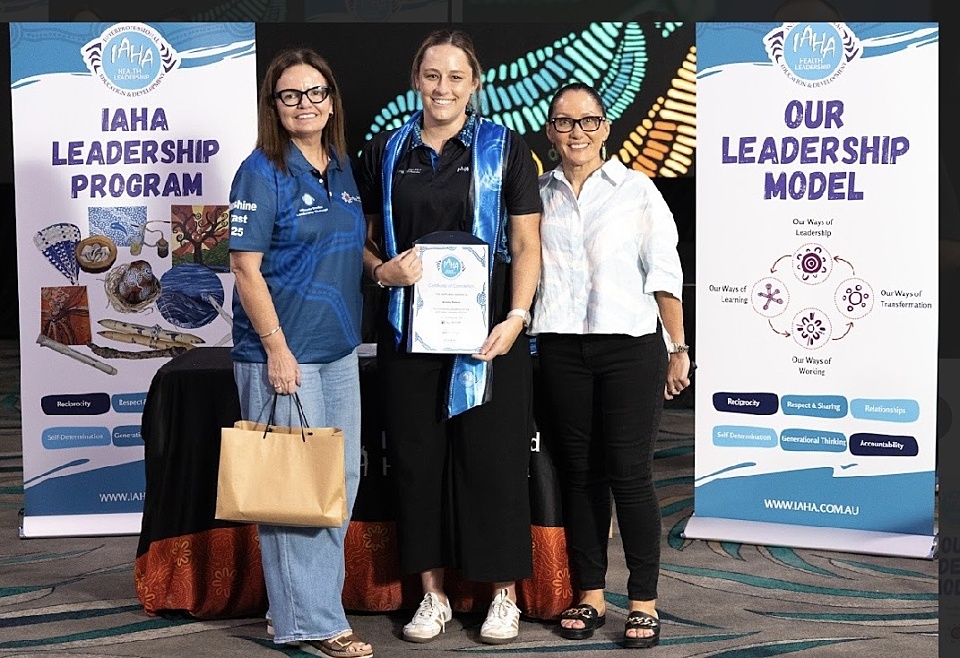
Kristy Petrie is a paediatric physiotherapist and proud Gooreng Gooreng woman who sits on the…
Posted on 27 May 2026
Maria Owen is the CEO of ImpactLab, a New Zealand social enterprise that analyses data for…