Why Carol Webb took a while to even realise she was a carer
Posted on 14 Oct 2026
Carers Victoria is holding an event this afternoon (October 14) during National Carers Week to…
Posted on 08 Jul 2026
By Nick Place, journalist, Community Directors
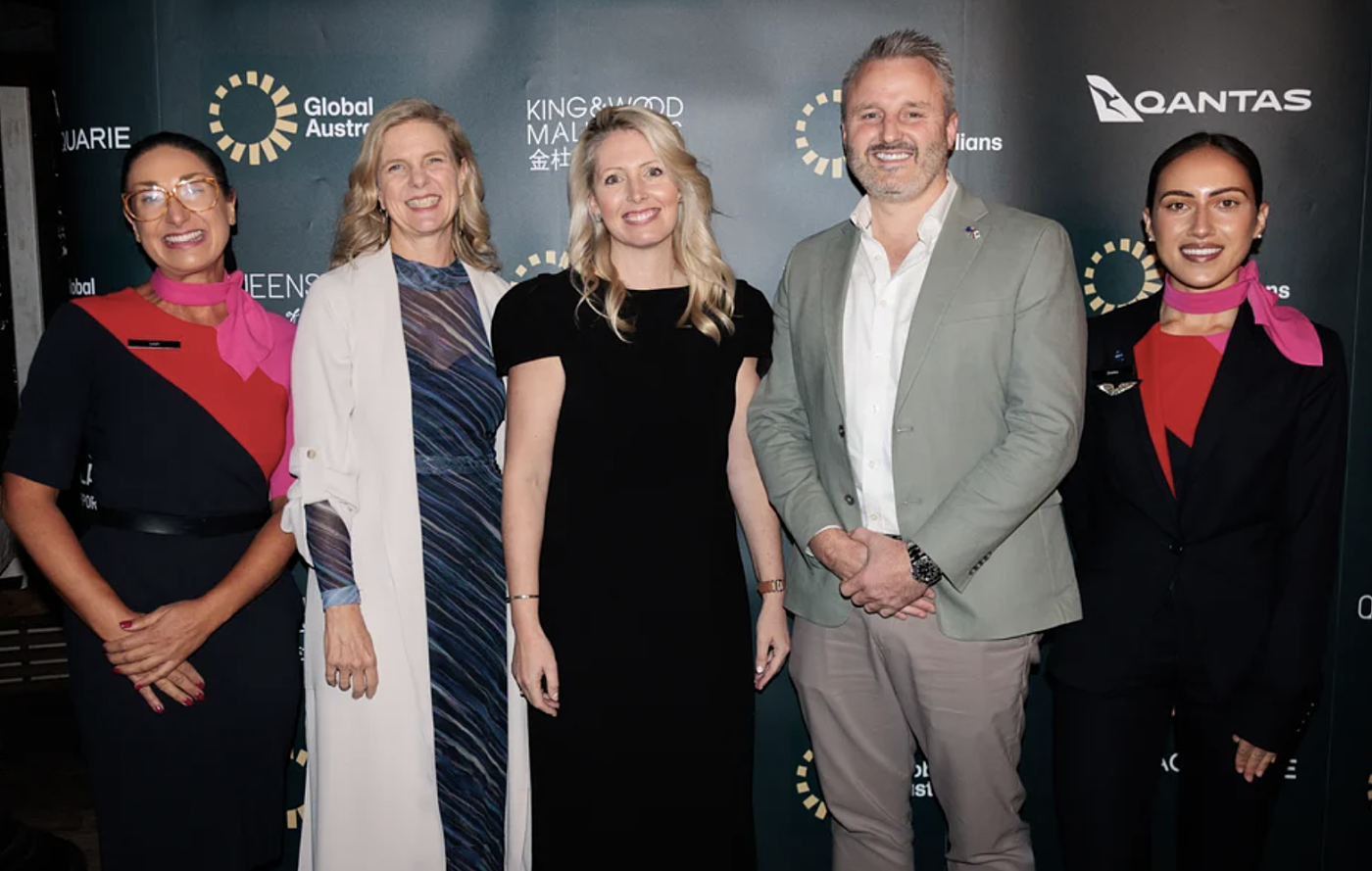
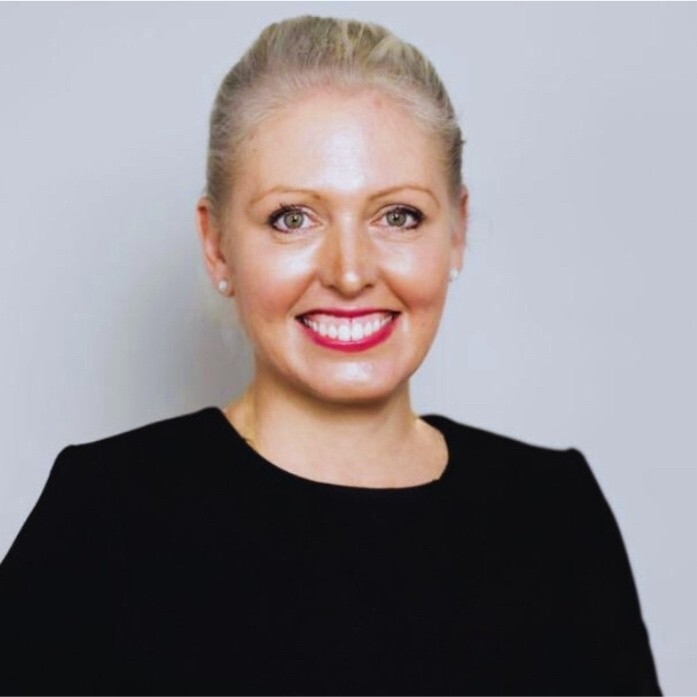
Kate McQuestin is CEO of Global Australians, a not-for-profit aimed at connecting Australians living overseas, returned from overseas, or with family connections across the globe. Global Australians organises meet-ups, knowledge sharing, career assistance and celebrates expatriate success through awards. We spoke to Kate about her work.
We describe it as connecting the dots around the world. The power of Australian people around the globe is very powerful, as well as the people that have come back and also those that have a connection to the rest of the globe through their family heritage. We’re about making sure that Australians can follow their ambitions, wherever that may take them, and that their ties to Australia remain strong.
It’s been going since 2002. It was originally called “Advance” and was founded in New York after 9/11. That was a time where Australians that were living in New York wanted to come together because they were feeling quite lonely and separated. They weren’t Americans, but they were there at a time where there was obviously a lot of pain and a lot of disaster happening in New York, and they came together as a group of Australians that then really wanted to be a part of something bigger. They established Advance, with the Consul-General at the time, Ken Allen, who is our founder. It’s grown around the world since then and had different stages over the years.
I’ve rebranded it to make it more about people, which Advance didn’t really speak to, and have really focused on making sure that we’re delivering practical programs that are going to help Australians be the best they can be, but also keep them connected to home.
I worked in government in Canberra and then in New South Wales, but but I’ve also had my own company and worked in media companies and things over the years. I had some time overseas in the UK, the US and Japan and loved the different cultures and people that you meet, as well as meeting a lot of different Australians when you're overseas.
When I came back, particularly after what happened with covid, I think that there was a bit of separation from our country to the rest of the world. It’s super important that as globalisation happens and is here to stay, that we really make sure that Aussies can go overseas and make the most of their opportunities, but also that there’s a pathway for them to come home. At the moment, there’s a disconnect between the Australians looking to come home and the amount of jobs that are vacant in Australia. I think there are 330,000 jobs at the moment, but what we’re seeing is that the door’s a bit shut for Aussies trying to come home, so what we’re doing is having pathways to help people come home in a practical way.
People aren’t valuing overseas experience. In the Australian recruitment process, a lot of jobs aren’t advertised and a lot of it is about who you know. I think Australians who have been overseas get out of that network and then try to come back in and there is probably a safeness in terms of companies hiring people who are domestically based who can move through the process. I’m getting about 80 applications a week from people contacting me saying they’re trying to come home and they’ve got amazing experience, worked in very senior roles and very key sectors – you know, in AI, technology, and also in the clean energy space – but they can’t get interviews.
I think it’s important that we do utilise those talents and skills, and have an ability for them to come back to Australia.
“The best thing about our country and the best thing that people are drawn to is Australia’s openness, and our multiculturalism, our diversity.”
The campaign says that, actually, the best thing about our country and the best thing that people are drawn to is Australia’s openness, and our multiculturalism, our diversity, the way that we kind of get on and do the job well. I think that they’re qualities that are really important and we don't want to lose them. I think that there is a possibility, with certain things that are going on, particularly domestically in the political level, that if that gets lost, that’s our biggest asset.
In my view, the diversity of Australia is what makes Australia what it is.
There are approximately one million Australians abroad, there are four million who have returned after having some time abroad in their life, and then there are the 50 per cent of Australians who were either born overseas or one of their parents was born overseas. When you add all that up, it’s 14 million in terms of the population size that has a connection to an overseas market.
Other countries are really good at utilising their diaspora and making sure their diaspora is connected to home. I feel like Australia is a little bit lacking in that regard. We’ve probably had a view that it’s a “brain drain” when people go overseas, but it’s actually a circulation. It’s here to stay because that’s the era we live in. We need to be better at telling that story and saying, you know, whether it’s Mimi Zhu who moved here and has been an amazing Chinese Australian, or if it’s Margaret Simonian who came here from Iraq and was a refugee and has gone on to lead the world in terms of medical research … I could go on, there are millions of them, and we should be celebrating that.
I came back to Australia after working overseas and saw a lot of Aussies with a “them and us” mentality that I think came from covid, when people were overseas and coming back. That upset me as an Australian because I found it a bit divisive, and I think there’s work to do on improving that. I think that we need to unite people of all different ethnicities, backgrounds, stages – there is nothing to be gained by being divisive. My view is that, looking at the obstacles and challenges that are happening geopolitically, Australia needs to be as strong as it can be and that means bringing people together and making sure that we unite as a country and we’re strong.
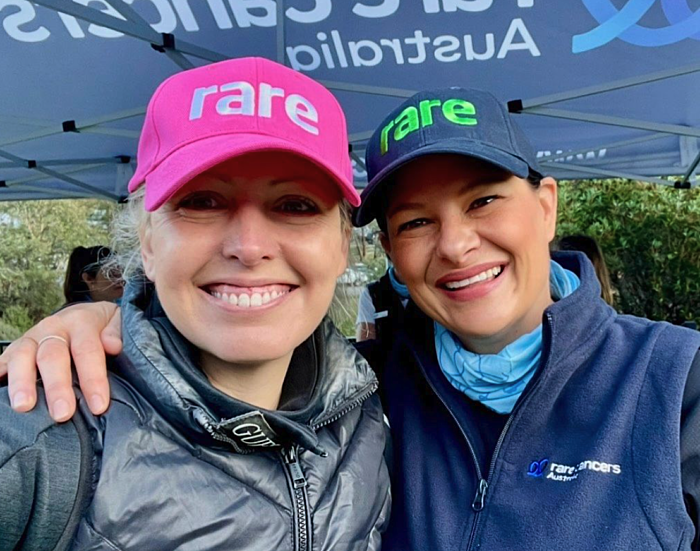
Because I’ve had personal experience with moving around the world, I was passionate about that, and that’s my criteria with things I’m involved with. I’m also on the board of Rare Cancers Australia and Crohn’s and Colitis Australia. I’ve had cancer and I have Crohn’s.
In the not-for-profit spaces that we work in, you’ve got to have a drive because there are a lot of knockbacks, and there are a lot of no's, and it doesn’t pay as well as the corporate sector. But community is what it’s about.
What’s next for Global Australians?
We’ve created an app and a closed platform that we’re rolling out to connect Australians by their location, their sector and their interests. I think from my perspective, it’s putting the infrastructure in place to make sure that the assets that are our people have a strategic framework. We need to keep Australians connected to home when they’re abroad in a way where it's meaningful.
Developing mentoring programs is on our agenda for the next year, as well as our awards and making sure that we tell the stories and celebrate Australians overseas who are doing great things. We are also working on a report where we look at the opinions and insights of Australians around the world and opportunities that may exist in different markets.
Global Australians: website
Posted on 14 Oct 2026
Carers Victoria is holding an event this afternoon (October 14) during National Carers Week to…
Posted on 07 Oct 2026
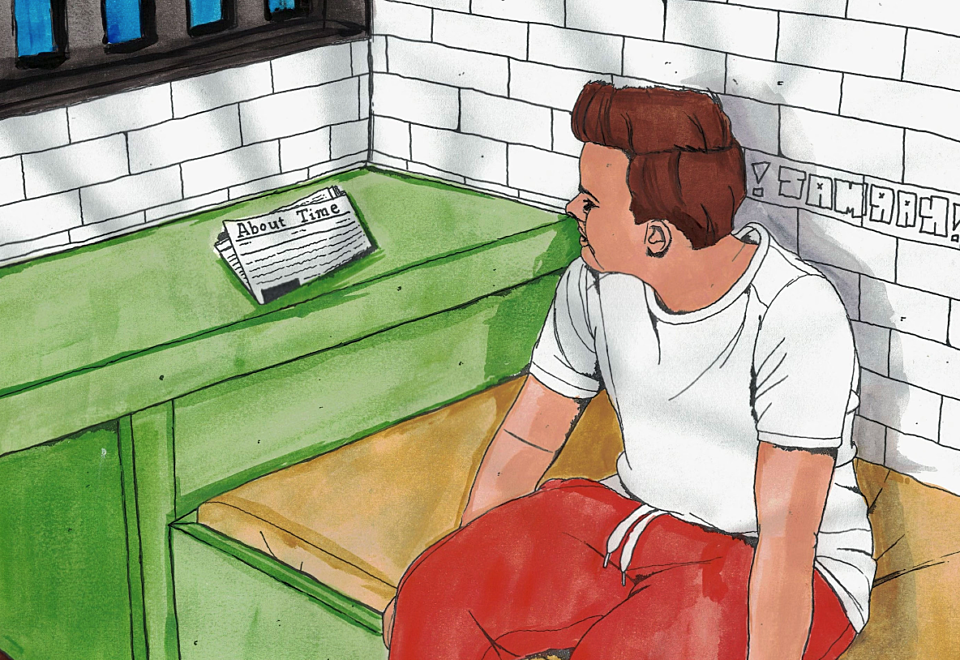
Joseph Friedman is co-founder and publisher of About Time, Australia’s only newspaper for…
Posted on 30 Sep 2026
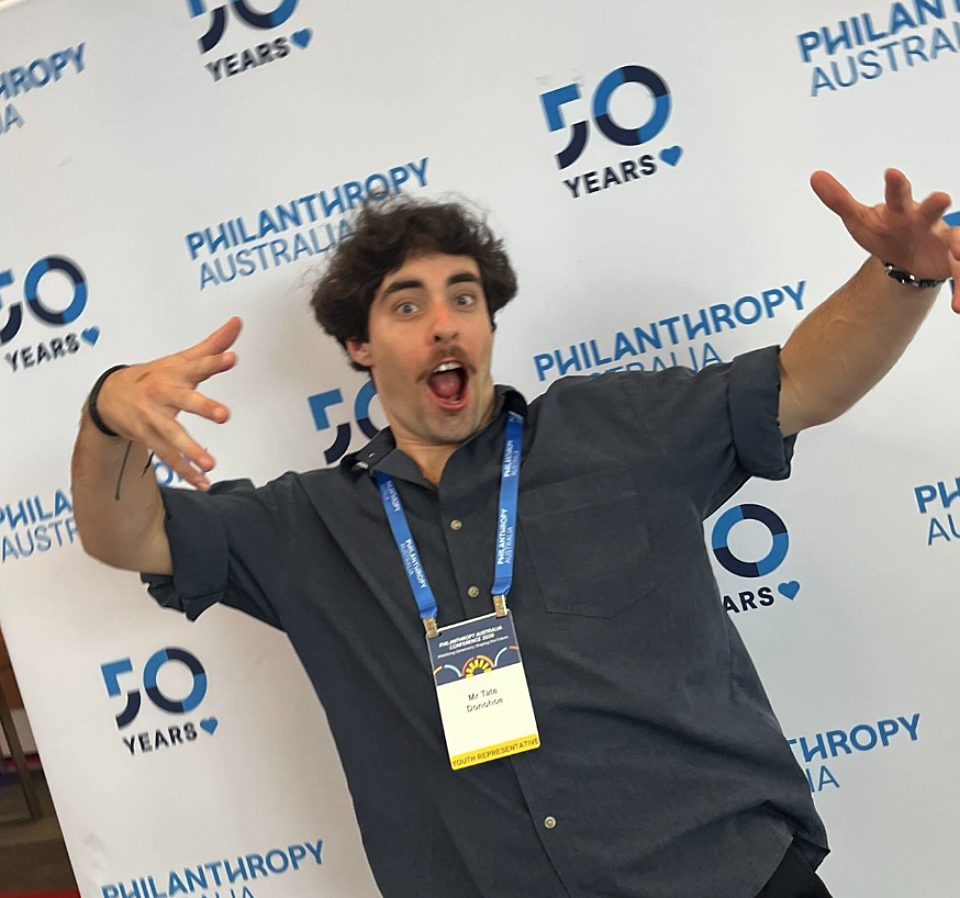
At 21 years old, Tate Donohoe is the founder of Ecodia, an AI-assisted software development company…
Posted on 02 Sep 2026
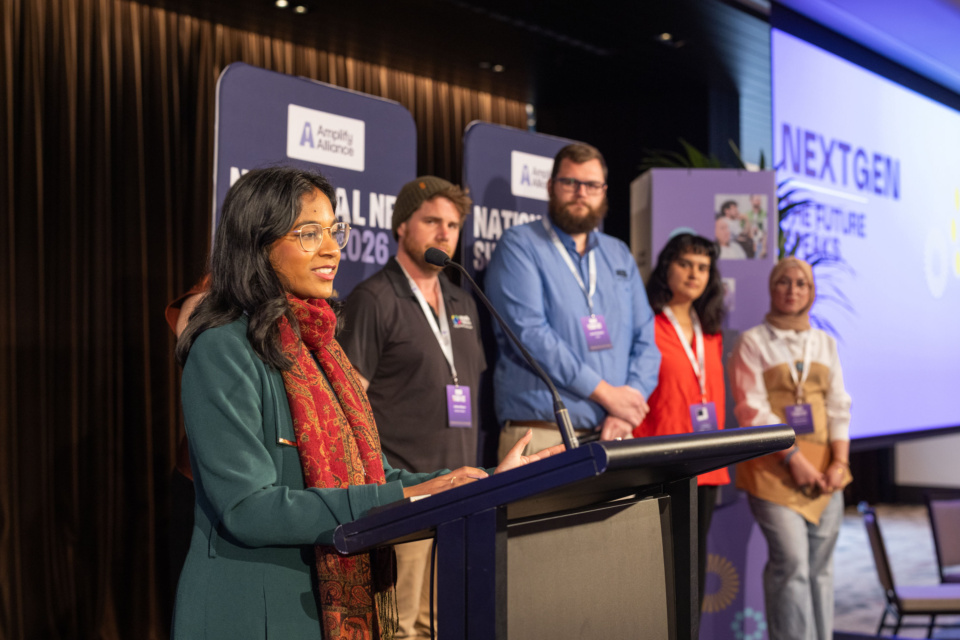
At last week’s Amplify Alliance National NFP Summit, Satara Uthayakumaran, 23, brought the voices…
Posted on 26 Aug 2026
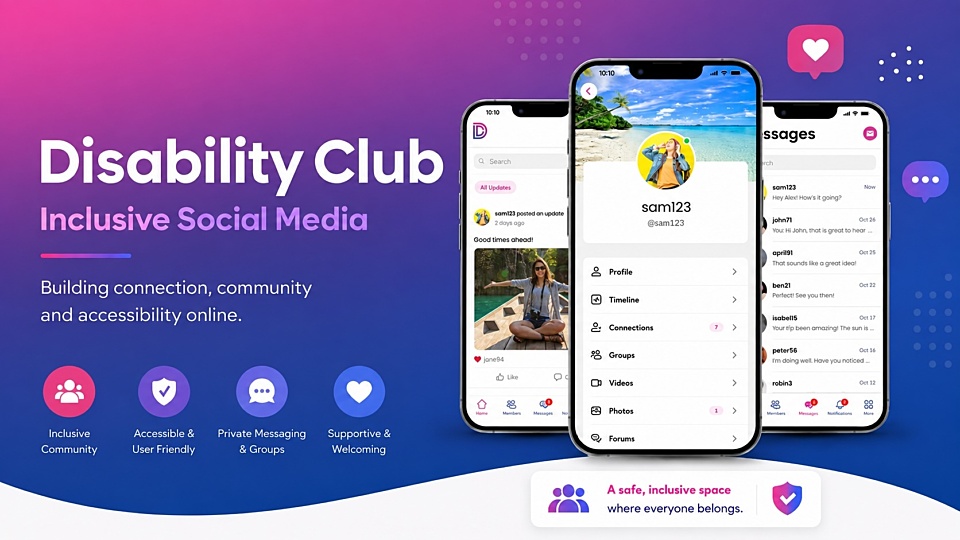
Nathan Johnston lives in Bega, NSW, and lives with cerebral palsy. He’s the creator of Disability…
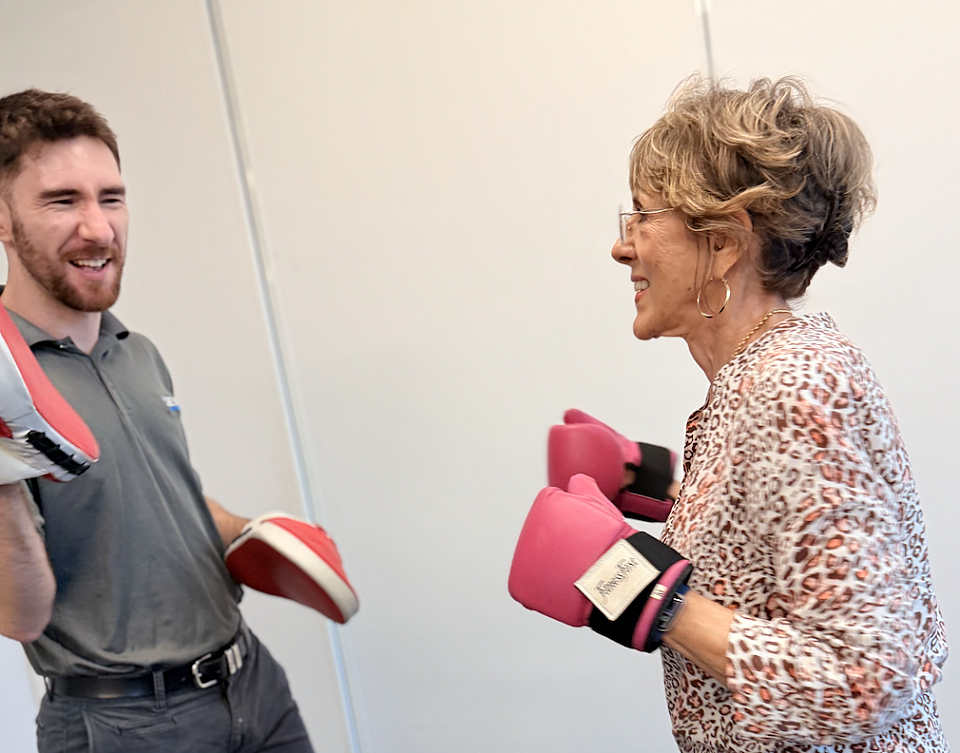
Posted on 19 Aug 2026
Coralie Wales is the founder of Strong Australia, an ACNC-registered health promotion charity that…
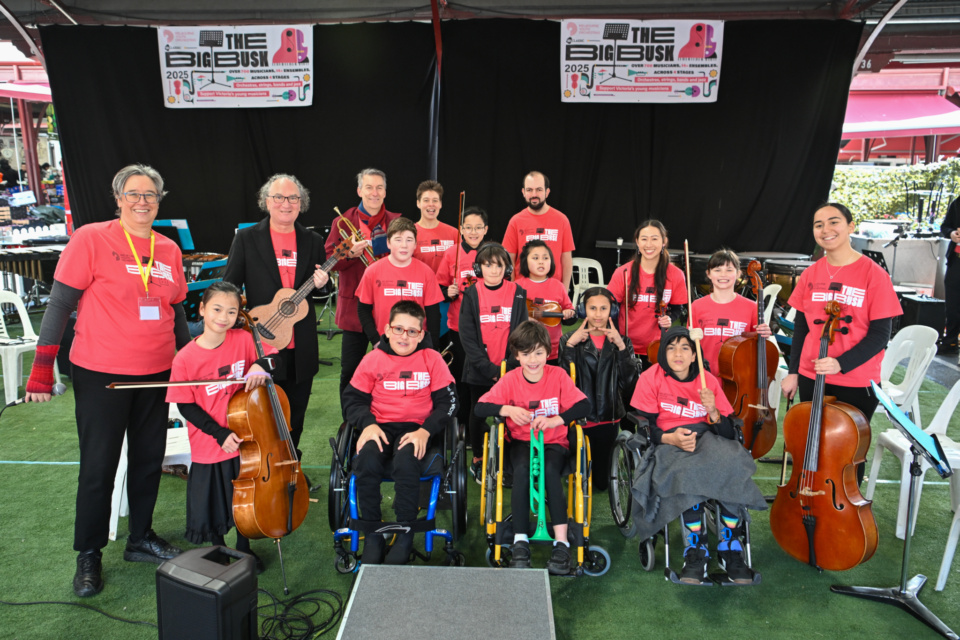
Posted on 30 Jun 2026
Anthea Skinner is a musicologist, a senior lecturer in disability creative performance at the…

Posted on 24 Jun 2026
Lizzie Mettam manages corporate partnerships for DV Safe Phone, an organisation that provides…
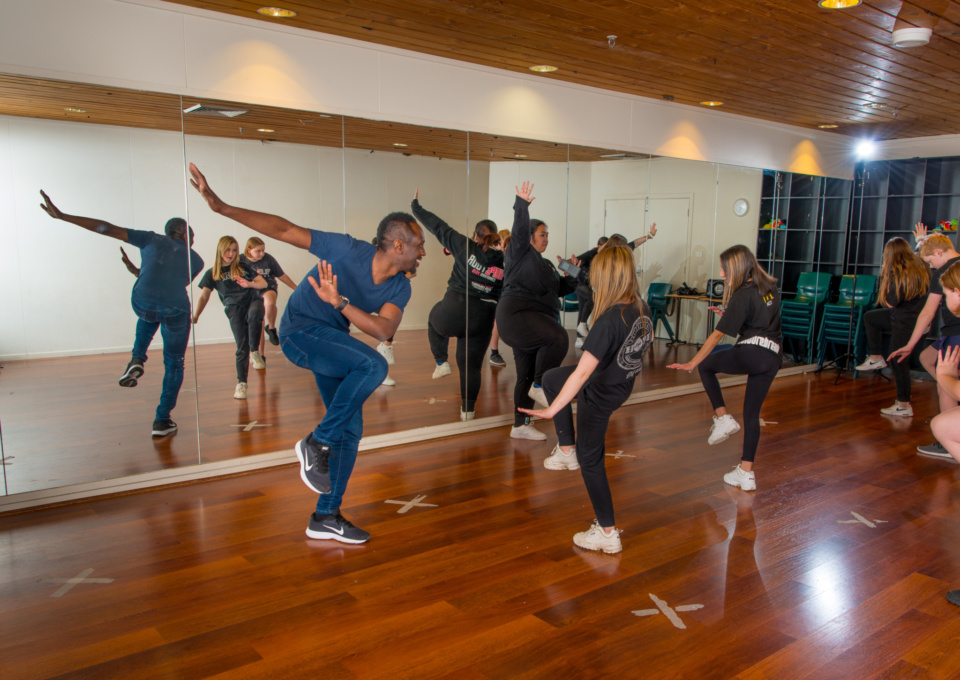
Posted on 17 Jun 2026
Francis Owusu is the founder of Kulture Break, a charity that helps young people build confidence,…
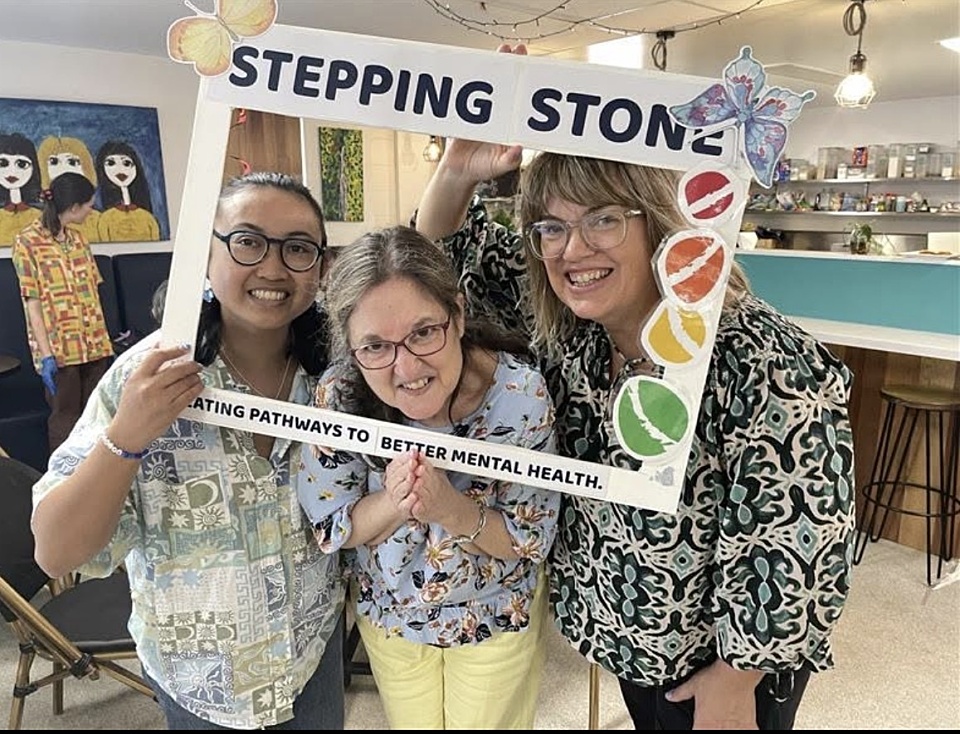
Posted on 10 Jun 2026
Melanie Sennett is the chief executive officer of Stepping Stone Clubhouse, a Brisbane charity that…
Posted on 03 Jun 2026
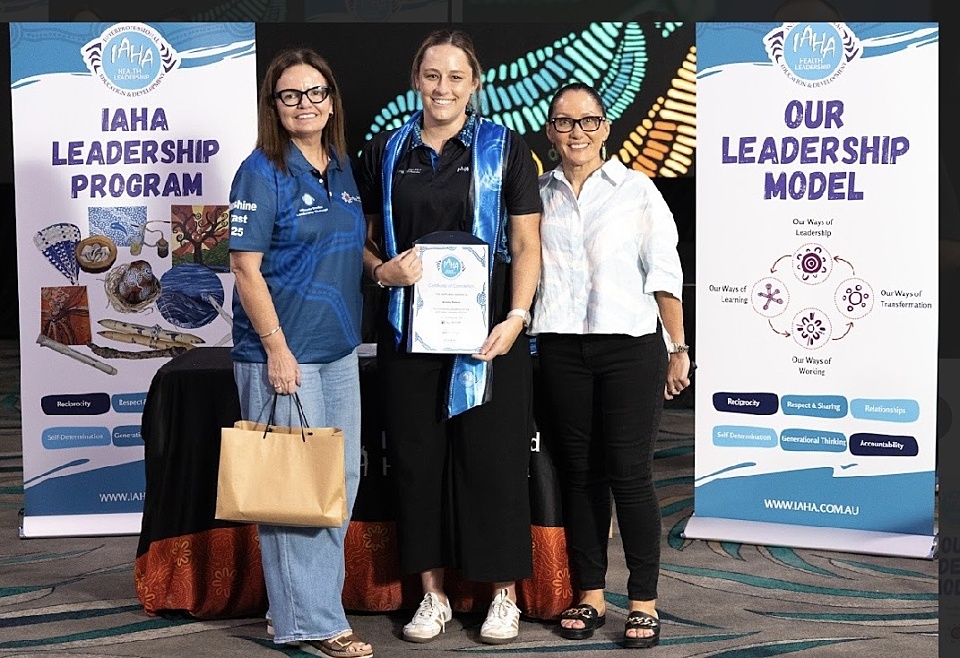
Kristy Petrie is a paediatric physiotherapist and proud Gooreng Gooreng woman who sits on the…
Posted on 27 May 2026
Maria Owen is the CEO of ImpactLab, a New Zealand social enterprise that analyses data for…