From passion project to a national prison newspaper, speaking to and for those doing time
Posted on 07 Oct 2026
Joseph Friedman is co-founder and publisher of About Time, Australia’s only newspaper for…
Posted on 28 Jan 2026
By Nick Place, journalist, Community Directors
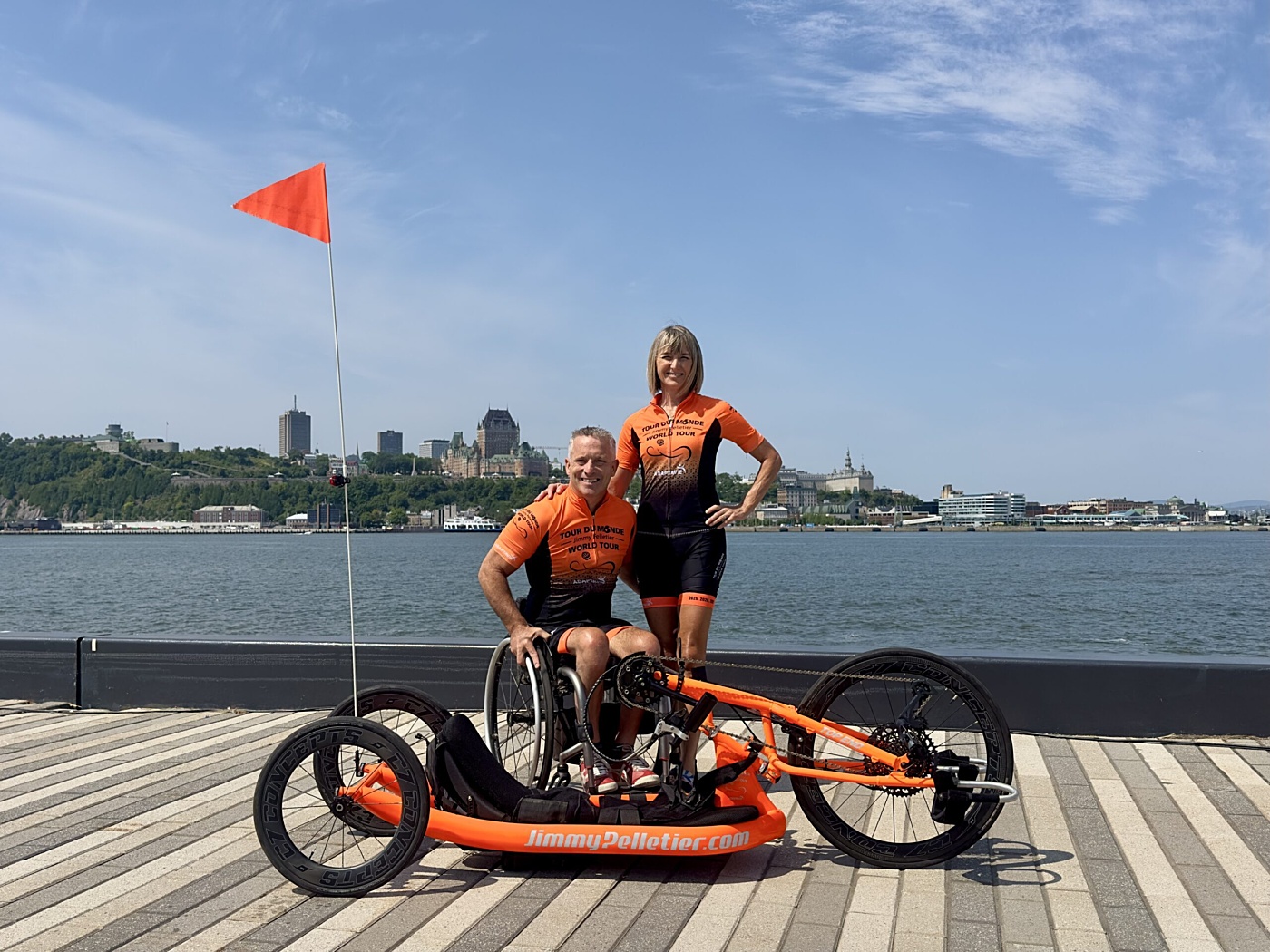
French-Canadian Jimmy Pelletier, who lives with paraplegia, is six and a half months into a two-year quest to para-cycle around the world, along with his partner, Manon Bélanger. Having already cycled the UK and western Europe, the pair have been riding around Australia since late November, and right now they’re en route to Sydney. Jimmy rides a modified lying-down bike that he operates with a double-hand crank.
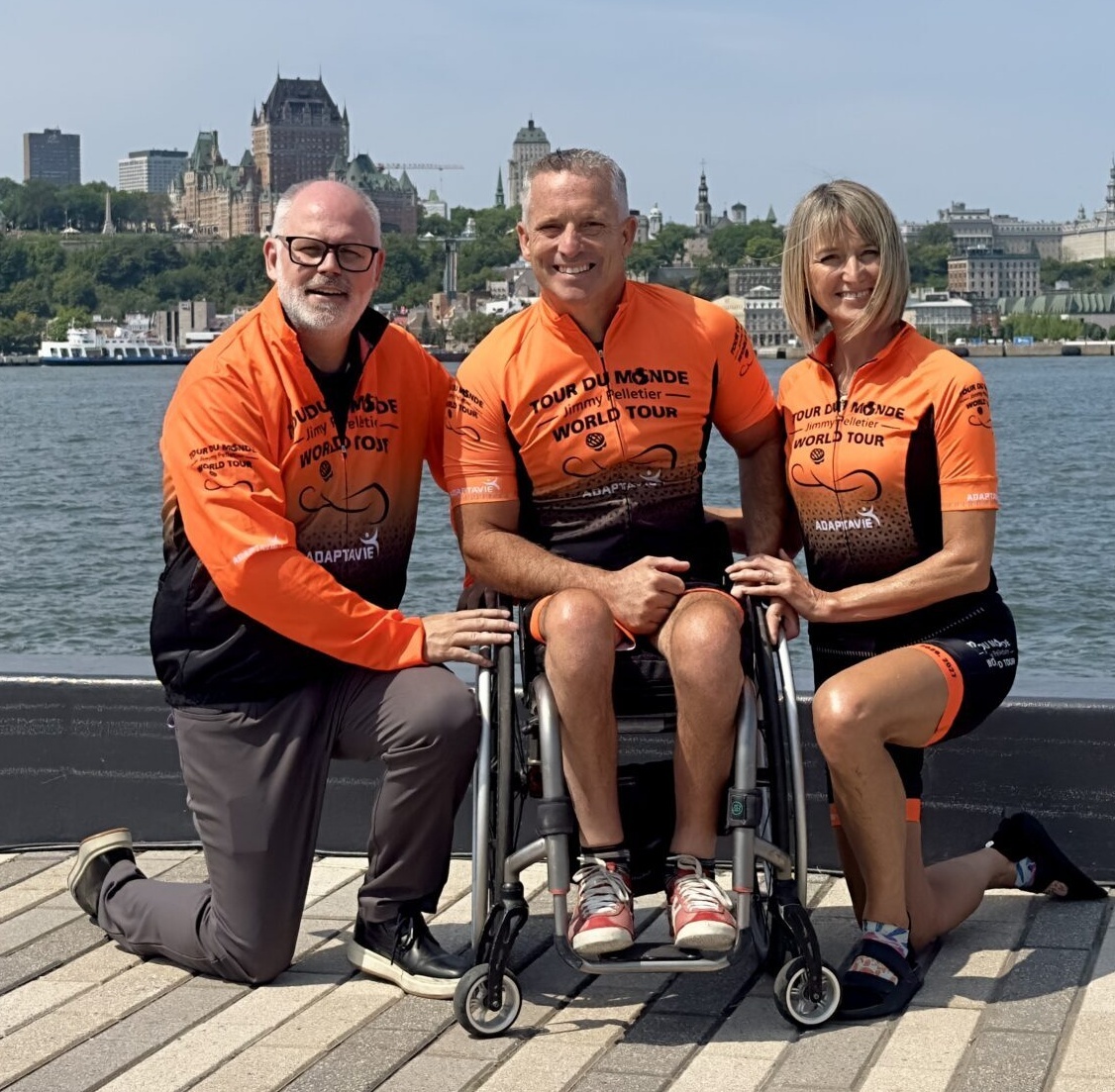
The Community Advocate spoke to Jimmy and Manon as well as Mario Légaré, their close friend, their head of mission, and the leader of Adaptavie, a Quebec not-for-profit that assists people living with disability.
Mario: The idea for this tour began when Jimmy and Manon rode across Canada, cycling from Vancouver to Halifax, which is more than 7000 km. When they finished, Jimmy said to Manon, as a joke, ‘Now I’m strong, I can ride a world tour’, and then that joke became an idea. Jimmy also proposed to Manon at the end of that ride, in front of the press and everybody gathered. He’d carried the ring the whole way, so it was a big and beautiful moment.
Jimmy: Big vans, those long trucks. I am very low to the ground. I see them in my mirror, and I have a car detection system. It’s worse for Manon because she is lighter. There is big wind from the vans.
Jimmy: It’s really important to me to give back, to raise money for the cause. I’m an ambassador for Adaptavie, and it’s really important because I was involved in a car accident in 1996 and they helped.
Manon: Jimmy was 19 years old when he was involved in the car crash and became a paraplegic. Before that he was an athlete, playing [ice] hockey and baseball, Canadian sports. He was at a junior league level in hockey, which is very good. He was always a leader, captain of his teams and things like that, and he brought that attitude to his recovery from the accident.
Mario: Six months after the accident, Jimmy was doing his first 10-kilometre race in his wheelchair. He has since done many marathons, and became an inspiring Paralympian athlete. He was in Canada’s Paralympian team in 2006, cross-country skiing, and then was in the Canadian handcycling team, but stepped out before the summer Olympics because he had a new daughter and wanted to care for his family.
“The big message of the tour is adaptation, not just for a handicap but for everyone. Each person has to live in the present moment.”
Mario: He is paralysed from the chest down. It’s important to state that every handicap is different, everybody faces their own challenge, so he wants people to know he is paralysed from his chest. It means he hasn’t got any abs, only his arms, to cycle with.
Jimmy: What’s more important is my head. Coordination is important to push the bike. I have more power when I push to go. The bike has 12 speeds and one main cog, where normally I would have three. It has a brake, and then an emergency brake. Before the kangaroo.
Mario: Between Adelaide and Melbourne, Jimmy saw a kangaroo leap onto the road and tried to brake suddenly, snapping the brake. Riding the rest of the way into Melbourne, he had to use only the emergency brake. His bike normally has a lot more electronics but because we knew that we were going to be cycling through remote places on this tour, with no bike shops around, and we have to fix it ourselves, we simplified it. He missed the kangaroo.
Jimmy: I also saw koalas in a tree, outside Warrnambool. I lie down on my back while cycling and looked up and saw them. It’s so cool that these creatures in Australia are wild, just there when you go outside.
Jimmy: I have a message for everybody – people living with disability but everybody else as well – that you need to live in the moment. After the accident, for me, it has always been really important that I needed to adapt to my new life in a chair. You always choose what you do – to adapt and really live, or just survive. That’s my motto: ‘Live or survive’. Adaptation each day, every day.
Mario: We’ve been living that on the tour. This [Melbourne hotel room] is our 115th apartment since we started, in 195 days. For Jimmy, every destination has been an adaptation. In the UK, there was very little accessibility infrastructure. For Jimmy, it was a challenge with stairs, small spaces, getting into toilets. It was difficult for him to accept, coming from home in Quebec where everything is accessible. I had to carry him up 13 stairs to his bed, and Jimmy did not like that. Even here [the Melbourne hotel room], you see the couch is vertical against the window. For Jimmy, it was blocking the door to the bedroom, so we had to adapt the room.
Jimmy: It’s important for me to have a big, open spirit. To accept the help of Manon and Mario. The big message of the tour is adaptation, not just for a handicap but for everyone. Each person has to live in the present moment. You know, to climb the mountain one step at a time.
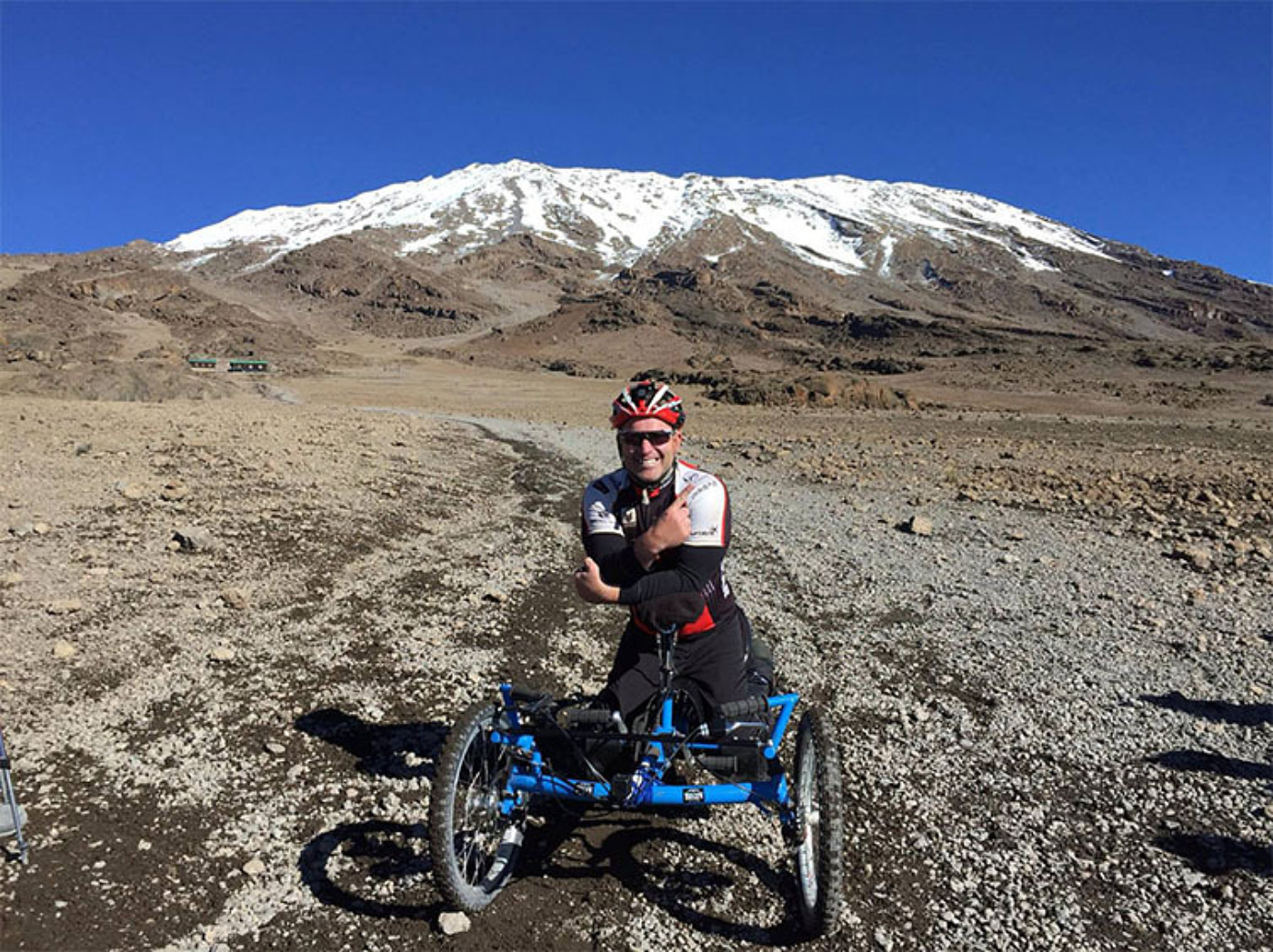
Mario: We have a French saying, “To eat the elephant, you need to take one bite at a time.” Incidentally, Jimmy was the second person in the world to climb Mount Kilimanjaro, in Tanzania, on his mountain hand-bike.
Mario: At home, my company is Adaptavie, which in English means “Adapt your life”. We help people adapt wherever there is trauma. More than 2000 people participate in sports and activities, and we have more than 50 employees in the Quebec centre for rehab, such as kineologists and physiotherapists. We have everybody from small children with diseases to grandmothers who have suffered an EVC – I think it’s a stroke in English. This tour is looking to raise a minimum of $2 million to make an even better facility for people in Quebec. We so far have $1.3 million. People can ‘buy’ kilometres, as Jimmy and Manon ride, to raise the money. Our tour budgets are small and have to be respected, so the money is collected, not spent.
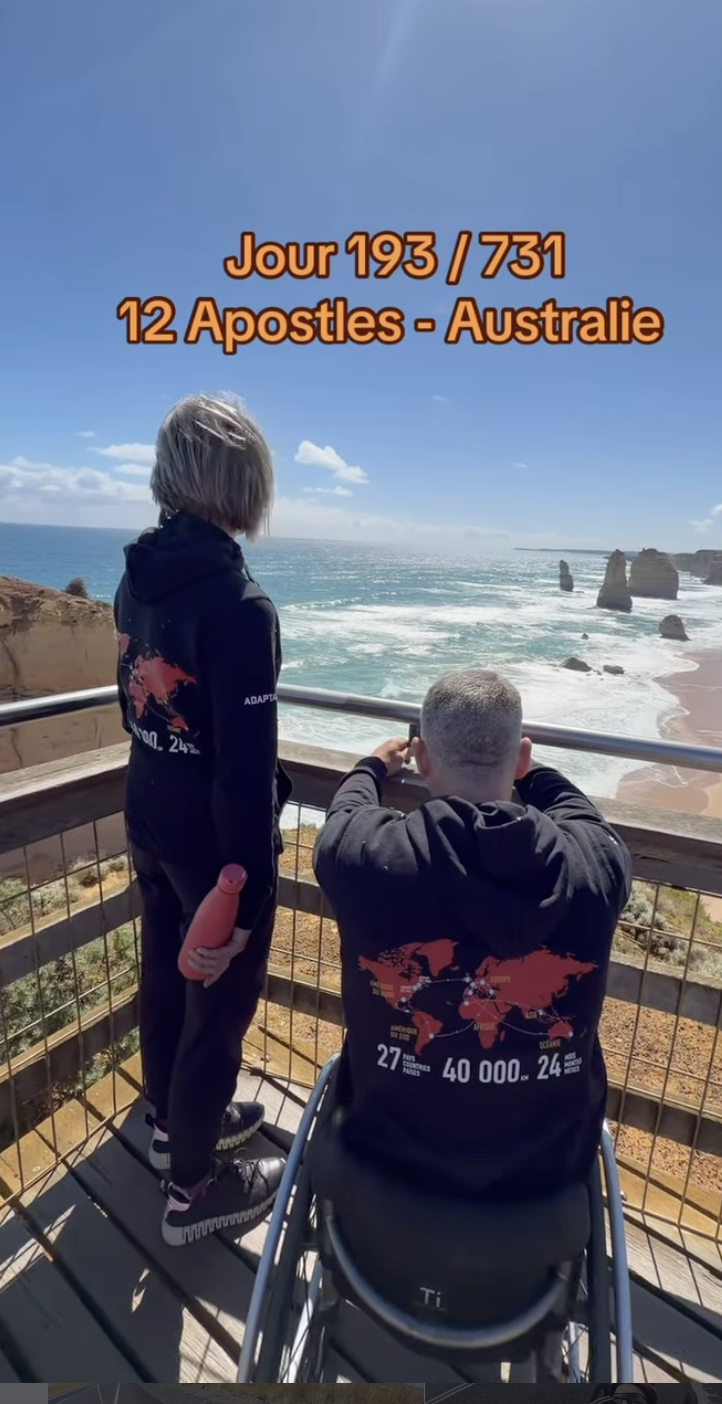
Jimmy: Each day, be in the moment, present. This is a good example for people who follow us. Life is like this, different, every day.
Mario: I met Jimmy when I got a phone call from him 10 years ago, saying he wanted to create a bike tour to raise funds for Adaptavie. He planned to invite 50 people to contribute $1500 each to ride more than 600 kilometres in five days with him. Eight months later, it happened, and the annual event has now raised more than $2.6 million for the cause. We try to leave a little bit of money to help people with disabilities at each stop.
Manon: Just before the tour started, he received the National Assembly of Quebec Honour Medal at the Quebec Parliament. The Governor General of Canada also gave another medal.
Mario: On tour, we have people helping us in every country and we’re a family. If you join us, you’re family, like we’re mafia. Hahaha. But you need to share our values; Jimmy’s values. If you’re here for yourself, then you are not in a good place. We’re doing our best to raise money for people with disability, so people need to be here for that.
Manon: We fly out of Sydney on February 4, for Thailand. We will not be home for another year and a half. Our children (between them, Manon and Jimmy have children aged 18 to 27) are joining us as volunteers here or there along the way.
To see where Jimmy and Manon are now, visit the tour’s Instagram feed here.
Make a donation here.
Posted on 07 Oct 2026
Joseph Friedman is co-founder and publisher of About Time, Australia’s only newspaper for…
Posted on 30 Sep 2026
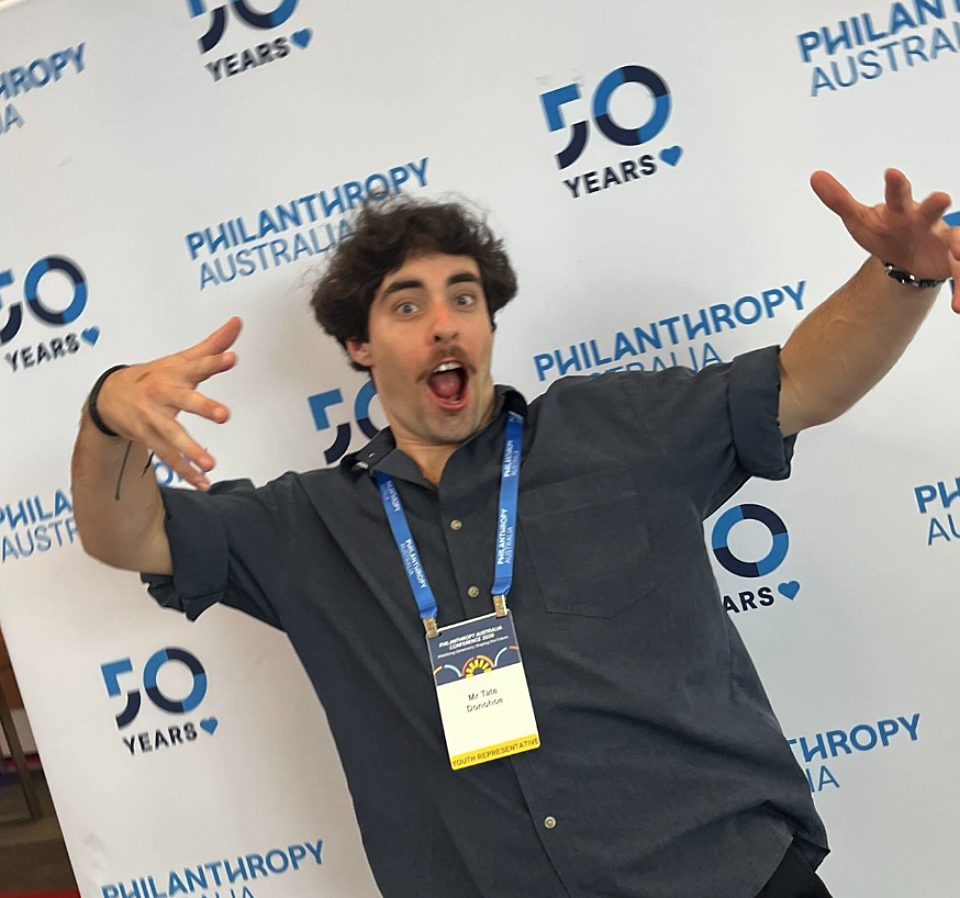
At 21 years old, Tate Donohoe is the founder of Ecodia, an AI-assisted software development company…
Posted on 02 Sep 2026
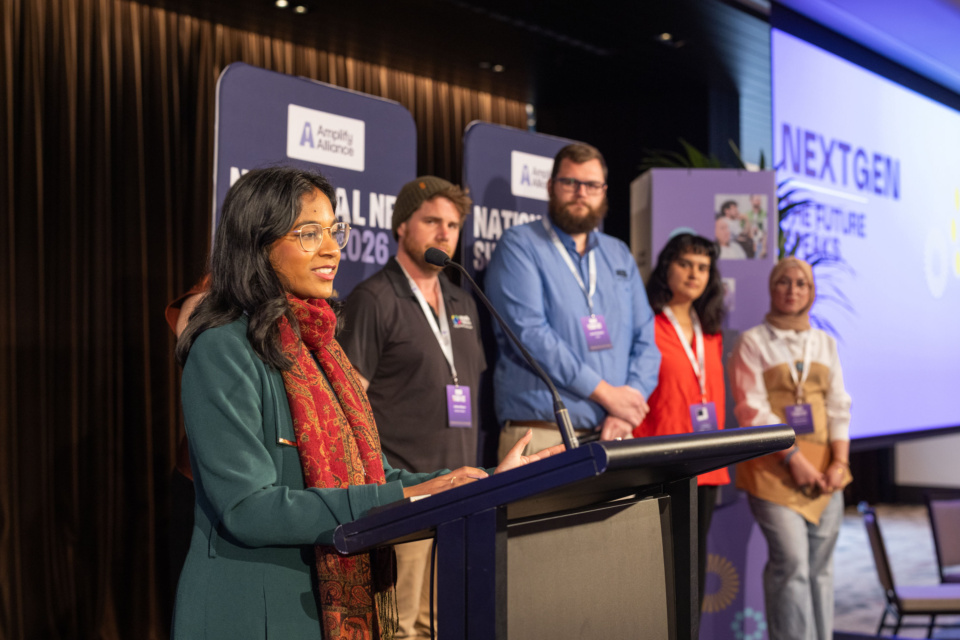
At last week’s Amplify Alliance National NFP Summit, Satara Uthayakumaran, 23, brought the voices…
Posted on 26 Aug 2026
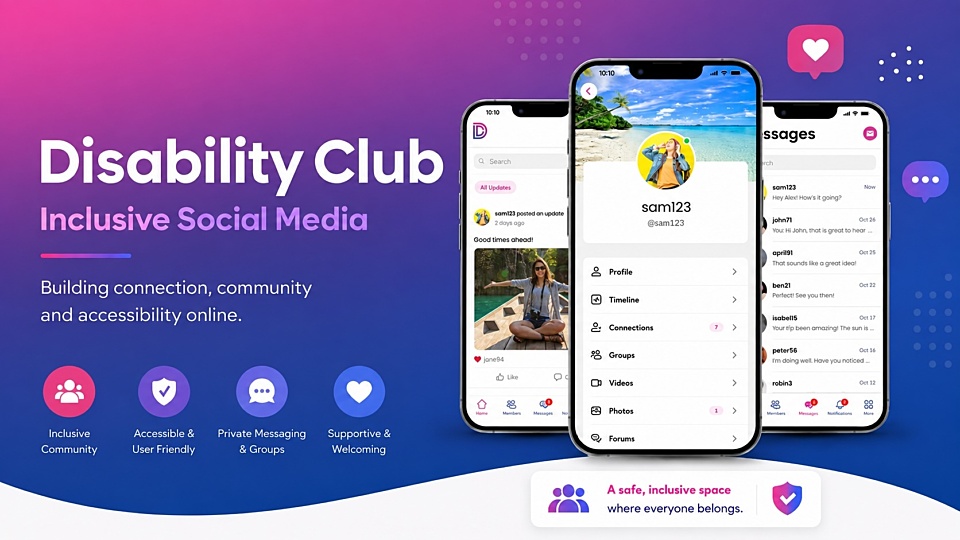
Nathan Johnston lives in Bega, NSW, and lives with cerebral palsy. He’s the creator of Disability…
Posted on 19 Aug 2026
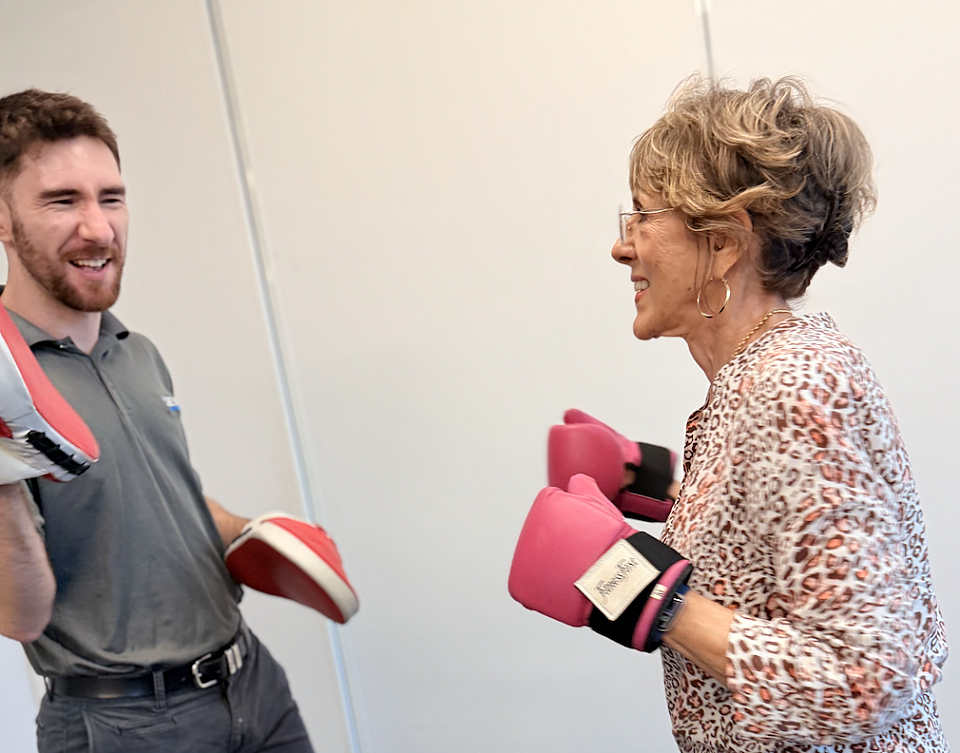
Coralie Wales is the founder of Strong Australia, an ACNC-registered health promotion charity that…
Posted on 08 Jul 2026
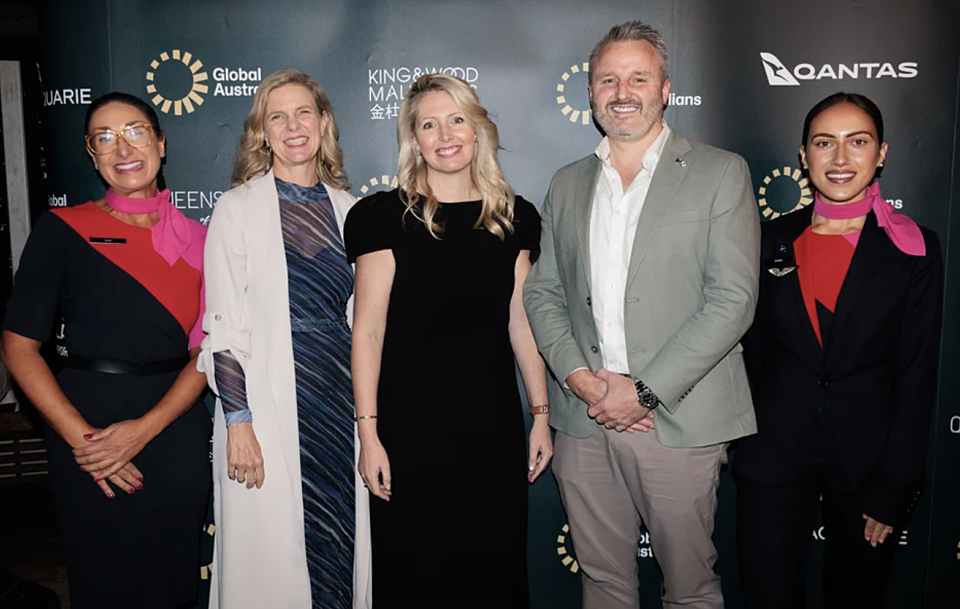
Kate McQuestin is CEO of Global Australians, a not-for-profit aimed at connecting Australians…
Posted on 30 Jun 2026
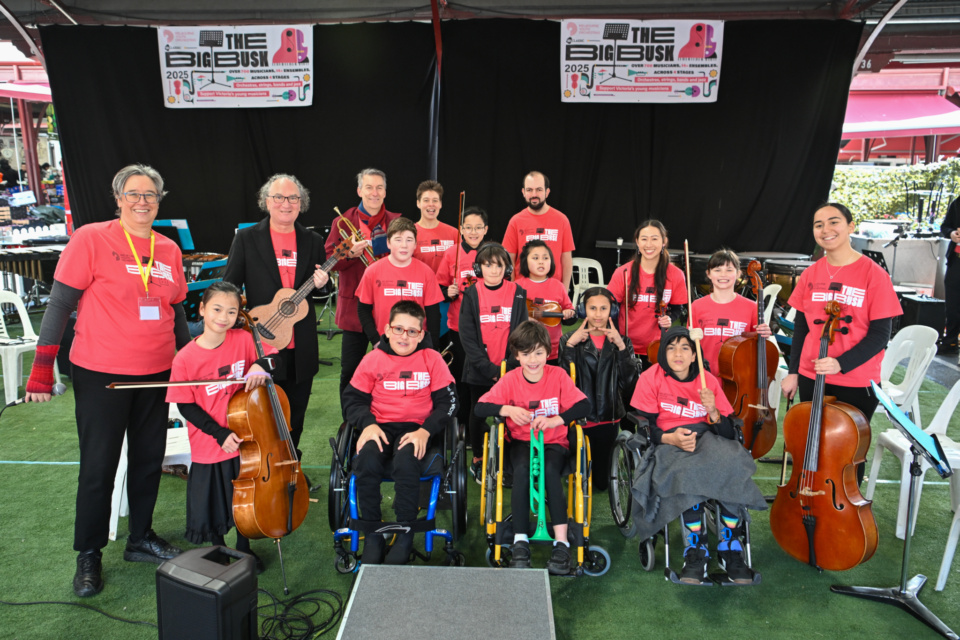
Anthea Skinner is a musicologist, a senior lecturer in disability creative performance at the…

Posted on 24 Jun 2026
Lizzie Mettam manages corporate partnerships for DV Safe Phone, an organisation that provides…
Posted on 17 Jun 2026
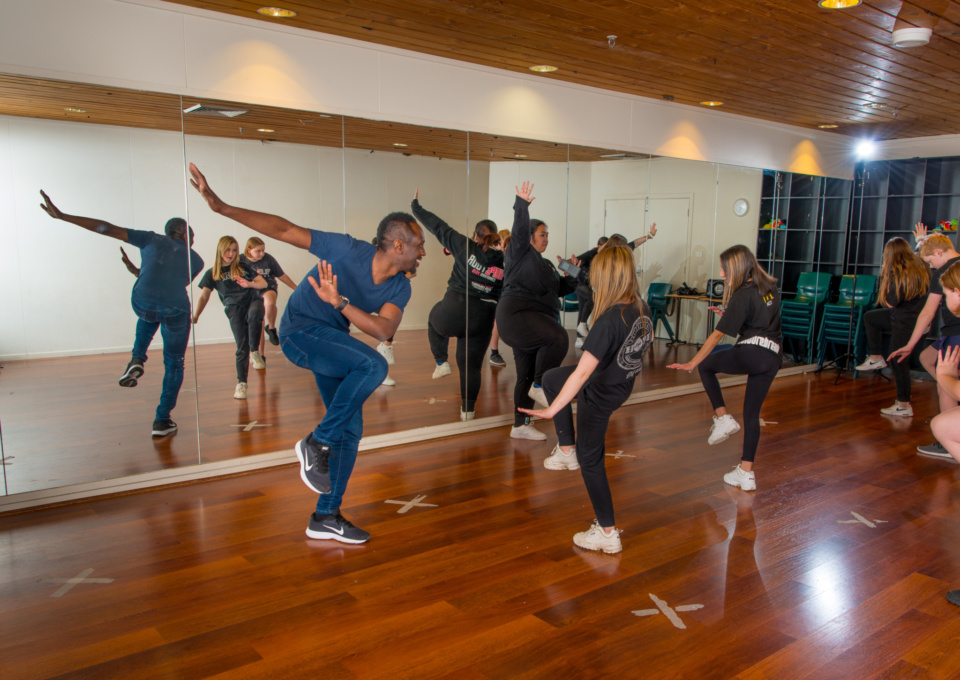
Francis Owusu is the founder of Kulture Break, a charity that helps young people build confidence,…
Posted on 10 Jun 2026
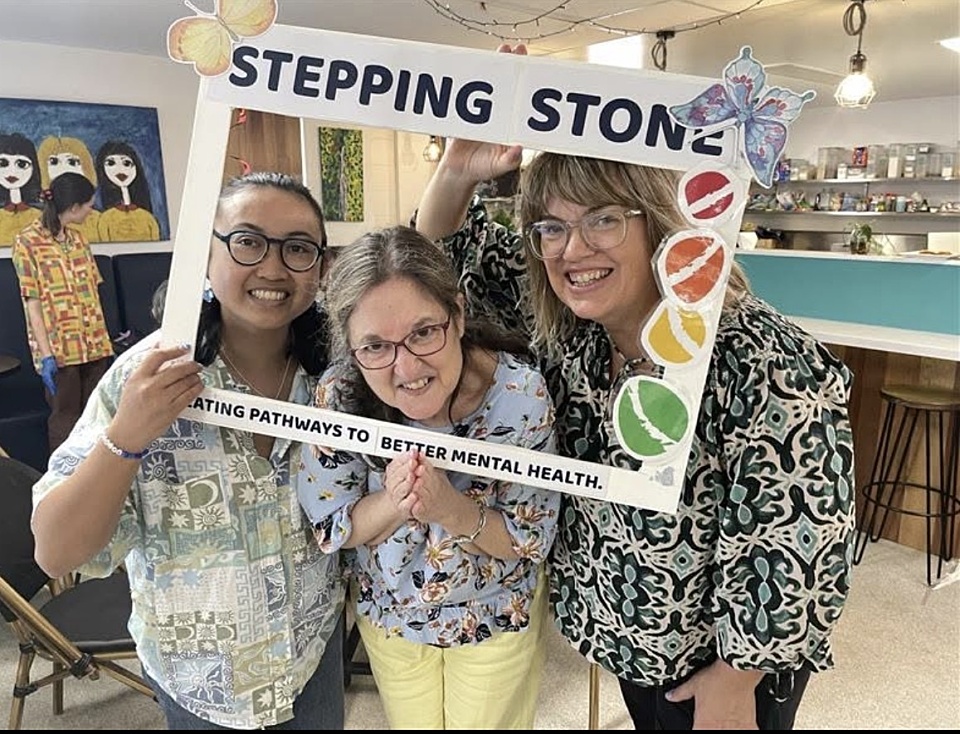
Melanie Sennett is the chief executive officer of Stepping Stone Clubhouse, a Brisbane charity that…
Posted on 03 Jun 2026
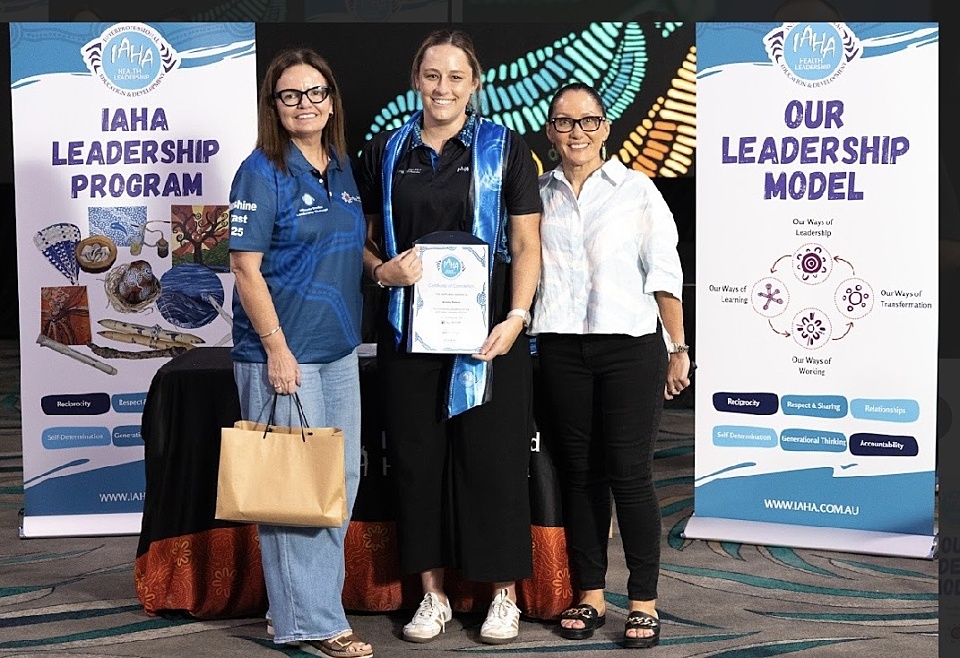
Kristy Petrie is a paediatric physiotherapist and proud Gooreng Gooreng woman who sits on the…

Posted on 27 May 2026
Maria Owen is the CEO of ImpactLab, a New Zealand social enterprise that analyses data for…