From passion project to a national prison newspaper, speaking to and for those doing time
Posted on 07 Oct 2026
Joseph Friedman is co-founder and publisher of About Time, Australia’s only newspaper for…
Posted on 04 Feb 2026
By Nick Place, journalist, Community Directors
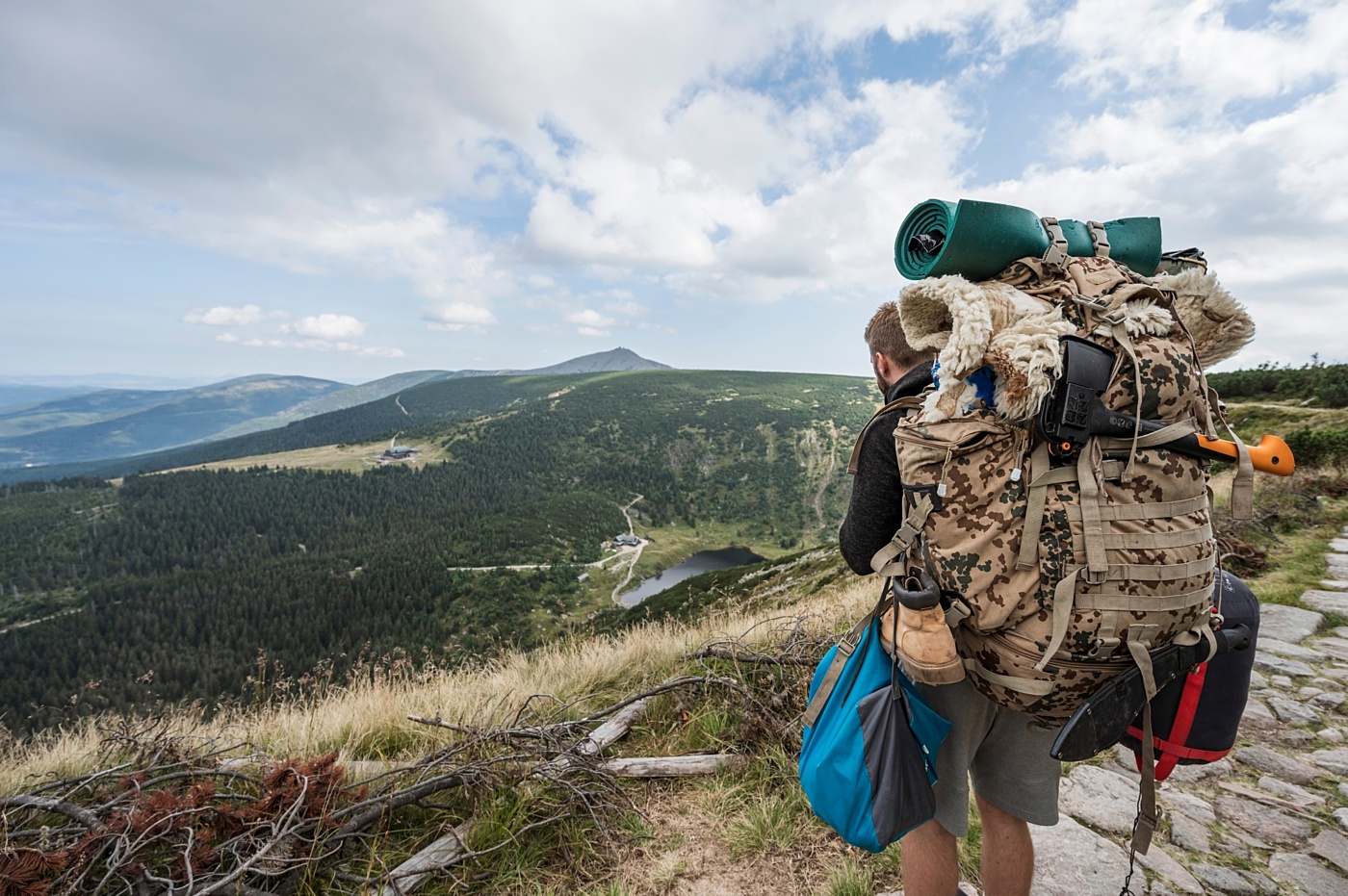
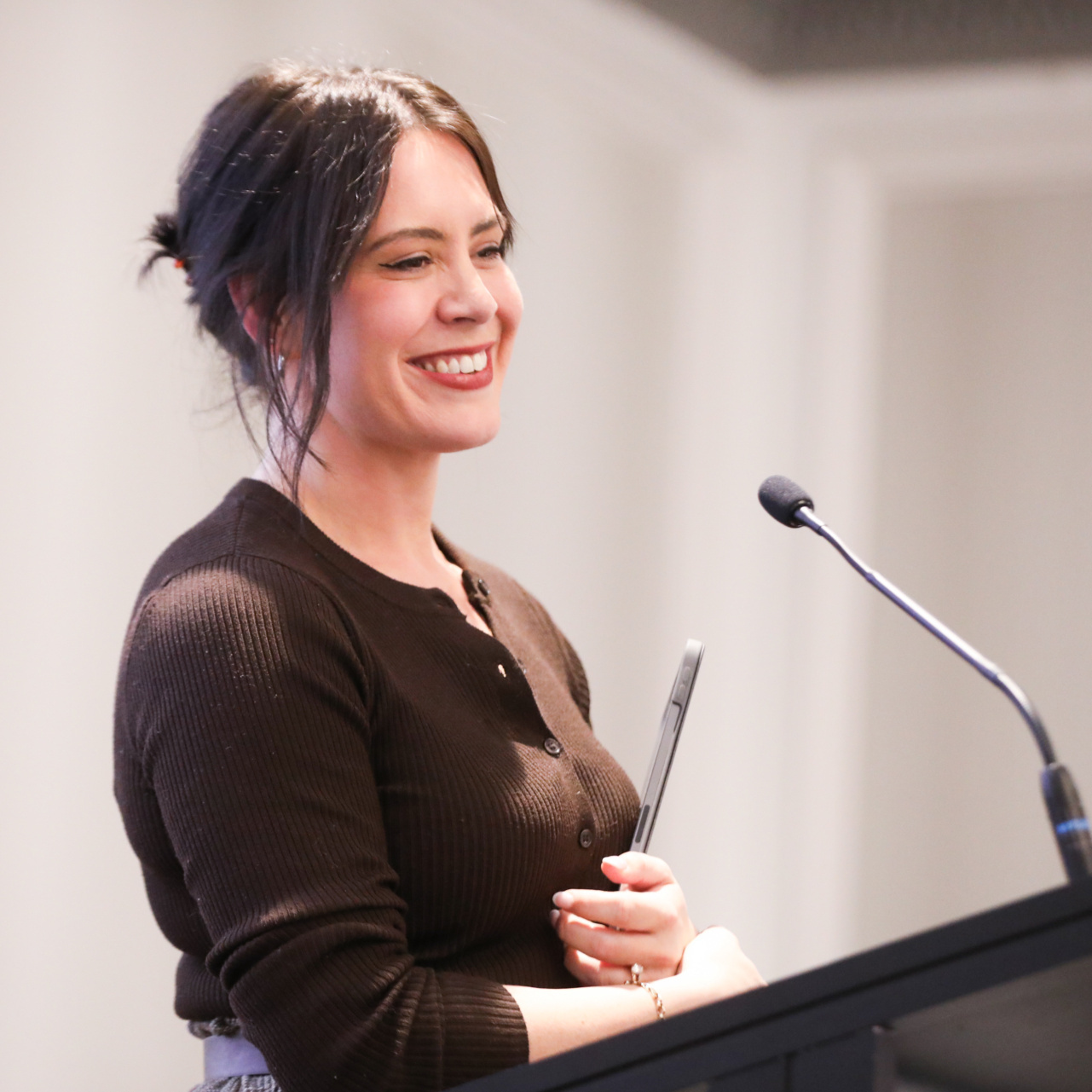
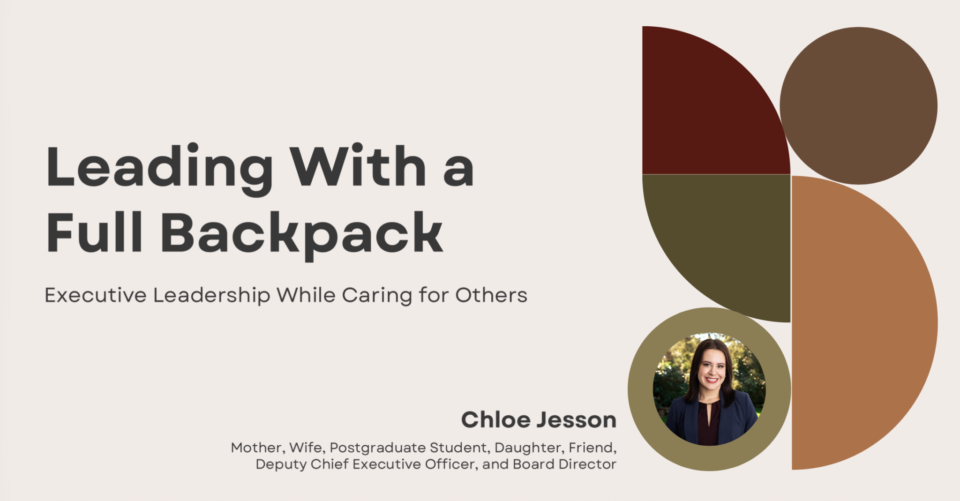
At the Third Sector leadership conference in Sydney last year, Queensland health executive Chloe Jesson talked about the tensions of navigating life and work, and how she discovered a new method of leading with emotional honesty. Her presentation was called “Leading with a full backpack”.
It’s not what they asked for, but when I saw the conference, I thought it might be time for me to do something more personal. I feel like I have things that I want to share about my own experience that I’ve looked for at conferences in the past, and not been able to find. I thought, well, if no one else is doing that, then why don’t I? And this looked like the kind of platform that that might work. I’ve presented at lots of conferences, but always around a project, findings or insights from the sector. It’s always been very focused on the work that we do at the Alliance [Queensland Alliance for Mental Health]. So, it was the first time I’ve taken that hat off and just done more of a “me” thing. It was lovely.
Can you briefly recap your talk for Community Advocate readers?
Sure! I guess it’s twofold for me. I think in terms of the lived experience movement, I’ve learned through mental health that there is real power in sharing your own story and there’s power as a leader in being vulnerable and open with the people that you are leading. I think that draws you closer to the people that report to you and to the people you report to. Really the concept is that “leading with a full backpack” is acknowledging that when we turn up to work, we aren’t just kind of taking our backpack off at the door. As much as people say; you leave your problems at the door when you come into work, it actually doesn’t work like that. We can use that metaphor all we like, but it’s impossible.
Instead of running from that and instead of being afraid of the things that are in that backpack, I was asking: how do we harness that? How do we look at those experiences that we’re carrying and that humanness that we carry and turn it into a strength? For me, I am a carer of children with neurodivergence, and so what I carry in my backpack is everything I bring as a parent, as a carer, as a wife, as a student studying a Master’s (for some reason), as a board director, on top of my day job. Instead of just leaving it at the door and pretending it doesn’t exist, I like to bring that in and look at what strengths all of those experiences give me, and use those. Patience, for me, is a really big one. I’m a very patient leader because I have to be at home, so I carry that strength with me into the workplace.
I’m more compassionate as a leader. I’m a bit more understanding and I’m better at perspective shifting and being curious because of all those experiences I bring.
The other component is that it makes me more human to my team, and then in turn, they are more honest back. It’s a lot of role modelling that happens when you bring your full backpack. I come in and I tell the team if I’m kind of at capacity or if I need to clock off at a particular time because I’ve got something going on, or if I’ve had a really crappy drop-off at school and so I’m coming in and just need a few moments; to settle in and ground myself a bit because I’m feeling scattered. By doing that, I find that people are more honest with me in their supervisions, in their catch-ups with me, and I have more foresight of what kind of outputs I can expect from them. I think there’s this idea that just because your team isn’t sharing what’s going on for them means that nothing’s going on for them and that’s not the case.
So, if we try and break down those walls a little bit, you have more honest, open conversations in return. It’s kind of a two-way street that opens up when you bring in that backpack. It means I’m never surprised if somebody’s work is not at a really high quality, because instead of just providing me with crappy quality work, they have had conversations with me early on about their headspace and we’re able to adjust things as needed, redelegate things as needed, move the goalposts if we need to.
“I’m more compassionate as a leader. I’m a bit more understanding and I’m better at perspective shifting and being curious because of all those experiences I bring.”
The thing is, though, if it is the case that somebody’s work is not going to be as good as usual, that just means their work’s not going to be as good as usual. The difference here is that I know about it and I can pre-empt it. It’s not that I end up with people producing more crappy work – that is not what happens. I just know about it in advance.
That’s the difference between me and that captain of industry. They end up with the low quality work and they don’t know why it’s bad and they just feel unhappy about it. Whereas I know in advance that this may come in less than perfect and so I know that I need to factor in time to adjust. That’s the difference.
Another part of this is that Australia relies on an army of “unpaid” informal carers – I think it’s something like two and a half million people – and if they were to stop, it would cost the economy billions of dollars. That means people in my teams are going to sometimes have to prioritise caring for others over their work, and I’d rather recognise the weight of that responsibility and prefer to know about it so we can mitigate risk and have people ready to cover for one another.
The best feedback I’ve had for any talk. I had quite a few people come up to me afterwards and just acknowledge that it was nice to have something that they feel and experience named and talked about.
It happened very organically and it almost wasn’t a choice. I was kind of a typical leader, who tried to be really stoic, and I was very young, leading much older people and thinking I had to be strong, abrasive, to prove my worth and earn their respect. As a young leader, I didn’t really have a backpack, other than a few nights out drinking and having fun that I had to kind of carry in. But then I had children and I suddenly had real problems, real issues that I had to bring into the workplace, and I just realised that what I needed from my leader was the ability to share what I was feeling. I also found myself struggling to keep that from my team and feeling this sense of separation between what was going on in my life, which was twins, I was going through a divorce, I was going through the Family Court, all of these things were happening in my life and it felt really unnatural to turn up between nine and five and “play a role”. It wasn’t sustainable.
I realised I couldn’t have this duality and compartmentalisation – that it wasn't serving me, it wasn’t serving anyone else. I was snappy. I was feeling resentment towards my team for not understanding what I was experiencing. By sheer force, I guess, I fell into just dropping little bits here and there and cutting myself some slack and saying, “I need to take the day," or "I’m going to turn my emails off for a period of time. I’ve got a bit going on in my personal life and this is what I need.” I started to see people being more honest with me in return and that’s when it clicked, that maybe this is how I should do things always? It shouldn’t just be when I’m in the depths of despair. I think maybe this is the way I should lead. It’s worked really well for the last few years.
I’m the deputy CEO of the Queensland Alliance for Mental Health. It’s the peak body for mental health in Queensland and specifically community mental health. We represent 120-plus mental health service providers within the state of Queensland, which is a very large state, very dispersed state. I oversee the team. We do advocacy, we have a policy and engagement team who write submissions to government, who consult in government consultations, and then I also look after our communications team, who do all of our media and comms engagement. We also have project teams who do capacity building for the sector; things like developing a workforce strategy and implementing that sector-wide.
We work with a lot of providers who don’t have a lot of resources. They are government funded and they’re all not- for-profit. Our role is to put them on stage and platform the brilliant work that they do to try and push government to fund more of this sector, because we see the impact of the sector on the ground and the fact that our sector can support people in Queensland outside of hospital beds, outside of hospital clinics. It’s a real privilege to be able to highlight that kind of grassroots work happening on the ground for Queensland.
Posted on 07 Oct 2026
Joseph Friedman is co-founder and publisher of About Time, Australia’s only newspaper for…
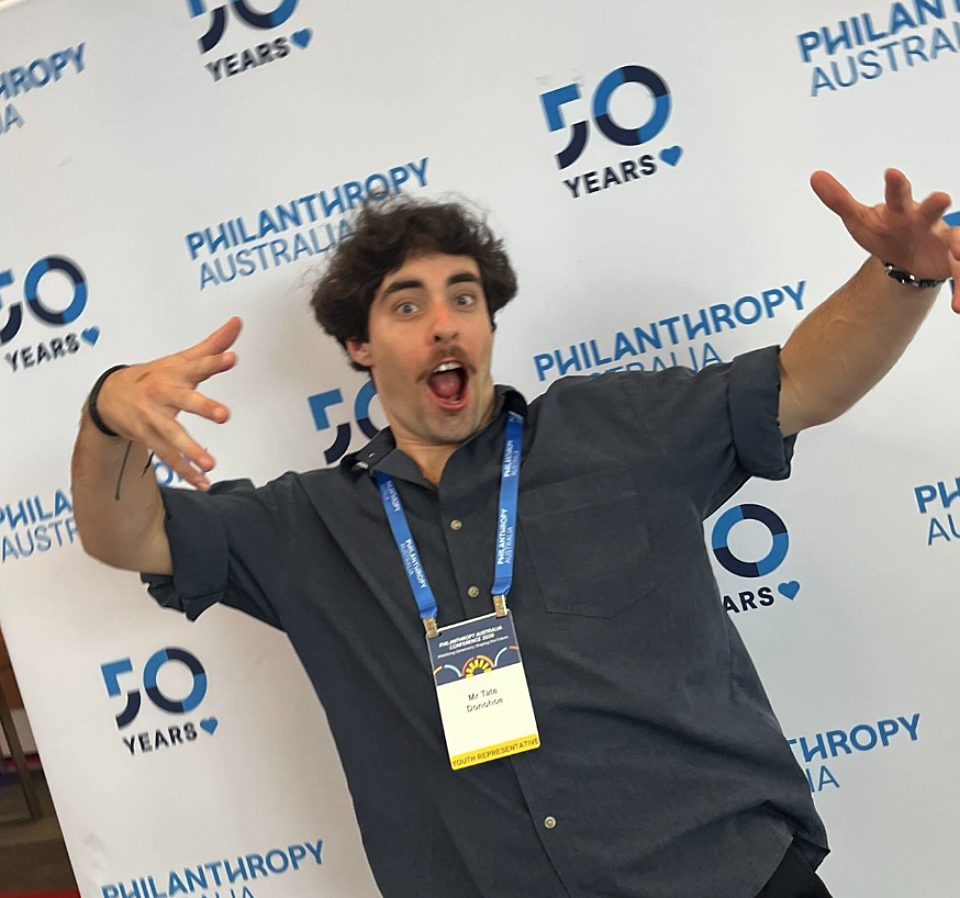
Posted on 30 Sep 2026
At 21 years old, Tate Donohoe is the founder of Ecodia, an AI-assisted software development company…
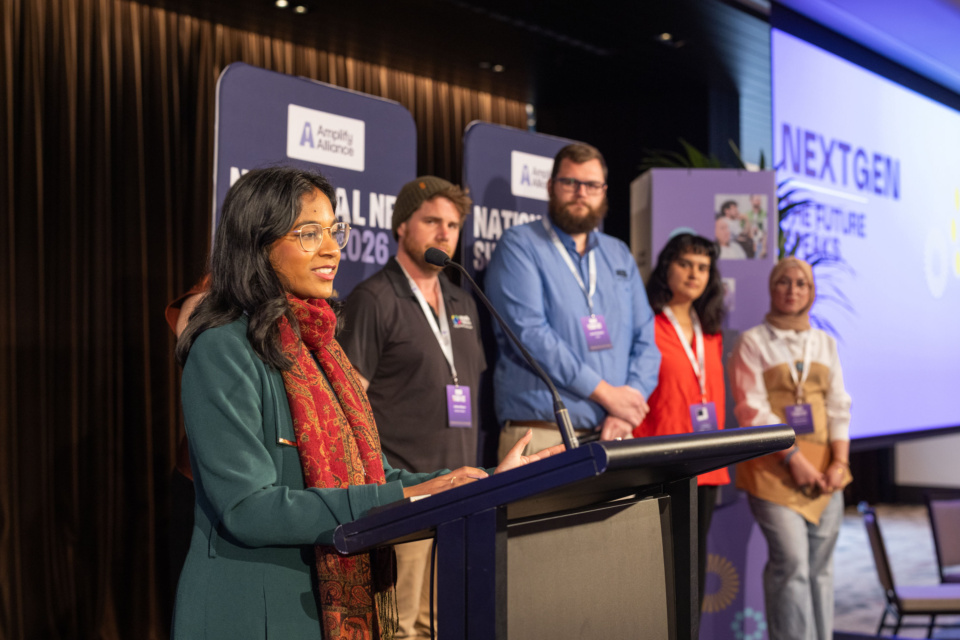
Posted on 02 Sep 2026
At last week’s Amplify Alliance National NFP Summit, Satara Uthayakumaran, 23, brought the voices…
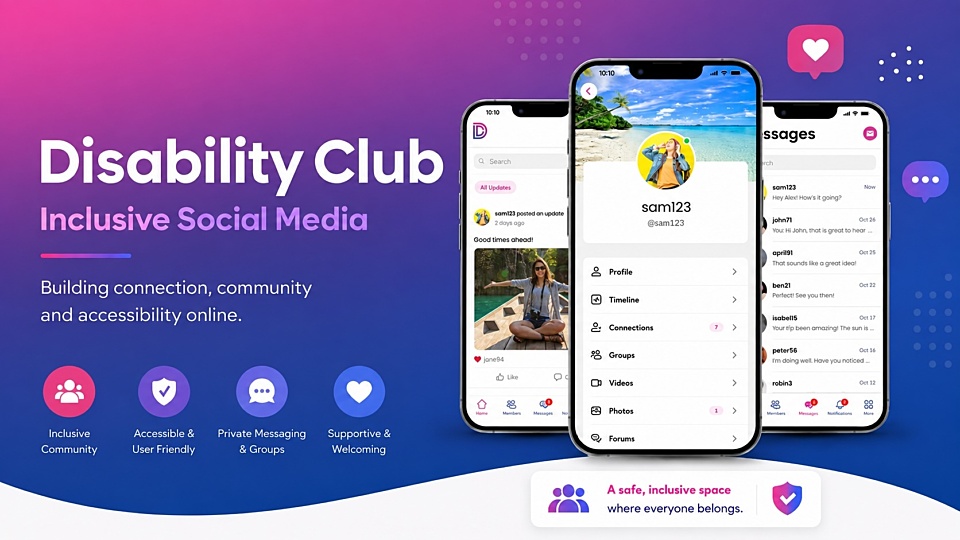
Posted on 26 Aug 2026
Nathan Johnston lives in Bega, NSW, and lives with cerebral palsy. He’s the creator of Disability…
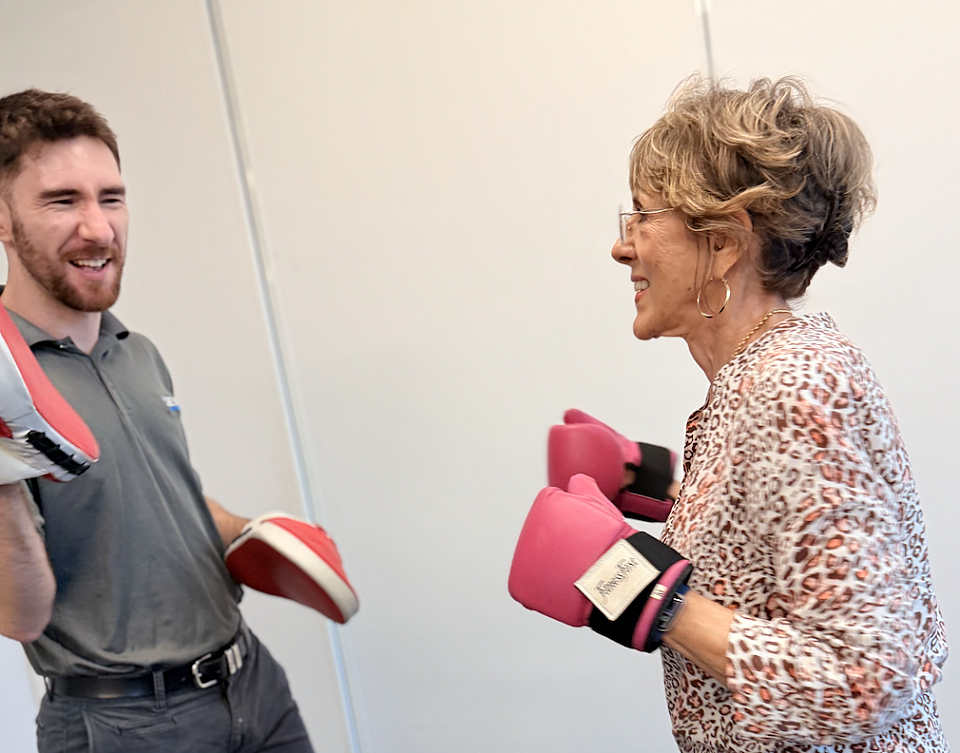
Posted on 19 Aug 2026
Coralie Wales is the founder of Strong Australia, an ACNC-registered health promotion charity that…
Posted on 08 Jul 2026
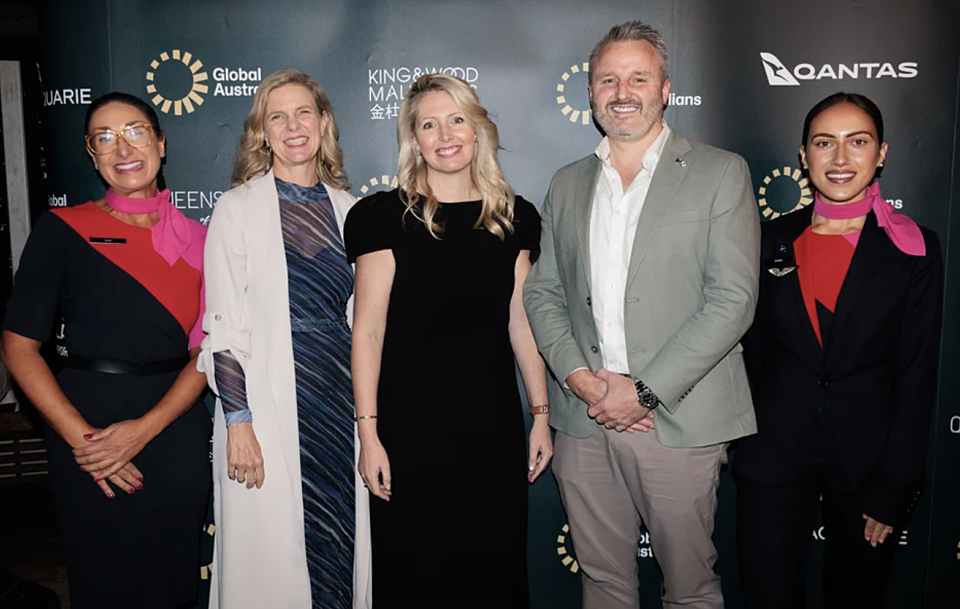
Kate McQuestin is CEO of Global Australians, a not-for-profit aimed at connecting Australians…
Posted on 30 Jun 2026
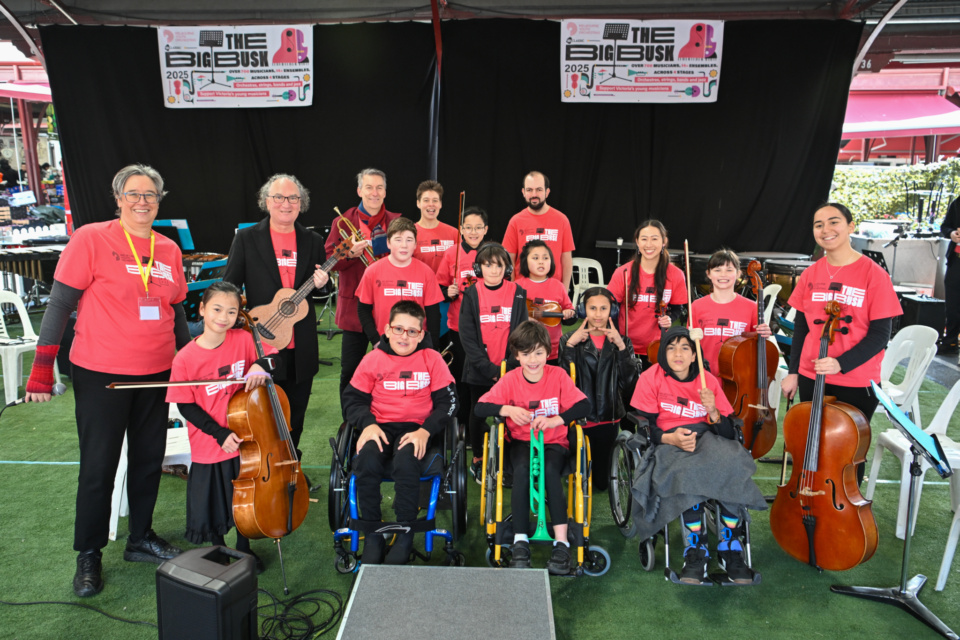
Anthea Skinner is a musicologist, a senior lecturer in disability creative performance at the…

Posted on 24 Jun 2026
Lizzie Mettam manages corporate partnerships for DV Safe Phone, an organisation that provides…
Posted on 17 Jun 2026
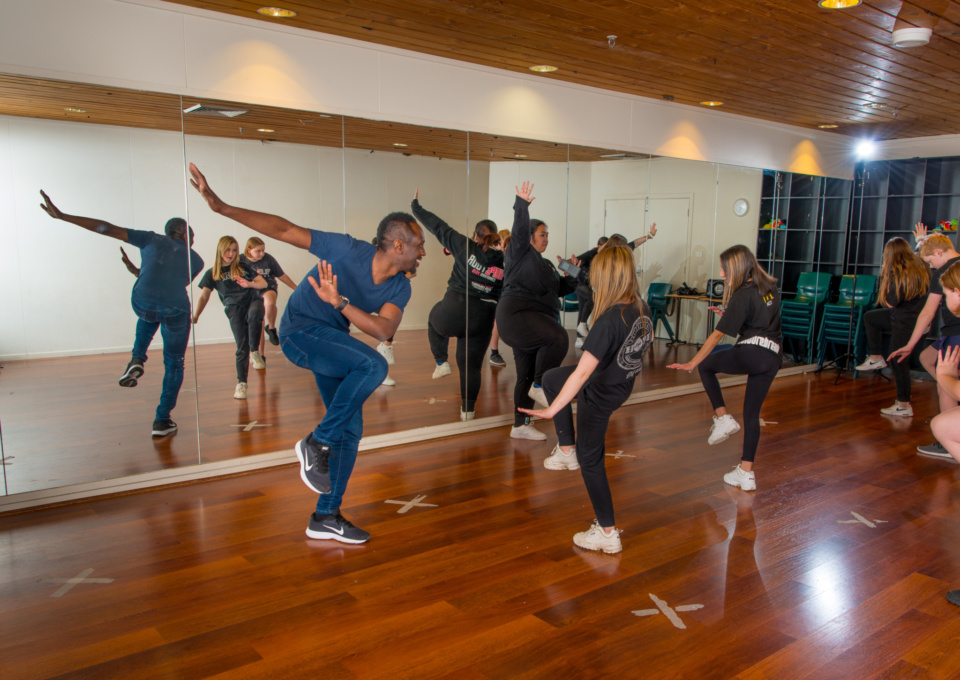
Francis Owusu is the founder of Kulture Break, a charity that helps young people build confidence,…
Posted on 10 Jun 2026
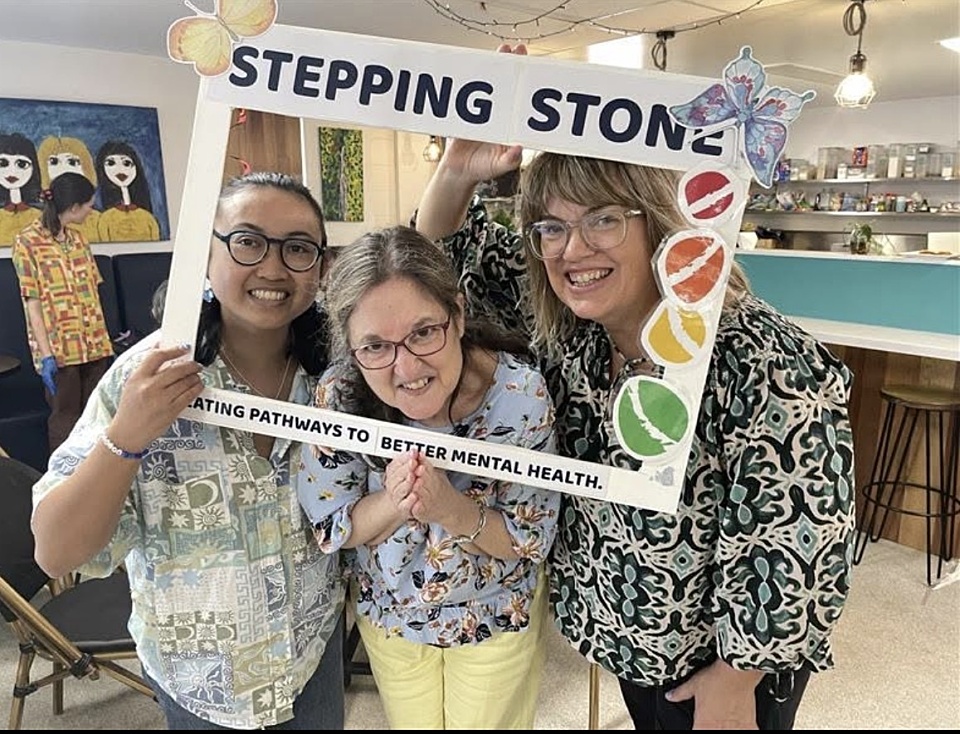
Melanie Sennett is the chief executive officer of Stepping Stone Clubhouse, a Brisbane charity that…
Posted on 03 Jun 2026
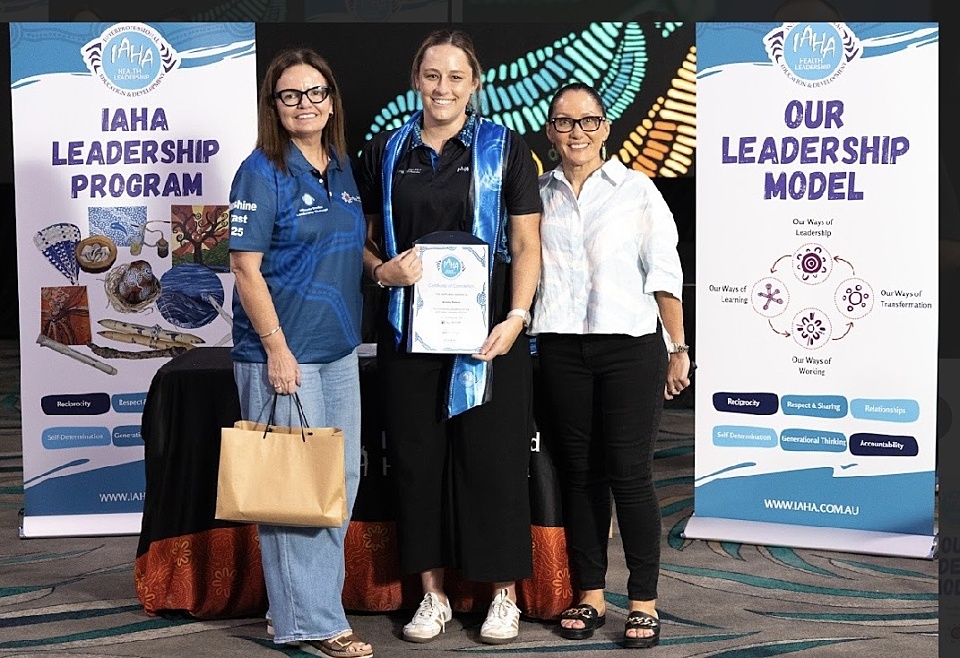
Kristy Petrie is a paediatric physiotherapist and proud Gooreng Gooreng woman who sits on the…

Posted on 27 May 2026
Maria Owen is the CEO of ImpactLab, a New Zealand social enterprise that analyses data for…