From passion project to a national prison newspaper, speaking to and for those doing time
Posted on 07 Oct 2026
Joseph Friedman is co-founder and publisher of About Time, Australia’s only newspaper for…
Posted on 18 Feb 2026
By Nick Place, journalist, Community Directors
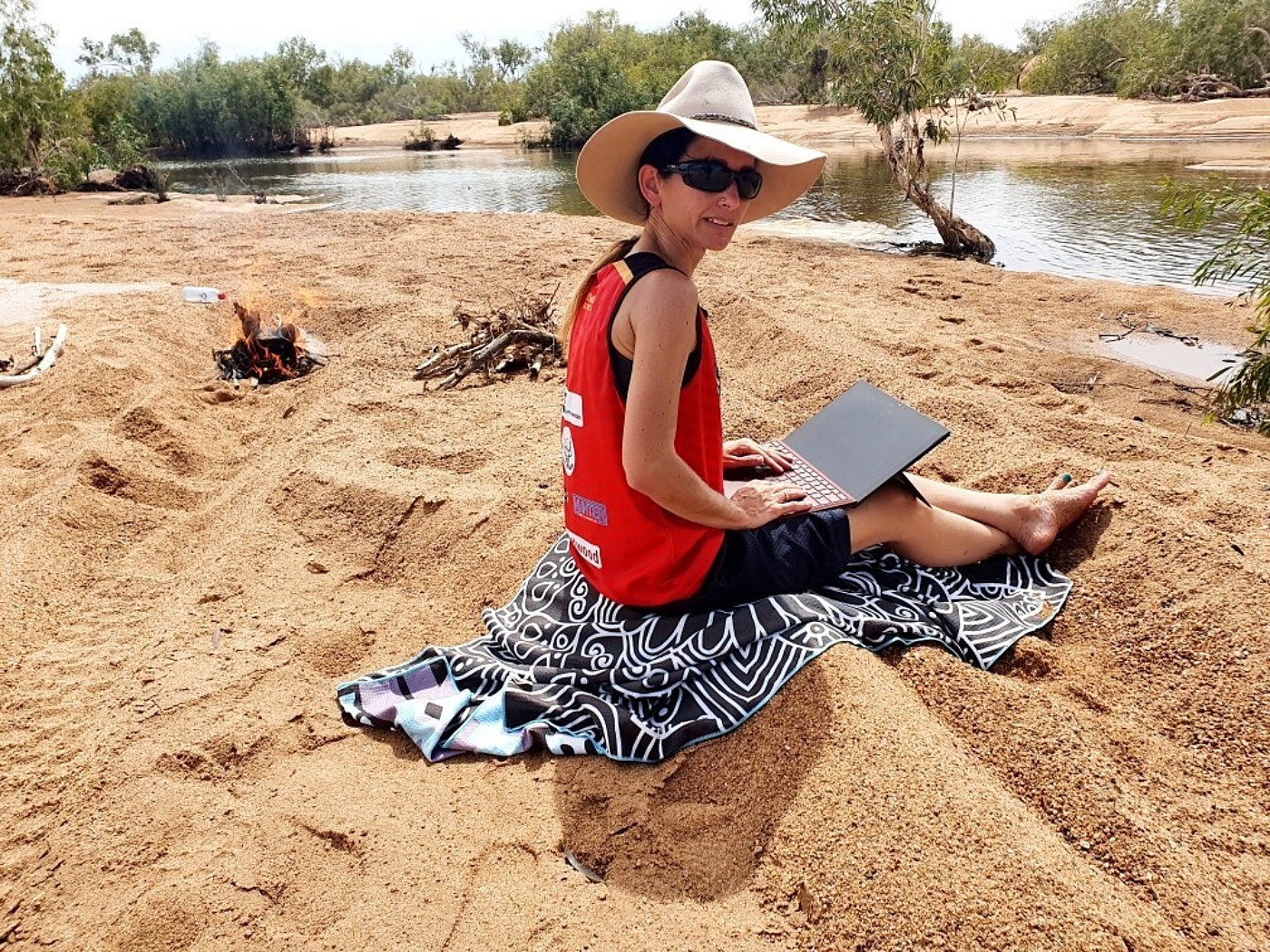
When Nyiyaparli woman Jahna Cedar travels to New York next month as part of the Australian delegation to the 70th session of the United Nations Commission on the Status of Women (CSW70), she will carry with her the governance experience she’s been developing since she first joined a board at age 10. She took time out from her preparation to tell the Community Advocate why she’s going and what she’ll bring back.
I see this role as both a responsibility and a privilege. What I hope to achieve is to ensure that the lived experiences of Indigenous women, particularly those from regional and remote communities, are not just acknowledged, but meaningfully reflected in global conversations on gender equality.
At CSW70, I’m focused on moving beyond symbolic inclusion towards real influence. That means advocating for systems change, in governance, in access to capital, in economic justice, and in ensuring that commitments translate into outcomes that actually improve the lives of women and girls on the ground. I’m also there to listen, to learn from other women globally, and to bring those insights back home to inform Australian policy, practice and leadership.
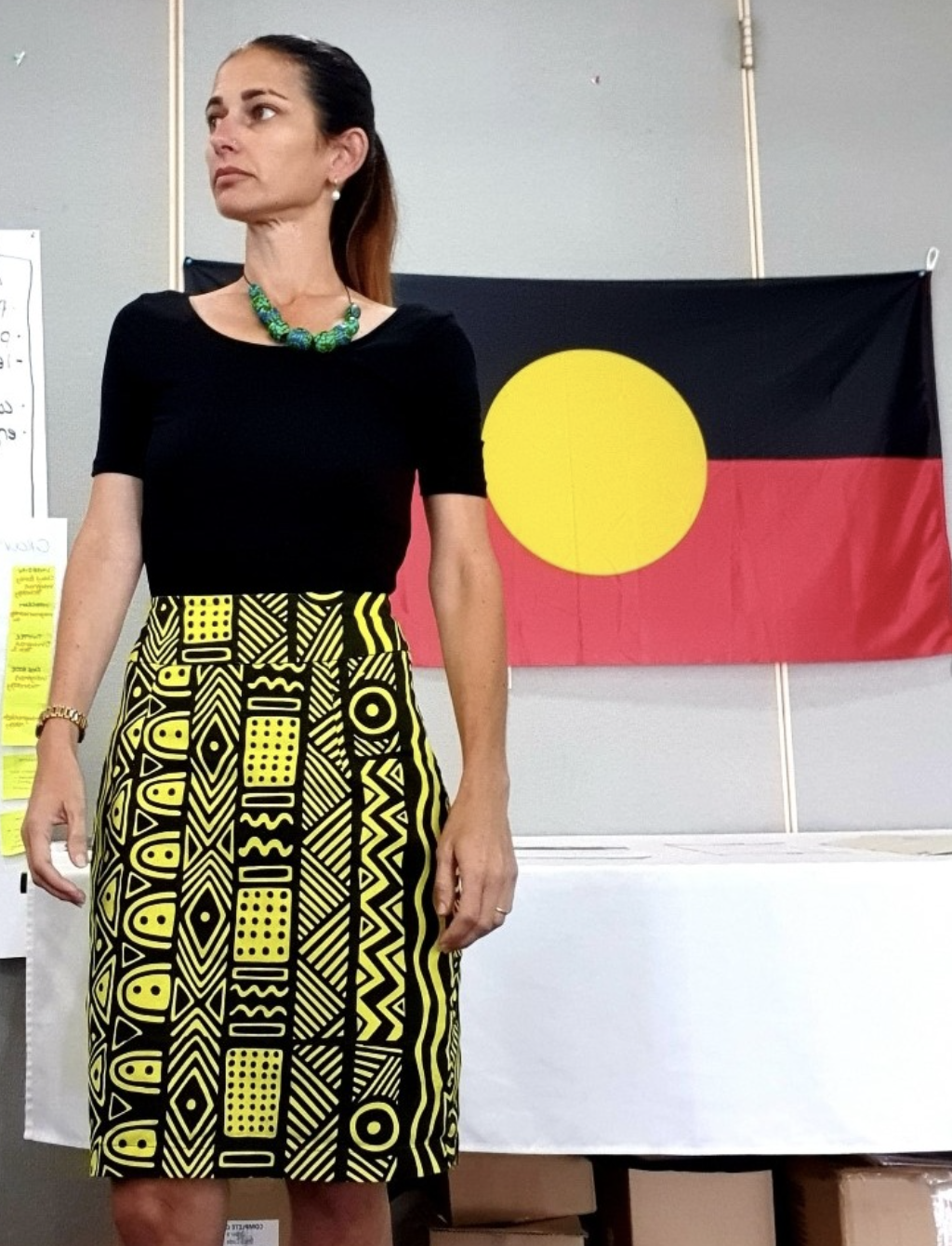
CSW70 takes place in March 2026 at the United Nations headquarters in New York. The role involves participating in official sessions, side events and briefings alongside government and civil society representatives.
What’s often less visible is the work before and after. There is preparation, engaging with networks, gathering priorities, understanding the draft Agreed Conclusions and collating feedback for government negotiations, and then a responsibility to come back and share outcomes, insights and next steps with Australian communities and organisations. It’s not a one-off moment; it’s part of a longer continuum of advocacy and accountability.
Yes, and I always smile when people ask that. My first board experience was in a community setting as a child. At the time, I didn’t call it governance, it was simply supporting my Elders by writing minutes and preparing an agenda for their meetings. It was a responsibility to serve and listen to their collective wisdom.
Professionally, I’ve spent more than 28 years working across Indigenous rights advocacy, governance, executive leadership and organisational reform. I’ve worked in community-controlled organisations, government-linked entities, corporate environments and international settings. Throughout that journey, governance has been the thread: how decisions are made, who holds power and whose voices are valued.
I was raised between Marble Bar and Port Hedland, in environments where culture, family and responsibility are deeply connected.
I’m also very conscious that I have had privilege in my upbringing and in the opportunities I’ve been given. That awareness brings responsibility. It’s important to me that I use the platforms I now have to create space for those who may not have had the same access, and to ensure that voices that are too often overlooked are heard, respected and taken seriously. My upbringing has shaped how I understand leadership and decision making. I’ve been deeply influenced by the role of Elders and the importance of listening to learn, not listening to respond. Elders are our libraries; they hold knowledge, history, and wisdom that cannot be found in policy papers or reports. When we slow down and truly listen, we make better decisions and build stronger, more legitimate systems.
“I find optimism … in the everyday work that doesn’t make headlines. People showing up, doing the hard work, holding systems to account, and creating safer, fairer spaces from the inside.”
Awards are humbling, but they’re not how I measure success. My greatest achievement is my children, the strong, courageous and resilient people they are becoming.
Everything I do is about the legacy I leave for them. I want them to grow up in a safer, more inclusive world, where they are not judged by the colour of their skin, their name, or where they come from, but they are valued for who they are and what they contribute. If my work helps shift systems, open doors or make spaces fairer for them and their generation, then that’s what matters most to me.
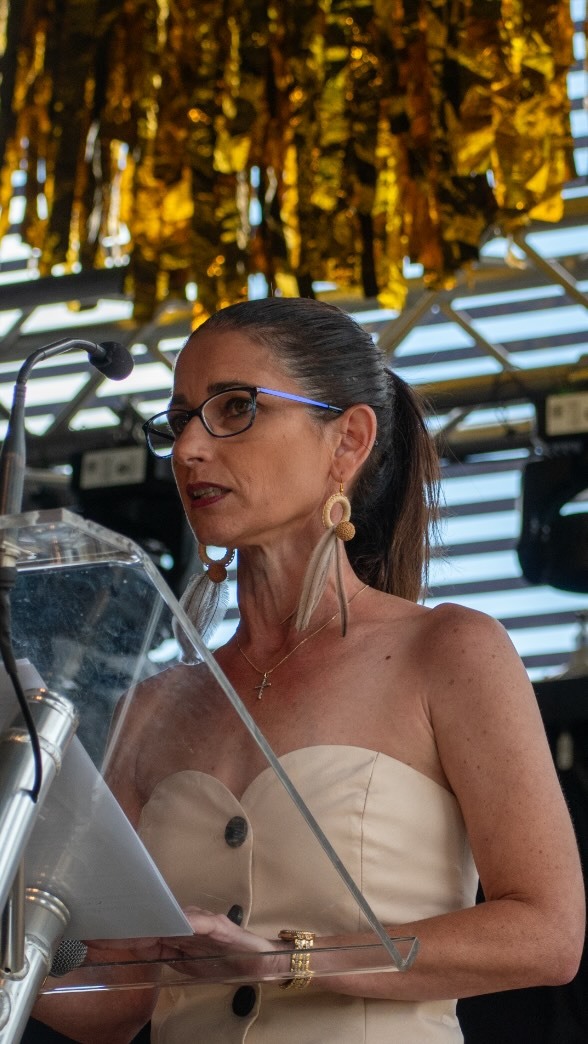
I’m very intentional. I don’t say yes to everything, and I’m clear about why I’m at each table. Each role aligns with my values and the impact I’m seeking to make.
I also believe strongly in shared leadership. I don’t carry everything alone – strong teams, good systems, and trust make a difference. And I’ve learned, sometimes the hard way, that sustainability matters. Leadership isn’t effective if it comes at the cost of wellbeing.
I find optimism close to home. In women. In community. And in young people, including my own kids, who are clear about what’s fair and what’s not, and who aren’t prepared to accept the world as it is. I also find it in the everyday work that doesn’t make headlines. People showing up, doing the hard work, holding systems to account, and creating safer, fairer spaces from the inside. Change isn’t neat or quick, but it is happening, often led by people who’ve had to fight hardest to be seen and heard.
I spend time with my family. That’s grounding for me. Camping, fishing, watching my kids play sport, being on Country; those things keep me centred.
I also value stillness. Space to reflect, pray, and reset. That’s not a luxury for me; it’s part of how I stay grounded and able to do this work well.
Don’t feel pressure to shrink yourself to fit systems that weren’t designed with you in mind. Your culture, your perspective and your lived experience are strengths, not things to soften or hide. Try not to get caught up in lateral violence or what others think of you. That’s outside your control. Stay focused on the space you do control and where you have influence. Show up with good intent, do your work with integrity, and act courageously, even when it feels uncomfortable. Lean into community and unity – none of us walks this path alone. Back yourself to pave your own future, not one defined by labels or expectations placed on you by others.
Posted on 07 Oct 2026
Joseph Friedman is co-founder and publisher of About Time, Australia’s only newspaper for…
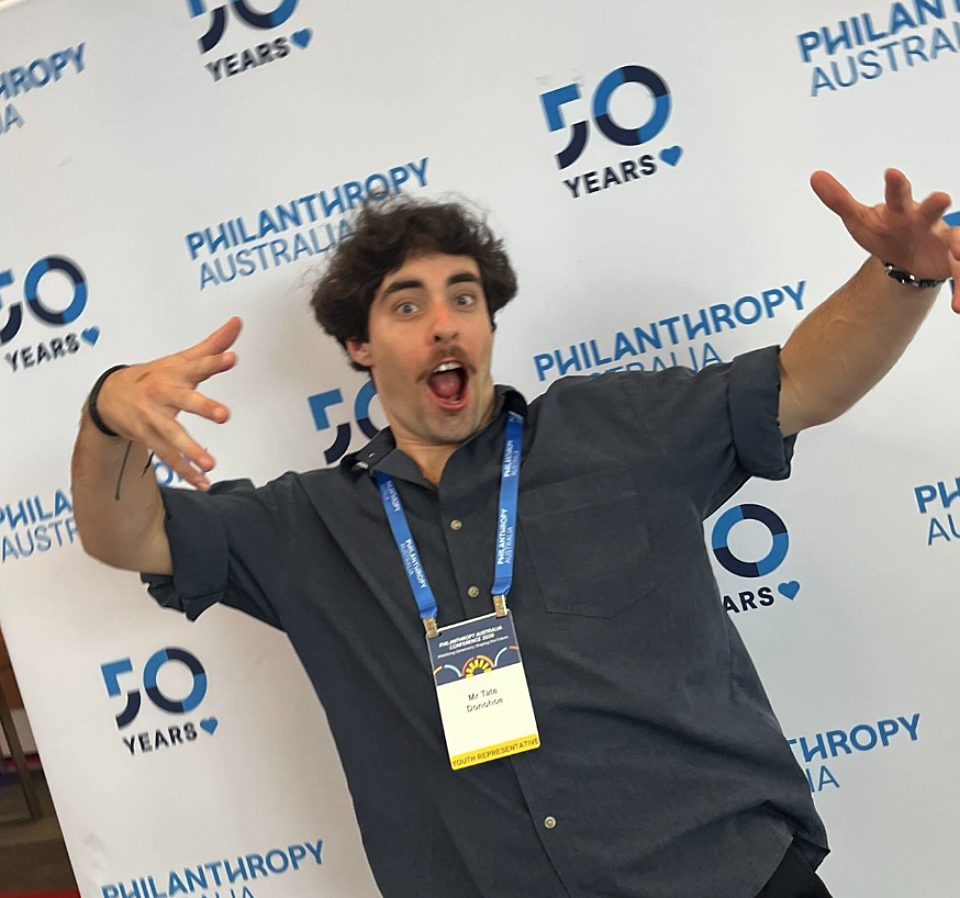
Posted on 30 Sep 2026
At 21 years old, Tate Donohoe is the founder of Ecodia, an AI-assisted software development company…
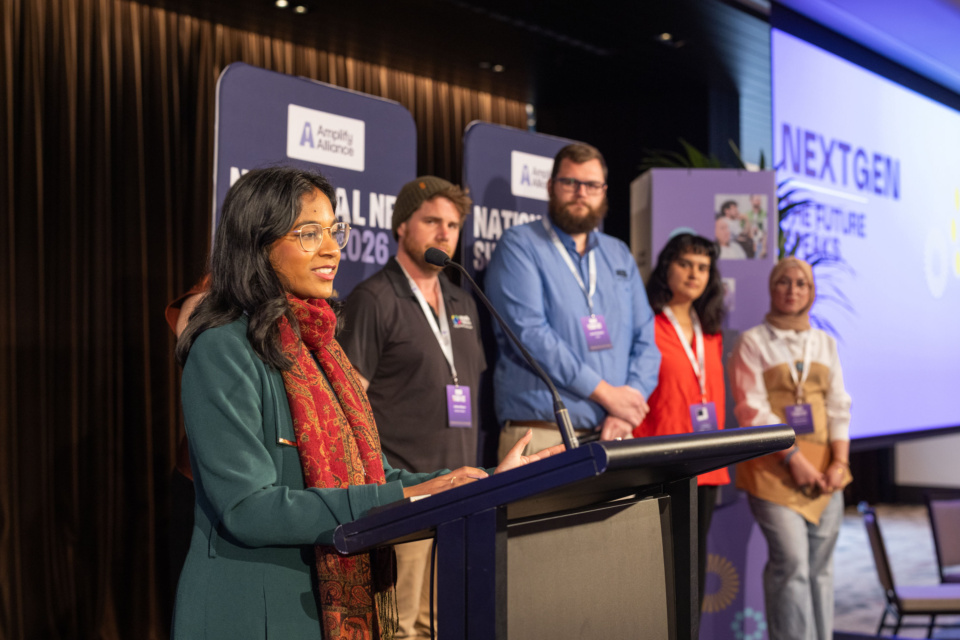
Posted on 02 Sep 2026
At last week’s Amplify Alliance National NFP Summit, Satara Uthayakumaran, 23, brought the voices…
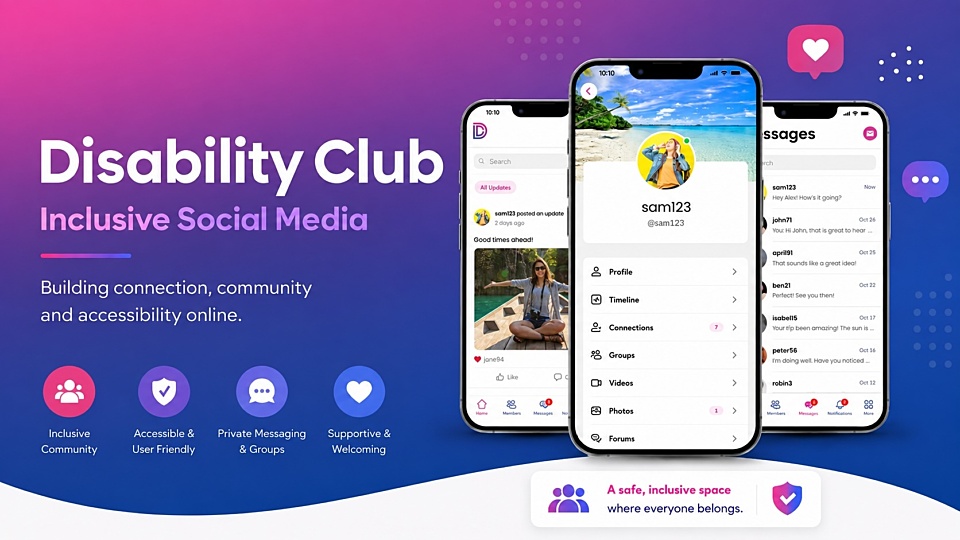
Posted on 26 Aug 2026
Nathan Johnston lives in Bega, NSW, and lives with cerebral palsy. He’s the creator of Disability…
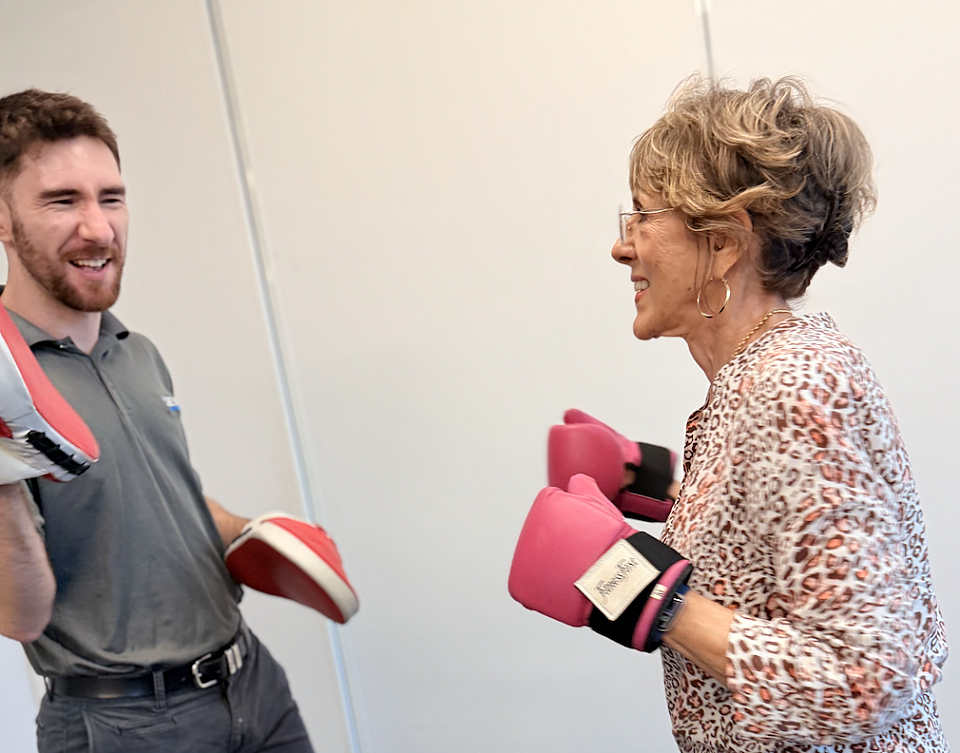
Posted on 19 Aug 2026
Coralie Wales is the founder of Strong Australia, an ACNC-registered health promotion charity that…
Posted on 08 Jul 2026
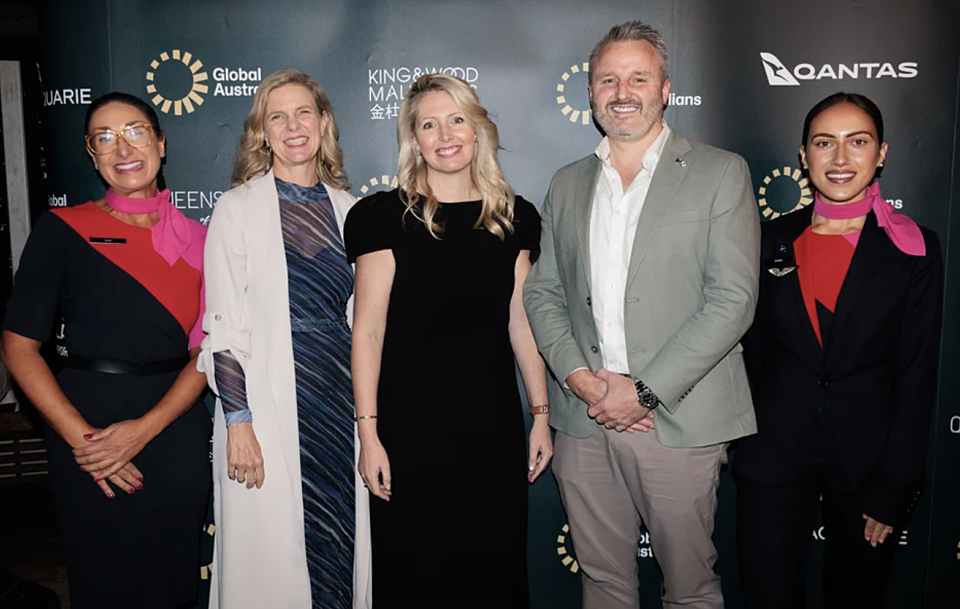
Kate McQuestin is CEO of Global Australians, a not-for-profit aimed at connecting Australians…
Posted on 30 Jun 2026
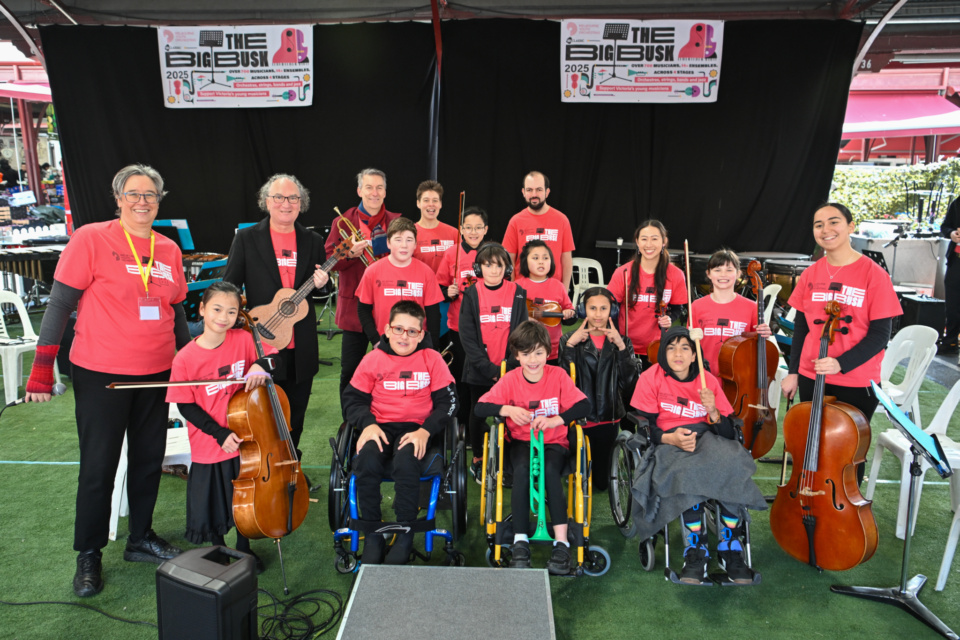
Anthea Skinner is a musicologist, a senior lecturer in disability creative performance at the…

Posted on 24 Jun 2026
Lizzie Mettam manages corporate partnerships for DV Safe Phone, an organisation that provides…
Posted on 17 Jun 2026
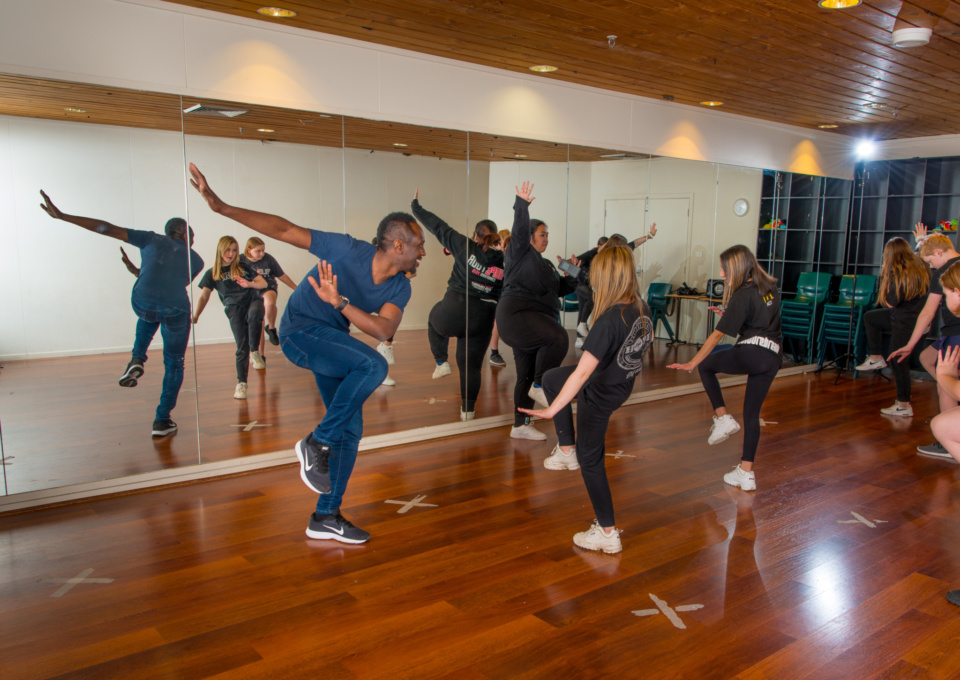
Francis Owusu is the founder of Kulture Break, a charity that helps young people build confidence,…
Posted on 10 Jun 2026
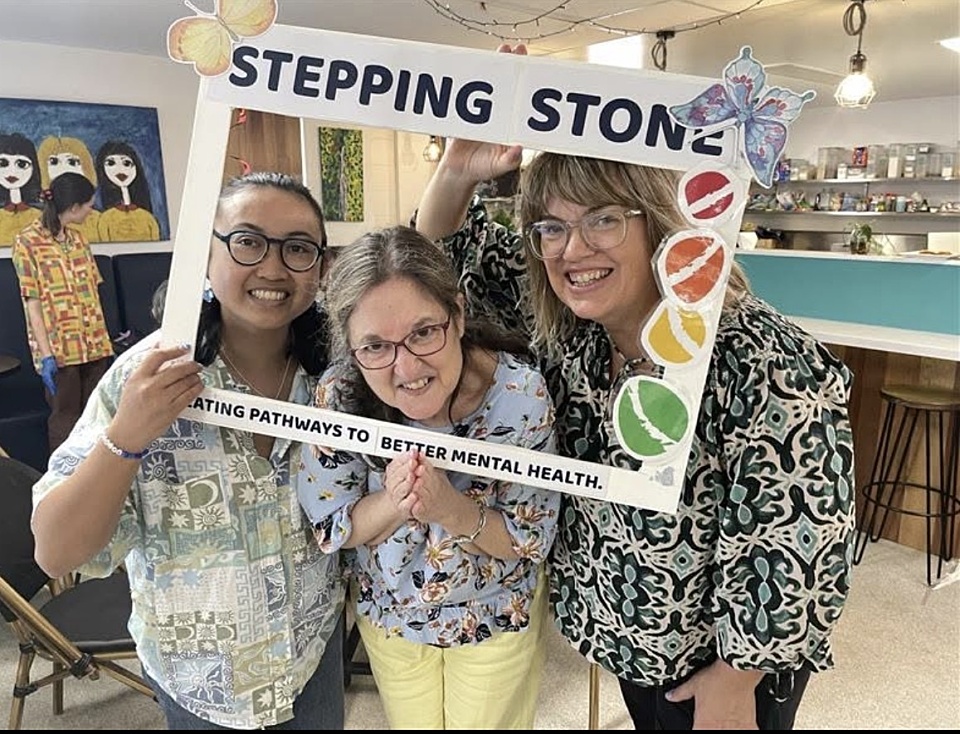
Melanie Sennett is the chief executive officer of Stepping Stone Clubhouse, a Brisbane charity that…
Posted on 03 Jun 2026
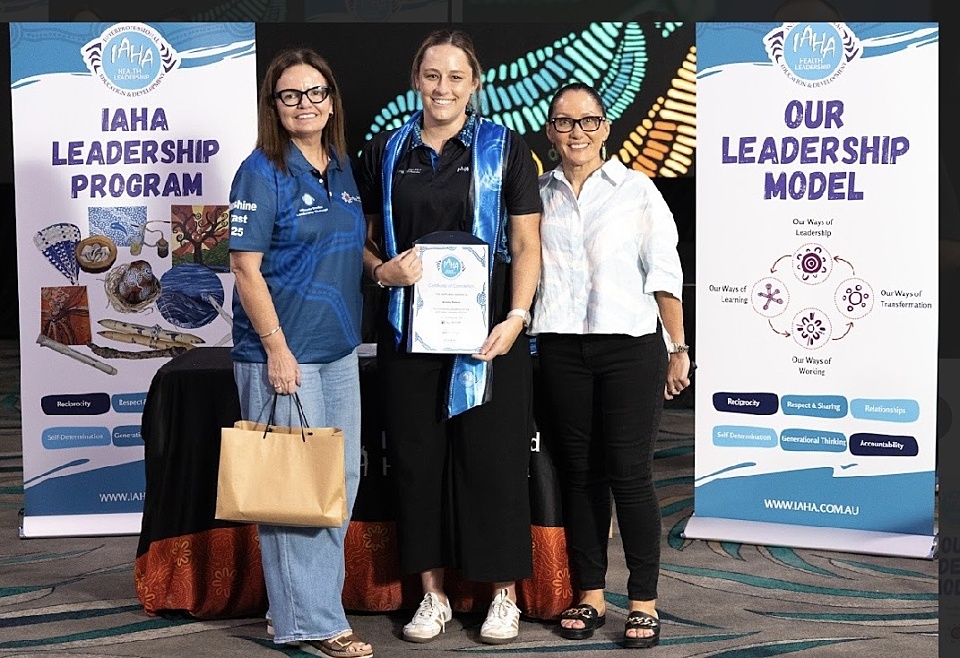
Kristy Petrie is a paediatric physiotherapist and proud Gooreng Gooreng woman who sits on the…

Posted on 27 May 2026
Maria Owen is the CEO of ImpactLab, a New Zealand social enterprise that analyses data for…