
Pauline Hanson and the frightening lesson of ‘Years and Years’
Posted on 07 Oct 2026
Our Community's founder and leader, Denis Moriarty, writes that when he watched an over-the-top…
Posted on 30 Jul 2025
By David Crosbie, CEO of the Community Council for Australia
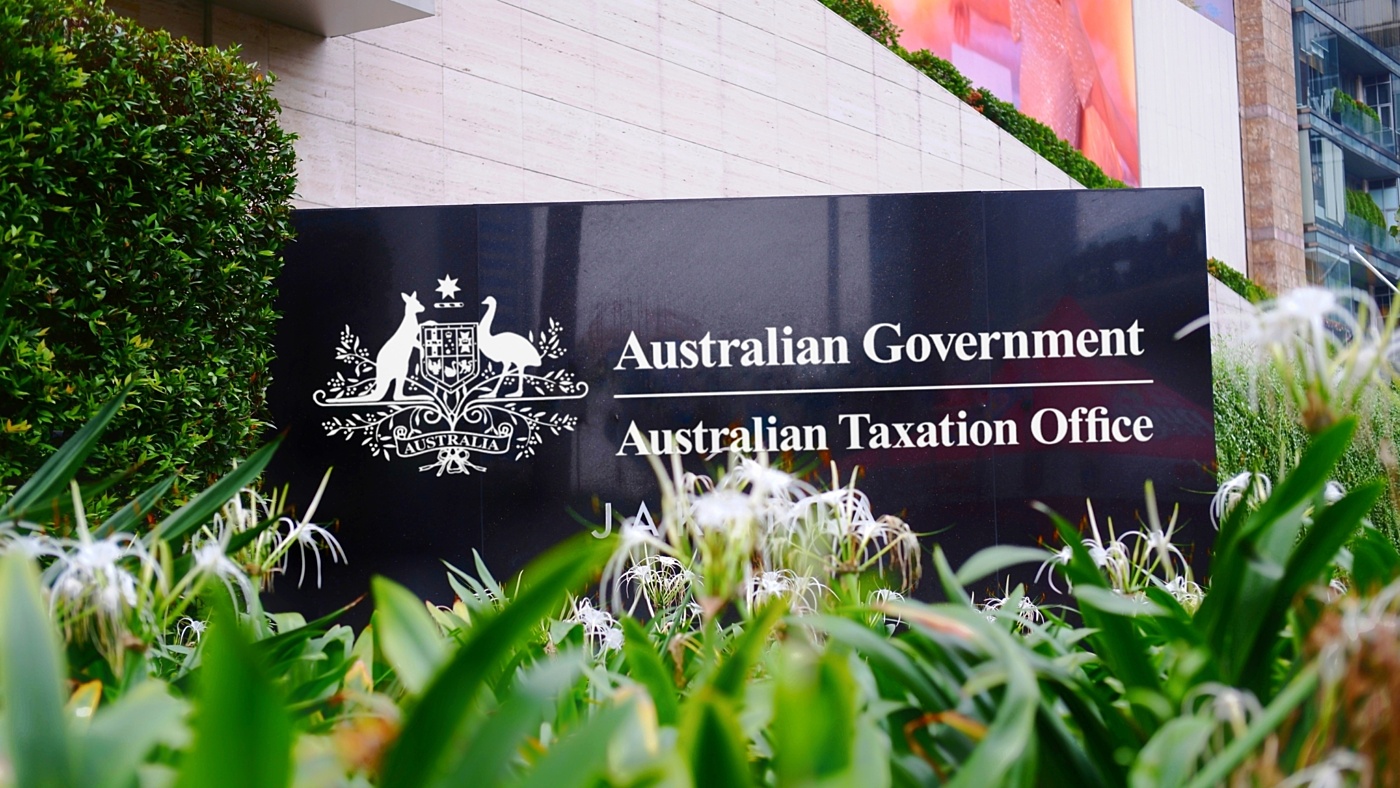
Community Council for Australia CEO David Crosbie says it’s high time we had an honest conversation about the ATO's attempted plan to have charities self-review.
Getting things wrong is part of learning, growing up, becoming better at what we do. How do you learn to walk if you never fall? We all fail sometimes. It can be a good thing. Failing is not the worst outcome; failing and pretending there is no failure is far worse.
Ten years ago, the astute and appropriately experienced Dr Peter Shergold was contracted by the Australian Government to conduct “an independent review of government processes for implementing large programs and projects.” The report Shergold produced was titled Learning from Failure: Why large government policy initiatives have gone so badly wrong in the past and how the chances of success in the future can be improved.
Unfortunately, it seems some people in the Australian Taxation Office (ATO) are not familiar with this report, or at least that’s what I assume after reading the government’s response to the Senate Economics References Committee’s report titled Not-for-profit Entities – Tax assessments.
This is the new ATO measure that requires every large and small not-for-profit (NFP) in the country that has an Australian business number, and is not registered as a charity, to ensure that their business registration is current, they have a level two myGovID security set up (now myID), and they have completed a self-assessment return to the ATO.
The Economics References Committee report into this measure was handed down on November 1, 2024. The government’s response was tabled last week (July 24).
The Senate Economics References Committee made five key recommendations to address the emerging problems with the failure of over 120,000 mostly small, volunteer-run not-for-profits to comply with a new ATO requirement to provide an annual assessment return. Its report highlighted many issues including the significantly increased administration required of a mostly volunteer workforce, a level of confusion and concern about how to comply, and what was required.
The five report recommendations involved setting an income threshold below which the self-assessed return would not be required (the ATO had at one stage recommended a $2 million threshold), extending the deadline for lodging the return, handing over responsibility for collecting the return to the Australian Charities and Not-for-profit Commission (ACNC), improving the information available to NFPs, and significantly improving NFP sector engagement and the consultative approaches of the ATO.
“Neither the government nor the ATO have in any way acknowledged the findings of the Senate Economics Reference Committee that the implementation of this flawed policy is a major burden on many small volunteer-run NFPs and is not working.”
In its wisdom, the government considered the report’s recommendations, noted them all, and decided to do not much at all. In part of its response the government said:
“The requirement for not-for-profits to lodge a self-review return was put in place by the Morrison government through the 2021–22 Budget. The Australian Taxation Office (ATO) has been administering the reporting change in line with the Morrison government’s policy decision. The Albanese government has recognised that many affected organisations will be small and have limited resources, so we have ensured the ATO will take a practical compliance approach to help organisations meet the new reporting requirement….

“The Government supports the ATO and ACNC continuing to provide guidance to charities and NFPs on their obligations. As independent bodies, the ATO and ACNC decide the best ways of providing such guidance.”
I could discuss the government’s response to each recommendation in some detail, but I think there’s one over-riding concern about the way both the ATO and the government have addressed the significant issues raised by many NFPs and their representatives about this measure. Neither the government nor the ATO has in any way acknowledged the findings of the Senate Economics References Committee that the implementation of this flawed policy is a major burden on many small volunteer-run NFPs and is not working.
The ATO identified that “around 155,000 NFPs are currently self-assessing as income tax exempt and are now required to lodge the new annual self-review return.” The ATO also said it generally seeks to achieve an above 80 per cent return rate on required tax returns.
The current rate of return on this measure – completed NFP returns – is around 20 per cent, despite numerous extensions of return dates and final deadlines. And yet in giving evidence to the Senate inquiry, the ATO representative noted that “the ATO was ‘proud’ of its efforts to date in terms of the delivery of the policy.”
At what point can we say the implementation of this policy has failed? If the vast majority of the targeted NFPs have not completed the required return or alternatively registered as a charity, the policy is not working. Around 80 per cent or 120,000 targeted NFPs have not completed the required return.
The ATO may be a very effective agency in collecting tax, but this incredibly low rate of return indicates the ATO is not very effective when it comes to engaging positively with charities and NFPs. And that’s not surprising given charities and NFPs are a little outside its core business.
The ATO has tried over more than two years to make the NFP self-assessment policy work and it’s still trying, but the vast majority of targeted NFPs have not lodged returns. We can argue about why, but what we cannot argue about is that the measure has failed to achieve the desired policy outcome.
The ACNC is a world leading agency in terms of regulation and engagement with charities. The ACNC achieves around 75 per cent annual returns lodged by the due date from eligible charities.
Why not do what was always intended for the Australian Charities and Not-for-profits Commission – the reason it has “not-for-profits” in its title – and have the ACNC collect annual returns from NFPs, beginning with the larger NFPs? This was recommended by the expert review panel that reviewed the ACNC in 2018, and the recommendation was supported by the ATO and the broader charities sector.
If we want returns from NFPs, let the experts at sector engagement collect them. The ATO can do its assessments and approvals after the returns have been processed by the ACNC in much the same way it does with ACNC registered charities.
The ATO has tried and failed. Now is the time for a new approach rather than continuing an implementation strategy that’s negatively affecting the NFP sector and not achieving the desired outcomes. Now is the time to learn from failure.
David Crosbie has been CEO of the Community Council for Australia for the past decade and has spent more than a quarter of a century leading significant not-for-profit organisations, including the Mental Health Council of Australia, the Alcohol and Other Drugs Council of Australia, and Odyssey House Victoria.
Posted on 07 Oct 2026
Our Community's founder and leader, Denis Moriarty, writes that when he watched an over-the-top…

Posted on 07 Oct 2026
A major public campaign launched this morning is calling on the federal government to restore…

Posted on 07 Oct 2026
The Australian Literacy & Numeracy Foundation (ALNF) has announced a partnership with mining…

Posted on 07 Oct 2026
A conference in Darwin will this morning hear detailed, strategic plans for how Australia could…

Posted on 07 Oct 2026
Joseph Friedman is co-founder and publisher of About Time, Australia’s only newspaper for…

Posted on 30 Sep 2026
There's been a lot of talk about AI this week, and some of it has been frightening. So, is AI good…

Posted on 30 Sep 2026
After the biggest AFL game of the year, one player proudly wore the flag of his birth country and…
Posted on 30 Sep 2026
Not-for-profit leaders have been warned to be wary of approaches from potential “funding partners”…

Posted on 30 Sep 2026
More than 200 fully funded Centre for Social Impact (CSI) scholarships will help equip for-purpose…

Posted on 30 Sep 2026
Personal stories are among the most powerful tools a charity can have to raise funds and awareness,…

Posted on 23 Sep 2026
In his new book Our Place, policy expert Matt Lloyd-Cope argues that housing must be at the heart…

Posted on 23 Sep 2026
There are solutions to counter the rise of One Nation but they might not be residing in the mess…