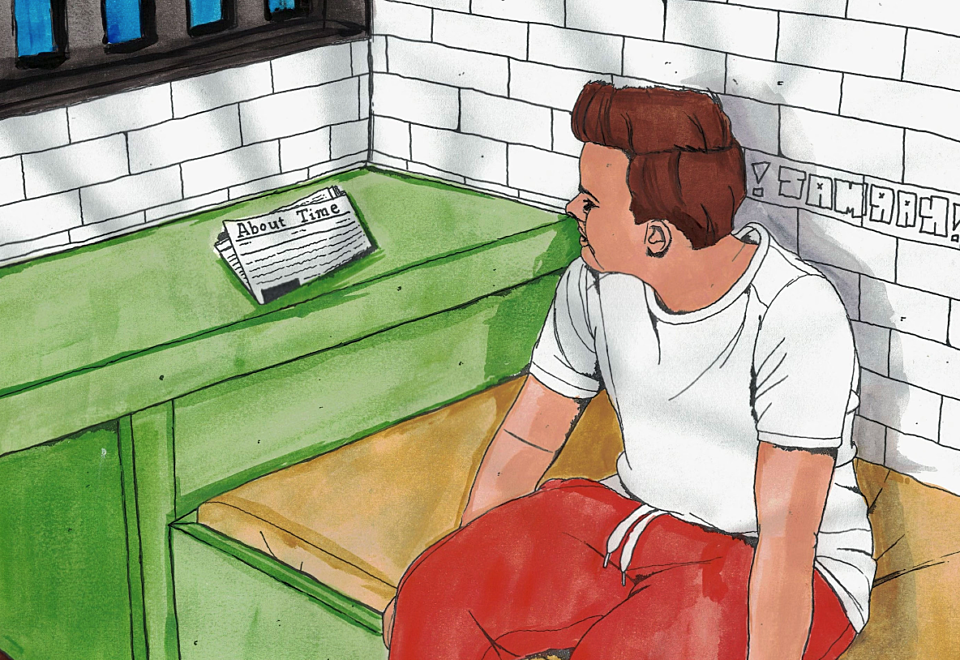
From passion project to a national prison newspaper, speaking to and for those doing time
Posted on 07 Oct 2026
Joseph Friedman is co-founder and publisher of About Time, Australia’s only newspaper for…
Posted on 10 Nov 2023
By Greg Thom, journalist, Institute of Community Directors Australia
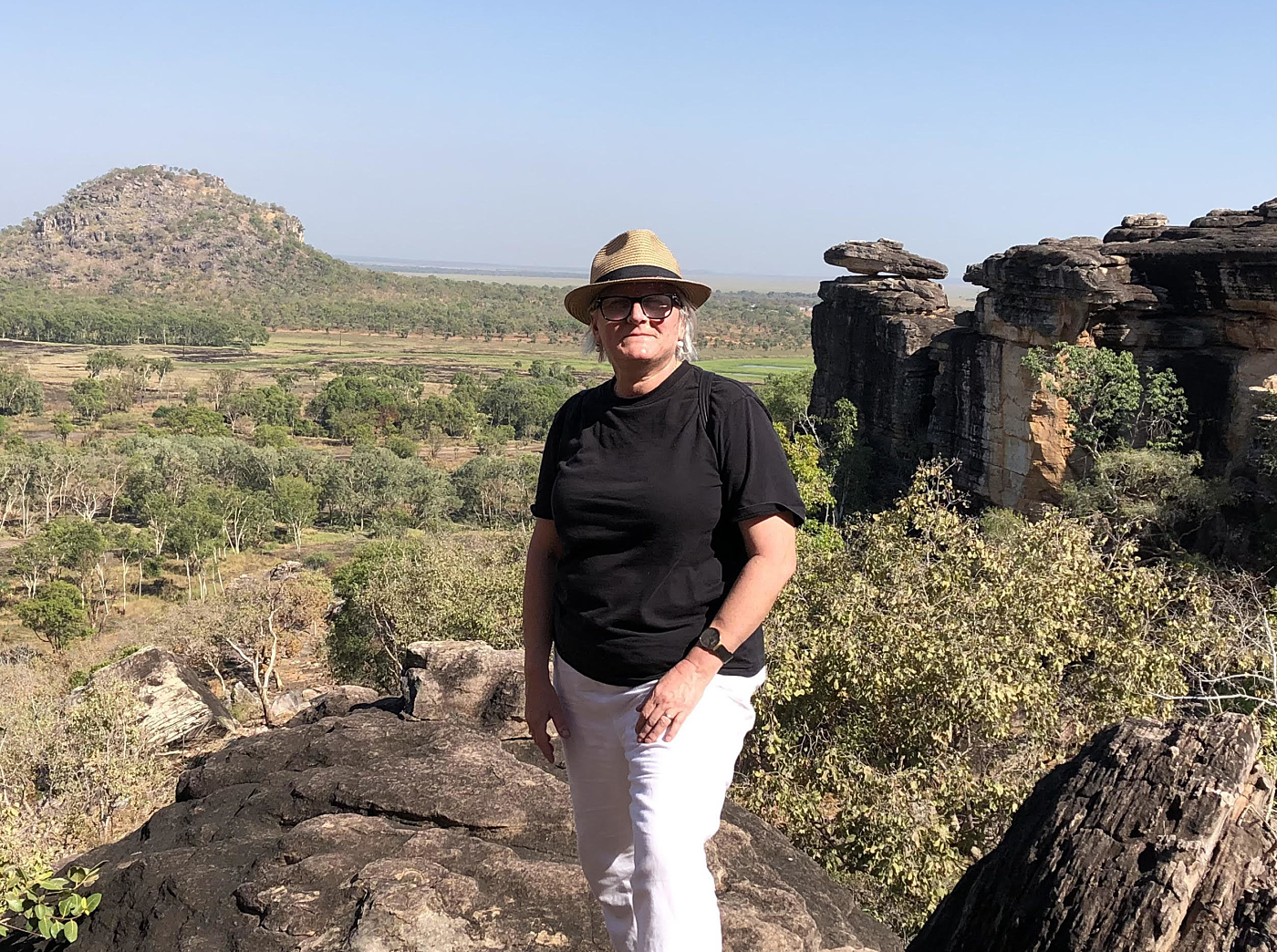
Social change campaign veteran Lea Corbett has left few stones unturned in a decades-long career spent advocating for the rights of others.
I first studied social work, so the not-for-profit sector was a natural home.
When I left university, I dived straight in, becoming the Victorian organiser/coordinator for People for Nuclear Disarmament (PND).
As it turns out, that role was life changing.
A bit like GetUp today, we were a huge movement of people and organisations from all walks of life, strategising and campaigning locally and internationally to keep Australia nuclear-free, prevent nuclear war and rid the planet of nuclear weapons.
There aren’t too many jobs that have you doing everything from wrangling speaking tours for overseas experts, politicians and academics, and organising women’s peace camps, to working locally with one of the many PND groups or nuclear-free local councils throughout Victoria.
I’d also liaise with colleagues running similar campaigns all over the world, speak at protests for the latest nuclear armed warship arriving at Port Melbourne, or organise the next Palm Sunday rally to bring more than 100,000 Victorians onto the streets of Melbourne.
It was a baptism of fire – urgency and passion were in abundance – but an experience like no other and one I feel very privileged to have been part of.
PND led me to a career in social change campaigns and causes, big and small. All had an element of giving a voice to those who are often not heard.
When governments still ran institutions to house people with a disability, I led a campaign to increase community-based housing.
We held a ‘phone the Premier’ day whereby people with a disability, their families and advocates called the Premier’s private office to make their situation known to the highest decision maker in the state.
At the Federation of Community Legal Centres, I co-founded and coordinated the Real Rape Law Coalition, a partnership of community legal centres and Sexual Assault Centres that campaigned to raise awareness of the experiences of victims/survivors before the law.
The coalition organised a phone-in for victims and survivors and from there we drafted law reform proposals. As an honorary consultant to the Law Reform Commission of Victoria during its review of rape law and procedure in 1990–1992, I championed those proposals.
I then went to Canberra, studied public policy, and joined the Prime Minister’s department. That time was about learning how government works and how to influence policy development from the inside and out.
I also witnessed up close what great leaders are made of.
I was fortunate to experience the leadership of Paul Keating, someone I still admire enormously. As part of my work on the referendum campaign, I revisited his 1992 Redfern speech on recognising Aboriginal dispossession – as powerful and, sadly, as relevant today as it was over 30 years ago.
My early work in the not-for-profit sector and subsequent years in government led me to establish Map Consulting Group with a view to strengthening NFPs by drawing on my own experience, and that of Map’s associates, and offering low-cost consultancy services.
"The resilience and tenacity of NFPs are highly motivating, along with the commitment to changing lives, providing opportunities, and lifting the aspirations of people and communities."
I love a challenge!
There is no shortage of complex and interconnected challenges among the issues that NFPs work on every day. They face challenges to become and remain viable organisations, but the overarching challenge, of course, is to make a purposeful social impact.
Governments also face wicked problems, but there just isn’t the same level of endurance or long-term commitment to the solutions. Governments change, ministers change, even departments change far too frequently, often before you can really get traction or follow through.
NFPs were there before governments even realised there was a problem and will be there long after governments have moved on.
The resilience and tenacity of NFPs are highly motivating, along with the commitment to changing lives, providing opportunities, and lifting the aspirations of people and communities.
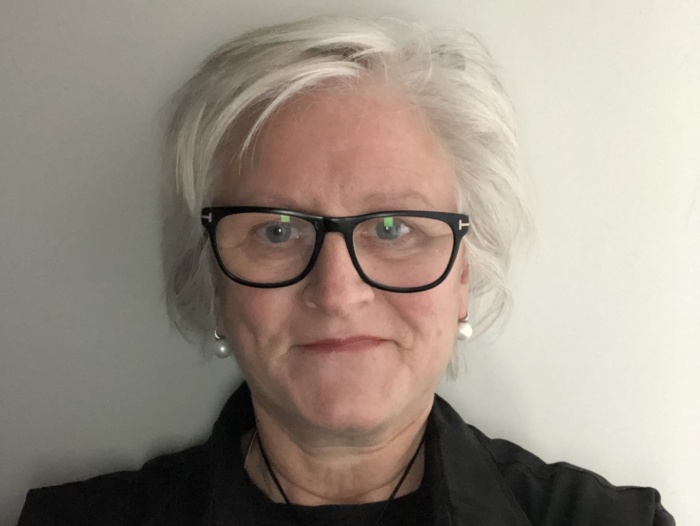
What has been the most personally satisfying moment of your NFP career?
There have been many over a pretty long career.
Recently though, when I was first thinking about starting Map, I wondered if there were many mature-age professionals out there who would be interested in making their knowledge and experience available to NFPs to help them grow their impact.
I was inundated with interest from people with amazing career journeys and so much talent and wisdom to contribute.
It felt like a bit of a culmination of my own career – that I had backed a hunch and it proved to be accurate.
We don’t get everything right, but it is deeply satisfying when, often against the odds, we follow our judgement and it has a positive impact.
I sometimes think that NFPs today are less innovative and too risk averse. In my view, the governance pendulum has swung too much toward compliance and away from strategy and (dare I say) entrepreneurship.
Of course, good governance requires compliance, but to have impact we need to envision the change we want to create and possess the bravery to be bold.
Lea Corbett is director of Map Consulting Group.
Posted on 07 Oct 2026
Joseph Friedman is co-founder and publisher of About Time, Australia’s only newspaper for…
Posted on 30 Sep 2026
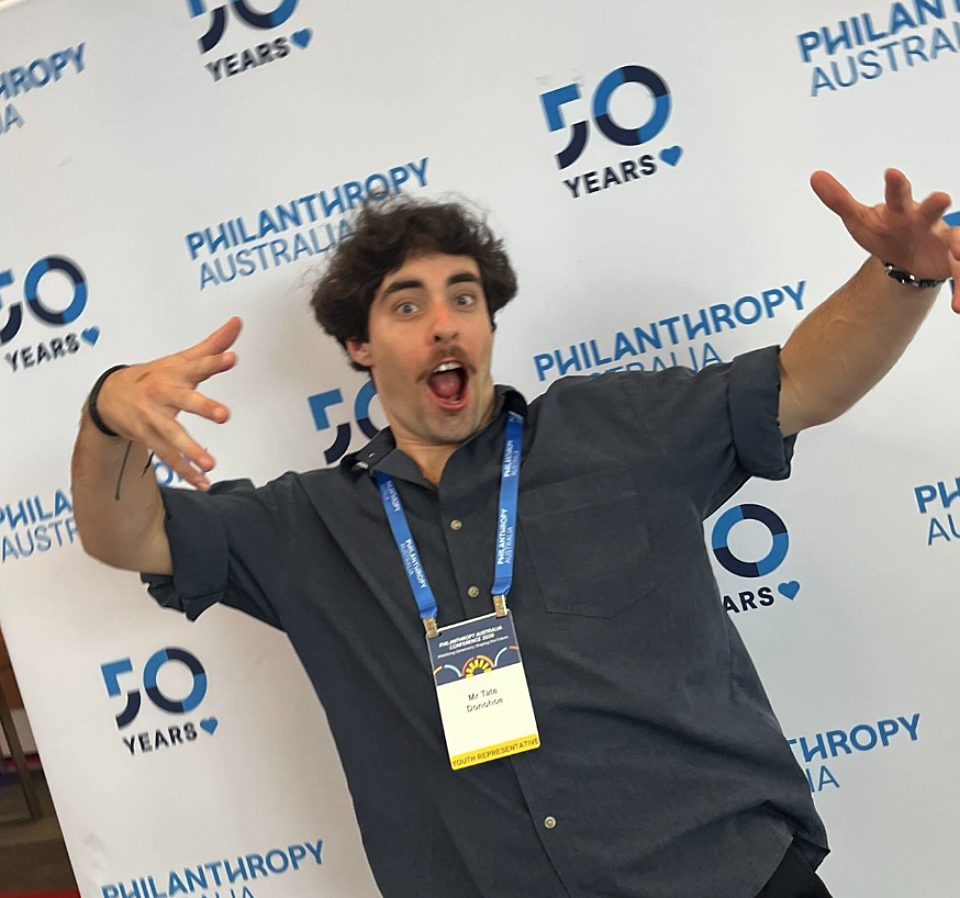
At 21 years old, Tate Donohoe is the founder of Ecodia, an AI-assisted software development company…
Posted on 02 Sep 2026
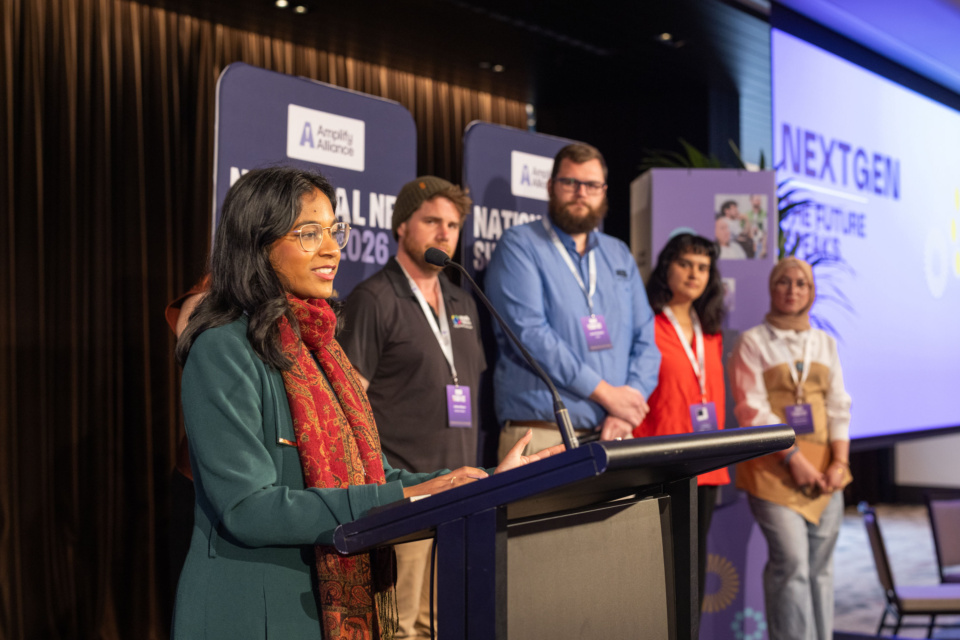
At last week’s Amplify Alliance National NFP Summit, Satara Uthayakumaran, 23, brought the voices…
Posted on 26 Aug 2026
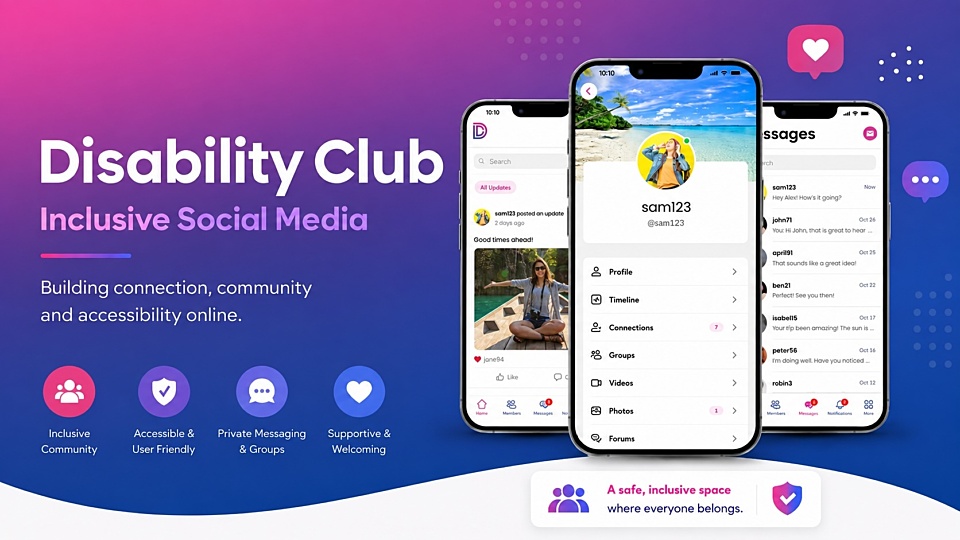
Nathan Johnston lives in Bega, NSW, and lives with cerebral palsy. He’s the creator of Disability…
Posted on 19 Aug 2026
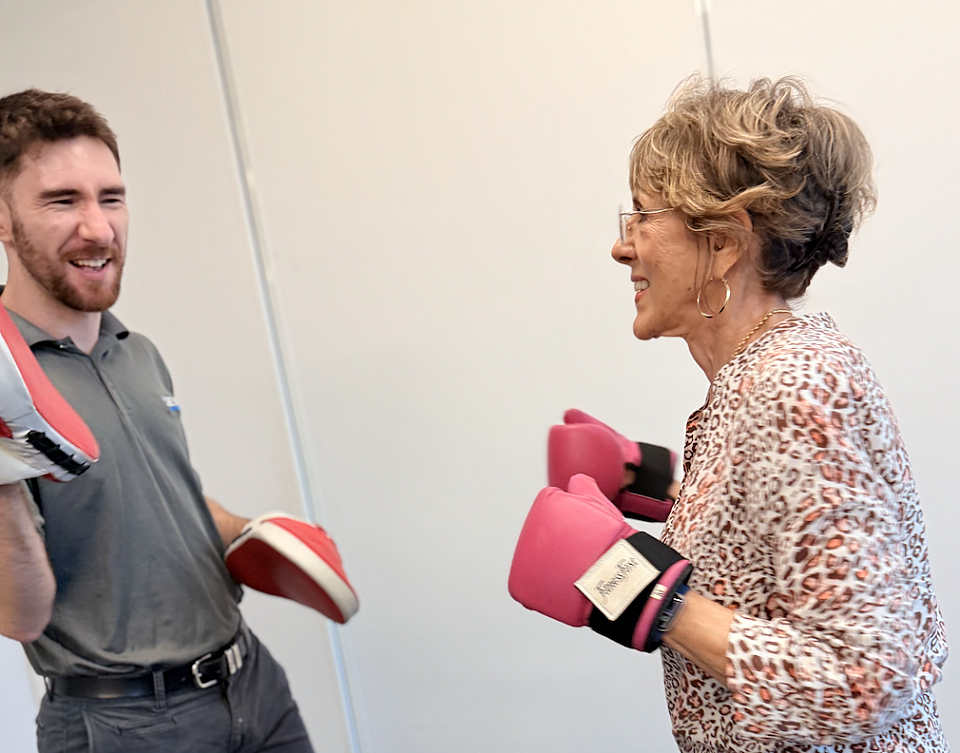
Coralie Wales is the founder of Strong Australia, an ACNC-registered health promotion charity that…
Posted on 08 Jul 2026
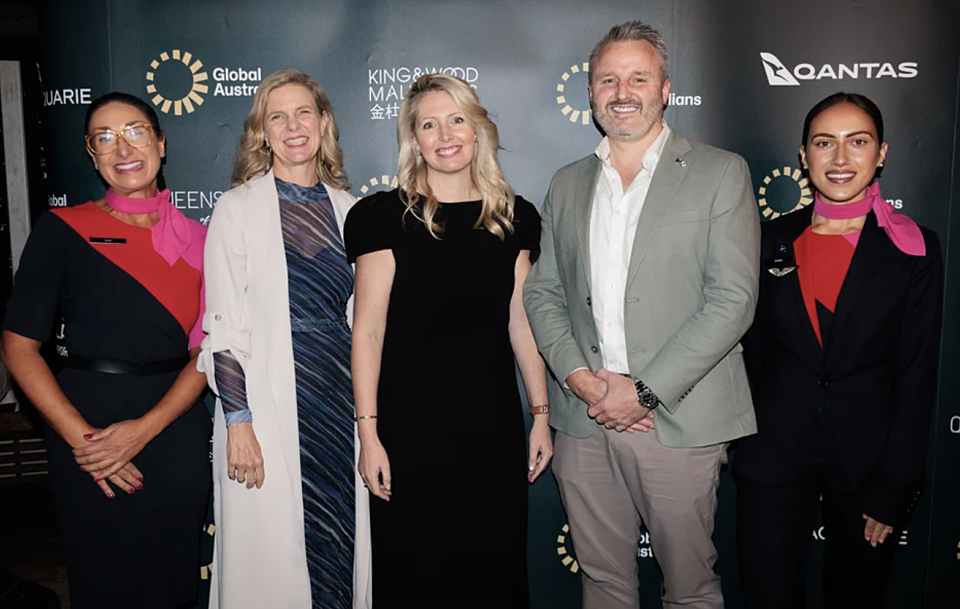
Kate McQuestin is CEO of Global Australians, a not-for-profit aimed at connecting Australians…
Posted on 30 Jun 2026
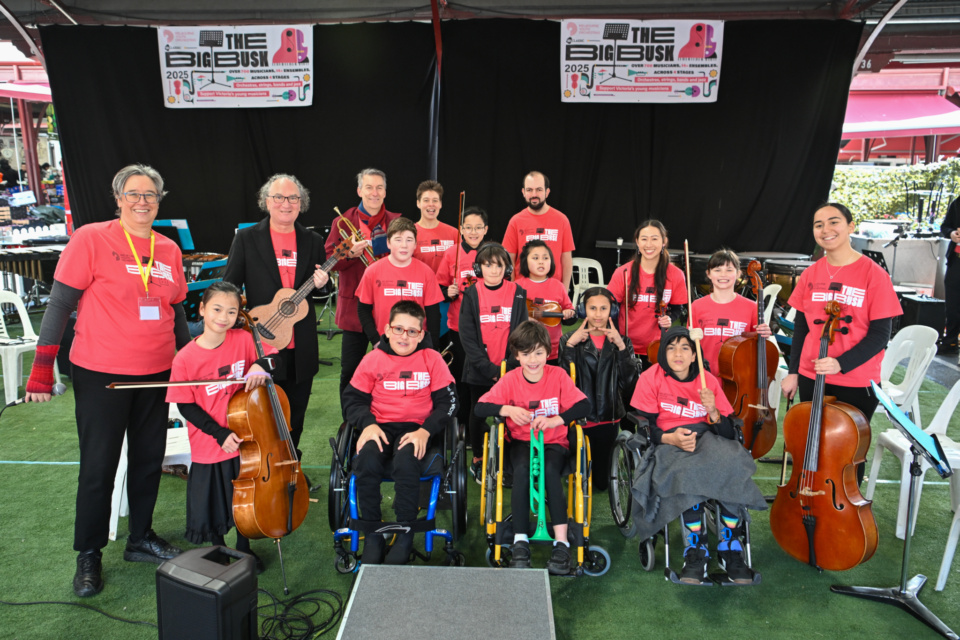
Anthea Skinner is a musicologist, a senior lecturer in disability creative performance at the…

Posted on 24 Jun 2026
Lizzie Mettam manages corporate partnerships for DV Safe Phone, an organisation that provides…
Posted on 17 Jun 2026
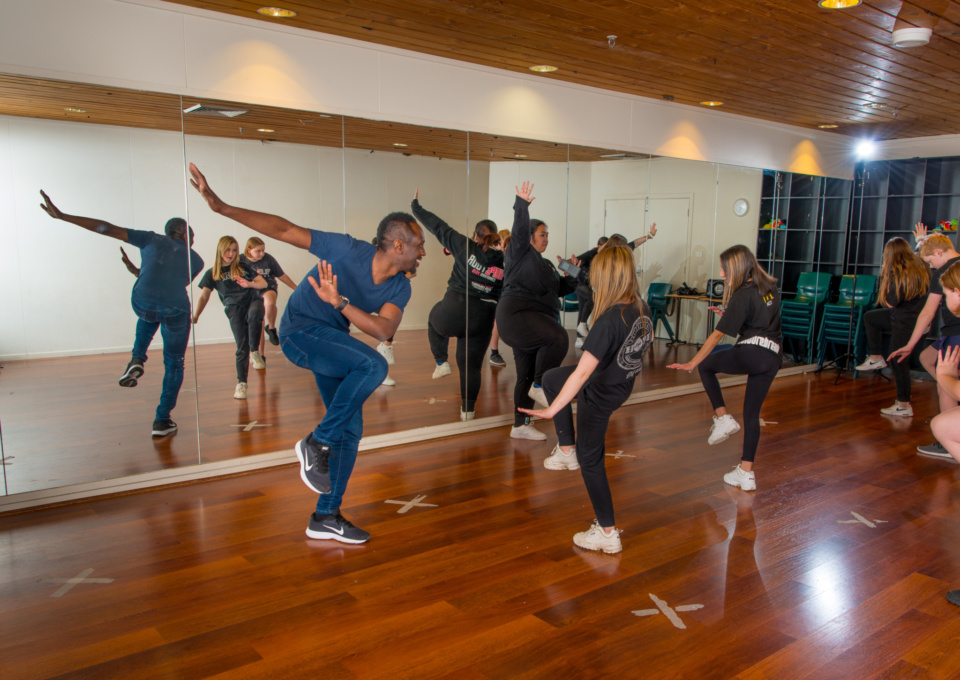
Francis Owusu is the founder of Kulture Break, a charity that helps young people build confidence,…
Posted on 10 Jun 2026
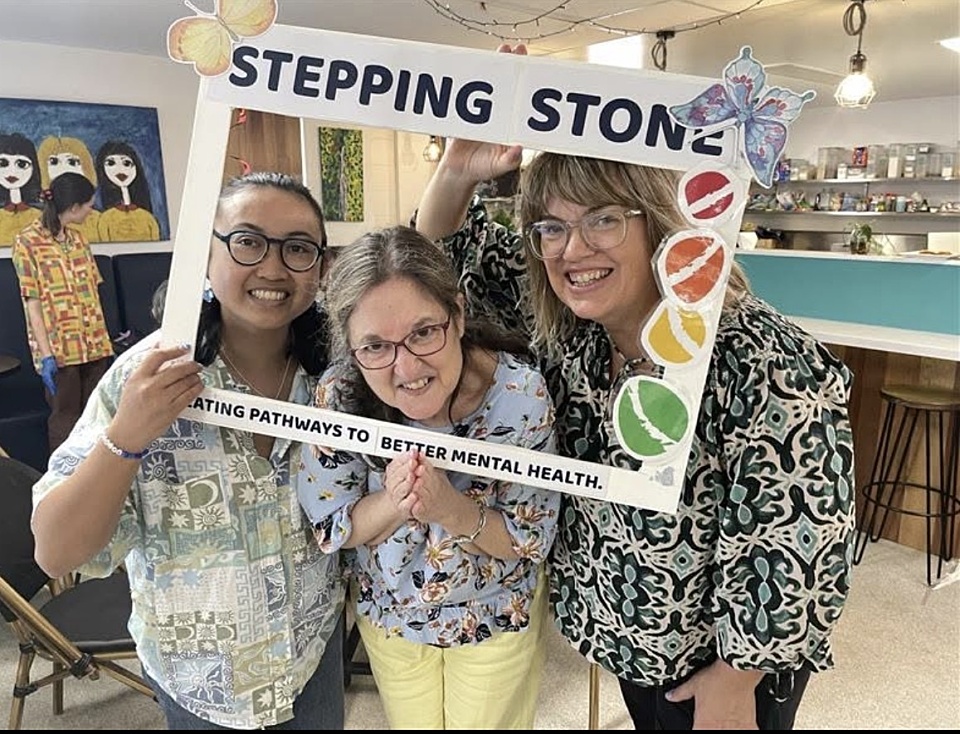
Melanie Sennett is the chief executive officer of Stepping Stone Clubhouse, a Brisbane charity that…
Posted on 03 Jun 2026
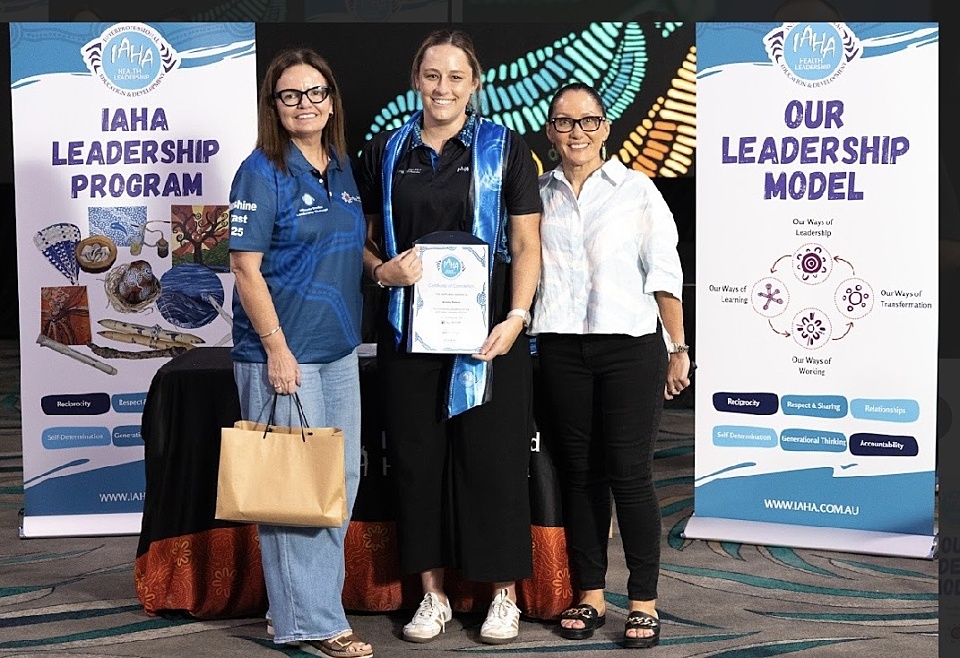
Kristy Petrie is a paediatric physiotherapist and proud Gooreng Gooreng woman who sits on the…

Posted on 27 May 2026
Maria Owen is the CEO of ImpactLab, a New Zealand social enterprise that analyses data for…