
Save Izzy: campaign calls on government to restore funding for vital services directory
Posted on 07 Oct 2026
A major public campaign launched this morning is calling on the federal government to restore…
Posted on 09 Sep 2025
By Nick Place, journalist, Institute of Community Directors Australia
Who says art isn’t a matter of life and death?
Last night in Brisbane, artist Vicki White was named the overall winner of the Live Well Die Well Art Prize, awarded to the best artwork on the theme of palliative care and mortality. Hosted by Palliative Care Australia and supported by residential aged care provider Arcare, the award celebrates creative reflections on end-of-life.
Her work, "Tethered to the Earth", is a photopolymer photogravure etching on paper, detailing the feet of her dying father last year. Speaking as she received the award, White said she knew she had captured a special, peaceful moment on film as she and her family sat with their father. "When I saw the art prize come up, I just felt like it was something that needed to be put out there," she said.
She was one of six winners at the prize (details below).

The CEO of Palliative Care Australia, Camilla Rowland, said the Live Well Die Well Art Prize was designed to engage the community in conversation about end-of-life care and the importance of living well until the end.
“It’s been very moving to see how every artist who has submitted work for the Live Well, Die Well Art Prize has explored themes of mortality, compassion and care. We received over 100 entries, and each artwork has captured the diversity of lived experiences and perspectives.” Rowland said.
“It’s really a way of having a national conversation about living well and death and dying,” she told the Advocate. “The art competition itself is almost a product of how people are expressing their grief and their journey, and it raises conversations in our community that we need, because talking about life and death is still a bit of a taboo subject in our society.
Rowland said there was a need for people to be more comfortable and open about illness and death. “We know that people who have been through the journey are often very keen to talk about it, but people who haven’t been through that journey with someone they love, it’s still a bit of a scary topic at times, and we want to normalise discussions about the fact that everyone dies one day. Everyone is born, everyone dies, and everyone has different journeys,” she said.
“We have almost 190,000 people who die each year in Australia, which equates to around about 400 people a day,” she said. “This should be part of our normal conversation in our community. We talk about sex, we talk about mental health, we really need to be talking about some of these other challenging topics like living well and dying as a natural part of life.”
While cash prizes were awarded to the overall and category winners, Rowland told the Advocate that the competition was more an extension of the essential role art therapy can play in end-of-life care than it was a lucrative opportunity for artists. “It’s not like the Archibald where we’re talking huge money prizes,” she said. “But it’s definitely a contribution towards helping the artists on their journey. A lot of people who enter are not professionals. We often have people who are amateurs, and they’ve expressed themselves and their journey with their loved one through their art.
“Art therapy is, in fact, very important in terms of palliative care and the whole model of palliative care. Art and music therapy is essential to how people express their emotion and their whole journey of their illness.”
“We have almost 190,000 people who die each year in Australia, which equates to around about 400 people a day. This should be part of our normal conversation in our community.”
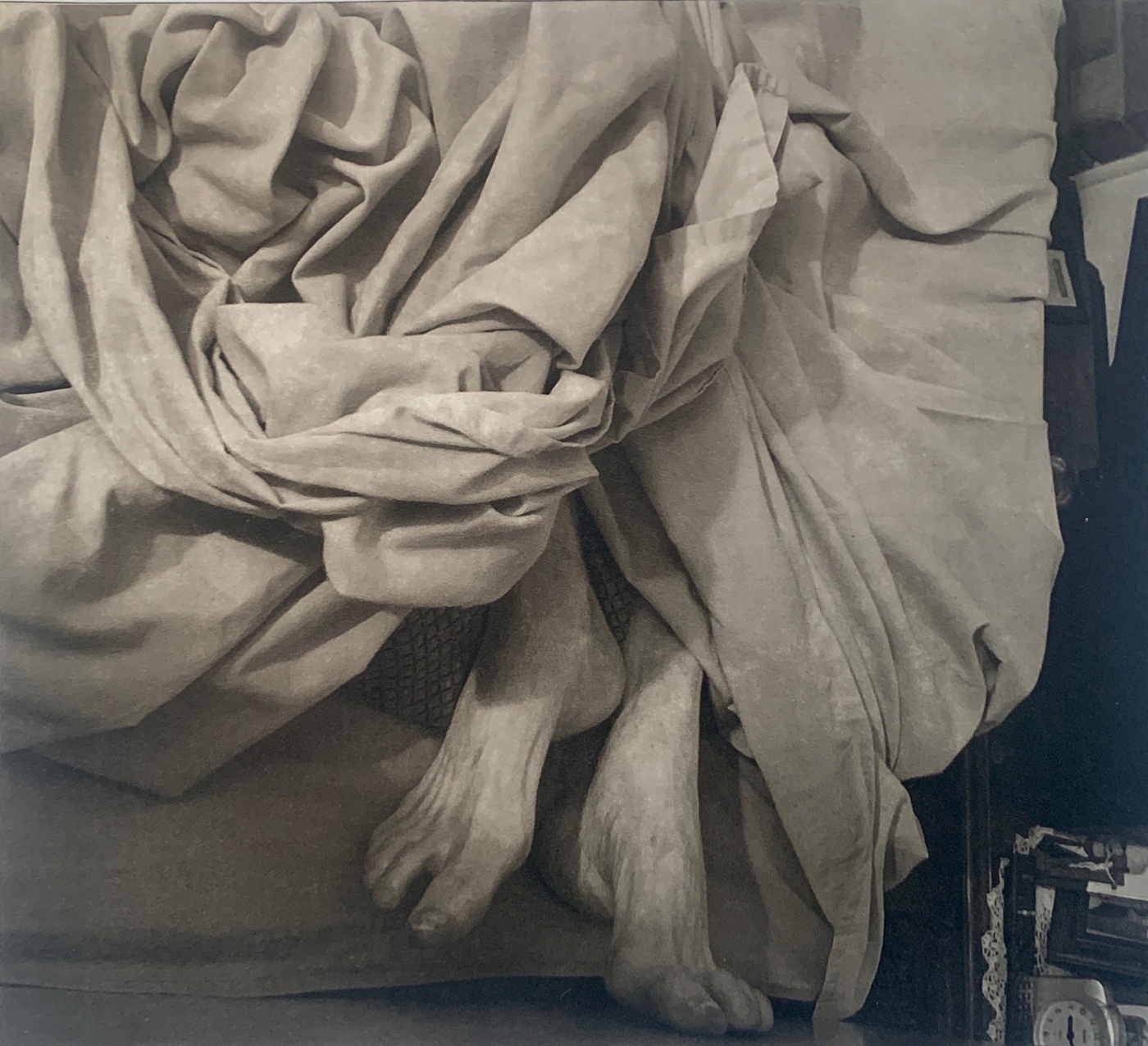
My father died at home the day after this image was taken. He had been under the care of the community palliative care team of my hometown, where my siblings and I had returned to help our mother care for him over the last few months of his life. Even with this support, nothing had really prepared us for the night we were about to go through with our Dad on his final journey. But I guess nothing can prepare you to let go of a significant person in your life until it happens. We had this moment of peace on his final evening. One sister whispered that Dad's feet tangled in the sheet reminded her of my paintings. I took a photo. As a painter and printmaker this image reminded me of the classical images from Renaissance paintings. Another sister gave this image the title. My father was tethered to earth for one more night. Thank God for the beautiful palliative care nurses who shared this journey with us.
Rowland said the judges had been amazed by the quality and diversity of the artworks entered in the competition. “Some people who have entered are well-known artists. Some are amateurs, as I said, and the way they’ve expressed [themselves] through photography or through different mediums is incredible to show what their relationship has often been with that loved one or the reflection of the journey itself. It’s not necessarily about the loved one, but the journey that they’ve been through.”
The 33 finalist artworks are on display in conjunction with the biennial Oceanic Palliative Care Conference (25OPCC) in Brisbane, which runs until this Friday (September 12).
More than 1500 delegates are attending the conference, which brings together people working in specialist palliative care, aged care, disability care and oncology, “anywhere that is a sector that has life-limiting illnesses,” Rowland said.
“Because palliative care is holistic, it looks at the social and emotional and physical wellbeing of people. You really get a range of different workers and carers and consumers come along [to the conference] who look at all those different aspects of spirituality, emotional support, different medical clinical models that work,” she said.
High on the agenda is the fact of Australia’s ageing population and how the country will cope as more and more people need palliative care. Currently, only 38 per cent of Australians can access specialist palliative care, because of funding gaps and geographical challenges. Rowland said the government has not reduced funding but hasn’t increased it either, which means funding is sliding backwards in real terms. This is only going to become a bigger issue as the population ages.
“Between 2022 and 2032, there will be triple the growth in the number of people turning 85,” Rowland said. “And what that means is that we’re going to have not only an older society, but more people with [complex end-of-life care needs], because these people turning 85 will often have more than one diagnosis. Their end-of-life care is going to be way more complex in terms of trying to manage all those symptoms and all the different issues they might have.
“This is a big topic because of the number of ‘blue zone’ countries or strongly ageing countries that are emerging around the world, and how are we going to provide that quality of life care for people who are older? They are important discussions for our health system as well as our community and our politics, and also about the role of older people in our society … how do we value them?”
Overall Winner: Vicki White (NSW) - 'Tethered To Earth' 2024 Photopolymer Photogravure Etching on Paper/Image Size 29.5cm x 27cm
Winners across other categories:
To see the Live Well Die Well Art Prize finalists, click here
Posted on 07 Oct 2026
A major public campaign launched this morning is calling on the federal government to restore…
Posted on 07 Oct 2026
The Australian Literacy & Numeracy Foundation (ALNF) has announced a partnership with mining…
Posted on 07 Oct 2026
A conference in Darwin will this morning hear detailed, strategic plans for how Australia could…

Posted on 30 Sep 2026
Not-for-profit leaders have been warned to be wary of approaches from potential “funding partners”…
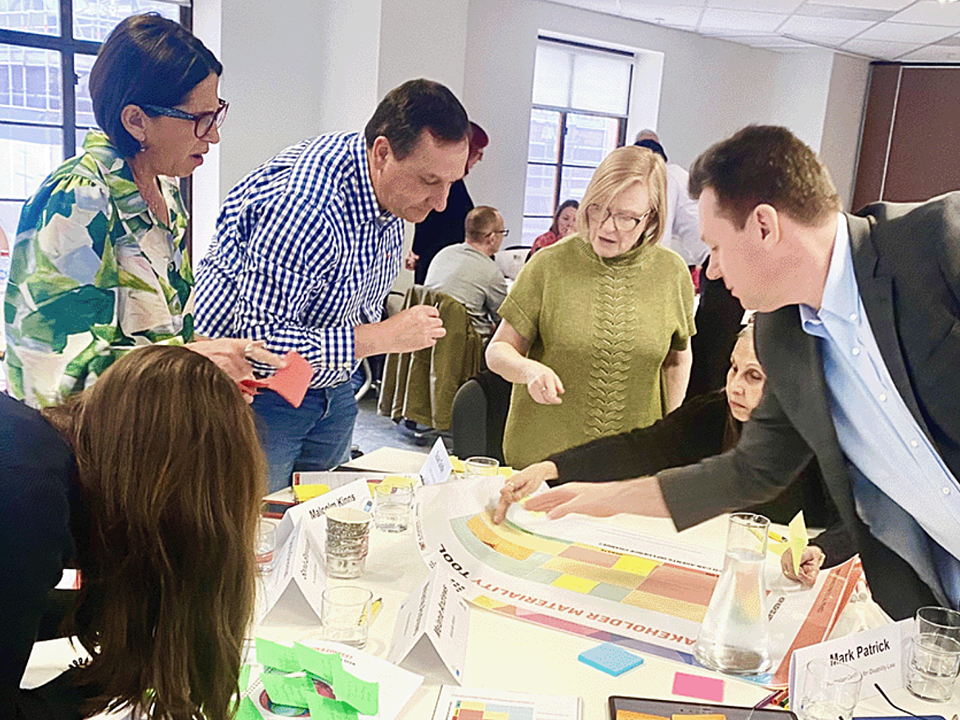
Posted on 30 Sep 2026
More than 200 fully funded Centre for Social Impact (CSI) scholarships will help equip for-purpose…
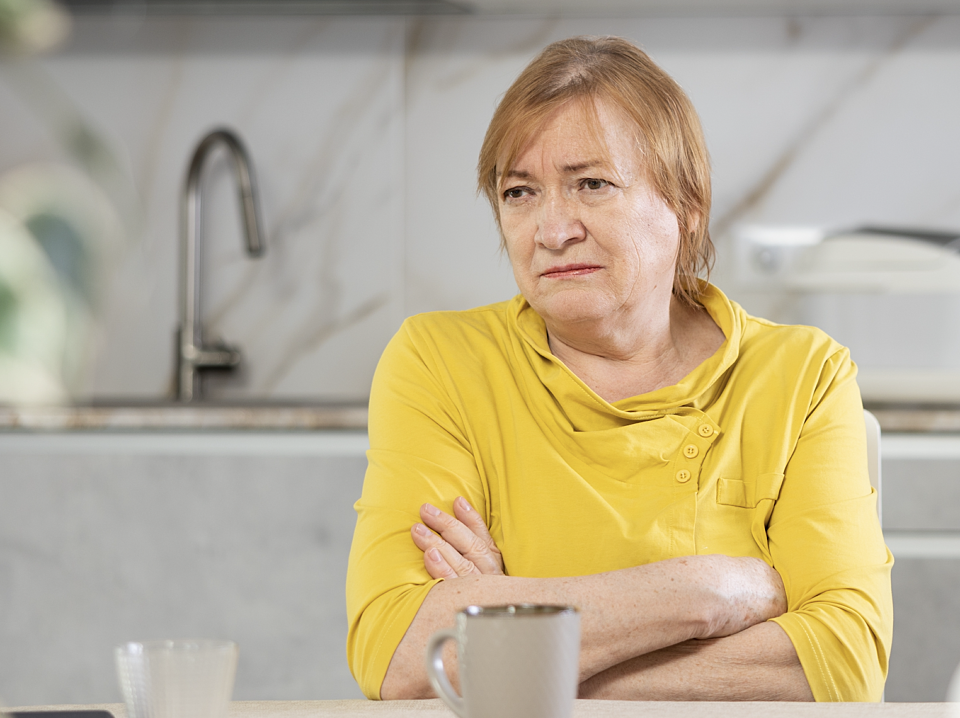
Posted on 30 Sep 2026
Personal stories are among the most powerful tools a charity can have to raise funds and awareness,…
Posted on 23 Sep 2026
A just-released major global survey of charities has found that demand for charity assistance has…
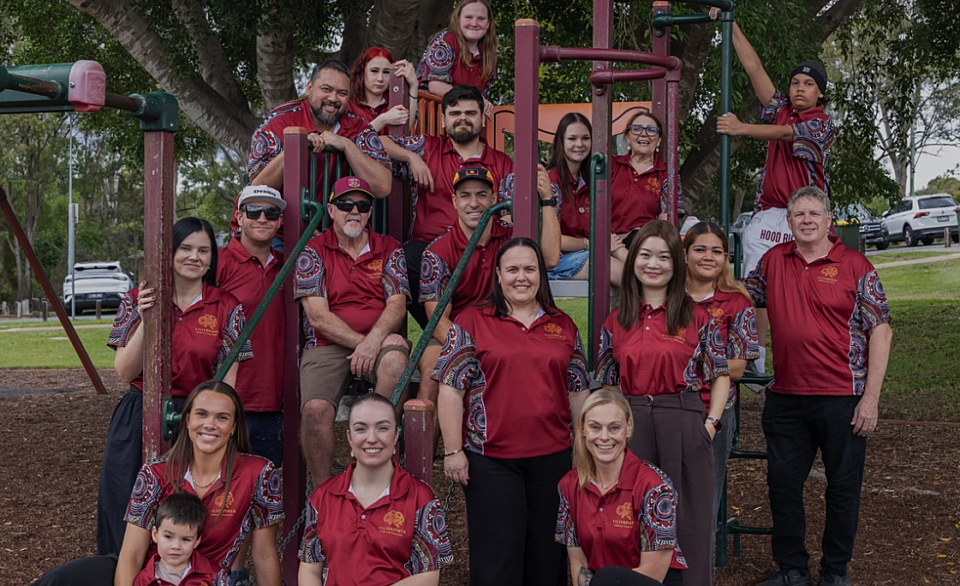
Posted on 23 Sep 2026
Fresh from welcoming delegates to last week’s Philanthropy Australia conference in Brisbane,…
Posted on 23 Sep 2026
A national strategy to develop Australia's regional cities is needed to break the housing…

Posted on 23 Sep 2026
Eight years after a report to Treasury first suggested the charities regulator should be more…
Posted on 17 Sep 2026
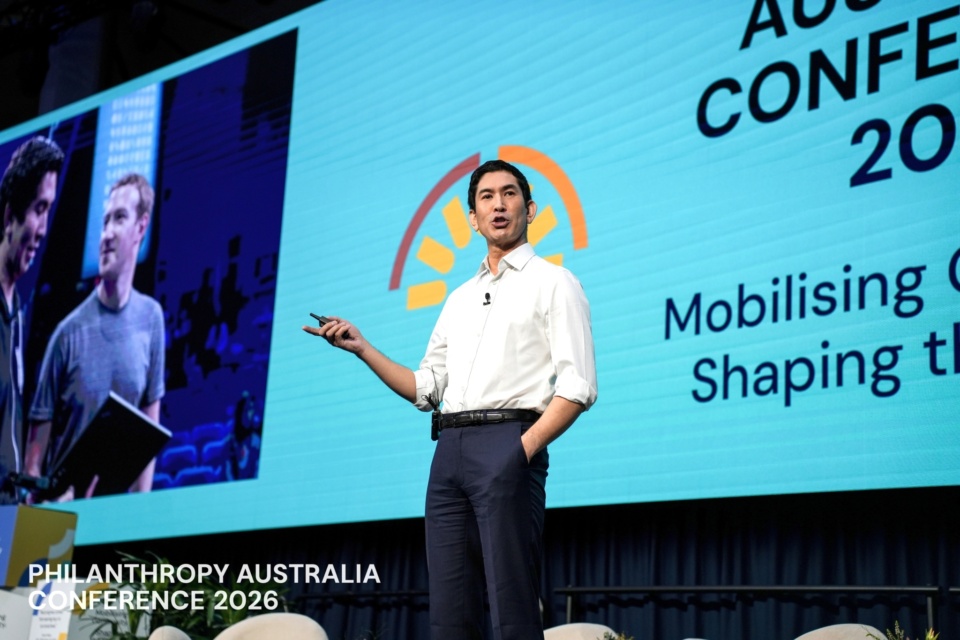
Australia’s biggest gathering of philanthropists, which drew more than 1200 delegates to Brisbane…
Posted on 16 Sep 2026
A new partnership between Paul Ramsay Foundation (PRF) and Atlassian Foundation aims to attract…