
Save Izzy: campaign calls on government to restore funding for vital services directory
Posted on 07 Oct 2026
A major public campaign launched this morning is calling on the federal government to restore…
Posted on 04 Mar 2026
By Kate Russell, CEO, Supply Nation
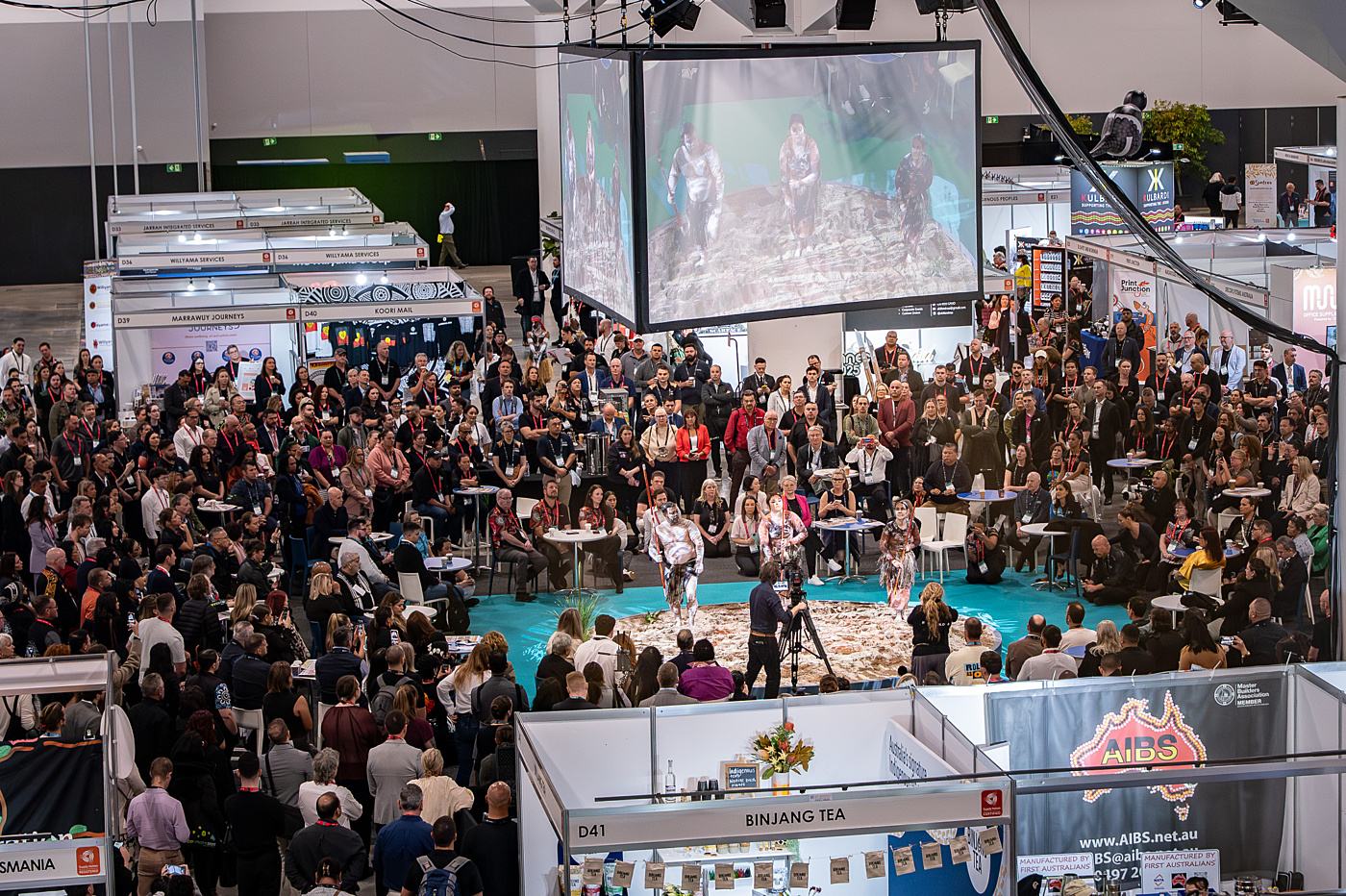
Australia’s for-purpose enterprise supporting Indigenous-owned businesses announced a record $5.83 billion in procurement spending for the financial year 2024–25, confirming the sector's enormous growth.
This remarkable growth and ongoing success of Indigenous-led business tends to fly under the radar, not well understood by corporate Australia and the broader community.
Supply Nation is Australia’s leading not-for-profit supporter of Aboriginal and Torres Strait Islander-owned businesses through a supplier diversity and procurement model and we now list more than 6,000 verified Indigenous businesses on the national database, Indigenous Business Direct (IBD). The directory is accessible to anyone looking to purchase products and services from Indigenous businesses.
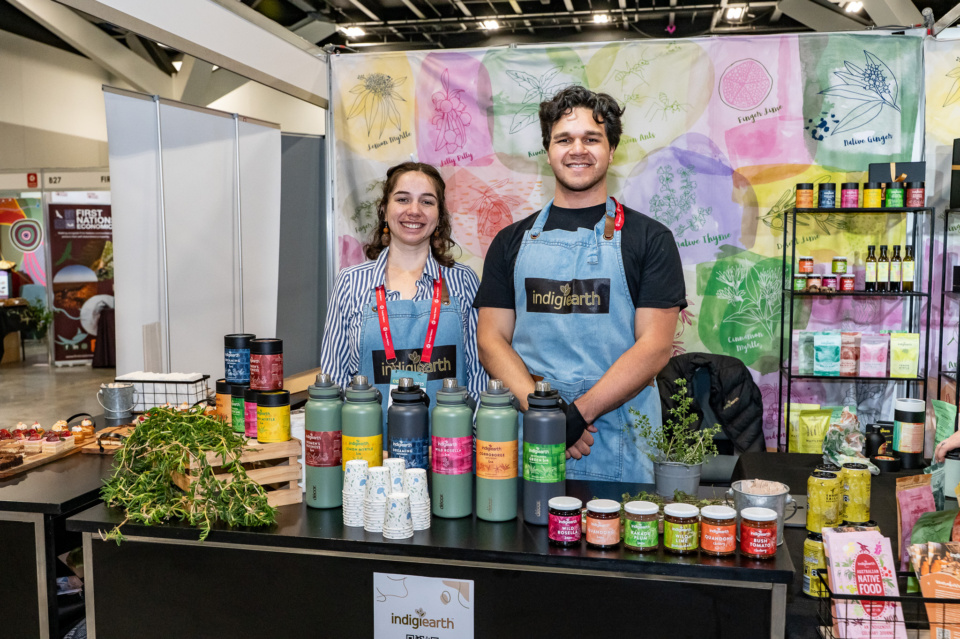
Indigenous businesses are active across all sectors of the economy, not only in the more traditional areas of food, beverages, tourism, creative industries and agribusiness, but also in construction, facilities management, cybersecurity, aerospace, professional services, health and well-being, personnel and recruitment, project management and consulting services.

Supply Nation has more than 880 corporate, government and not-for-profit member organisations committed to supporting the sector.
Our latest State of Indigenous Business report found that for the financial year 2024–25, Supply Nation members recorded a total of over $5.83 billion in procurement spending, a new national milestone and an increase of $1.23 billion on the previous year.
Member organisations based in New South Wales recorded the highest figure at $1.71 billion, followed by $1.43 billion in Western Australia and $1.13 billion in the Australian Capital Territory. Queensland members recorded $800 million, and Victoria, $630 million. South Australia and Northern Territory members together contributed $120 million.
Government agencies (federal, state and territory) and local councils recorded procurement spending of $1.52 billion or 26 percent of the overall total.
The mining industry recorded the highest overall industry sector procurement spending with $1.64 billion, followed by construction with $1.26 billion. Facilities management services recorded over $284 million with the financial and insurance sector reaching a total of $145 million.
Businesses led or owned by Indigenous women made a significant contribution to the sector, receiving $1.52 billion in procurement spend. Construction was the leading sector for female-owned Indigenous businesses.
“(The) remarkable growth and ongoing success of Indigenous-led business tends to fly under the radar, not well understood by corporate Australia and the broader community.”
The figures confirm that the Indigenous business sector is growing and having a positive impact on the lives of Aboriginal and Torres Strait Islander peoples. They show that Indigenous businesses and entrepreneurs are contributing to building intergenerational wealth and opportunity. They are closing the gap, and that should be celebrated.
Supply Nation’s 2025 report The Sleeping Giant Rises found that for every dollar of revenue produced by Indigenous-owned businesses, $3.66 of positive economic and social value is generated.
Social value refers to the positive changes seen through an Indigenous lens of wellbeing – one that encompasses people, Country and culture.
This value includes improved agency and control over life, expanded aspirations, financial security, pride, physical health and mental wellbeing and stronger connections to community, culture and Country. Indigenous businesses create this value purely by operating, and the figures exclude any formal or informal support or other philanthropic programs.
Indigenous-owned businesses, corporations and Traditional Owner groups are also contributing to significant economic returns across Australia through land management, carbon farming, land and sea ranger programs and renewable energy projects.
The Indigenous Carbon Industry Network (ICIN), a not-for-profit Aboriginal-owned peak industry body that supports the Indigenous carbon industry in Australia, notes that the industry generates around $59 million worth of Australian carbon credit units (ACCUs) annually across northern Australia through Emissions Reduction Fund (ERF) compliance and voluntary markets, with related benefits in employment and positive social impact.
Supply Nation’s trade fairs and business events are a practical way to identify commercial collaboration opportunities. Australia’s largest and longest-running business event for the Indigenous business sector, Connect, will this year be held in Boorloo (Perth) at the Perth Convention and Exhibition Centre on 11–12 August. Register here.
Kate Russell is a proud Awabakal woman and Supply Nation CEO.
Posted on 07 Oct 2026
A major public campaign launched this morning is calling on the federal government to restore…
Posted on 07 Oct 2026
The Australian Literacy & Numeracy Foundation (ALNF) has announced a partnership with mining…

Posted on 07 Oct 2026
A conference in Darwin will this morning hear detailed, strategic plans for how Australia could…

Posted on 30 Sep 2026
Not-for-profit leaders have been warned to be wary of approaches from potential “funding partners”…

Posted on 30 Sep 2026
More than 200 fully funded Centre for Social Impact (CSI) scholarships will help equip for-purpose…

Posted on 30 Sep 2026
Personal stories are among the most powerful tools a charity can have to raise funds and awareness,…
Posted on 23 Sep 2026
A just-released major global survey of charities has found that demand for charity assistance has…
Posted on 23 Sep 2026
Fresh from welcoming delegates to last week’s Philanthropy Australia conference in Brisbane,…

Posted on 23 Sep 2026
A national strategy to develop Australia's regional cities is needed to break the housing…

Posted on 23 Sep 2026
Eight years after a report to Treasury first suggested the charities regulator should be more…

Posted on 17 Sep 2026
Australia’s biggest gathering of philanthropists, which drew more than 1200 delegates to Brisbane…
Posted on 16 Sep 2026
A new partnership between Paul Ramsay Foundation (PRF) and Atlassian Foundation aims to attract…