Save Izzy: campaign calls on government to restore funding for vital services directory
Posted on 07 Oct 2026
A major public campaign launched this morning is calling on the federal government to restore…
Posted on 29 Apr 2026
By Nick Place, journalist, Community Directors
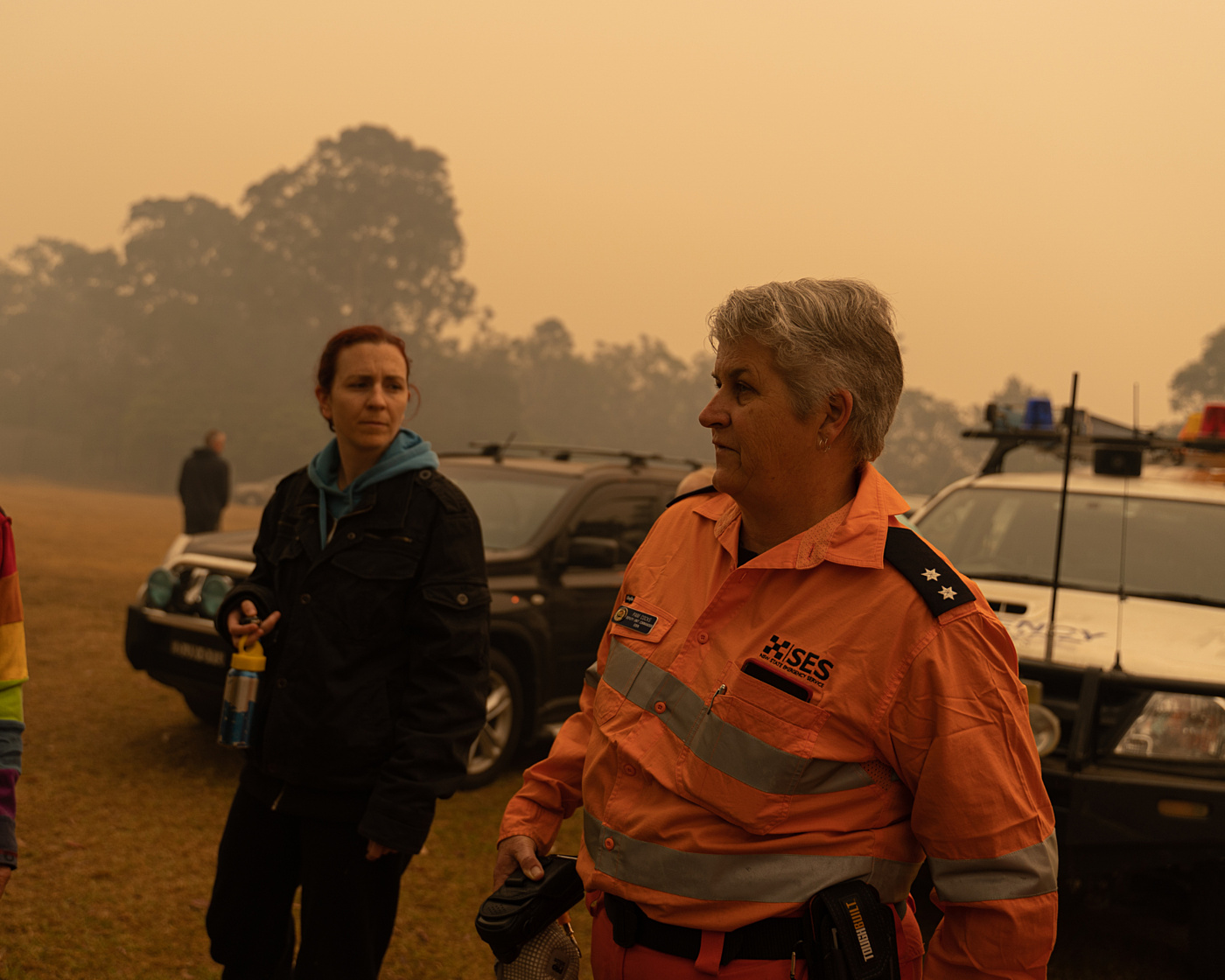
Amid the fear, anxiety and chaos of a natural disaster, it’s easy to lose sight of gender issues in the smoke, the wind or the floodwaters, but their impact can be catastrophic, even life threatening.
A discussion at the Women Deliver conference in Melbourne tomorrow (Thursday) will examine this issue, so that when Australia’s next natural disaster strikes, responders can apply a gender lens.
During a natural disaster, a woman who has experienced family violence may face physical or sexual danger, be forced to sleep in her car, or avoid evacuation centres because she fears encountering someone she has a domestic violence order (DVO) against.
Or an LBGTIQA+ person may be turned away from a shelter or not allowed to use a disaster relief centre’s toilet because a demand to declare their gender is deeply troubling, especially in their anxious state of mind. “That’s a frightening thing in that moment, to push for a binary or specific gender label,” says the head of Gender and Disaster Australia, Margaret Moreton. “You could keep them safe without needing this gender information.”
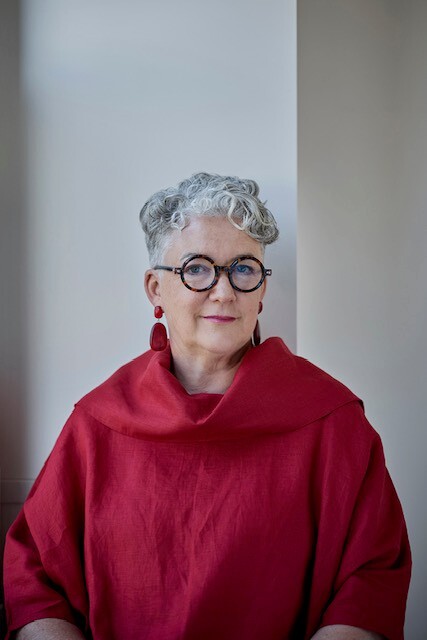
Men face gender issues as well, such as the potentially fatal societal pressure to be the strong hero who stays behind to save the house, “because that is what a man does”. To leave early could mean being perceived as a coward. To admit you’re terrified and overwhelmed may carry social stigma, Moreton said.
Women can feel pressure to stay with their husbands and not evacuate. They might be caring for elderly relatives who can’t move easily. Or they would love to leave but their only vehicle has been taken by a member of the family who volunteered that day to fight the fire or fill sandbags, leaving the family behind without transport.
“Women, men and LGBTIQA+ groups all have gender-related harm that can happen in a disaster context,” said Moreton. “Because of our understanding of what our gendered role is in the world, we can die. That’s about as horrific as it gets,” she said.
“I’m the daughter of two farmers – because my mother was as much a farmer as my father – and I have sat with farmers in a research context who talk about how they almost lost the property that their father, their grandfather and their great-grandfather had saved. Men feel real distress and trauma but, at the risk of adding to stereotypes, aren’t necessarily good at talking about it, or seeking help,” she said.
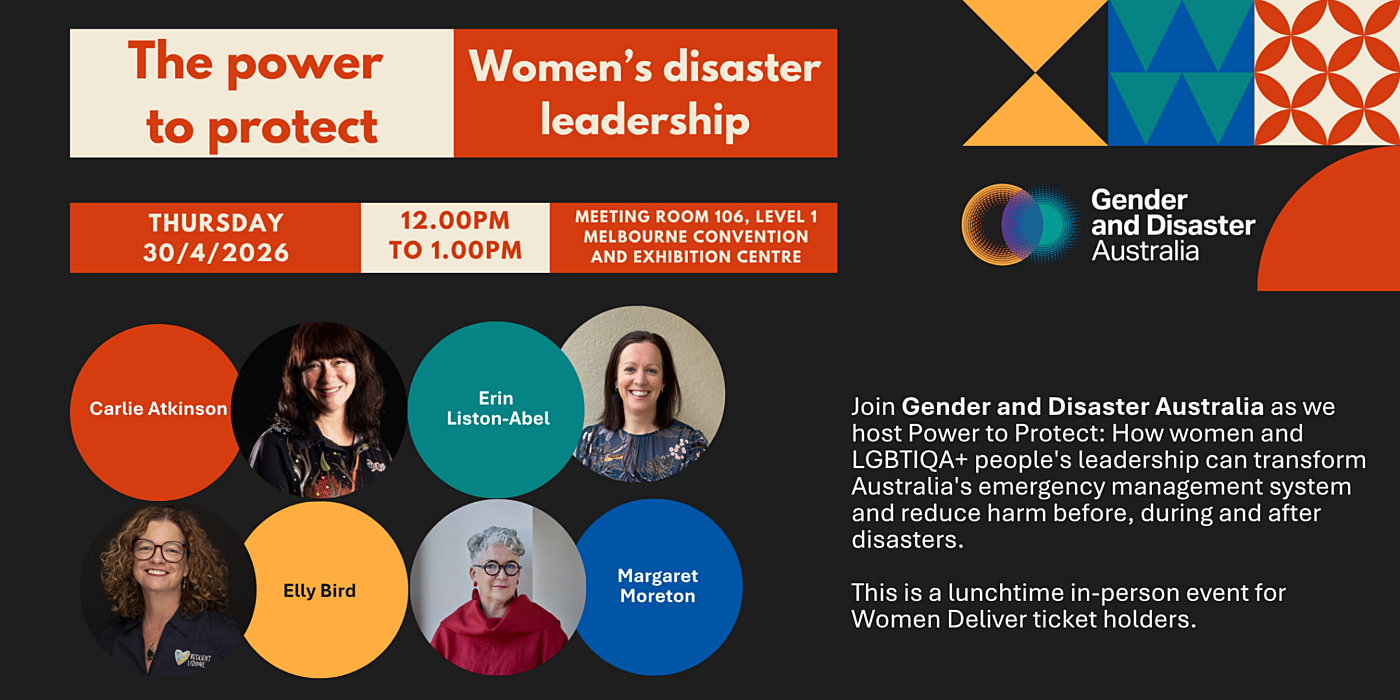
“Women’s disaster leadership” is the focus of a lunchtime side-session tomorrow at the Women Deliver conference, which has been running since Monday at the Melbourne Conference and Exhibition Centre. The session will feature Moreton talking with Elly Bird, Erin Liston-Abel and Carlie Atkinson, three female leaders with long and diverse histories of considering gender roles in disaster recovery.
The session will discuss how leadership by women and LGBTIQA+ people can transform Australia’s emergency management system and reduce harm before, during and after disasters.
“What I’ve learned is that when it comes to the issue of visibility and voice, participation and leadership for women and LGBTIQA+ people, if those people have a stronger voice in the preparation, in the design, in the delivery, in the recovery, in the resilience, then processes tend to be more inclusive and safer for more people,” Moreton told the Community Advocate.
“Women, men and LGBTIQA+ groups all have gender-related harm that can happen in a disaster context.”
Moreton first became aware of the gendered harms of disasters in 2012, while researching her PhD about community resilience. “Even in that research, without the gendered lens I have officially now because of my role, I met men, women, LGBTIQA+ people who described to me how additional harms happened to them, as well as the fear on the night or the day, of the fire approaching, the house that was lost, the terror they felt, lots of things I could describe at length. There are also gendered harms,” she said.
Gender and Disaster Australia’s work in organisations involves providing education, as well as ensuring that evacuation centres are safe for everybody. Moreton stresses that nobody in a disaster is trying to be difficult, or cruel. Often, gendered danger comes from ignorance or because workers are overwhelmed by the situation. Moreton said many volunteers in rural and regional Australia tend to be older, raised in different times, which means that under pressure, when they’re trying to organise shelter for frightened, exhausted evacuees, gender considerations might not be top of mind, and neither is checking whether a woman seeking shelter is protected by a domestic violence order. “It’s not on anyone’s radar, but actually you could be checking someone in who’s very unsafe,” she said.
Panellist Elly Bird, from the Northern Rivers region of NSW, emerged as a powerful community leader during and after the devastating floods of 2017 and then again in 2022. She developed the Resilient Lismore organisation from a self-starting group of people looking to help flood recovery into a funded and supported organisation that helps people to repair their flood-affected homes, among other services.
Panellist Carlie Atkinson, an international leader in complex and intergenerational trauma and strengths-based healing approaches in Indigenous Australia, is from the same region. “Carlie is a First Nations woman and has also been very active in that Northern Rivers region from a First Nations and trauma/healing perspective,” Moreton said. “She's done a lot of work about how to heal the community, the landscape, connect people and deal with the trauma.”
“That’s what happens with women, and those two women are perfect examples,” Moreton said. “They’ll start in response to an event, and they’ll just step forward. They've got their own response as an individual person, they’ve got their families, but they’ll step forward into these leadership positions. I wanted to showcase that that’s what women do.”
The final panellist, Erin Liston-Abel, is deputy CEO of the Australasian Fire and Emergency Service Authorities Council (AFAC), the peak body for emergency services across Australia, and has responsibility for diversity and inclusion as part of her role.
“All three, as women, are going to explore what they bring, why they’re good at what they do and how their gender has informed their work.” Moreton said. “All three are coming with stories to share, examples of what’s in the way, what the barriers are, what the challenges are, how it’s difficult.”
Moreton also intends to have an interactive discussion with the audience about lived experience within disasters and how much the women present have experienced gendered challenge in those moments.
“One of the things I’m really aware of is that as women in disaster, we work in a primarily masculine sector,” Moreton said. “The emergency sector is primarily a command and control, hierarchically driven sector. The women tend towards – and Erin is probably an exception in this regard – tend toward that resilience building, community-based, very difficult long-term work.
“The sort of hero stereotype, which causes men a lot of grief, is in the emergency response phase, which has grown up out of a command and control, directive kind of hierarchical, quasi-military model, because that's what works in an actual threat to safety. You can’t all sit around going, should we or shouldn’t we turn on the hoses? Instead, it’s a case of: we’ve got a plan, we’re executing the plan. It works in that response environment, so there’s been an assumption it will therefore work across the whole, and it doesn't.
“There are lots of women who are in the emergency services sector, and I’m talking with commissioners at the moment at the very top level of the emergency service organisations about how to make those environments more welcoming and inclusive of all genders. We need everybody when we’re fighting fires or preparing sandbags for the floods. We want the emergency services sector to be more gender diverse because the community is gender diverse, and trust between the community and the sector is enhanced when we can all see ourselves in the sector coming to help us.”
The head of Gender and Disaster Australia, Margaret Moreton, will chair the session “The power to protect: Women’s disaster leadership” starting at noon on Thursday April 30 in meeting room 106 on level one of the Melbourne Convention and Exhibition Centre, as part of Women Deliver. Details here.
Posted on 07 Oct 2026
A major public campaign launched this morning is calling on the federal government to restore…
Posted on 07 Oct 2026
The Australian Literacy & Numeracy Foundation (ALNF) has announced a partnership with mining…
Posted on 07 Oct 2026
A conference in Darwin will this morning hear detailed, strategic plans for how Australia could…
Posted on 30 Sep 2026
Not-for-profit leaders have been warned to be wary of approaches from potential “funding partners”…
Posted on 30 Sep 2026
More than 200 fully funded Centre for Social Impact (CSI) scholarships will help equip for-purpose…
Posted on 30 Sep 2026
Personal stories are among the most powerful tools a charity can have to raise funds and awareness,…
Posted on 23 Sep 2026
A just-released major global survey of charities has found that demand for charity assistance has…
Posted on 23 Sep 2026
Fresh from welcoming delegates to last week’s Philanthropy Australia conference in Brisbane,…

Posted on 23 Sep 2026
A national strategy to develop Australia's regional cities is needed to break the housing…
Posted on 23 Sep 2026
Eight years after a report to Treasury first suggested the charities regulator should be more…
Posted on 17 Sep 2026
Australia’s biggest gathering of philanthropists, which drew more than 1200 delegates to Brisbane…
Posted on 16 Sep 2026
A new partnership between Paul Ramsay Foundation (PRF) and Atlassian Foundation aims to attract…