Billion-dollar community funding pool is making a difference
Posted on 21 Oct 2026
Backed by tangible successes and government support, community foundations are gaining momentum as…
Posted on 29 Apr 2026
By Nick Place, journalist, Community Directors
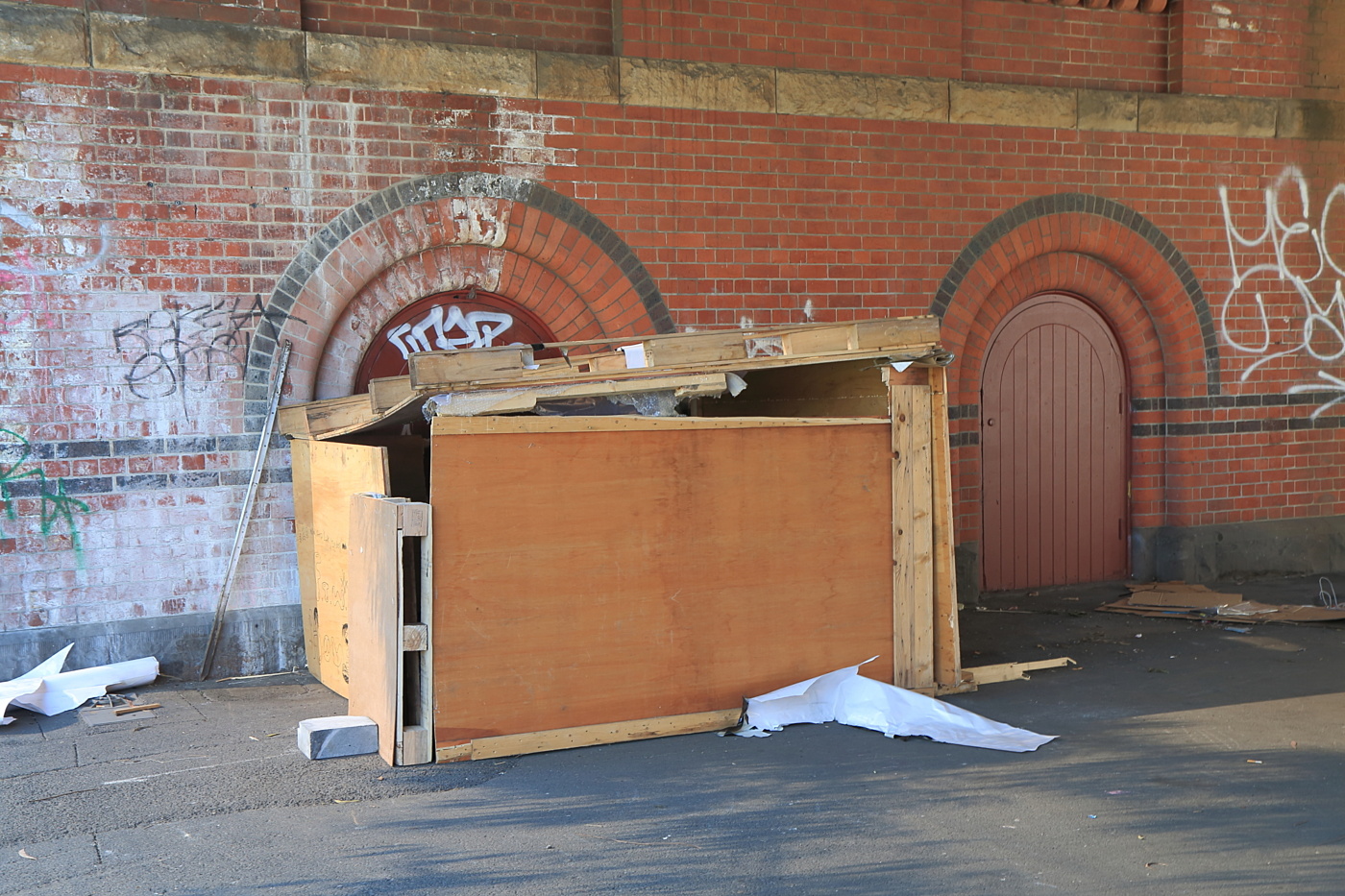
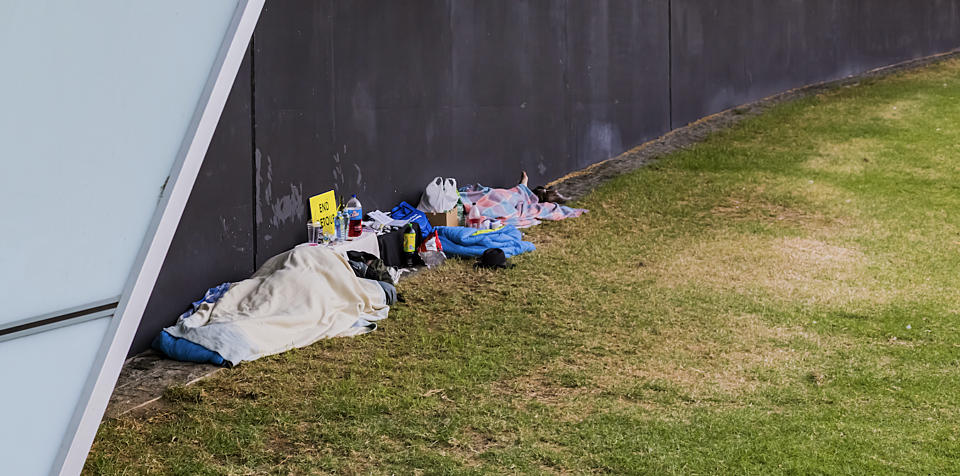
A pair of studies by the Brotherhood of St Laurence (BSL) has revealed that Australians have a sophisticated understanding of the level of poverty in this country, why it occurs and what is required to fix it. Australians also believe that rising poverty, if not addressed, could threaten our democracy.
Two studies in 2025 and 2026, based on surveys of more than 2600 people, found widespread concern about the rising cost of living, growing inequality and the impact of these pressures on individuals, families and communities.
The clearest finding of the combined studies was that 94 per cent of Australians believed more should be done to tackle the issue.
Of those surveyed, an alarming 38 per cent said they had personally experienced poverty, or knew somebody who had, while 61 per cent said poverty was a major issue affecting their community.

Among those not personally affected by poverty, 76 per cent said they had been personally affected by the rising cost of living and 27 per cent said they were experiencing ongoing stress or anxiety because of financial insecurity.
The data reveals a nuanced understanding of definitions of poverty, with 79 per cent identifying a shortage of money for food as poverty, while 70 per cent named inadequate or unsafe housing as fitting the definition. More than half (59 per cent) saw poor health and limited access to healthcare as another experience of poverty.
Australians were clear that they didn’t see those experiencing poverty as necessarily being responsible for their situation. Not having a job was tagged by 56 per cent as a driver of poverty, while 53 per cent said living with a chronic illness or disability could push a person into poverty. Low wages and insecure work was a cause of poverty according to 52 per cent of those surveyed, while 45 per cent identified a lack of government support as a driver.
Thirty-six per cent said poverty happens because we live in an unfair system that advantages the wealthy, and 75 per cent said our nation is becoming more unequal, with the gap affecting not only individual households but our democratic foundations. A whopping 55 per cent said they believed inequality was now a threat to democratic institutions and public trust.
“The results show that people in Australia understand the challenges facing those experiencing poverty.,” the report said. “While there are differing perspectives on the causes of poverty, there is overwhelming support for proposed policy responses to end poverty, and action by government that will support all people in Australia to live lives they value.”
The Brotherhood of St Laurence has been pushing for Australia to introduce official poverty measures, with the report underlining this need.
“The introduction of official poverty measures would help address poverty and inequality in Australia,” Brotherhood executive director Dr Travers McLeod said, in introducing the findings. “We need both a monetary measure and a multidimensional measure to capture the full picture of disadvantage – in areas such as housing, education, health, employment and social participation.
“This would show us not only who is struggling, but how. It also helps us know what is working and would provide a way to see and celebrate progress.
“A commitment to official dual measures would give us the opportunity to work together – across government, community, academia and lived experience – to design measures that show the reality of hardship in Australia and guide meaningful action.”
Since the BSL report was released, it has been backed by a report and 13 recommendations delivered by the Department of Social Services’ Economic Inclusion Advisory Committee (EIAC), which also urged the federal government to introduce measures for social security adequacy, family payments, employment services, and poverty measurement.
McLeod noted that the EIAC has “reaffirmed the importance for Australia to adopt official measures of poverty to guide policy and track national progress on poverty reduction. With significant efforts already underway at the Australian Bureau of Statistics and across the research community, the committee rightly notes that establishing official poverty measures is feasible and overdue.”
“Lifting investment in economic inclusion is essential to sustaining and growing trust in our democracy, especially during a period of geopolitical upheaval.”
The Brotherhood report suggests that Australians have strong ideas on what’s required to help tackle poverty, starting with a redesign of societal systems that work for everybody, instead of only for the already well-off, according to 74 per cent of those surveyed.
Affordable housing should be the government’s top priority, according to 80 per cent of those surveyed, and 61 per cent said employment opportunities were critical. More financial assistance for those struggling was suggested by 56 per cent, and 53 per cent believed there should be more equitable access to education and skills.
The Brotherhood said these findings cut across backgrounds and political beliefs, with Australians overwhelmingly supporting practical and structural responses to poverty.
“The need for reform is urgent”, McLeod said. “Lifting investment in economic inclusion is essential to sustaining and growing trust in our democracy, especially during a period of geopolitical upheaval.”
“We know there are many challenges impacting this year’s federal Budget. Improving the adequacy of our social security system, overhauling employment services, and measuring poverty properly will help to ensure a fairer Australia by growing prosperity and productivity for all.”
The Brotherhood of St Laurence’s Perceptions of Poverty in Australia report is here.
The federal Department of Social Services’ Economic Inclusion Advisory Committee 2026 report is here.
Posted on 21 Oct 2026
Backed by tangible successes and government support, community foundations are gaining momentum as…
Posted on 21 Oct 2026
A national campaign to restore federal funding for Ask Izzy has attracted such strong grassroots…
Posted on 21 Oct 2026
In the wake of an act of violence against federal independent MP Helen Haines, Charities Minister…

Posted on 21 Oct 2026
If your charity takes a stance that happens to align with a political party’s stance in a public…

Posted on 14 Oct 2026
The federal government’s special envoy for social housing and homelessness, Josh Burns MP, has…

Posted on 14 Oct 2026
The Reserve Bank’s move to ban card payment surcharges has led to complications for charities and…

Posted on 14 Oct 2026
A special guest with her finger on the pulse of one of the biggest issues facing Australia –…

Posted on 07 Oct 2026
A major public campaign launched this morning is calling on the federal government to restore…
Posted on 07 Oct 2026
The Australian Literacy & Numeracy Foundation (ALNF) has announced a partnership with mining…
Posted on 07 Oct 2026
A conference in Darwin will this morning hear detailed, strategic plans for how Australia could…

Posted on 30 Sep 2026
Not-for-profit leaders have been warned to be wary of approaches from potential “funding partners”…
Posted on 30 Sep 2026
More than 200 fully funded Centre for Social Impact (CSI) scholarships will help equip for-purpose…