
Save Izzy: campaign calls on government to restore funding for vital services directory
Posted on 07 Oct 2026
A major public campaign launched this morning is calling on the federal government to restore…
Posted on 19 May 2026
By Nick Place, journalist, Community Directors

Charities Minister Andrew Leigh says the federal government plans to further simplify the process community foundations have to go through to obtain DGR status.
Addressing a community foundations event this week, Leigh said the government would remove the need for ministerial approval of deductible gift recipient (DGR) endorsement.
Last week’s federal Budget flagged the plan, which Leigh said would now require the usual passage of legislation to become law.
The Minister, speaking at a Community Foundations Australia dinner on Monday, said the change “gives community foundations the next reform they need.”
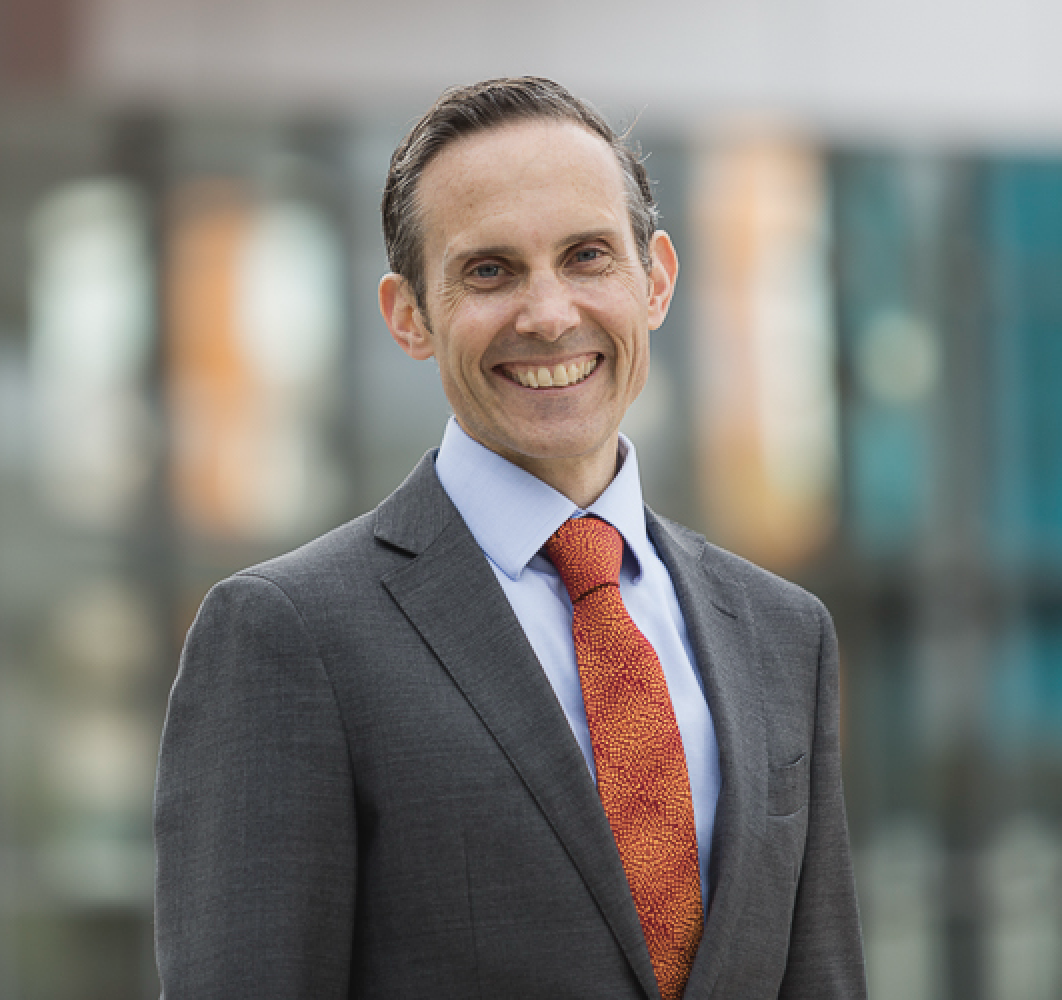
“The standards stay high. The process gets simpler,” he told the dinner. “Community charities will meet the rules. Regulators will assess compliance. Good governance and public accountability will remain central.
“But the model has earned a clearer path. The category is established. The regulators understand the task. A local foundation that satisfies the law should be able to move through the regulatory system directly.”
Since coming to power, the Albanese government had created the community charity DGR category so that community foundations could have a more suitable home in the tax system, he said. Dozens of community foundations were declared as community charities earlier this year, allowing them a pathway to DGR endorsement from the tax office.
The planned changes would see the Australian Charities and Not-for-profit Commission (ACNC) determine a community foundation’s charity status, as it does now, with the Australian Taxation Office having the power to sign off on DGR status.
“This means clearer pathways, faster decisions, better use of donors’ goodwill, and more resources flowing to the communities ready to put them to work,” Leigh said.
“Community foundations have shown what they can do. Now we are giving the model more room to grow.”
Leigh has been a passionate supporter of community foundations as a fast-growing component of the giving sector, praising their focus on local assistance, populations and grassroots charity.
Noting the decline in volunteering rates across Australia, as well as a decline in community engagement and trust, Leigh said community foundations had a critical role to play in rebuilding social capital.
“We need more places where Australians gather around shared purpose,” he said. “We need structures that help local generosity become durable. We need ways for people to act together without waiting for permission from a distant institution.”
That is what community foundations do, he said.
“For many years, community foundations in Australia operated with a structural handicap,” Minister Leigh said. “The old framework made it harder for local foundations to attract certain kinds of support and harder to direct resources to grassroots organisations that lacked deductible gift recipient status.
“The sector lived with a frustrating contradiction. Community foundations were trusted locally, but the national rules did not fully recognise the way they worked.
“That has changed,” he said.
“Community foundations have shown what they can do. Now we are giving the model more room to grow.”
Creating the community charity DGR category was “the biggest update to the category since it was established in 2024. It meant community foundations across Australia could move from advocacy to activation,” he said.
Leigh said all this work was connected to the government’s north star of doubling philanthropic giving by 2030.
“That goal will require generosity from those with substantial wealth,” he said. “As the Productivity Commission’s report made clear, it will require better giving vehicles, stronger foundations, more bequests, and a culture in which giving is normal rather than exceptional.
“Our government has already adopted practical reforms, including boosting the minimum distribution amount for Giving Funds, and scrapping the $2 donation deduction threshold to encourage round-up for charity efforts,” he said.
“It will also require more doors into philanthropy. Community foundations can be one of those doorways. They can be the place where someone makes a first gift and discovers that generosity is habit-forming. They can be the place where a family starts talking about what they want their wealth to do after they are gone. They can be the place where a small business invests in the town that has supported it,” he said.
“That is why the 10-year vision is so exciting.”
Leigh’s vision is to mirror Canada, which he said had more than 200 community foundations, embedded into the civic landscape.
“Imagine if Australia did the same: creating four new community foundations for every one that exists today,” he said.
“A network of 200 Australian community foundations would change the texture of giving in this country. It would mean more communities with a permanent local asset. It would mean more towns able to receive a bequest from someone who loved the place and wanted that love to keep working. It would mean more local organisations able to find a partner who understands the terrain.”
The minister said he hoped that the next decade would be dominated by the rise of community foundations as part of everyday Australian civic architecture. This would lead to more trusted places where people could give locally, bridge local generosity and lasting change, create shared strength and durable institutions, give communities a stronger voice in their future and make philanthropy feel more personal, more open and more accessible, he said.
Leigh’s speech was to acknowledge the work of Community Foundations Australia’s retiring CEO, Ian Bird, in transforming the sector in Australia and bringing Canadian expertise to our shores, and to welcome incoming co-CEOs Georgia Mathews and Dylan Smith.
Posted on 07 Oct 2026
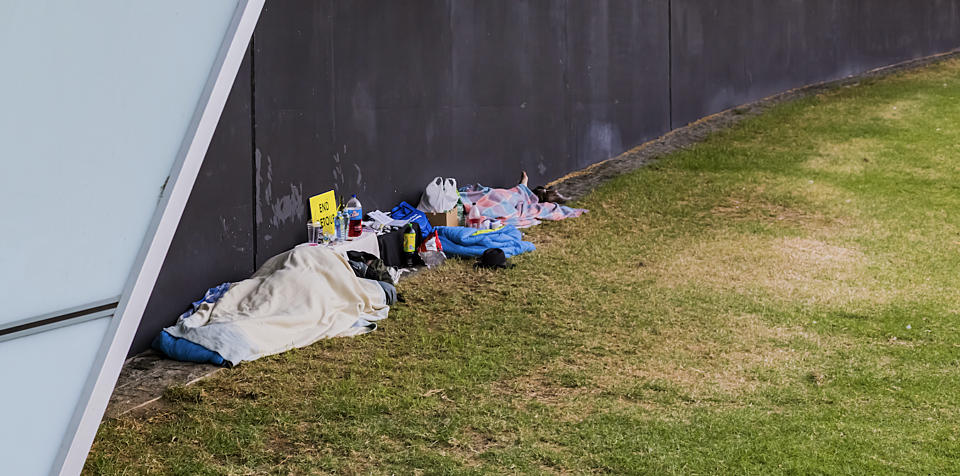
A major public campaign launched this morning is calling on the federal government to restore…

Posted on 07 Oct 2026
The Australian Literacy & Numeracy Foundation (ALNF) has announced a partnership with mining…
Posted on 07 Oct 2026
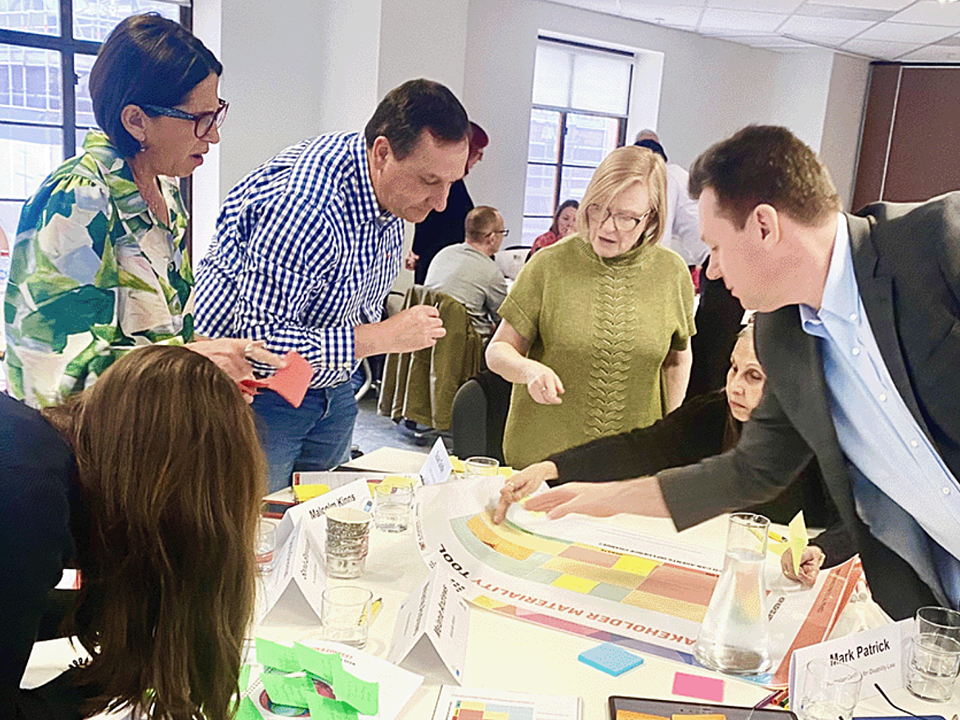
A conference in Darwin will this morning hear detailed, strategic plans for how Australia could…

Posted on 30 Sep 2026
Not-for-profit leaders have been warned to be wary of approaches from potential “funding partners”…
Posted on 30 Sep 2026
More than 200 fully funded Centre for Social Impact (CSI) scholarships will help equip for-purpose…

Posted on 30 Sep 2026
Personal stories are among the most powerful tools a charity can have to raise funds and awareness,…

Posted on 23 Sep 2026
A just-released major global survey of charities has found that demand for charity assistance has…
Posted on 23 Sep 2026
Fresh from welcoming delegates to last week’s Philanthropy Australia conference in Brisbane,…

Posted on 23 Sep 2026
A national strategy to develop Australia's regional cities is needed to break the housing…

Posted on 23 Sep 2026
Eight years after a report to Treasury first suggested the charities regulator should be more…

Posted on 17 Sep 2026
Australia’s biggest gathering of philanthropists, which drew more than 1200 delegates to Brisbane…
Posted on 16 Sep 2026
A new partnership between Paul Ramsay Foundation (PRF) and Atlassian Foundation aims to attract…