
Save Izzy: campaign calls on government to restore funding for vital services directory
Posted on 07 Oct 2026
A major public campaign launched this morning is calling on the federal government to restore…
Posted on 07 May 2026
By Nick Place, journalist, Community Directors
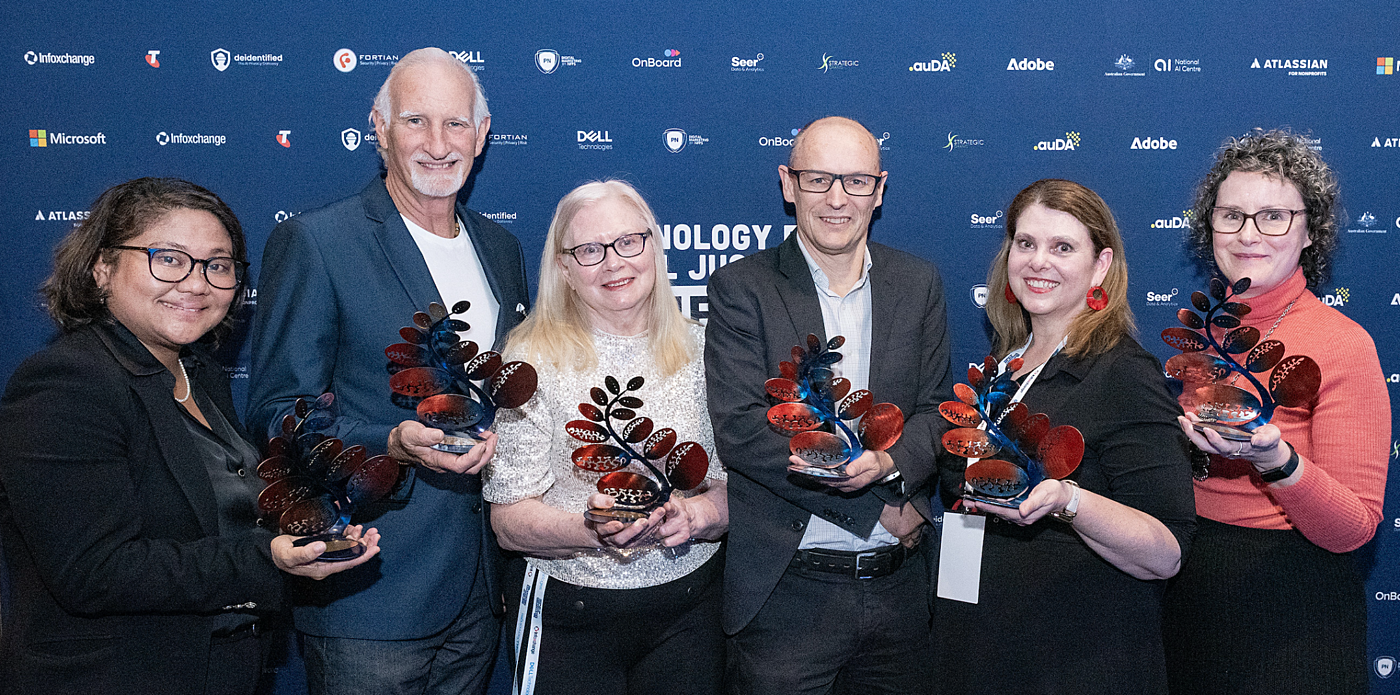
A bold use of new technology to transform a contact centre phone line into a genuinely national lifeline has seen the ADHD Foundation named the Not-for-profit Technology Innovator of the Year at the 2026 Australian Not-for-profit Technology Awards.
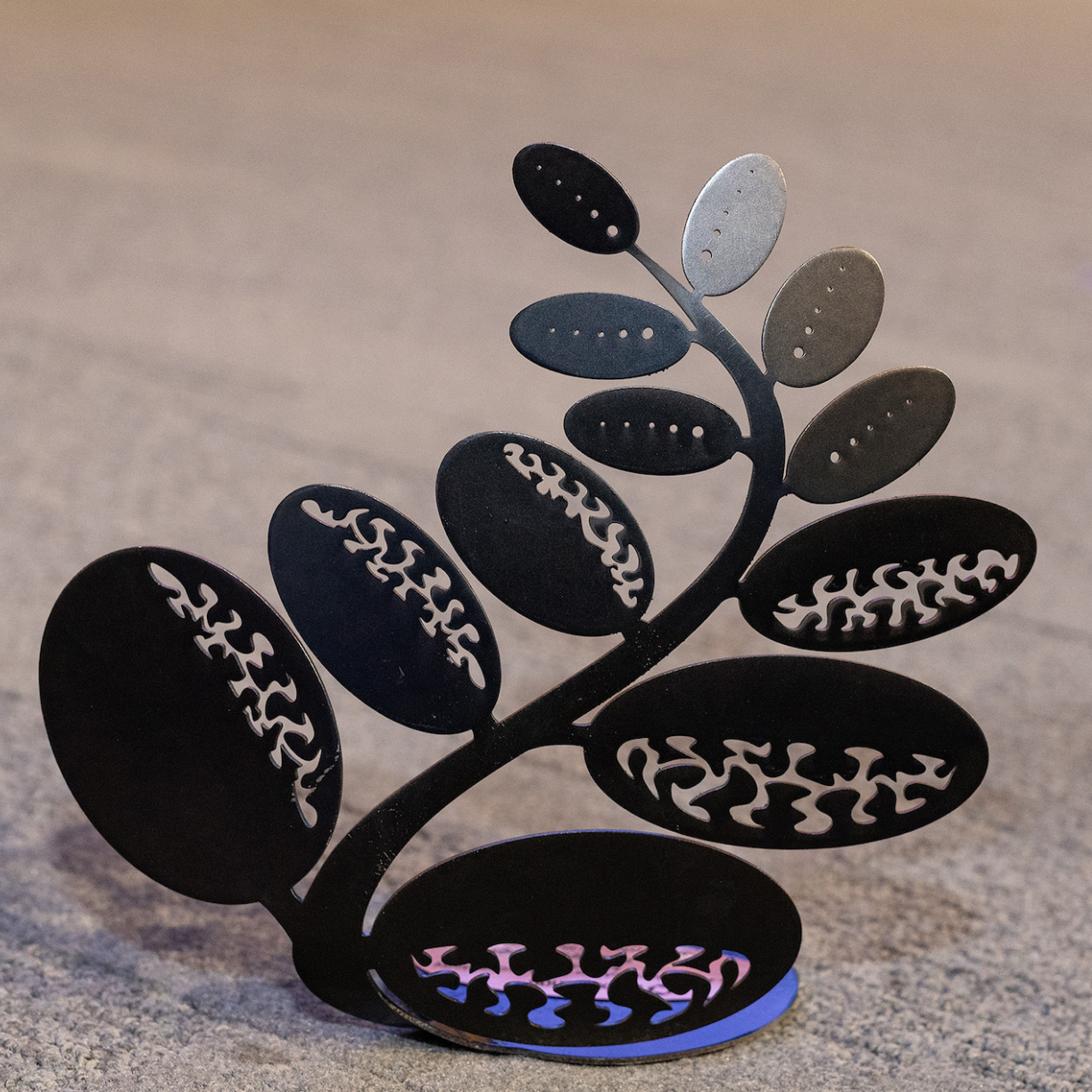
The award was one of six announced last night as part of the 2026 Technology for Social Justice Conference, convened by Infoxchange.
The ADHD Foundation won for its national mental health volunteer contact centre transformation, which used three integrated platforms (Bitrix24, Zanda and Doxy) to transform a single desk phone into a genuine Australia-wide lifeline.
The foundation’s innovative use of technology has enabled more than 15,000 families each year to access support that did not previously exist.
“It’s phenomenal and humbling and at the same time surprising, because when we started ADHD Foundation in 2017 it was a single phone and everything was on a piece of paper,” said Amit Pant, head of technology at the ADHD Foundation.
Pant said the award was a surprise, because “the people who built this didn’t think of themselves as innovators. They thought of themselves as volunteers who saw a gap, and decided to do something about it.”
He also emphasised that SDHD Foundation’s work was not about the technology – an undercurrent to so many of the NFP Technology award-winners and nominees. “None of this is about platforms or systems,” he said. “It’s about a parent who finally understood their child. An adult who discovered their lifelong struggles had a name and a pathway forward. A person in rural Australia who spoke to someone about their ADHD for the very first time.
“Every number has a human being behind it.”
Care organisation Uniting NSW/ACT won the Best Use of AI for Community Impact award for its deeply embedded, practical and intuitive use of an AI assistant, Buddy.
Developed and implemented in conjunction with Uniting’s care workers – whose involvement was necessary to ensure they trusted the process – the AI assistant is now saving many hours of grunt work for a cohort of carers struggling to keep up with the twin jobs of caring for clients and ticking compliance and reporting boxes.
Buddy has streamlined workflows and boosted productivity thanks to multilingual voice-to-text progress notes, automated translation and integration with clinical systems. It can also provide workers with instant in-situ policy guidance and access to enterprise systems to improve staff efficiency and client intake.
In the popular Best Accidental IT Person category, Success Works Partners’ Gemma Kollios took out the award. Gemma’s name might sound familiar if you read the Community Advocate two weeks ago, where Gemma spoke openly and bravely about her path from being an unemployed convicted criminal to unlocking her natural instincts for all things technical at Success Works Partners.
Gemma has transformed Success Works Partners’ technology landscape, leading CRM implementation, digital systems, staff training, and the development of client-facing tools, modernising operations, improving reporting and strengthening service delivery.
“From AI-powered tools and data platforms to human-centred service design, these finalists represent the leading edge of technology for social justice.”
The Technology Volunteer of the Year award went to Andrew Redfern from the Society of Australian Genealogists, who was saluted for leading a complex and comprehensive technology transformation at the society, including infrastructure upgrades, a transition to Microsoft 365, and new IT systems. He has also delivered digital skills programs and fostered an AI learning community within the organisation.
The high profile and highly impactful charity Good360 Australia triumphed in the award for Best Use of Data for Community Impact.
Good360 Australia’s success has been in collating retailer stock information and other major data streams, before harnessing it to turn surplus goods into life-changing support, reshaping access to essential items, strengthening thousands of charities, and influencing national policy.
The judges said they were impressed by Good360’s ability to combine real-time insights, sector intelligence and independent analysis, allowing the organisation to transform evidence into action and drive system-level change.
The final victor last night was Vital Projex/VitalHub, which was named as Technology for Community Impact winner for its project “Tech–Compassion Synergy”.
Vital Projex/Vitalhub’s work has integrated four technologies – including proprietary solutions – to deliver rapid, life-saving interventions in youth mental health crises.
The impact has been profound, with the model transitioning 42 per cent of high-suicide-risk youth out of immediate crisis in a single session, and offering a scalable, evidence-based service for regional and rural Australia.
The winners came from a short list whittled from 70 entrants across the categories.
Heading into last night’s ceremony, the judges (David Crosbie, Jo Szczepanska, Brenz Saunders, and Jackie Coates) said this year’s entries showed that not-for-profits were not only adopting technology, but actively shaping it to better serve communities, improve outcomes, and respond to increasingly complex challenges.
“From AI-powered tools and data platforms to human-centred service design, these finalists represent the leading edge of technology for social justice,” a joint judges statement said. “This year’s finalists are redefining what’s possible when technology meets purpose – improving services, scaling impact, and supporting communities in new and powerful ways.”
Not-For-Profit Technology Innovator of the Year
Best Use of AI for Community Impact
Best Accidental IT Person
Technology Volunteer of the Year
Best Use of Data for Community Impact
Technology for Community Impact
Posted on 07 Oct 2026
A major public campaign launched this morning is calling on the federal government to restore…

Posted on 07 Oct 2026
The Australian Literacy & Numeracy Foundation (ALNF) has announced a partnership with mining…

Posted on 07 Oct 2026
A conference in Darwin will this morning hear detailed, strategic plans for how Australia could…

Posted on 30 Sep 2026
Not-for-profit leaders have been warned to be wary of approaches from potential “funding partners”…
Posted on 30 Sep 2026
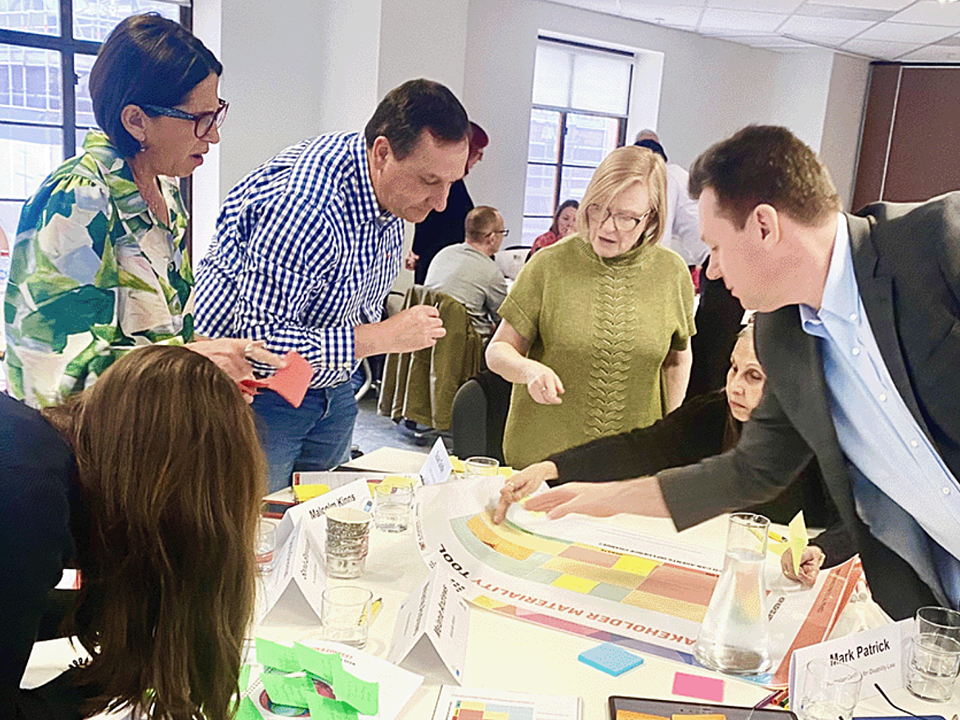
More than 200 fully funded Centre for Social Impact (CSI) scholarships will help equip for-purpose…

Posted on 30 Sep 2026
Personal stories are among the most powerful tools a charity can have to raise funds and awareness,…

Posted on 23 Sep 2026
A just-released major global survey of charities has found that demand for charity assistance has…
Posted on 23 Sep 2026
Fresh from welcoming delegates to last week’s Philanthropy Australia conference in Brisbane,…

Posted on 23 Sep 2026
A national strategy to develop Australia's regional cities is needed to break the housing…

Posted on 23 Sep 2026
Eight years after a report to Treasury first suggested the charities regulator should be more…

Posted on 17 Sep 2026
Australia’s biggest gathering of philanthropists, which drew more than 1200 delegates to Brisbane…

Posted on 16 Sep 2026
A new partnership between Paul Ramsay Foundation (PRF) and Atlassian Foundation aims to attract…