
Save Izzy: campaign calls on government to restore funding for vital services directory
Posted on 07 Oct 2026
A major public campaign launched this morning is calling on the federal government to restore…
Posted on 20 May 2026
By Nick Place, journalist, Community Directors
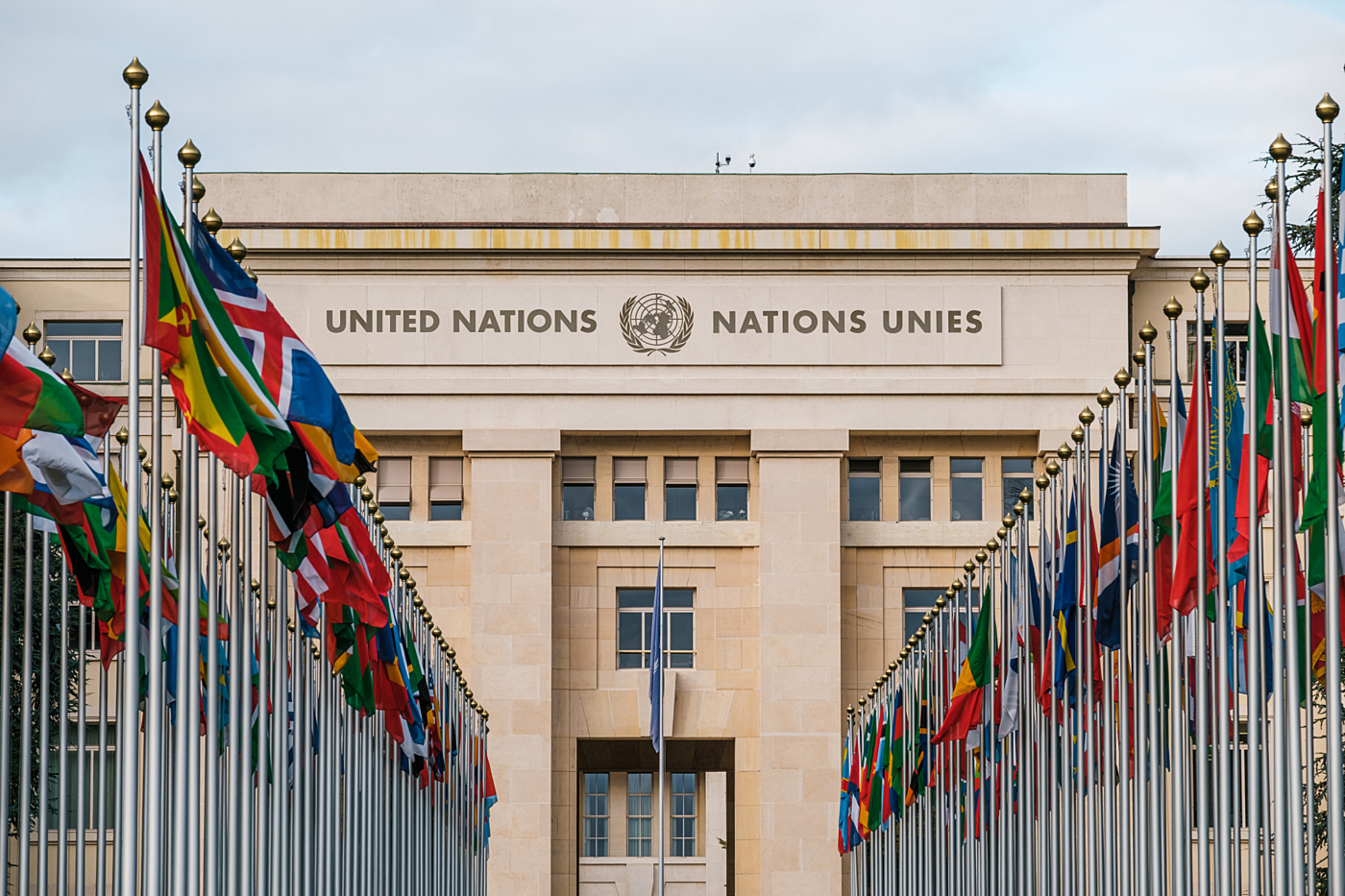
The United Nations has put Australia’s federal and state governments on notice over systemic and structural racial discrimination against Aboriginal and Torres Strait Islander communities.
The UN Committee on the Elimination of All Forms of Racial Discrimination (CERD Committee) has issued a statement under its “early warning and urgent action” procedure, demanding Australia correct the persistent overrepresentation of Indigenous children in the nation’s criminal justice system.
The action comes thanks to an official complaint about the behaviour of Australian governments in dealing with Indigenous and Torres Strait Islander communities, lodged in early 2025 by prominent human rights lawyers Professor Megan Davis AC and Dr Hannah McGlade. Both have had long and decorated careers as legal experts and chroniclers of failures by governments regarding the rights of Indigenous peoples, including for United Nations forums.
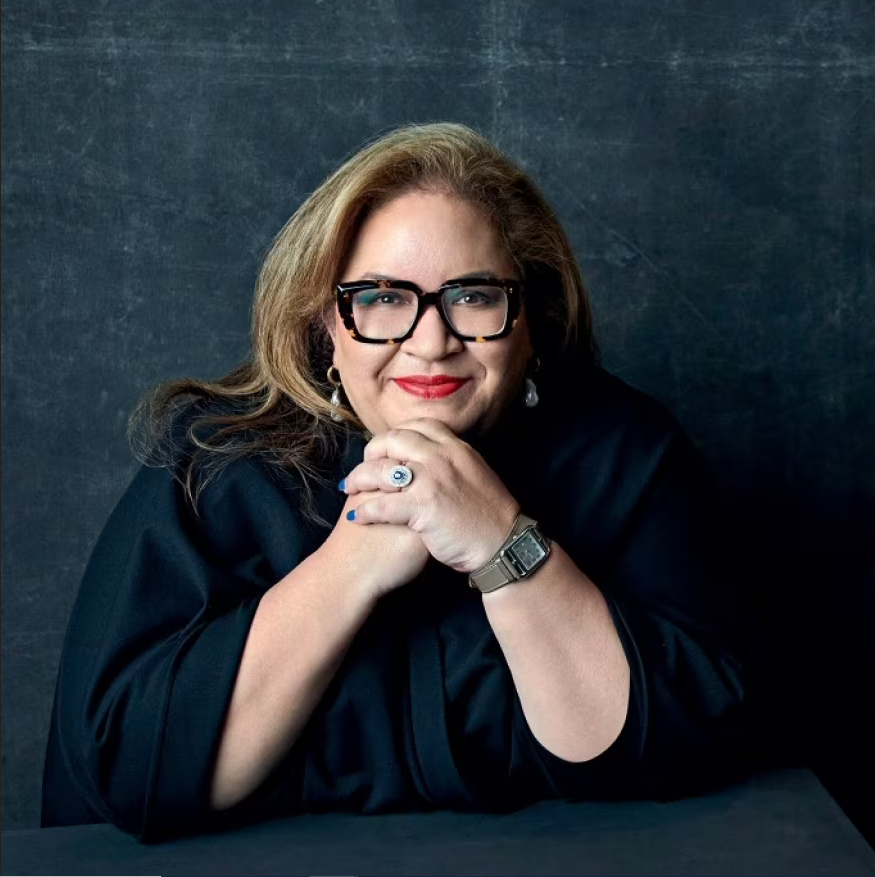
Davis is a Cobble Cobble woman from southeast Queensland and of South Sea Islander descent, while McGlade is a Bibbulmun Noongar woman from Western Australia.
Writing about the UN action this week on her Substack, Davis said that not only did Australia have responsibilities to do better as a signatory, since 1975, to the International Convention on the Elimination of All Forms of Racial Discrimination, but it had passed the federal Racial Discrimination Act that same year, “as the only UN human rights treaty that has been fully implemented (almost fully) into domestic law.”
The CERD Committee was created to observe UN members’ progress in implementing the convention, with Australia monitored periodically and required to report to CERD.
However, Davis and McGlade’s complaint last year flagged that the federal, state and territory governments were all continuing to operate in ways that breach the CERD convention.
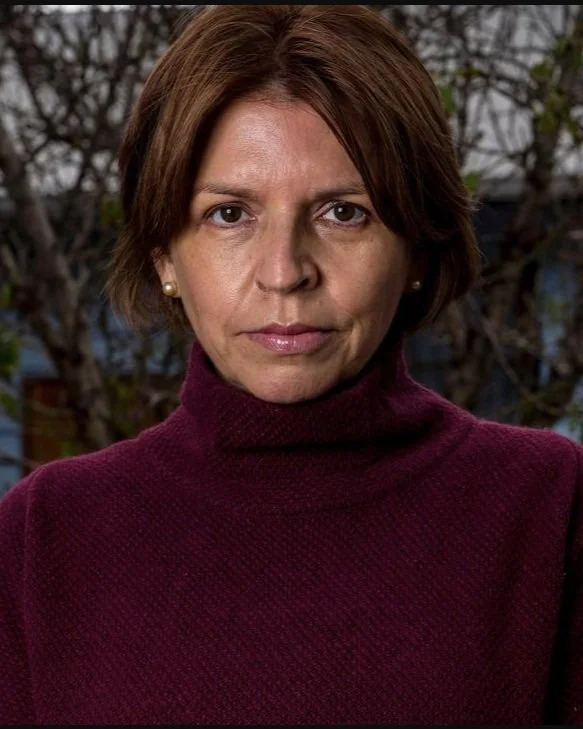
The committee first responded to the complaint with a letter to Australia’s representative at the UN in Geneva, Emily Roper, on May 12, 2025, raising concerns, but it has now upgraded those concerns to an official statement demanding action.
“Aboriginal and Torres Strait Islander children accounted for about 65 per cent of children in detention on an average day in 2023–24, despite making up only 6.5 per cent of children aged 10–17 in Australia, according to information received by the Committee,” the UN said in a media release accompanying the official statement.
The committee “expressed grave concern that Indigenous children and communities continue to face racial discrimination in the enjoyment of economic, social and cultural rights, including education, healthcare, social security and housing.”
“Racial profiling in law enforcement operations and the over-policing that lead to higher incarceration rates among Indigenous children” were also of deep concern, the committee added.
The CERD Committee found that in several Australian states and territories, the minimum age of criminal responsibility was lower than the threshold under international human rights law and standards – in some cases as low as 10 years old.
The committee expressed concern that some Australian laws allow “harsh adult penalties to be applied to Indigenous children, including life imprisonment in some cases,” and “grave concerns” about the conditions faced by Indigenous children in detention, including “solitary confinement for prolonged duration, ill-treatment and the use of spit hoods, and cases of self-harm and suicide.”
Racial profiling and over-policing, the committee stated, continue to contribute to the high incarceration rates of Indigenous children.
“Too many Aboriginal and Torres Strait Islander children are being subjected to extensive trauma, cruel, inhuman and degrading treatment.”
The statement recognised that the Australian federal government has established the National Commission for Aboriginal and Torres Strait Islander Children and Young People, as well as the National Justice Reinvestment Program and the Indigenous Advancement Strategy, but the committee said it remained concerned about a lack of information about whether any of those initiatives had been effective.
It noted the federal government’s delays in implementing recommendations of the National Children’s Commissioner’s report on ways to transform the youth justice system and said it was monitoring the “limited progress under the National Agreement on Closing the Gap, which includes a target to reduce the rate of Indigenous children in detention by at least 30 per cent by 2031.”
Davis said while these various commissions, agreements and programs are being questioned for effectiveness, structural racial discrimination is clear to see in practice. “It looks like low attendance rates and high dropout rates in education, inadequate and limited access to healthcare and social security, and poor housing conditions,” she wrote. “These make young people vulnerable to offending and reoffending.”
The CERD Committee’s statement was clear about actions Australia needs to take to meaningfully address the UN’s “grave concerns”.
It said Australia needed “to intensify and accelerate its efforts to eliminate racial discrimination against Indigenous children, including its institutional and systemic dimensions, in the administration of criminal justice and to address the persistent overrepresentation of Indigenous children in the criminal justice system.”
National and state legislation needed to be reviewed and analysed for potential discriminatory effects on the rights of Indigenous children, especially racial profiling by law enforcement officials. Detention conditions also needed to be improved in line with international standards to ensure Indigenous children who are “deprived of liberty have access to medical care, legal counsel, adequate food, social services and their families.”
“Across Australia, there is a crisis of mass incarceration of Aboriginal and Torres Strait Islander children, who are put behind bars at rates that are grossly disproportionate to non-Indigenous children,” the UN statement said. “Australian governments are not on track to meet the nationally agreed target for reducing the incarceration rate of Aboriginal and Torres Strait Islander children by 2031.”
“Imprisoning children causes irreversible harm and even death. In 2023–24 alone, there were 162 recorded instances of self-harm and attempted suicide by Aboriginal and Torres Strait Islander children in custody across Australia.
“Too many Aboriginal and Torres Strait Islander children are being subjected to extensive trauma, cruel, inhuman and degrading treatment, segregation from society, exclusion from their own community, exclusion from culture and loss of life because of the criminal legal system. No more can be lost or harmed.”
The committee said it was alarmed that Australian states seemed to be escalating the problem, rather than solving it, with the passage of “unprecedented regressive and discriminatory legislation in the Northern Territory, Queensland and Victoria.”
The federal government “has failed to treat the escalating youth justice crisis with the urgency it requires,” it said.
Read Prof Megan Davis and Dr Hannah McGlade’s complaint here.
Read the UN’s official early warning and urgent action statement here.
Prof Davis’s Substack is here.
Posted on 07 Oct 2026
A major public campaign launched this morning is calling on the federal government to restore…
Posted on 07 Oct 2026
The Australian Literacy & Numeracy Foundation (ALNF) has announced a partnership with mining…
Posted on 07 Oct 2026
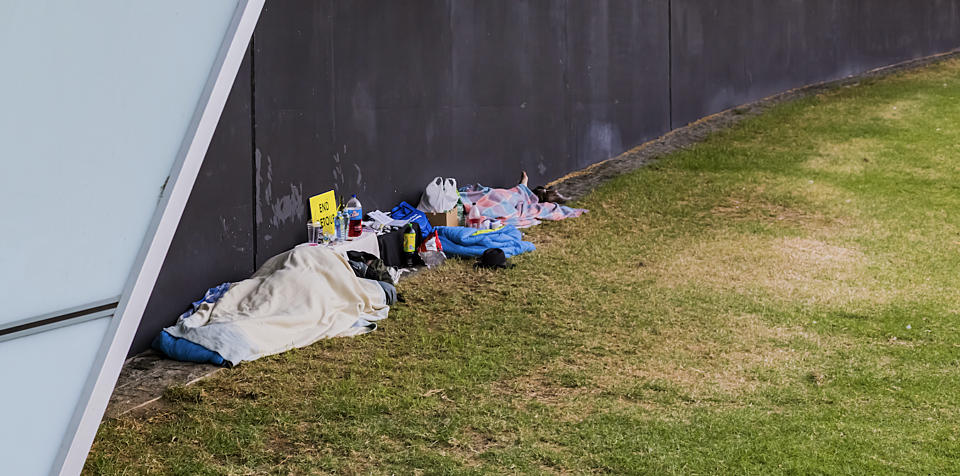
A conference in Darwin will this morning hear detailed, strategic plans for how Australia could…
Posted on 30 Sep 2026
Not-for-profit leaders have been warned to be wary of approaches from potential “funding partners”…

Posted on 30 Sep 2026
More than 200 fully funded Centre for Social Impact (CSI) scholarships will help equip for-purpose…

Posted on 30 Sep 2026
Personal stories are among the most powerful tools a charity can have to raise funds and awareness,…
Posted on 23 Sep 2026
A just-released major global survey of charities has found that demand for charity assistance has…
Posted on 23 Sep 2026
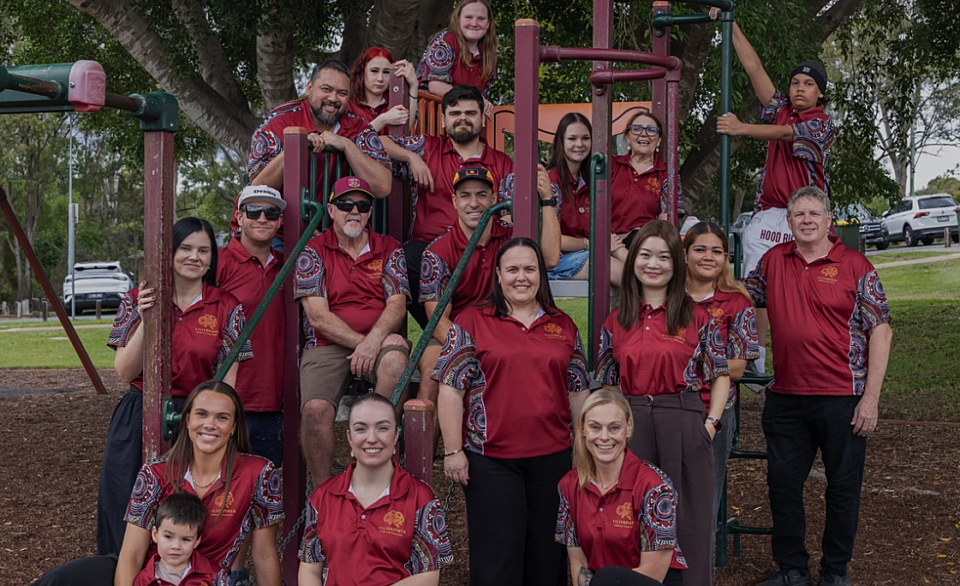
Fresh from welcoming delegates to last week’s Philanthropy Australia conference in Brisbane,…

Posted on 23 Sep 2026
A national strategy to develop Australia's regional cities is needed to break the housing…

Posted on 23 Sep 2026
Eight years after a report to Treasury first suggested the charities regulator should be more…

Posted on 17 Sep 2026
Australia’s biggest gathering of philanthropists, which drew more than 1200 delegates to Brisbane…
Posted on 16 Sep 2026
A new partnership between Paul Ramsay Foundation (PRF) and Atlassian Foundation aims to attract…