Billion-dollar community funding pool is making a difference
Posted on 21 Oct 2026
Backed by tangible successes and government support, community foundations are gaining momentum as…
Posted on 29 Apr 2026
By Nick Place, journalist, Community Directors
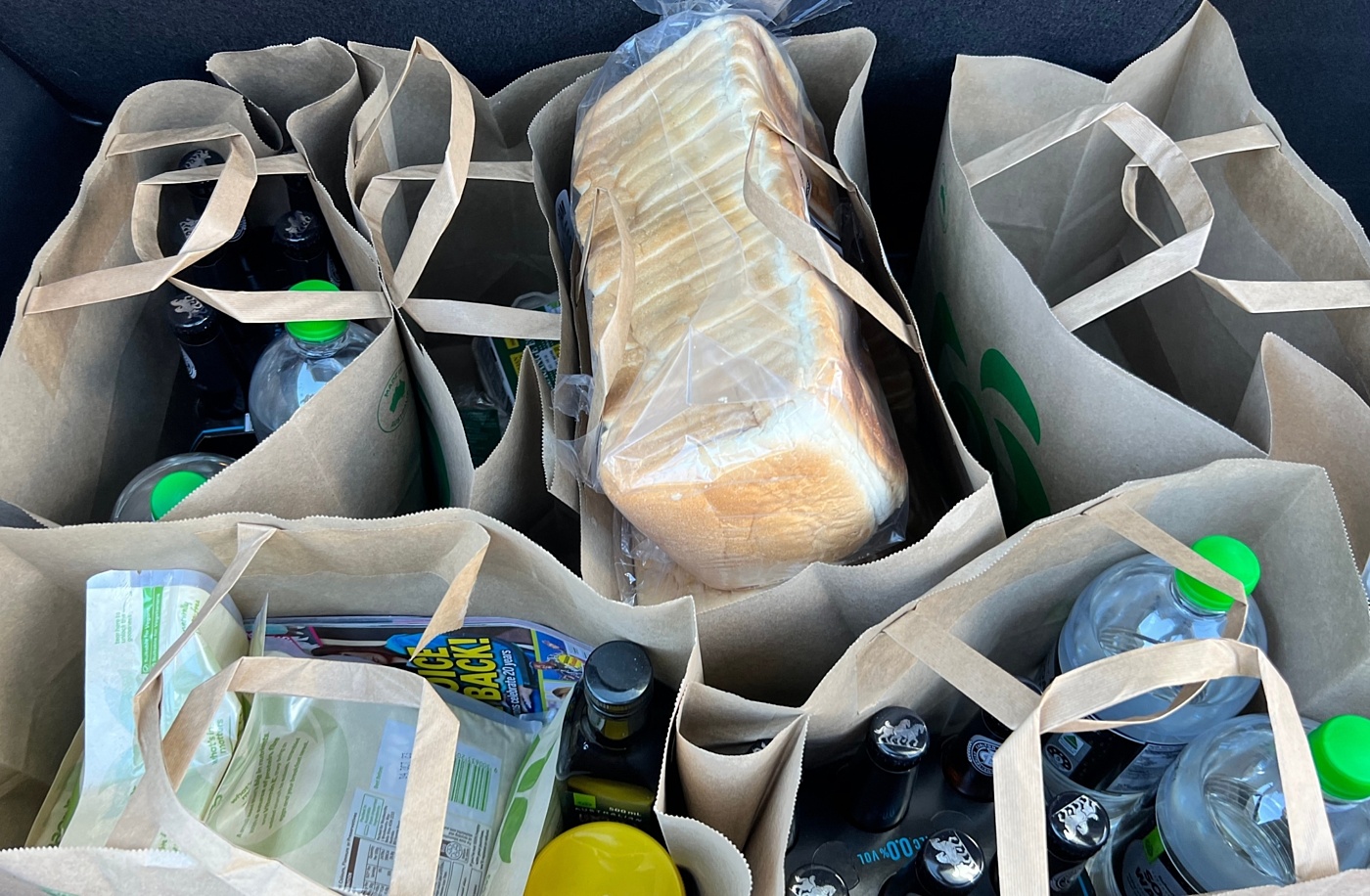
A survey by food insecurity charity Second Bite has made the astonishing discovery that more than half (57 per cent) of those surveyed are worried they may not be able to afford food in the coming months.
“When we saw that stat, we were a bit blown away ourselves,” Second Bite CEO Daniel Moorfield told the Community Advocate. “At the start of the year, I would tell people that one in three households were food insecure and most people would reply: ‘Really?’ And that was before all these fuel issues.”
Second Bite’s Food Insecurity Sentiment Survey, created in conjunction with YouGov, confirmed that financial pressures on Australians are still rising, with the ongoing cost-of-living crisis now joined by the fuel crisis. In fact, 94 per cent of those surveyed said they were concerned about rising costs over the next six months, with 62 per cent nominating food as their most pressing concern.
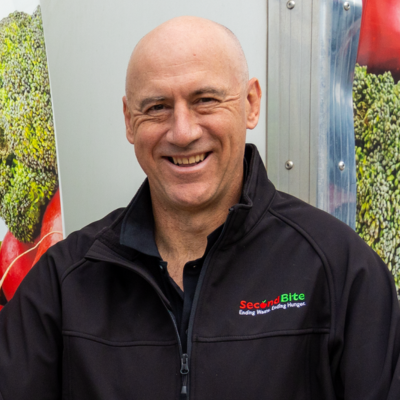
“Food insecurity in Australia is at an all-time high, and this data shows it’s going to get worse before it gets better,” said Moorfield who is calling on the government for surge funding to help Second Bite and other food insecurity charities cope with the increased demand.
“Right now, more Australians are being forced to choose between putting petrol in the car and putting food on the table,” he said.
Second Bite’s research has also found that people who have never before needed food assistance are now requiring support, and Moorfield said there was no shame in admitting you were battling.
“If I tell you that 57 per cent of people are worried about this, then you’re not alone if you’re worried and there shouldn’t be any stigma if you’re struggling,” he said. “I spoke to some of our partners and people right now are choosing between rent, fuel and food. It’s scary.”
There is no quick fix, either, as the flow-on effects of the fuel crisis, caused by the USA-Iran war, are yet to fully show themselves.
“I think it’s going to be pretty bad,” he said. “It’s not so much fuel that’s going to be the issue. Food is going to be the big one, in the coming months, because a lot of the fuel price impacts have yet to flow into the food costs.”
Moorfield said food being produced now will be priced to include the increased price of fuel and fertilizer, and that will inevitably be passed on to consumers. “I know supermarkets are under a lot of pressure, but they’ll have to pass the price rises on because if they don’t, they won’t make as much money and the food producers won’t make as much money,” he said. “A lot of the food manufacturers are struggling so for them to absorb the fuel price increases without raising prices won’t happen.”
“We’re ready to help but we’re already under pressure. Without government support, the system won’t be able to keep up with the level of demand we’re seeing.”
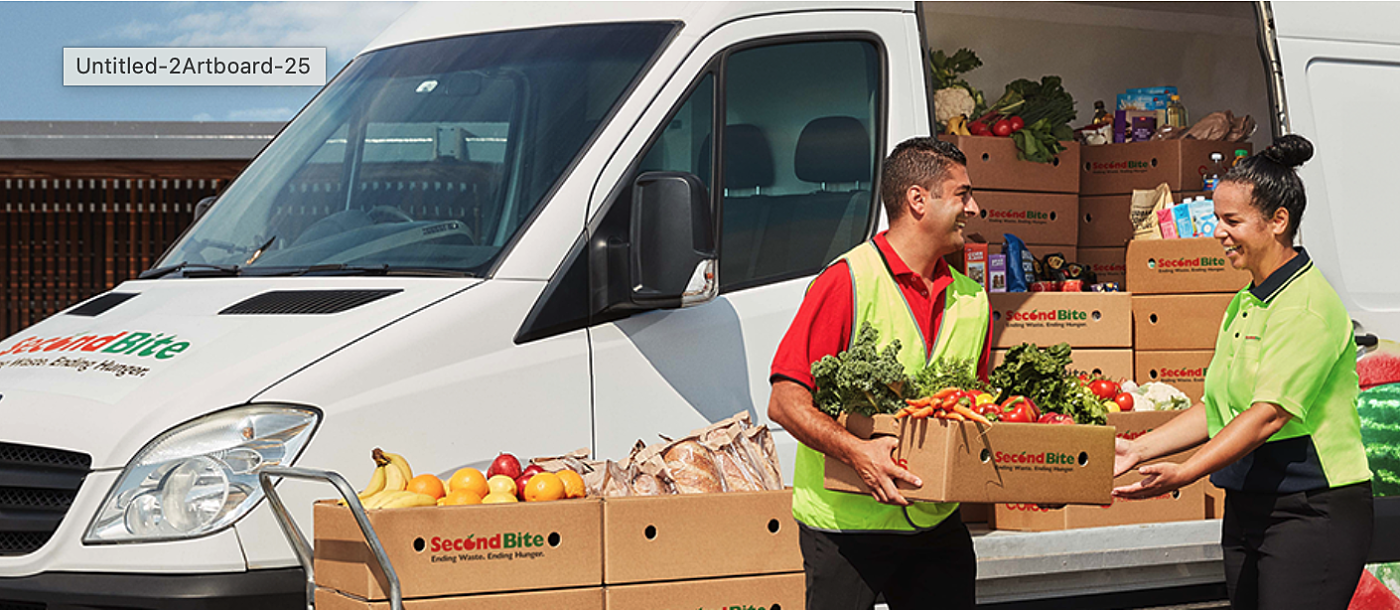
The survey found that 79 per cent of Australians had already made or would consider making changes to their eating habits because of cost pressures, 42 per cent were using or were considering using cheaper or less ingredients, and one in five were contemplating skipping meals. Even in terms of physically getting food, 57 per cent of those surveyed said transport costs had impacted their ability to travel to access food supplies.
Moorfield said regional and rural areas were under the most pressure, because of distances and fuel costs.
As well as the survey, Second Bite conducted a “pulse check” across its network of charity partners – from other food insecurity organisations to churches, community centres, schools, women shelters and Indigenous health services – and said all were under increased pressure.
“What we’re hearing from our charity partners right across the country is that demand is increasing in every community and from people who have never needed help before,” Moorfield said.
“In some cases, people can’t even afford to travel to access support, while our partners are facing the reality of running out of food as demand continues to rise.”
Off the back of the survey, Moorfield said Second Bite had teamed with fellow organisations such as Food Bank and OzHarvest to request federal government support in the form of surge funding. “The next six months are going to be tough and we hope it (surge funding) is in the Budget. I haven’t heard no, it isn’t, but I haven’t heard yes. I know the government has discussed it so that’s something we’re hopeful for, because everybody will need it,” he said. “We’re ready to help but we’re already under pressure. Without government support, the system won’t be able to keep up with the level of demand we’re seeing.”
At a community level, Moorfield said he had faith that Australians would support one another, as we historically do.
“It'll be interesting just what plays out over the coming months because we’re potentially going to have a double whammy,” he said. “If fuel prices stay up and we’ve got the food inflation coming, then those stats saying 57 per cent are worried (about whether they’ll be able to afford food) might turn into reality. That’s the bit that’s scary.
“We know that this is coming, but I always come back to Australians are great in a crisis and they’re great at supporting each other. I think the next couple of months will be tough, but Australians do support each other really well. If you can, get behind your friends, your family, your neighbours, shout them that lunch, shout them that dinner. have friends over to create that community. Check that they’re eating, that they’ve got enough food, because there are going to be a lot of people struggling who won’t put their hand up.”
Posted on 21 Oct 2026
Backed by tangible successes and government support, community foundations are gaining momentum as…
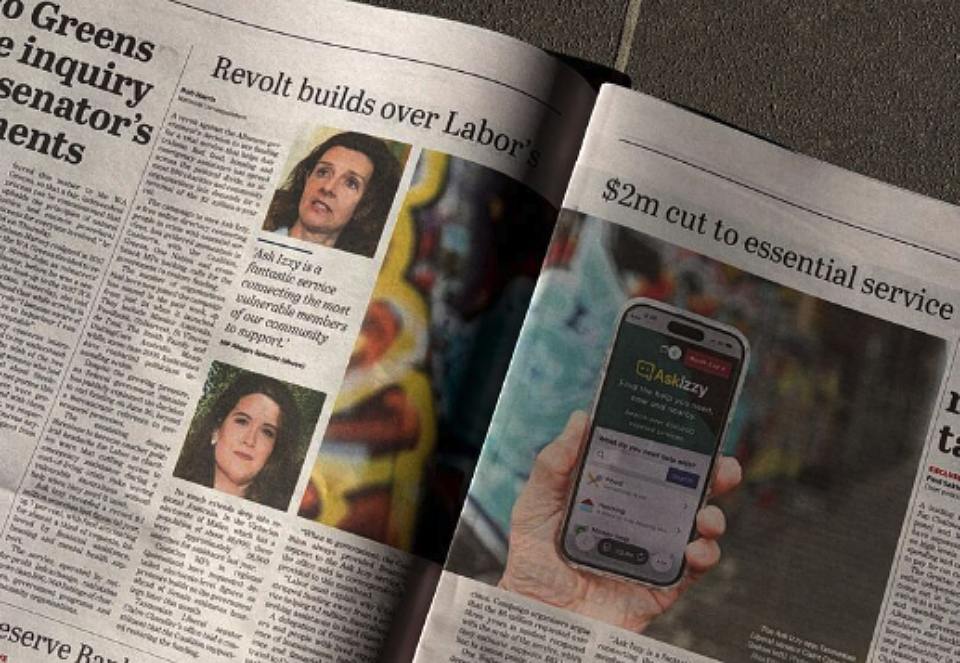
Posted on 21 Oct 2026
A national campaign to restore federal funding for Ask Izzy has attracted such strong grassroots…
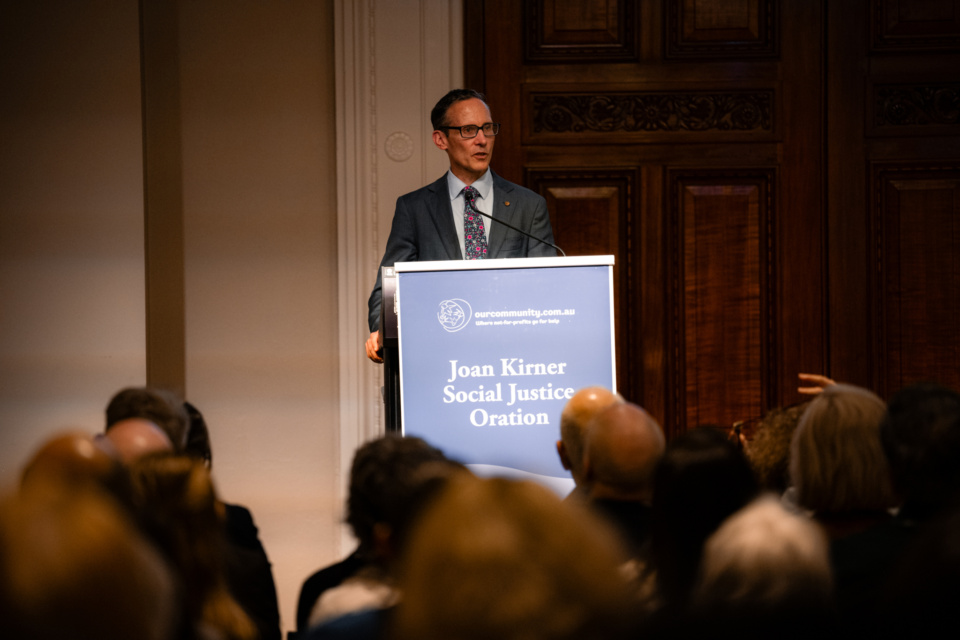
Posted on 21 Oct 2026
In the wake of an act of violence against federal independent MP Helen Haines, Charities Minister…

Posted on 21 Oct 2026
If your charity takes a stance that happens to align with a political party’s stance in a public…

Posted on 14 Oct 2026
The federal government’s special envoy for social housing and homelessness, Josh Burns MP, has…

Posted on 14 Oct 2026
The Reserve Bank’s move to ban card payment surcharges has led to complications for charities and…

Posted on 14 Oct 2026
A special guest with her finger on the pulse of one of the biggest issues facing Australia –…

Posted on 07 Oct 2026
A major public campaign launched this morning is calling on the federal government to restore…
Posted on 07 Oct 2026
The Australian Literacy & Numeracy Foundation (ALNF) has announced a partnership with mining…
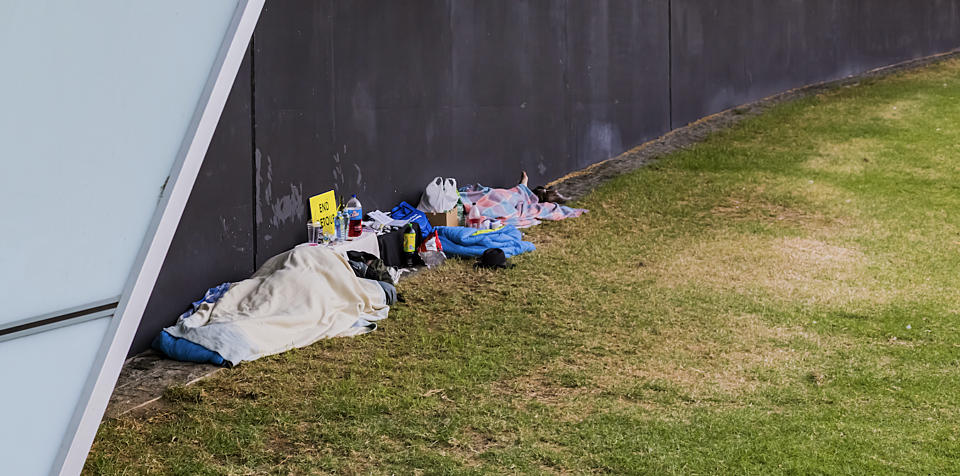
Posted on 07 Oct 2026
A conference in Darwin will this morning hear detailed, strategic plans for how Australia could…

Posted on 30 Sep 2026
Not-for-profit leaders have been warned to be wary of approaches from potential “funding partners”…
Posted on 30 Sep 2026
More than 200 fully funded Centre for Social Impact (CSI) scholarships will help equip for-purpose…