
Save Izzy: campaign calls on government to restore funding for vital services directory
Posted on 07 Oct 2026
A major public campaign launched this morning is calling on the federal government to restore…
Posted on 04 Mar 2026
By Nick Place, journalist, Community Directors
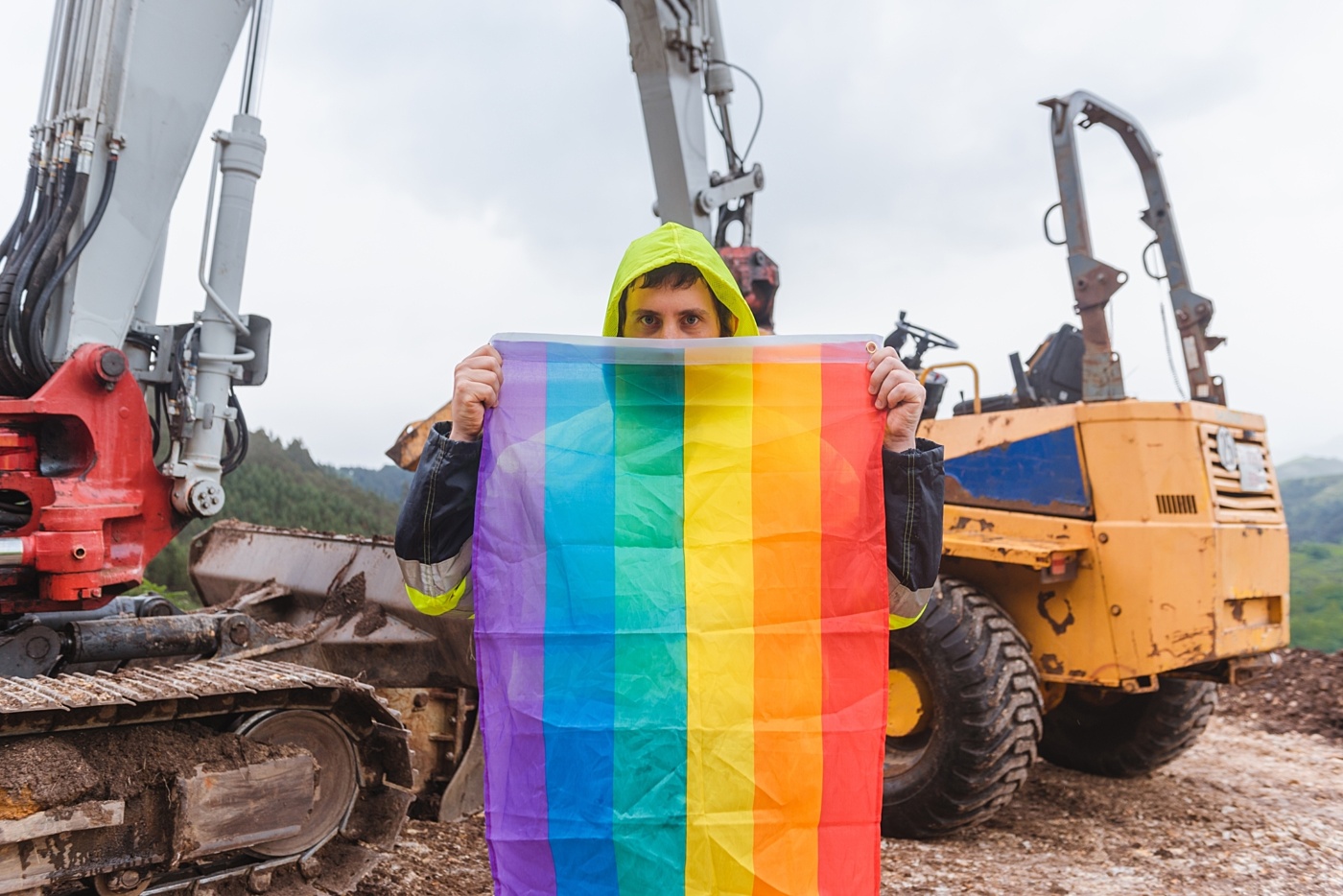
New research from Diversity Council Australia (DCA) has found that even as one in four workers reported suffering harassment or discrimination at work, the vast majority said they would like to see better diversity and inclusion.
The 2025–26 Inclusion@Work Index is the fifth instalment of a DCA biennial research series mapping inclusion across the Australian workforce, drawn from a nationally representative sample of 3000 workers across Australia every second year since 2017.
The project’s consistent message over the years has been that the vast majority of workers (76 per cent in the latest data) support their organisation taking action to create a diverse and inclusive workplace.
The latest figure is slightly higher than in the previous report in 2023–24 (74 per cent) and shows the level of support for inclusive workplaces remains consistently strong.

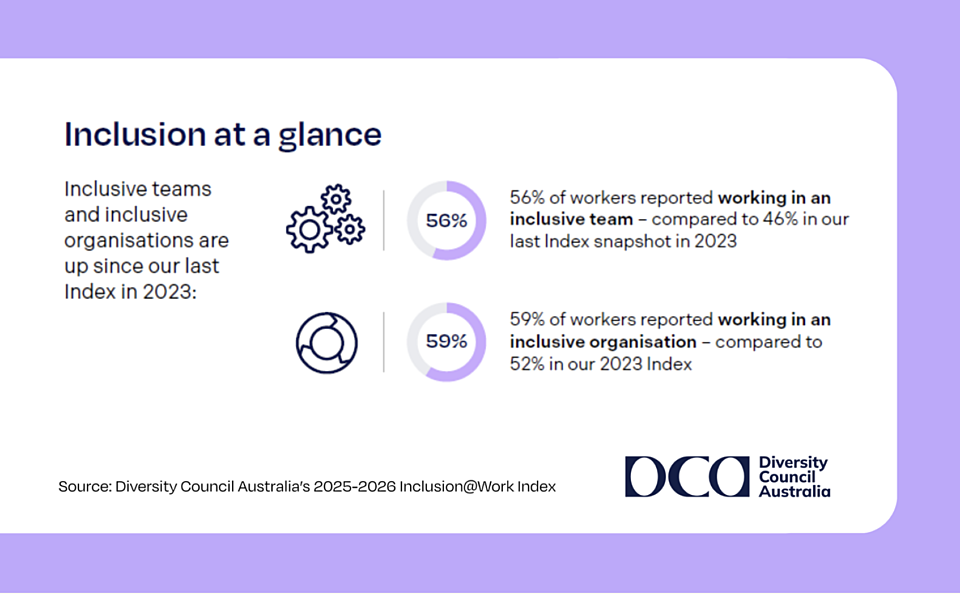
More than half of workers (56 per cent) reported that they felt they were part of an inclusive team, 10 percentage points higher than in the last report, and 59 per cent said they worked in an inclusive organisation – also up on 2023–24, by five percentage points.
On the flipside, five per cent of Australian workers surveyed said they opposed their organisation taking action on diversity and inclusion, but this was fewer than in the 2023–24 findings, where seven per cent were opposed.
A highlight of the findings by DCA was that the number of workers who felt their organisation was taking action on diversity and inclusion was at 62 per cent – the highest percentage recorded since the study began in 2017.
“The strength of this research series has always been its focus on workers’ voices,” said Catherine Hunter, CEO of Diversity Council Australia.
“While commentary about diversity and inclusion comes and goes, workers across Australia are telling us they continue to back action that creates fairer and more inclusive workplaces, and opposition remains low.
“These findings reinforce that employees recognise the benefits of inclusion, and Australian organisations are continuing to invest in building fairer, safer and more inclusive environments.”
The fact that 24 per cent of workers reported experiencing discrimination or harassment at work in 2025 shows there remains work to do, but even then, workers suggested that inclusion efforts were bringing that figure down. In 2024, 30 per cent of workers reported discrimination or harassment, while fewer workers (28 per cent, down five per cent) in the latest survey reported “being ignored, having assumptions made about their ability, or being left out of workplace social activities”.
“While commentary about diversity and inclusion comes and goes, workers across Australia are telling us they continue to back action that creates fairer and more inclusive workplaces.”
The figures for workers in some groups are less rosy, with marginalised workers continuing to report experiences of “disproportionally high levels of discrimination, harassment and everyday exclusion at work”.
A disturbing 47 per cent of Aboriginal and/or Torres Strait Islander workers reported experiencing discrimination or harassment, compared to 24 per cent of non-Indigenous workers.
The differences were similar for workers with disability (47 per cent), compared with workers without disability (25 per cent).
Likewise, a disappointingly high 46 per cent of LGBTIQ+ workers were likely to have reported discrimination or harassment, a rate more than 1.5 times higher than non-LBGTIQ+ workers (26 per cent).
With Sydney’s Gay and Lesbian Mardi Gras wrapping earlier this week, Hunter said the workplace discrimination of LBGTIQ+ workers was uacceptable.
“As organisations celebrate LGBTIQ+ communities, this data highlights that workplaces cannot be complacent,” she said.
“Our findings point to a persistent challenge within Australian workplaces. Organisations need practical, evidence-based approaches that address the systemic issues contributing to LGBTIQ+ exclusion.”
In fact, Hunter said the wider data showed that the work to make workplaces safe and inclusive was far from over.
“Although this Index recorded the highest levels of action we’ve seen, nearly one in five workers still say their organisation isn’t taking action,” she said.
“We know many Australian workplaces are doing important work to foster inclusion, but these findings tell us there is still a great deal of work to be done. Workplaces that take targeted, evidence-led action see better outcomes, including improved wellbeing, stronger performance and productivity, and importantly, significantly lower levels of discrimination and harassment.”
“As organisations navigate an increasingly complex world, inclusion cannot be viewed as optional. When people feel safe, respected and included, they do their best work. That doesn’t only benefit organisations, it contributes to a fairer, more unified society.”
Posted on 07 Oct 2026
A major public campaign launched this morning is calling on the federal government to restore…
Posted on 07 Oct 2026
The Australian Literacy & Numeracy Foundation (ALNF) has announced a partnership with mining…
Posted on 07 Oct 2026
A conference in Darwin will this morning hear detailed, strategic plans for how Australia could…

Posted on 30 Sep 2026
Not-for-profit leaders have been warned to be wary of approaches from potential “funding partners”…
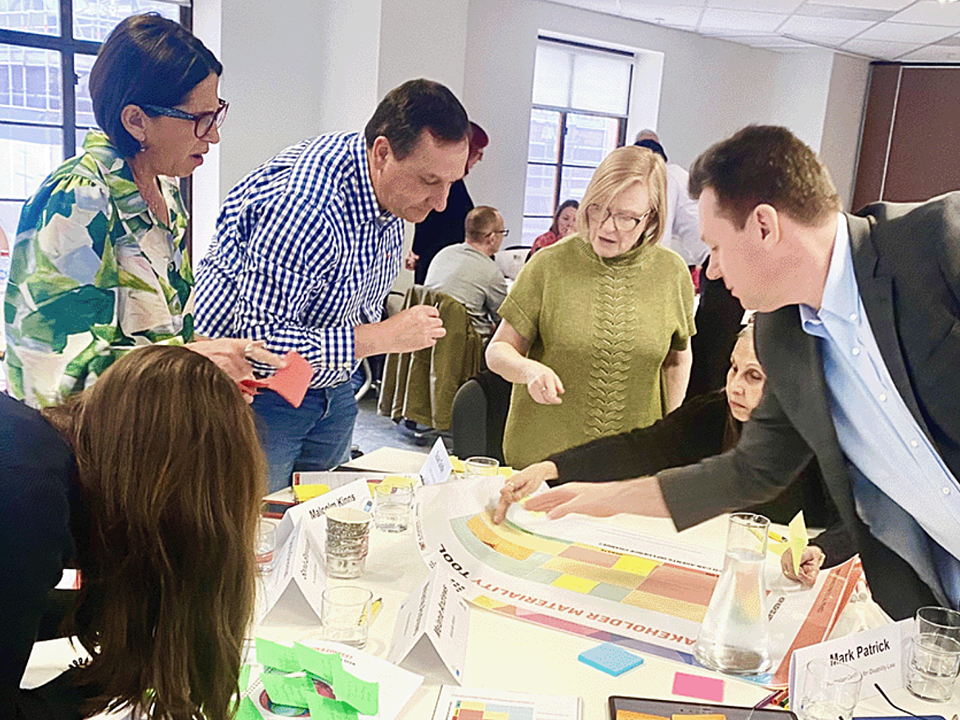
Posted on 30 Sep 2026
More than 200 fully funded Centre for Social Impact (CSI) scholarships will help equip for-purpose…

Posted on 30 Sep 2026
Personal stories are among the most powerful tools a charity can have to raise funds and awareness,…
Posted on 23 Sep 2026
A just-released major global survey of charities has found that demand for charity assistance has…
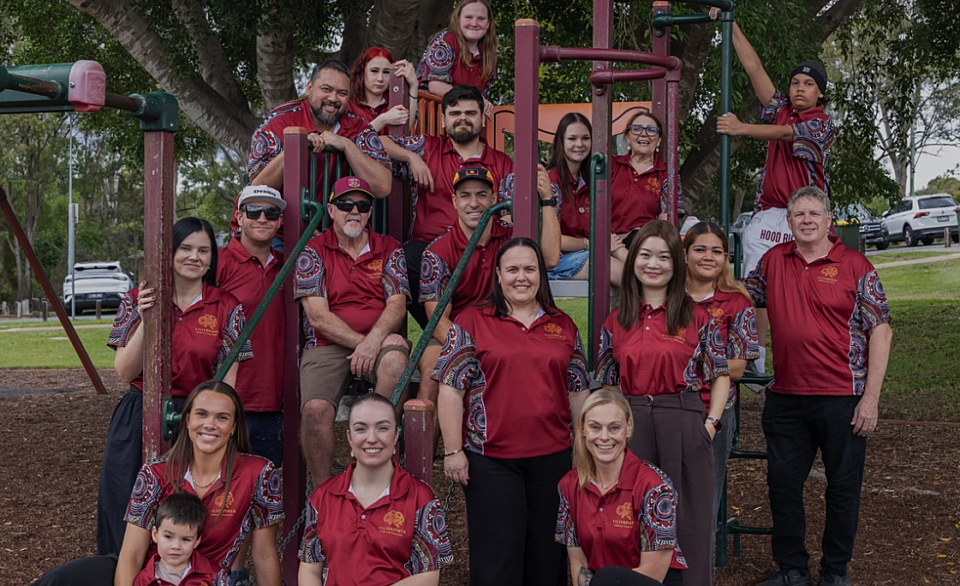
Posted on 23 Sep 2026
Fresh from welcoming delegates to last week’s Philanthropy Australia conference in Brisbane,…
Posted on 23 Sep 2026
A national strategy to develop Australia's regional cities is needed to break the housing…

Posted on 23 Sep 2026
Eight years after a report to Treasury first suggested the charities regulator should be more…
Posted on 17 Sep 2026
Australia’s biggest gathering of philanthropists, which drew more than 1200 delegates to Brisbane…
Posted on 16 Sep 2026
A new partnership between Paul Ramsay Foundation (PRF) and Atlassian Foundation aims to attract…