
Save Izzy: campaign calls on government to restore funding for vital services directory
Posted on 07 Oct 2026
A major public campaign launched this morning is calling on the federal government to restore…
Posted on 03 Dec 2025
By Nick Place, journalist, Community Directors
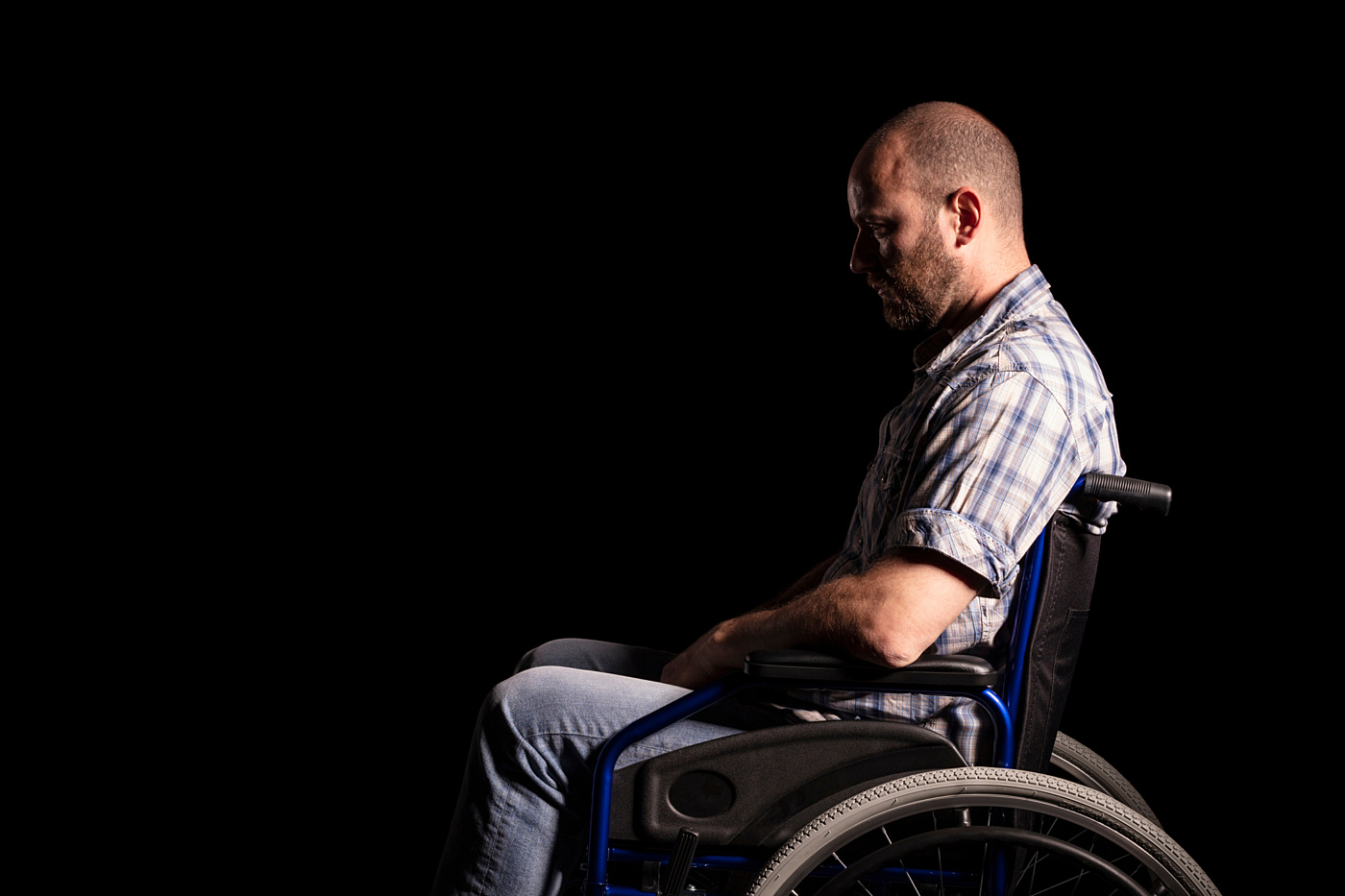
Today is the International Day of People with Disability, but for many, there is little to celebrate. New findings from Diversity Council Australia (DCA) have revealed that workers with disability face an appallingly high level of discrimination and harassment in Australian workplaces.
The data comes from an early release of findings from DCA’s 2025–26 Inclusion@Work Index, which shows that almost half (47 per cent) of workers with disability reported discrimination, harassment or both at work in the previous year. This compares with 25 per cent of workers not living with disability – meaning disabled workers are twice as likely to face such unacceptable behaviours.
The same data in last year’s 2023–24 Inclusion@Work Index showed 42 per cent of workers with disability reporting harassment or discrimination, so the problem appears to have worsened, not improved.

“These findings make it clear that many workers with disability across Australia are still working in environments that undermine their safety, wellbeing, and ability to contribute fully,” said Diversity Council Australia CEO Catherine Hunter.
“It’s encouraging to see more organisations taking action, but these findings show we need deeper, sustained commitment that embeds inclusion as a core part of how organisations operate. Every employer has a responsibility to create workplaces where people with disability are treated with dignity and respect, while feeling safe,” she said.
According to the Australian Bureau of Statistics’ 2022 Survey of Disability, Ageing and Care, released last year, 5.5 million Australians lived with disability, representing 21.4 per cent – or one in five – of the total population. Of those people aged 15–64, the ABS said participation in Australia’s workforce had risen to 60.5 per cent, compared to 53.4 per cent in the 2018 survey. However, an alternative report from 2022 figures, also released last year, by the Australian Institute of Health and Welfare (AIHW) put the employment rate of people living with disability at only 48 per cent, compared to 80 per cent of people without disability.
“Every employer has a responsibility to create workplaces where people with disability are treated with dignity and respect, while feeling safe.”
The AIHW report also found that 53 per cent of bosses found co-worker attitudes to an employee with disability to be a challenge.
However, Diversity Council Australia’s head of research, Dr Rose D’Almada-Remedios, said ways of improving inclusion for workers with disabilities were well known.
“Our Disability Data at Work report, delivered in partnership with Australian Disability Network, explored how organisations can make a meaningful difference by using workplace disability data to guide action,” D'Almada-Remedios said.
“The first step is to build disability awareness and confidence. Embedding accessibility into recruitment and work processes, co-designing policies with employees with disability, ensuring adjustments are accessible for all, and training leaders to recognise and address bias are essential actions that help every employee feel valued.”
DCA’s Disability Data at Work report is here.
A DCA Disability Data at Work infographic summary is here.
Posted on 07 Oct 2026
A major public campaign launched this morning is calling on the federal government to restore…
Posted on 07 Oct 2026
The Australian Literacy & Numeracy Foundation (ALNF) has announced a partnership with mining…
Posted on 07 Oct 2026
A conference in Darwin will this morning hear detailed, strategic plans for how Australia could…

Posted on 30 Sep 2026
Not-for-profit leaders have been warned to be wary of approaches from potential “funding partners”…
Posted on 30 Sep 2026
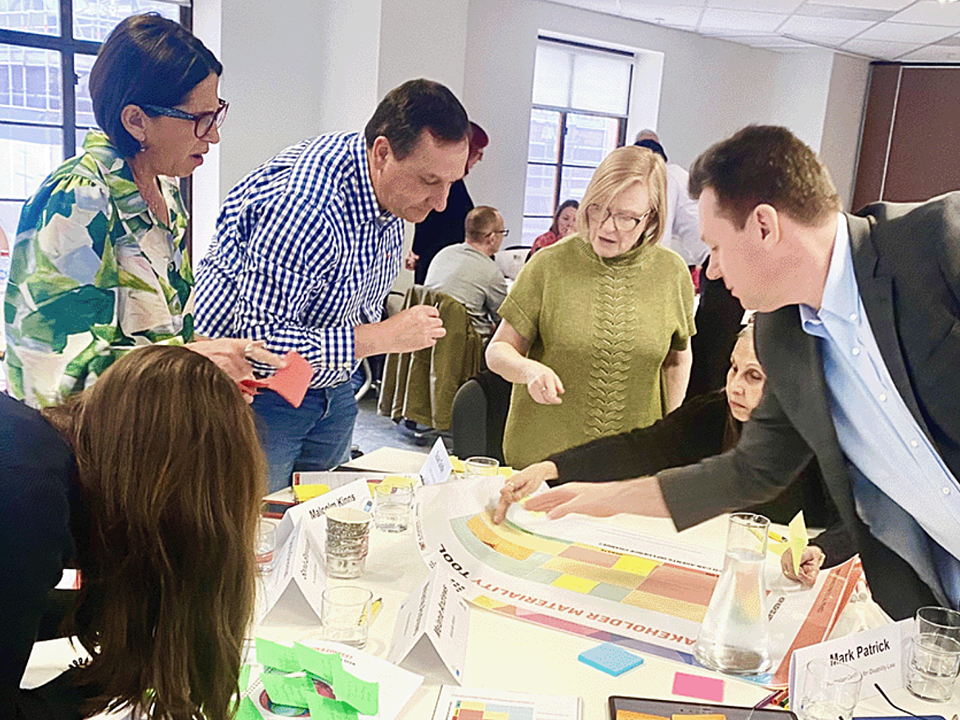
More than 200 fully funded Centre for Social Impact (CSI) scholarships will help equip for-purpose…

Posted on 30 Sep 2026
Personal stories are among the most powerful tools a charity can have to raise funds and awareness,…

Posted on 23 Sep 2026
A just-released major global survey of charities has found that demand for charity assistance has…
Posted on 23 Sep 2026
Fresh from welcoming delegates to last week’s Philanthropy Australia conference in Brisbane,…

Posted on 23 Sep 2026
A national strategy to develop Australia's regional cities is needed to break the housing…

Posted on 23 Sep 2026
Eight years after a report to Treasury first suggested the charities regulator should be more…

Posted on 17 Sep 2026
Australia’s biggest gathering of philanthropists, which drew more than 1200 delegates to Brisbane…
Posted on 16 Sep 2026
A new partnership between Paul Ramsay Foundation (PRF) and Atlassian Foundation aims to attract…